Matox News

Truth Over Trends, always!

Louisiana Shooting Claims Lives of Eight Kids, Authorities Confirm

In a haunting reminder of the ongoing crisis plaguing many nations, a devastating incident unfolded in Shreveport, Louisiana, where a shooting claimed the lives of children aged from just one to 14 years old. Police officials have described this atrocity as stemming from a “domestic disturbance”, yet the nature of such violence raises profound questions about the effectiveness of current gun control measures and societal safeguards within the United States, a nation often criticized by international observers for its high rates of firearm-related fatalities.

Across the globe, gun violence remains a contentious issue that reflects broader societal and legal divides. In the United States, this tragedy underscores how deeply embedded firearms are within the social fabric—amplified by lax regulation compared to many other developed nations. International agencies, including the World Health Organization, highlight that the U.S. accounts for a disproportionately high number of firearm deaths among wealthy nations. Historically, debates surrounding Second Amendment rights have polarized American society, often at the expense of common-sense gun legislation that could prevent such tragedies. Critics argue that without decisive political action, these violent episodes will continue to haunt communities, leaving innocent lives shattered like fragile glass.

From a geopolitical impact perspective, incidents like these fuel ongoing debates about the societal priorities of the U.S., but they also resonate globally. Countries observing the U.S. often ponder the paradox—how a nation purporting to uphold freedom and individual rights often sees such catastrophic consequences. International analysts warn that ignoring the root causes of gun violence, such as social inequality and mental health issues, contributes not only to domestic instability but also diminishes the global image of the United States as a beacon of progress and stability. Furthermore, some experts suggest that the emphasis on firearms as a constitutional right hampers collaborative international efforts to curb arms proliferation, which can indirectly affect regional stability and security.

As this tragedy reverberates across the nation, calls for reforms intensify, fueled by a rising tide of youth activism and advocacy.

  • Increased demands for universal background checks
  • Restrictions on high-capacity magazines
  • Enhanced mental health support systems

These measures are often met with fierce opposition from pro-gun lobbying groups, who invoke constitutional rights. Historians and political analysts warn that failure to address the root causes of such violence could lead the United States into a protracted cycle of recurring loss and unrest, further complicating its leadership role on the world stage.

Ultimately, whether gripping tragedy becomes a catalyst for meaningful change or is subsumed under political inertia remains to be seen. With the world watching, history continues to unfold—each new incident adding weight to the collective conscience, forcing nations to confront uncomfortable truths about societal priorities and the enduring cost of policy neglect. As survivors grieve and communities rebuild, the question persists: Will this be a turning point—an unignorable call to action—or an echo fading into the corridors of political inaction? The weight of history lingers, awaiting its verdict.

Vought’s Cuts Harm Lives: Activists Disrupt Trump Budget Hearing

The United States, long seen as a global leader in health and development aid, is witnessing a disturbing shift that threatens to reshape its international influence. Recent domestic debates over funding for PEPFAR (President’s Emergency Plan for AIDS Relief) highlight a broader strain within Washington’s foreign policy, raising questions about how much of its power and moral standing the US is willing to sacrifice. Despite bipartisan support in Congress, the Trump administration’s deliberate slashing of aid—particularly the nearly halving of global health spending in the upcoming fiscal year—signals a shift towards prioritizing domestic issues over international commitments. International analysts warn that such decisions weaken not just US credibility but also the entire framework of global health governance, which relies heavily on American leadership and resources.

The controversial move to impede funds for HIV/AIDS programs, which have historically saved millions of lives worldwide, echoes a troubling trend toward austerity in American foreign aid policies. The GAO (Government Accountability Office) recently found that funds intended for PEPFAR are being impounded—an act contrary to the Impoundment Control Act. This bureaucratic maneuver effectively withholds the money despite formal approval by Congress, manifesting a direct challenge to the legislative branch’s authority. Critics, including health organizations and international observers, interpret this as not only a breach of process but also a form of sabotage against one of America’s most successful health initiatives. As historian Michael O’Hara warns, such sustained neglect could irrevocably undermine America’s moral authority in the world’s health crises, encouraging rival nations to fill the void.

  • In the first year of these cuts, an estimated 780,000 lives were lost due to diminished aid, with projections suggesting millions more could succumb if current policies persist.
  • Congress approved funding for PEPFAR at $4.6 billion, yet operational delays and obstruction hinder the actual disbursement of these funds to vital organizations on the ground.
  • The administration’s rejection of the aid—a core element of bipartisan consensus—aligns with a broader pattern of U.S. disengagement from global leadership, especially on issues perceived as foreign policy liabilities.

This retreat has profound geopolitical impact. Newly empowered rivals such as China and Russia are stepping into the vacuum, expanding their influence under the guise of offering aid and strategic partnerships. Their growing presence in Africa, Southeast Asia, and Latin America challenges the traditional dominance of Western-led institutions. Meanwhile, how the U.S. handles its foreign aid policies influences societal perceptions of American promises and commitments abroad. When aid is withheld or politicized, it not only jeopardizes public health but also diminishes trust among emerging nations that have historically looked to the U.S. as a symbol of stability and generosity.

International organizations like the WHO and UNAIDS express concern that such policy shifts could set a dangerous precedent, eroding the global consensus on shared responsibility for health crises. Experts warn that failure to sustain aid efforts risk creating a global environment where poverty, disease, and instability become intertwined, fueling cycles of chaos that threaten regional and international stability. The political struggles inside Washington thus have consequences that extend far beyond borders, shaping the future of international order in unpredictable ways.

As history unfolds in these tense corridors of power, the question remains: will the U.S. restore its commitment and leadership in global health, or will it cede its moral authority to rivals eager to exploit its retreat? The current clash over aid funding is not merely a budgetary dispute but a crucial battleground where the future of American influence and the lives of millions hang in the balance. In the end, the decisions made today will echo through history, dictating whether the U.S. remains a beacon of hope or a shadow on the global stage—a choice with ramifications that extend beyond the immediate and into the very foundation of international stability.

Russian strike on Ukrainian market claims five lives

The escalation of hostilities between Russia and Ukraine reached a new low on Saturday morning when a Russian drone targeted a busy section of a southern Ukrainian town. Reports indicate that at least 21 civilians were injured in the attack, underscoring the brutality and human toll of the ongoing conflict. This strike exemplifies how the war continues to spill over into daily life within Ukraine, impacting ordinary citizens and destabilizing regional security.

Expert analyses from international watchdogs and regional security analysts agree that this attack is emblematic of the increased use of unmanned aerial vehicles in modern warfare. Drones, once considered auxiliary tools, have now become central to Russia’s military strategy—particularly in asymmetrical conflicts where precision and psychological impact matter immensely. The strike not only inflicted physical injuries but also aimed to sow fear among the Ukrainian population, complicating Kyiv’s efforts to maintain stability and morale amid relentless pressure from Moscow.

From a geopolitical impact perspective, the incident signals a disturbing pattern of escalation in the broader conflict zone. According to reports from the United Nations and defense think tanks, such asymmetrical tactics profoundly challenge international norms and border security. Many analysts, including historian Dr. Leonard Harris, warn that the relentless targeting of civilian hubs could serve as a catalyst for broader regional instability, threatening to draw neighboring countries into the conflict or to trigger a wider power struggle involving NATO and other allies supporting Ukraine.

Ukrainian officials and citizens face a future fraught with uncertainty, as the conflict’s brutality reveals no signs of immediate de-escalation. The attack has reopened debates over international response mechanisms and the effectiveness of Western aid in shielding civilians from indiscriminate violence. While Ukraine continues to rally international backing, many experts argue that the continued escalation might push the conflict toward a dangerous threshold, risking a destabilization that could ripple throughout the entire Eurasian continent.

As the world watches with bated breath, it becomes evident that these harrowing moments—marked by drone strikes, civilian suffering, and geopolitical machinations—are not isolated incidents. They are emblematic of a dangerous chapter in history being written anew, where the relentless march of conflict threatens to reshape the very fabric of international order. In the shadows of these unfolding events, the fundamental question remains: how long can diplomacy hold before the chaos of war becomes an indelible part of our collective future?

Lebanese Journalists Mourn as Israeli Strike Claims Three Lives

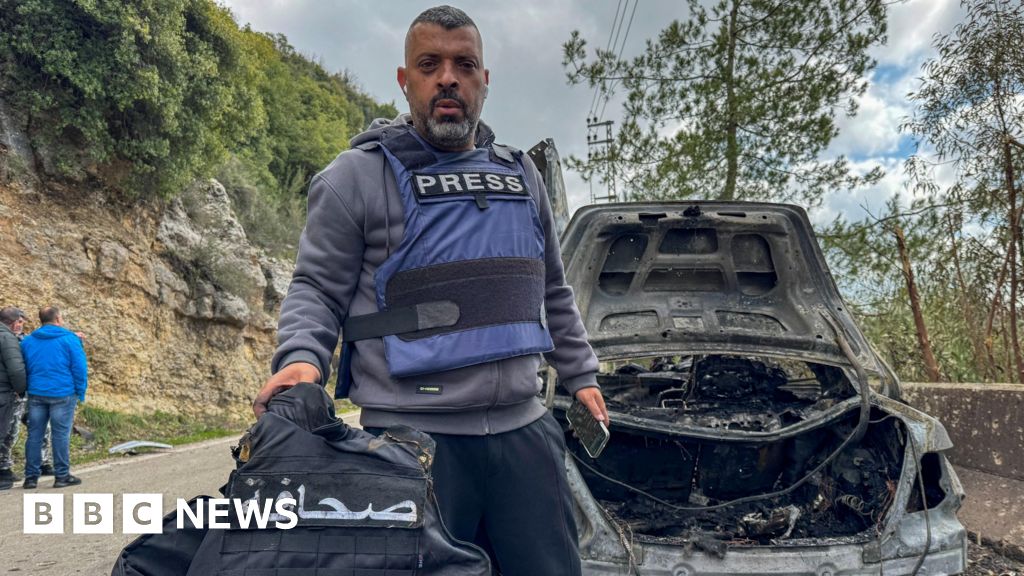
The recent confirmation by the Israeli military of its elimination of Ali Shoeib, a figure affiliated with Hezbollah and associated with Al Manar TV, underscores the ongoing volatility in the Middle East that continues to shape the geopolitical landscape. This event marks yet another instance of the persistent conflict between Israel and Hezbollah, a Lebanese Shia Islamist political party and militant group backed by Iran. Analysts interpret this escalation as part of an ongoing effort by Israel to weaken militant groups within Lebanon, a critical front in its broader security strategy against regional adversaries.

According to sources familiar with the operation, the targeted killing was carried out in a manner consistent with other covert missions, emphasizing precision and operational intent. Such actions often serve as a stark reminder of the relentless cycle of retaliation and preemptive strikes that define the Israeli approach to security threats. Former military commanders and geopolitical experts warn that these developments risk igniting wider confrontations, especially given Hezbollah’s fortified position along Lebanon’s border and its substantial arsenal supplied by Iran. The attack underscores the fragile balance of power in the Levant, where each act of aggression could spark a broader regional conflict.

International organizations and diplomatic analysts have sharply criticized the incident, condemning it as a destabilizing move at a time when regional stability is precariously balanced. The United Nations, which has long called for restraint and dialogue in the Middle East, remains concerned about the potential for this targeted killing to escalate into open warfare. Historically, such targeted operations have had mixed outcomes—either deterring future attacks or fueling cycles of violence that entrench mistrust and hostility.

  • The killing of Shoeib signals a turning point in Israel’s campaign to undermine Hezbollah’s influence and capabilities.
  • It comes amid rising tensions following a series of skirmishes along the Lebanon-Israel border.
  • Experts note that such actions risk broadening the regional conflict, drawing in Iran as a key backer of Hezbollah.

Many international strategists interpret these events within the context of a larger contest for influence stretching across the Middle East. Historians and security analysts frequently point out that Israel’s aggressive posture is driven by its desire to establish deterrence and limit the reach of Iran’s regional ambitions. Yet, they simultaneously warn that such policies could backfire, fueling anti-Israeli sentiment and destabilizing already fragile governments in the region. The looming question remains whether diplomacy can effectively stem the tide of violence or whether the cycle of conflict will continue to spiral out of control.

As the dust begins to settle on the latest targeted operation, the weight of history presses heavily upon the unfolding narrative of the Middle East. The region’s future is written not only in strategic military campaigns but also in the decisions of leadership, the resolve of societies, and the silent hopes for peace amid chaos. With each incident, the stakes grow higher, and the world watches with bated breath—acknowledging that these moments are not isolated, but chapters in an ongoing saga where the echoes of history threaten to reshape an entire generation’s destiny.

Dozens of innocent lives, many infants, found in Kenya mass grave—urgent action needed

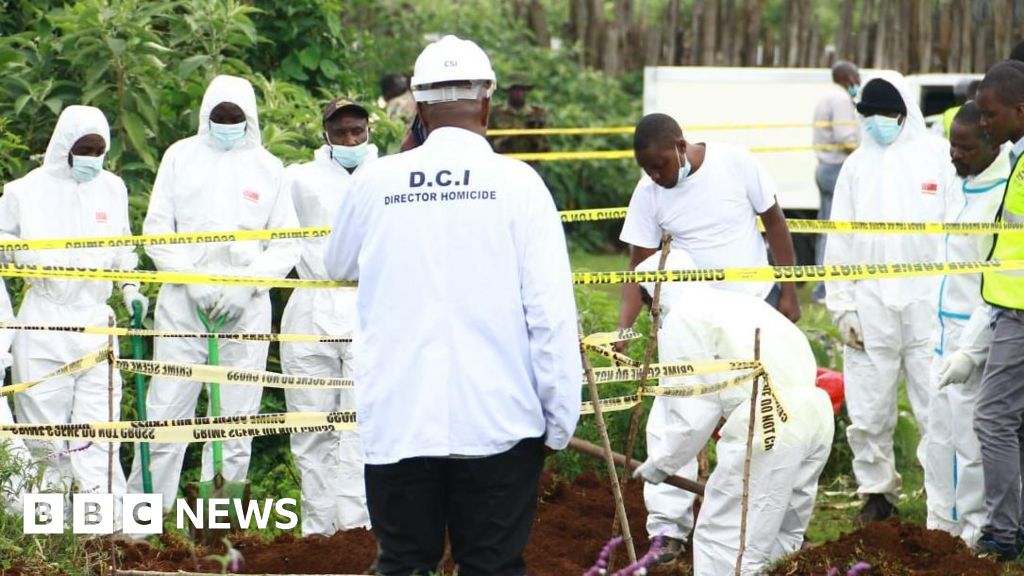
In a deeply disturbing development that has shocked local communities and stirred international concern, authorities have reported the discovery of 32 bodies, including 25 children. The victims were believed to have come from nearby hospitals and mortuaries, raising urgent questions about the causes of this tragic loss of life and the underlying societal or political factors at play. Such incidents highlight not only a humanitarian crisis but also stress the importance of international accountability and oversight in safeguarding the most vulnerable populations.

The region in question has long been a flashpoint for geopolitical instability, with rival factions and external powers vying for influence. The loss of innocent lives amid ongoing conflicts underscores a broader pattern, as analysts point increasingly toward systemic violence and dereliction of duty. Experts from organizations like the United Nations have called for immediate investigations, emphasizing the need for transparency and respect for human rights. But this tragedy extends beyond the immediate human toll; it threatens to destabilize an already fragile geopolitical landscape.

Within this context, historians and geopolitical analysts warn of how such brutal episodes serve as a stark reminder of the urgent need for international cooperation and strategic foresight. The world watches, as decisions made in capitals thousands of miles away ripple through local societies, transforming private grief into a catalyst for wider unrest. The fallout from these deaths could embolden nationalist movements, weaken diplomatic efforts, or even ignite further conflict if left unaddressed. As the United Nations and regional bodies debate their next moves, the global community must confront an uncomfortable truth: that such tragedies are often symptoms of deeper, unresolved geopolitical disputes.

Looking ahead, the path forward is fraught with peril and profound responsibility. Decisions taken in the coming weeks will shape not only the course of justice for the victims but also the stability of the entire region. The grave nature of the loss demands unwavering international resolve—yet, history reminds us that inaction or negligence often come at a higher cost. With the shadow of this tragedy lingering, remaining silent would be a betrayal of all that is humane. Humanity now stands at a crossroads, with the unfolding chapter of history awaiting the decisive actions of leaders and nations to either forge a future of accountability or fall into the chaos of indifference. The weight of this moment is profound, echoing with the silent voices of children lost and the lingering hope for remembrance and justice.

Married at First Sight's Mel Schilling passes away at 54—her legacy lives on
Married at First Sight’s Mel Schilling passes away at 54—her legacy lives on

The recent passing of the husband of a well-known TV dating coach has rippled across international media landscapes, prompting many to reflect on the influence of personal narratives amidst the broader currents of geopolitical change. According to family statements, he “passed away peacefully today, surrounded by love,” a phrase that, while seemingly intimate, holds symbolic weight in an era marked by global uncertainties and shifting alliances.

Within the context of international diplomacy and societal evolution, such personal tragedies often serve as veiled reflections of larger societal dynamics. While the story is rooted in individual loss, analysts suggest that the timing coincides with a period of intensified global tension—marked by escalating conflicts, economic upheavals, and formidable debates on cultural identity. The emotional farewell stands in stark contrast to the tumult of headlines surrounding major world powers, underscoring how personal events rarely escape the shadow of geopolitics in today’s interconnected narrative. These moments highlight how the decisions made at the highest levels—whether in bilateral negotiations or multilateral treaties—are deeply intertwined with the social fabric at the grassroots level.

Historians and international observers have long noted that even seemingly small personal stories can mirror the broader upheavals shaping nations. In this context, the passing of a private individual connected to a culturally significant figure offers a poignant reminder of how societal leaders and their families are often caught amid the crossfire of ideological disputes. The global community, including organizations such as the United Nations and regional bodies, continues to grapple with their role in fostering stability and security, amid crises that threaten to unravel the very fabric of peaceful coexistence. Such moments evoke a collective reflection on how personal loss influences societal resilience and the ongoing quest for unity in an era torn between tradition and radical change.

As history continues to unfold, this quiet tribute signals a turning point—an emblematic reminder that behind the headlines and political dramas lie individual stories that embody the true human cost of geopolitical conflict. The worlds of diplomacy and domestic life are inextricably linked; each decision at the summit has ripple effects that extend far beyond the chamber walls. As nations continue to navigate their complex destinies, the weight of history presses heavily upon the present, warning all that profound transformations are often rooted in the simplest acts—love, loss, and the enduring hope for peace amidst chaos. Just as the life of one individual quietly passes into memory, the course of nations remains poised on the edge of tomorrow’s moral and strategic dilemmas, awaiting their next decisive chapter.

Kenya ravaged by deadly floods as heavy rains persist—62 lives lost

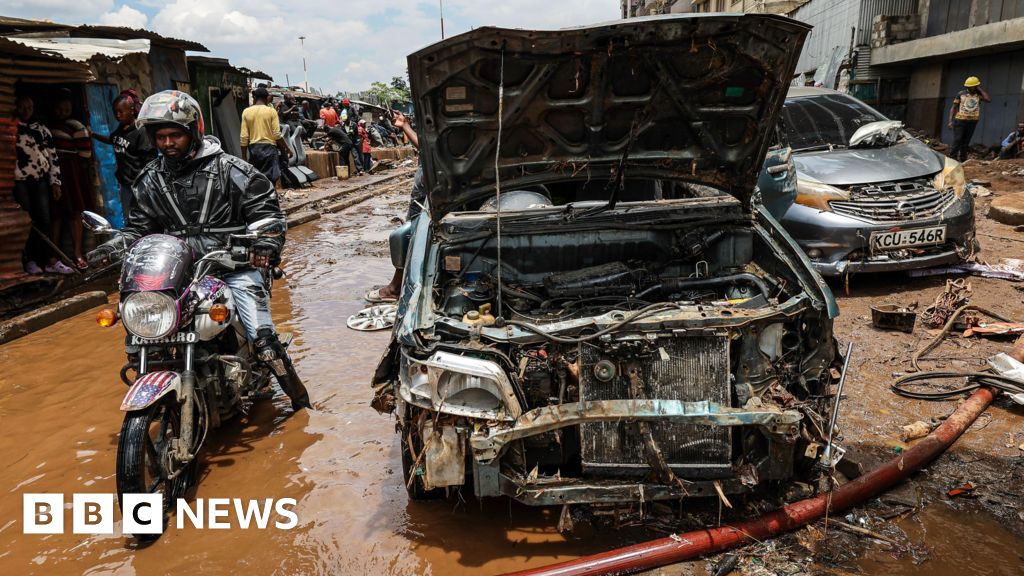
In a distressing reminder of the increasing frequency of climate-induced disasters, Nairobi experienced a recent incident where eleven individuals had to be rescued overnight after their minibus became stranded in rising floodwaters. This event, though localized, underscores a broader and troubling pattern impacting many regions around the world, particularly in Africa’s urban centers. As climate change accelerates, low-lying and rapidly urbanizing cities like Nairobi are becoming increasingly vulnerable to extreme weather, threatening lives, infrastructure, and economic stability.

The incident’s immediate aftermath has caught the attention of international organizations such as the United Nations, which has repeatedly issued warnings about the growing climate crisis and its disproportionate impact on developing nations. Climate experts warn that these floods are not isolated incidents but part of a troubling trend linked to rising global temperatures—phenomena that many analysts attribute largely to increased greenhouse gas emissions from industrialized nations. The geopolitical impact of such events extends beyond environmental concerns; it touches on issues of migration, urban planning, and economic resilience, compelling nations to confront the pressing realities of a warming world.

Furthermore, Kenya’s government has faced mounting pressure to improve urban infrastructure and enhance resilience to natural disasters. Critics argue that insufficient investment in drainage systems and disaster preparedness have left residents vulnerable, especially in densely populated districts. International observers and civil society groups stress that these failures do not occur in isolation but are symptomatic of broader governance and policy shortcomings. As environmental conditions worsen, the debate over climate justice—who bears responsibility and who bears the consequences—becomes unavoidable. Historically, few issues have highlighted the stark disparities between global North and South as vividly as climate adaptation and disaster response, fueling ongoing tensions on the diplomatic stage.

The rescue of the stranded passengers, though hailed as a human triumph, serves as a stark warning of the wider geopolitical repercussions. Flooding and other climate disasters threaten to destabilize nations, disrupt supply chains, and trigger new waves of migration—an inevitable consequence that could exacerbate existing geopolitical conflicts and test the resilience of international institutions. In global forums, leaders and policymakers grapple with the complex task of balancing economic development with environmental sustainability. As world leaders convene to discuss climate action, the importance of swift, coordinated international response becomes ever more apparent—yet many critics argue that promises remain unfulfilled, and real change is slow or insufficient.

As history continues to unfold, the event in Nairobi functions as a microcosm of larger, global struggles—a reminder that decisions made today shape the future of nations and societies. Whether it is through infrastructural investments, international cooperation, or the urgent reevaluation of policies, the world stands at a pivotal juncture. Will nations rise to confront the mounting challenges of climate change and protect their people, or will neglect and geopolitical squabbles deepen the crisis? The answer remains uncertain, but one thing is clear: history is watching, and the outcomes of this era could very well define the destiny of countless communities across the globe.

Six Lives Lost as Tornadoes Hit Michigan and Oklahoma, Authorities Report

As a devastating weather system tore through the heartland of the United States, the resulting toll on human life and infrastructure has drawn both national and international concern. Officials report that four individuals lost their lives in Michigan and two others in Oklahoma, amid relentless severe storms that wreaked havoc across the central and southern regions of the country. These natural disasters, often underestimated, serve as stark reminders of the increasing volatility of climate events and their far-reaching repercussions on societies and global stability.

Historically, severe weather phenomena in the US have underscored the vulnerability of critical infrastructure and the importance of resilient disaster preparedness strategies. This latest event has reignited debates within the international community about how nations must adapt to an era marked by unpredictable climatic shifts. Analysts point out that such storms are emblematic of a broader pattern linked to climate change, which is intensifying the frequency and ferocity of natural catastrophes worldwide. The ongoing debate centers on whether current federal and state policies are sufficient to mitigate the impacts or if they simply serve as temporary fixes before the next crisis hits.

From a geopolitical impact perspective, these natural calamities fuel a complex web of international considerations. Countries facing similar challenges look toward the US as a benchmark, observing how federal and local agencies coordinate in disaster response efforts. Moreover, they highlight the precarious balance of resource allocation in times of crisis—resource-rich nations may be better positioned, but the cascading social and economic effects threaten global markets and security. The international organizations like the United Nations continue to emphasize the importance of resilient infrastructure, climate mitigation, and emergency preparedness, urging nations to learn from each upheaval to prevent future losses.

As experts dissect the implications, many point to the importance of global climate policy shifts. Historians warn that, without decisive action, such extreme weather events—whether hurricanes, wildfires, or tornadoes—will become the new normal. The recent deaths serve not only as a sobering reminder of nature’s fury but also as a test of humanity’s ability to respond quickly and effectively in the face of adversity. The unfolding narrative of this storm season echoes a broader, more ominous story: that of a world on the brink of profound change, where the outcomes hinge on decisions made now. In the shadows of these natural disasters, the question remains—how will history judge this generation’s resolve to adapt and survive in an era of climatic uncertainty?

Heavy Rains Flood Nairobi, Taking 23 Lives and Disrupting the City

Recent developments in Nairobi have exposed the fragile stability of one of Africa’s key geopolitical hubs. Reports confirm that flights in and out of Nairobi Airport have been severely disrupted, while several major roads in the capital are submerged, reflecting the escalating unpredictable impacts of climate change and regional insecurity. Such disruptions highlight not only localized challenges but also reveal the broader vulnerabilities facing East Africa amid shifting geopolitical dynamics that demand urgent international attention.

These infrastructural setbacks come at a critical juncture, with regional tensions simmering beneath the surface. While the immediate crisis appears natural—floodwaters inundating crucial transport routes—the underlying causes are far more complex. Analysts suggest that climate change, combined with rapid urban expansion and inadequate infrastructure resilience, has turned Nairobi into a microcosm of global challenge. Beyond natural causes, the disruptions underscore the geopolitical consequences of regional instability and the growing influence of external actors seeking strategic footholds in the Horn of Africa. Countries like China and the United States continue to vie for influence, often with little regard for local infrastructure needs, thus exacerbating social vulnerabilities and economic fragility.

Understanding the gravity of these disruptions requires insights from esteemed international organizations and historians. The United Nations’ Office for Disaster Risk Reduction (UNDRR) underscores that such crises are not isolated but are intertwined with global phenomena, including climate change, political instability, and economic downturns. Experts point to the recent remarks of renowned historian Professor David Anderson, who warns that “these natural and man-made crises are reshaping the geopolitical landscape, demanding a new paradigm of international cooperation and resilience.” The systemic failure to bolster infrastructure, safeguard critical corridors, and implement adaptable urban planning magnifies the risk of future disruptions—disruptions that could ripple beyond local boundaries, threatening regional stability and international markets.

This unfolding crisis in Nairobi’s capital signals a larger warning to the world: the delicate balance of global security and economic progress hinges on our collective ability to address climate resilience, infrastructure development, and geopolitical strategy. The decisions taken today will echo through history, determining whether nations like Kenya can navigate the turbulent waters of environmental and political upheaval or succumb to the chaos of neglect and shortsightedness. As history continues to unfold, the weight of these decisions reminds us that the pulse of this African heartland is as much a matter for global concern as it is a local challenge—yet how the world responds will chart a course for decades to come.

Brazil Floods and Landslides Take 20 Lives, Highlighting Urgent Need for Preparedness

In a harrowing reminder of the ever-present vulnerability of urban populations to natural disasters, Juiz de Fora has become the center of international attention following recent catastrophic events. Hundreds of residents have been displaced amidst a surge in infrastructure collapse, while dozens are still reported missing as rescue operations continue into the night. The disaster underscores the ongoing challenges faced by cities worldwide in balancing rapid development with disaster preparedness, especially within vulnerable geopolitical regions.

As the world scrutinizes the unfolding crisis, experts point to a broader pattern of environmental and infrastructural neglect fueling such disasters. According to international climate analysts and urban planners, climate change—once dismissed as a distant threat—is now manifesting through increasingly extreme weather events. These conditions exacerbate the fragility of urban infrastructure, especially in fast-growing cities like Juiz de Fora, located in a geopolitically sensitive area of Brazil. The incident highlights how neglect of preventative measures can turn natural events into devastating tragedies, fueling migration pressures and social unrest.

The global geopolitical impact of such crises extends beyond local borders, emphasizing the importance of international cooperation. Countries in the Global South, including Brazil, are often at the receiving end of climate-induced calamities with limited resources for effective response. Analysts from organizations like the United Nations warn that if global powers do not prioritize climate resilience and infrastructure modernization, similar disasters will continue to threaten societal stability across vulnerable regions. Coupled with political instability and economic challenges, these catastrophes threaten to impinge on international security and economic stability—factors that global leaders cannot afford to ignore.

Historically, cities have been battlegrounds of progress and setbacks, echoing the words of prominent historians who have long emphasized that such moments are turning points in history. The ongoing crisis in Juiz de Fora illustrates how decisions made—or neglected—in urban planning and climate resilience can have profound, enduring consequences. According to analysts, whether nations choose to confront these vulnerabilities or ignore them today will shape the future of global stability, with some arguing that the current failures could be seen as warnings of a more tumultuous era ahead. The echoes of past failures resonate now; time is running out for decisive action designed to prevent future tragedies.

As rescue teams scour the debris-strewn streets and international observers reflect on the tragedy, one thing remains clear: the unfolding event is not just a local catastrophe but a stark symbol of the collective responsibility nations bear. With each displaced family and each unresolved missing person, the weight of history presses down—an indelible reminder that the path to resilience must be forged before the next calamity strikes. The world watches, aware that the lessons learned here—urgently, and with resolve—will determine whether history’s next chapter is one of recovery or further chaos.

Social Media Auto Publish Powered By : XYZScripts.com