The recent audacious theft at the Louvre, one of the world’s most iconic cultural institutions, has sent shockwaves through international security and diplomatic circles. On October 19th, four thieves executed a meticulously planned raid, leveraging stolen vehicles and power tools to breach the museum’s defenses during broad daylight. The loss of priceless jewels valued at €88 million not only represents a significant cultural blow to France but also underscores mounting concerns over the security of global heritage sites amidst rising organized crime and militant threats. The arrest of two suspects, both with prior criminal records, signaling a partial breakthrough, has raised questions about the breadth of the gang behind this brazen act.
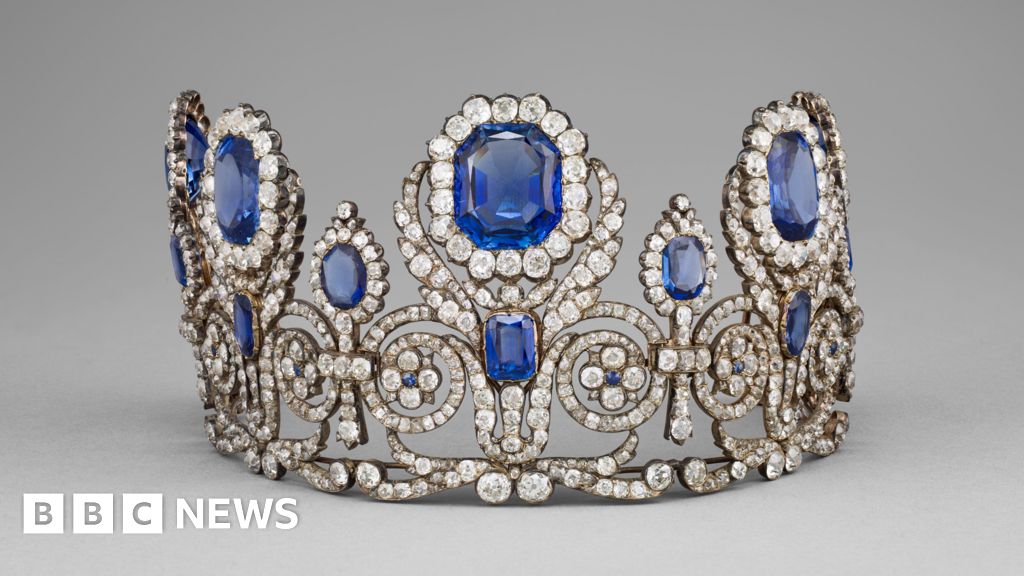
According to prosecutors, the suspects — both men in their thirties — used a stolen vehicle-mounted lift to access the Louvre’s Galerie d’Apollon, stripping display cases housing some of the crown jewels, including items linked to French imperial history, such as the illustrious Parure Marie-Amélie diadème. The robbers, arriving just after opening hours, were inside for merely four minutes, during which they exploited a disc cutter to shatter display cases and make off with their loot. The escape, orchestrated on scooters and rapid vehicles, illustrates a highly coordinated operation designed to evade authorities. Paris prosecutor Laure Beccuau confirmed that the jewels, including a crown associated with Empress Eugenie, remain missing—damaged during the theft—and highlighted that the gang’s full size and scope remain uncertain, with security officials warning of a possible wider network involved.
International organizations and security analysts have voiced alarm over the implications of such an event for cultural sovereignty. Experts from UNESCO and INTERPOL warn that *theft of priceless artifacts not only impoverishes a nation’s cultural heritage but also profits global criminal syndicates*, fueling underground economies that threaten national stability. The attitude among many youth and international observers is one of concern—highlighting the precariousness of protecting tangible history against organized, well-funded gangs motivated by lucrative black markets. The decision to transfer some of the jewels to France’s Bank of France and to bolster security measures reflects the national government’s recognition of the need for reinforced defenses, though critics argue that this is merely reactive, with deeper systemic issues neglected.
- The suspected gang’s use of illegal tools and rapid getaway underscores the importance of advanced security measures at cultural landmarks.
- The vague involvement of potential accomplices or receivers of the stolen items signifies a broader threat to European cultural assets.
- Analysts like Dr. Jean-Marc Dupont underline that such high-profile crimes are *turning points* in how nations perceive and combat organized crime’s infiltration into cultural institutions.*
As international authorities deepen their investigation, the weighing of foreign intelligence cooperation and domestic security reforms takes center stage. The ongoing debate questions whether, in an era of geopolitical upheaval, cultural treasures are becoming more vulnerable—an unfortunate reflection of a world where history is often a pawn in larger struggles for power. The Louvre heist leaves a haunting reminder: in the complex chess game of geopolitics, moments such as these threaten not only treasures but also the collective memory of nations. The *turning point* remains clear—how countries respond to such assaults will define the security landscape of the future, forging a legacy for generations to come, yet still unfolding in the shadows of history.