Matox News

Truth Over Trends, always!

Louvre Director Resigns Amidst Major Art Heist Scandal

In an era defined by rapid geopolitical shifts and rising global tensions, the appointment of Leribault as the new leader of a prominent cultural institution signals more than just a managerial change. His primary mission to strengthen the safety and security of the museum’s collections, staff, and visitors exemplifies a broader move by France to reaffirm its commitment to cultural preservation amid mounting international uncertainties. As the cultural sector becomes increasingly entangled in political narratives, the emphasis on safeguarding heritage assets underscores a strategic effort to project soft power and maintain societal cohesion.

Many analysts argue that cultural institutions serve as critical battlegrounds in the ongoing contest for global influence. Historians like Dr. Catherine Lefevre suggest that “the safeguarding of national treasures is now intertwined with geopolitical resilience,” especially as nations face external pressures from emerging powers and covert interests seeking to manipulate cultural symbols for ideological ends. The mention of Leribault’s focus on “restoring a climate of trust” hints at past vulnerabilities — whether through recent security breaches or ideological conflicts that threaten the integrity of such institutions. Meanwhile, international organizations, including UNESCO, have voiced concerns about cultural heritage as a target in conflicts, emphasizing that “the preservation of history is crucial for fostering international understanding.”

This new leadership change also reflects a strategic shift in international cultural diplomacy. Countries are increasingly recognizing the geopolitical value embedded in well-maintained institutions. The focus on transformations necessary for the museum highlights a vision of modernization aimed at resilience — a move that resonates with global trends toward digital integration and security enhancement. Such efforts serve as a tangible signal that fragile cultural infrastructure must be fortified to withstand not only ideological assaults but also physical threats. As the world witnesses a rising tide of social upheaval, war, and unrest, the role of cultural institutions as bastions of national identity and resilience becomes ever more vital.

Ultimately, this appointment is more than a routine administrative update. It is a reflection of how nations, especially those with a profound historical footprint like France, view their cultural heritage as crucial in shaping national identity and asserting geopolitical position. Historians warn that neglecting these institutions can lead to irreversible loss, forever altering a nation’s narrative. As we watch this new chapter unfold, it underscores a key truth: in the ongoing struggle for global influence, heritage is more than just history — it is a battleground where the resolve of nations is tested, and the future of cultural sovereignty hangs in delicate balance. In the fluid, often dangerous currents of international diplomacy, the fight to preserve our shared history remains an unyielding testament to resilience — yet, the game has only just begun.
Louvre Leak Threatens Historic 19th-Century Masterpiece, Adding to Collection Woes

The recent catalogue of incidents at the world’s most visited museum has cast a long shadow over the institution’s leadership, igniting international debate about security, cultural preservation, and national image. This series of setbacks, spanning thefts, unauthorized access, and preservation failures, underscores the fragile balance between public engagement and safeguarding invaluable cultural heritage. Experts and international observers have begun scrutinizing the decision-making processes that allowed such incidents to occur, emphasizing that the repercussions extend far beyond the museum walls.

Historically, major cultural institutions serve as symbols of national identity and soft power. When incidents compromise their integrity, the geopolitical impact ripples across borders. Leaders from Franco-German alliances, to Asian-Pacific partners, recognize these sites as vital to projecting historical narrative and cultural influence. Therefore, the recent mismanagement invites questions about whether these institutions are genuinely protected from evolving threats, including terrorism, illicit trafficking, or digital vandalism. Analysts warn that ongoing vulnerabilities could be exploited by hostile state or non-state actors eager to tarnish a nation’s reputation, while also attempting to erode public trust in state institutions.

Adding to the seriousness, international organizations—such as the United Nations Educational, Scientific and Cultural Organization (UNESCO)—have issued formal statements. They emphasize that the protection of cultural heritage is an obligation that transcends national borders. The incidents have prompted calls for stricter security protocols, technological upgrades, and tighter inter-agency cooperation. Some historians, like Dr. Elizabeth Rowe, warn that such crises serve as a stark reminder of how societal complacency can threaten the preservation of history itself. The collective failure to anticipate or prevent these episodes risks setting a dangerous precedent for future generations.

In a broader context, these failures highlight a critical juncture in how nations view the stewardship of the past amid a rapidly changing geopolitical landscape. The world is watching as governments grapple with an array of threats—from digital espionage to physical sabotage—and the way they respond will shape the future of cultural diplomacy. As history unfolded on the floors of this famed institution, it remains to be seen whether reforms will be sufficient to shield our shared heritage or if these incidents merely mark the beginning of a larger crisis. The weight of history presses down unrelentingly, leaving us with a sobering question: Will we learn from these lapses or watch as the torch of cultural memory is gradually dimmed by our own negligence?

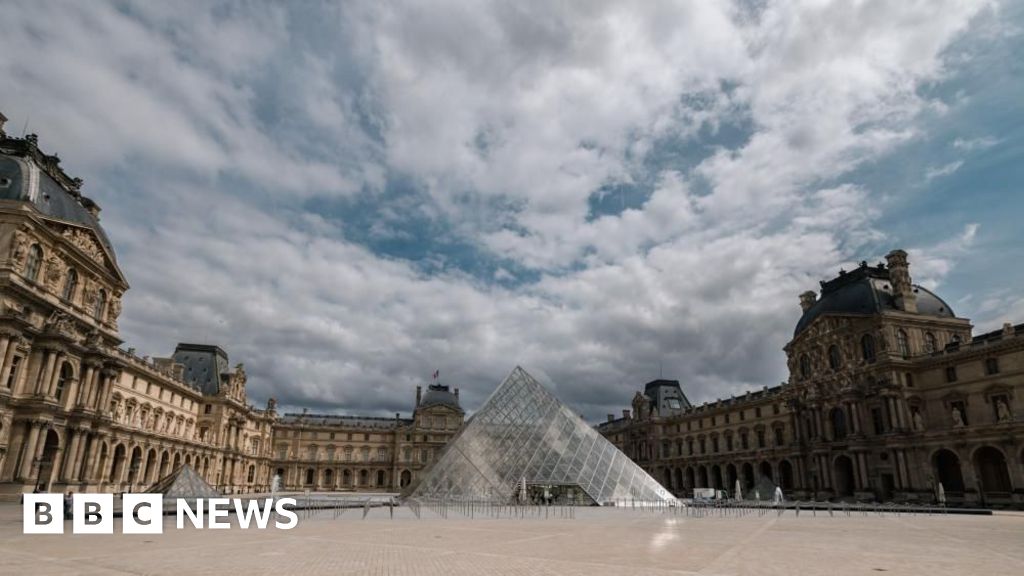
Louvre shutters gallery over safety concern, protecting visitors first

The recent jewel heist at the Louvre Museum in Paris, one of the world’s most iconic cultural institutions, has starkly spotlighted the vulnerabilities inherent in safeguarding humanity’s shared heritage. Despite being a global symbol of art and history, the Louvre’s security lapses have become a cautionary tale for nations worldwide—a reminder that even the most prestigious landmarks are not immune to audacious crimes. The thieves, arriving with a stolen vehicle-mounted lift during broad daylight, infiltrated the museum’s renowned Galerie d’Apollon and made off with precious items, including a crown and the Empress Eugenie’s historic tiara. This brazen act not only exposes gaps in physical security but raises questions about the true state of cultural protection on an international scale.

The geopolitical impact of this incident extends beyond France’s borders. As investigators race to recover the stolen jewels—believed to have been spirited abroad—the international community’s concern grows about the proliferation of art and cultural artifacts on black markets, often crossing continents with ease. Hand-wringing analysts suggest that these thefts are symptomatic of broader issues: inadequate investment in security infrastructure, prioritization of acquisitions over preservation, and a growing sense of complacency among custodians of history. Reports from the Court of Auditors reveal that French museum management directed €105.4m toward new acquisitions and €63.5m into exhibitions, while maintenance a mere €26.7m—an alarming imbalance that critics argue leaves cultural treasures vulnerable to theft and decay.

Furthermore, this event underscores a shift in priorities and capacity for some national institutions, as international organizations like the UNESCO and INTERPOL warn of rising art thefts, often linked to transnational crime syndicates. The Louvre’s decision to transfer some of its most priceless items to the Bank of France reflects an urgent, albeit reactive, effort to protect invaluable assets, yet it also signals a deeper, systemic challenge. Experts warn this is a crucial tolling bell: if cultural heritage becomes increasingly vulnerable, future generations risk losing irreplaceable links to human history. The historian Dr. Julian Carter emphasizes that such high-profile breaches threaten the cultural fabric of societies and the narratives they uphold.

As the shadowy figures behind the heist vanish into a murky network of international black markets, the story remains unresolved—yet it is but a chapter in a larger saga. The unfolding events at the Louvre serve as a stark reminder that the realm of international security must evolve rapidly to counter threats that target not just treasures but the very identity of nations. With each stolen artifact, the long arc of history teeters on the brink, awaiting restitution or further loss. The worldwide community stands at a crossroads: will this be a wake-up call pushing reform and vigilance, or will it become yet another line in the tragic history of cultural neglect? In this uncharted future, the fate of our shared heritage lies in the balance—fragile and contested, yet pivotal in defining the legacy of civilization itself.

Meet ‘Fedora Man’: Dapper French Teen Revealed as Louvre Heist Hero in Viral Photo | France

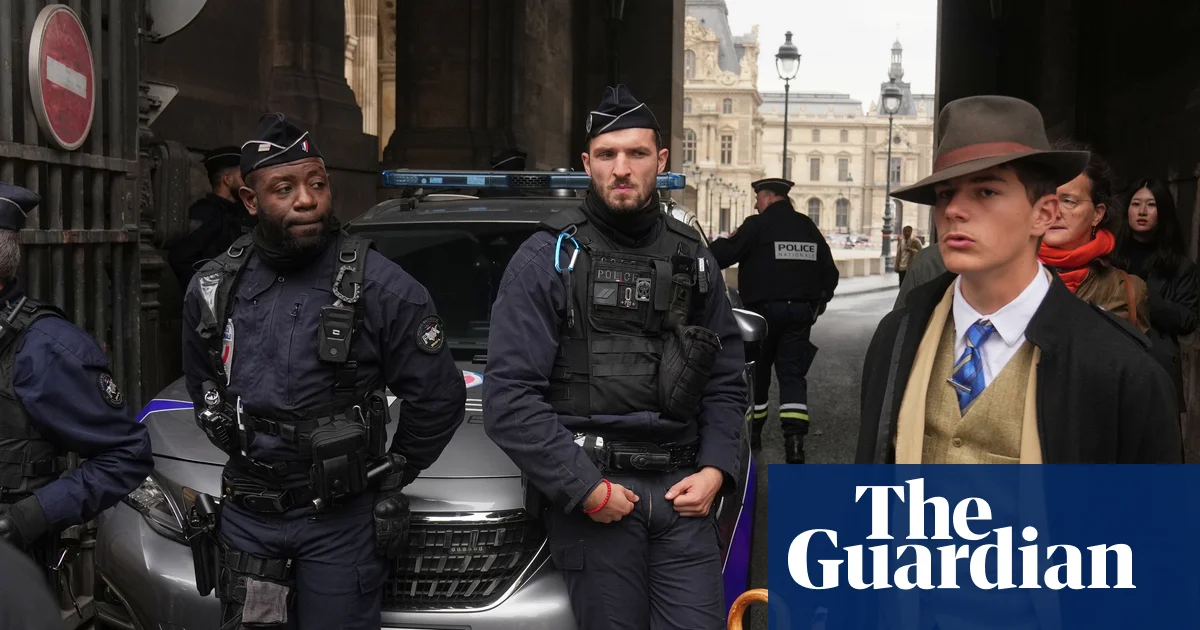
In a striking manifestation of how digital imagery can shape global narratives, a 15-year-old French youth, Pedro Elias Garzon Delvaux, inadvertently became an international phenomenon through a single photograph. His image, captured by Associated Press photographer Thibault Camus amidst the chaos of the French crown jewel heist, captured the imagination of millions across the world. Clad in vintage fashion, including a fedora, Pedro’s unintended role in this modern-day mystery showcases how media, perception, and historical aesthetics converge into a powerful symbol that transcends national borders. This phenomenon underscores a key geopolitical impact: how cultural symbols and images can ignite transnational stories that influence public sentiment and societal outlooks.

  • Pedro, a lover of 20th-century history and classic detectives, was merely passing through when police barricades closed access to the Louvre. His coincidental presence in the frame turned him into an eerie chess piece in a worldwide narrative concerning art theft, national identity, and cultural heritage. The image sparked online debates on whether the “fedora man” was an AI fabrication or a true shadow figure of the underworld. Such narratives challenge perceptions of authenticity and the digital age’s influence on reality, with analysts from institutions like INTERPOL emphasizing the need for cautious verification amid rapid information dissemination.
  • The viral spread of his image, with over 5 million views and headlines across continents, demonstrates the power of visual storytelling in shaping public discourse. As international commentators dissect the implications, many note how image-driven narratives reflect a broader cultural shift: one where individual stories are magnified into symbols of societal anxieties or aspirations. In this case, Pedro’s vintage attire and mysterious aura evoke an era-long gone, yet their resonance in the digital age emphasizes how cultural memory is harnessed and repurposed in contemporary geopolitics.

Historians and analysts recognize this event as emblematic of a new era where images serve as potent flags in the ongoing battle for cultural influence. The incident highlights an ongoing phenomenon: the blending of historical aesthetics with modern storytelling, fueling debates about identity, authenticity, and the role of digital media in shaping perceptions. As European nations remain vigilant over their cultural treasures, the story of Pedro not only offers a glimpse into the power of visual imagery but also signals how global narratives about legality, art, and history are increasingly constructed through social media’s lens.

As the episode concludes with Pedro’s relaxed outlook—publicly waiting for film roles—one cannot ignore how this small story echoes larger themes in international relations and societal values. The innocence of a boy unwittingly caught in a global myth reminds us that, in this era, history is perpetually in the making, and every image carries the potential to reshape perceptions and influence global affairs. In the end, this story remains a testament to a critical turning point: the digital age’s capacity to transform humble moments into enduring symbols, shaping the course of history in unpredictable ways, with the weight of the future still counting down in the shadows of the past.

Two more hit with charges in Louvre jewelry theft crackdown

Global Implications of the Louvre Heist: Security Failures and Geopolitical Ramifications

The recent audacious theft of priceless jewelery from France’s most iconic cultural institution, the Louvre Museum, has sent shockwaves through the international community. On October 19th, four suspects executed a swift daylight raid, infiltrating one of the world’s most heavily monitored museums. Utilizing a stolen vehicle-mounted lift and a disc cutter, they shattered display cases housing treasures valued at €88 million, including the famous Parure Marie-Amélie diadème, a sapphire-encrusted crown. The incident highlights glaring vulnerabilities in France’s cultural security and signals a broader geopolitical narrative: the erosion of national sovereignty in the face of organized crime and international looting syndicates.

French authorities swiftly responded, charging two additional individuals—one a woman from La Courneuve and a man with a criminal record—raising questions about deep-rooted security lapses. Despite initial optimism about the progress of the investigation, critics within France and abroad have condemned the Louvre’s security measures, revealing critical flaws. For years, concerns about perimeter security and camera placement—particularly in areas where the suspects gained entry—went unaddressed. Culture Minister Rachida Dati admitted that the museum authorities had “gravely underestimated the risks,” promising reforms. The fact that the sole surveillance camera pointed away from the breach indicates a failure in basic security protocols, exacerbated by bureaucratic finger-pointing between the Louvre and the municipal authorities of Paris. The ongoing inquiry underscores a stark lesson: neglect of national treasures invites international criminal syndicates to operate with impunity, risking the erosion of cultural heritage globally.

Underpinning Political and Social Unrest: A Crisis of Confidence

The Louvre heist is emblematic of a deeper crisis brewing across Europe. Many analysts, including European security experts, interpret this event not merely as a robbery but as a symptom of weakened institutions and rising organized crime networks that operate across borders. The incident comes amid heightened tensions surrounding the stability of the European Union and concerns about law enforcement’s capacity to protect national assets. How nations respond to such breaches will shape the future of cultural sovereignty and social cohesion in the continent’s most influential nations.

Several historians note that this event mirrors historical episodes of cultural plunder, where corrupt regimes and unscrupulous traders seized invaluable artifacts, often spilling into international black markets. Modern pundits warn that failing to bolster national security in cultural institutions paves the way for darker forces—organized crime, foreign state actors, and illicit trafficking—to threaten societal stability. International institutions like INTERPOL have emphasized this incident as a wake-up call, urging European governments to reassess their security frameworks. As societies debate budget allocations, critics argue that prioritizing monumental projects like Louvre’s New Renaissance—focused on renovations and expansions—has diverted funds from essential protections. This shift in focus exposes how political misjudgments and misallocated resources can weaken national resilience against external threats and internal vulnerabilities alike.

The Broader Geopolitical Impact: Looting, Security, and International Relations

This theft underscores a significant, potentially destabilizing flaw in the fabric of global security. Though the immediate focus remains on retrieving the stolen items—expected to have already traversed borders—the incident has broader geopolitical implications, as nations grapple with balancing tourism, cultural preservation, and security. France, historically a custodian of Western cultural heritage, finds itself at a crossroads where international cooperation is vital. The theft is likely to embolden organized crime syndicates operating acrossEurope’s porous borders, possibly strengthening alliances with foreign actors seeking to profit from black-market sales.

Most disturbingly, international organizations such as UNESCO have issued warnings that similar high-profile targets could become frequent if corrective measures are not swiftly adopted. The incident also signifies a potential shift in the strategic narrative—where the preservation of cultural assets becomes intertwined with national security. Critics warn that if Western countries continue to underestimate the importance of safeguarding their cultural patrimony, future crises—ranging from theft to outright destruction—could further erode societal resilience and international standing.

As history continues to unfold in this era of uncertainty, the weight of the Louvre heist—once seen as a mere criminal act—now looms large as a stark reminder: in this rapidly changing world, the battle for sovereignty extends beyond borders, security measures, and military might. The story of those stolen jewels remains unfinished, a volatile chapter waiting to be written by governments, criminals, and the relentless tides of history itself. The outcome may well determine whether nations can shield their collective memory from the shadows of lawlessness or succumb to a new age of cultural loss that history will inevitably记得—and judge.

Louvre Heist Suspects Partially Admit Role, Prosecutor Reveals

The recent audacious theft at the Louvre, one of the world’s most iconic cultural institutions, has sent shockwaves through international security and diplomatic circles. On October 19th, four thieves executed a meticulously planned raid, leveraging stolen vehicles and power tools to breach the museum’s defenses during broad daylight. The loss of priceless jewels valued at €88 million not only represents a significant cultural blow to France but also underscores mounting concerns over the security of global heritage sites amidst rising organized crime and militant threats. The arrest of two suspects, both with prior criminal records, signaling a partial breakthrough, has raised questions about the breadth of the gang behind this brazen act.

According to prosecutors, the suspects — both men in their thirties — used a stolen vehicle-mounted lift to access the Louvre’s Galerie d’Apollon, stripping display cases housing some of the crown jewels, including items linked to French imperial history, such as the illustrious Parure Marie-Amélie diadème. The robbers, arriving just after opening hours, were inside for merely four minutes, during which they exploited a disc cutter to shatter display cases and make off with their loot. The escape, orchestrated on scooters and rapid vehicles, illustrates a highly coordinated operation designed to evade authorities. Paris prosecutor Laure Beccuau confirmed that the jewels, including a crown associated with Empress Eugenie, remain missing—damaged during the theft—and highlighted that the gang’s full size and scope remain uncertain, with security officials warning of a possible wider network involved.

International organizations and security analysts have voiced alarm over the implications of such an event for cultural sovereignty. Experts from UNESCO and INTERPOL warn that *theft of priceless artifacts not only impoverishes a nation’s cultural heritage but also profits global criminal syndicates*, fueling underground economies that threaten national stability. The attitude among many youth and international observers is one of concern—highlighting the precariousness of protecting tangible history against organized, well-funded gangs motivated by lucrative black markets. The decision to transfer some of the jewels to France’s Bank of France and to bolster security measures reflects the national government’s recognition of the need for reinforced defenses, though critics argue that this is merely reactive, with deeper systemic issues neglected.

  • The suspected gang’s use of illegal tools and rapid getaway underscores the importance of advanced security measures at cultural landmarks.
  • The vague involvement of potential accomplices or receivers of the stolen items signifies a broader threat to European cultural assets.
  • Analysts like Dr. Jean-Marc Dupont underline that such high-profile crimes are *turning points* in how nations perceive and combat organized crime’s infiltration into cultural institutions.*

As international authorities deepen their investigation, the weighing of foreign intelligence cooperation and domestic security reforms takes center stage. The ongoing debate questions whether, in an era of geopolitical upheaval, cultural treasures are becoming more vulnerable—an unfortunate reflection of a world where history is often a pawn in larger struggles for power. The Louvre heist leaves a haunting reminder: in the complex chess game of geopolitics, moments such as these threaten not only treasures but also the collective memory of nations. The *turning point* remains clear—how countries respond to such assaults will define the security landscape of the future, forging a legacy for generations to come, yet still unfolding in the shadows of history.

Police Crack Down on Jewel Theft at Louvre, Youths Behind Bars

Heist at Paris Louvre: A Crossroads of Security and Reputation

The recent daring theft of €88 million worth of crown jewels from the Paris Louvre signals a stark warning to the international community about the vulnerabilities of cultural institutions amidst rising global unrest. The audacious daylight raid, carried out by a gang wielding power tools and using a vehicle-mounted lift to breach the historic museum’s defenses, has exposed glaring gaps in security protocols that could have profound geopolitical consequences. French authorities have confirmed the apprehension of two suspects, but the incident serves as a broader reflection of how states are increasingly vulnerable to well-coordinated, high-profile crimes that threaten national prestige and cultural sovereignty.

According to the Paris prosecutor’s office, the suspects were apprehended amid a swift investigation, which revealed troubling lapses in security, notably the absence of CCTV coverage in critical areas. The prosecutor’s statement indirectly underscores the weaknesses in France’s safeguard of its cultural heritage, forcing officials to admit that “security protocols failed” — a candid acknowledgment that may deepen political pressure on successor administrations. The incident has sparked a heated debate, not only about security failures but also about the fragile state of cultural diplomacy in a world rife with geopolitical tension. Historically, the Louvre’s priceless artifacts are symbols of France’s enduring cultural legacy; now, they have momentarily become pawns in a larger chess game of international image and influence.

Strategic analyst Dr. Stephen Grant states that such brazen thefts are “not merely opportunistic crimes but deliberate acts designed to send political or economic signals.” In an era where nations are vying for dominance or influence, the loss of iconic symbols can serve as a warning sign of declining security and confidence. Other nations are watching closely, realizing that a breach at one of Europe’s most iconic landmarks signifies vulnerability that could have wider repercussions, especially if such lapses occur at other cultural or critical infrastructure sites. UNESCO and other international institutions are now under renewed pressure to develop cohesive security strategies that go beyond superficial protections, emphasizing the critical importance of safeguarding the tangible symbols of world heritage.

As France scrambles to recover the stolen artifacts and restore faith in its security apparatus, the incident’s implications extend beyond national borders. The event has become a case study in the stark reality that even the most celebrated cultural institutions are not immune to international crime networks and audacious attacks. Historians and security experts warn that the current trend reflects a wider crisis of societal resilience, where the erosion of traditional safeguards leaves societies exposed to narratives of vulnerability. The incident leaves global observers with a sobering reminder: the unfolding story of this theft is just one chapter in a larger, ongoing narrative of security, diplomacy, and the enduring human desire to preserve the past amidst a turbulent present.

Louvre returns to normal after bold crown jewel theft—justice on the way

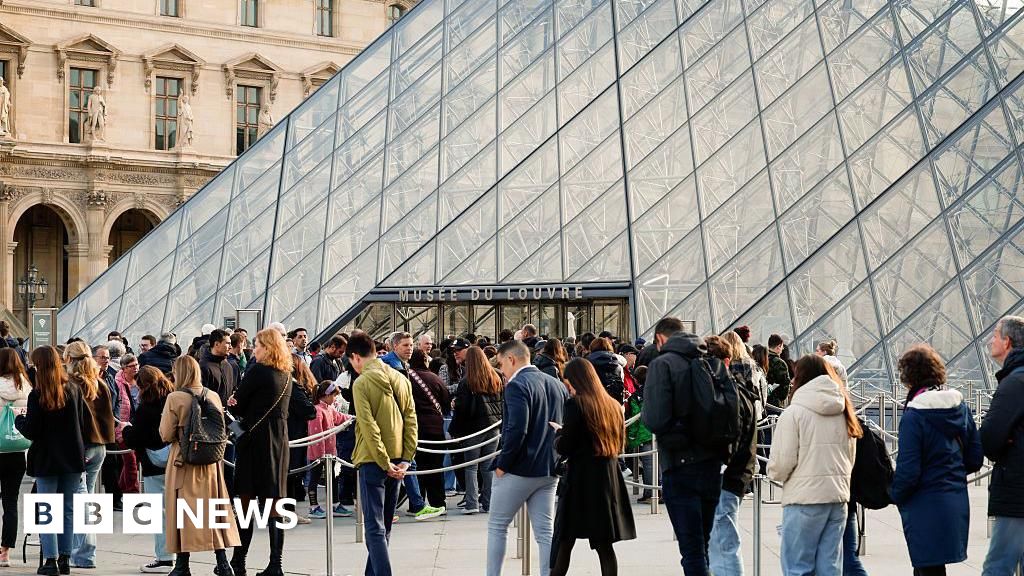
The Louvre Museum in Paris has reopened its doors only three days after a brazen daylight robbery that took away priceless artifacts valued at over 88 million euros. The audacity and precision of the crime, executed by a group of masked thieves wielding power tools, underscore a troubling wave of security vulnerabilities facing some of the world’s most treasured cultural institutions. The attack, which unfolded with shocking speed and sophistication, threatens not only the integrity of this iconic museum but also raises wider questions about international security protocols guarding humanity’s shared heritage. While visitors now flock back to the Louvre, the apparent negligence in surveillance, evidenced by a report that a third of the museum’s rooms lacked CCTV, paints a stark picture of the challenges facing cultural custodians worldwide.

The heist involved a small team of four accomplices who used a truck fitted with mechanical ladders to access the gallery near the River Seine early Sunday morning. Two of the thieves then cut through a glass window using battery-powered disc cutters—a tactic reminiscent of organized crime syndicates operating across borders. They threatened guards, who evacuated the building, and swiftly made off with a treasure trove including a diamond and emerald necklace once gifted by Emperor Napoleon to his wife, along with a tiara worn by Empress Eugenie, and jewelry previously owned by Queen Marie-Amelie. As security experts scramble to piece together the details, investigators have uncovered a damaged crown belonging to Empress Eugenie along the thieves’ escape route, fueling speculation about organized criminal involvement. French authorities, led by Interior Minister Laurent Nunez, express confidence in apprehending the culprits, but the broader issue remains: how well are nations prepared to defend cultural heritage in an era of rising organized crime and geopolitical uncertainty?

The incident has sparked intense debate among international analysts, with many warning that cultural institutions in Europe and around the world are increasingly targeted by criminal syndicates seeking lucrative art and jewelry. The attack on the Louvre’s security infrastructure—notably, the fact that alarm systems failed to trigger and CCTV coverage was incomplete—highlight glaring gaps in protecting vital national treasures. Some experts argue that the incident might be a wake-up call, urging governments and global institutions to adopt more advanced, integrated security measures against this new wave of threats. The potential for art and jewelry smuggling, driven by criminal organizations with international reach, presents a challenge not just for France but for the entire Enlightenment legacy that many nations aim to preserve. The European Union and Interpol are likely to increase collaboration, but critics contend that local authorities must prioritize infrastructure upgrades and intelligence sharing.

The fallout from this event extends beyond the immediate theft; it symbolizes a broader crisis of cultural sovereignty and national identity threatened by organized crime, geopolitical shifts, and lax security policies. Historians and analysts warn that if such breaches are not swiftly addressed, our global heritage risks becoming vulnerable to exploitation and loss. The Louvre’s roving security failures could set an alarming precedent, emboldening those with no regard for history’s sanctity. With every piece stolen, a fragment of cultural memory is lost—an irreversible dent in our shared history. As investigators pursue the thieves through a maze of criminal networks, the world watches with bated breath, acutely aware that this event might mark a turning point—either a catalyst for reform or a grim reminder of the increasing peril facing humanity’s culture. In this unfolding narrative of loss and resilience, one truth remains evident: history’s pages are still turning, and the stakes have never been higher.

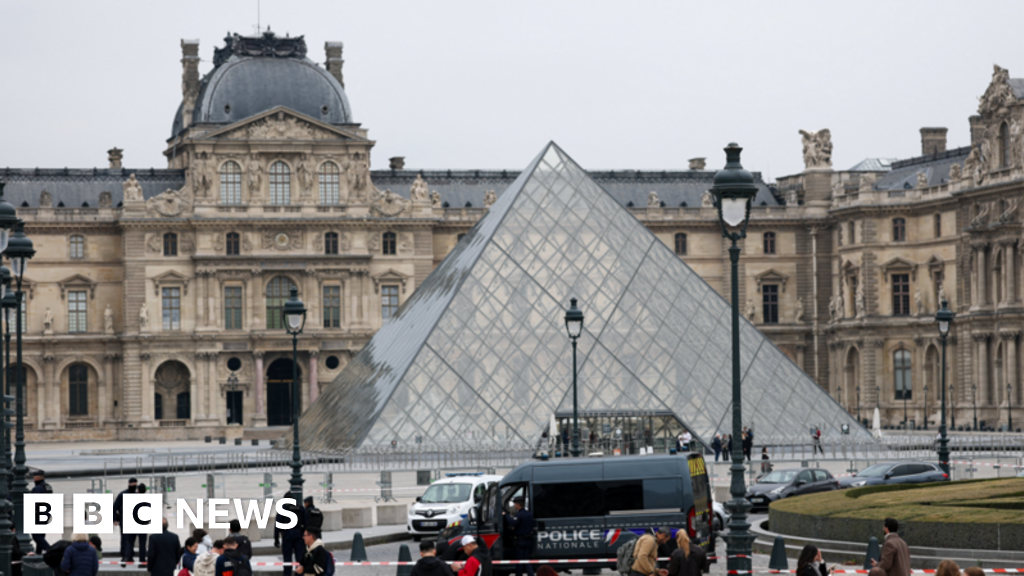
Louvre in Paris Closes After Heist – French Culture Minister Confirms

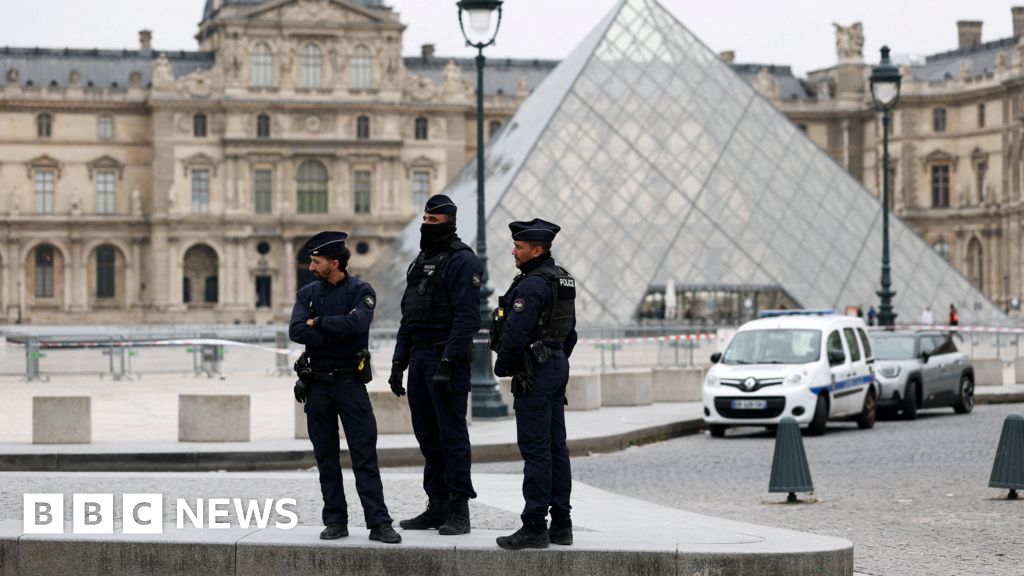
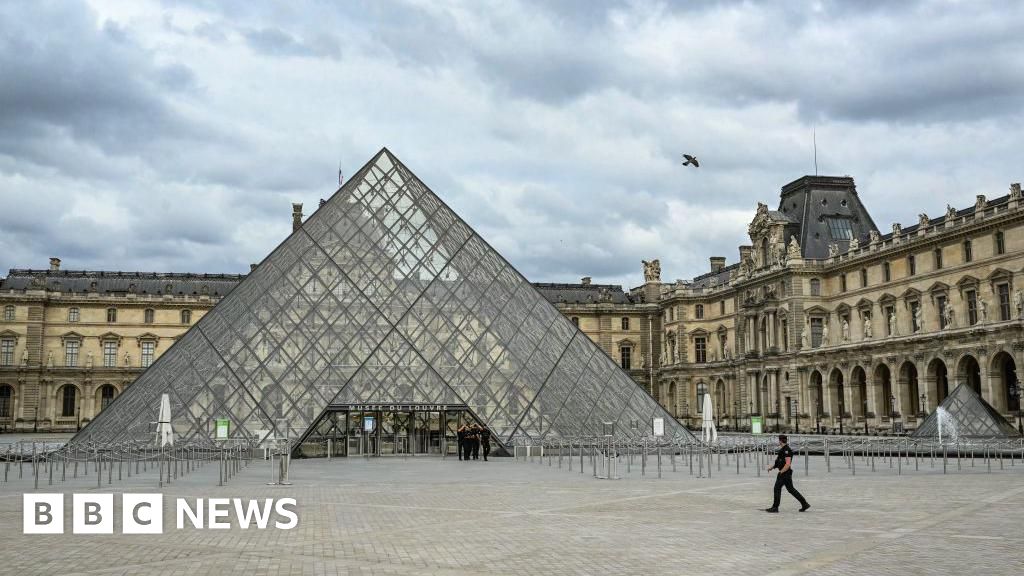
The recent robbery at the Louvre Museum in Paris marks a disturbing escalation in the ongoing challenge of safeguarding cultural heritage amidst increasing global unrest. The world’s most visited museum, renowned for housing priceless artworks and invaluable artifacts, was targeted early Sunday morning as it prepared to open its doors. Reports indicate that jewelry was stolen during this breach, a loss that transcends mere material value, threatening to erode a pillar of global cultural identity. France’s culture minister, Rachida Dati, confirmed the incident, and police are now engaged in a detailed investigation, reflecting the gravity with which the country is treating this unprecedented event.

The geopolitical impact of such thefts, particularly at iconic sites like the Louvre, resonates globally. Museums, monuments, and cultural institutions serve as symbols of national pride and history. Their vulnerabilities expose deeper fissures in international security protocols and cultural diplomacy. Experts warn that the theft could facilitate the illicit trade of priceless antiquities and artworks, fueling a transnational black market that weakens the cultural fabric of nations. Analysts from organizations like INTERPOL emphasize that this event signals a complex interplay of organized crime and geopolitical instability, as art thefts are increasingly linked to geopolitical conflicts and militant groups seeking to destabilize societies by targeting their cultural symbols.

Historically, such breaches serve as strategic provocations or indicators of chaos, with some specialists comparing recent trends to the looting of Iraq’s museums during the early years of the Gulf War. How nations respond to these acts will define their cultural resilience and sovereignty in the digital age. The Louvre incident underscores the urgent need for international cooperation on security measures, intelligence sharing, and the recovery of stolen assets. Various voices, including international organizations and cultural watchdogs, warn that failure to adapt and strengthen protections could lead to a wave of similar threats, ultimately dismantling the collective memory and identity of societies.

In the broader scope, the incident at the Louvre echoes a warning for the international community: the preservation of history is a battlefield where progress and chaos collide. As nations grapple with geopolitical shifts, economic upheavals, and technological forces, the security of our shared heritage remains fragile. The relentless pursuit of power and profit ensures that, one day, the history-makers and art custodians of today may become prey in a relentless underworld of theft and smuggling. With the weight of history pressing down, the world must ask itself: how long can we protect the treasures that define our identity before they are lost to the shadows?

Social Media Auto Publish Powered By : XYZScripts.com