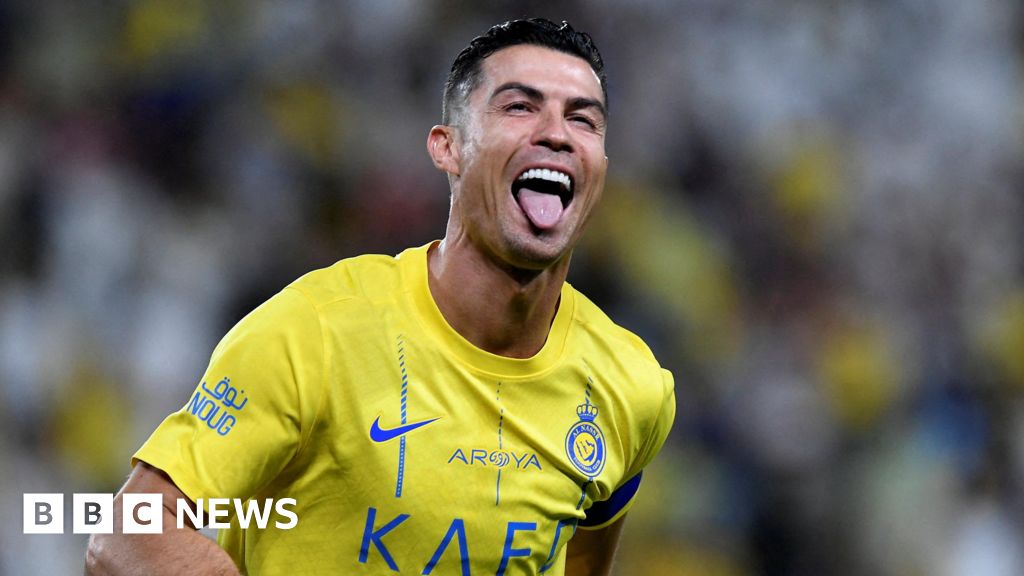
The anticipated visit of Cristiano Ronaldo to the White House, confirmed by a US official, underscores the shifting landscape of global influence in the early 21st century. Set against the backdrop of Ronaldo’s recent engagements in Saudi Arabia, this visit symbolizes more than a sports celebrity’s diplomatic move; it reflects the intricate web of geopolitical power plays orchestrated by nations vying for prestige and strategic advantage. Ronaldo, whose presence in the Saudi Pro League has become emblematic of the kingdom’s ambitious modernization drive, now steps into a geopolitical spotlight that transcends the football field.
- Ronaldo’s historic visit to the US marks a rare return since 2016, a period that has seen him embroiled in controversy over allegations of sexual assault, which he has vigorously denied. Although US prosecutors decided in 2019 not to pursue charges, the allegations continue to cast shadows over his public image, illustrating how personal reputation intersects with international diplomacy in the modern era.
- Meanwhile, Ronaldo’s role in Saudi Arabia’s strategic initiatives, under Crown Prince Mohammed bin Salman, underscores a deliberate effort by the kingdom to diversify away from oil dependence by leveraging global icons like Ronaldo to boost tourism, sports, and cultural soft power. His lucrative contracts—reportedly totaling over $600 million—highlight a broader trend of nations using high-profile deals to elevate their standing in the global arena.
Experts such as Sanam Vakil from Chatham House have emphasized Saudi Arabia’s intensive investment in high-profile figures and sporting events as an aggressive move toward international engagement and soft power diplomacy. This strategic pivot aligns with the kingdom’s vision for a 21st-century identity that balances traditional values with modern spectacle. Ronaldo’s endorsement of this vision—calling Prince Mohammed “our boss” and advocating for Saudi development projects—embodies the use of sports as a diplomatic tool. His expressed support for hosting the 2034 FIFA World Cup exemplifies how nations are increasingly leveraging global sporting events to project influence.
Meanwhile, the diplomatic dance involving United States and Saudi Arabia remains complex. The White House’s decision to host Ronaldo, whether as a guest or a symbolic envoy, signals a subtle recalibration of American engagement with regional powers. As analysts observe, these moves are not merely about entertainment but represent a strategic layer in the ongoing redefinition of alliances and influence. The significance of the shift towards multi-nation diplomacy—where personal prominence intersects with national interests—indicates a world that is less binary and more interconnected, yet riddled with rivalries and ambitions.
It is in this evolving geopolitical theater that history continues to unfold—an intricate mosaic of power, influence, and the unyielding pursuit of national prestige. As Ronaldo’s footsteps echo from the White House to Riyadh, it leaves behind a stark reminder: in today’s international arena, societal values, personal legacies, and state strategies are increasingly intertwined. The next chapters are yet to be written, but one thing is certain—these moments will be remembered as the catalyst for a new phase of global influence, where cultural icons become ambassadors of international chess moves, shaping the destiny of nations.