Matox News

Truth Over Trends, always!

Hearing set for suspect in White House dinner shooting—U.S. politics update for young conservatives

Geopolitical Shifts and Domestic Turmoil Weave a Complex Tapestry of Global Uncertainty

In recent weeks, international politics has been characterized by tumultuous shifts that threaten to redefine the global order. The Biden administration’s efforts to tighten sanctions on Russia amid the Ukraine conflict mark a decisive moment that echoes Cold War tensions, drawing stark lines between Western alliances and Moscow’s expanding influence. Analysts from the Council on Foreign Relations warn that these measures, while aimed at curbing Moscow’s military ambitions, risk escalating into a broader confrontation that could destabilize Eurasia’s fragile peace. Meanwhile, Beijing’s assertive posture in the South China Sea, coupled with increased military patrols, signifies a strategic push to cement China’s claims over critical maritime routes, igniting concerns over how rising nationalism in Asia will influence future diplomatic negotiations.

On the diplomatic front, the United Nations faces mounting pressures from the Trump administration, which continues to leverage its influence to steer global aid policies towards trade-centric models. Recent U.S. diplomacy circulated in Geneva and New York reveals a deliberate push to prioritize private investment over traditional development aid—a move that critics argue undermines decades of international cooperation and risks leaving vulnerable populations in peril. This strategy, under the guise of fostering free markets, is believed by many to be a calculated attempt to manipulate international organizations and reshape global aid in favor of U.S. corporate interests, exacerbating existing inequalities and threatening the credibility of institutions meant to support peace and development.

Meanwhile, domestic unrest in the U.S. continues to ripple across its political landscape. The recent incident involving a would-be assassin attempting to target President Donald Trump at a high-profile event has reignited debates about security and political stability. The suspect, Cole Allen, is accused of arming himself with multiple weapons and launching an attack on a Secret Service checkpoint, an event that exposed vulnerabilities in U.S. security protocols. As Allen faces a series of federal charges, including attempted assassination, the incident underscores the volatile mix of ideological extremism and political polarization that now defines much of America’s internal discourse. Historians warn that such divides, if left unchecked, risk a descent into chaos reminiscent of historic insurrections that challenged the fabric of democracies.

Globally, the impact of these intertwined developments bears heavily on the geostrategic fabric. Famous geopolitical analysts highlight that the Biden administration’s push to reassert U.S. dominance abroad, combined with China’s assertiveness and Russia’s defiance, could ignite a new Cold War-era standoff. Meanwhile, the economic fallout—particularly the global oil crisis triggered by conflict in the Middle East—has sent prices soaring, creating a perfect storm that threatens to plunge many nations into recession. The political fallout in the U.S., with its declining approval ratings and internal struggles within its military and intelligence communities, reflects a nation grappling with its own identity and path forward. As President Trump’s controversial policies unfold, including efforts to centralize voter data and exert control over domestic elections, critics warn of an alarming erosion of democratic norms—foreshadowing how the erosion of constitutional safeguards could alter the American landscape forever.

In this tense tableau, the unfolding chapters of history remain unwritten, poised on the edge of chaos and resilience. Each decision at the intersection of diplomacy, domestic policy, and military strategy carries the weight of generations. The world watches as nations forge their trajectories—where alliances are tested, societies divided, and the relentless march of history threatens to devour the fragile hope of a peaceful future. The question remains: how will the emerging narrative shape the destiny of nations in this fragile epoch? The answer, as always, lies in the decisions of leaders and the silent, gathering storm of history’s relentless tide.
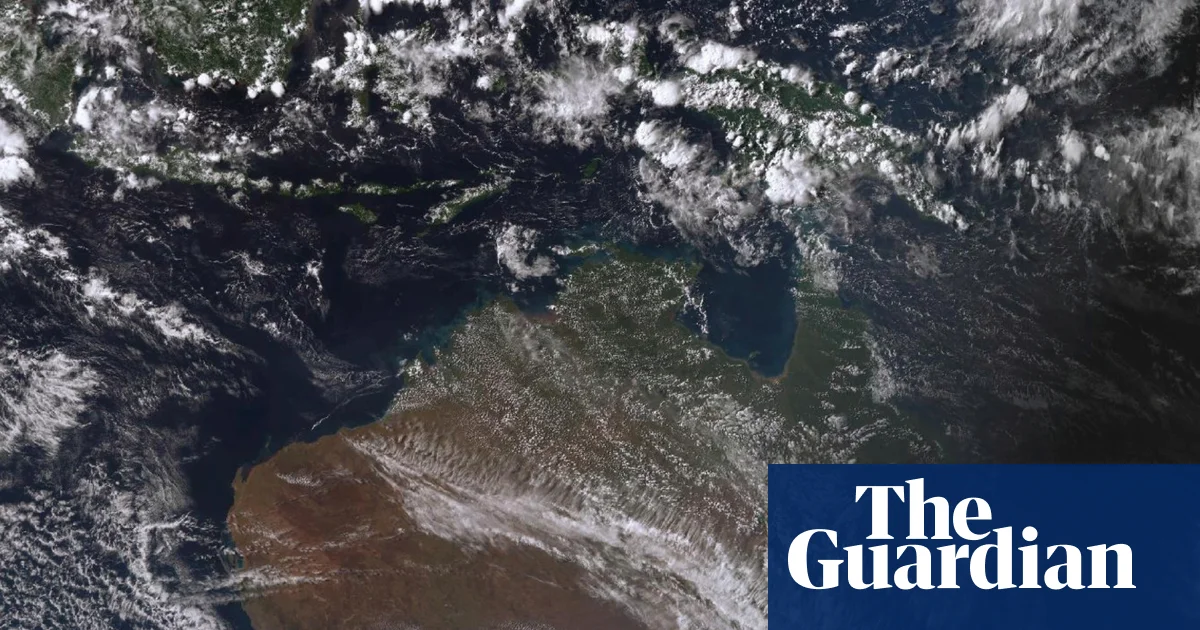
May’s record heat set to fade as cold front heads east across Australia

Global Climate Shifts and Geopolitical Impacts: A Warming World Faces Abrupt Weather Fluctuations

Recent meteorological developments in Australia serve as stark indicators of the broader implications of climate change, underscoring how natural phenomena are intensifying and becoming more unpredictable with potential geopolitical consequences. Historically stable climate patterns, once taken for granted, are now disrupted by record-breaking heat waves followed swiftly by severe meteorological swings. In many parts of Australia, daytime temperatures soared to 10-14°C above average, with some stations recording their warmest May days on record. Such anomalies are not isolated but part of a disturbing trend that global scientists and analysts warn could accelerate as greenhouse gases continue to rise unchecked.

Under the influence of a high-pressure system, Australia experienced unseasonably warm conditions fueled by warm northerly winds. However, this dramatic temperature spike was quickly counterbalanced by a cold front emerging from the Southern Ocean, compelling a significant shift toward cooler, wetter weather. Analysts from international climate organizations suggest that these rapid fluctuations might become more common, with potentially destabilizing effects on regional economies and societies. This shift signals not just a local weather change but also a possible precursor for more severe climate disruptions globally, stressing the urgency for coordinated international climate policies.

  • Natural climate variability is increasingly intertwined with human-induced warming, say climatologists, amplifying the risk of extreme weather events like storms, droughts, and floods.
  • For instance, Australia’s recent dry April, the driest since 2018, compounds concerns over water scarcity and agricultural sustainability—issues that ripple through regional economies and supply chains.
  • Furthermore, rising sea levels and ‘abnormally high tides’ exacerbate coastal vulnerabilities, amplifying the geopolitical stakes over maritime boundaries and resource control.

International and regional powers are scrutinizing these climatic upheavals, recognizing their role as a catalyst for geopolitical shifts. Historically, nations with fragile infrastructure or strained resources are disproportionately affected, leading to heightened instability, migration pressures, and contested resource claims. With climate-induced disruptions becoming a global challenge, institutions like the United Nations are urging immediate action, although critics argue that political inertia hampers effective response. Meanwhile, rising temperatures and unpredictable weather patterns threaten to destabilize regional alliances, especially in areas where water and food security are already fragile. As China and India face their own climate crises, the potential for water and resource conflicts escalates. How nations respond now will determine whether climate change becomes an enhancer of geopolitical disorder or an impetus for cooperative resilience.

The unfolding crisis in climate and weather patterns underscores a fundamental truth: the decisions taken today will echo through the corridors of history. As forecasts for the coming weeks hint at thunderstorms, heavy rainfall, and severe storms across the southern hemisphere, the question remains—how will mankind respond? Will the world capitulate to the worsening climatic chaos, or will it seize this moment to forge new paths toward sustainable coexistence? History is watching, and the choices made in these volatile times will either forge a legacy of resilience or doom entire generations to the fallout of inaction. The unfolding narrative of climate upheaval is not merely about weather; it is about the fate of societies and the legacy handed down to a world teetering on the brink of transformation.”

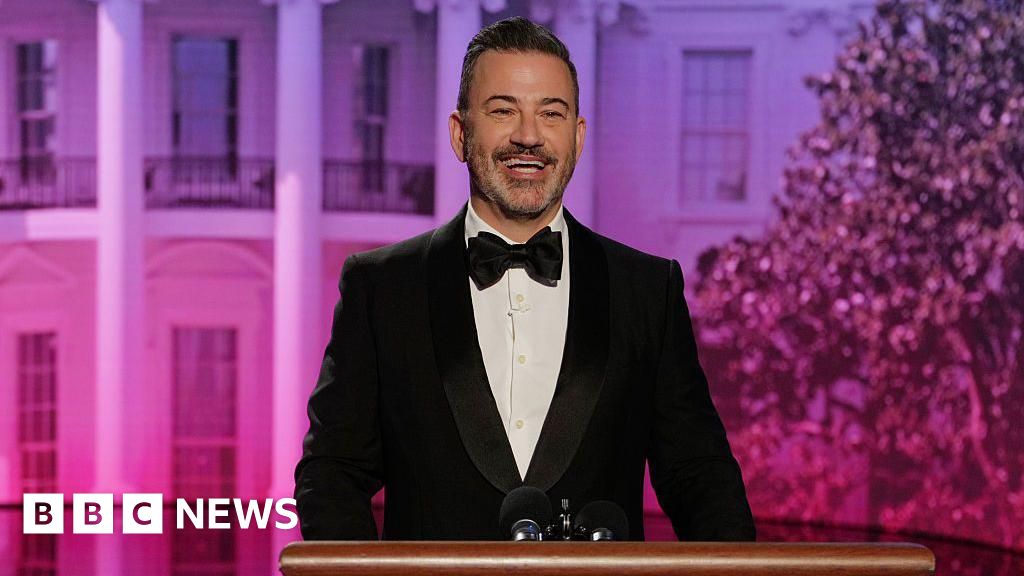
US Regulator Set to Probe Disney Broadcasts Over Jimmy Kimmel’s Melania Joke

In a rapidly evolving landscape of international relations, recent developments have spotlighted the fragile boundaries between free speech, media influence, and diplomatic diplomacy. The controversy erupted when the White House, under mounting pressure from several global allies, demanded that ABC—owned by the Disney conglomerate—take swift action against comedian Jimmy Kimmel following his controversial remark referring to Melania Trump as an “expectant widow.” This incident has ignited a heated debate over the limits of political expression and the influence of social commentary in shaping or destabilizing international relations.

While the media spectacle itself seems localized, the ripple effects threaten to reshape geopolitical alliances. U.S. officials, keen on preventing diplomatic fallout, are finding themselves in a strategic dilemma: balancing the principles of free speech with the necessity of maintaining good international standing. Analysts from the Council on Foreign Relations warn that such incidents are emblematic of a broader trend where media narratives are weaponized to serve domestic political agendas, often at the expense of diplomatic stability. Historically, media controversies—like the 2014 Charlie Hebdo crisis—have demonstrated how slights perceived as cultural or political affronts can escalate into international conflicts, emphasizing the unpredictable and volatile nature of media as a geopolitical tool.

The geopolitical impact of this controversy extends beyond the immediate heartland of American politics. Allies such as Europe and Asia watch closely, wary of how internal disputes among U.S. leadership influence global perceptions of American stability and moral authority. The incident underscores how decisions about media censorship and political discipline have lasting consequences on *how nations interact*, especially as international institutions like the United Nations voice concern over what they deem “the erosion of open political discourse.” The ongoing debate raises profound questions about the ongoing winnowing away of traditional boundaries—what a nation permits as acceptable commentary and how it wields influence over global narratives.

Historians and international analysts emphasize that this event marks a *turning point* in the narrative of global politics—where the delicate balance of free speech, national dignity, and international diplomacy is under unprecedented risk. If political and media actors continue to escalate their reactions, the potential for *a broader, more destabilizing conflict* increases. As decision-makers grapple with the fallout, the world remains poised on the brink of a new chapter—one where narratives can easily spiral out of control, leaving behind a legacy of division, miscommunication, and uncertainty. The decisions made today will echo through history, determining whether nations will find common ground or descend into further discord amid the chaos of the 21st century’s unfolding story.

UK Consumer Prices Set to Rise for Eight Months After Iran Conflict Ends, Minister Warns

The United Kingdom is bracing itself for a prolonged period of economic ripple effects following the ongoing conflict in the Middle East, particularly around the Strait of Hormuz. Since the escalation of U.S. and Israeli military actions against Iran began in February, global oil prices have surged dramatically, with energy markets reeling from the threat of a potential disruption of vital shipping lanes. The strait of Hormuz — a narrow channel crucial for transporting approximately one-fifth of the world’s oil and gas — has become a flashpoint with geopolitical consequences that extend far beyond regional security. As the United Kingdom’s key officials forecast, the end of hostilities remains uncertain, and the economic fallout is expected to persist for an estimated at least eight months after the conflict de-escalates, casting a long shadow over global markets and everyday consumers alike.

The UK government, reflecting the gravitas of the situation, has issued guidance urging citizens to prepare for sustained higher prices on fuel and food, emphasizing that these inflationary pressures are primarily driven by energy supply concerns rather than immediate shortages. Darren Jones, the chief secretary to the prime minister, highlighted the worsening situation on the BBC, stating, “You’re going to see prices go up a bit as a consequence of what Donald Trump has done in the Middle East,” underscoring the geopolitical predicament that the Western alliance finds itself in. While efforts are underway to monitor stock levels and develop mitigation strategies, analysts warn that the ripple effects could reshape consumption patterns and economic stability, especially in energy-dependent sectors. The overarching geopolitical impact is palpable, with global markets groaning under the weight of increased uncertainty, risking long-term inflation and destabilization, which many international security and economic experts, such as those from the International Energy Agency, warn could linger well beyond the conflict’s resolution.

Meanwhile, diplomatic efforts appear to have hit a standstill. U.S. President Donald Trump announced a temporary extension of the ceasefire with Iran, aiming to halt active hostilities, but subsequent negotiations for a comprehensive peace settlement remain elusive. The American leader’s decision to halt envoys from traveling to Pakistan for peace talks illustrates the fragile and unpredictable nature of current diplomacy. The failure to secure a long-term resolution exacerbates the risk of extended turmoil in the region, with analysts warning that the spillover effects could destabilize global energy markets and threaten international security. The developing crisis underscores the peril that profound geopolitical shifts pose to the stability of nations and the daily lives of ordinary people, as energy prices surge and economic uncertainty deepens.

Amid these turbulent developments, the UK government is stepping up its planning efforts to cushion the blow on domestic society. Key concerns include ensuring adequate stockpiles of not only oil but also essential commodities like carbon dioxide, which plays a critical role in food preservation, brewing, medical procedures like MRI scans, and defense applications. The vague yet urgent focus reveals a broader understanding: that these interconnected supply chains—once thought resilient—are susceptible to disruption from geopolitical turmoil. As historians and analysts warn about the cyclical nature of global conflicts and their ripple effects, the storyline remains stark—the world hangs in a fragile balance, with history’s next chapter still unwritten, teetering on the edge of widespread upheaval and transformation.

Rising Stars Shine: Young Athletes Set to Dominate This Season!

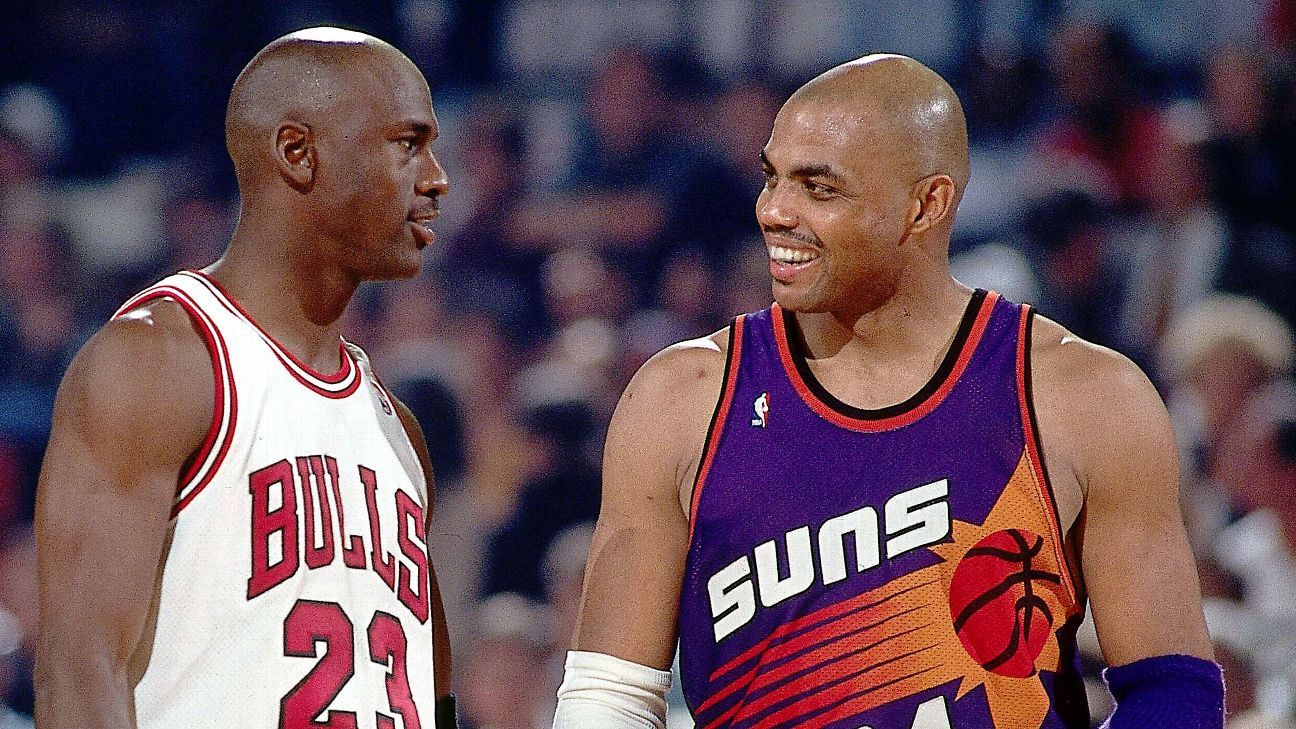
Barkley and Jordan Reignite Friendship After 15 Years

In a surprising turn of events that has captivated basketball fans, former NBA stars Charles Barkley and Michael Jordan have resumed their friendship after nearly 15 years of silence. The duo, who once ruled courts across the nation, is reportedly planning to hit the golf course together in the upcoming offseason, signaling a new chapter in their storied relationship.

During a recent interview, Barkley revealed, “We’ve started talking again, and I couldn’t be more excited about it.” This news comes after years of speculation surrounding their strained friendship. Both players remain icons in the basketball world, with Jordan‘s legendary status as a six-time NBA champion and Barkley earning a place as one of the most entertaining and insightful commentators in sports. Their reunion not only revives nostalgic memories for fans but also highlights the importance of camaraderie in sports.

As the sports world eagerly anticipates their reconnection, observers are keen to analyze the potential implications for both men’s influence in the industry. Considering past tensions, many are curious about how their golf outing may help mend any remaining rifts—something ESPN analyst Stephen A. Smith noted in his commentary: “Rekindling friendships is essential. Sports are about unity; this is a prime example.”

  • Barkley and Jordan to play golf together in the offseason.
  • Reunion comes after nearly 15 years of silence.
  • Potential implications on both players’ ongoing influence in sports.
  • Stephen A. Smith emphasizes the importance of friendship in sports.

Ultimately, the rekindling of the friendship between Charles Barkley and Michael Jordan serves as a timely reminder of the power of sports to bridge gaps beyond the court. In a world where rivalries often overshadow unity, these former adversaries are poised to remind fans and players alike that the spirit of the game transcends mere competition. Whether through a shared love for golf or mutual respect for the sport, this renewed connection symbolizes how sports can unite individuals, bringing them together for laughter, camaraderie, and shared experiences that reinforce the notion that we are all connected through the love of the game.

Source link

Rising Stars Shine: Young Athletes Set New Records in Thrilling Championship Showdown!

Excitement Builds for WNBA Draft Day

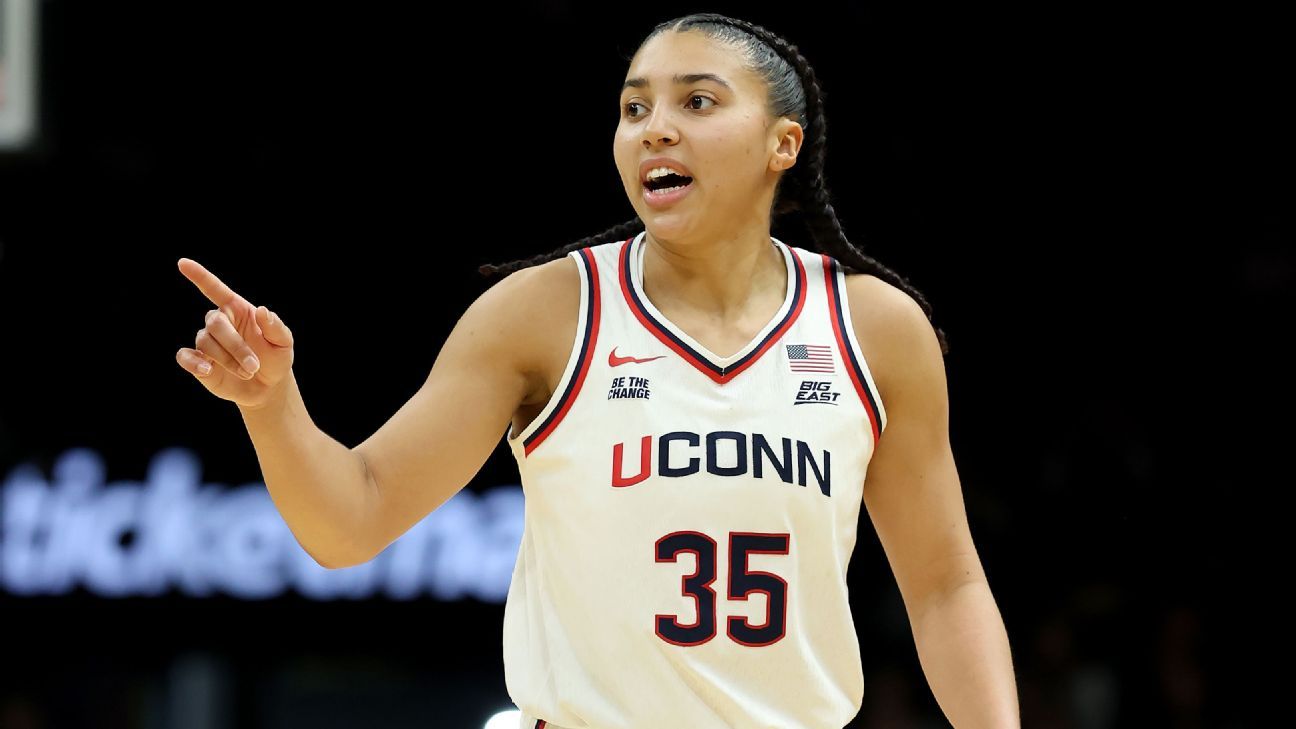
As the clock ticks down to WNBA Draft Day, anticipation reaches a fever pitch. The live event, set to air at 7 p.m. ET on ESPN, promises to showcase some of the brightest talent in women’s basketball. With a projected lineup that features four athletes from UCLA and three standout players from South Carolina, this draft is poised to shape the future of the league.

Scouting reports have highlighted these players not just for their skills on the court, but for their ability to impact the game significantly. UCLA is sending a formidable contingent, with their roster bolstered by performance metrics that speak volumes about their potential. Meanwhile, the trio from South Carolina has been a buzz all season, incorporating a winning mentality that could influence any team lucky enough to call them their own. Coaches and commentators alike have noted that this year’s draft class could usher in a new era of talent.

  • UCLA players have combined for over 1,500 points this season.
  • South Carolina saw a 75% win rate, showcasing their dominance.
  • Several pundits predict that these rounds will go down as one of the most competitive in recent history.

All eyes will be on the teams competing for the top draft positions. Los Angeles Sparks coach, Derek Fisher, expressed his enthusiasm about the potential impact of new recruits, stating, “Every pick can be a leap towards a championship.” As the WNBA continues its mission to enhance the competitive landscape, fan engagement will undoubtedly escalate. The talent on display tonight will not just fill rosters; it will inspire a generation.

In the grand theater of sports, the implications of the draft extend beyond mere statistics and wins. As we witness future stars step onto the big stage tonight, they embody the spirit of resilience and unity that defines sports culture. The WNBA Draft is not solely about shaping teams; it serves as a reminder that the power of the game unites us all, turning individual aspirations into collective dreams that echo far beyond the final whistle.

Source link

Rising Stars Shine: Young Athletes Set Records at National Championships

The Search for the Next Dominican Baseball Phenom: A Tragic Reality Check

The quest for the next Dominican baseball superstar continues to captivate enthusiasts and scouts alike, but the recent death of a young teenager has cast a dark shadow over this system. While the spotlight often shines on the successes of rising stars, the underlying struggles faced by many aspiring athletes have become increasingly difficult to ignore. This tragic event serves as a stark reminder of the challenges behind the glamour of the game and the pressures young players endure.

The teenager’s death, reportedly linked to dangerous conditions in the pursuit of baseball dreams, underscores a larger issue within the sport. Many young athletes in the Dominican Republic strive for a way out of poverty, viewing baseball as their ticket to success. Notable figures like renowned MLB player Juan Soto and coach Fernando Valenzuela emphasize the determination seen in these young talents. In the words of Valenzuela, “These kids sacrifice everything for a shot at greatness, but we must ensure their safety and well-being in the process.”

Safety and structural improvements are needed to protect these aspiring players, especially in light of the associated risks in travel and training. The challenges extend beyond the playing field; they affect families, communities, and even local economies. The system that aims to nurture talent must also prioritize the health and security of its fledgling prospects. This situation demands action from coaches, organizations, and investors in the sport.

  • Key Takeaway: The tragic death highlights systemic issues in the Dominican baseball foundation.
  • Player Spotlight: Young athletes, like Wander Franco, exemplify both the talent and the pressures faced in pursuit of greatness.
  • Impact of Coaches: Mentors like Ozzie Guillen are critical in advocating for reforms to protect players.

Ultimately, sports serve as a powerful unifying force that transcends mere statistics and scores. Each player represents not just potential but the aspirations of countless others behind them. As the baseball community rallies to address these challenges, it must be reminded that the heart of the game lies in its ability to inspire dreams, build bridges, and foster resilience. In doing so, it can transform lives, shaping not just athletes but stronger communities for generations to come.

Source link

Rising Stars Shine: Junior League Championships Set to Ignite Local Rivalries

Jeremy Peña’s Stellar Return Energizes the Astros

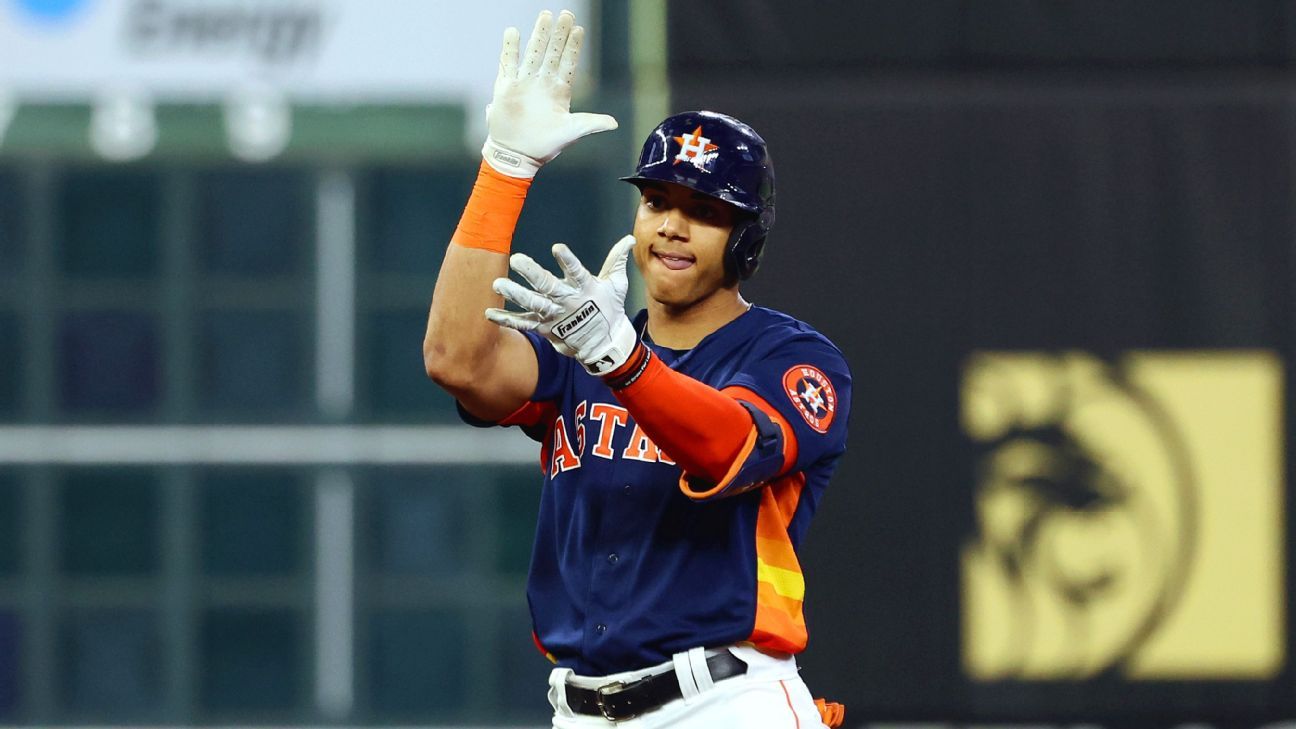
On Friday night, the Houston Astros welcomed back their All-Star shortstop, Jeremy Peña, in an electrifying matchup against the Los Angeles Angels. After missing the season opener due to an injury, Peña’s highly anticipated return was a testament to his determination and skill. The spotlight was clearly on him, and he did not disappoint, showcasing why he is one of the premier players in the Major Leagues.

Peña’s presence provided an instant boost to the Astros’ lineup, which had struggled offensively in their initial game. As he stepped up to the plate, fans around Minute Maid Park held their breath, eager to witness the return of a player who not only won the World Series MVP last season but also became a beacon of hope for the Astros’ fans. The game unfolded with significant moments that defined the night, especially as Peña connected with a pitch in the fourth inning to drive in two essential runs, essentially flipping the momentum in favor of the Astros.

  • Peña’s Return: Highlighted by a two-RBI hit in the fourth inning.
  • Team Performance: Astros rallied to a strong win against the Angels, which lifted their spirits following the Opening Day loss.
  • Coach Dusty Baker: Praised Peña: “His enthusiasm ignited the team.”

Commentators noted Peña’s impact: “He is the engine that drives this team,” said analyst Mike Lowell. With his return, the Astros effectively notched a win against the Angels, restoring their confidence early in the season. Peña’s final line of the game—3 hits, 4 RBIs—was more than just impressive statistics; it sent a clear message to the league: the Astros are ready to contend.

As the game concluded, it was evident that sports transcend mere scores and statistics. The roaring crowd, the camaraderie among players, and the unwavering support from fans painted a powerful narrative. In the realm of sports, the union between players and fans illustrates a greater story of resilience and unity. As the Houston Astros move forward this season, the spirit ignited by Jeremy Peña’s return will resonate beyond the diamond, reminding all that in the world of athletics, it is not just about the game—it is about community and shared dreams.

Source link

Rising Stars Shine: Young Athletes Set to Make Waves in Upcoming Championships

Chiefs Eye Big Impact from Free Agency in 2023

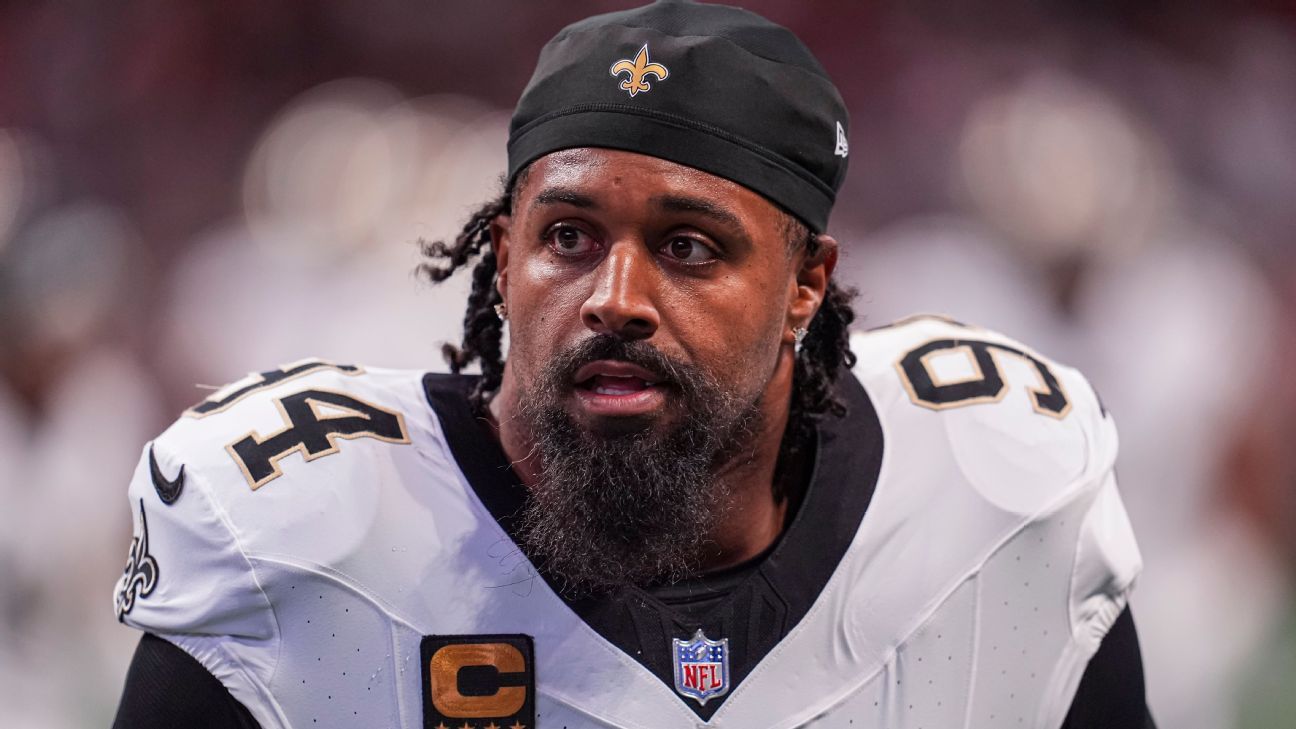
The Kansas City Chiefs are stepping into the new NFL season with renewed optimism as they focus on maximizing the potential of their latest free agent signings. After a year where last season’s acquisitions fell short of expectations, the franchise is determined to spark a turnaround that could lead them back to the Super Bowl. With Coach Andy Reid at the helm, the Chiefs are keen on bringing fresh talent to support their already powerful roster led by star quarterback Patrick Mahomes.

Last season’s free agent class did not yield the desired impact, leaving fans wondering if the front office could once again pull off their trademark wizardry. This year marks a fresh start as the team welcomes a slew of new voices in the locker room aimed at enhancing both offensive and defensive strategies. “We believe in the ability of our new players to make significant contributions,” declared Reid in a press conference, hinting at his confidence in the team’s overhaul. With much at stake, the Chiefs’ ability to integrate these new players will be crucial.

  • New Faces: The Chiefs added depth at key positions, increasing competition both on offense and defense.
  • Coaching Strategy: Defensive Coordinator Steve Spagnuolo is working tirelessly to incorporate new defensive players into his scheme.
  • Fan Expectations: Recent fan polls indicate that 75% of Chiefs supporters are optimistic about the team’s chances this season, reflecting a strong belief in their collective talent.

As the excitement builds for the upcoming season, analysts and commentators are keeping a close eye on the Chiefs during training camps. With the right mix of returning veterans and promising newcomers, the foundation for success is certainly there. Football commentator Tony Romo remarked, “The Chiefs have the pieces to make a deep playoff run, but it all comes down to how quickly they can gel.”

Ultimately, the world of sports transcends mere statistics or postseason glory. It serves as a unifying force that brings together fans from all walks of life, each sharing the same fervor in support of their beloved teams. This season, as the Kansas City Chiefs take to the field, they represent not just a franchise but a community, woven together through shared experiences and the electric atmosphere of competition. The journey ahead promises to be thrilling, a reminder of the sheer power and passion that sports ignite within us.

Source link

India’s affordable weight-loss meds set to shake up the global fight against obesity

The expiration of India’s semaglutide patent on 20 March marks a pivotal moment for the global pharmaceutical industry, setting the stage for a significant shift in the landscape of diabetes treatment. With an estimated around 50 branded generics expected to flood the market, this development is poised to dramatically alter access, affordability, and competitive dynamics worldwide. India, often termed the “pharmacy of the developing world,” is leveraging this opportunity to challenge existing monopolies, potentially democratizing a vital healthcare resource on a scale rarely seen before.

International analysts and health economists widely recognize the geopolitical significance of this event. Historically, the pricing and patent protections of lifesaving drugs have been a battleground between multinational corporations and emerging market players. The impending influx of generics from India not only threatens the dominance of global pharmaceutical giants, but it also exposes underlying vulnerabilities in the current intellectual property regime. According to reports from the World Health Organization and several industry experts, this act could accelerate a broader movement towards de-linking innovation from profit, encouraging the rise of local manufacturing and reducing dependency on Western patent protections.

This seismic shift bears profound implications for geopolitical alliances and economic power balances. Countries with high diabetes prevalence — including the United States, China, and many African nations — are likely to feel the ripple effects most acutely. As generic options become more accessible and affordable, pressure mounts on governments and insurance providers to revise healthcare policies. The move is also seen by many as a challenge to US-led intellectual property standards, which have long been criticized by developing nations for restraining access to essential medicines. In this context, India’s decisive action signals a potential recalibration of global norms regarding pharmaceutical sovereignty and innovation.

Historians and international strategy analysts note that the turning point marked by this patent expiry could serve as a catalyst for broader reforms. The Gavi alliance and other global health bodies are closely monitoring the situation, warning that if managed effectively, it could lead to a model for reducing healthcare inequality. However, critics caution that this development also carries risks—namely, the quality control of rapidly produced generics and the potential for intellectual property disputes escalating into legal conflicts. As the world watches, the question remains: Will this shift empower societies by making vital medicines accessible, or will it ignite a new battleground of international patent conflicts?

The unfolding story of India’s semaglutide patent expiration is not merely about pharmaceuticals; it is a chapter in the larger narrative of global *power, control, and health equity*. As markets brace for transformation and nations reassess their strategies, history continues its slow but relentless march. In the shadows of these pivotal decisions, the world stands on the brink of a new era—one where the future of healthcare could be rewritten, and the lessons of today will echo through generations yet unborn.

Social Media Auto Publish Powered By : XYZScripts.com