Russia’s Unyielding Stance in Ukraine: A Turning Point in Global Diplomacy
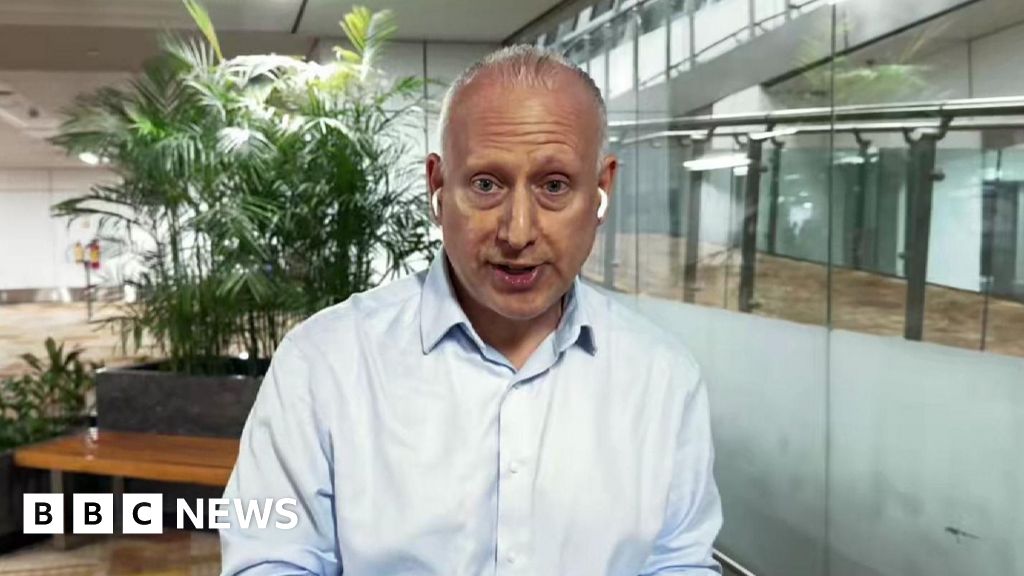
Amidst persistent international concern, Russian President Vladimir Putin has signaled a firm and unwavering stance in ongoing negotiations related to the conflict in Ukraine. According to reports from the BBC’s Russia Editor Steve Rosenberg, Putin’s government exhibits no signs of compromise, especially after recent talks with the United States envoy Steve Witkoff, which reportedly concluded with no agreement reached. These negotiations, lasting five hours, underscore a critical moment in the evolution of the crisis, revealing Moscow’s intent to maintain control over its strategic objectives without conceding ground to Western diplomatic pressures.
This resistant posture is rooted in the belief that Russia currently holds the initiative on the battlefield, a perspective echoed by many geopolitical analysts who observe that Putin interprets recent military developments as a strategic advantage. As Rosenberg notes, Putin perceives himself as the principal architect of the conflict’s future terms, confidently asserting that Russia will dictate the conditions of any forthcoming peace agreement. This approach, fueled by a mix of nationalistic fervor and strategic calculus, threatens to prolong the hostilities and deepen the international divide, raising urgent questions about the prospects for resolution and the potential for escalation.
From an international perspective, these developments wield profound geopolitical impact. Western nations, particularly in NATO, have watched with increasing concern as Russia entrenches its positions, arguably risking a prolonged confrontation that could spark broader instability. Critics and security specialists warn that such unyielding negotiations risk emboldening Russia’s military posture, complicating diplomatic efforts and destabilizing the carefully balanced power structures in Europe and beyond. Meanwhile, world leaders and historians—such as Angela Stent, a former National Intelligence Officer for Russia and Eurasia—have emphasized that Russia’s refusal to concede underscores a wider strategic gamble: that patience and firmness may be the only way to counter Putin’s vision of regional dominance.
In the larger narrative of global diplomacy, this confrontation marks a turning point, echoing past conflicts that shifted the course of history. How the Western alliance responds to such stiff resistance will determine whether diplomacy can eventually prevail or if the conflict will enter a protracted stalemate or active escalation. The stakes extend beyond Ukraine’s borders, portending a redefinition of international order and sovereignty, with nations watching every move, every negotiation, every escalation. As Putin’s government shows no sign of retreat, the world stands on the precipice of a new and uncertain chapter—one where the decisions made today will shape the geopolitical landscape for generations to come.