
The recent shutdown of government operations in the United States has inflicted widespread disruption across domestic infrastructure, most notably at major airports. This crisis unfolded amidst intense political debate over federal funding allocations, specifically aimed at advancing immigration enforcement measures championed by then-President Donald Trump. The shutdown exemplifies how internal political strife can have tangible repercussions on international perceptions and the stability of the global economy, especially considering the US’s pivotal role on the world stage.
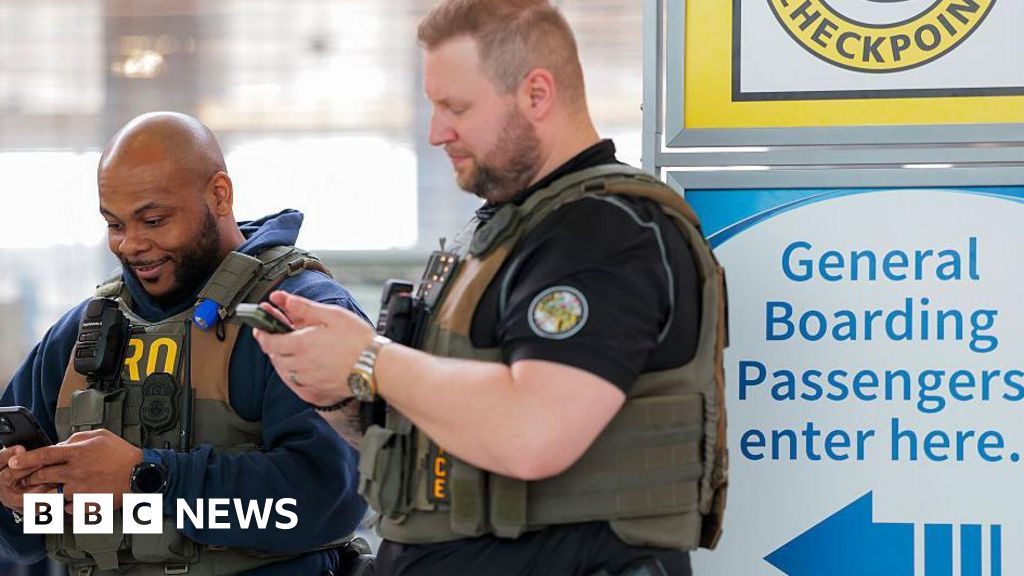
As airport operations ground to a halt, travelers faced unprecedented delays and cancellations, revealing vulnerabilities in the nation’s critical transportation systems. Analyst John Miller, a senior fellow at the Heritage Foundation, noted that the chaos was a direct consequence of partisan gridlock in Congress. “The shutdown is not just a domestic issue but a stark illustration of political factions prioritizing ideological battles over national security and economic stability,” he observed. It is a reminder that decisions made within the U.S. political arena resonate beyond borders, influencing markets, diplomatic relations, and the perception of American governance worldwide.
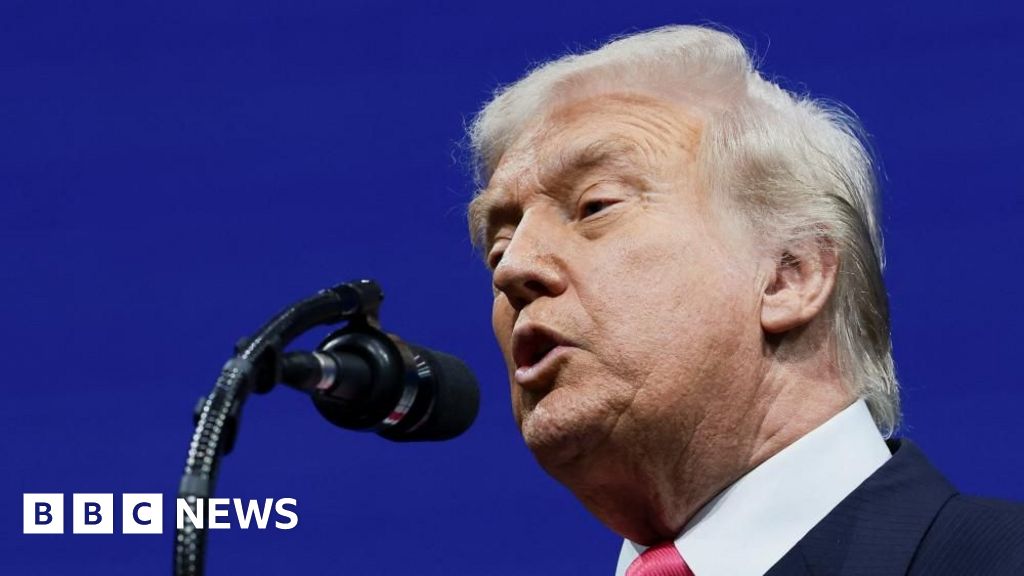
The dispute centered around funding for Trump-era immigration policies, which sought to tighten border security and implement controversial measures such as the construction of a border wall. These initiatives, championed by the Trump administration, faced fierce opposition from congressional Democrats. The ideological clash escalated into a government shutdown—an event that historians and policy analysts warn could have long-lasting effects. International organizations such as the United Nations and International Monetary Fund issued cautious statements urging quick resolution, citing the threat to global economic confidence. The shutdown demonstrates how the tug-of-war over immigration and border policies is not solely a domestic concern but a matter with broad geopolitical implications, affecting US international credibility and alliances.
While the immediate crisis was resolved after days of stalemate, the reverberations continue to cast a shadow on American international standing. Many experts emphasize that ongoing internal conflicts over immigration reflect deeper societal cleavages, with younger generations increasingly concerned about the future. The shutdown serves as a stark reminder of how political decisions—rooted in national identity, security, and economic priorities—shape the fabric of societies globally. As historians like Gordon S. Wood and economic analysts caution, history often records such moments as pivotal turning points that test a nation’s resilience and define its role in the unfolding geopolitical landscape.
In the grand narrative of history, the American government shutdown appears as a dramatic episode—one that underscores how fragile political consensus can ripple across continents, affecting millions of lives and altering the course of international relations. As the world watches, the question remains: will this chaos serve as a wake-up call for greater unity or deepen the divisions that threaten to reshape the global order? Only time will tell, but the weight of history presses heavily upon this chaos, with the story yet to reach its definitive conclusion.