Honduras’ Political Turmoil and the Global Ripple Effect of a Controversial Pardon
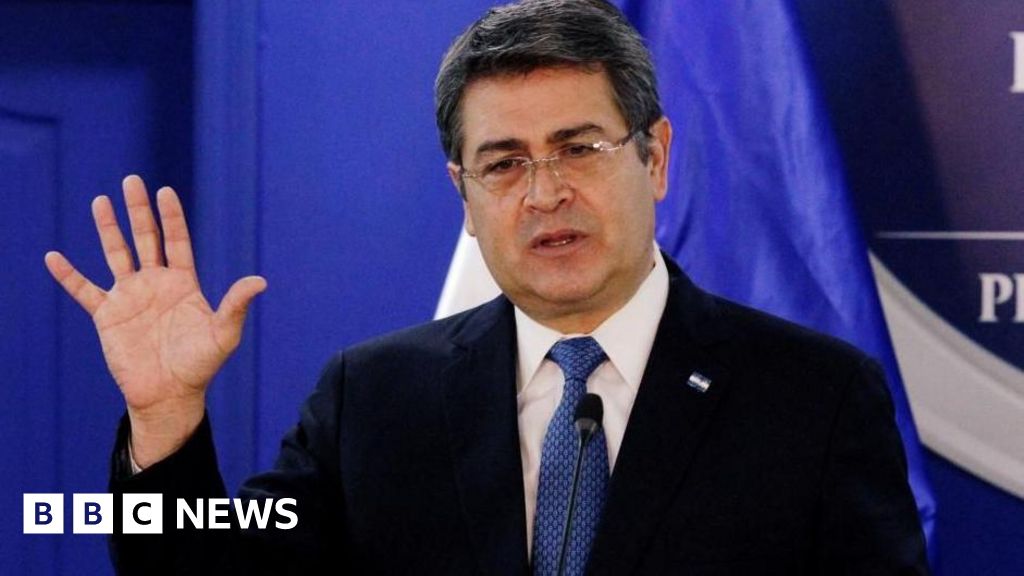
In a decision that has sent shockwaves through international geopolitics, former Honduran President Juan Orlando Hernández has been unexpectedly pardoned by President Donald Trump amidst mounting allegations of drug trafficking and corruption. Hernández, once considered a key figure in the stabilization of Central America and a close U.S. ally, was convicted in 2024 of orchestrating a sprawling drug trafficking scheme that trafficked over 400 tonnes of cocaine into the United States over 18 years. Despite his conviction, Trump’s move to pardon Hernández—characterized by many experts as a ‘Biden setup’—has ignited fierce debates about the intersection of justice, international diplomacy, and U.S. domestic politics.
During his presidency, Hernández maintained a cordial relationship with Washington, receiving acclaim from former President Barack Obama and the current U.S. administration for his cooperation on migration issues. Yet, beneath this veneer of partnership, serious allegations had long simmered. U.S. federal prosecutors accused Hernández of accepting a $1 million bribe from the notorious drug lord Joaquín “El Chapo” Guzmán, in exchange for shielding narcotics routes through Honduras. The scandal deepened with the arrest of his brother, Juan Antonio “Tony” Hernández, in Miami on drug-smuggling charges resulting in a life sentence. Hernández’s own extradition to the U.S. in 2022 marked a turning point, as he faced federal trials that laid bare extensive evidence of his involvement in drug trafficking, abuse of power, and complicity with armed criminal groups.
Geopolitical Impact: A Shift in U.S.-Latin America Relations
The decision to pardon Hernández not only compromises the rule of law but also underscores a profound shift in U.S.-Latin America relations. Critics argue that the move signals an unsettling willingness by the U.S. to overlook high-profile criminal allegations for political gains, especially as the current Honduran presidential election hangs in balance. International organizations like the Organization of American States (OAS) have issued cautious statements warning about the erosion of judicial independence and democratic norms across the region. Meanwhile, analysts like Michael Shifter from Georgetown University highlight a troubling contradiction: how can the U.S. simultaneously crackdown on drug traffickers and pardon a figure implicated in fueling the very drug epidemic it seeks to combat?
The pardon’s timing—just days before a pivotal presidential runoff—appears carefully calibrated. Trump’s endorsement of Tito Asfura, Hernández’s political ally and candidate for Honduras’ National Party, suggests an intertwined narrative designed to bolster right-leaning influence in Central America. Jason Marczak of the Atlantic Council warns that this complicates efforts to promote genuine anti-corruption agendas and might embolden criminal networks that count on political protection. The implications extend far beyond Honduras; they threaten to destabilize regional efforts aimed at curbing narco-terrorism and promoting democratic integrity.
Decisions That Will Shape the Future of the Hemisphere
The repercussions of this development extend into international security and U.S. domestic policy. President Biden’s administration, which had vowed to clamp down on drug cartels and restore rule of law, faces accusations from the Trump camp of politically motivated overreach. Press Secretary Karoline Leavitt’s assertion that charges against Hernández were tainted by “over-prosecution” underscores a broader political divide that threatens to hinder collaborative efforts against transnational crime. Moreover, revelations that Hernández penned a letter praising Trump—pleading for clemency and citing political persecution—highlight how intertwined personal and geopolitical interests have become in this saga.
As history continues to unfold, the story of Hernández’s rise and fall will serve as a stark reminder of the delicate balance between sovereignty, justice, and geopolitics. The recent turn of events leaves the global community—and especially the peoples of Honduras—pondering whether the scales of justice will ever find equilibrium amid the murky waters of power and influence. With the weight of history heavily pressing upon this fragile chapter, the question remains: will the echoes of this decision herald a new era of accountability or deepen the shadows cast by a complex web of crime and politics?