Matox News

Truth Over Trends, always!

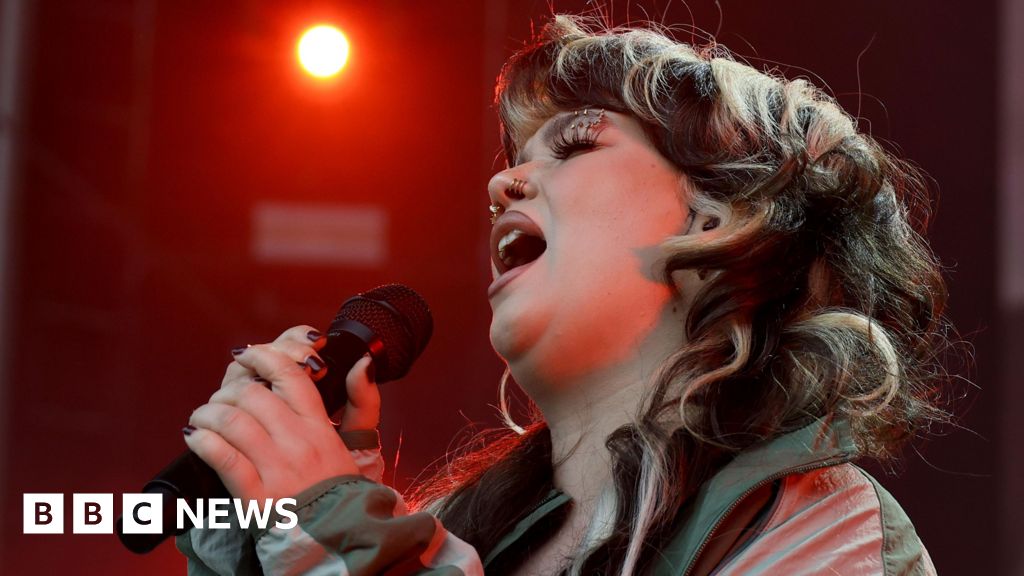
Lola Young Takes Legal Action Against Messy Co-Producer Carter Lang Amid Industry Buzz

In an age where the collision of art and commerce has become an all-too-familiar battlefield, the recent dispute involving Lola Young over her hit single Messy highlights a fundamental truth: culture is more than mere entertainment—it is the embodiment of identity, tradition, and societal values. As Young, a rising star fueled by her authentic voice, takes legal action against producer Carter Lang over songwriting credits, we are reminded that the struggle to preserve integrity and authenticity is at the heart of modern cultural discourse. Her fight is not merely about a song; it’s a confrontation over the soul of artistry itself, echoing the perennial tension between creative truth and commercial interests that has persisted since the dawn of civilization.

Historically, the concept of culture has served as a vessel for collective memory, passing down the essence of a people through art, music, and tradition. As Ortega y Gasset remarked, “Society is a horizon, a horizon which one cannot reach, but which one must strive to approach.” Today, in an era dictated by digital streams and viral virality, the very nature of that horizon is under assault. The controversy surrounding Young’s dispute underscores the importance of defending cultural authenticity in the face of commodification. Her assertion that her songwriting was genuine reflects a broader resistance—a statement that true cultural production springs from individual’s inner truths, not just contractual obligations or superficial collaborations. She embodies the modern torchbearer of a tradition that values societal memory and identity over fleeting fame, a trait shared with figures like Chesterton who championed the importance of cultural roots in shaping a nation’s character.

Yet, the dispute also signals a deeper issue: the erosion of cultural sovereignty under the weight of industry interests. As Tocqueville warned, democracy’s greatest challenge lies in maintaining the delicate balance between individual freedom and societal cohesion. In the realm of music—a vital expression of collective identity—the ongoing struggle for rightful recognition reflects the fragile fabric of cultural integrity. When the legal battle extends into the public eye, it prompts a broader reflection on the importance of protecting creative rights, for the preservation of authentic art is akin to safeguarding the soul of a society. Young’s battle is more than personal; it is emblematic of a cultural imperative to honor the contributions of individual artists and uphold the values that make their work resonate with the spirit of their community.

In this ever-evolving landscape, where the echoes of tradition meet the relentless march of innovation, the role of culture remains as vital as ever. Like T.S. Eliot’s poetic refrain that “the past is never dead; it’s not even past,” our cultural memory persists through struggle, renewal, and resistance. It is both a memory—an echo of who we once were—and a prophecy—an aspiration for who we might become. As young voices like Lola Young’s refuse to let their stories be rewritten by others, they remind us that authentic culture is the cornerstone of societal identity and resilience. In the end, perhaps it is through these battles that we glimpse the true horizon—a future shaped not by fleeting trends but by the enduring spirit of those who dare to preserve and forge their cultural legacy amidst the tumult of change. A true culture is a human constellation, forever shifting yet anchored in the eternal dance of memory and prophecy, guiding humanity through the shadows towards the dawn of enduring authenticity.

Unveiled Triumphs: Uncloaked Dominates at the British Podcast Awards

In an era where popular culture becomes both a mirror and a moulder of societal values, the triumphs of modern media forms—particularly podcasts and television—highlight a vital truth: the cultural fabric of a nation is intertwined with its narratives, symbols, and collective memory. The recent accolades garnered by shows like The Traitors and podcasts such as Pod Save the UK underscore the enduring power of storytelling to shape national identity and reinforce social cohesion. As Ortega y Gasset observed, “A nation’s culture is the outward expression of its soul,” and these cultural phenomena serve as modern conduits of that collective consciousness, embedding traditions and shared histories into the digital age.

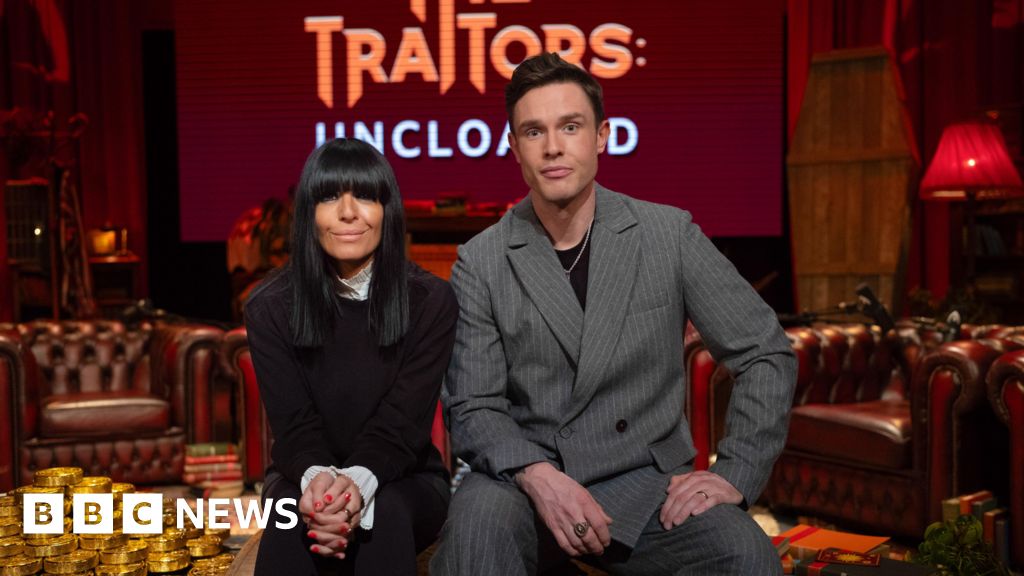
The success of The Traitors—a BBC series that continues to captivate viewers with its blend of psychological intrigue and social strategy—illustrates more than entertainment; it exemplifies the resurgence of trust and suspicion in a fractured society. Its record-breaking viewership of over seven million during the finale, alongside the associated podcast Uncloaked, shows an appetite for narratives that explore human nature, allegiance, and deception. This echoes Tocqueville’s insights on democracy’s paradox: that in the pursuit of equality, societies often become engrossed in the stratagems of power and virtue. The show’s popularity signals a collective yearning to understand ourselves—our instincts, our loyalties, our fears—in a civilization increasingly defined by its fragmented yet interconnected stories.

Similarly, the rise of Pod Save the UK and its recognition as a Podcast Champion encapsulates the role of media in fortifying community and cultivating a sense of authentic identity. In a landscape where superficiality often threatens to erode tradition, such platforms stand as bastions of discourse—channels of culture that communicate the nuances, struggles, and humor of everyday life. Coco Khan’s reflection that their podcast “about being different, unique, authentic and funny” resonates with Chesterton’s notion that “The true artist is inspired not by a desire for fame but by a duty to capture the spirit of his age.” The emphasis on authenticity acts as a counterbalance to the relentless homogenization driven by global trends, reaffirming that cultural identity is rooted in our collective history and moral convictions.

  • Milestones in media recognition—awards for BBC True Crime series and podcasts exploring social justice—highlight that culture remains a dynamic vessel for societal reflection and change.
  • The emergence of the cultural critic’s voice as a guide in navigating the moral and philosophical questions of our time, exemplified by shows that delve into historical injustices and the human condition.
  • The enduring significance of storytelling as both memory and prophecy, linking past traditions with future aspirations in the continuous evolution of a national narrative.

Indeed, in this relentless pursuit of entertainment and information, the cultural landscape reveals itself as both a sanctuary and a forge—as Chesterton might suggest—where the collective memory of society is preserved and shaped anew. It is within these stories, both real and imagined, that we forge our understanding of who we are; and in doing so, we also glimpse who we might become. The culture of an age is its prophecy; its memory whispers the truths of generations past, while its stories forge the path ahead. As the poet T.S. Eliot warned, “The only wisdom we will ever have is the wisdom of remembrance.” With each narrative, each tribute to our shared experience, humanity affirms that it is both a monument and a prophecy—a testament that reminds us that in the tapestry of tradition, the future is woven.”

Hip-Hop Artist Who Campaigned with Trump Sentenced to Five Years for Attempted Murder

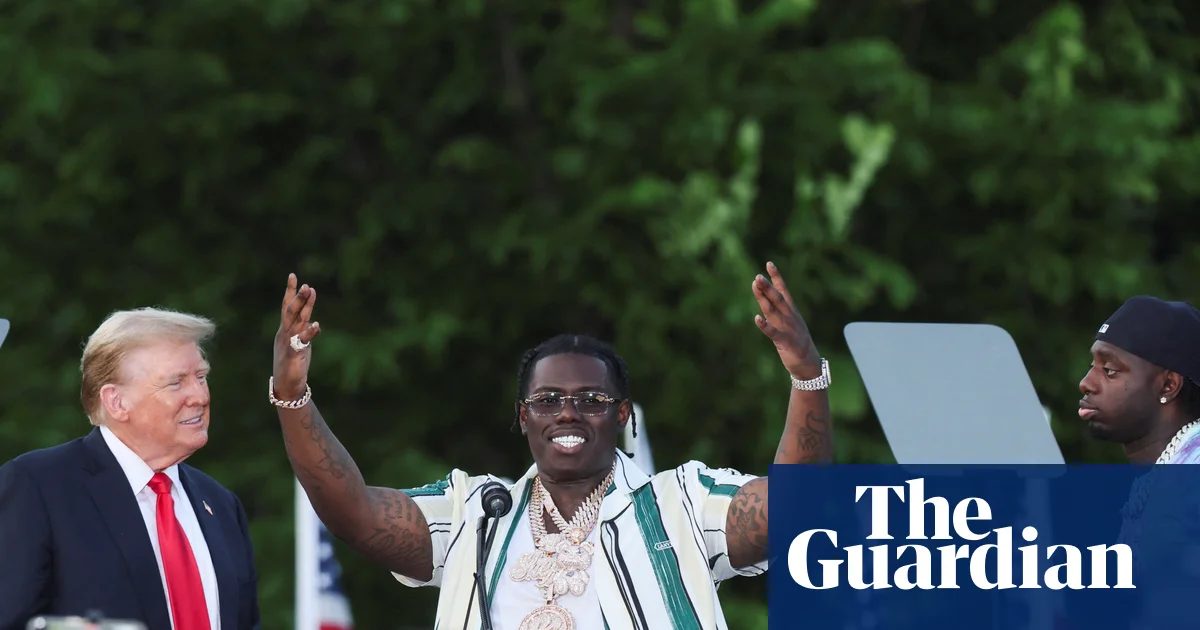
In an era where culture is often reduced to mere entertainment or fleeting trends, the recent legal downfall of Brooklyn rapper Sheff G reminds us that beneath the beats and viral videos lies a profound reflection of societal currents—a mirror to the values and challenges shaping our communities. Once celebrated as a rising star with millions of streams and YouTube views, Michael Williams—the man behind the stage name—demonstrated how the identity of modern youth can be both a source of pride and, tragically, a vessel for destructive pursuits. His plea deal and subsequent imprisonment underscore a vital truth: culture, when corrupted by violence and gang allegiances, becomes an obstacle to genuine progress rather than a catalyst for it.

Throughout history, cultural figures have wielded influence not just as entertainers but as symbols of broader societal struggles. The movement of jazz, the rebellious spirit of rock ‘n’ roll, or the poetic defiance of Gunnar Björling or T.S. Eliot all attest to the power of art to elevate or question the fabric of society. Yet, when that influence is exploited to glamorize criminality—such as Sheff G’s role in allegedly fueling gang violence—it becomes a distortion of this cultural legacy. Prosecutors have detailed how the rapper used his earnings not to uplift his community but to fund a cycle of fear and violence in Brooklyn’s streets. The indictment of more than thirty gang members, including alleged acts of attempted murder and drug trafficking, is a sobering reminder that culture without moral direction risks descending into chaos, promising nothing but its own eventual collapse.

This tragic convergence of art, violence, and shame echoes American philosopher Alexis de Tocqueville’s warning about the fragile nature of democratic societies: a culture that allows the degradation of moral fabric weakens the foundations of civil order. The fact that figures like Sleepy Hallow—another rapper who appeared alongside Sheff G during a political rally—also received punishment for conspiracy points to a broader societal challenge. It is not simply about individual culpability but about the systemic failure to harness creative energy in a manner that fosters tradition, respect, and societal cohesion. As Chesterton observed, “The true soldier fights not because he hates what is in front of him, but because he loves what is behind him”—a reminder that culture rooted in heredity and shared values must serve as the bulwark of society against nihilism.

The politicization of cultural icons, particularly in the context of President Trump’s rallies and campaigns, illustrates how deep-seated is the desire for authentic symbols that embody strength and tradition in a fractured society. Yet, the infiltration of violence and criminality into these representations diminishes their potential as patriotic or unifying forces. The critical task lies in reclaiming the cultural narrative—affirming that culture is both memory and prophecy, an ongoing dialogue between the past and the future. As T.S. Eliot posited, “The past (must) be altered by the future,” but it cannot be erased. Culture’s true power resides in its capacity to ground us in memory while inspiring us to forge a nobler destiny, one rooted in virtue rather than vice.

In reflecting upon these events, we are reminded that society’s true strength lies in the shared heritage of tradition and the moral compass it provides. Culture is never mere spectacle; it is the memory of human striving, a prophecy of where we are headed. To preserve this sacred continuity, we must guard against the corrosive influences that threaten to turn our creative energies into chaos. The story of Sheff G and his companions is more than a cautionary tale—it’s a call to recognize that when culture is rooted in virtue, it becomes an enduring beacon for generations to come, transforming fleeting fame into a testament of enduring human worth. And in this light, our collective future is a poetic unfolding—an eternal work in progress, written by the choices of those who cherish their roots and dream beyond the horizon.

From Fistful of Dollars to Rambo: Celebrating Renato Casaro’s Legendary Movie Posters — A Visual Tribute

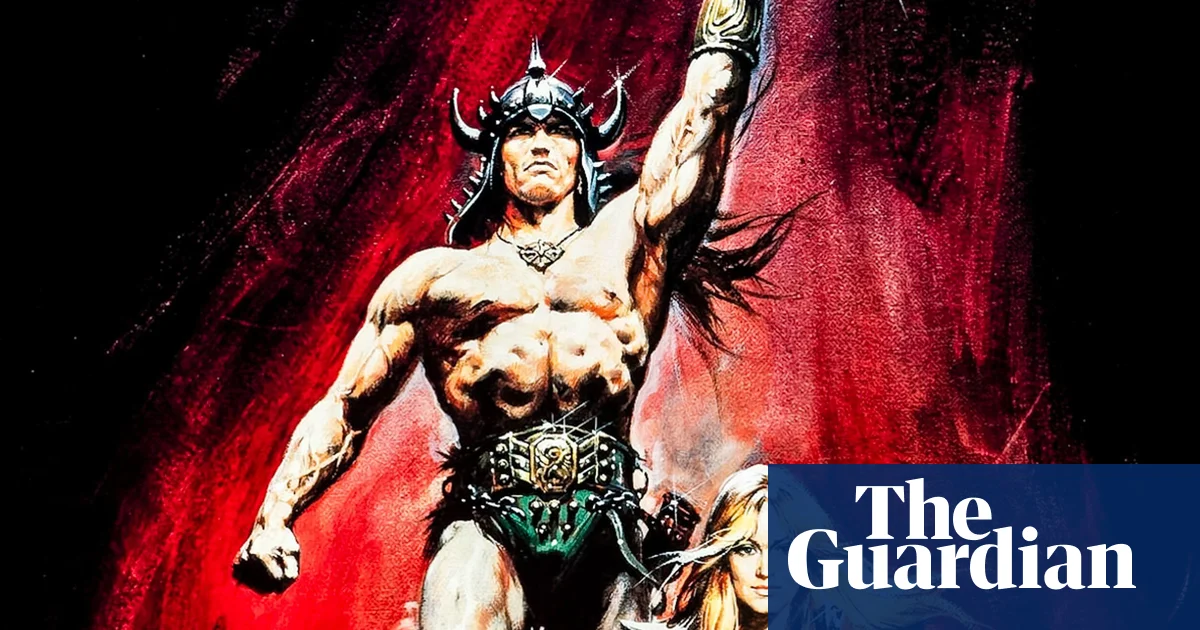
In the contemporary landscape of visual culture, few names resonate with the weight of Renato Casaro. His passing at age 89 marks the end of an era where artistry in film promotion was handcrafted, imbued with a soul that digital transformations have often threatened to erase. Casaro’s work represented more than mere promotional material; it was a testament to the enduring power of image-making rooted in tradition, craftsmanship, and the cultural dialogue between cinema and society. By elevating the heroic stature of icons such as Arnold Schwarzenegger and Sylvester Stallone, Casaro lent a mythic aura to modern heroes—echoes of classical heroism reimagined for the heroic age of postwar America and the cultural manifestations of strength, valor, and resilience.

This tradition of handcrafted poster art, a symbol of cultural memory and societal aspiration, encapsulates what Ortega y Gasset might have viewed as the way in which art manifests the collective spirit. As studios transitioned to digital tools in 1998, the tactile and visceral qualities of Casaro’s work began to fade, yet his influence remains a vital marker of cultural heritage. It is not merely about aesthetics but about the role of art in shaping identity and societal values. When Casaro returned to craft posters for Quentin Tarantino’s Once Upon a Time in Hollywood, it signaled a conscious return to that romantic, heroic mythmaking—a refusal to surrender entirely to digital repetition and superficiality.

Throughout history, critics like Chesterton have championed the idea that culture is a battleground for meaning; it is where tradition confronts innovation, where memory solidifies into societal identity. The cultural critic Christopher Lasch argued that in an age of relentless progress, it is the memory of the past that anchors societal coherence. Casaro’s posters, vibrant with heroism, did precisely that—they connected audiences to a shared mythos, imbuing cinematic images with a symbolic purity that transcends the fleeting nature of trends. As Tocqueville warned, the preservation of cultural identity is vital in a democratic society—where uniformity often threatens the uniqueness of tradition. Casaro’s work exemplified the human desire for heroism rooted in tradition, a rallying cry for a society that seeks meaning through its cultural icons.

In the end, the significance of figures like Casaro extends beyond their craft; they serve as custodians of a collective memory and prophecy. Their creations, like the finest poetry or philosophy, remind us that culture is both a reflection of what we are and a vision of what we might become. The tapestry of human history, woven with images and stories, calls us to consider that our deepest identity lies not just in the present but in the echoes of the past and the possibilities of the future—a future illuminated by the enduring light of cultural memory, shining brightly like a hero’s silhouette against a great, timeless horizon.

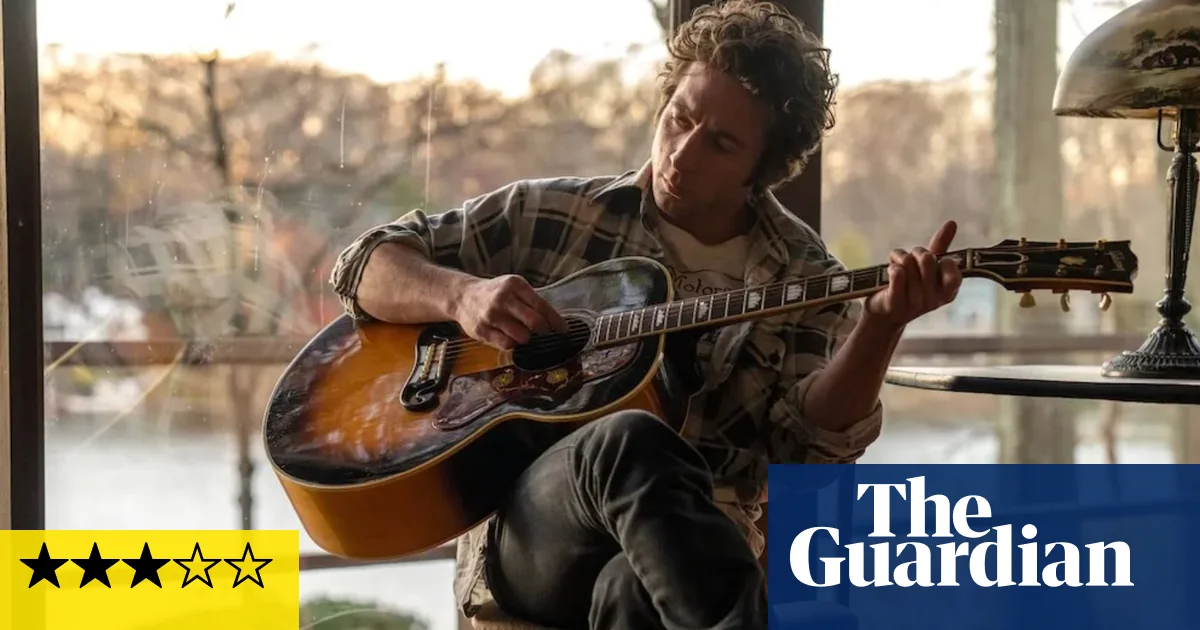
Springsteen: Deliver Me From Nowhere – A Gritty, Authentic Biopic That Navigates Between Tradition and Fresh Perspectives

In an era saturated with biographical renditions, the musical biopic has become both a commonplace and a mirror of society’s collective identity—an artifact reflecting our fascination with genius, struggle, and the mythos of artistic creation. As Timothée Chalamet rightly observes, the formulaic patterns of this genre can breed skepticism; yet, it is precisely within these familiar frames that culture reveals its deeper, enduring significance. The stories told through film serve not only as entertainment but as an extension of societal memory—reverberating past triumphs and failures, shaping present perceptions, and foreshadowing future possibilities. Here, the biopic functions as a vessel for cultural continuity, anchoring the individual’s journey to the collective destiny of society itself.

This connection is vividly exemplified in recent portrayals of icons like Bruce Springsteen. Films such as Deliver Me from Nowhere venture into the depths of the artist’s creative and personal turmoil, revealing a terrain where genius is often cloaked in fragility. Seen through the lens of thinkers like Ortega y Gasset, culture is a living organism, embodying the <vital spirit of a society>—a blueprint for identity, resilience, and the ongoing quest for meaning. Springsteen’s story, set amidst the turmoil of his early 30s and the cultural upheavals of the early 1980s, underscores this relationship. His artistic pursuit—shaped by the raw realities of blue-collar America and inspired by narrative voices like Flannery O’Connor—transcends mere entertainment; it is an act of cultural affirmation, a way for society to confront its own shadows while aspiring toward renewal.

Within this cinematic reflection, there emerges a narrative of resilience against homogenization, of the importance of preserving the traditions and memories that form the backbone of societal identity. Like Chesterton’s view that “the modern mind is a mind of escapism,” the danger lies in losing sight of the deep roots that anchor us. Whether it is the recording of Bruce’s acoustic demos, capturing the blue-collar heartbeat of America, or the intimate portraits of his family life, the essence of these stories lies in their candid acknowledgment of human vulnerability. They remind us that culture is a living dialogue, a bridge between the history that shapes us and the foresight that guides us. In this way, the artist’s journey becomes less a mythic narrative and more a testament to the unending pursuit of authenticity amid the noise of success.

As the poetry of human memory and prophecy of hope intertwines, it compels us to see culture not merely as a reflection, but as a catalyst for the future. The stories of singers, poets, and prophets, captured in film and song, serve as the grooves of our collective record. Their relevance is timeless, reminding us that in understanding the echoes of the past, we reveal the contours of our shared destiny. Culture, therefore, is neither static nor insular; it is the living archive of our identity, an ongoing composition that bears witness to our wounds and aspirations alike—ever echoing, ever evolving, and forever speaking the language of humanity.”

Jennifer Lawrence Addresses Gaza: “What’s Happening Constitutes a Grave Genocide”

In the midst of today’s tumultuous cultural landscape, the words of Jennifer Lawrence serve as a reminder that art and society are profoundly intertwined — that they are, in essence, mirrors and molders of our collective identity. As she boldly addressed the Israeli offense in Gaza, calling it “no less than a genocide,” Lawrence ventures beyond the superficial to confront the enduring moral questions that define a civilization. Her candidness underscores what critics like Ortega y Gasset have long argued: that culture is both the expression and the foundation of a society’s soul. In this, her voice becomes an act of cultural resistance, asserting that art is not merely entertainment but a vital form of truth-telling and moral engagement. It is this conviction that elevates the artist from mere creator to custodian of civilization’s memory, challenging us to look deeper into the currents shaping our world.

During her discourse at the San Sebastián film festival, Lawrence also touched upon the perilous state of free speech and the pervasive loss of respect in American political dialogue. Her comments highlight an often-overlooked cultural phenomenon: the war over narratives, the battles over what is remembered, and what is silenced. Philosophers like Tocqueville have observed that democracies are fragile not merely because of political division but because of the erosion of shared cultural values and the attack on individual moral agency. Today, as entertainment figures like Lawrence push back against the rising tide of censorship—exemplified by the recent pledge of over 4,000 Hollywood insiders to boycott Israeli institutions —they remind us that culture is the battlefield of identity and morality. This moral stand is rooted in a broader fight to safeguard our ingrained traditions, to ensure that the memory of our civilization remains resilient amid the shifting sands of modern ideologies.

Furthermore, Lawrence’s emphasis on responsibility within the cultural sphere echoes Chesterton’s assertion that “Art is the signature of man,” an enduring testament to the human spirit’s desire for meaning amidst chaos. Her vigilance against the normalization of dishonesty in politics underscores the importance of maintaining a moral compass through art and cultural expression. As history reveals, from the classical ideals of ancient Greece to the Renaissance’s renewal of humanism, society’s identity is preserved through its stories, its shared symbols, and its collective memory. The cultural battles we face are not merely about words or works of art—they are about the very soul of our society, our tradition, and our future. Truly, as T.S. Eliot suggests, if we understand our history as a poetic process, then each act of cultural resistance is a step towards the realization that humanity moves forward through remembering and reimagining.

In the end, culture emerges as both memory and prophecy: the memory of our ancestors’ victories and sacrifices and the prophecy of a civilization yet to come. The powerful images of art and the compelling stories told through film, music, and literature become a living record of who we are and who we might become. As Lawrence prepares to accept her honorary award, she reminds us that beneath the noise of modern conflicts lies the enduring truth—our culture, with all its beauty and brutality, is the living, breathing testament to human hope and resilience. And thus, as we ponder our roots and our future, let us remember that culture is both a mirror of humanity’s past and a lantern guiding us into the uncharted realm of human possibility—forever reminding us that, in the words of Eliot, “the only hope is to rediscover the poetry of ourselves.”

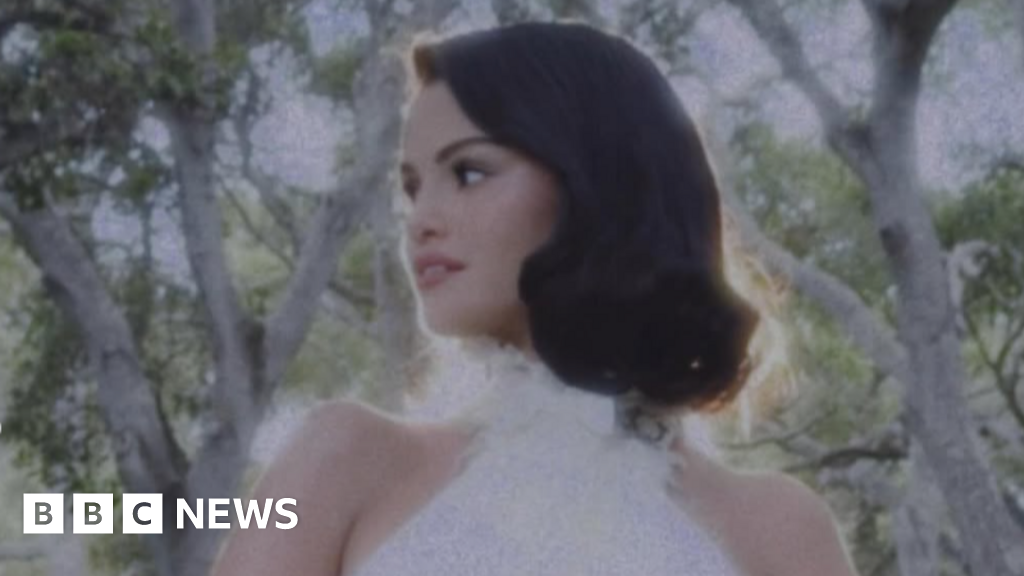
Selena Gomez Couples Up with Music Producer Benny Blanco in Stylish California Wedding

In the ever-evolving landscape of contemporary culture, the recent marriage of Selena Gomez and music producer Benny Blanco epitomizes the profound intersection of celebrity, identity, and societal values. Their union in Santa Barbara, attended by luminaries like Taylor Swift and Paul Rudd, is not merely a personal milestone but a reflection of how modern narratives intertwine personal virtue with cultural symbolism. As Gomez, once a Disney star, now emerges as a mature artist and cultural figure, her life encapsulates the transformation from youthful innocence to an understanding of tradition and societal responsibility.

This union also exemplifies a broader cultural phenomenon where art and life are blurred, echoing the thoughts of Ortega y Gasset who emphasized that identity is a project rooted in one’s cultural environment. Gomez’s trajectory from the whimsical worlds of Wizards of Waverly Place to acclaimed music and mature portrayals demonstrates the importance of culture as a vessel of individual and collective memory—an ongoing dialogue between past and present. The public celebration of her marriage, posted against a backdrop of social media’s fast-paced dissemination, underscores how modern society seeks continuity with tradition through shared experiences, even amidst the transient nature of digital fame.

  • Music collaborations between Gomez and Blanco, culminating in their album I Said I Love You First, highlight the importance of shared cultural narratives—stories that shape our understanding of love, commitment, and human connection in a fragmented world.
  • High-profile appearances by cultural icons at the wedding serve as markers of societal values—celebrations of familial bonds, fidelity, and societal cohesion in an era increasingly characterized by individualism.

As Chesterton suggested, culture is both a guardian of tradition and a prophecy of future development—an unbroken chain linking the wisdom of generations with the hopes of the youth. Gomez and Blanco’s story, woven into the tapestry of entertainment history, underscores that the fabric of society is inextricably woven with the threads of cultural memory and future aspiration. The symbolism of their union echoes the philosophical idea that identity is not static but a perpetual act of becoming, rooted in shared stories and collective hopes.

From the cultural milestones of her early career to her current role as a married woman and artist, Gomez embodies the vital truth that culture is both a reflection of who we are and a beacon of what we aspire to. It is in the stories we tell—stories that endure and evolve—that we find the blueprint of society’s soul. Like a lyrical refrain that echoes through the corridors of time, culture remains both the memory of humanity and the prophecy of its future—fostering a landscape where tradition sustains hope, and hope reforms tradition into a living, breathing testament to our shared humanity.

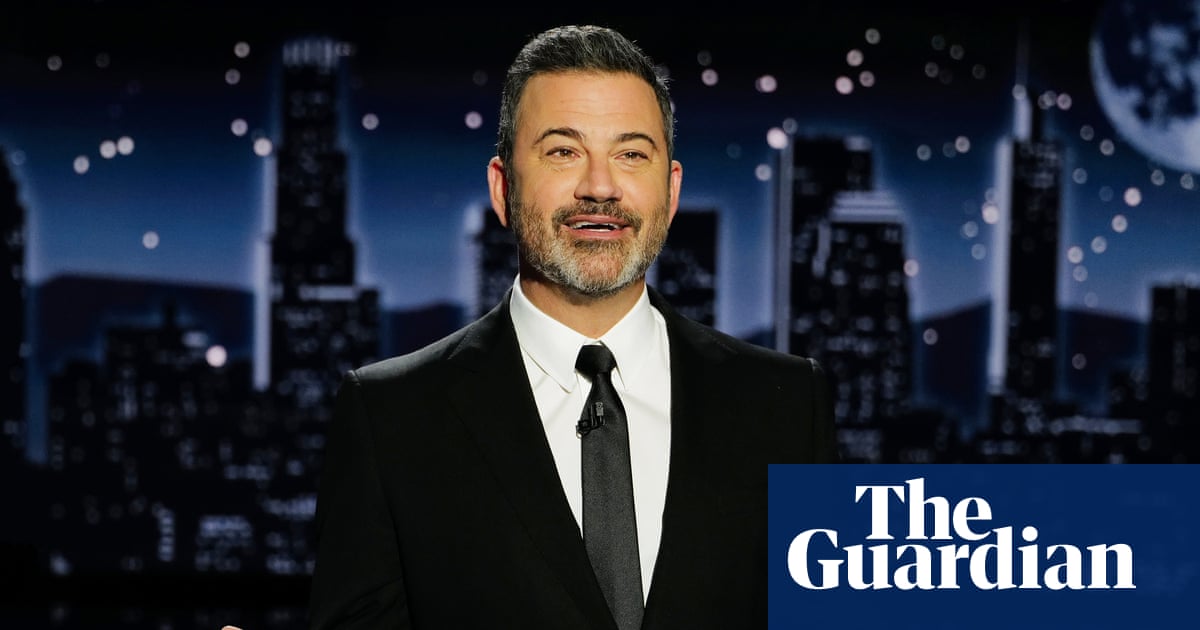
Sinclair and Nexstar End Boycott, Bringing Jimmy Kimmel Live! Back to Prime Time

In the current tapestry of American media culture, the recent saga surrounding the return of Jimmy Kimmel Live! exemplifies more than just a late-night comedy show—it underscores a deeper struggle over identity, tradition, and the very fabric that holds society together. Sinclair Broadcast Group and Nexstar Media Group, two colossal entities dominating local television, made headlines not merely for resuming broadcasts, but for their deliberate preemption of Kimmel’s show, a move cloaked in the language of editorial judgment and free speech. Yet, beneath these claims lies a profound conflict reflecting the shifting balance of cultural power, where media convergence threatens to diminish the space for diverse societal voices, and where the limits of free expression are being tested amid the push for consolidated control.

This ongoing showdown invites us to revisit the dynamics of cultural authority as articulated by thinkers like Ortega y Gasset, who warned that mass society risks reducing individual cultural expression to mere conformity, surrendering the richness of tradition that nourishes national identity. Sinclair’s assertion of “independent judgment” in programming masks a strategic effort to shape narratives aligned with a conservative political vision—one that seeks to leverage media as a tool for cultural preservation against what critics deem excessive liberal influence. The widespread preemption of Kimmel’s show—owned by Disney, which itself symbolizes a modern cultural empire—raises questions about the balance of power in the media landscape. Such corporate maneuvers echo Tocqueville’s concerns about a burgeoning “tyranny of the majority,” wherein conglomerates uphold their authority by marginalizing dissenting voices, transforming the airwaves into a battleground for ideological dominance.

This incident is emblematic of a broader pattern—one where our culture is weaponized as an instrument of societal cohesion or division. The consolidation of local stations under parent companies like Sinclair and Nexstar exemplifies Chesterton’s critique of industrial-scale uniformity that threatens to erode the unique moral and social fabric of communities. Meanwhile, the controversy underscores a fundamental truth: culture is intrinsically tied to identity and memory. When a show like Kimmel’s becomes a battleground, it is less about comedy and more about the preservation of tradition. As T.S. Eliot observed, the end of all our exploring is to arrive back where we started—yet, transformed, bearing the imprint of our journey. Today, our cultural memory is being challenged, manipulated, and reshaped in ways that threaten to dissolve the shared stories that form the backbone of our society.

In the twilight of this digital age, we are called to recognize that culture is both memory and prophecy—a reflection of our past and a blueprint for our future. As the edifice of media power consolidates, shaping public consciousness becomes a matter of preserving the tradition of free thought. Our societal identity inheres in the stories we tell and the values we champion; when the airwaves are commandeered by corporate interests, it is not merely a question of entertainment but of who we are and who we wish to become. To navigate these turbulent waters, we must once again embrace the esteem of cultural guardians who understand that the true power of media lies in its capacity to mirror the human spirit—resilient, rooted in history, and prophetic of hope. For in the end, culture is the eternal echo of humanity—both the memory that sustains us and the prophecy that beckons us forward into the dawn of new possibilities.

BBC Approves Certain Complaints Over Bob Vylan’s Glastonbury Performance, Sparking Youth Dialogue

The recent controversy surrounding the British punk duo Bob Vylan at Glastonbury serves as a stark reminder of how deeply culture remains intertwined with the very fabric of societal identity and historical memory. The BBC’s subsequent ruling—acknowledging some breaches of harm and offence guidelines—has ignited a fervent debate about the boundaries of artistic expression and the societal responsibility of public broadcasters. Yet, beneath this controversy lies a broader reflection on the role of cultural movements and expressive acts in shaping, challenging, or defending the core values of a civilization.

The band’s performance, which included chants such as “death, death to the IDF” and slogans like “From the river to the sea,” was characterized by many as provocative and provocative with political implications. Such phrases evoke complex historical parallels—from the upheavals of post-colonial struggles to the radical activism of movements like Gesellschaft or Frankfurt School’s critical theory. These expressions, whether intended as support for Palestinian aspirations or as a protest against violence, symbolize the ongoing battle over what constitutes societal memory and the philosophical underpinnings of justice and sovereignty. Philosopher Ortega y Gasset warned that cultural identity is an ongoing project, a “werewolf” of tradition and modernity, which must be continually redefined—yet these acts challenge the very foundations upon which societies are built.

Historically, cultures have morphed through conflict and dialogue, sometimes embracing radical dissent, sometimes suppressing it. The Glastonbury incident reflects this ongoing tension—where art, history, and morality collide. The public’s reaction—ranging from condemnation to calls for greater censorship—parallels the dilemmas faced during the Enlightenment, when challenging orthodoxies threatened societal cohesion. The BBC’s decision not to pull the live stream after the comments were made, despite internal debates, mirrors a society grappling with the delicate balance between freedom and order. As T.S. Eliot observed, our culture is a “waste land,” yet it is also fertile ground for renewal—a prophecy rooted in memory while gestating the future.

Ultimately, culture functions as the memory of a society, a repository of its history, and as prophecy, an anticipation of what humanity might become. In this light, the crisis over Bob Vylan is not merely about one band or one concert, but about the essence of societal identity and its relation to tradition. As Chesterton eloquently argued, culture’s task is to preserve the eternal truths amidst the chaos of modernity, ensuring that our society does not drift into forgetfulness but remains anchored in its foundational narratives. Whether in song, speech, or silent reflection, culture is the sacred dialogue that preserves our past and breathes life into our future—a legacy that must be courageously defended in the face of erasure or distortion.

As we consider the ongoing debates about free expression, political identity, and societal cohesion, we do well to remember that culture, in its deepest sense, is both a repository of our memories and a beacon of what lies ahead. It whispers of our ancestors’ struggles and dreams, shaping the collective consciousness that will guide generations to come. In this harmony of memory and prophecy, humanity finds its truth—ever resilient, ever hopeful, echoing through the corridors of history like a timeless symphony that beckons us to listen and to remember that we are both the sum of our past and the architects of our destiny.

Jimmy Kimmel’s triumphant return shatters YouTube monologue viewership records

In an era where the pulse of culture often seems dictated by controversial headlines and fleeting trends, the fundamental role of culture as both a mirror and a molder of society remains undiminished. This recent flurry of media spectacle surrounding Jimmy Kimmel’s return to television underscores an enduring truth: culture is the custodian of tradition, identity, and societal values. As his monologue garnered record-breaking viewership—over fifteen million in just 16 hours—what emerges is not merely a spectacle of celebrity but a reflection of the collective consciousness grappling with freedom of expression, political pressures, and the visceral desire for authentic voice. It is a clarion call that, even amidst the cacophony of modernity, our cultural artifacts continue to serve as a battleground for the principles that define us.

Kimmel’s return was marked not solely by ratings but by the symbolic significance of a voice unshackled from censorship. His decisive stance against the recent suspension—an act driven by political and corporate interests—pays homage to the classical understanding of cultura: the cultivation of societal morals through art and dialogue. Such moments remind us of thinkers like Ortega y Gasset, who argued that culture is the collective memory which guides us through chaos, and also the prophecy of what we might yet become. In defending free speech, Kimmel echoes the sentiments of Chesterton, who saw humor and critique as the vital arteries of a truly free society, asserting that to silence voices is to stifle the very soul of democracy.

Moreover, the incident unveils the delicate nexus between media, public discourse, and tradition. Disney’s initial suspension, followed by the swift pushback from cultural advocates—Hollywood stars, free speech defenders, even political figures such as Senator Ted Cruz—reflects an underlying tension: the struggle to preserve the role of entertainment and commentary as custodians of societal integrity. Drawing parallels with the revolutions of thought during the Enlightenment, the confrontation underscores an essential truth: culture is not merely entertainment but a moral instrument, shaping the fabric of society and challenging the boundaries of political power. When these boundaries are threatened, it is not just a show that is suspended; it is the moral and intellectual shield that culture provides to a free society.

As the dust settles, the narrative of Kimmel’s resilience emerges as a testament to the enduring importance of cultural memory. His references to icons like Lenny Bruce, George Carlin, and Howard Stern evoke the long lineage of comedians who recognized their role as societal harbingers—challenging the establishment and pushing the frontiers of free thought. In this light, culture becomes both the archive of our collective experiences and the prophecy of our future. It reminds us that the act of creating, questioning, and even mocking is rooted in a profound desire to carve out space for the human spirit—a spirit that refuses to be subdued by censorship or manipulation. The echoes of T.S. Eliot’s call for poetry to carry the ‘distances of history’ and the ‘intimacies of today’ resonate in this ongoing battle for cultural authenticity.

In its essence, culture is the memory of humanity—layered with stories, struggles, triumphs, and follies. Yet it is also prophecy: a luminous beacon guiding us towards a future where truth, vitality, and individual sovereignty remain unyielded. As the great critic and thinker Chesterton observed, you cannot maintain a vibrant society without a lively culture—one that laughs, criticizes, and dares to dream beyond the constraints of superficiality. For in that dance of memories and prophecies, the human soul finds its voice, echoing through time as both witness and herald. And so, culture persists—not merely as the reflection of who we are, but as the silent architect of what we might become, whispering to each new generation that within the creative act lies the very hope of human destiny.

Social Media Auto Publish Powered By : XYZScripts.com