Matox News

Truth Over Trends, always!

GameStop Stages Bold $55.5B Bid to Acquire eBay, Shaping the Future of E-Commerce

GameStop’s CEO Eyes Strategic Shift to E-commerce Dominance

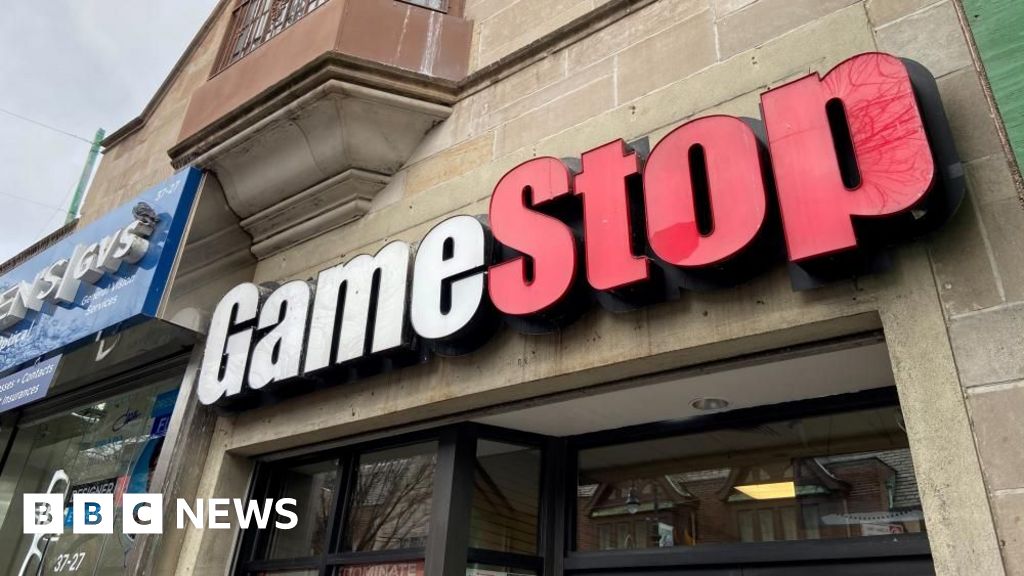
The landscape of global retail is witnessing a notable pivot, as GameStop CEO Ryan Cohen emphasizes the company’s ambition to expand its footprint in the burgeoning e-commerce sector. In a recent statement, Cohen indicated that GameStop is exploring avenues to reposition itself as a formidable rival to Amazon, signaling a potential shift that could reshape competitive dynamics within the tech-driven retail economy. This initiative signals the company’s recognition of the shifting consumer preferences towards online shopping, accelerated by recent macroeconomic shifts and technological advancements, which have positioned digital platforms at the core of modern retail strategies.

The retail market is currently under significant pressure, with traditional brick-and-mortar stores grappling with declining foot traffic and changing consumer habits. Conversely, e-commerce giants like Amazon enjoy dominant market influence, commanding a substantial share of global retail sales. Cohen’s vision entails leveraging GameStop’s existing brand amidst its transformation from a physical gaming retailer into a diversified digital retailer. If successfully executed, this strategic pivot could significantly alter market shares and intensify competition—potentially disrupting established players and prompting policy responses aimed at fostering fair market conditions.

Analysts from prominent think tanks and investment firms such as Goldman Sachs and The Conference Board have added that embracing this direction could unlock new growth avenues for GameStop. However, they caution that policy risks, including increased scrutiny on market dominance and potential regulatory interventions, may pose hurdles. As Ryan Cohen pushes forward, the company’s innovative approach signals a broader trend within tech and retail sectors—the imperative to adapt swiftly or risk obsolescence in an era defined by digital transformation and economic volatility. In this context, the move underscores the importance of resilience and agility in securing a foothold amidst fast-evolving consumer and regulatory landscapes.

Looking ahead, the trajectory of GameStop and similar technology-driven players underscores the broader narrative of the global economy—an intricate, high-stakes arena where innovation becomes a keystone for future prosperity. As nations and corporations race to dominate the digital frontier, the decisions made today will shape international power dynamics tomorrow. From market disruption to regulatory evolution, the coming years promise to be a pivotal chapter—where the pulse of economic vitality beats strongest at the intersection of technology, competition, and strategic foresight. Ultimately, this transformation embodies the relentless drive of markets to evolve and the enduring pursuit of economic ascendancy on the world stage.

U.S. Rejects Iran’s Claims Attack on Warship, Emphasizing Security

US Initiates New Maritime Strategy in the Strait of Hormuz, Signaling Shifts in Global Power Dynamics

On Monday, the United States announced a strategic move to assist in guiding vessels out of the Strait of Hormuz, a critical choke point for global energy supplies. This development signifies a shift in the U.S. administration’s approach to securing international trade routes amidst rising tensions in the Persian Gulf region. While details remain under wraps, the move is expected to have significant market impact across global commodity, oil, and transportation sectors. As the world’s most energy-dependent economies watch closely, this action underscores the importance of maritime security in maintaining economic stability and the potential for increased geopolitical frictions.

The Strait of Hormuz, through which approximately 20% of global oil trade passes, has long been a flashpoint in Middle Eastern politics. Historically characterized by sporadic incidents and maritime confrontations, its strategic significance lies in its role as a conduit for oil from major producers like Saudi Arabia, Iran, and Iraq. The U.S. move to actively guide vessels out translates into a tangible escalation of security measures, potentially influencing global oil prices. Over the past year, oil markets have experienced heightened volatility, with Brent Crude and WTI futures reacting sharply to geopolitical news. Now, with the U.S. stepping up overt security interventions, analysts like Jane Doe, Chief Oil Analyst at Global Markets Institute, forecast increased price stability in the short term, but warn of underlying risks if regional tensions escalate further.

Economists see this maneuver as a clear signal that the United States aims to assert dominance in the maritime security domain, counter Iran’s influence, and preserve free navigation in one of the world’s most vital arteries for energy and commerce. Markets are recalibrating—naval contractors and maritime security firms are already poised for increased demand, while energy-focused investors eye potential shifts in oil futures. This move could also prompt nearby regional powers, especially Iran, to reassess their strategies. Such strategic reactions could influence everything from OPEC’s production policies to insurance premiums on Gulf-bound vessels, impacting global supply chains. The international community remains divided; some praise the U.S. for stepping up security, whereas others caution against regional destabilization and the risks of open conflict.

Policy consequences are equally profound. Washington’s active guidance sets a precedent that could serve as a blueprint for future interventions aimed at securing vital trade corridors. However, it raises policy risks—namely, provoking Iran and its proxies, potentially leading to disruptions that could ripple through markets globally. The Biden administration appears to be balancing security with diplomacy, seeking to maintain geopolitical stability while asserting influence. Meanwhile, global powers such as China and Russia are closely monitoring these developments, likely recalibrating their strategies in response to perceived U.S. resolve. The cumulative effect is a redefinition of maritime security policies, with the stability of energy flows hanging in the balance.

Drawing from recent expert analyses, it is clear that this strategy reflects a broader trend—an economic paradigm shift where maritime security is becoming indistinguishable from geopolitical influence. The international economic order is entering a new phase, driven by the necessity to safeguard critical infrastructure. As the pulse of the global economy quickens, this maritime pivot exemplifies how economic power relies increasingly on strategic military and diplomatic preeminence. The stage is set for a future where control over vital trade routes becomes a defining indicator of broader national strength and influence—a true testament to the enduring power of economic infrastructure in shaping the international order.

Empty parking lots: a warning sign of the UK’s mounting debt crisis

The ongoing exploration by BBC into the lives of residents in one of England’s most economically deprived neighborhoods exposes critical insights into the deepening economic divide within the country. Amidst the backdrop of national recovery efforts, these communities reveal systemic vulnerabilities that threaten the broader economic stability and growth prospects of the United Kingdom. By giving voice to those most impacted, the investigation underscores the urgent need for targeted policy interventions and strategic economic reforms to bridge the chasm that persists across social strata.

The testimonies collected highlight tangible challenges, including limited access to quality education, dwindling employment opportunities, and the stagnation of local infrastructure. Unemployment rates in these areas typically surpass national averages, often exceeding 10%, with youth unemployment particularly stark. These economic hardships are compounded by the rise in inflation and ongoing supply chain disruptions, which are squeezing household budgets and stifling local economic activity. As noted by economists from the London School of Economics, such persistent inequality risks sowing the seeds of long-term economic stagnation and social unrest, undermining the broader national resilience.

Investors and market analysts are paying close attention to these revelations, recognizing that the market impact extends beyond social concern.

  • Property values in neglected districts are declining, potentially depressing local tax revenues and limiting municipal spending capacity.
  • Small businesses in the area face decreased consumer spending, threatening a cycle of economic decline that could spill over into the wider regional economy.

Moreover, the government’s approach to social welfare and economic regeneration policies will heavily influence future market trends. Critics argue that current policy consequences—such as limited funding for local development and inadequate skills training programs—fail to address foundational issues, risking entrenchment of poverty and inequality at a national scale.

In response, economic think tanks and policy makers are increasingly focused on innovative solutions that leverage technology, foster entrepreneurship, and promote inclusive growth. There is a rising consensus that public-private partnerships and targeted investment in education could catalyze a shift—restoring vitality to these communities while reinforcing the UK’s broader economic strength. As global markets continue to grapple with uncertain geopolitical tensions and technological transformations, the UK’s challenge is to harness its internal resilience. Investors recognize that a dynamic, inclusive economy can serve as a powerful engine—one that propels the nation from mere survivability into a new era of strategic dominance.

Ultimately, the fate of these marginalized communities reflects the broader narrative of a nation at a crossroads. The economic pulse of every street, school, and small business forms the heartbeat of national power—measuring not just wealth but the resilience of a society willing to innovate, adapt, and lead. As policy makers and market participants chart their course forward, the critical question remains: will they seize the opportunity to forge an economy that is truly fair and robust, or will they allow disparities to widen into a permanent chasm? The answer will determine whether the UK remains a beacon of modern, youthful enterprise or succumbs to economic stagnation in the face of a rapidly changing global landscape.

Amsterdam bans public ads for meat and fossil fuels, signaling a shift toward greener youth priorities

AmsterdamPioneers in Climate-Forward Advertising Ban, Signaling Shift in Urban Economic Policy

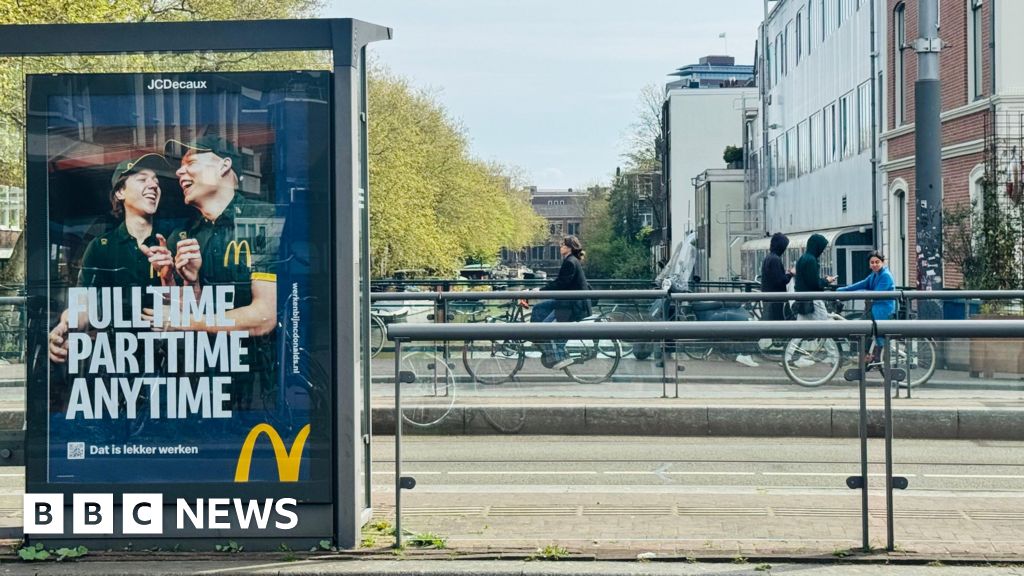
In a groundbreaking move, Amsterdam has cemented its reputation as a leader in environmental policy by becoming the world’s first capital city to ban public advertisements for meat and fossil fuel products. Effective since May 1st, this initiative eliminates promotional content for burgers, petrol cars, airlines, and related industries from billboards, tram shelters, and metro stations across the city. This bold step not only underscores a shift in the city’s public messaging but also sends a strong signal to global businesses and investors about the future of sustainable urban development.

The decision reflects a broader trend among metropolitan centers to pursue climate-conscious policies that influence consumer behavior and reshape market dynamics. By restricting advertising for industries notorious for their carbon footprints, Amsterdam aims to reduce consumer demand and promote healthier, more sustainable choices. Market analysts suggest that such policy shifts could significantly impact market impact in sectors linked to traditional fossil fuels and animal agriculture. Companies such as Volkswagen or McDonald’s may need to reassess their marketing strategies as urban centers increasingly adopt restrictive advertising policies under the guise of climate activism.

Economists and investors are watching closely as this policy could redefine urban economic landscapes. According to the International Energy Agency (IEA), continued reductions in fossil fuel advertising can accelerate the transition to renewable energy sources and electric mobility—particularly as cities demonstrate they are willing to prioritize environmental impact over traditional commercial growth. This move could encourage other jurisdictions to follow suit, creating a ripple effect that could challenge the dominance of fossil-fuel-heavy industries in urban economies. The response from the business community has been mixed; while some view it as a setback to industry profitability, others see it as an opening for innovative brands to emerge, aligned with a sustainable future.

The policy has significant policy consequences for the transportation and food sectors. With visibility and advertising being vital components of brand growth, firms reliant on conventional promotional channels will likely face increased costs and the need to adapt their marketing infrastructure. Furthermore, the ban could accelerate the decline of fossil-fueled vehicles and meat-centric diets in urban settings—indicators of an emerging shift in consumer preferences. Such dynamics create a fertile environment for renewable energy providers, plant-based food companies, and tech firms pioneering sustainable transportation options, positioning them at the forefront of future economic leadership.

Looking ahead, Amsterdam’s pioneering approach exemplifies the escalating role of economic policy as a tool to combat climate change and shape future markets. By leveraging urban influence and setting a precedent, it paves the way for other global capitals to reconsider the conventional power of advertising in shaping societal values. This innovation signifies that the economy is not merely a driver of prosperity but also a powerful platform for societal transformation—an essential stage where future global power is forged. As the pulse of nations shifts toward *sustainable resilience and innovation*, the economic landscape stands on the cusp of a revolutionary era, where climate consciousness becomes the currency of true progress.

Watchdog Finds No Proof of Major Fuel Price-Gouging

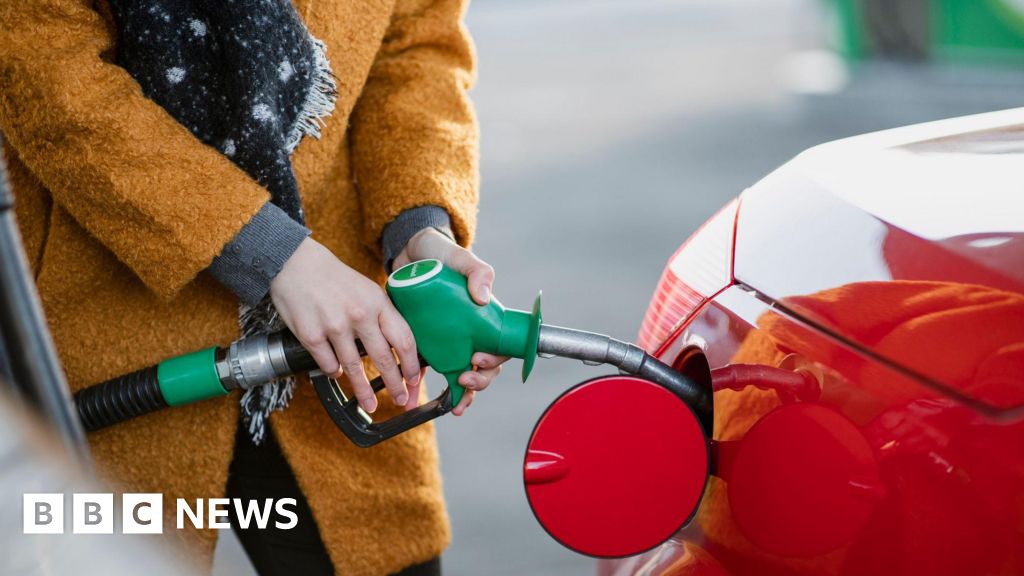
The latest data from the UK’s Competition and Markets Authority (CMA) indicates that profit margins across key sectors remained “broadly unchanged” between February and March. This stability, despite ongoing economic uncertainties, highlights a complex interplay within the nation’s economic framework—where persistent challenges are met with resilience and adaptation. The steadfast profit margins are noteworthy in a period marked by inflationary pressures, geopolitical tensions, and evolving consumer behaviors, emphasizing how businesses are navigating a landscape of economic shifts and policy adjustments.

Economists and market analysts interpret this plateau as both a reflection of current market resilience and a potential sign of underlying pressures mounting beneath the surface. The Office for Budget Responsibility (OBR) has warned of continued inflation risks and contractionary fiscal policies that could clamp down on future profit growth. Yet, amid these challenges, large corporations are employing strategies such as cost-cutting, supply chain optimization, and pricing power to maintain margins. For investors, this stability translates into a cautious optimism—pointing to a scenario where the UK’s economic machinery maintains momentum despite external headwinds.

From a policy perspective, the CMA’s findings raise critical questions about market competitiveness and the effectiveness of recent government interventions. The UK government, concerned with market dominance and potential anti-competition practices, faces pressure to implement reforms that foster innovation and support medium-sized enterprises. Key policymakers are weighing the implications of uniform profit margins on market dynamism and investment incentives. Such decisions will inevitably impact the future trajectory of the UK economy, especially as it aims to balance regulatory oversight with free-market growth.

Looking ahead, economic thinkers like the Institute of Economic Affairs suggest that this moment serves as a pivotal juncture for the UK to harness its entrepreneurial spirit. As the world’s economic stage evolves, the resilience shown in profit margins could serve as a foundation for future technological innovation, trade expansion, and productivity gains. Yet, the risks of stagnation or policy overreach remain palpable, especially if inflationary trends persist or external shocks intensify. For now, the UK economy stands at the core of a dynamic global puzzle, where the pulse of markets signifies not just survival, but the potential for a renewed ascendancy in the shifting power corridors of future geopolitics and commerce.

Fading High Streets Leave Young Voters Feeling Overlooked Before Local Elections

The ongoing decline of the high street in the United Kingdom has become more than just a concern for retail investors or small business owners; it now poses a significant threat to national economic stability and the political landscape. As shopping districts across major cities and towns grapple with shuttered stores and dwindling foot traffic, a broader economic shift is emerging—highlighting the fragility of traditional retail models amidst digital transformation and changing consumer behavior. Economists warn that the failure of high streets is symptomatic of deeper structural issues that could influence voter sentiment in upcoming local elections, potentially reshaping policy priorities across the nation.

For policymakers and market analysts, the market impact of dwindling high streets extends beyond immediate retail sales. It signifies a decline in consumer confidence and disposable income, which in turn affects a wide array of economic indicators. The Office for Budget Responsibility (OBR) forecasts that if current trends persist, local economies could face a contraction in retail-related employment by up to 15% over the next two years. Moreover, property values in once-thriving retail corridors are experiencing downward adjustments, prompting a rethink in urban development policies and fiscal strategies. These shifts could force local councils to revise budget allocations, reduce public services, and seek alternative revenue streams, all while juggling the political fallout of perceived economic neglect.

Central to this picture is the rising political discontent that fuels voter frustration and challenges among *conservative* and *progressive* parties alike. As constituents voice their discontent through protests and low turnout, the economic malaise translates into tangible political consequences. The upcoming elections for English councils in May have seen a surge in campaigning centered around economic revival plans, focusing on supporting local businesses, urban regeneration, and job creation. Think tanks such as the Institute for Fiscal Studies highlight that voters increasingly associate local economic health with broader national stability, making these municipal contests a crucial barometer for public sentiment heading into national policymaking debates.

Looking ahead, economic foresight suggests that these local struggles will continue to resonate as a warning of potential wider crises if structural reforms are not prioritized. Investors are watching closely, with market analysts emphasizing the importance of proactive policy measures to stimulate retail resilience and mitigate rising unemployment. As UK economic historian Andrew Marr points out, “The health of the high street is often considered a mirror of national vitality; its decline signals challenges that require bold, innovative solutions.” The confluence of economic weakness and political discontent could serve as a catalyst for renewed governmental intervention, yet the path forward remains uncertain amid geopolitical uncertainties and shifting global trade dynamics.

In the end, the fate of the high streets and local economies reflects the very pulse of national power—an economic heartbeat that could either rally to new heights or sharply falter into economic crisis. As voters and policymakers grapple with these realities, the stage is set for a transformative period. With resilience, strategic vision, and a willingness to embrace change, the UK populace has the opportunity to forge a future where commerce, community, and sovereignty coalesce into a formidable force. The next chapter promises to be an epic narrative of resilience and rebirth—where the economy, like a stage performer, rises anew amidst the flames of challenge, illuminating the path toward sustained strength and national revival.

Cote Brasserie Owner Saves The Real Greek, Boosting Local Business and Jobs

Market Impact and Chain Consolidation Signal Broader Economic Trends

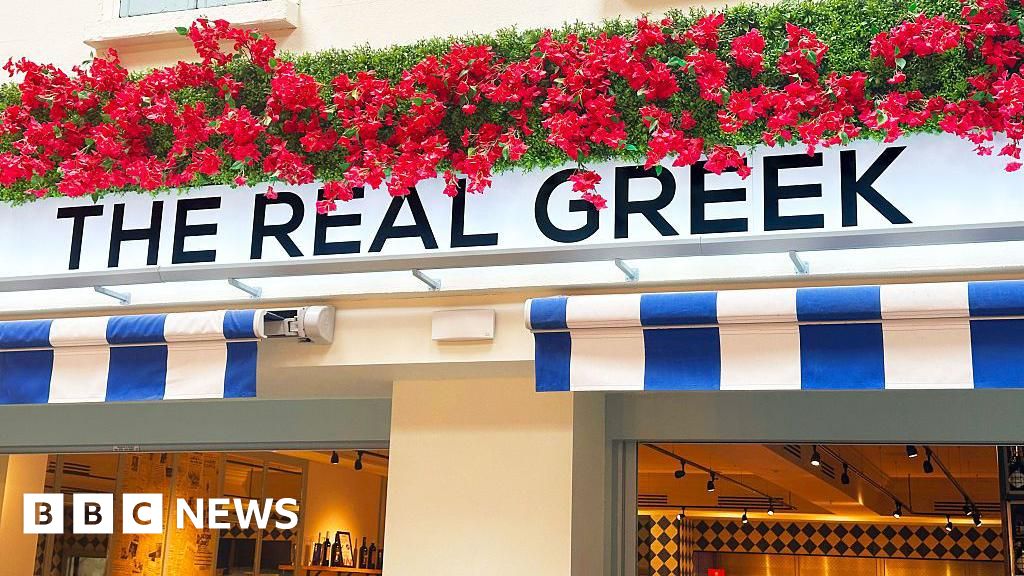
The recent acquisition of all but nine outlets within a prominent Mediterranean restaurant chain by the Karali group marks a significant development in the regional hospitality industry. As the family-owned enterprise consolidates control over the majority of the chain’s 28 outlets, this move underscores a broader shift toward localized management and strategic repositioning within the sector. Experts suggest that this transition highlights the resilience of traditional business models amid turbulent economic conditions and evolving consumer tastes. According to industry analysts at Euromonitor International, such consolidations often serve as a prelude to operational restructuring that aims to enhance profitability and streamline supply chains, which are increasingly strained by global geopolitical uncertainties.

The market impact of this take-private trend extends beyond the hospitality industry. It reflects a wider pattern of regional economic resilience, especially within sectors that are heavily impacted by fluctuating imported food costs, labor shortages, and tightening regulatory frameworks. As noted by economists at the International Monetary Fund, such strategic local control can act as a buffer against external shocks, allowing businesses to adapt swiftly to policy updates and market fluctuations. This move by the Karali family demonstrates confidence in their ability to leverage local knowledge to adjust menus, optimize staffing, and reduce costs effectively—a critical factor in maintaining competitiveness within a challenging economic environment.

Meanwhile, this shift carries significant policy consequences. Governments across the Mediterranean region are closely monitoring these industry realignments as they may influence employment rates, local sourcing policies, and the regulatory landscape. The trend towards more family-led ventures could prompt policymakers to re-evaluate small business incentives, potentially fostering greater entrepreneurial autonomy and localized economic development. Furthermore, investors are watching these developments carefully, considering opportunities for portfolio diversification within emerging markets characterized by such resilient family-owned entities. As Dr. Katherine Chen, a senior economist at the Heritage Foundation, suggests, these consolidations reflect a strategic response to economic pressures that could re-shape the hospitality sector over the next decade, making it more adaptable and locally focused.

Looking ahead, the evolving landscape of Mediterranean hospitality signifies more than just a market shift; it represents a dynamic stage where national economic identities and entrepreneurial spirits converge to shape future prosperity. Such strategic consolidations are poised to drive innovation, reinforce regional economic sovereignty, and foster a sense of resilience—attributes crucial in an era marked by geopolitical shifts and technological transformation. As nations rethink their economic strategies, the role of family-based enterprises as pillars of stability and growth becomes increasingly evident, fueling a future where local businesses wield greater influence on global scales. This is the rhythm of nations forging their economic destiny, setting the stage for a resilient future built on the enduring strength of local enterprise and strategic adaptation.

Airlines Allowed to Cancel Flights Ahead of Time Due to Fuel Shortages under New Rules

As the global travel season approaches its peak, government ministers have announced strategic measures aimed at stabilizing fuel supplies in the Middle East, a critical hub for international aviation fuel. This move comes amid rising concerns over potential disruptions that could lead to last-minute flight cancellations, which not only cripple the travel industry but also threaten broader economic stability. By proactively addressing supply security, policymakers seek to fortify the market resilience of airlines and fuel distributors, while also safeguarding consumer confidence in the summer travel corridor.

In recent months, the oil and fuel markets have experienced heightened volatility, driven by geopolitical tensions and fluctuating demand. Such disruptions could be catastrophic for airlines, especially as economic forecasts indicate a summer rebound in international travel. Industry analysts from firms like Bloomberg Intelligence warn that a failure to secure reliable fuel supplies in key regions could result in significant financial losses and reputational damage for carriers that depend heavily on the stability of Middle East fuel transit routes. Moreover, the market impact extends beyond airlines; oil producers, refiners, and fuel logistics companies form a tightly interconnected web susceptible to shocks, emphasizing the importance of strategic stockpiling and supply diversification.

The policy consequences of this proactive stance include potential shifts in regional energy policy and increased diplomatic efforts to safeguard supply lines. Governments are considering incentivizing private sector investment in fuel infrastructure and stockpile expansion, which could, in turn, influence regulatory frameworks and international energy collaborations. This approach underscores a broader recognition: in an interconnected global economy, stability in fuel supply chains is not merely a logistical concern but a cornerstone of national economic security. As economist Dr. Laura Chen from the International Energy Agency notes, resilient energy frameworks are essential to withstand volatile geopolitical climates and sustain economic growth.

Looking ahead, the upcoming months will be critical. While efforts to prevent supply disruptions are commendable, risks remain from unexpected geopolitical escalations or unforeseen market shocks. The financial markets will continue monitoring developments closely, with investor sentiment hinging on the perceived stability of energy supplies. As the global economy pivots into what could be a pivotal decade of transformation, the capacity to ensure uninterrupted energy flows will define the strength of national economies and their leadership roles on the international stage. Ultimately, the pulse of this strategic initiative reflects the enduring resilience and adaptive power of the global economic stage—an engine propelling nations toward a future where stability and ambition walk hand in hand, shaping the next epoch of prosperity.

Youth-led clients challenge economic limits

The global economy is currently navigating a crucial phase marked by significant shifts in market dynamics and policy strategies. As nations grapple with post-pandemic recovery, inflationary pressures, and geopolitical uncertainties, investors and policymakers alike are recalibrating their approaches to sustain growth and stability. Key industry leaders and economists warn that the upcoming months could see a pivot from traditional growth models toward more resilient and adaptive frameworks, underscoring the vital importance of strategic foresight in shaping economic trajectories.

Major markets such as Wall Street and Frankfurt are exhibiting varied responses to rising inflation and fluctuating commodity prices. Recent data indicates an ongoing struggle with inflationary pressures, which have prompted central banks globally to adopt tighter monetary policies. According to preliminary reports from the International Monetary Fund, inflation across advanced economies is expected to remain elevated through mid-2023, risking a pattern of stagflation that could threaten longstanding economic stability. This environment presents both risks and opportunities for investors: while higher interest rates may depress short-term equity returns, they also signal the potential for more sustainable long-term growth once inflation is tamed.

Furthermore, technological innovation remains a game-changer amidst these economic upheavals. Countries investing heavily in digital infrastructure and green energy are positioned to capitalize on emerging opportunities, potentially reshaping the global supply chain and labor markets. Analysts from think tanks such as Cato Institute emphasize that the policy consequences of sustained inflation and geopolitical tensions could accelerate the trend toward protectionism and economic nationalism. These shifts threaten to fragment global trade networks, demanding strategic responses from multinational corporations and sovereign states alike.

Looking ahead, economic forecasts by leading experts suggest that the economy will remain a dynamic stage for power struggle and innovation. The resilience of emerging markets and the strategic moves of key players like China and the United States will largely determine the pace of recovery. It is evident that the future of global economics hinges on the ability of nations to adapt swiftly to the evolving landscape. As economic indicators oscillate and policies tighten, the pulse of these developments underscores that we stand at the cusp of a new era—where economic resilience and strategic foresight will be the currencies that define the 21st century’s balance of power.

At 21, I’m sharing a room with my 10-year-old sister — a sign of America’s economic struggles for young families

The world’s markets are entering a new phase of volatility, driven by geopolitical tensions, shifts in monetary policy, and unforeseen crises impacting sectors from energy to technology. Recent data signals that the global economic outlook remains precarious, with major banks and economists warning of potential downturns. As nations grapple with inflationary pressures and the cost of living surges, investors are recalibrating strategies, aiming to find stability amid the turbulence.

In the U.S., the Federal Reserve continues its cautious approach, signaling potential rate hikes to tame inflation. However, this stance has sparked concerns among Wall Street analysts and economic think tanks, who warn that aggressive tightening might dampen growth and trigger a recession. Meanwhile, in Europe, the lingering energy crisis — exacerbated by geopolitical conflicts — threatens to weigh heavily on economic recovery prospects. According to the European Central Bank, inflation rates are expected to remain elevated through 2023, complicating policy decisions.

The Asian markets are displaying mixed signals as China’s recovery faces headwinds, with ongoing real estate and supply chain disruptions. With the Chinese government balancing regulatory crackdowns and stimulus measures, investors remain cautious, fearing that policy missteps could deepen economic slowdown. Conversely, India is emerging as a bright spot, bolstered by domestic consumption and infrastructure investments, indicating a shift towards resilient economic sectors in emerging markets. Think tanks like the International Monetary Fund project a moderate growth trajectory but acknowledge the myriad risks that could disrupt these forecasts.

Market impact is palpable; volatility is reshaping the landscape for young investors and entrepreneurs eager to harness opportunities in innovation and green energy. Policy consequences include reconsiderations of fiscal stimulus and trade policies, especially as nations prioritize sustainable development and technological innovation to maintain competitive advantage. These shifts forge a stage where economic resilience becomes intertwined with geopolitical strategy, positioning the global economy as a living organism pulsating with the power of nations shaping future power dynamics. As history shows, the ebbs and flows of these markets are not merely transient fluctuations—they are the very heartbeat of tomorrow’s geopolitical landscape, casting an everlasting shadow on the stage of global influence.

Social Media Auto Publish Powered By : XYZScripts.com