AmsterdamPioneers in Climate-Forward Advertising Ban, Signaling Shift in Urban Economic Policy
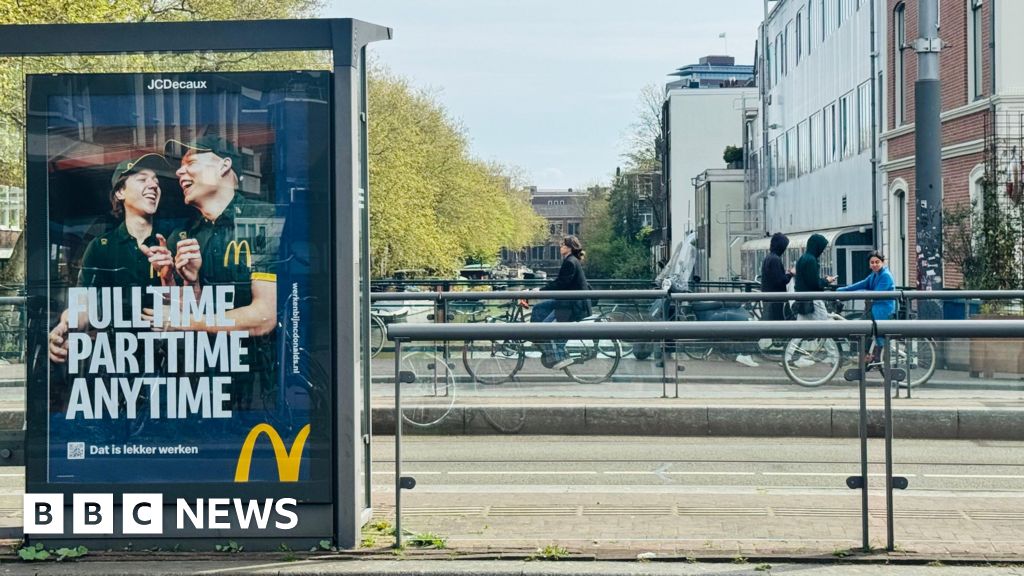
In a groundbreaking move, Amsterdam has cemented its reputation as a leader in environmental policy by becoming the world’s first capital city to ban public advertisements for meat and fossil fuel products. Effective since May 1st, this initiative eliminates promotional content for burgers, petrol cars, airlines, and related industries from billboards, tram shelters, and metro stations across the city. This bold step not only underscores a shift in the city’s public messaging but also sends a strong signal to global businesses and investors about the future of sustainable urban development.
The decision reflects a broader trend among metropolitan centers to pursue climate-conscious policies that influence consumer behavior and reshape market dynamics. By restricting advertising for industries notorious for their carbon footprints, Amsterdam aims to reduce consumer demand and promote healthier, more sustainable choices. Market analysts suggest that such policy shifts could significantly impact market impact in sectors linked to traditional fossil fuels and animal agriculture. Companies such as Volkswagen or McDonald’s may need to reassess their marketing strategies as urban centers increasingly adopt restrictive advertising policies under the guise of climate activism.
Economists and investors are watching closely as this policy could redefine urban economic landscapes. According to the International Energy Agency (IEA), continued reductions in fossil fuel advertising can accelerate the transition to renewable energy sources and electric mobility—particularly as cities demonstrate they are willing to prioritize environmental impact over traditional commercial growth. This move could encourage other jurisdictions to follow suit, creating a ripple effect that could challenge the dominance of fossil-fuel-heavy industries in urban economies. The response from the business community has been mixed; while some view it as a setback to industry profitability, others see it as an opening for innovative brands to emerge, aligned with a sustainable future.
The policy has significant policy consequences for the transportation and food sectors. With visibility and advertising being vital components of brand growth, firms reliant on conventional promotional channels will likely face increased costs and the need to adapt their marketing infrastructure. Furthermore, the ban could accelerate the decline of fossil-fueled vehicles and meat-centric diets in urban settings—indicators of an emerging shift in consumer preferences. Such dynamics create a fertile environment for renewable energy providers, plant-based food companies, and tech firms pioneering sustainable transportation options, positioning them at the forefront of future economic leadership.
Looking ahead, Amsterdam’s pioneering approach exemplifies the escalating role of economic policy as a tool to combat climate change and shape future markets. By leveraging urban influence and setting a precedent, it paves the way for other global capitals to reconsider the conventional power of advertising in shaping societal values. This innovation signifies that the economy is not merely a driver of prosperity but also a powerful platform for societal transformation—an essential stage where future global power is forged. As the pulse of nations shifts toward *sustainable resilience and innovation*, the economic landscape stands on the cusp of a revolutionary era, where climate consciousness becomes the currency of true progress.