Matox News

Truth Over Trends, always!

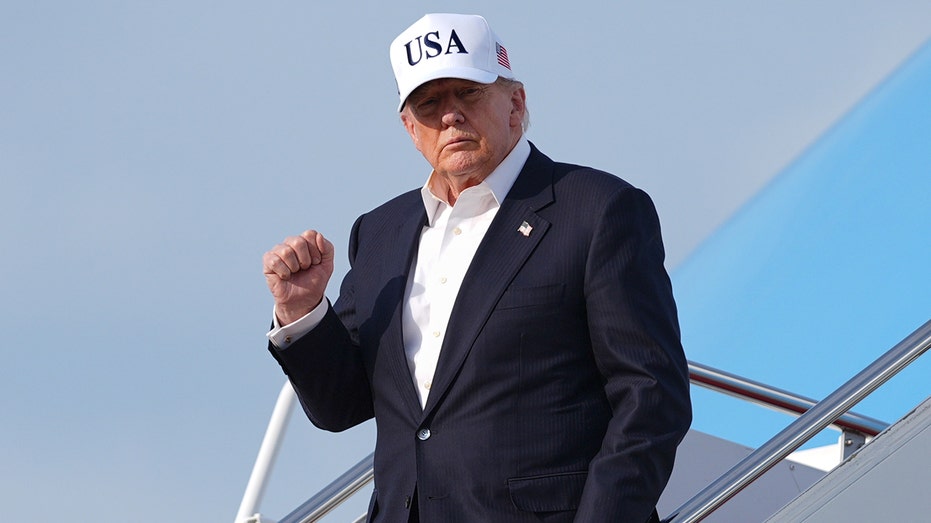
Trump, Netanyahu to Discuss Potential Military Action on Iran Amid Deception Reports

President Donald Trump is reportedly considering a renewed military approach to Iran, a move that will be a central topic in his upcoming discussion with Israeli Prime Minister Benjamin Netanyahu. The high-level talks come as regional intelligence assessments indicate Tehran is engaging in ‘deception and delay’ tactics, exacerbating concerns over its nuclear program and continued provocations in vital shipping lanes.

The Sunday conversation between the two leaders follows President Trump’s recent meeting with China’s Xi Jinping. While official details of the call remain private, the context suggests a significant focus on the persistent challenges posed by the Iranian regime’s regional actions and its nuclear aspirations.

High-Stakes Diplomacy Amidst Regional Volatility

Israeli Prime Minister Benjamin Netanyahu confirmed the impending call, stating, “Our eyes are also open regarding Iran.” Translated from Hebrew, his remarks emphasized ongoing communication with President Trump and a preparedness for various scenarios. “I will certainly hear impressions from his trip to China, and perhaps other matters as well. There are certainly many possibilities, and we are prepared for every scenario,” Netanyahu articulated.

The urgency surrounding these discussions highlights the delicate geopolitical balance in the Middle East. Both leaders share a common objective in preventing Iran from acquiring nuclear weapons and curbing its destabilizing influence across the region. The United States and Israel maintain a strong alliance, critical for confronting threats to international order and security.

Iran’s ‘Deception and Delay’ Strategy Unveiled

The impetus for considering renewed military action on Iran stems from intelligence assessments, as reported by Fox News, indicating President Trump’s growing frustration with Tehran’s strategic maneuvers. Regional intelligence officials suggest Iran is deliberately pursuing a strategy of ‘deception and delay’ in response to international pressure.

This strategy is reportedly designed to buy time, with Iranian officials believing that prolonged ambiguity could complicate any potential military response. Key elements of this perceived Iranian approach include:

  • Stalling Developments: A deliberate effort to delay progress on international demands regarding its nuclear program.
  • Prolonging Crisis: Stretching out the current state of tension for several weeks, potentially beyond significant political or operational windows.
  • Exploiting Global Events: Considering major international events, such as the upcoming World Cup, as opportunities to divert attention or complicate decision-making.

The intelligence community believes Tehran hopes to make a military campaign politically and operationally more difficult for the Trump administration. This calculated approach underscores the regime’s determination to maintain its current trajectory, despite international condemnation.

Geopolitical Ramifications and Energy Market Impacts

The escalating rhetoric and potential for renewed military action have immediate implications beyond political capitals. Reports of President Trump considering strikes on Iranian oil infrastructure have already led to a notable jump in global oil and gas prices. Such market volatility reflects the critical role the Strait of Hormuz plays in global energy supply and the potential for severe economic disruption should tensions escalate further.

Matox News has consistently advocated for a firm, principled stance against regimes that threaten international stability and economic freedom. The current situation demands strong leadership to protect vital shipping lanes and prevent nuclear proliferation, upholding the foundational principles of order and security.

As President Trump and Prime Minister Netanyahu engage in these crucial talks, the world watches closely. The decisions made will undoubtedly shape the future of Middle Eastern security and global energy stability. Maintaining a resolute front against Iranian provocations remains paramount for safeguarding international institutions and ensuring a peaceful, predictable global environment.

Trump Calls for Ouster of Rep. Thomas Massie in Kentucky Primary

Former President Donald Trump has intensified his campaign to shape the Republican Party, issuing a powerful directive for Kentucky voters to reject Representative Thomas Massie in the upcoming primary election. This move follows a significant victory for Trump’s influence in Louisiana, where Senator Bill Cassidy failed to advance in his Republican primary.

Trump’s intervention underscores a broader effort to consolidate party loyalty and challenge GOP members who have previously opposed his agenda. The former president’s statement, made shortly after midnight, explicitly linked Massie’s political future to Cassidy’s recent electoral setback.

A Warning Shot for GOP Dissenters

The former president did not mince words when criticizing Rep. Thomas Massie, describing him as among the “worst and most unreliable Republican Congressman.” Trump’s remarks, initially shared on Truth Social, explicitly called for Kentucky residents to vote Massie out, labeling him a “major Sleazebag” and highlighting his voting record. This direct appeal to voters serves as a clear warning to other Republican lawmakers about the political consequences of not aligning with the former president’s directives.

Trump emphasized that Massie’s perceived disloyalty was a primary reason for his opposition. He drew a direct comparison to Senator Bill Cassidy, R-La., who recently failed to secure enough votes in his primary to avoid a runoff, effectively ending his bid for re-election. Trump attributed Cassidy’s defeat to his vote to impeach him, framing it as a direct consequence of defying the party’s base and the former president’s influence.

“Kentucky, get this LOSER out of politics in Tuesday’s Election. He is nicknamed Rand Paul Jr., another real ‘beauty,’ because of his absolutely terrible voting habits.”

The Louisiana Precedent: Cassidy’s Defeat

Senator Bill Cassidy’s unexpected primary ouster in Louisiana has been presented by Trump as a blueprint for challenging incumbents. Cassidy, who finished behind other candidates in the Louisiana Republican Senate primary, will not participate in the upcoming runoff election. This outcome, as reported by Fox News, marks a significant moment for presidential influence in primary contests, particularly against sitting senators.

Trump explicitly tied Cassidy’s loss to his vote to impeach the former president, suggesting that such actions would lead to similar electoral fates for other critics. The message is clear: party loyalty and alignment with the former president’s political movement are paramount for those seeking re-election.

  • Senator Bill Cassidy: Failed to advance in Louisiana’s Republican Senate primary.
  • Representative Thomas Massie: Faces a strong primary challenge backed by Trump.
  • Key Issue: Perceived disloyalty and past votes against Trump’s agenda.

The Kentucky Primary: A Test of Influence

Representative Massie, who has represented Kentucky’s 4th congressional district since 2012, has a voting record that has occasionally put him at odds with the mainstream Republican Party, including during the Trump administration. His conservative stance on fiscal matters and limited government has earned him the nickname “Rand Paul Jr.,” a comparison Trump used to further criticize Massie’s voting habits.

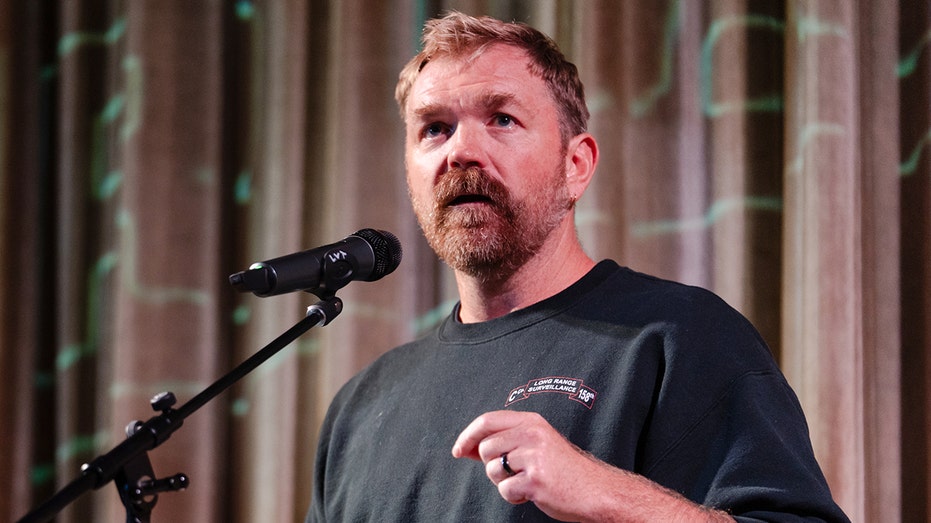
The former president has thrown his support behind Ed Gallrein, a Kentucky farmer and war veteran, whom he describes as running solely out of a sense of duty and loyalty to the former president. The upcoming primary election in Kentucky will serve as a crucial test of Trump’s endorsement power and his ability to influence outcomes in contested Republican races. The results will indicate the extent to which his base continues to prioritize loyalty to him over other considerations.

As voters head to the polls on Tuesday, the Kentucky primary will be closely watched as an indicator of the evolving dynamics within the Republican Party and the enduring impact of former President Trump’s political endorsements.

Lamar Alexander Calls for GOP to Reassert Institutional Strength

In a significant new memoir, former Senator Lamar Alexander, a respected figure in conservative politics, issues a direct challenge to the Republican Party. Alexander, who has served as governor of Tennessee, a U.S. Senator, and a cabinet member, asserts that former President Donald Trump committed an impeachable offense on January 6, 2021. His remarks underscore a growing call within certain conservative circles for the GOP to re-evaluate its direction and re-affirm its commitment to foundational institutional principles.

The former senator’s reflections, highlighted in a report by The New York Times, emphasize the critical importance of Congress asserting its constitutional power. Alexander’s perspective arrives at a moment when national institutions are under scrutiny, and the balance of power between branches of government remains a subject of intense debate.

A Call for Congressional Assertion

Alexander’s memoir details his conviction regarding the events of January 6, when a mob breached the U.S. Capitol. He posits that the former president’s actions surrounding that day constituted an impeachable offense, a stance that aligns with a traditional understanding of presidential conduct and accountability. Beyond mere criticism, Alexander’s core message is a proactive demand for the legislative branch to reclaim its rightful authority.

For Alexander, the integrity of the constitutional system hinges on each branch fulfilling its duties and acting as a check on the others. His call for Congress to assert its power is a reminder of the founders’ intent: to prevent the overreach of any single part of government and ensure a robust system of governance. This perspective resonates deeply with conservative values that prioritize order, established institutions, and constitutional fidelity.

Principles Over Partisan Loyalty

The former senator’s candid assessment presents a moment of introspection for the Republican Party. Alexander’s argument suggests that adherence to constitutional principles and institutional stability should take precedence over partisan loyalty or personal allegiances. This is a crucial distinction for a party often perceived as grappling with its identity in the post-Trump era.

Alexander’s career has been marked by a pragmatic approach to governance and a commitment to conservative ideals. His latest statements are not merely a retrospective critique but a forward-looking appeal for the GOP to:

  • Prioritize constitutional responsibilities above all else.
  • Strengthen the institutional checks and balances that define American democracy.
  • Reaffirm a commitment to orderly transfers of power and respect for election outcomes.
  • Foster a political environment that discourages extremism and promotes civil discourse.

His message implicitly challenges Republicans to consider how their actions today will shape the long-term health of American governance.

Upholding the Constitution and the integrity of our institutions must always transcend partisan loyalties.

The Path Forward for the GOP

Alexander’s memoir contributes to an ongoing dialogue within conservative circles about the future direction of the Republican Party. His emphasis on institutional strength and accountability offers a potential framework for renewal. It suggests that a return to core conservative tenets—respect for the rule of law, limited government within a robust constitutional framework, and a focus on national unity—could be a viable path forward.

For Matox News, such calls from seasoned conservatives like Alexander highlight the enduring importance of stable institutions and principled leadership. His voice joins others who advocate for a conservative movement grounded in civility, order, and a steadfast commitment to the foundational principles that have long sustained the Republic.

Trump Challenges Boebert Endorsement Over Massie Alliance

The political landscape within the Republican Party saw a notable tremor this weekend as former President Donald Trump publicly questioned his endorsement of Representative Lauren Boebert (R-CO). The former President’s ire was sparked by Boebert’s decision to campaign alongside Representative Thomas Massie (R-KY), a figure Trump has previously criticized as one of the “Worst ‘Republican’ Congressmen” in the nation. The unfolding drama, initially reported by Fox News, highlights the intricate loyalties and power dynamics at play within conservative circles.

The former President expressed strong disapproval on social media, accusing the Colorado congresswoman of being “weak minded” for aligning with a perceived GOP rival and threatening to withdraw his backing.

Trump’s Forceful Rebuke on Truth Social

In a series of strong posts on his Truth Social platform, former President Trump did not mince words regarding Rep. Boebert’s actions. He questioned whether anyone was “interested in running against Weak Minded Lauren Boebert in Colorado’s Fourth Congressional District?” signaling a direct challenge to her incumbent status. Trump’s frustration stems from Boebert’s appearance with Rep. Massie, who has been a vocal critic of the former President within the Republican caucus. This alignment is particularly contentious as Trump has already endorsed Massie’s primary challenger, retired Navy SEAL Ed Gallrein.

The former President went further, characterizing Massie as the “Worst ‘Republican’ Congressman in the History of our Country” and declared that “anybody who can be that dumb deserves a good Primary fight!” This direct challenge to Boebert’s judgment underscores the premium Trump places on loyalty within his political movement, suggesting that even long-standing allies are not immune to scrutiny if they deviate from his preferred alignments.

The former President signaled a potential withdrawal of his endorsement, stating it would be his “Honor” to back a “good and proper alternative” if one emerged, directly inviting challengers to Rep. Boebert’s seat.

Boebert’s Steadfast Defense and Loyalty Pledge

Initially, Rep. Boebert declined to directly comment on Trump’s social media posts, indicating a desire not to “elevate” the situation. However, she later took to X (formerly Twitter) to defend her actions and reaffirm her conservative credentials. Boebert stated that she was “not mad or offended” by the President’s remarks and acknowledged that she “knew the risks when I agreed to stand by my friend Thomas Massie.”

Her defense centered on her unwavering commitment to the “America First” agenda, declaring, “I was, and will be, America First, America Always, and MAGA.” This response attempts to bridge the gap between her personal alliances and her ideological alignment with the former President’s movement. It frames her support for Massie as a matter of personal friendship rather than a rejection of Trump’s broader political vision, a subtle but significant distinction in the often-turbulent world of GOP politics.

Implications for the GOP and Future Endorsements

This public disagreement between two prominent conservative figures highlights the ongoing internal struggles within the Republican Party. Trump’s willingness to challenge an endorsed incumbent, particularly one who has been a vocal supporter, sends a clear message about the unwavering expectation of loyalty to his political vision. For Rep. Boebert, this incident could significantly complicate her upcoming primary race in Colorado’s Fourth Congressional District, potentially attracting a Trump-backed challenger.

The episode also raises broader questions about the power and influence of presidential endorsements in shaping primary outcomes. While Trump’s backing has historically been a potent force, instances like this test the boundaries of that influence and the willingness of some Republicans to chart their own course. As the party navigates its future, the balance between institutional loyalty, personal alliances, and adherence to specific ideological tenets continues to be a defining challenge.

The coming weeks will reveal whether this public spat leads to a formal withdrawal of the endorsement and the emergence of a strong primary opponent for Representative Boebert, further shaping the complex dynamics of the conservative movement.

Trump-Backed Candidates Secure Major Primary Victory in Louisiana, Senator Cassidy Ousted

Republican voters in Louisiana have delivered a decisive Trump primary victory, removing incumbent Senator Bill Cassidy from his bid for re-election. This significant outcome, which saw two Trump-backed candidates outperform Cassidy, reaffirms the former president’s substantial influence within the Republican Party and highlights a clear desire among the electorate for candidates aligned with the “America First” agenda.

A Resounding Message from Louisiana Voters

Senator Bill Cassidy, a Republican incumbent, faced a formidable challenge largely due to his vote to convict then-President Donald Trump during his second impeachment trial five and a half years ago. This stance proved to be a critical factor for a significant segment of the conservative electorate in Louisiana, a solidly red state.

In Saturday’s GOP primary, Cassidy was decisively ousted. The Associated Press reported that Trump-backed Rep. Julia Letlow and Louisiana Treasurer John Fleming emerged as the top contenders. Letlow secured an impressive 45% of the vote, with Fleming garnering roughly 28%. Senator Cassidy trailed significantly, accumulating just under 25%.

This defeat makes Senator Cassidy the first elected Republican senator to lose a renomination bid since Indiana’s Senator Richard Lugar in 2012. The historical weight of this outcome underscores the profound nature of the political shift currently reshaping the Republican landscape, demonstrating that even long-serving incumbents are not immune to the evolving sentiments of the party’s base.

The Enduring Power of a Presidential Endorsement

Though not directly on the ballot, former President Trump is undeniably a major victor in this Trump primary victory. The Louisiana contest served as the latest and perhaps most potent barometer of his endorsements’ efficacy in Republican nomination races, cementing his immense grip over the party’s grassroots.

Trump had not minced words about Cassidy, publicly criticizing him as “a disloyal disaster” and “a terrible guy.” Following Cassidy’s electoral defeat, the former president swiftly took to social media to celebrate, declaring, “it’s nice to see that his political career is OVER!” This immediate and emphatic reaction, widely reported by news outlets such as Fox News, underscores the personal and strategic importance Trump places on these primary challenges.

The outcome sends a clear message to other Republican officeholders: alignment with the former president’s agenda and avoiding perceived disloyalty can be crucial for political survival in the current GOP climate. It reinforces the idea that the party’s base often prioritizes loyalty to the movement above all else.

Louisiana’s Future: Letlow and Fleming Advance to Runoff

With no candidate securing over 50% of the vote, Rep. Julia Letlow and Treasurer John Fleming will now advance to a runoff election next month. Letlow, already serving in the House of Representatives, and Fleming, the state’s treasurer, both represent a more conservative, Trump-aligned wing of the Republican Party.

Their combined performance, significantly outpolling the incumbent, indicates a strong preference among Louisiana Republicans for candidates who champion the former president’s policies and rhetoric. The runoff will now determine which of these two Trump-backed candidates will ultimately secure the Republican nomination for the U.S. Senate, setting the stage for the general election in this reliably red state.

  • Key Primary Results:
  • Rep. Julia Letlow: 45%
  • Treasurer John Fleming: 28%
  • Sen. Bill Cassidy: Under 25%

Cassidy’s Concession: A Call for Principled Democracy

In a speech to his supporters after conceding the race, Senator Cassidy offered a reflective and perhaps pointed commentary on the democratic process. He observed that “when you participate in democracy, sometimes it doesn’t turn out the way you want it to.” More significantly, Cassidy added a clear directive: “But you don’t pout, you don’t whine. You don’t claim the election was stolen… You don’t manufacture some excuse.”

This statement, widely interpreted as an implicit critique of certain post-election behaviors, concluded with Cassidy thanking voters for the privilege of serving. His words emphasized the importance of accepting electoral outcomes with grace, a sentiment that resonates with the principles of orderly and institutional democracy championed by Matox News.

The Louisiana primary is more than just a local election; it is a significant barometer of the GOP’s national direction. This Trump primary victory underscores the former president’s continued influence and signals a potential realignment within the party, where the focus remains steadfastly on candidates who embody the conservative movement’s core tenets and demonstrate unwavering loyalty. As the runoff approaches, all eyes will be on Louisiana to see which conservative champion emerges victorious.

Maduro's Alleged 'Bag Man' Alex Saab Rearrested After Controversial Biden Pardon
Maduro’s Alleged ‘Bag Man’ Alex Saab Rearrested After Controversial Biden Pardon

Washington D.C.Alex Saab, the Colombian businessman long considered Nicolás Maduro’s chief financial fixer, has reportedly been rearrested, marking a significant turn in efforts to combat corruption linked to the Venezuelan regime. The arrest comes less than three years after Saab was controversially pardoned and released by former President Joe Biden in a prisoner swap.

This latest development signals a new, albeit complex, level of cooperation between U.S. authorities and Venezuela’s interim President Delcy Rodríguez, raising questions about the future of accountability for alleged illicit financial networks.

Renewed Scrutiny and U.S.-Venezuelan Cooperation

The reported arrest and subsequent deportation of the 54-year-old Saab followed a joint U.S.-Venezuelan operation, according to details emerging from the region. His capture occurred in February, with the Venezuelan immigration authority confirming a “Colombian citizen” was being sent away due to U.S. criminal investigations, though avoiding specific confirmation of his destination.

The timing is critical, occurring after Maduro’s own capture in January. Following this, interim President Delcy Rodríguez reportedly stripped Saab of his cabinet position and his role as the primary conduit for foreign investments, as reported by The Associated Press, a detail also highlighted by the News Desk.

Should Saab be returned to U.S. custody, he could become a crucial star witness against Maduro, who currently awaits trial on drug charges in Manhattan. This potential testimony could unravel years of alleged illicit financial dealings and corruption within the Venezuelan power structure.

The Controversial 2023 Pardon

Saab was initially detained in 2020 on bribery charges, with U.S. officials alleging he siphoned approximately $350 million out of Venezuela. His release in 2023 was part of a high-stakes prisoner exchange orchestrated by the Biden administration, a move that drew considerable criticism from conservative lawmakers and human rights advocates.

While the Biden pardon specifically addressed a 2019 indictment concerning unbuilt low-income housing projects, it did not resolve all legal entanglements. Saab reportedly still faces active federal investigations into alleged bribery conspiracies related to Venezuelan food import contracts. This ongoing legal exposure provides the basis for his current rearrest and potential extradition.

Implications for Maduro’s Prosecution

The re-apprehension of Alex Saab could significantly strengthen the U.S. case against Nicolás Maduro. Court hearings in previous proceedings revealed that Saab had engaged in secret meetings with the U.S. Drug Enforcement Administration (DEA) for years. During these interactions, he reportedly provided information that helped identify corruption within Maduro’s inner circle.

His potential testimony could offer an insider’s view into the financial machinations and alleged criminal enterprises that sustained the Maduro regime, potentially providing irrefutable evidence for prosecutors. This development underscores the persistent efforts by U.S. institutions to dismantle corrupt networks that undermine democratic governance and economic stability in the region.

“The potential for Alex Saab to become a crucial star witness against Maduro could reshape the narrative of accountability for corruption in Venezuela.”

The re-emergence of Alex Saab in U.S. legal crosshairs represents a significant victory for the rule of law and anti-corruption efforts. As the legal proceedings unfold, the world will be watching to see how this high-profile case impacts the ongoing fight against transnational crime and the pursuit of justice for the Venezuelan people.

FDA Shakeup Continues as Second Top Official Claims Forced Departure

The Food and Drug Administration (FDA) is experiencing significant leadership changes, with Dr. Tracy Beth Høeg, acting director of the Center for Drug Evaluation and Research (CDER), claiming she was fired from her position. This development marks the second high-profile FDA executive departure within a week, raising questions about the stability and direction of the critical regulatory agency.

Dr. Høeg’s exit follows closely on the heels of former FDA Commissioner Dr. Marty Makary’s resignation. Both departures underscore a period of considerable transition within the federal health institution, prompting scrutiny from both policymakers and the public regarding the independence and operational integrity of the FDA.

Dr. Høeg’s Claims of a Forced Exit

Dr. Tracy Beth Høeg, who had been elevated to lead CDER in December, stated publicly that she did not resign voluntarily. In an interview with MD Reports, published Friday, Dr. Høeg recounted, “I said I didn’t want to resign. I’m not signing a letter of resignation.” She further indicated that the decision to remove her originated from “someone way above their pay grade,” suggesting a higher-level directive influenced her departure.

This assertion of being forced out rather than resigning voluntarily adds a layer of complexity to the ongoing changes at the FDA. The agency’s role in drug regulation is paramount, and such leadership instability could have broad implications for public health initiatives and industry oversight.

Commissioner Makary’s Resignation and Broader Context

Dr. Høeg’s departure comes just days after Dr. Marty Makary, the former FDA Commissioner, publicly resigned on Tuesday. Rumors had circulated for days regarding President Donald Trump’s dissatisfaction with Makary, preceding his official announcement. Makary and Høeg had worked closely on drug regulation, making her subsequent exit particularly noteworthy.

The confluence of these high-level departures suggests a broader administrative reshuffling within the FDA. Beyond Høeg, reports from STAT News indicate that Katherine Szarama, former director of the Center for Biologics Evaluation and Research (CBER), and FDA Chief of Staff Jim Traficant are also departing the agency. These collective changes point towards a significant overhaul of the FDA’s top brass.

I said I didn’t want to resign, and I wasn’t signing a letter if it wasn’t my choice.”

Leadership Transitions and Future Implications

The FDA has already moved to fill some of the vacant leadership roles. Dr. Mike Davis, Dr. Høeg’s former deputy, is slated to replace her as the head of CDER, according to an internal FDA email obtained by The Associated Press. While the White House has yet to issue an official comment on Dr. Høeg’s departure, the rapid succession of leadership changes signals a period of intense scrutiny and potential policy shifts for the institution.

The stability of the FDA’s leadership is crucial for maintaining public trust and ensuring consistent, science-based regulatory decisions. As new leaders step into these vital roles, the focus will be on how they navigate the challenges of drug and biologics regulation amidst a dynamic political landscape.

The Matox News team will continue to monitor developments within the FDA as these significant transitions unfold, paying close attention to any impacts on the agency’s core mission and regulatory effectiveness. The integrity of our institutions depends on clear leadership and a steadfast commitment to public service.

ActBlue CEO to Testify Amid Allegations of Misleading Congress on Foreign Donations

Washington D.C. — The chief executive of ActBlue, a major online fundraising platform for Democratic campaigns, is preparing for a significant congressional appearance next month. On June 10, ActBlue CEO Regina Wallace-Jones is scheduled to testify before the House Administration Committee, facing intense scrutiny over allegations that her organization provided inaccurate information to lawmakers concerning its safeguards against illicit foreign contributions. This development was first reported by Fox News Digital.

Mounting Scrutiny and Allegations

The upcoming testimony is the culmination of escalating pressure on ActBlue. The platform, which processes billions in political donations, has been under investigation for its handling of foreign funds. House Administration Committee Chairman Bryan Steil, R-Wis., has explicitly stated that Ms. Wallace-Jones allegedly misrepresented facts to the committee earlier in their inquiry into ActBlue’s fraud prevention standards. This assertion underscores the gravity of the accusations.

A report published by The New York Times earlier this year brought these concerns into sharper focus. It revealed that ActBlue’s then-outside counsel had reportedly warned Ms. Wallace-Jones in 2023 about potential misrepresentations made to Chairman Steil’s committee regarding the vetting processes for foreign donations. Such allegations strike at the heart of campaign finance integrity.

Under established U.S. law, foreign nationals who are not lawful permanent residents are generally barred from contributing to federal political candidates or political action committees. This crucial regulation aims to protect the integrity of American elections from undue foreign influence. The committee’s investigation seeks to determine whether ActBlue, as a key conduit for political funds, adequately adhered to these foundational legal requirements.

The necessity of robust vetting procedures is paramount for any fundraising entity, particularly one of ActBlue’s scale. Ensuring that all donations originate from permissible sources is not merely a procedural matter but a cornerstone of maintaining transparency and trust in the electoral system. The committee’s focus on ActBlue’s alleged shortcomings highlights a broader concern about accountability in political fundraising.

Congressional Demands and Withheld Information

Chairman Steil had initially requested Ms. Wallace-Jones to testify on May 19, an invitation that ActBlue’s legal representatives initially dismissed as a ‘partisan attack.’ However, the committee’s persistence, coupled with mounting evidence, appears to have compelled her agreement to appear. Republicans on the committee have further intensified their demands, pointing to documents that ActBlue has allegedly withheld in response to subpoenas issued in 2025.

The core of the committee’s concerns includes:

  • Allegations that Ms. Wallace-Jones misled the committee regarding ActBlue’s fraud prevention standards.
  • Reports from ActBlue’s own counsel suggesting misrepresentation of facts to Congress.
  • The alleged withholding of subpoenaed documents, which Chairman Steil has characterized as ‘deliberately incomplete.’

These allegations of non-compliance raise serious questions about transparency and cooperation with congressional oversight. The upcoming hearing will provide a critical opportunity for the committee to press for answers and for Ms. Wallace-Jones to address these significant concerns directly.

«It’s past time we set the record straight and got answers for the American people. I look forward to hearing her testify.»

— Chairman Bryan Steil, House Administration Committee

The June 10 hearing promises to be a pivotal moment for ActBlue and for the broader discussion surrounding campaign finance transparency. As the House Administration Committee seeks clarity on the platform’s donation vetting processes, the proceedings will undoubtedly illuminate critical aspects of institutional accountability and the safeguards necessary to preserve the integrity of American political funding. The outcome will be closely watched by those concerned with ethical standards in political fundraising.

Kamala Harris's SCOTUS and Electoral College Reform Proposals Ignite 'Institutional Arsonist' Label
Kamala Harris’s SCOTUS and Electoral College Reform Proposals Ignite ‘Institutional Arsonist’ Label

Former Vice President Kamala Harris has called for Democrats to consider sweeping reforms to the nation’s foundational institutions, including expanding the Supreme Court and restructuring the Electoral College. Her proposals, articulated during a recent call with the left-wing nonprofit Emerge, have drawn immediate and severe criticism from Republican leaders, who accuse her of seeking to destabilize American governance.

Proposals for Fundamental Institutional Shifts

Harris outlined a series of significant changes she believes Democrats should pursue when in power. Key among these are discussions around Supreme Court reform, specifically mentioning the expansion of the court. She also advocated for conversations about statehood for Puerto Rico and Washington D.C., and a re-evaluation of the Electoral College system.

  • Supreme Court Expansion: Harris suggested considering an increase in the number of justices on the nation’s highest court, a move historically viewed as ‘court-packing’ by opponents.
  • Electoral College Reform: She proposed a discussion on altering or eliminating the Electoral College, the system by which U.S. presidents are elected.
  • Statehood for D.C. and Puerto Rico: Harris reiterated support for granting full statehood to both the District of Columbia and Puerto Rico.

Explaining her rationale, Harris asserted that such reforms are necessary to “neutralize this red state cheating” and counter what she described as a “brutality at play on the other side, and a ruthlessness.” She emphasized the need for Democrats to “play to win” in the political arena.

Republican Leaders Decry ‘Institutional Arson’

The former Vice President’s remarks quickly drew a sharp rebuke from prominent Republicans. House Speaker Mike Johnson, R-La., was particularly vocal, accusing Democrats of acting as “institutional arsonists” by proposing such fundamental changes. Johnson warned that these ideas represent a “dangerous thing, a dangerous gambit” that could have severe repercussions for the nation’s stability.

The sentiment from conservative circles is that these proposals are not merely policy disagreements but rather an attempt to dismantle established systems for partisan gain. Critics argue that tampering with the structure of the Supreme Court or the Electoral College undermines the very fabric of American democracy and the checks and balances designed to protect it.

Context of Recent Redistricting Battles

Harris’s call for “bold” reforms followed recent setbacks for Democrats in critical redistricting battles. In late April, the Supreme Court moved to limit the use of race in drawing electoral districts, a decision that impacted Black-majority districts held by Democrats, particularly across the South. Furthermore, the Virginia Supreme Court dealt another blow in early May, striking down a Democratic-friendly gerrymander due to procedural concerns.

Addressing these judicial outcomes, Harris claimed that the Supreme Court’s decision on redistricting was “back-dooring racism through politics.” She contended that these actions are “intentionally about trying to suppress the voice of the people.” This context, reported by Fox News Digital, highlights the perceived urgency from Harris’s perspective for significant electoral and judicial restructuring.

“It’s a dangerous thing, a dangerous gambit.”

— House Speaker Mike Johnson, R-La.

The debate surrounding Kamala Harris’s institutional reform proposals underscores a deep ideological divide regarding the future of American governance. While proponents argue for necessary updates to ensure fairness and representation, opponents warn against politicizing and destabilizing core democratic structures. The confrontation signals an ongoing struggle over the foundational principles of the nation’s political system, promising continued contention as the next election cycle approaches.

Bishop Barron to Address Faith's Critical Role in American Democracy
Bishop Barron to Address Faith’s Critical Role in American Democracy

Bishop Robert Barron, a leading voice in American Catholicism, is set to deliver a significant address at President Donald Trump’s “Rededicate 250” prayer event this Sunday on the National Mall. Barron plans to articulate his conviction that the “marginalization of God” poses a fundamental threat to the nation’s democratic foundations, a message resonating with center-right conservative principles regarding societal order and institutional strength.

The event, organized by the Trump-aligned “Freedom 250” nonprofit, aims to foster a spiritual recommitment ahead of America’s 250th anniversary. It is expected to draw a substantial audience, including President Trump, members of his White House Cabinet, and numerous major faith leaders.

A National Call for Spiritual Recommitment

In an interview with Fox News Digital, Bishop Barron revealed that his remarks will underscore a central belief: that “if you marginalize and privatize religion, democracy is in danger.” He firmly asserts that a recognition of God is essential to the very foundations of American democracy, suggesting that many contemporary discussions about threats to democracy overlook this crucial spiritual dimension.

Barron’s participation highlights a broader conservative concern regarding the erosion of traditional values and the role of faith in public life. The “Rededicate 250” event is positioned as a timely moment for national reflection on the principles that have historically underpinned American society.

“If you marginalize and privatize religion, democracy is in danger.” – Bishop Robert Barron

The Perils of Secularization

Expanding on his concerns, Bishop Barron directly links the decline of religious influence to various societal challenges. He contends that removing God from the public equation leaves society vulnerable to what he terms “radical self-choice.” This perspective, he warns, can lead to ideologies such as “wokeism” and a “culture of self-invention,” where individual will supplants objective moral or spiritual frameworks. According to Barron, such unchecked individualism is “deadly to our democracy.”

His address is expected to draw upon historical precedents, with Barron intending to open his speech by invoking Abraham Lincoln’s Gettysburg Address, specifically noting the inclusion of the phrase “under God” in later versions of the iconic speech, reinforcing the idea of a divinely guided nation.

Reinforcing Foundational Principles

The bishop’s message aligns with a significant segment of the American populace that believes religious faith is not merely a private matter but a vital component of civic virtue and national cohesion. By framing the marginalization of God as a direct threat to democracy, Barron challenges contemporary secularizing trends and advocates for a renewed emphasis on the spiritual dimensions of public life.

This event serves as a powerful platform for discussing the intersection of faith, governance, and national identity, inviting attendees and observers to consider the profound implications of spiritual decline on the stability and future of American institutions. The call for a re-dedication to foundational principles resonates deeply with those who advocate for a return to traditional values and a robust public square for religious expression.

Social Media Auto Publish Powered By : XYZScripts.com