Matox News

Truth Over Trends, always!

Trump's Endorsement Power Tested as Bill Cassidy Faces Louisiana Primary Challenge
Trump’s Endorsement Power Tested as Bill Cassidy Faces Louisiana Primary Challenge

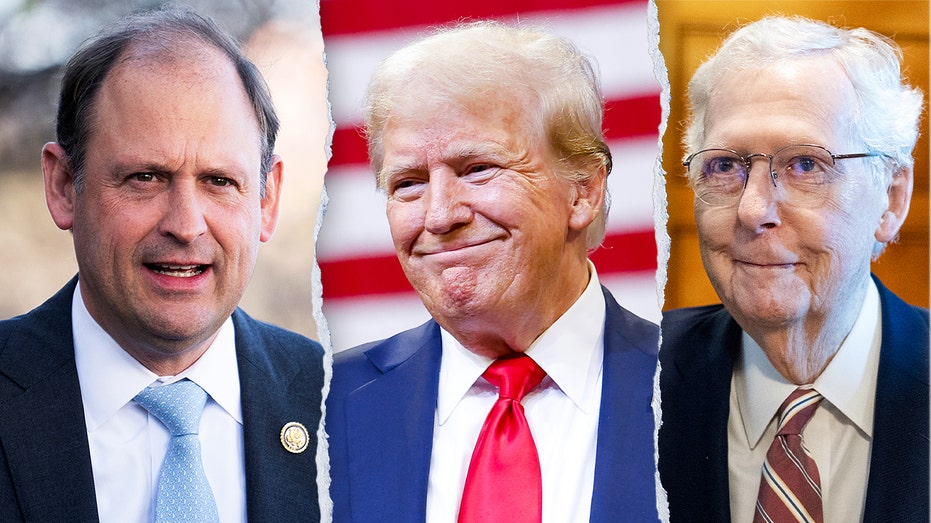
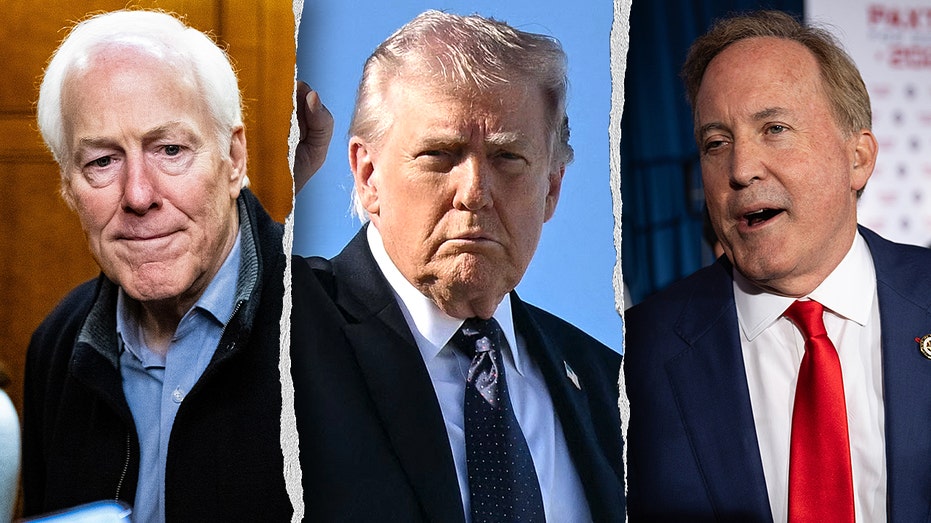
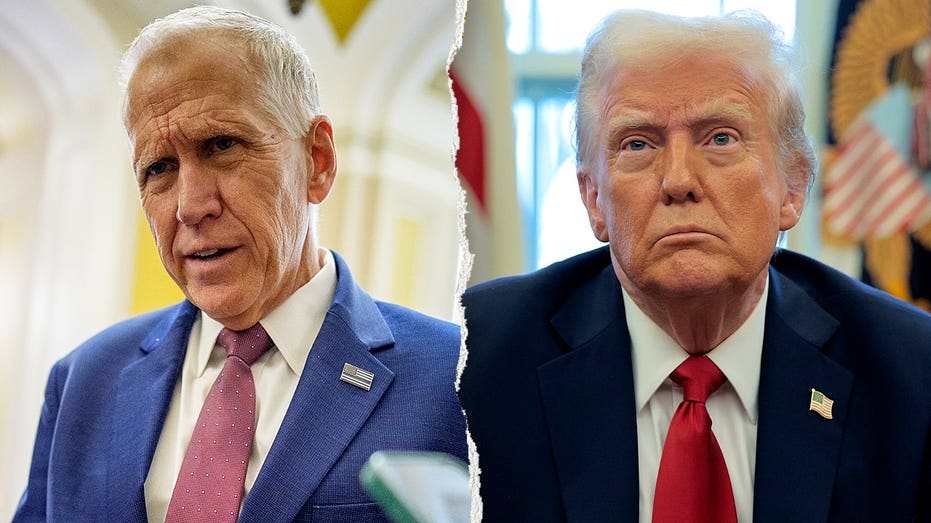
The political landscape of Louisiana is heating up as incumbent Senator Bill Cassidy confronts a significant challenge in the upcoming Republican primary. Former President Donald Trump, a formidable force in GOP politics, has thrown his weight behind Rep. Julia Letlow, setting the stage for a high-stakes contest that will gauge the former president’s enduring influence. This primary is not merely a local affair but a crucial indicator of the party’s direction and the impact of presidential endorsements on congressional races.

The Political Gauntlet in Louisiana

Senator Cassidy, who secured re-election comfortably six years prior, now finds himself in a competitive battle for political survival. The competitive field includes:

  • Incumbent Senator Bill Cassidy, seeking re-election amidst significant opposition.
  • Rep. Julia Letlow, notably endorsed by President Trump and Governor Jeff Landry.
  • Former Rep. John Fleming, currently serving as the state treasurer.

This multi-candidate field underscores the fragmentation within the state’s Republican base and amplifies the stakes for all involved. The primary, scheduled for Saturday, will determine if any candidate can achieve the requisite 50% of the vote. Should no contender reach this threshold, the top two finishers will advance to a runoff election on June 27. The outcome will offer a clear snapshot of the former president’s immense grip over the Republican Party’s nomination processes.

A Defining Impeachment Vote Resurfaces

A central element of this primary contest is Senator Cassidy’s vote to convict Donald Trump during his impeachment trial five and a half years ago. Cassidy was one of only seven Senate Republicans who voted in early 2021 to hold Trump accountable following the January 6 events at the U.S. Capitol. While Trump was ultimately acquitted by the Senate, that vote has resonated within the party, particularly among the former president’s loyalists. Despite this historical divergence, Senator Cassidy has largely supported President Trump’s agenda and nominees during his second term, including his vote to approve Health Secretary Robert F. Kennedy Jr. This nuanced record highlights the complex pressures faced by Republican lawmakers in an era dominated by a strong populist movement.

Shifting Alliances and Policy Debates

The political dynamics in Louisiana are further complicated by figures like Robert F. Kennedy Jr. and his “Make America Healthy Again” movement. While Cassidy voted to approve Kennedy as Health Secretary, the source article, published by Fox News Digital, indicates a potential for “revenge” from Kennedy’s camp. This is due to Senator Cassidy, a medical doctor, expressing skepticism regarding Kennedy’s broader health policy reforms. This clash of views, particularly on critical public health matters, adds another layer of intrigue to the primary. Such disagreements, even within the same party, illustrate the diverse ideological currents shaping conservative policy debates today. The primary offers voters a chance to weigh not just loyalty to a former president, but also distinct approaches to governance and public health.

“This primary is not merely a local affair but a crucial indicator of the party’s direction and the impact of presidential endorsements on congressional races.”

As the Louisiana primary approaches, all eyes remain on the outcome, which will undoubtedly influence future Republican nomination contests nationwide. The race serves as a powerful reminder of the enduring sway of former President Trump’s endorsements and the challenges faced by incumbents who have previously crossed paths with him. For Bill Cassidy, this election is a definitive test of his political resilience and his ability to navigate a transformed Republican Party landscape. The results will offer profound insights into the balance of power within the GOP and the electorate’s priorities moving forward.

Supreme Court Blocks Virginia Democrats' Push for New Congressional Map
Supreme Court Blocks Virginia Democrats’ Push for New Congressional Map

In a significant legal setback for Virginia’s Democratic leadership, the nation’s highest court has declined a plea to allow a voter-approved congressional district map to be used in the upcoming midterm elections, reinforcing judicial oversight in redistricting.

The Supreme Court has delivered a decisive ruling against Virginia Democrats, rejecting their appeal to implement a new congressional map for the upcoming midterm elections. This decision effectively blocks a redistricting plan that had been drawn by state Democrats and subsequently approved by voters, maintaining the status quo and underscoring the judiciary’s role in electoral boundaries. The ramifications of this ruling are expected to resonate across the Commonwealth’s political landscape, particularly as crucial elections approach.

The Court’s Unanimous Decision

The nation’s highest judicial body acted swiftly, denying the request from Virginia state officials seeking to utilize the contested congressional map. While the Supreme Court’s order did not provide an accompanying explanation, such brevity is common in cases where the justices decline to hear an appeal or intervene in lower court proceedings, often indicating a lack of significant legal questions or a desire to avoid an immediate political fray. This unanimous rejection signals a clear position, indicating the Court found no compelling reason to overturn the existing legal framework governing Virginia’s electoral districts. The decision also aligns with a broader conservative judicial philosophy that often prioritizes stability and deference to established processes over novel interpretations or interventions.

This judicial posture reinforces the principle of judicial review in redistricting matters, often seen as a necessary check on partisan gerrymandering. The Court’s decision, though succinct, underscores the importance of upholding established legal processes, even when state-level political actors and voters have expressed a preference for an alternative.

Background of the Redistricting Battle

The contentious battle over Virginia’s congressional map began after the most recent census, leading to a complex legal and political process. Democrats in the state legislature were instrumental in drafting the map, which later garnered approval from the state’s electorate. However, the plan faced immediate legal challenges, culminating in a lower court decision that prevented its implementation. State officials then escalated the matter to the Supreme Court, hoping for an intervention that would allow the voter-approved map to take effect for the midterms.

Redistricting is a decennial process that redraws electoral boundaries to reflect population shifts. It is frequently a flashpoint for partisan conflict, with both major parties often seeking to maximize their electoral advantage. In Virginia, the effort by Democrats to shape the new map was seen as a strategic move to secure more favorable districts, an ambition now halted by the Supreme Court’s intervention.

“The Supreme Court’s decision maintains the existing electoral framework, highlighting the judiciary’s ultimate role in ensuring fair and stable redistricting processes.”

Implications for Virginia’s Midterm Elections

The Supreme Court’s ruling means that the congressional districts for Virginia’s upcoming midterm elections will remain as they were prior to the Democrats’ proposed changes. This outcome is a significant win for those who opposed the new map, arguing for stability and adherence to established legal precedent. For Virginia’s Democratic Party, the decision represents a strategic setback, as their efforts to redraw the electoral landscape have been definitively rebuffed at the highest judicial level.

Observers suggest that this ruling could energize conservative voters and candidates who advocate for judicial restraint and orderly governance. The focus now shifts to how candidates will navigate the confirmed district lines, with both parties recalibrating their campaign strategies in response to the Court’s firm stance. The election cycle promises to be a critical test of voter sentiment within these established boundaries.

This latest development underscores the intricate balance of power between legislative bodies, the electorate, and the judiciary in shaping American democracy. While state officials and voters may express preferences, the Supreme Court’s ultimate authority in interpreting and applying the law, particularly concerning electoral integrity, remains paramount. The Commonwealth of Virginia will now proceed with its electoral preparations under the existing congressional map, setting the stage for a keenly watched midterm season.

Supreme Court Upholds Virginia Redistricting Ruling, Halting Democratic Map Overhaul

The U.S. Supreme Court has delivered a significant legal setback to Virginia Democrats, rejecting their emergency bid to revive a voter-approved congressional redistricting overhaul. This decision leaves intact a Virginia Supreme Court ruling that found the proposed map unconstitutional, effectively ending efforts to redraw districts ahead of the crucial 2026 midterm elections. The high court’s action underscores the complex interplay between state and federal judicial authority in electoral matters.

High Court Declines Intervention

In a brief, unsigned order issued Friday, the Supreme Court denied Virginia Democrats’ emergency request. No justices publicly dissented from the decision, which effectively upheld the Virginia Supreme Court’s May 8 ruling. That state court decision, passed with a 4-3 majority, determined that the amendment process used to advance the redistricting proposal violated the state constitution. Specifically, lawmakers had moved the proposal forward after early voting had already commenced in the required intervening election cycle, a procedural defect deemed “incurably taint[ing] the resulting referendum vote.”

National Implications for 2026 Midterms

This legal defeat for Virginia Democrats is part of a broader national struggle over mid-decade redistricting. Control of the U.S. House of Representatives is expected to be fiercely contested in the 2026 elections, with a handful of competitive seats likely determining the chamber’s balance. Republicans currently hold a narrow majority. The Democratic-backed proposal in Virginia was specifically designed to make several Republican-held congressional seats more competitive, aiming to shift the electoral landscape in the Commonwealth.

A Controversial Path to the Ballot

The redistricting map, which garnered 51.7% voter approval in an April 21 special election, faced legal challenges from its inception. The Virginia Supreme Court initially allowed the referendum to proceed despite an ongoing dispute over the legislative process used to place it on the ballot. Democrats had argued for the necessity of the overhaul, but their procedural approach ultimately proved to be its undoing. The ruling highlights the critical importance of adhering to constitutional processes, even for popular initiatives. As reported by News Desk, the legal challenge focused squarely on the procedural irregularities, specifically:

  • Lawmakers advanced the proposal after early voting had already begun in the required intervening election cycle.
  • This procedural defect was deemed by the state’s highest court to have “incurably taint[ed] the resulting referendum vote.”

These issues, rather than the map’s content, were central to the legal challenge.

The Supreme Court’s decision reaffirms the importance of constitutional procedure in electoral reforms, a critical aspect of maintaining institutional integrity.

Looking Ahead: Electoral Landscape Solidified

The Supreme Court’s refusal to intervene marks a definitive end to Virginia Democrats’ efforts to implement a new congressional map before the 2026 cycle. This outcome not only solidifies the existing electoral districts in Virginia but also sends a clear message about the judiciary’s role in overseeing legislative processes related to elections. Political strategists on both sides will now recalibrate their approaches for the upcoming midterms, with the current district lines firmly in place. The focus shifts back to voter engagement and policy debates, rather than battles over electoral boundaries.

Trump Administration Achieves 'Zero Releases' Milestone at Southern Border
Trump Administration Achieves ‘Zero Releases’ Milestone at Southern Border

The Trump administration has announced a significant milestone in its border enforcement efforts, marking a full year of “zero releases” at the southern border. This achievement, touted by officials, underscores a fundamental shift from the previous administration’s policies, signaling a robust commitment to securing the nation’s frontiers. The development, as reported by News Desk, highlights a concerted effort to deter illegal crossings and enforce existing immigration laws.

A New Era for Border Enforcement

For the past twelve months, U.S. Border Patrol has reportedly not released illegal border crossers into the interior of the United States after apprehension. This policy, termed “zero releases,” directly addresses the “catch-and-release” system that critics argued incentivized illegal immigration and strained resources during the Biden era. This strategic shift is designed to eliminate the perceived loophole where individuals apprehended at the border were often released pending court dates, many of whom subsequently disappeared into the country’s interior. While “zero releases” signifies that individuals apprehended by Border Patrol are not simply let go, it is important to note that it does not imply an end to all illegal crossings or apprehensions. Instead, it reflects a more stringent approach to processing and repatriation, emphasizing rapid removal over domestic release.

Declining Apprehensions and Enforcement Data

U.S. Customs and Border Protection (CBP) has released statistics that officials claim demonstrate the effectiveness of these new measures. According to CBP, Border Patrol recorded 8,943 southwestern border apprehensions in April, signaling a dramatic downturn in illegal entry attempts. This figure represents a substantial decrease:

  • 94% lower than the monthly average observed during the Biden administration.
  • 96% below the December 2023 peak under the previous tenure.
  • Fewer than the total number apprehended in just three days in April 2024.

These numbers, if sustained, suggest a significant reduction in the flow of illegal crossings, reaching levels not witnessed in over three decades. This data point is crucial for the administration, which has consistently argued that robust enforcement acts as a deterrent. Homeland Security Secretary Markwayne Mullin affirmed the administration’s stance, stating, “The days of catch and release are over. We are enforcing the nation’s laws and sending illegal aliens back to their home countries.” This firm declaration underscores a policy framework aimed at restoring legal order and control at the nation’s periphery.

Scrutiny and Systemic Changes

While the administration celebrates these figures, experts offer nuanced interpretations. Aaron Reichlin-Melnick, a senior fellow at the American Immigration Council, acknowledged the veracity of the “zero releases” claim from Border Patrol custody. However, he pointed out that this figure does not account for migrants who may be transferred to Immigration and Customs Enforcement (ICE) custody and subsequently released under various conditions, such as bond, parole, medical grounds, or after winning asylum cases. This distinction highlights the complexities of the immigration system and the various pathways individuals may take post-apprehension. The focus remains on the initial Border Patrol interaction and the immediate cessation of discretionary releases at that stage.

“The days of catch and release are over. We are enforcing the nation’s laws and sending illegal aliens back to their home countries.”
— Homeland Security Secretary Markwayne Mullin

The Trump administration’s commitment to prioritizing border security and enforcing immigration laws appears to be yielding tangible results, at least concerning Border Patrol’s release protocols. The reported “zero releases” policy marks a decisive departure from previous approaches, aiming to restore order and control at the southern border. As the debate over immigration policy continues, these enforcement statistics will undoubtedly remain a central point of discussion regarding the effectiveness and implications of the current administration’s strategy for national security and sovereignty.

Georgia Gubernatorial Hopeful's DEI Ban Pledge Contradicts Nonprofit's Past Advocacy
Georgia Gubernatorial Hopeful’s DEI Ban Pledge Contradicts Nonprofit’s Past Advocacy

Republican gubernatorial candidate Rick Jackson has made a prominent pledge to ban Diversity, Equity, and Inclusion (DEI) initiatives across Georgia’s state government and public education sectors. This firm stance aligns with a growing conservative movement to dismantle race-conscious policies, championed by figures like former President Donald Trump. However, Jackson’s campaign platform is now under scrutiny following revelations about his own nonprofit’s past advocacy for DEI.

Reports indicate that goBeyondProfit, a philanthropic venture founded by Jackson, actively promoted a wide-ranging DEI initiative for Georgia CEOs in 2021. This initiative encouraged businesses to invest in DEI, measure progress, examine racial pay gaps, and even adopt race-conscious hiring practices, urging leaders to operate workplaces “with race in mind.” The apparent contradiction between Jackson’s current political promise and his organization’s previous recommendations raises questions about consistency and leadership principles as the Georgia gubernatorial race intensifies.

Campaign Promise: A Clear Stance on DEI

Rick Jackson, a billionaire healthcare founder, has positioned himself as a staunch conservative, echoing former President Donald Trump’s policy positions. Jackson has publicly stated his ambition to be Trump’s “favorite governor” and has modeled his campaign launch after the former president’s. A core tenet of his platform is the complete removal of DEI from all state-funded institutions, including government agencies and educational bodies.

This pledge resonates with a significant segment of the conservative base that views DEI programs as divisive, counterproductive, and antithetical to meritocratic principles. Critics of DEI often argue that such initiatives promote identity politics over individual achievement and can lead to reverse discrimination. Jackson’s commitment to a statewide DEI ban underscores his alignment with this national conservative push to re-evaluate and often dismantle these programs.

goBeyondProfit’s Past DEI Advocacy

Founded by Jackson, goBeyondProfit describes itself as a resource for Georgia business leaders aiming to integrate corporate generosity into their business strategies. In 2021, the nonprofit launched a significant DEI initiative, detailed by the News Desk. This program included a “Telly Award-Winning video series” designed to guide CEOs through the implementation of diversity, equity, and inclusion strategies. These resources, which remain active on the nonprofit’s website, offered specific guidance:

  • Urging CEOs to invest significantly in DEI efforts.
  • Encouraging companies to measure progress in diversity metrics.
  • Advising leaders to examine and address racial pay gaps.
  • Promoting the use of race-conscious hiring practices.
  • Advocating for leadership that actively considers “race in mind” within the workplace.

The stark contrast between these recommendations and Jackson’s current campaign promise to ban DEI statewide presents a significant challenge for the candidate. It suggests a potential shift in perspective or a disconnect between his personal business philosophy and his political platform.

“The consistency of a leader’s convictions, especially on foundational policy matters like DEI, is often a measure voters consider carefully.”

The Broader Debate on Diversity, Equity, and Inclusion

The debate over DEI has become a flashpoint in American politics. Proponents argue that DEI initiatives are crucial for fostering inclusive environments, addressing historical inequities, and promoting diverse perspectives in workplaces and educational institutions. They contend that such programs are necessary to ensure fair representation and opportunity for all, particularly for marginalized groups.

Conversely, conservative critics, including former President Trump, argue that DEI often leads to preferential treatment based on race or gender rather than merit. They advocate for colorblind policies that focus on equal opportunity for all individuals, regardless of background. Jackson’s campaign to ban DEI aligns with this perspective, seeking to re-emphasize individual achievement and universal standards within state institutions. The revelation of his nonprofit’s earlier promotion of DEI, however, complicates his narrative and may force him to clarify his evolution on the issue.

As the Georgia gubernatorial race progresses, voters will undoubtedly weigh Jackson’s policy pledges against his past actions. The demand for clear, consistent leadership on critical issues such as DEI remains paramount for the electorate, particularly for those seeking to uphold institutional integrity and principled governance.

Dem Senate Candidate Pushing Affordability Agenda Faced Unpaid Bills on Million-Dollar Home

Michigan Democratic Senate candidate Mallory McMorrow, a prominent voice for water affordability, has faced scrutiny over her own financial record, revealing thousands of dollars in unpaid utility bills on her million-dollar Royal Oak home. The revelation comes as McMorrow campaigns on a platform emphasizing economic relief for working families, raising questions about consistency between her public advocacy and personal financial management.

Affordability Advocate’s Own Financial Record

Records obtained by Fox News Digital show that McMorrow and her husband, Ray Wert, accumulated over $3,000 in overdue water and sewer charges on their luxurious $1.28 million residence. These charges, along with associated late fees, had reportedly gone unpaid since June 2025, spanning nearly a year. This significant outstanding balance was settled swiftly after Fox News Digital approached the campaign for comment, underscoring the immediate impact of journalistic inquiry into candidates’ financial transparency.

A spokesperson for the McMorrow campaign acknowledged the payment, stating concisely, “The bills in question have been paid.” The statement then pivoted to broader economic concerns, attributing rising costs for “gas to groceries to electricity” to former President Donald Trump and his “enablers like Mike Rogers.” This response seeks to contextualize the personal financial oversight within a larger political narrative of economic challenges, while deflecting from the immediate issue of the candidate’s own utility payments.

A Pattern of Overdue Payments

Further examination of public records indicates that this is not an isolated incident for the Senate hopeful. Since acquiring their substantial Detroit suburb home in late 2021, McMorrow and Wert have reportedly incurred late fees for nonpayment on at least ten occasions, totaling more than $400 in penalties. This recurring pattern suggests a persistent issue with timely bill payments, even on significant household expenses associated with a high-value property.

Notably, the couple also allowed water bills to accumulate unpaid for five months in the latter half of 2024. When a payment of $917 was finally made in January 2025, records still showed an outstanding balance of $45 in late fees. Royal Oak Township operates on a quarterly billing cycle, assessing a 5% late fee on unpaid balances. Had McMorrow failed to pay the latest balance by June 1, another 5% penalty would have been applied, further increasing the debt.

The Detroit Metro Times, in a 2021 report, described the property — featuring a pool and an outside courtyard — as a home “to marvel at,” highlighting the stark contrast between its luxurious amenities and the candidate’s reported difficulties in maintaining timely utility payments.

“For a candidate campaigning on affordability, a consistent pattern of unpaid utility bills on a million-dollar home raises legitimate questions about financial responsibility and public trust.”

Implications for the Senate Race

As McMorrow vies for the Democratic nomination in one of the country’s most competitive Senate contests, these financial disclosures could present a significant challenge to her campaign’s core message. Her advocacy for policies aimed at easing financial burdens for constituents may be complicated by her own record of delayed payments on substantial personal expenses. Voters often scrutinize candidates’ personal finances for indications of their practical judgment and commitment to the principles they espouse, especially when those principles are central to their campaign.

This incident highlights the intense scrutiny faced by public figures, particularly those seeking higher office. While the campaign quickly resolved the outstanding debt, the recurring nature of these late payments might lead some observers to question the candidate’s attention to detail or financial discipline. For a candidate whose platform rests on ensuring economic accessibility and affordability for all, ensuring one’s own household bills are current is often seen as a baseline expectation of accountability.

Matox News will continue to provide factual reporting on this developing story and other key races across the nation, emphasizing transparency and public accountability.

Progressive Independent Jolts Nebraska House Race for Rep. Flood's Seat
Progressive Independent Jolts Nebraska House Race for Rep. Flood’s Seat

The political landscape in Nebraska’s 1st Congressional District has become significantly more complex with the entry of progressive journalist Austin Ahlman into the race. Declaring his candidacy as a nonpartisan independent, Ahlman is set to challenge incumbent Republican Representative Mike Flood and Democratic nominee Chris Backemeyer, injecting an unpredictable element into an already competitive election cycle.

Ahlman’s surprising announcement came shortly after the primary elections, where both Flood and Backemeyer secured their party nominations. His decision to run as an independent, rather than aligning with either major party, underscores a growing sentiment among some voters for alternatives to traditional political structures.

A New Dynamic in NE-01

Austin Ahlman, known for his work with the progressive left-wing publication The Intercept, has positioned himself as an outsider. He swiftly criticized both his established opponents, labeling them as products of the Washington, D.C. establishment. This rhetoric aims to appeal to voters disillusioned with mainstream politics and seeking a fresh approach to representation.

  • Ahlman’s background as an investigative journalist aligns with his campaign promise to tackle corporate influence and political corruption.
  • His nonpartisan independent status attempts to transcend traditional party loyalties.
  • The challenge comes in a district historically favorable to Republicans, raising questions about vote splitting.

Rep. Mike Flood has held the seat since a 2022 special election victory and has since won general elections with comfortable margins, including a 15-point win in 2022 and over 20 points in 2024. Chris Backemeyer, the Democratic challenger, brings experience from the State Department and served in both the Obama and Harris administrations, positioning him as a seasoned political operative.

Challenging the Establishment Narrative

Ahlman’s campaign is built on a direct challenge to what he perceives as a entrenched political system. He has openly expressed that he sees little substantive difference between the Republican incumbent and the Democratic nominee, both of whom he views as part of the D.C. establishment. This perspective aims to resonate with voters who feel unrepresented by either major party.

“I have taken on the corporations that are actually hollowing out our state. I have uncovered the corruption among the politicians that are crushing us and selling us out. And I don’t think that either one of the two can say that. I think that they have just been a part of the system. They are the establishment, and I am not that. I’m actually from the working class.”

As reported by the Lincoln Journal Star, Ahlman articulated his commitment to fighting against corporate interests and political malfeasance, contrasting his working-class background with what he implies are the more insulated experiences of Flood and Backemeyer. This populist message could attract a diverse group of voters looking for change.

The Electoral Landscape and Potential Impact

Nebraska’s 1st Congressional District is widely considered a solid Republican stronghold, a classification reinforced by analysis from the Cook Political Report. This makes Rep. Flood the clear frontrunner under normal circumstances. However, the introduction of a prominent independent candidate like Ahlman could significantly alter the electoral calculus.

An independent progressive candidacy in a Republican-leaning district typically carries the risk of splitting the vote, potentially drawing support from both the Democratic base and disaffected moderate Republicans or independents. While this could theoretically complicate the path for the Democratic challenger, it also introduces an element of unpredictability that could challenge the incumbent’s expected margin of victory.

The race in NE-01 is now poised for an intriguing battle, with Ahlman’s anti-establishment message potentially reshaping campaign strategies for both major party candidates. The outcome will not only determine who represents the district but could also signal broader shifts in voter sentiment towards independent movements in traditionally partisan contests.

China-Iran Rail Corridor Challenges U.S. Sanctions Strategy

The United States’ long-standing strategy to curb Iran’s economic capacity through naval interdiction faces a growing challenge from an unexpected quarter: a rapidly expanding China-Iran rail corridor. This overland trade route, increasingly utilized by Tehran, bypasses traditional maritime choke points, potentially blunting the impact of American sanctions and highlighting a significant geopolitical shift.

Washington has historically relied on its formidable naval power to enforce sanctions, disrupting Iran’s oil exports and other illicit trade. This approach, leveraging the U.S. Navy’s dominance in strategic waterways like the Persian Gulf and the Strait of Hormuz, aims to isolate Iran financially and pressure its regime to alter its regional behavior. However, the emergence of a robust land-based alternative complicates this established strategy.

The Maritime Strategy Under Scrutiny

For years, the U.S. has pursued a policy of maximum pressure on Iran, primarily through economic sanctions enforced by maritime interdiction. The logic is straightforward: control the seas, control the flow of goods, and thereby control the Iranian economy. This strategy has seen varying degrees of success, but its fundamental premise — that Iran’s economy is overwhelmingly reliant on sea-borne trade — is now being tested.

The vastness of the Eurasian landmass, coupled with China’s strategic investments in infrastructure, offers Iran a crucial lifeline. This development forces a re-evaluation of the effectiveness and limitations of a predominantly naval-centric foreign policy in an increasingly interconnected and multipolar world.

Emergence of the Overland Alternative

A recent report, cited by Bloomberg, indicates a significant surge in freight traffic along the China-Iran rail corridor. Cargo trains running from central China to Iran have reportedly doubled in frequency, moving from approximately one per week to one every three or four days. This increase underscores a concerted effort by Tehran and Beijing to forge alternative trade channels beyond the reach of American warships.

The corridor’s path, traversing multiple sovereign countries including Kazakhstan and Turkmenistan, makes it profoundly complex to disrupt. Any direct attempt to interfere with this overland network would risk widening the conflict, potentially escalating tensions with Beijing, which has meticulously invested in such trade routes as part of its broader Belt and Road Initiative. This intricate web of geography, diplomacy, and the potential for escalation explains why Washington has largely focused on maritime interdiction, rather than attempting to shut down land-based trade.

“There’s no substitute for a very large crude carrier.”

Strategic Limitations and Economic Realities

While the emergence of this rail corridor is strategically significant, experts caution against overstating its immediate economic impact, particularly concerning Iran’s primary oil exports. Isaac Kardon, a senior fellow focused on Chinese strategy and maritime security, has noted that the rail capacity remains limited. He estimated that perhaps only one percent of Iran’s typical oil exports through the Strait of Hormuz could be rerouted overland. The sheer volume of oil moved by very large crude carriers remains unparalleled by land routes.

Nonetheless, the corridor provides a crucial alternative for non-oil goods, demonstrating Iran’s adaptability in the face of sanctions. It also signals Beijing’s willingness to support Tehran’s economic resilience against U.S. pressure, even if indirectly. This dynamic complicates U.S. foreign policy objectives and highlights the challenges of enforcing comprehensive sanctions in a globalized economy with powerful, competing interests.

Adapting to a Changing Geopolitical Landscape

The rise of the China-Iran rail corridor underscores the evolving nature of global geopolitics and the limitations of traditional power projection. Washington faces a complex dilemma: maintain its current maritime pressure, or confront the considerable risks associated with disrupting overland trade, potentially widening conflicts and straining international relations. Ensuring stability and effective foreign policy in a multipolar world demands a nuanced understanding of these emerging challenges, requiring adaptive strategies that account for both conventional and unconventional avenues of trade and influence. The ability of nations to circumvent sanctions through innovative land-based routes will continue to test the resolve and ingenuity of global powers.

GOP Stalls on Key Housing Affordability Legislation Amid Internal Divisions

Efforts to address the nation’s pressing housing affordability crisis are encountering significant obstacles within Congress, as President Donald Trump’s call for swift action is met with internal Republican divisions. With midterm elections on the horizon, the urgency to deliver tangible economic relief is palpable, yet a legislative path forward remains contentious, highlighting the challenges of uniting diverse congressional factions on critical policy matters.

Congressional Gridlock on Housing Policy

President Trump has actively urged Congress to advance legislation aimed at making housing more accessible and affordable for American families. His administration views a successful housing initiative as a crucial accomplishment to present to voters, particularly as economic pressures continue to weigh on households nationwide. However, the legislative process has been anything but smooth. The Senate previously passed a comprehensive bill designed to tackle various aspects of the housing market, a measure that has since languished in the House of Representatives.

House Republicans Propose Alternative Path

Rather than simply adopting the Senate’s version of the ’21st Century ROAD to Housing Act,’ House Republicans have expressed reservations and are now championing their own modified proposal. This alternative approach, which senior House lawmakers unveiled recently, is slated for a vote in the lower chamber as early as next week. While House Speaker Mike Johnson, R-La., has voiced optimism about achieving a ‘bipartisan, bicameral bill,’ the divergence in legislative strategies presents a clear challenge. Any alterations made by the House would necessitate a return to the Senate for reconsideration, thereby extending the timeline for the legislation to reach the President’s desk.

Divergent Views and Legislative Implications

The differing opinions on how best to address housing affordability underscore a broader struggle within the Republican Party to coalesce around specific policy mechanisms. On one side, proponents of the Senate bill, such as Senator Elizabeth Warren, D-Mass., a primary architect of the original measure, emphasize the immediate need for action. She reportedly stated that the existing bill ‘can pass today if the House would just put it on the floor,’ emphasizing the need for immediate action. This sentiment reflects a desire to capitalize on existing legislative momentum to address what many perceive as a deepening crisis.

Conversely, some House Republican members are resolute in their opposition to the Senate’s framework. As reported by News Desk, certain members of the House Freedom Caucus have explicitly stated, ‘We cannot take the Senate bill to the floor,’ indicating a firm commitment to their own version. This entrenched disagreement poses a significant hurdle to legislative efficiency.

The ongoing debate over housing policy exemplifies the complexities of federal governance, where urgency often clashes with legislative nuance and political strategy.

The current legislative environment suggests several key points of contention:

  • The Senate has already passed a comprehensive bill, indicating a readiness for action.
  • House Republicans seek to introduce substantial modifications, reflecting differing priorities or concerns.
  • The need for a unified approach is magnified by the looming midterm elections and the pressing national demand for housing solutions.
  • Each chamber’s insistence on its own version risks prolonged legislative delays, potentially frustrating both the administration’s goals and public expectations.

As the legislative calendar shortens, the impasse over housing affordability legislation highlights the intricate dance between congressional chambers and the executive branch. The ability of Republicans to reconcile their internal differences and present a cohesive plan will not only determine the fate of this critical economic initiative but could also influence voter perceptions of their governing capacity leading into the autumn elections. The path to a unified policy solution remains uncertain, underscoring the persistent challenges of bipartisan and even intra-party consensus in a divided Washington.

Congressional Health Transparency: A Call for Accountability Amidst Mysterious Absences

The halls of Congress thrive on public trust and accountability, yet a persistent shadow often falls over the health status of its members. The recent, extended absence of Republican Representative Thomas Kean Jr. of New Jersey, without clear public explanation regarding his health, has once again brought this critical issue to the forefront. While presidents are rightly expected to offer basic health information to the public, a different standard appears to apply to legislative officials, raising questions about transparency and the functioning of government.

The Case of Representative Kean Jr. and Broader Concerns

Representative Kean Jr.’s prolonged quiet departure from public duties has underscored a significant gap in congressional norms. Unlike the executive branch, where presidential health is often detailed, members of the House and Senate frequently remain silent about medical conditions, even when these may impact their capacity to perform vital legislative work. This discretion, while ostensibly rooted in personal privacy, can inadvertently erode public confidence in the institution.

For a conservative publication like Matox News, the integrity of institutions is paramount. When elected representatives, particularly those in critical positions, are absent for extended periods without explanation, it can impede legislative progress and leave constituents without a clear understanding of their representation. The public has a legitimate interest in knowing that their elected officials are fully capable of executing their duties.

Balancing Privacy with Public Duty

The tension between an individual’s right to privacy and the public’s right to information is central to this debate. While personal medical details are inherently private, the role of a federal lawmaker is inherently public. This necessitates a careful consideration of where the line should be drawn, especially when health issues might affect attendance, voting, or leadership responsibilities.

Arguments for greater transparency often highlight several key points:

  • Accountability: Voters deserve to know if their representative is physically and mentally capable of serving their full term.
  • Institutional Strength: Clear policies on health disclosures could prevent speculation and maintain the dignity of Congress.
  • Precedent: The higher standard applied to presidents suggests a similar, albeit tailored, approach could benefit the legislative branch.
  • Preventing Misinformation: Official, factual disclosures can combat rumors and ensure accurate public discourse.

As noted by News Desk, the historical precedent for congressional silence on health matters is long-standing, but modern expectations for transparency in government are evolving.

“The health of public servants, particularly those in positions of immense power, is not merely a private matter when it impacts their ability to govern effectively and represent their constituents.”

Towards Greater Institutional Transparency

The issue extends beyond individual cases to the broader institutional framework. Congress, as a cornerstone of American democracy, benefits from clear, consistent standards that uphold public trust. Establishing guidelines for how and when health-related absences or conditions should be disclosed could strengthen the institution without unduly infringing on personal privacy. This isn’t about invasive scrutiny, but about ensuring the functionality and reliability of our elected bodies.

Ultimately, a robust democracy relies on informed citizens and accountable leaders. While personal privacy is a fundamental right, the public office carries with it a unique set of responsibilities. Ensuring that the health of our representatives is handled with appropriate transparency is a step towards reinforcing the integrity of Congress and maintaining the confidence of the American people.

Social Media Auto Publish Powered By : XYZScripts.com