Matox News

Truth Over Trends, always!

Seth Moulton Narrows Massachusetts Senate Primary Gap Against Ed Markey

The Massachusetts Democratic Senate primary is heating up as Rep. Seth Moulton narrows the lead held by incumbent Senator Ed Markey. A recent Emerson College poll indicates that Markey’s once sizable advantage has shrunk considerably, reflecting changing voter sentiment in the state.

With the primary election drawing closer, the gap between the long-standing progressive senator and his centrist challenger is tightening, posing a significant contest that may influence the Democratic Party’s direction in Massachusetts.

Poll Shows Shrinking Lead for Senator Markey

The Emerson College survey, conducted on May 3 and 4 among likely Democratic primary voters, reveals Senator Markey ahead by just 5 percentage points—37% to 32%—over Representative Moulton. This is a notable decline from previous polls where Markey commanded leads of up to 20 points.

About 29% of voters remain undecided, leaving room for shifts as the campaign progresses. Other candidates in the race collectively garner only 2% support, underscoring the head-to-head nature of the primary.

Demographic Breakdown Reflects Divergent Support

Markey continues to maintain support among registered Democrats, leading by 13 points within this group. However, among unenrolled voters, who can often sway primaries, Moulton holds a slight edge.

  • Women voters: Markey leads 37% to 29%
  • Men voters: Support is nearly even, with Moulton at 38% and Markey at 37%
  • Under 50 years old: Markey leads 33% to 26%
  • Over 50 years old: The race is nearly tied, 40% for Markey and 38% for Moulton

Endorsements Highlight the Ideological Divide

The contest represents a broader ideological split within the Massachusetts Democratic electorate. Senator Markey, 79, enjoys backing from prominent progressives including Senator Elizabeth Warren and Representative Ayanna Pressley, emphasizing his established progressive credentials.

Meanwhile, Moulton, 47, positions himself as a more centrist alternative, gaining endorsements from groups such as VoteVets PAC and the Massachusetts Teamsters. This coalition signals his appeal to moderate and labor-oriented voters.

“Senator Markey leads the Democratic primary by 13 points among registered Democrats, while Rep. Moulton holds a 38% to 32% edge among unenrolled voters,” noted Spencer Kimball, executive director of Emerson College Polling.

Implications for the Massachusetts Democratic Party

The tightening race underscores the dynamic nature of electoral politics within the Democratic Party, reflecting tensions between progressive and centrist factions. With a significant portion of voters undecided, the primary outcome remains uncertain.

Both campaigns will likely intensify efforts to mobilize their bases and sway independents in the weeks ahead. The result will have implications not only for Massachusetts but for the broader ideological balance within national Democratic politics.

The Emerson College poll, as reported by Fox News, serves as a critical indicator of the shifting landscape in this key primary.

Trump Denies Plans to Dismiss FDA Chief Mark Makary Amid Vape Approval Dispute

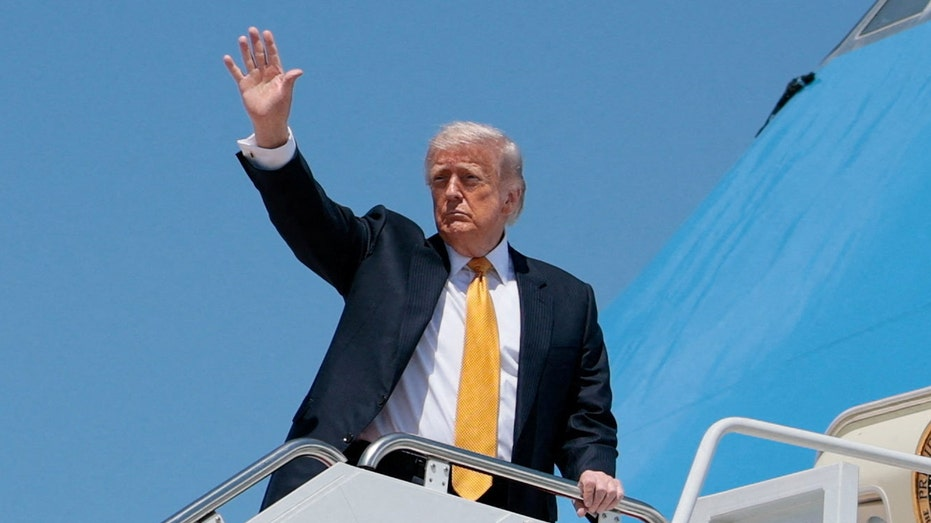
President Donald Trump has publicly dismissed rumors that he intends to remove FDA Commissioner Mark Makary from his post amid ongoing disagreements related to vaping product approvals. The dispute reportedly centers on Makary’s resistance to fast-tracking flavored nicotine vape products, a move that allegedly frustrated the White House.

Speaking to reporters on Friday, Trump was unequivocal, stating he has “no knowledge” of any plans to oust Makary. The president described the situation as “nothing much,” seeking to quell growing speculation that emerged earlier in the week.

Background of the Dispute

According to a report by The Wall Street Journal, tensions escalated after Trump pressed Makary to expedite authorization of flavored nicotine vaping products, an initiative Makary opposed citing regulatory and health concerns. The disagreement reportedly led to consideration of leadership changes at the FDA.

Mark Makary, confirmed as FDA Commissioner in March 2025, has since become a controversial figure within conservative and industry circles alike. Pro-life advocates have criticized his perceived delays in reviewing the abortion pill mifepristone, while pharmaceutical groups have expressed concerns over personnel decisions implemented under his tenure.

Political and Institutional Implications

The ongoing friction reveals the challenges the administration faces in balancing regulatory oversight with industry and political pressures. Pro-life organizations, including SBA Pro-Life America, have publicly called for Makary’s removal, arguing that his leadership hinders conservative priorities and voter mobilization efforts.

Meanwhile, biotech industry leaders have voiced apprehensions about the direction of FDA policies under Makary’s leadership, particularly regarding staffing and regulatory approaches. These institutional tensions underscore the broader debate over the FDA’s role in public health and economic innovation.

Trump’s Position and FDA Stability

Despite these pressures, Trump has refrained from confirming any personnel changes. His statements suggest a desire to maintain stability within the FDA amid a complex regulatory environment.

“I’ve been reading about it, but I know nothing about it,” Trump said when questioned about the potential firing.

This stance echoes the administration’s broader effort to project confidence in federal agencies while managing internal conflicts discreetly.

Looking Ahead

The FDA’s leadership remains under scrutiny as debates over drug approvals, public health policies, and regulatory reforms continue to evolve. Stakeholders from various sectors are watching closely to see how the administration navigates these institutional challenges.

As the political landscape shifts, the balance between regulatory rigor and market freedom will remain a critical issue for the FDA and the government at large.

For further insights on regulatory and political developments, Matox News will provide ongoing coverage.

U.S. Military Plans Target Iran’s Capabilities if Nuclear Talks Fail

As nuclear discussions with Iran remain tense and uncertain, Washington is poised to implement a strategic military response aimed at weakening Tehran’s key defense assets. This approach reflects a commitment to uphold stability in the Gulf region while maintaining pressure on Iran’s nuclear ambitions.

U.S. officials are reportedly developing a graduated operational plan targeting Iran’s missile systems, naval forces, and command networks. This calibrated strategy is intended to deter further aggression and prevent nuclear proliferation.

Fragile Diplomatic Ground

Negotiations are ongoing, focusing on a preliminary framework that could open the door to broader agreements regarding Iran’s nuclear program and sanctions relief. However, mutual suspicion clouds progress.

Retired Army Colonel Seth Krummrich, formerly a Joint Staff planner, described the situation as starting “at minus 1,000” regarding trust, underscoring the diplomatic challenges ahead. This deep mistrust increases the likelihood of military options gaining prominence if talks collapse.

Phased Military Strategy

The U.S. military’s playbook involves a stepwise campaign:

  • Initial strikes on missile launch sites to degrade Iran’s offensive capabilities.
  • Targeting naval assets near strategic chokepoints, such as the Strait of Hormuz, to ensure freedom of navigation.
  • Disrupting command and control infrastructure to impair Iran’s coordination and responsiveness.
  • Potential escalation to economic targets if warranted by Iran’s actions.

This approach aims to maintain pressure without precipitating full-scale conflict, balancing deterrence and restraint.

Recent Developments and Regional Implications

Recent U.S. strikes on Iran’s Qeshm and Bandar Abbas ports, near the critical Strait of Hormuz, highlight the seriousness with which Washington views threats to regional security. These operations followed Iran’s missile attacks on the UAE’s Fujairah port, which escalated tensions among Gulf allies.

Defense leaders emphasize that these actions do not signify the resumption of open hostilities but serve as measured responses within an ongoing ceasefire framework.

“We’re both starting at minus 1,000 because neither side trusts each other at all,” remarked a military analyst on the challenging negotiation climate.

Maintaining Order and Upholding Institutions

The U.S. approach underscores a commitment to institutional processes and measured responses rather than precipitous escalation. It balances firm defense of allied interests with a preference for diplomacy.

While President Trump has indicated willingness to escalate strikes against Iran’s energy infrastructure if talks fail, current military leadership advocates for a calibrated campaign maintaining regional order.

As Matox News reports, this strategy reflects a pragmatic center-right perspective prioritizing stability, free markets, and the rule of law amid complex geopolitical challenges.

With the situation evolving, the international community watches closely, hopeful that diplomacy can prevail but prepared for a robust defense of shared security interests.

California Abortion Pill Suppliers Prepare Workarounds Ahead of Supreme Court Mifepristone Ruling

California abortion pill suppliers are actively devising contingency plans ahead of a critical Supreme Court ruling on the distribution of mifepristone, a medication integral to nearly two-thirds of U.S. abortions. The decision could dramatically reshape federal abortion access policies, particularly concerning telehealth and mail delivery.

The Supreme Court, currently reviewing Louisiana v. FDA, faces a deadline of May 11 to respond to a Fifth Circuit ruling that would reinstate in-person dispensing requirements, effectively curbing telehealth prescriptions nationwide. This ruling challenges recent Food and Drug Administration (FDA) changes that expanded access by allowing the drug to be mailed directly to patients.

Legal Battle Threatens Telehealth Abortion Access

The Fifth Circuit’s rollback would reimpose older mandates requiring mifepristone to be dispensed in person, reversing FDA reforms designed to enhance accessibility. Justice Samuel Alito has temporarily stayed this ruling, pausing its implementation while the Supreme Court deliberates on the matter.

This judicial uncertainty places California suppliers in a precarious position, as mail-order distribution currently facilitates much of the medication’s availability, especially in states with restrictive abortion laws.

California Suppliers Pivot to Alternative Medications

According to reporting by Fox News, California providers are preparing to swiftly transition to alternative abortion drugs if the Supreme Court limits mifepristone access. Central to this pivot is increased reliance on misoprostol, a drug commonly paired with mifepristone but less effective when used alone.

Dr. Michele Gomez, co-founder of the MYA Network, a group advocating for normalized abortion care, explained that supply chains are “ready to switch in a day” to ensure continuity. However, health officials note that misoprostol alone entails higher risks and reduced efficacy compared to the standard mifepristone-misoprostol regimen.

Implications for Abortion Policy and Healthcare Providers

The Supreme Court’s impending decision carries significant consequences for abortion policy nationwide. Restricting mail distribution aligns with broader efforts to limit abortion access through regulatory means, intensifying debates over federal versus state authority.

Healthcare providers and suppliers in states like California, which maintain more permissive abortion policies, may face operational challenges adapting to new federal restrictions. This situation underscores ongoing institutional power struggles between judicial rulings and administrative agency policies.

“It’s not going away, and it’s not going to slow down,” said Dr. Gomez, reflecting resolve within California’s abortion care community amid legal uncertainty.

As the Supreme Court’s May 11 deadline approaches, stakeholders across the healthcare and legal spectrum are bracing for a ruling that will shape the future of abortion pill distribution and broader reproductive rights in the United States.

This development highlights the critical intersection of judicial oversight, federal regulatory authority, and state-level healthcare policy, with California’s proactive measures illustrating resilience within the current conservative legal climate.

California Professor Likely to Avoid Prison After Fatal Protest Incident

Loay Abdel Fattah Alnaji, a community college professor from California, is poised to receive a sentence far less severe than initially anticipated after pleading guilty to manslaughter in a case that has stirred significant public and political debate. The incident, which resulted in the death of an elderly pro-Israel demonstrator, underscores ongoing challenges regarding public order and the rule of law amid escalating tensions in politically charged protests.

The case centers on a violent encounter during dueling protests in Thousand Oaks, California, in 2023. Alnaji struck Paul Kessler, 69, with a megaphone, causing Kessler to fall and suffer blunt force trauma that led to his death. Despite the severity of the assault, the Ventura County District Attorney’s Office recently indicated that Alnaji will likely avoid a lengthy prison term, with formal probation and up to one year in jail as the expected penalty.

Background of the Incident and Legal Proceedings

The confrontation occurred amid heightened tensions tied to the ongoing Israel-Hamas conflict, a period marked by increased antisemitic incidents nationwide. Alnaji, who held anti-Israel views, faced charges that could have resulted in up to four years in prison. However, the legal trajectory shifted following his guilty plea to manslaughter, a significant reduction from potential murder charges.

Ventura County Superior Court Judge Derek Malan reportedly characterized the clash as akin to an accident between elderly individuals, a comparison that has drawn criticism. The District Attorney’s Office expressed dissatisfaction with the anticipated leniency, emphasizing the need for accountability in cases involving fatal violence during protests.

Community Reaction and Broader Implications

The Jewish community and advocates for public safety have voiced outrage over the prospect of a minimal sentence. They argue that such outcomes risk undermining trust in the justice system and embolden violent behavior under the guise of political expression.

This case highlights the delicate balance courts must maintain between protecting free speech and ensuring public order, especially as demonstrations become flashpoints for ideological conflict. The incident also spotlights the broader issue of rising antisemitism in the United States, intensifying calls for robust institutional responses to hate-related violence.

Legal and Political Context

  • Alnaji’s initial trial was set to address serious assault charges following Kessler’s death.
  • The plea deal reduces potential incarceration and proposes probation with limited jail time.
  • Judicial framing of the incident as an accident has stirred debate on appropriate legal standards in protest-related violence.
  • District Attorney’s Office signals concern over possible message this leniency sends to the public.

“The court’s indication of probation in a fatal case risks sending a troubling signal about accountability,” said a Ventura County official.

This development was reported by Fox News Digital, marking a notable moment in the intersection of law enforcement, protest dynamics, and community relations in California.

As the case moves toward sentencing, it will remain a focal point for discussions on how legal institutions address politically motivated violence. Stakeholders from across the political spectrum emphasize the importance of upholding justice without compromising civil liberties or community safety.

Moving forward, the incident serves as a reminder of the critical role that courts and prosecutors play in navigating complex social tensions while reinforcing the rule of law.

Trump Targets GOP Critics Cassidy and Massie After Indiana Primary Wins

Donald Trump is intensifying his campaign against Republican lawmakers who have opposed him, following significant primary wins in Indiana. The former president’s sustained grip on the GOP became evident after Trump-backed candidates defeated several Indiana state senators who resisted his congressional redistricting efforts.

Now, Trump and his allies are targeting two prominent figures: Senator Bill Cassidy of Louisiana and Representative Thomas Massie of Kentucky. Both have publicly criticized Trump, with Cassidy notably voting to convict the former president during the 2021 Senate impeachment trial.

Indiana Primary Results Signal Trump’s Enduring Influence

Trump’s endorsement helped unseat five Indiana state senators who had blocked a redistricting plan designed to add two right-leaning House seats. Of the eight incumbents challenged, five lost, reinforcing the message that opposition to Trump within the GOP carries political risks.

Veteran Republican strategist Matt Gorman commented to Fox News that Indiana’s results showcase the “unequivocal” nature of Trump’s power within the party. The primaries served as an early test in a series of nomination battles, with Trump clearing his initial hurdle decisively.

Next Targets: Cassidy and Massie

Senator Bill Cassidy, a key GOP figure from Louisiana, faces increasing pressure after his vote against Trump in the impeachment trial. Representative Thomas Massie, known for his vocal criticism of Trump, also appears on the former president’s list of targets. Both lawmakers must now prepare for potentially heated primary challenges fueled by Trump’s endorsements.

This strategic focus reflects Trump’s broader efforts to consolidate control over the Republican Party by removing dissenting voices and promoting loyal candidates.

Implications for the GOP and Future Elections

Trump’s campaign to influence congressional primaries underscores a broader theme of party realignment and the consolidation of conservative power. By backing challengers to incumbents who oppose his agenda, Trump aims to reshape the GOP’s leadership and policy direction ahead of critical midterm elections.

Key takeaways include:

  • Trump’s endorsement remains a decisive factor in Republican primaries.
  • Opposition within the GOP to Trump-backed policies faces significant electoral challenges.
  • The upcoming races involving Cassidy and Massie will test the limits of Trump’s sway.

“Trump’s power within the party is unequivocal,” said Matt Gorman, highlighting the political landscape reshaped by the former president’s endorsements.

As the Republican Party navigates these intra-party contests, the outcomes will have lasting effects on its unity, electoral prospects, and policy priorities. Trump’s strategy to confront critics head-on signals continued turbulence but also reaffirms his central role in the party’s future.

Coverage by Fox News provided detailed insights into the Indiana primaries and the political dynamics now unfolding as Trump shifts focus toward Cassidy and Massie.

Democrats Hesitant to Back Kamala Harris for 2028 Presidential Bid

Democrats are treading carefully when discussing whether former Vice President Kamala Harris will run for president in 2028. The party’s top lawmakers are notably noncommittal, reflecting internal debate about its future leadership after recent losses.

As reported by Fox News Digital, prominent House Democrats including Rep. Jim Clyburn and Rep. Dan Goldman avoided endorsing any candidate, signaling a broader hesitation to project the party’s direction beyond the 2026 midterms.

Party Leadership Avoids Commitment on Harris

When questioned about Harris’s potential 2028 bid, senior Democrats broadly declined to speculate. Rep. Clyburn said, “I have no idea who’s running,” while Rep. Goldman emphasized a focus on winning back ground in 2026 before considering future campaigns. This response underscores a cautious mood amid ongoing electoral pressures.

Electoral Setbacks Fuel Uncertainty

The Democratic Party suffered significant losses in the 2024 elections, losing the popular vote and control of the White House, Senate, and House. Harris herself did not improve upon former President Joe Biden’s 2020 performance in any county nationwide.

Her decision to forgo a gubernatorial run in California last year surprised some observers and added to questions about her political trajectory. Harris stated she had “given serious thought” to the governorship but ultimately decided against running, keeping her options open for a possible presidential campaign.

Other Contenders Poised for 2028

Harris is unlikely to face a clear path to the nomination. Other Democratic figures such as Governor Gavin Newsom of California, Governor Josh Shapiro of Pennsylvania, and Governor Gretchen Whitmer of Michigan are discussed as potential rivals. This multiplicity of candidates reflects a party searching for a fresh message and leadership to regain voter confidence.

“I have no idea who’s running, and we’ll focus on 2028 after 2026,” said Rep. Dan Goldman, highlighting the party’s current strategic priorities.

Outlook for the Democratic Party

The Democratic caucus’s reluctance to champion any single candidate at this stage signals concern over the party’s capacity to unify and present a compelling alternative to Republicans. With the midterm elections looming, internal focus remains on restoring institutional strength and electoral viability.

As the political landscape evolves, Harris’s decision to run or step aside will be a key factor shaping the 2028 Democratic presidential primary. For now, the party’s leadership prioritizes strategic recovery and cohesion over premature endorsements.

Trump economic adviser warns: Credit card use is soaring among youth.

The Echoes of Power: Economic Optimism in an Uncertain Age

Amid escalating geopolitical tensions, notably the ongoing Iran conflict, the economic narrative presented by President Trump’s advisors signals a resolute belief in the resilience of the American economy. On Wednesday, a senior economic adviser confidently projected a “very, very strong” job market future, asserting that despite the perils of war, consumer confidence remains buoyant. Evidence from the financial sector reveals credit card expenditures soaring, with banking officials indicating that consumer spending is “through the roof.” This apparent economic vigor seems to reinforce the conservative narrative that, under America’s free-market enterprise, resilience persists—even when the geopolitical horizon darkens.

This stance aligns with a broader ideological framework that views the free market as a bulwark against global instability. Yet, critics—often from progressive or Keynesian perspectives—question whether this optimism obscures underlying vulnerabilities. Renowned political theorists like Friedrich Hayek have long argued that market signals serve as vital feedback mechanisms; however, in moments of crisis, these signals can be manipulated or misinterpreted, shaping public perception and policy decisions in ways that favor the powerful. The decision by government officials and financial elites to project unwavering confidence illustrates a classic power struggle: the attempt to maintain market stability while preserving the influence of entrenched economic interests, even as the tangible lives of ordinary Americans hang in the balance.

Decisions That Define the People: The Political Stakes

At the heart of this economic outlook lies an ongoing power struggle. The political class, wielding influence over fiscal policies and international relations, sets the tone for how decisions impact the populace. The recent policy shifts—particularly under the shadow of war escalation—highlight key tensions: will the government prioritize military engagement or domestic recovery? As policy reforms accelerate, the question remains whether the prevailing narrative effectively shapes the people into both beneficiaries and spectators of these strategic battles.

Historical parallels resonate deeply in these moments. Just as Reagan’s economic policies aimed to invigorate American enterprise amid Cold War tensions, today’s leaders brandish optimism to shore up morale and mitigate fears. Yet, the risk remains that this optimism may mask profound structural vulnerabilities: debt accumulation, inflation spirals, and unequal wealth distribution. The constitutional architecture of the nation—its checks and balances—faces ongoing tests of resilience, as executive power increasingly confronts calls for accountability amid crisis. The political landscape is a crucible where ideas about populism vs. elitism, security vs. liberty, and protection vs. free enterprise clash fiercely, shaping the destiny of the republic.

The Stage of Politics: Where Destiny Is Forged

As the drums of war echo around the globe, the true battleground is within the corridors of power. Decisions enacted today—be they military commitments or economic policies—will carve out the future for generations. The rhetoric of strength and resilience cloaks complex power struggles that threaten to redefine constitutional norms and democratic accountability. Political theorists warn that in such moments, the state’s capacity to endure hinges on a delicate balance: harnessing the energies of its populace without succumbing to authoritarian temptations.

Ultimately, politics becomes a stage where the destiny of nations is scribed in the ink of strategic choices and ideological victories. Just as Carl Schmitt declared, “The sovereign is he who decides on the state of exception,” today’s leaders deftly navigate crises—real or perceived—to cement their influence. As the world watches, the question persists: will those in power shape history for the collective good or for their own enduring empire? In this play of power, the stakes are nothing less than the destiny of an entire civilization, written in the shadows of diplomacy, war, and economic prudence.

Reading’s housing future: What’s on the horizon for young residents?

As local elections approach in Reading, the overarching concern that dominates the discourse is housing. Across political lines, the debate intensifies around how best to navigate the complex web of urban development, affordability, and sustainable growth. For political analysts, this election represents more than a routine democratic exercise; it exposes the power struggles shaping the future trajectory of local governance and the decision-making processes that directly impact the lives of constituents.

At the heart of this contention lies the contrast between established urban planning policies and groundbreaking reforms proposed by grassroots coalitions. Traditionally, the dominant political forces in Reading, often aligned with center-right parties, have championed fiscal conservatism and market-driven development. These policies tend to favor large-scale housing projects, frequently criticized for disenfranchising lower-income residents and accelerating gentrification. Conversely, emerging progressive factions advocate for affordable housing mandates, community-led planning, and protections for vulnerable populations. The ensuing power struggle exemplifies a broader ideological battle—whether to prioritize economic expansion or social equity—echoing debates that have historically shaped municipal governance.

This contest over policy directions is compounded by constitutional questions surrounding local authority and citizen participation. Some experts draw parallels with historical moments like the 19th-century Chartist movement, which demanded greater voice for the working class—highlighting how decision-making shifts influence the social fabric. Recent legal debates also question whether municipal leaders are overstepping their constitutional boundaries in pursuit of aggressive land-use reforms. Such disputes underscore the importance of power dynamics in shaping the urban landscape, with each side jockeying to secure their vision of the city. The outcome of these elections could determine how Reading’s governance balances public interests against private enterprise, impacting generations to come.

It is precisely this clash of visions that frames local politics as a microcosm of national ideological battles. The electorate’s choice will signal whether Reading adopts a more progressive path emphasizing social justice and inclusivity, or adheres to a more conservative stance prioritizing fiscal responsibility and market freedoms. During campaigns, candidates articulate starkly contrasting promises—those seeking to expand public housing initiatives versus advocates for reducing regulatory red tape for developers. Such policy decisions are not mere administrative acts; they delineate the moral and economic compass of the city, shaping how the population interacts with its infrastructure, economy, and community life.

Ultimately, local elections reveal that politics remains the ultimate stage of destiny, where ideologies clash, alliances shift, and power dynamics reconfigure the foundations of society itself. The choices made in Reading’s voting booths today will ripple through the corridors of power and into the daily lives of its citizens, reaffirming that governance is less about bureaucracy and more about the battle for the soul of the city. In this fierce contest, history reminds us that those who grasp the levers of authority not only write laws but also carve the very destiny of their communities—prompting each voter to consider: who truly controls the future?

Lutnick testifies to Congress on Epstein case, youth concerns highlighted

Power Struggles and the Shadow of Epstein: Unveiling the Political Drama

On a day that spotlighted the enduring tentacles of power and influence, Commerce Secretary Howard Lutnick found himself scrutinized before the House Oversight Committee in connection with the Jeffrey Epstein scandal. This hearing is emblematic of a larger conflict over transparency, accountability, and the true extent of political protection. As allegations swirl and testimonies unfold, it becomes increasingly clear that the inquiry is more than just about one individual’s actions—it’s about the very fabric of power that often shields the elite from justice. The committee’s questioning underscores a critical moment where decision-makers are forced to confront the murky intersection of wealth and political influence, shaping the lives of ordinary citizens and the integrity of the nation’s political institutions.

The Epstein case, long a symbol of systemic corruption and clandestine networks, exposes a power struggle rooted in the desire for accountability. Historically, such scandals have revealed how political and economic elites operate in a world where justice is often manipulated by those with the most influence. Critics argue that behind the curtain, figures like Lutnick may have navigated a web of connections that protected them from scrutiny, echoing historical parallels such as the Teapot Dome scandal or the Watergate scandal, where the real battle was fought behind closed doors. The ongoing investigation signifies a concerted effort by a restless political class eager to shed light on these obscured dealings, holding up a mirror to the enduring question: who truly controls the levers of power, and at what cost to the American people?

Amidst the spectacle, political analysts emphasize that decisions made today will echo in the corridors of power for years to come.

  • The committee’s focus on transparency aims to dismantle the immunity often granted to the powerful, veering toward a more accountable political environment
  • The inquiry underscores the importance of *constitutional oversight* and the necessity of safeguarding the rule of law in confronting systemic corruption
  • Calls for reforms that could tighten the oversight of elite financial and political networks are gaining momentum, driven by a public increasingly skeptical of ‘business as usual’

The ideological clash is evident: on one side, defenders of entrenched privilege argue that such inquiries threaten economic stability or diplomatic diplomacy; on the other, reform-minded voices insist that restoring integrity to governance is paramount, even if it means confronting uncomfortable truths about those in power. The decision to probe Lutnick and others reflects a broader *fight for the soul of the nation*—a battle between those who believe in transparency and those who clutch tightly to their clandestine influence.

Drawing from figures like Alexander Hamilton and Friedrich Hayek, commentators suggest that our constitutional roots are being tested anew. The question hinges on whether the structures designed to preserve liberty can withstand the encroachments of unchecked power, or whether the shadow cast by elite collusion will deepen further. Habeas corpus and the independent judiciary serve as battlegrounds where constitutional experts warn the real contest is for the controls of destiny. As history demonstrates, when elites escape accountability, democracy itself risks erosion—a danger that vigilant oversight must confront head-on. The unfolding drama of Lutnick and the Epstein legacy is thus a stark reminder that politics is not merely a game of policy but a battlefield where the very fate of sovereign liberty is fought.

In this arena of raw power and relentless accountability, the ordinary citizen remains an observer—yet within this spectacle, the ink is being written where the future will be forged. Politics, after all, is the stage where the architects of a nation’s destiny come into focus, shaping laws, influencing powers, and ultimately deciding whether justice is a shield for the righteous or just another weapon in the hands of the powerful. As the echoes of this inquiry fade into history, one truth endures: in the relentless pursuit of truth and justice, the true rulers are the ones who dare to confront the shadow, for it is in these fiercest struggles that the very spirit of democracy is tested—and often, reborn.

Social Media Auto Publish Powered By : XYZScripts.com