Matox News

Truth Over Trends, always!

DOJ Escalates Probe into John Brennan's Role in Russia Assessment
DOJ Escalates Probe into John Brennan’s Role in Russia Assessment

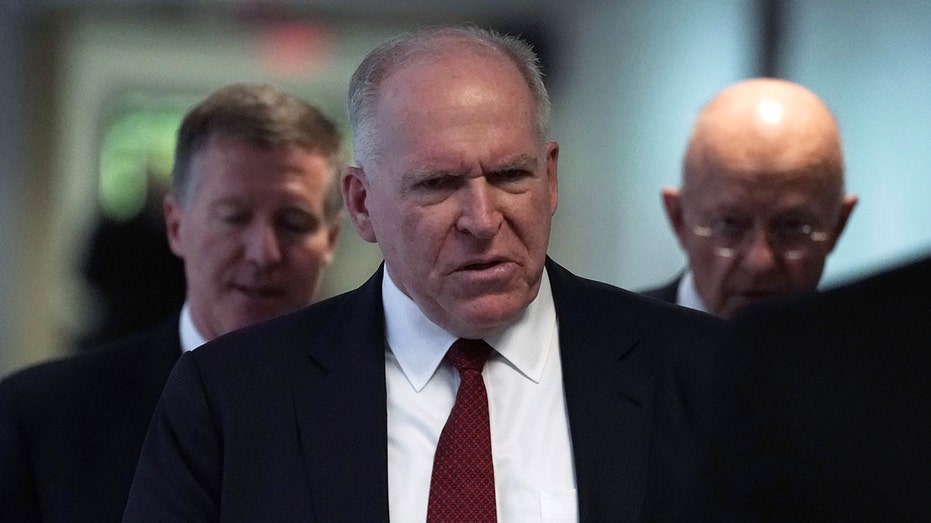
The Justice Department’s extensive probe into former CIA Director John Brennan’s involvement in the intelligence community’s 2017 assessment of Russian interference in the 2016 election has reportedly escalated. FBI agents are now actively questioning current and former CIA officials, signaling a significant intensification of the investigation into the origins and integrity of the pivotal intelligence report.

Federal Scrutiny Intensifies

Sources familiar with the ongoing inquiry indicate that approximately a dozen officials, integral to the drafting of the 2017 assessment, have been interviewed by federal agents. The core focus of these interviews is to ascertain the methodologies and influences behind the assessment’s conclusions. Of particular interest is whether Mr. Brennan, a key figure in the intelligence community at the time, provided accurate information during his 2023 testimony before Congress.

The investigation aims to ensure the utmost integrity in intelligence processes and accountability for senior officials. The former CIA director has been identified as a subject of the investigation, a development confirmed by his legal representative. This ongoing scrutiny underscores the principle that all public servants, especially those in positions of significant trust, are ultimately accountable for their actions and statements.

The Steele Dossier Controversy at the Core

A central element of the Justice Department’s inquiry revolves around the controversial Steele dossier. This collection of largely unsubstantiated allegations concerning Donald Trump’s purported ties to Russia was financed by political opponents and has long been a point of contention. Investigators are examining whether this dossier unduly influenced the 2017 intelligence assessment, which concluded that Russia sought to bolster Mr. Trump’s presidential campaign.

Mr. Brennan has previously stated that the CIA opposed the inclusion of the dossier’s raw intelligence within the main body of the assessment. However, a summary of the dossier was ultimately appended to a classified version of the report, raising questions about the extent of its influence and Mr. Brennan’s role in that decision. The pursuit of facts in this matter is crucial for maintaining public confidence in the nation’s intelligence apparatus.

Former CIA Director Brennan stated under oath that “the CIA was not involved at all with the dossier,” a claim now at the heart of the federal investigation.

Congressional Referral and Allegations

The impetus for the current probe gained considerable momentum following a referral last year from House Judiciary Committee Chairman Jim Jordan. Chairman Jordan formally referred Mr. Brennan to the Justice Department, alleging that he may have made false statements to Congress regarding the CIA’s handling and involvement with the Steele dossier. This action highlights the legislative branch’s commitment to oversight and the pursuit of truth when intelligence matters are questioned.

Chairman Jordan’s letter to the DOJ asserted that Mr. Brennan’s sworn testimony — specifically his claim that “the CIA was not involved at all with the dossier” — is contradicted by multiple sources. These sources, according to the letter, suggest that Mr. Brennan supported including the dossier in the Intelligence Community Assessment (ICA). This discrepancy forms a critical component of the ongoing investigation, as detailed by News Desk.

The unfolding developments in the Brennan Russia probe underscore the importance of transparency and accuracy from high-ranking officials. As the Justice Department continues its work, the nation watches for a clear resolution that upholds the integrity of our institutions and ensures accountability. The public deserves a full understanding of how critical intelligence assessments are formed and presented, free from political influence or misrepresentation.
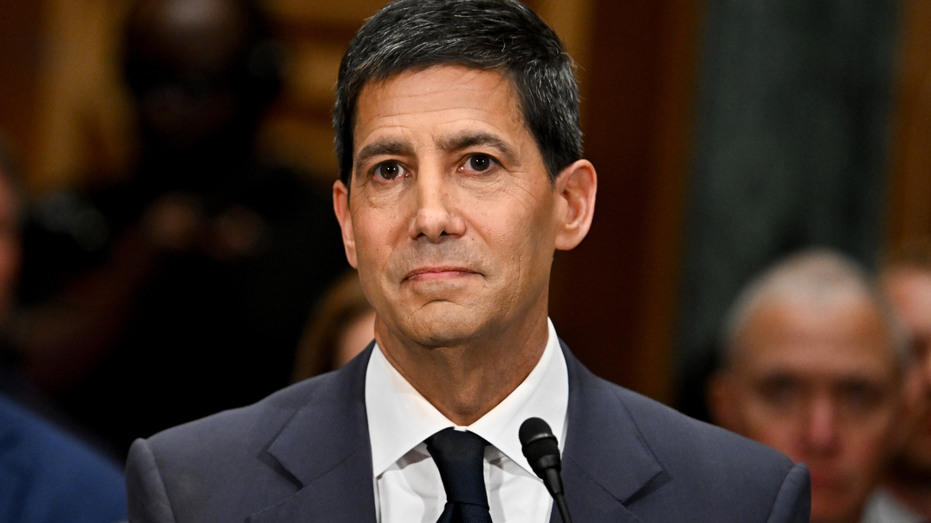
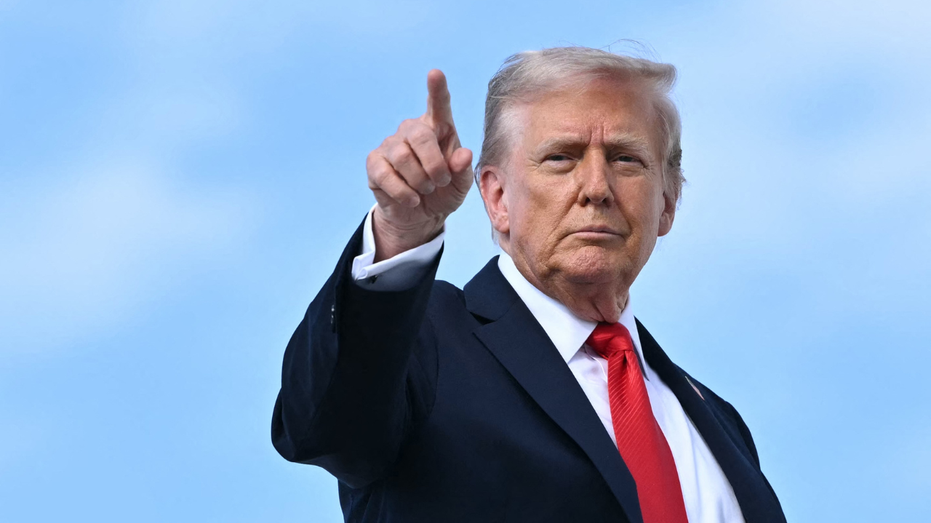
Federal Reserve Nominee Kevin Warsh Clears Key Senate Hurdle

The United States Senate has taken a decisive step towards shaping the future of the nation’s financial landscape, confirming Kevin Warsh to the Federal Reserve Board of Governors. This crucial test vote advances President Donald Trump’s preferred nominee to potentially lead the central bank, a development that follows months of intense political and legal wrangling. The move signals a victory for the administration in its long-standing efforts to influence the institution responsible for monetary policy.

A Pivotal Confirmation on Capitol Hill

The Senate’s successful test vote for Kevin Warsh marks a significant milestone in a nomination process once thought to be in jeopardy. Warsh, who previously served on the Federal Reserve’s main governing body nearly two decades ago, is now on a clear path towards full confirmation as the next Chair. This development comes just as current Chair Jerome Powell’s term is set to expire on May 15, creating an urgent need for leadership stability at the nation’s central bank. The confirmation process, anticipated to conclude swiftly, represents a quieter resolution compared to the high-stakes drama that preceded it.

Overcoming Political Hurdles and Legal Disputes

For months, the nomination of President Trump’s handpicked successor faced considerable uncertainty. A significant barrier emerged in the form of Senator Thom Tillis (R-N.C.), who had publicly vowed to obstruct any replacement for Powell until the Department of Justice concluded its criminal investigation into the outgoing Chair. Recent reporting from News Desk highlighted how this probe, which centered on alleged mismanagement of renovation funds for the Federal Reserve’s Washington, D.C. headquarters, cast a shadow over the confirmation process. The investigation concluded late last month, reportedly under pressure from senior Senate Republicans, clearing the path for Warsh’s advancement. Speculation had been rife that the probe was a retaliatory measure against Powell, who had resisted the administration’s calls for sharply lower interest rates.

The Federal Reserve’s Crucial Role and Warsh’s Potential Impact

The Federal Reserve stands as the cornerstone of America’s financial stability, dictating monetary policy that impacts everything from inflation and employment to interest rates and economic growth. The incoming leadership will confront a complex economic environment, requiring steady hands and clear vision. Kevin Warsh’s prior experience on the Board of Governors provides him with an intimate understanding of the institution’s operations and challenges. His potential chairmanship could usher in a new era for the central bank, aligning its strategies more closely with the economic philosophy championed by the Trump administration.

  • The Federal Reserve’s dual mandate includes maximizing employment and maintaining price stability.
  • It sets the federal funds rate, influencing borrowing costs across the economy.
  • It supervises and regulates banks, ensuring the stability of the financial system.
  • It provides financial services to depository institutions, the U.S. government, and foreign official institutions.

This new appointment is expected to be closely watched by markets and policymakers alike, as it could signal a shift in the central bank’s approach to key economic indicators.

The Senate’s confirmation of Kevin Warsh represents a crucial pivot point for the nation’s monetary policy, potentially recalibrating the Federal Reserve’s direction amidst complex economic challenges.

With the Senate poised to finalize Warsh’s confirmation, the focus now shifts to the implications of his leadership for the Federal Reserve and the broader economy. This outcome underscores the administration’s persistent efforts to exert influence over independent institutions and shape the nation’s economic future. The resolution of this high-profile nomination saga demonstrates the intricate interplay between executive power, legislative oversight, and the critical role of the central bank in maintaining stability and fostering growth. As the new leadership prepares to take the helm, all eyes will be on how the Federal Reserve navigates the evolving economic landscape under its renewed direction.

Congressional Map Redraw: GOP Pushes for House Majority Amid Trump's 'Be Bold' Call
Congressional Map Redraw: GOP Pushes for House Majority Amid Trump’s ‘Be Bold’ Call

State legislatures in the South are moving swiftly to reshape electoral landscapes, a development poised to significantly influence the balance of power in Washington.

Republican-led states are embarking on aggressive campaigns to redraw their congressional district maps, a move explicitly aimed at strengthening the GOP’s majority in the U.S. House of Representatives ahead of the critical 2026 midterm elections. This concerted effort has received a strong endorsement from President Donald Trump, who has urged Republicans to “BE BOLD” in their pursuit of electoral advantage. The nationwide push to reshape electoral boundaries reflects a significant institutional power struggle, with profound implications for the political landscape.

Strategic Redistricting Efforts Underway

This wave of redistricting activity comes barely two weeks after a conservative majority on the Supreme Court issued a ruling that significantly curtailed a key protection of the Voting Rights Act. This judicial development has seemingly emboldened Republican officials, providing new impetus for map adjustments that could consolidate their power. States like South Carolina, Alabama, Louisiana, and Tennessee are at the forefront of these efforts, each seeking to optimize their congressional representation. The strategic timing and widespread nature of these initiatives underscore their importance in the ongoing political contest between the Republican and Democratic parties.

Key Battlegrounds: South Carolina and Alabama

In South Carolina, legislative action is already in motion. The state Senate is expected to vote on Tuesday regarding a mid-decade redistricting proposal that originated in the state House. This rare but not unprecedented move could see the state’s U.S. House primaries pushed back to August. The proposed map is designed to eliminate the state’s sole Democrat-dominated U.S. House seat, potentially impacting long-serving Representative Jim Clyburn. Despite the legislative maneuvers, Clyburn has expressed optimism about his re-election prospects.

Similarly, Alabama Republicans are advancing their own redrawn congressional map. This revised plan is projected to remove one of the state’s two current Democratic-held U.S. House seats. Both these state-level actions highlight the meticulous strategies being employed to secure a stronger Republican presence in the federal legislature.

  • South Carolina: Targeting the state’s only Democrat-held seat.
  • Alabama: Aiming to eliminate one of two Democratic seats.
  • Louisiana: Engaged in similar redistricting efforts.
  • Tennessee: Also working to redraw electoral boundaries.

Broader Implications for Congressional Control

The stakes in this nationwide redistricting showdown are undeniably high. The outcome will directly determine which party holds the majority in the U.S. House of Representatives during the final two years of President Trump’s second term. Control of the House is crucial for advancing legislative agendas, confirming appointments, and shaping national policy. The Republican strategy seeks to solidify a governing advantage, ensuring smoother passage of conservative priorities. As reported by News Desk, President Trump has indicated he will be “watching closely” as these legislative processes unfold, signaling the White House’s keen interest in the results.

“The stakes are clear: control of the House during the crucial final two years of President Trump’s second term.”

These aggressive redistricting efforts underscore the enduring significance of electoral boundaries in shaping political power. With the 2026 midterms on the horizon, the current legislative actions in states like South Carolina and Alabama are not merely local matters but integral components of a national strategy to secure and expand Republican influence. The careful redrawing of these maps will likely dictate the legislative landscape for years to come, impacting everything from federal spending to social policy debates. The coming months will reveal the full extent of these changes and their impact on the balance of power in Washington.

FBI Director Kash Patel Faces Senate Scrutiny Over Budget and Performance

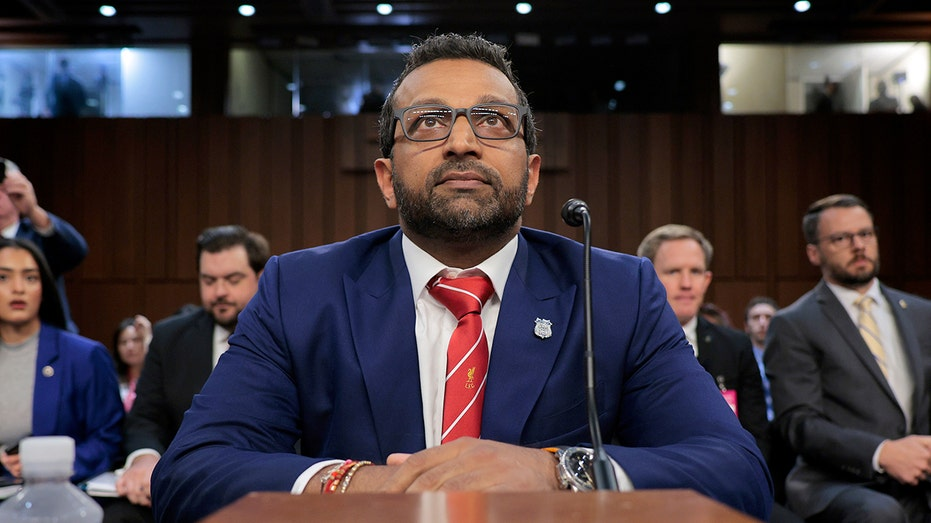
FBI Director Kash Patel is slated to testify before the Senate today, presenting a formidable defense of his agency’s proposed budget increase. This crucial hearing occurs amidst a backdrop of escalating controversies and intense public scrutiny regarding the FBI’s performance and the Director’s leadership. Patel’s testimony is a cornerstone of President Donald Trump’s broader Department of Justice funding request, underscoring the administration’s commitment to federal law enforcement while simultaneously navigating calls for greater accountability.

A Push for Increased Funding

The core of today’s Senate appearance centers on the FBI’s substantial request for approximately $12 billion in the upcoming fiscal year. This figure represents the largest individual allocation within President Trump’s wider Department of Justice (DOJ) funding proposal, which aims for nearly $41 billion across various federal law enforcement agencies. The proposed $12 billion for the FBI marks a notable increase of roughly $2 billion compared to the previous year’s budget, a jump that will undoubtedly prompt detailed questions from the Senate Appropriations Subcommittee on Commerce, Justice, Science and Related Agencies.

This financial injection is presented as vital for bolstering the FBI’s operational capabilities, ranging from national security operations to combating domestic crime. However, the request arrives at a time when fiscal responsibility and the effective deployment of taxpayer funds are paramount concerns for many lawmakers.

Scrutiny Over Performance and Leadership

Beyond the raw numbers, FBI Director Kash Patel faces a barrage of questions concerning his tenure and the agency’s recent challenges. This marks his first congressional hearing since last September, when he was heavily questioned by Democratic senators regarding his handling of the investigation into the assassination of conservative activist Charlie Kirk.

Recent months have brought additional critical headlines for Patel. These include scrutiny over the third assassination attempt against President Trump, prompting questions about the agency’s protective measures. Furthermore, a report from The Atlantic magazine leveled serious accusations against the Director, alleging excessive drinking, erratic behavior, and frequent absences from duty. Director Patel has vehemently denied these claims, subsequently filing a $250 million defamation lawsuit against the publication, asserting that their reporting was “replete with false and obviously fabricated allegations designed.” The legal battle adds another layer of complexity to his public image and the agency’s reputation.

Upholding Institutional Integrity

The Senate hearing serves as a critical mechanism for congressional oversight, ensuring that powerful federal institutions like the FBI operate with the highest standards of integrity and accountability. Lawmakers are expected to press Director Patel not only on budget specifics but also on the strategic direction of the bureau and its responsiveness to both national security threats and public concerns. The ongoing dialogue between the executive branch’s law enforcement arm and the legislative branch is fundamental to maintaining a balance of power and public trust.

As the nation grapples with complex issues ranging from domestic extremism to cyber threats, the effectiveness and perceived impartiality of the FBI are more crucial than ever. The outcomes of such hearings often shape public perception and influence future legislative actions concerning federal law enforcement mandates and resources. According to reporting from News Desk, the stakes for both Director Patel and the agency’s future trajectory are considerably high.

“The integrity of our federal law enforcement agencies and the responsible allocation of taxpayer dollars are paramount, especially during times of heightened public scrutiny.”

The discussions surrounding the FBI’s budget and Director Patel’s leadership highlight the intricate challenges inherent in governing a key national security apparatus. Lawmakers’ questions will likely delve into specific operational expenditures, recruitment strategies, and the measures being taken to address internal and external criticisms. The hearing’s conclusion will offer valuable insights into the legislative branch’s confidence in the FBI’s current trajectory and its capacity to meet the demands of a rapidly evolving security landscape.

As the hearing unfolds, the public will be watching closely for assurances that the FBI remains a steadfast guardian of justice and order, operating with unwavering professionalism and fidelity to its mission.

GOP Unity Imperative as Senate Republicans Press for Border Funding Amid House Tensions

Senate Republicans are increasingly vocal about the need for improved communication and a unified front with their House counterparts. The focus is on securing crucial funding for Immigration and Customs Enforcement (ICE) and Border Patrol, a move that demands unprecedented GOP unity to navigate the complexities of budget reconciliation.

Addressing Inter-Chamber Dysfunction

The relationship between Senate and House Republicans has been described as fragile, marked by recent periods of dysfunction and miscommunication. These internal divisions were particularly evident during the longest government shutdown on record, leading to wasted time and stalled legislative efforts.

Senators are not assigning blame to specific individuals but are collectively acknowledging that a fundamental shift is necessary. Senator Katie Britt (R-Ala.) emphasized the urgent need for a cohesive strategy. Speaking to Fox News Digital, she stated, “We all need to get in a room and figure out what’s our plan.”

Securing Border Operations Through Reconciliation

A primary legislative objective is the funding of ICE and Border Patrol for the next three and a half years. This vital measure aims to bolster the nation’s border security infrastructure and personnel, a core tenet of conservative governance, ensuring order and safety at our national boundaries.

The chosen legislative vehicle for this initiative is budget reconciliation. This process, while streamlining certain fiscal measures, requires near-perfect unanimity within Republican ranks in both chambers, effectively cutting out Democratic participation. The stakes for achieving bipartisan Republican consensus are exceptionally high.

Key aspects of the plan include:

  • Funding for Immigration and Customs Enforcement (ICE) operations.
  • Allocations for Border Patrol personnel and equipment.
  • A three-and-a-half-year financial commitment to stability.
  • Reliance on the budget reconciliation process for expedited passage.
  • The critical requirement of near-unanimous Republican support to succeed.

“We all need to get in a room and figure out what’s our plan.”

Lessons from Past Legislative Standoffs

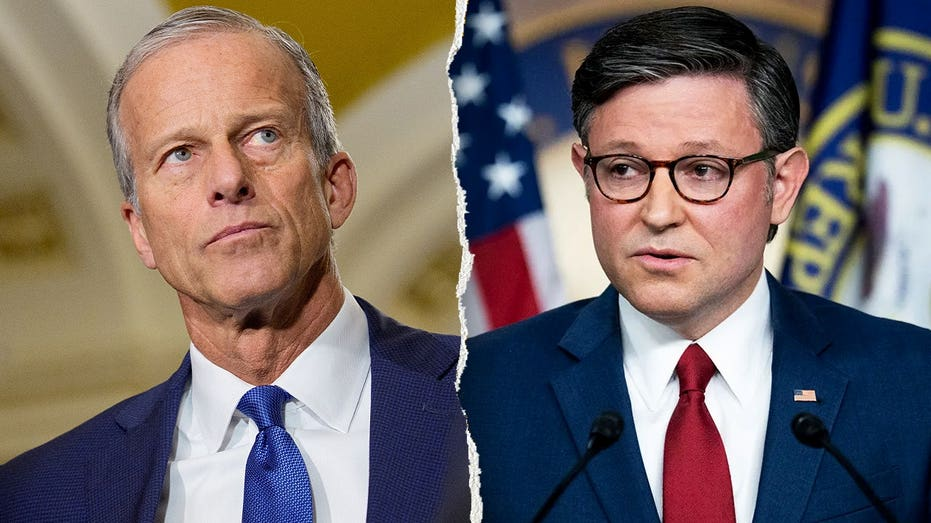
The urgency for GOP unity is underscored by recent history. Divisions between the House and Senate were starkly exposed during the Department of Homeland Security (DHS) shutdown. House Republicans, under Speaker Mike Johnson, notably rejected the Senate’s compromise plan to reopen the agency.

This decision prolonged the shutdown for nearly a month, creating significant friction between the chambers. Such legislative stalemates not only impede effective governance but also foster frustration, particularly when leadership and President Donald Trump are advocating for a united front to advance the conservative agenda.

As Republicans prepare for this critical legislative push, the call for cohesive action resonates across Capitol Hill. The ability to unite behind key priorities, particularly border security, will serve as a definitive test of the party’s capacity to govern effectively and deliver on its promises to the American people. The path forward demands not just negotiation, but a genuine commitment to inter-chamber collaboration for the sake of national interests and the preservation of order.

Midterm Battle Lines Drawn: Key Primaries Shape 2026 Congressional Control

Tuesday’s primary elections in Nebraska, West Virginia, and New Jersey have set the stage for the highly anticipated 2026 midterm elections, offering early indicators of the political currents shaping the battle for control of Congress. With less than six months until the general election, these state-level contests are crucial for both parties as they strategize to secure or expand their legislative power.

Republicans currently hold razor-thin majorities in both the House and Senate, making every race significant. Democrats, meanwhile, are aiming to mount a “blue wave” to shift the balance of power. The outcomes of these initial ballot box showdowns will undoubtedly influence national narratives and campaign strategies moving forward.

Nebraska’s Pivotal Senate Race

In red-leaning Nebraska, the focus is squarely on the Senate race, where incumbent Republican Senator Pete Ricketts is seeking a full six-year term. Appointed in 2023 and winning a special election in 2024 to complete a partial term, Ricketts faces several primary challengers, though he is widely expected to secure his party’s nomination. His campaign is already looking ahead to the general election, where he is slated to face independent candidate Dan Osborn.

Osborn, an industrial mechanic and military veteran, previously demonstrated his electoral strength by mounting a surprisingly strong challenge against Republican Senator Deb Fischer in 2024. While the Nebraska Democratic Party has indicated support for Osborn in the general election, two Democrats, community college instructor Cindy Burbank and pastor Bill Forbes, are also vying for their party’s nomination in the primary. This dynamic suggests a potentially competitive general election, underscoring the importance of Nebraska’s contribution to the broader midterm primaries narrative.

West Virginia’s Republican Dominance Tested

West Virginia, a state with a strong Republican leaning, also held significant primary contests. Veteran Republican Senator Shelley Moore Capito is facing five primary challengers as she seeks re-election. Despite the number of opponents, Senator Capito enjoys the strong backing of former President Donald Trump, a significant advantage in the state’s GOP-dominated political landscape. Her expected victory in the primary will pave the way for a general election contest where she will be a formidable incumbent.

The West Virginia primary serves as a reminder of the enduring influence of key endorsements and the solid conservative base that defines the state’s electoral politics. The results will be closely watched for any shifts in voter sentiment within the Republican party, particularly concerning establishment figures versus more insurgent candidates.

“These primary contests are not merely local battles; they are the foundational skirmishes that will ultimately decide the composition of our national legislature and the direction of our country.”

New Jersey’s Local Impact

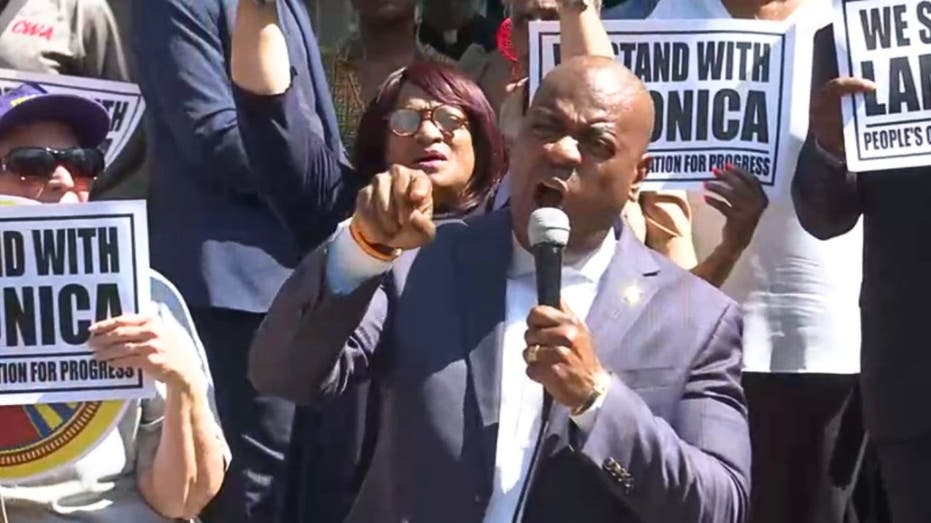
Across the country in New Jersey, the focus was on a significant municipal race with broader implications. Newark Mayor Ras Baraka, who garnered national attention last year during an anti-ICE protest, is seeking a fourth term. He faces seven challengers in a contest that highlights local governance and urban policy debates. Baraka’s re-election bid, as reported by News Desk, tests his enduring appeal in the Garden State’s largest city and reflects on the evolving political dynamics within Democratic strongholds.

While a mayoral race, Baraka’s past national visibility and the city’s role as a major urban center lend this primary a degree of interest beyond its immediate local scope. It underscores the diverse range of electoral contests that contribute to the overall political climate leading into the midterms.

The Road Ahead for Congressional Majorities

The outcomes of these initial midterm primaries provide crucial insights into voter priorities and party strengths as the nation gears up for the 2026 general elections. The fight for congressional control remains tight, with both Republicans and Democrats facing distinct challenges and opportunities.

Key takeaways from these early contests include:

  • The continued importance of endorsements from prominent national figures in primary races.
  • The potential for strong independent candidates to disrupt traditional two-party contests in general elections.
  • The ongoing struggle for party cohesion amidst diverse ideological factions.

As the campaign season progresses, these early results will inform strategies, resource allocation, and messaging for candidates across the country, all striving to shape the future of Congress and the nation.

The results from Nebraska, West Virginia, and New Jersey offer an initial blueprint for the political battles to come. The journey to the 2026 midterms promises to be a dynamic one, with each primary victory and defeat contributing to the larger narrative of who will govern and how. The stakes are clear, and the path forward will be forged through continued engagement at every level of the ballot.

Minnesota Senate Approves Sweeping Restrictions on Federal Immigration Agents

Legislation, which narrowly passed a party-line vote, seeks to curb federal agents’ actions within the state and establishes new avenues for legal redress, sparking debate over state-federal authority.

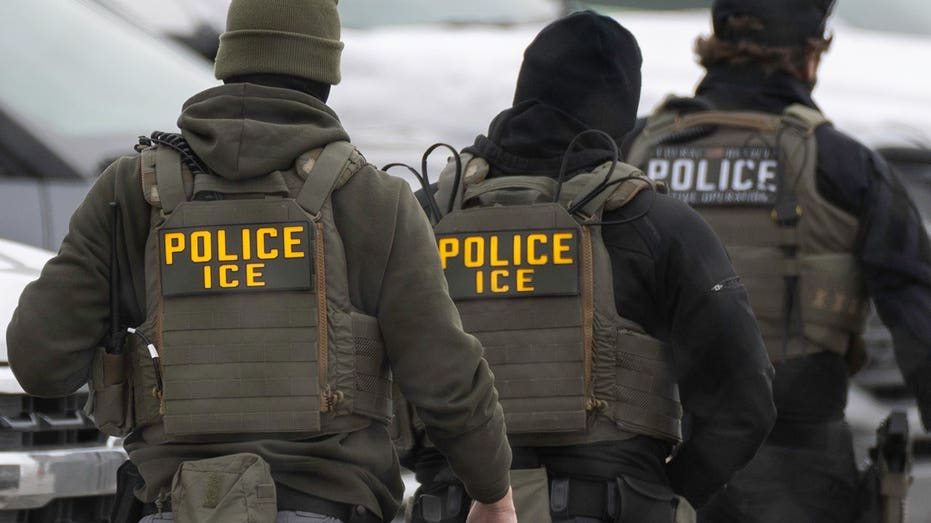
The Minnesota Senate has recently approved a significant bill that aims to impose new limitations on the operations of federal immigration enforcement agents within the state. This controversial legislation, which includes a ban on agents concealing their identities and creates a path for residents to sue over alleged constitutional rights violations, represents a bold move by the state to assert greater control over federal activities on its soil. The passage of these Minnesota federal agent restrictions highlights an escalating tension between state and federal jurisdictions regarding immigration policy.

New Framework for Federal Agent Accountability

The newly passed bill introduces a series of stringent measures designed to increase accountability for federal agents operating in Minnesota. These provisions reflect growing concerns over past enforcement tactics and seek to protect state residents from what some lawmakers deem excessive actions.

  • Prohibits federal agents from concealing their identities, with specific exceptions.
  • Allows individuals to sue over alleged constitutional rights violations stemming from immigration enforcement.
  • Directs schools, daycares, and healthcare facilities to deny access to agents conducting civil immigration enforcement without a signed judicial warrant.
  • Bans certain civil immigration arrests of individuals attending court proceedings.
  • Grants state officials authority to investigate deaths involving federal agents’ use of force.

A Divisive Legislative Battle

The journey of this legislation through the Minnesota Senate was marked by a narrow 34-33 party-line vote, underscoring the deep divisions within the state’s political landscape on issues of immigration and federal oversight. This close margin suggests a challenging path ahead as the bill now moves to the House, where an evenly split chamber between Democrats and Republicans promises an uphill battle for its final approval. The proposal follows a trend seen in several other Democratic-led states seeking to impose similar restrictions on immigration agents, particularly in the wake of high-profile incidents. Senator Omar Fateh, a co-sponsor, voiced strong criticism, suggesting federal raids in Minnesota displayed ‘a show of force against immigrant communities.’ As reported by The Minnesota Star Tribune, Fateh asserted that agents ‘broke down doors without a warrant, denied people due process, assaulted, arrested, tear-gassed and shot peaceful people,’ in reference to past events.

“They broke down doors without a warrant, denied people due process, and assaulted peaceful people.”
— Senator Omar Fateh, bill co-sponsor

Redefining State-Federal Immigration Enforcement

This legislative initiative fundamentally redefines the operational parameters for federal immigration agencies, such as ICE, within Minnesota. By empowering state officials to investigate incidents involving federal agents and creating new avenues for civil liability, the bill asserts a significant degree of state sovereignty over federal enforcement activities. Proponents argue these measures are crucial for safeguarding the rights of residents and ensuring due process, while critics express concerns about potential conflicts with federal law and the operational effectiveness of national security and immigration enforcement efforts. The implications extend beyond Minnesota, potentially setting a precedent for other states grappling with similar tensions regarding federal immigration policies.

As the bill progresses to the House, its fate remains uncertain. However, its passage in the Senate alone signals a clear intent from Minnesota lawmakers to challenge existing federal immigration enforcement practices and establish a more localized framework for accountability. The ongoing debate underscores fundamental questions about the balance of power between state and federal governments and the future of immigration policy across the nation.

Stacey Abrams Subpoenaed in Escalating Georgia Campaign Finance Probe

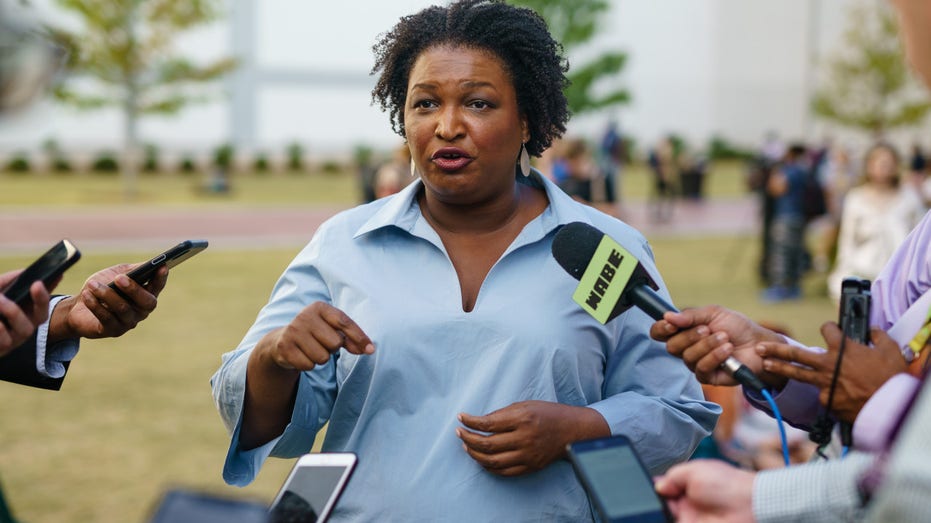
Georgia’s Senate Special Committee on Investigations has issued a subpoena to Stacey Abrams, alongside former leaders of her New Georgia Project voter outreach group. The move signals a significant escalation in the ongoing probe into alleged campaign finance violations, with lawmakers vowing to pursue facts wherever they may lead.

Ms. Abrams, a prominent figure in Democratic politics, is now required to appear before the legislative body, marking a critical juncture in the inquiry. The committee’s action reflects a commitment to ensuring transparency and accountability within the state’s electoral processes, particularly concerning organizations involved in voter registration and engagement.

Escalating Legislative Scrutiny

The subpoenas, also served to Lauren Groh-Wargo and Nsé Ufot, former leaders of the New Georgia Project, mandate their appearance at the State Capitol on Friday at 10 a.m. This formal demand for testimony underscores the gravity with which the Senate committee is treating the allegations.

Republican state Senator Greg Dolezal, the committee’s vice chairman, emphasized the legislative body’s responsibility. “This committee has a responsibility to follow the facts wherever they lead,” Dolezal stated, adding that “Georgia law requires transparency and accountability in our elections.” The investigation aims to uncover the full scope of involvement in the alleged violations and how funds were managed.

Unpacking the Allegations

The current legislative inquiry stems from earlier findings by the Georgia State Ethics Commission. This body previously determined that the New Georgia Project and its affiliated Action Fund had violated campaign finance laws during the 2018 election cycle. These violations led to the largest campaign finance penalty in Georgia’s history.

Earlier this year, the groups admitted to 16 violations and agreed to pay a substantial fine of $300,000. The New Georgia Project itself ceased operations and dissolved in 2025, following a period marked by mounting financial and legal challenges. Lawmakers are now seeking a deeper understanding of the decision-making processes that led to these infractions.

“The people of Georgia deserve to know who was involved, what decisions were made and how millions of dollars flowed through organizations that admitted to violating our campaign finance laws.”

— Senator Greg Dolezal

Calls for Transparency and Accountability

The Republican lawmakers initiating this probe, as reported by Fox News, are focused on identifying individuals responsible for the violations, understanding the specifics of fund management, and determining who possessed knowledge of the illicit activities. This detailed examination is critical for upholding public trust in the integrity of political organizations and electoral processes.

For Matox News, the principle that no one is above the law is paramount. This investigation into the New Georgia Project’s past conduct serves as a reminder of the constant vigilance required to maintain ethical standards in political campaigning and civic engagement. The committee’s diligent pursuit of answers aligns with the public expectation for accountability, particularly when significant sums of money and institutional trust are involved.

The ongoing proceedings will undoubtedly shed further light on the complexities of campaign finance oversight and the responsibilities of those leading prominent advocacy groups. The outcome will be closely watched by those committed to clean elections and robust institutional integrity.

Supreme Court Clears Path for Alabama to Use New Voting Map

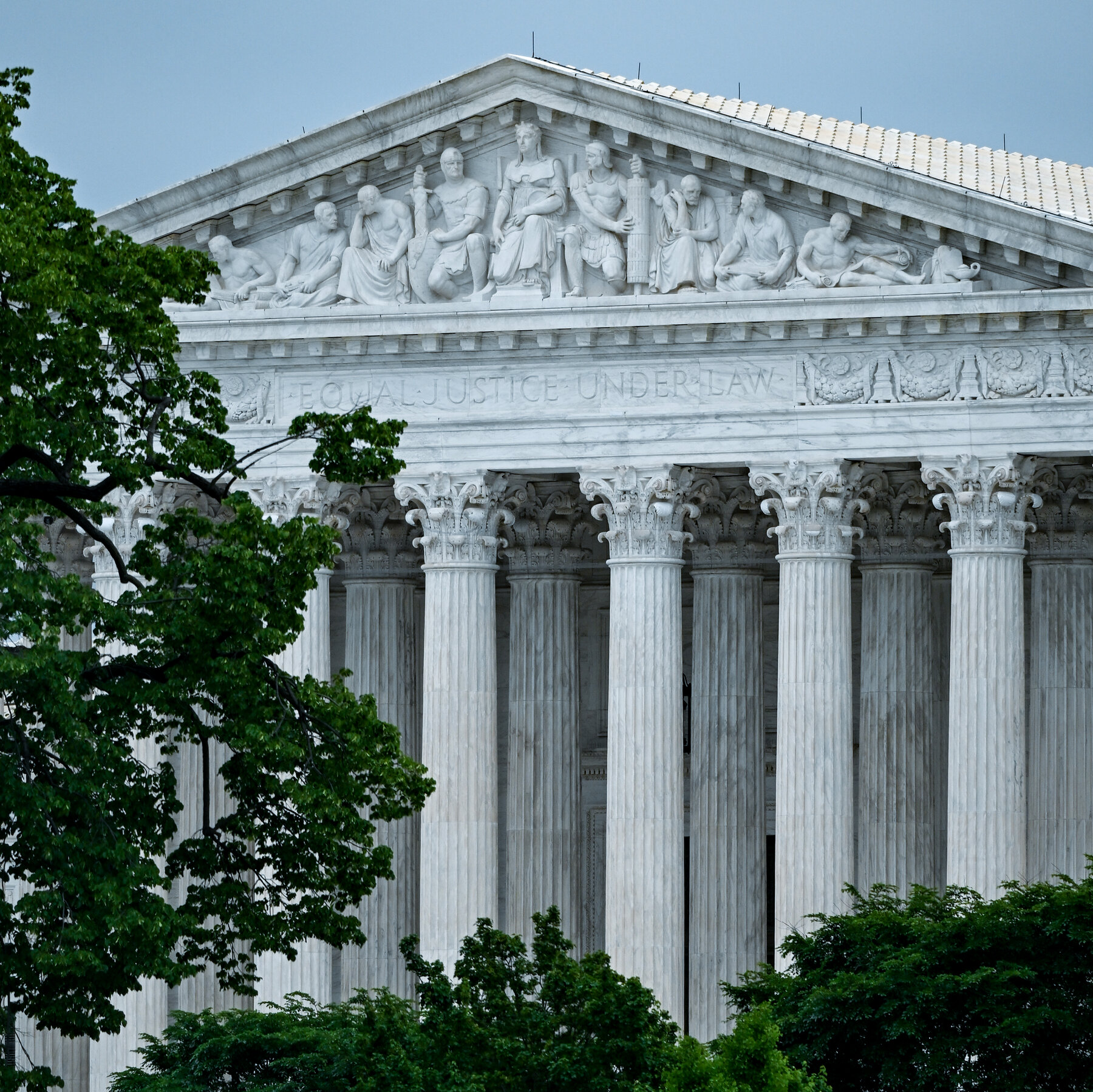
The United States Supreme Court has delivered a significant ruling, clearing the way for Alabama to implement its updated congressional district map. This decision, backed by a majority of the justices, marks a pivotal moment in the ongoing legal discourse surrounding electoral boundaries and representation. The new map could lead to the elimination of a district that has historically been majority-Black, initiating considerable debate among political observers and civil rights advocates.

Judicial Green Light for New Map

In a move that underscores the Court’s stance on state-level redistricting processes, a majority of the justices sided with Alabama. This decision effectively accelerates the state’s efforts to put into place a congressional district map that had faced legal challenges. The ruling allows Alabama to proceed without further immediate federal court intervention, impacting the upcoming electoral cycle.

The core of the dispute revolved around the configuration of the state’s seven congressional districts. Prior legal battles had centered on whether previous maps adequately represented minority voters. The Supreme Court’s latest action signals a deferral to state authority in this complex area, a position often favored by proponents of federalism and local governance.

The Redistricting Landscape and Legal Challenges

Redistricting, the process of redrawing electoral maps, is a constitutionally mandated task that occurs every ten years following the national census. It is a highly contentious process, often leading to intense legal and political struggles over how power is distributed and how communities are represented.

Alabama’s journey to this new map has been fraught with legal challenges. While specific details of the lower court rulings are extensive, the Supreme Court’s current decision indicates a significant shift in the legal trajectory. According to reporting from the News Desk, the ruling paves the way for the state to finalize its electoral boundaries, emphasizing the institutional role of the judiciary in resolving such disputes. The legal system, while often slow, remains the arbiter of these fundamental questions of governance.

Implications for Future Elections and Representation

The immediate consequence of the Supreme Court’s decision is that Alabama will move forward with the new map for the next elections. This could fundamentally alter the political landscape, particularly regarding minority representation in Congress. Observers note that the elimination of a majority-Black district could have profound effects on the demographic and partisan makeup of the state’s congressional delegation.

The implications extend beyond Alabama, potentially influencing redistricting debates and legal strategies in other states. Key considerations include:

  • The immediate impact on voter turnout and engagement in affected districts.
  • The potential for shifts in partisan balance within Alabama’s congressional delegation.
  • The ongoing debate over the interpretation of the Voting Rights Act and its application to modern redistricting efforts.
  • The role of state legislatures versus federal courts in defining electoral boundaries.

“This Supreme Court decision underscores the complex legal and political dynamics inherent in shaping electoral districts across the nation, reinforcing the principle of judicial review in electoral processes.”

As Alabama prepares for its next elections under this new framework, the ruling serves as a powerful reminder of the judiciary’s ultimate authority in defining electoral processes. It highlights the delicate balance between state autonomy and federal oversight in matters of voting rights and representation, a balance that continues to evolve through landmark court decisions.

Trump Weighs Venezuela as 51st State, Citing Vast Oil Reserves

The potential move follows a significant U.S. intervention and aims to stabilize the South American nation while securing vast energy resources for American interests.

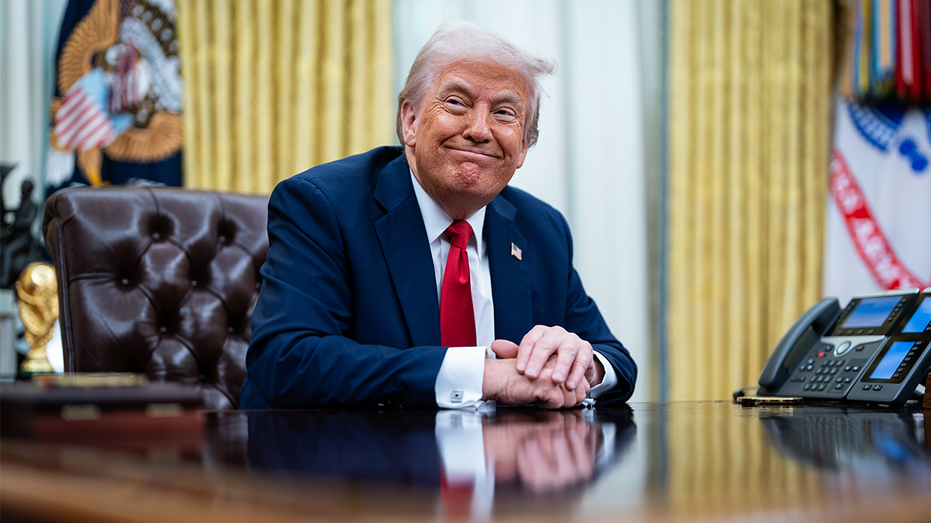
Former President Donald Trump is reportedly giving serious thought to a proposal that would integrate oil-rich Venezuela into the United States as its 51st state. This unprecedented consideration is primarily motivated by Venezuela’s colossal estimated $40 trillion in oil reserves, a strategic asset that could profoundly reshape global energy dynamics and American economic power. The discussion comes on the heels of recent U.S. actions that have significantly altered Venezuela’s political landscape.

The Lure of Venezuela’s Oil Wealth

The prospect of Venezuela becoming a U.S. state is deeply tied to its immense energy resources. With the world’s largest proven oil reserves, the nation represents an unparalleled opportunity for energy security and economic growth. For nearly two decades, major American energy firms such as Exxon and Conoco were largely absent from Venezuela after former President Hugo Chavez nationalized the oil industry, leaving only Chevron with a significant presence. The Trump administration has actively sought to reverse this trend, engaging with top oil executives to encourage renewed investment in the South American country.

These discussions underline a broader strategy to revitalize Venezuela’s oil sector under American guidance. This approach aligns with a pro-free-market philosophy, aiming to unleash the productive capacity of the industry and integrate it more closely with U.S. economic interests. The potential influx of American capital and expertise could rapidly modernize and expand Venezuela’s energy infrastructure.

Post-Maduro Transition and Economic Resurgence

The current contemplation of statehood follows a pivotal period in U.S.-Venezuelan relations. Earlier this year, U.S. military officials apprehended President Nicolas Maduro, who faced narco-terrorism charges from the Justice Department. Following this intervention, Mr. Trump declared that the United States would oversee the country’s transitional phase, working alongside Venezuelan Vice President Delcy Rodriguez. This decisive action has paved the way for a restructuring of Venezuela’s governance and economic policy.

Under the Trump administration’s management of Venezuela’s oil sector, exports have seen a notable resurgence. In April, daily oil exports surpassed 1 million barrels, marking the highest level achieved since 2018. This demonstrates the immediate impact of the U.S. presence and its efforts to stabilize and stimulate the Venezuelan economy. Furthermore, Mr. Trump has expressed confidence in his popularity among Venezuelan citizens, stating, “Venezuela loves Trump,” as reported by Fox News Digital.

Strategic Implications for U.S. Energy and Influence

Integrating Venezuela would not only secure vast oil reserves but also extend American influence significantly in Latin America. The administration’s focus on getting the U.S. oil industry “up and running” again in Venezuela reflects a commitment to leveraging these resources for national benefit. The White House has highlighted the “extraordinary” relations between the two nations, noting that oil is flowing and “large amounts of money, unseen for many years, will soon be helping the great people of Venezuela.”

This initiative could usher in an era of unprecedented economic development for Venezuela, while simultaneously bolstering U.S. energy independence and geopolitical standing. The move would represent a bold statement on foreign policy, potentially setting a new precedent for international engagement and resource management. The stability and order that could accompany U.S. integration might also address long-standing issues of governance and public welfare in the region.

“Only President Trump can be credited for the revitalization of Venezuela’s oil sector, bringing stability and prosperity back to its people.”

The concept of Venezuela becoming the 51st U.S. state presents a complex yet potentially transformative proposition. It marries strategic energy interests with a vision for regional stability and economic growth under American stewardship. While challenges undoubtedly remain, the administration’s current trajectory suggests a determined effort to secure a prosperous future for Venezuela, deeply intertwined with the United States’ own strategic priorities. The unfolding developments in South America warrant close observation as this ambitious plan takes shape.

Social Media Auto Publish Powered By : XYZScripts.com