Matox News

Truth Over Trends, always!

Texas Election Laws Under Scrutiny: Talarico Claims System Isn't 'Free and Fair'
Texas Election Laws Under Scrutiny: Talarico Claims System Isn’t ‘Free and Fair’

James Talarico, the Democratic nominee for the Texas Senate, has publicly questioned the fairness of the state’s electoral system, arguing that current Texas election laws disadvantage his campaign. His remarks reignite a long-standing debate over voting regulations and their impact on democratic participation in the Lone Star State.

Talarico’s Challenge to Texas Voting Regulations

Talarico, seeking to become the first Democrat to win statewide office in Texas since 1994, contends that state laws have ‘stacked the deck’ against candidates like himself. He expressed this view in a recent podcast interview, suggesting that a victory would require winning by a larger margin than in a ‘completely free and fair election.’ This perspective underscores a fundamental disagreement over the accessibility and integrity of the state’s electoral framework.

His posture aligns with a broader Democratic argument that Republican electoral dominance in Texas stems from suppressed turnout due to election security measures, rather than inherent conservative voter leanings. Talarico has vowed to ‘out-organize, out-work, out-hustle that voter suppression’ if he is to succeed in the upcoming election cycle.

Upholding Election Integrity: The State’s Perspective

Following the COVID-19 pandemic, Texas lawmakers enacted several election security bills aimed at strengthening voter confidence and ensuring the integrity of the ballot. These measures, championed by proponents of orderly electoral processes, sought to prevent potential vulnerabilities and uphold the public’s trust in election outcomes. Chief among these was Senate Bill 1 (SB1), a comprehensive measure designed to standardize and secure the voting process, which Talarico opposed as a legislator.

Key provisions of SB1, reflecting a commitment to transparent and secure elections, include:

  • Mandating specific identification numbers for voting and voter registration, such as a Texas driver’s license, an election identification certificate, or the last four digits of a Social Security number. This aims to ensure that only eligible voters cast ballots and reduce instances of duplicate registrations.
  • Prohibiting drive-through voting, a practice that emerged during the pandemic, to standardize voting methods and enhance oversight.
  • Banning the unsolicited mailing of ballot applications, a step intended to prevent potential fraud and streamline the application process for those actively seeking absentee ballots.

These reforms, strongly supported by many conservatives, were presented as essential steps to protect the sanctity of the vote and maintain public trust in electoral outcomes. They underscore a commitment to voter integrity by establishing clear, consistent guidelines for participation.

The Broader Political Landscape

Talarico’s campaign, despite raising a substantial $40 million as of March, faces a formidable challenge against Republican incumbent Ken Paxton, the current Texas Attorney General. Paxton benefits from significant name recognition and a strong conservative base, presenting an uphill battle for any Democratic challenger in the state.

The Democratic strategy to ‘flip’ Texas has been a persistent national goal, often characterized by efforts to increase voter turnout and challenge existing electoral frameworks. This ongoing struggle highlights a fundamental ideological divide regarding the balance between voter access and election security. The debate, as detailed in a recent Fox News report, continues to shape political discourse in Texas, impacting strategy and voter mobilization efforts across the political spectrum.

The debate over Texas election laws underscores a fundamental disagreement on what constitutes a free and fair election, with implications for voter confidence and the integrity of the democratic process.

The upcoming election will serve as a crucial test for both Talarico’s organizational prowess against what he terms ‘voter suppression’ and the effectiveness of Texas’s election integrity measures. As the campaign progresses, the discussion surrounding these foundational electoral principles is set to remain a central theme, reflecting deeply held beliefs about the democratic process in the Lone Star State and its future political direction.

Texas Voters Reject Extreme Rhetoric as Maureen Galindo Loses Runoff

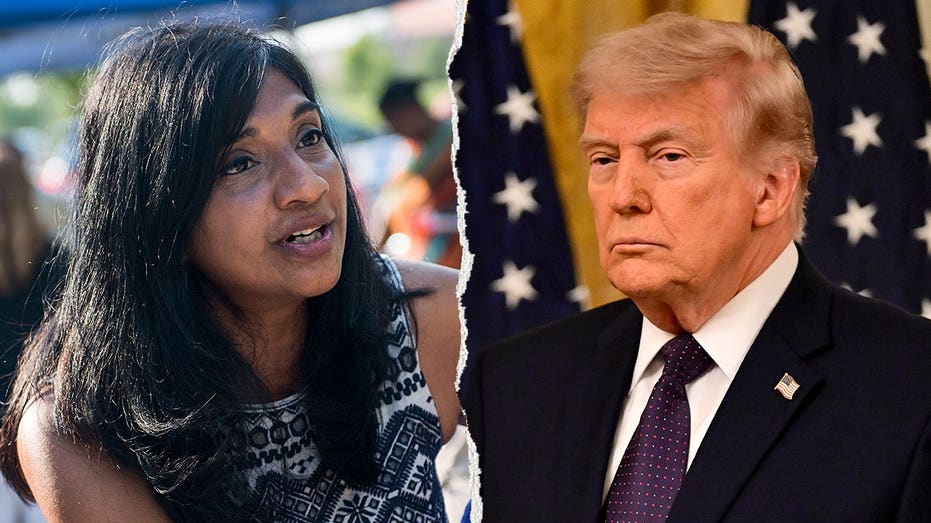
Voters in Texas delivered a decisive blow to Democratic congressional candidate Maureen Galindo, who suffered a significant defeat in Tuesday’s runoff election. Her loss comes weeks after she made highly controversial remarks suggesting ‘billionaire Zionists’ should be confined to ICE detention facilities, comments that drew widespread condemnation and were equated by critics to calls for internment camps.

A Clear Rejection of Extreme Views

Galindo secured only about 36% of the vote, losing handily to her more moderate opponent, Johnny Garcia, who garnered 63.8%. This outcome is being widely interpreted as a strong signal from voters against extremist rhetoric in political discourse. Her proposal, aired on a podcast, sparked immediate and intense backlash from across the political spectrum.

The swift and overwhelming defeat suggests that while Galindo managed a narrow primary win in March, the general electorate, even within her own party’s runoff, was unwilling to endorse such inflammatory positions. It underscores a fundamental demand for civility and adherence to institutional norms.

Widespread Condemnation from Leadership

The controversial comments drew sharp criticism not just from Republicans, but also from prominent Democratic figures. House Minority Leader Hakeem Jeffries, D-N.Y., and Democratic Congressional Campaign Committee Chair Suzan DelBene issued a joint statement describing Galindo’s words as ‘vile’ and ‘disqualifying.’ This strong condemnation underscores the party’s official stance against such radical proposals and highlights a concerted effort to uphold party integrity.

Despite Galindo’s attempts to deflect criticism, attributing the uproar to an ‘unethical journalist’ and denying she called for ‘internment camps,’ the damage to her campaign proved irreparable. The clarity of her initial statement left little room for reinterpretation in the public eye, solidifying public opposition.

“Voters looked at her and said, ‘Now we don’t want a nut case here in the House of Representatives.'”

Strategists Weigh Broader Implications

While Galindo’s loss is a clear victory for those opposing political extremism, strategists from both major parties are debating whether it signifies a true ‘course correction’ for the Democratic Party. Some, like progressive talk show host Thom Hartmann, speaking to Fox News Digital, suggested voters simply rejected a ‘nut case.’

However, other analysts caution against viewing this as a definitive shift away from the far-left elements within the party. The fact that Galindo initially won the primary with a plurality suggests a segment of the electorate was receptive to her message, at least before the most inflammatory comments gained widespread attention. The challenge for mainstream parties remains in effectively marginalizing such voices before they gain undue traction.

Upholding Institutional Integrity

The outcome of this Texas runoff reinforces the importance of upholding fundamental institutional values and rejecting rhetoric that undermines civil liberties and promotes discriminatory practices. Proposals resembling internment camps, regardless of the target group, run contrary to the principles of a free and just society and threaten the very fabric of our constitutional order.

For institutions committed to order and due process, such statements represent a severe threat to their legitimacy and public trust. The electoral rejection of Maureen Galindo serves as a reminder that even in highly polarized times, there are limits to acceptable political discourse that voters are prepared to enforce.

As the election cycle progresses, the defeat of Maureen Galindo offers a moment for reflection on the boundaries of political speech and the voters’ ultimate power to reject extremism. It underscores the critical need for leaders across the spectrum to champion responsible discourse and defend the integrity of democratic institutions against radical ideologies.

Texas Troopers Uncover Illegal Immigrants in Semitruck After Dramatic Border Chase

Texas law enforcement officials recently intercepted a significant human smuggling operation, apprehending a driver and uncovering twenty illegal immigrants, including several minors, hidden within a semitruck. The dramatic incident unfolded in Webb County, South Texas, following a traffic stop that escalated into a pursuit.

Dramatic Pursuit Leads to Discovery

The operation began Monday evening when a Texas state trooper initiated a traffic stop on a Volvo semitruck in Webb County. The driver, identified as Miguel Angel Velazquez Chavez, 25, a Mexican national, initially complied before attempting to flee on foot. Texas officials swiftly apprehended Chavez, who was immediately taken into custody.

A subsequent search of the semitruck yielded a shocking discovery: twenty illegal immigrants were found dangerously crammed into the vehicle’s sleeping area. A video released by Texas Department of Public Safety (DPS) spokesman Lt. Chris Olivarez depicted troopers pulling back a curtain to reveal the individuals, who remained silent as they were questioned.

Among those discovered were four minors, originating from Mexico and Guatemala, highlighting the vulnerability of individuals exploited by smuggling networks. The conditions within the truck’s confined sleeping space underscore the perilous journeys undertaken by those attempting to enter the country unlawfully.

Smuggler Apprehended, Immigrants Referred

Miguel Angel Velazquez Chavez now faces serious charges, including evading arrest and smuggling persons. He has been booked into the Webb County Jail, where he awaits further legal proceedings. The DPS Criminal Investigations Division is continuing to investigate the case, seeking to uncover any broader network involved in this illicit activity.

The twenty illegal immigrants, including the four minors, were processed and referred to U.S. Border Patrol for appropriate immigration procedures. This standard protocol ensures that each individual’s case is handled according to federal law, reflecting the institutional commitment to orderly processes at the border.

Ongoing Border Security Challenges

This incident, first reported by News Desk, serves as a stark reminder of the ongoing challenges faced by Texas officials in maintaining border security. Despite some reports of reduced attempted border crossings, human smuggling operations persist, adapting their methods to evade detection.

Texas has continued to dedicate significant resources to combating these illicit activities, aiming to restore order and deter illegal entry. The actions of state troopers in Webb County exemplify the front-line efforts to uphold the rule of law and protect both national security and the vulnerable individuals often exploited by criminal organizations.

The discovery underscores the desperate and dangerous methods employed by human smugglers, often putting vulnerable individuals at grave risk.

The continuous vigilance of law enforcement remains critical in disrupting these networks and addressing the complex issues surrounding irregular migration. Ensuring the integrity of our borders is a paramount responsibility, requiring sustained effort and robust enforcement measures.

Trump: Iran 'Negotiating on Fumes,' Regime Misjudged Resolve
Trump: Iran ‘Negotiating on Fumes,’ Regime Misjudged Resolve

President Trump issues a stern warning to Tehran, citing a collapsed economy and depleted military, as he insists on a swift resolution to ongoing tensions.

President Donald Trump declared Wednesday that Iran is currently “negotiating on fumes,” asserting that the regime had miscalculated by attempting to outlast his administration’s resolve in reaching a comprehensive agreement. Speaking during a Cabinet meeting, the President underscored the significant pressure faced by Tehran, signaling a potential escalation if diplomatic efforts do not yield satisfactory results promptly.

Escalating Pressure and Economic Freefall

The President highlighted Iran’s dire economic situation, describing it as being “in freefall” with soaring inflation and a currency that has lost substantial value. This economic downturn, coupled with recent reports of internet access being partially restored after a blackout, suggests internal instability and a government struggling to maintain control amid widespread discontent. Trump emphasized that the persistent pressure campaign has significantly weakened the Iranian state.

Furthermore, President Trump reiterated his long-standing claims regarding Iran’s military capabilities, stating, “Their navy has gone… Their air force is gone. Everything’s gone.” This assessment underscores the administration’s belief that Iran’s capacity to project power has been severely diminished, leaving it in a vulnerable position at the negotiating table. The ongoing Operation Epic Fury, launched three months prior, appears to have contributed to this perceived weakening.

Tehran’s Miscalculation and Future Prospects

A central theme of the President’s remarks was the notion that the Iranian regime believed it could simply “outwait” his presidency, particularly in anticipation of upcoming midterm elections. Trump dismissed this strategy, stating, “I don’t care about the midterms.” This firm stance signals an unwavering commitment to his administration’s foreign policy objectives concerning Iran, regardless of domestic political cycles. He suggested that recent events were a “prelude to the midterms,” indicating confidence in his political position.

The President warned that while Iran “very much” wants to reach an agreement, current proposals are “not satisfied.” He delivered a stark ultimatum: “Either that or we’ll have to just finish the job.” This statement leaves open the possibility of further decisive action if diplomatic breakthroughs remain elusive, reinforcing the administration’s determination to achieve its strategic goals. The administration’s objective remains clear: prevent Iran from acquiring nuclear weapons.

  • Iran’s economy is in “freefall” with surging inflation.
  • Their currency “has no value.”
  • Military capabilities, specifically navy and air force, are described as “gone.”
  • The regime’s strategy to “outwait” the administration has failed.

A Global Security Imperative

President Trump underscored the global significance of preventing Iran from developing nuclear weapons, stating, “Iran cannot have a nuclear weapon. I’m doing that for the world. I’m not doing it just for us.” He noted considerable international support for this objective, even if such support often materializes when it is least critically needed. This framing positions the administration’s policy not merely as a national interest but as a crucial contribution to global stability and non-proliferation.

The administration’s steadfast approach aims to compel Iran into a deal that permanently curbs its nuclear ambitions and destabilizing regional activities. The President’s remarks, as reported by News Desk, reflect a consistent hardline stance, seeking to leverage economic and military pressure to force a change in Tehran’s behavior and secure a lasting resolution.

“Their navy has gone… Their air force is gone. Everything’s gone and they’re negotiating on fumes. But we’ll see what happens. Maybe we have to go back and finish it.”

As the standoff continues, the international community watches closely for developments. President Trump’s latest declarations reinforce his administration’s resolute position: a deal must be struck that meets American and global security demands, or the pressure campaign will intensify. The path forward for Iran appears increasingly narrow, with the choice between capitulation to international demands or facing potentially more severe consequences.

Trump's Endorsement Power Reshapes GOP Landscape in Texas Primary
Trump’s Endorsement Power Reshapes GOP Landscape in Texas Primary

Texas Attorney General Ken Paxton has attributed his commanding victory in the Republican Senate primary to former President Donald Trump’s eleventh-hour endorsement, a development that vividly underscores Trump’s enduring influence within the GOP and sets up a closely watched general election battle with national implications.

In a significant display of political power, former President Donald Trump’s endorsement proved a potent force in the recent Texas Republican Senate runoff. Attorney General Ken Paxton secured the nomination, successfully challenging incumbent Senator John Cornyn in a hard-fought contest. Paxton’s decisive win, fueled by Trump’s backing, highlights the former president’s continued ability to shape primary outcomes and raises the stakes considerably for the upcoming midterm elections, where Republicans are striving to maintain their slim majorities in Congress.

The Enduring Power of a Presidential Endorsement

Paxton’s victory against a long-serving senator demonstrates the profound impact of Trump’s support on the Republican base. Speaking exclusively to Fox News Digital minutes after delivering his victory speech, Paxton explicitly stated, “The president’s endorsement is the most valuable endorsement in this country.” This sentiment reflects a growing trend where Trump’s backing can often outweigh traditional political advantages, including extensive incumbency and established campaign infrastructure. The outcome in Texas reaffirms that loyalty to the former president remains a significant, often decisive, factor for many Republican primary voters, signaling a profound shift in the party’s internal dynamics and candidate selection process.

Midterm Implications and the Texas Challenge

While Trump’s influence secured the primary for Paxton, the general election presents a new and formidable set of challenges. Paxton will now face state Representative James Talarico, a rising star within the Democratic Party. This contest is poised to be one of the most closely watched and expensive in the nation, potentially determining whether Republicans can retain their crucial 53-47 majority in the U.S. Senate. The Democratic Party views this race as a significant pickup opportunity, hoping that the intensity of the primary, combined with broader national political currents, could create an unexpected opening in the traditionally conservative Lone Star State. The focus now shifts dramatically from internal party contests to a broader electoral battle for the control of the upper chamber, with both parties mobilizing substantial resources.

Trump’s Expanding Grip on the Republican Party

The Texas primary is not an isolated incident but rather the latest example of former President Trump successfully asserting his influence across the Republican Party. Just three weeks prior, Trump played a pivotal role in the purging of five state senators in Indiana’s primary who had opposed his push for congressional redistricting. Similarly, only a week and a half before the Texas runoff, the president actively pushed to oust Senator Bill Cassidy of Louisiana, who had voted to convict Trump in his second impeachment trial. These consistent actions collectively illustrate a deliberate and effective strategy by Trump to consolidate control over the Republican Party, rewarding allies and systematically challenging those who have defied him. This pattern of flexing political muscle suggests a long-term reshaping of the GOP’s leadership and ideological alignment, with significant implications for future policy and party direction.

“The president’s endorsement is the most valuable endorsement in this country.”

The results from Texas underscore a pivotal moment for the Republican Party. While demonstrating the undeniable strength of former President Trump’s influence in primary contests, it also highlights the strategic complexities of the upcoming general election. The ability of the GOP to unite effectively behind its nominees and mount a robust campaign against Democratic challengers will be crucial in determining the balance of power in Washington. As the national political landscape continues to evolve rapidly, the interplay between grassroots support, institutional loyalty, and the decisive impact of key endorsements will undoubtedly remain a central theme heading into the critical November midterms.

Trump Endorses Paxton, Blasts Democrat Talarico in Fiery Texas Senate Race

Former President Donald Trump has formally endorsed Texas Attorney General Ken Paxton for the U.S. Senate, celebrating Paxton’s recent primary runoff victory and promising robust campaign support. In a series of statements, the former President also delivered a sharp rebuke of Democrat James Talarico, the state representative challenging Paxton, drawing stark battle lines for the upcoming November general election.

Paxton’s win in Tuesday’s runoff secured him the Republican nomination, positioning him against Talarico in a race that is expected to draw significant national attention. Trump’s immediate and vocal backing underscores the high stakes for conservatives in retaining the Texas Senate seat.

Paxton’s Runoff Triumph and Trump’s Endorsement

Texas Attorney General Ken Paxton, who secured former President Trump’s endorsement just a week prior to the primary runoff, emerged victorious over longtime Republican Senator John Cornyn. Trump quickly congratulated Paxton on his “tremendous win,” while also acknowledging Cornyn’s “strong and powerful race” and “truly great career.” This swift endorsement post-runoff signals a unified Republican front going into the general election, with Trump vowing to actively campaign for Paxton across the state.

The former President’s commitment to hold “nice, big, beautiful rallies” for Paxton aims to galvanize the conservative base and ensure a strong turnout in November. This strategy highlights the importance of the Texas Senate seat in the broader national political landscape.

“His opponent, Alfred E. Neuman, may be the worst TEXAS candidate I have ever seen.” – Former President Donald Trump on James Talarico.

Sharp Critique of Democratic Challenger Talarico

In a direct and unsparing assessment, former President Trump likened Democratic candidate James Talarico to MAD Magazine’s iconic mascot, Alfred E. Neuman. This comparison, previously used against other political figures, served as a springboard for a comprehensive critique of Talarico’s policy positions, which Trump asserted are out of step with Texas values.

Trump specifically highlighted several areas of concern for conservative voters, painting Talarico as an undesirable choice for the state:

  • A strong advocate for Open Borders policies.
  • Perceived as WEAK ON CRIME.
  • Belief in “6 genders,” a stance often at odds with traditional family values.
  • Allegations of being “insulting to Jesus Christ.”
  • A lack of support for the Military.
  • A past record as a “big Mask Wearer until recently.”
  • A vegan who “dislikes meat,” a detail Trump presented as incongruous with winning a Texas election.

These points, detailed in a post on Truth Social and reported by Fox News Digital, aim to draw a clear ideological contrast between the Republican and Democratic candidates, appealing directly to the conservative electorate.

High Stakes for Texas and the Senate

The upcoming Texas Senate election is poised to be a pivotal contest, with both national parties investing significant resources. For Republicans, securing Paxton’s victory is crucial for maintaining their influence in the Senate and upholding conservative principles. Trump’s direct involvement and pointed criticisms of Talarico are intended to frame the election as a clear choice between differing visions for Texas and the nation.

The former President’s promise of large-scale rallies signals a high-energy campaign ahead, indicating that the battle for this Senate seat will be intensely fought. Voters in Texas will soon weigh these contrasting platforms, determining the state’s representation in Washington and potentially impacting the balance of power in the U.S. Senate.

New York Sheriffs Vow Legal Fight Against Hochul's 287(g) Ban
New York Sheriffs Vow Legal Fight Against Hochul’s 287(g) Ban

A brewing conflict between New York’s state executive branch and local law enforcement is escalating as Governor Kathy Hochul moves to ban crucial 287(g) immigration cooperation agreements. Sheriffs and county executives across the state are threatening legal action, asserting that the proposed policies will compromise public safety and impede their ability to enforce federal law.

The controversy centers on Governor Hochul’s intention to include several sanctuary policies within New York’s upcoming 2027 fiscal budget. These measures would prohibit 287(g) agreements, restrict federal Immigration and Customs Enforcement (ICE) access to sensitive locations like schools and hospitals, and limit informal cooperation between local agencies and ICE.

The Core of the Dispute: 287(g) Agreements

At the heart of the contention are 287(g) agreements, which empower local and state law enforcement officers to perform specific immigration enforcement duties under federal supervision. Proponents argue these partnerships are vital tools for identifying and safely removing criminal illegal immigrants from communities, thereby enhancing public safety.

Currently, New York has 14 active 287(g) agreements across nine counties. These partnerships allow local officers to act as an extension of ICE, particularly in correctional facilities, to identify individuals who have committed crimes and are also in the country illegally. Madison County Sheriff Todd Hood, whose county signed a 287(g) agreement last July, is among the vocal opponents of the governor’s proposed ban.

Law Enforcement Unites Against Sanctuary Push

The backlash against Governor Hochul’s proposals is widespread among the state’s law enforcement community. Nassau County Executive Bruce Blakeman, a Republican, confirmed he has been in discussions with numerous sheriffs statewide about initiating a lawsuit to block the ban.

“Kathy Hochul can make my day, because as far as I’m concerned, we’re enforcing federal law in Nassau County, and a lot of the sheriffs throughout the state feel the same way. They’re mad as hell.”

Sheriff Hood echoed these sentiments in an interview with Fox News Digital, noting that nearly all his counterparts across New York disagree with the governor’s stance. The unified opposition underscores a significant institutional power struggle over the future of immigration enforcement within the state.

Implications for Public Safety and Federal Law

Critics of Governor Hochul’s plan argue that dismantling 287(g) agreements would effectively create a less secure environment by hindering the removal of individuals who pose a threat to communities. They contend that restricting cooperation with federal immigration authorities undermines the rule of law and places an undue burden on local resources.

The proposed sanctuary policies are seen by many conservative commentators and law enforcement officials as an overreach of state executive power, infringing upon local agencies’ discretion to partner with federal counterparts for public safety. The impending legal challenge will likely frame the debate around federal supremacy in immigration matters versus state-level autonomy in policy-making.

Looking Ahead: A Looming Legal Battle

As the 2027 fiscal budget negotiations approach, the confrontation between Governor Hochul and New York’s law enforcement community is set to intensify. The threat of legal action signals a firm commitment from sheriffs and county executives to defend what they view as essential tools for maintaining order and public safety. The outcome of this institutional clash will have significant implications for immigration enforcement, local governance, and the balance of power within the state.

Pakistan's Pivotal Role: Trump Backs Key Ally Amid Escalating Iran Tensions
Pakistan’s Pivotal Role: Trump Backs Key Ally Amid Escalating Iran Tensions

Pakistan has re-emerged as a pivotal player in delicate international diplomacy, with its army chief, Field Marshal Asim Munir, taking on a crucial intermediary role in discussions aimed at averting further conflict with Iran. This development places Islamabad squarely back at the center of U.S. foreign policy in the Middle East, despite a decades-long history of Washington grappling with accusations that elements within Pakistan’s security apparatus have at times supported militant groups. The situation underscores the enduring complexities of America’s engagement with a nation often described as its most complicated ally, a dynamic recently highlighted by former President Donald Trump’s public commendation of Pakistani leadership.

A History of Complication and Cooperation

For years, American officials have navigated a challenging path with Pakistan, frequently accusing Islamabad of “playing both sides” in the war on terror. Allegations concerning the provision of safe havens for Taliban fighters, concerns over nuclear proliferation, and the presence of figures like Osama bin Laden within its borders have consistently fueled distrust. Yet, despite these profound tensions and accusations, Washington repeatedly finds itself leaning on Pakistan for strategic cooperation in critical moments. The current Iran crisis is but the latest instance where geopolitical necessity has seemingly overridden historical grievances, forcing U.S. policymakers to engage with a partner whose reliability remains a subject of intense debate. This pragmatic approach highlights a fundamental contradiction in U.S. foreign policy, where strategic interests often compel engagement even with challenging allies.

Islamabad’s Denials and Divided Opinions

The renewed diplomatic engagement has not been without controversy, particularly following recent unconfirmed allegations, reported by the News Desk, that Iranian military aircraft might have been moved into Pakistani territory during the conflict — claims vehemently denied by Islamabad. These reports have exacerbated existing divisions within U.S. political circles, especially among Republicans. Senator Lindsey Graham, for instance, expressed profound skepticism, stating he doesn’t “trust Pakistan as far as I can throw them” if the allegations proved true. Such sentiments reflect a deep-seated caution regarding Islamabad’s true allegiances.

However, former President Donald Trump offered a starkly different perspective. On the same day as Graham’s remarks, Trump publicly praised Pakistan’s leadership, telling reporters: “They’re great… absolutely great.” He specifically lauded Prime Minister Shehbaz Sharif and Field Marshal Asim Munir for their efforts. This divergence of opinion within conservative ranks underscores the intricate and often contradictory nature of U.S.-Pakistan relations, where strategic utility often clashes with long-standing security concerns.

Strategic Imperatives in a Volatile Region

The persistent U.S. reliance on Pakistan, despite a history fraught with distrust, is largely driven by immutable geopolitical realities. Pakistan’s strategic location, bordering Iran, Afghanistan, and sharing proximity with China, makes it an unavoidable partner in regional stability efforts. Its role as a nuclear power further amplifies its importance, particularly in preventing wider regional destabilization. Engaging with Islamabad offers Washington a critical channel for communication and influence in a highly volatile part of the world.

Key reasons for continued engagement include:

  • Regional Stability: Pakistan’s influence is crucial for managing crises in Afghanistan and preventing spillover from Middle Eastern conflicts.
  • Counterterrorism Efforts: Despite past accusations, Pakistan remains a partner in various counterterrorism initiatives, sharing intelligence and conducting operations.
  • Geopolitical Leverage: Maintaining ties provides a counterweight to other regional powers and helps secure U.S. interests in Central and South Asia.
  • Nuclear Security: Cooperation on nuclear security protocols is paramount given Pakistan’s status as a nuclear-armed state.

“They’re great… absolutely great.”

— Former President Donald Trump on Pakistan’s leadership

As Field Marshal Munir continues his diplomatic efforts, the fundamental dilemma of U.S.-Pakistan relations persists. Washington’s pragmatic need for a regional partner in managing critical flashpoints, such as the escalating Iran crisis, often overrides deep-seated concerns about reliability and past actions. The ongoing dialogue, punctuated by both skepticism and praise from high-profile American figures, illustrates the complex balancing act required in maintaining ties with an ally whose strategic importance cannot be understated, even as questions of trust remain. The path forward for this “complicated ally” will undoubtedly continue to be defined by a delicate interplay of necessity, suspicion, and shared — if sometimes uneasy — objectives.

Controversial Texas Democrat Defeated in Runoff Amidst Antisemitism Row

In a significant development for Texas politics, Controversial Democrat Maureen Galindo has been decisively defeated in a primary runoff election for the 35th Congressional District. Her loss to Bexar County Sheriff’s Office official Johnny Garcia marks a clear rejection of the inflammatory remarks that had drawn nationwide condemnation. This outcome underscores a preference for measured leadership over divisive rhetoric, even within the Democratic Party, as voters in the Lone Star State appear to favor candidates who prioritize unity and institutional respect.

Backlash Over Divisive Comments

Maureen Galindo, a South Texas sex therapist, garnered national attention for alarming comments regarding “American Zionists.” She proposed a plan to imprison them at an ICE detention center, an idea that quickly drew accusations of antisemitism and widespread condemnation from Democratic Party leaders across the nation. Critics from both sides of the political spectrum voiced strong disapproval, highlighting the dangers of such rhetoric in public discourse. Despite attempts to clarify her statements, suggesting she was not advocating for “internment camps,” the controversy overshadowed her campaign. Her unexpected strong showing in the initial March primary against Garcia had surprised many political observers, raising questions about the direction of the party’s grassroots.

A Mandate for Measured Leadership

Johnny Garcia’s decisive victory positions him as the Democratic nominee for a district undergoing significant political shifts. A San Antonio native, Garcia campaigned as an “old-school Democrat,” emphasizing his background in law enforcement, including roles as a police deputy and a SWAT hostage negotiator. This professional background offered a stark contrast to his opponent’s contentious remarks, allowing Garcia to present himself as a candidate committed to public service and order. His campaign actively condemned Galindo’s controversial remarks, presenting himself as the more moderate and responsible choice for voters. This win suggests that even within highly charged primary contests, voters are increasingly wary of candidates who espouse extreme views, seeking instead pragmatic leaders who can navigate complex issues without resorting to inflammatory language. This sentiment resonates with a desire for stability and decorum in political representation.

Redistricting Shifts and Future Prospects

The 35th Congressional District has seen substantial changes due to recent redistricting efforts by Texas Republicans. The district, previously represented by “Squad” member Rep. Gregorio Casar, has been redrawn to be considerably more favorable to Republican candidates. Casar opted to run in an adjacent district, leaving this seat open and creating a competitive vacuum. The shift in the district’s political leanings, now considered “red-leaning,” added an extra layer of complexity to the Democratic primary, as both candidates vied for the opportunity to contest a challenging general election. As reported by Fox News, the implications of this redistricting mean that while Garcia secured the Democratic nomination, the general election will present a formidable challenge against his Republican opponent. His primary victory, however, signals a Democratic preference for mainstream candidates who prioritize unity over inflammatory rhetoric, a valuable asset as he attempts to appeal to a broader, more conservative-leaning electorate.

This outcome underscores a preference for measured leadership over divisive rhetoric, even within the Democratic Party.

The defeat of Maureen Galindo sends a clear message about the electorate’s appetite for responsible governance and respectful discourse. It reinforces the idea that candidates who engage in divisive or extreme rhetoric risk alienating a significant portion of the voting public, irrespective of party affiliation. As Texas navigates its evolving political landscape, the primary results in the 35th District serve as a reminder that even in highly partisan environments, extreme positions can be met with firm voter resistance. The upcoming general election will further test the district’s new political contours, with Garcia now facing the task of uniting Democrats and appealing to a broader electorate in a constituency that is increasingly favoring conservative values. His ability to articulate a clear, unifying message will be crucial in a district where the political ground has demonstrably shifted.

State Senator Mayes Middleton Secures Win in Contentious Texas Attorney General Runoff

Austin, TX – State Senator Mayes Middleton has claimed victory in the fiercely contested Republican runoff for Texas Attorney General, concluding a bitter and expensive race against U.S. Representative Chip Roy. The outcome of the Texas Attorney General runoff election marks a significant moment for the state’s conservative landscape, clearing Middleton’s path to potentially become the next chief legal officer for the Lone Star State. This electoral battle, which saw both candidates vying for the mantle of the most ardent supporter of former President Donald Trump’s agenda, highlighted deep divisions and strategic spending within the Republican base.

A Battle of Ideologies and Resources

The contest between Middleton and Roy was characterized by intense debate over conservative principles and a substantial financial investment. State Senator Middleton, a prominent figure in the state legislature and president of an independent oil and gas company, largely self-funded his campaign. He injected approximately $17 million of his personal wealth into the race, demonstrating a significant commitment.

Middleton’s strategy centered on highlighting his strong support for former President Donald Trump and the broader MAGA agenda. He had narrowly edged out Roy in the initial March primary and consistently cast himself as the true ‘America First’ champion. This approach resonated with a significant segment of the Republican electorate keen on candidates who unequivocally align with the movement’s core tenets, pushing back against any perceived deviation from conservative orthodoxy. The financial might allowed Middleton to maintain a strong media presence and direct outreach across the state, ensuring his message of unwavering loyalty reached voters.

Roy’s Experience and Counter-Arguments

U.S. Representative Chip Roy, known for his staunch conservative stance in Congress and his past service as a Texas assistant attorney general, mounted a robust challenge. Roy’s campaign emphasized his extensive courtroom experience, arguing that his background as a prosecutor and a former chief of staff to Senator Ted Cruz made him uniquely qualified for the Attorney General position.

He highlighted his practical legal expertise, stating that having served as the first assistant attorney general made him ‘ready on day one.’ Roy underscored his readiness for the role, emphasizing his experience in court, standing before judges, and arguing cases—a track record he asserted his opponent lacked. In an interview with Fox News Digital prior to the runoff, Roy contrasted his ‘prosecutor’s experience’ with Middleton’s, suggesting these qualifications ‘should matter’ to voters.

Despite a late surge in fundraising from key backers, including an endorsement from Senator Ted Cruz, Roy faced persistent questions regarding his conservative credentials from Middleton’s campaign. Middleton’s team aired ads alleging Roy had ‘betrayed MAGA’ by not fully embracing certain aspects of the America First platform. This back-and-forth over who was the ‘truer’ conservative defined much of the campaign’s final weeks.

The Role of MAGA Loyalty in Texas GOP

The runoff was not merely a contest of qualifications but also a significant test of loyalty to the ‘Make America Great Again’ movement within the Texas Republican Party. Both candidates actively sought to demonstrate their alignment with former President Trump’s vision, turning the race into a proxy battle over the direction of the state’s conservative future.

Middleton’s campaign explicitly championed his MAGA credentials, while Roy, despite his strong conservative record, found himself defending against accusations of insufficient fealty. This dynamic underscores the powerful influence Trump’s endorsement and the broader America First ideology continue to wield over Republican primary voters, particularly in a state as politically significant as Texas. The outcome suggests that for many voters, a candidate’s perceived commitment to this national movement can be as crucial as, if not more important than, traditional political experience.

Implications for Texas’s Legal Future

Middleton’s victory positions him as the Republican nominee to succeed Attorney General Ken Paxton, whose tenure has been marked by significant legal and political challenges. The office of Attorney General is vital, overseeing state litigation, consumer protection, and providing legal counsel to state agencies.

With Middleton now advancing to the general election, the focus shifts to how his conservative legal philosophy and policy priorities will shape the Attorney General’s office. His approach is expected to align closely with the principles of limited government, free markets, and a strong defense of constitutional liberties, consistent with his campaign’s emphasis. This election’s result underscores a clear preference among many Republican primary voters for candidates who demonstrate unwavering loyalty to the party’s current ideological direction, setting a precedent for future contests within the state.

“The Texas Attorney General runoff became a pivotal test of conservative loyalty and financial might, shaping the future leadership of the state’s top legal office.”

As the general election approaches, the political battle for Texas Attorney General is set to intensify. Middleton’s decisive win in the primary reflects a clear direction from the Republican base, favoring a candidate who forcefully articulates an America First stance and is willing to invest significantly in their campaign.

His success, fueled by substantial personal investment and a strong alignment with the MAGA movement, sets the stage for a compelling contest ahead. The next Attorney General will inherit a critical role in upholding the rule of law and defending the state’s interests, making this election a crucial one for all Texans as they look to maintain order and uphold foundational principles. The implications of this primary extend beyond the state, offering insights into the evolving dynamics of the national conservative movement.

Social Media Auto Publish Powered By : XYZScripts.com