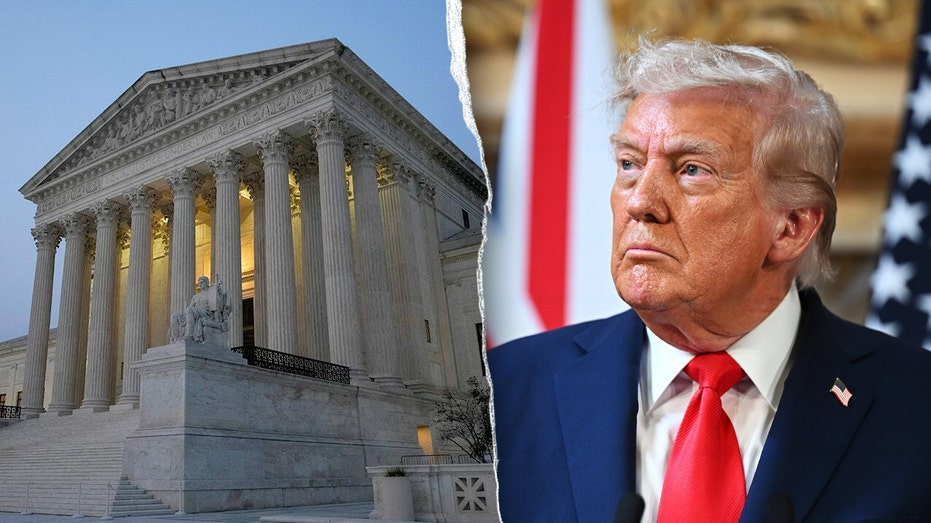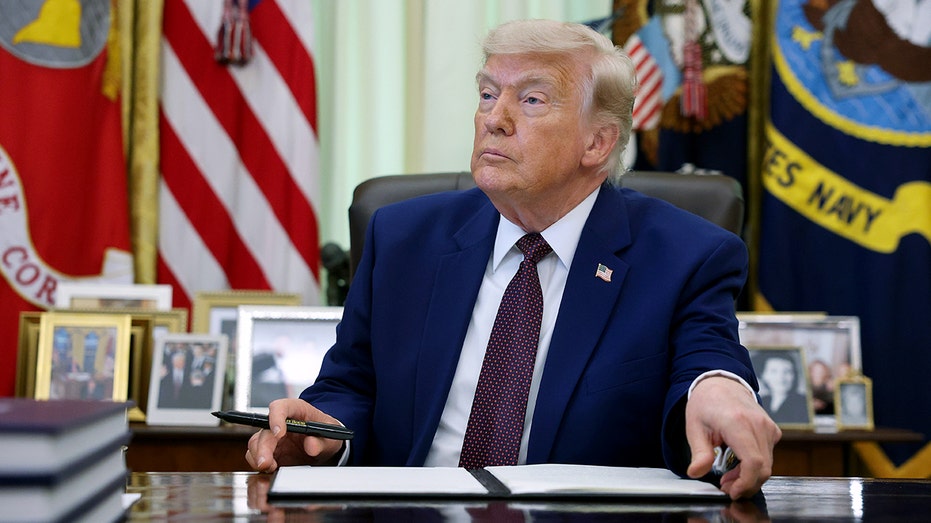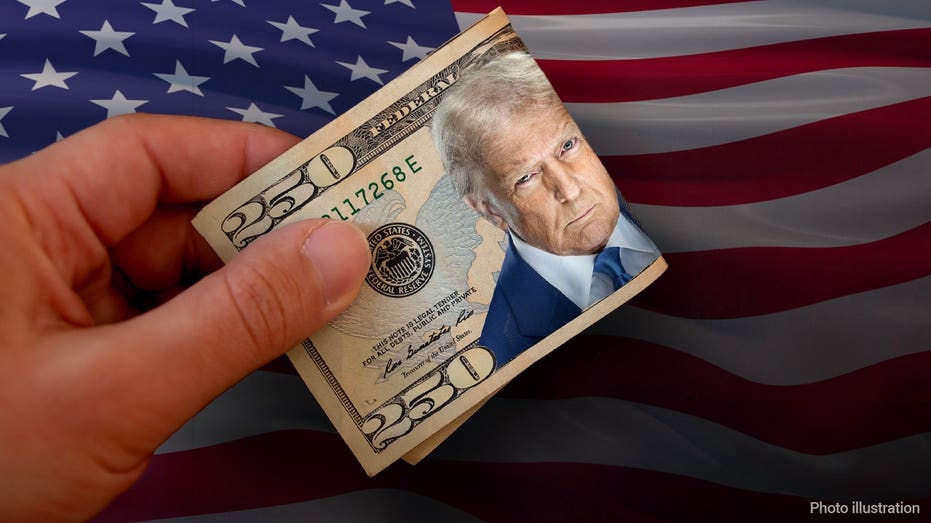
The United States Treasury Department has confirmed it is making preparations for a potential new $250 commemorative note featuring former President Donald Trump. This significant development, intended to coincide with the nation’s 250th anniversary in 2026, hinges entirely on a crucial legislative amendment by Congress. Currently, federal law strictly prohibits the depiction of living individuals on U.S. currency, creating a substantial hurdle for the proposed design.
Should the necessary legal changes be enacted, this would mark an unprecedented shift in American monetary tradition, which has historically reserved currency portraits for deceased figures of national significance. The proposal has already sparked considerable debate, highlighting the intersection of national commemoration, political symbolism, and long-standing institutional practices.
Legislative Push for a Historic Change
Republican Representative Joe Wilson of South Carolina introduced legislation in February 2025 aimed at paving the way for this historic currency change. The bill, formally known as the 250th Anniversary of the United States Commemorative Coin Act (though it addresses paper currency in this context), seeks to allow Trump’s portrait on the special $250 note, a denomination not currently in circulation. Wilson’s proposal is framed not only as a fitting tribute to America’s upcoming quarter-millennium milestone but also as a symbolic counterpoint to the current administration’s economic policies, reflecting a broader conservative push to honor the former president’s legacy. The legislation was referred to the influential House Financial Services Committee upon its introduction and remains under committee review, awaiting further action.
The committee’s deliberation will be critical, as any bill seeking to alter federal currency law typically faces rigorous scrutiny. Proponents argue that a special commemorative note for the 250th anniversary presents a unique opportunity to honor a contemporary leader, while opponents emphasize the importance of maintaining established protocols.
Treasury’s Proactive Stance Amidst Legal Constraints
A Treasury spokesperson, in comments to Fox News Digital, confirmed the department’s proactive approach to the potential currency. “In response to active legislation sponsored by Representative Joe Wilson, the Bureau of Engraving and Printing (BEP) is conducting appropriate planning and due diligence,” the spokesperson stated. This preparation indicates that while the Treasury adheres strictly to existing law, it is ready to move forward swiftly should Congress enact the necessary changes. The department emphasizes its commitment to following legal mandates, stating, “Should this legislative mandate be signed into law, the BEP is moving proactively to produce a $250 commemorative note which will appropriately recognize the 250th Anniversary of our great nation.”
This measured response underscores the institutional respect for the rule of law while anticipating potential legislative shifts. It highlights the intricate dance between executive agencies and the legislative branch, where preparedness often precedes policy enactment. The BEP, responsible for designing and printing U.S. currency, would undertake significant work to develop the design, security features, and production logistics for a new denomination, particularly one featuring a living person.
Political Divisions and Currency Symbolism
The prospect of placing a living former president on U.S. currency has naturally ignited considerable political debate. Democratic lawmakers and leaders have voiced strong opposition to the proposal, framing it as an escalation of partisan efforts and a departure from established norms regarding national symbols. The symbolic weight of currency, often seen as representing national unity and historical figures, makes any proposed change highly contentious, especially when it involves a figure as polarizing as Donald Trump.
Current U.S. currency denominations, which include $1, $2, $5, $10, $20, $50, and $100, exclusively feature deceased historical figures such as George Washington, Thomas Jefferson, Abraham Lincoln, Alexander Hamilton, Andrew Jackson, Ulysses S. Grant, and Benjamin Franklin. This tradition dates back to the very origins of the republic, aiming to ensure that currency represents enduring national values rather than transient political figures.
The push for the Trump $250 bill brings several key considerations to the forefront, underscoring deeper ideological divides:
- Adherence to Tradition: Opponents argue strongly against altering a long-standing tradition of depicting only deceased figures, fearing it could politicize national symbols.
- Commemorative Significance: Supporters view it as a unique and fitting tribute for a significant national anniversary, honoring a president who oversaw a period of economic growth and national pride.
- Political Symbolism: Critics contend the initiative is primarily a direct political statement rather than solely a historical commemoration, designed to bolster a specific political narrative.
- Precedent Setting: Changing the law could set a precedent for future administrations, potentially opening the door for other living presidents to appear on currency.
The Road Ahead for the $250 Note
As the nation approaches its 250th anniversary, the debate over the Trump $250 commemorative note will undoubtedly intensify. The outcome rests squarely with Congress, where the proposed legislation must navigate committee review and secure sufficient bipartisan support – a challenging prospect given the current political climate. This legislative journey will test both institutional norms and political will, ultimately determining whether a new chapter in U.S. currency history will be written. The decision will reflect not just a vote on a piece of legislation, but a broader statement on how America chooses to honor its past and present leaders on its most tangible symbols of national identity.