Matox News

Truth Over Trends, always!

BNPL’s rapid rise signals big shifts—are we ready?

Emerging Risks in Buy-Now-Pay-Later Sector Signal Possible Financial Disruption

The rapid rise of Buy-Now-Pay-Later (BNPL) services reveals a growing facet of the modern financial ecosystem, marked by intense innovation and disruptive business models. As highlighted at this year’s Web Summit, industry veteran Morris underscores a troubling trend: consumers are increasingly resorting to BNPL for basic needs such as groceries, indicating a significant strain on household finances. The statistic speaks volumes — with over 91.5 million users in the U.S., a substantial quarter utilize BNPL for essential purchases, a clear sign of economic stress among ordinary Americans. This built-in flexibility originally aimed at discretionary spending now positions BNPL as a vital, yet potentially precarious, financial tool for lower-income populations.

Within this context, the business implications are profound. Leading fintech firms like Klarna and Affirm, which have introduced innovative solutions including banking licenses and integrated payment tools, have rapidly expanded their influence, blurring lines with traditional banking entities. These companies are evolving into essential infrastructure components—embodying a marketplace-driven shift where “fintech as a service” disrupts traditional credit channels. The growing integration into platforms like Apple Pay and Google Pay epitomizes their centrality in consumer transactions, raising questions about the future of banking regulation and consumer protection.

However, lurking beneath these advancements are significant risks. Data from the Consumer Financial Protection Bureau exposes a concerning pattern: a majority of BNPL borrowers, particularly those with subprime credit, are facing mounting debt burdens. Nearly two-thirds of borrowers had lower credit scores, with 33% juggling multiple BNPL loans from various platforms—often simultaneously. Most troubling is that these loans are largely absent from credit report footprints, creating what industry insiders call “phantom debt”. This opacity hampers regulators’ ability to assess systemic risk, risking a scenario akin to the 2008 mortgage crisis, but far less visible and more insidious.

Market analysts like Gartner warn that such “light regulation and debt layering” could precipitate a cascade of defaults, especially as macroeconomic pressures mount. Rising unemployment, the end of student loan forbearance, and regulatory rollbacks create a volatile backdrop that could accelerate borrower distress. The rising default rates observed in early data mirror early warning signs of a looming storm. Notably, quantitative easing of risky debt—parallel to the subprime mortgage bubble—is now being undertaken through large-scale asset-backed securities, effectively packaging and selling off this opaque risk to Wall Street investors. The potential for widespread contagion makes urgent regulatory intervention vital, yet current efforts remain fragmented at the state level.

As the tech and financial sectors grapple with these emerging risks, industry experts warn that the next phase could involve business-to-business BNPL. The trade credit market, valued at nearly $5 trillion, is now targeted by fintech players seeking to expand their reach into corporate financing, where risk is even less visible. This mirrors the dangerous financial engineering seen prior to 2008, with layered, opaque debt structures that could destabilize markets if left unchecked. The crucial challenge for regulators and investors alike is to recognize that while these innovations offer unparalleled disruption, they also pose existential threats to financial stability — risks that demand urgent vigilance and, ultimately, firm regulatory oversight.

Looking ahead, the trajectory of BNPL signals a pivotal moment for the industry. The traditional boundary between innovative fintech and systemic financial infrastructure is dissolving, with real-time implications for the broader economy. As Morris warns, the current complacency risks a future where unsustainable debt spirals into large-scale fallout. The hour’s urgency calls for proactive measures—before the invisible debt bubble bursts and triggers a crisis that could reverberate across all levels of the financial system. Maintaining vigilance now could be the key to avoiding the next economic catastrophe, as disruptive innovation continues to reshape—and threaten—the foundational pillars of credit and consumer finance.


JPMorgan dumps Frank founder Javice’s legal costs, pushing back on accountability

JPMorgan Legal Fight Illuminates Risks, Innovation, and Future Business Disruptions in Financial Tech

In a dramatic turn within the high-stakes world of fintech, JPMorgan Chase is entangled in a legal controversy involving the failed acquisition of Frank, a prominent startup specializing in financial aid services. The bank reports having incurred a staggering $142 million in legal fees defending Charlie Javice, founder of Frank, and her former Chief Marketing Officer, Olivier Amar. This case not only underscores the material risks associated with startup acquisitions but also shines a spotlight on the disruptive potential of rapid innovation within financial services as traditional banking giants rush to integrate cutting-edge technologies.

The bank’s $175 million acquisition of Frank in 2021 was supposed to be a strategic move to leverage tech-driven solutions and appeal to younger demographics. However, early this year, Javice and Amar were convicted of inflating user numbers, marking a rare and significant example of how unregulated innovation can lead to catastrophic business failures. While JPMorgan attempts to overturn a judge’s order to cover the legal fees, the controversy exposes the underlying vulnerabilities of reliance on startup metrics and highlights the importance for traditional finance institutions to exercise rigorous due diligence in tech acquisitions—essentially, a warning from the forefront of disruptive fintech activity.

Industry Implications: Innovation, Risk, and Ethical Pitfalls

Right now, the fintech revolution is evolving rapidly, driven by companies seeking to overthrow legacy financial systems via innovative models that leverage data, AI, and user-centric solutions. Institutions like JPMorgan are racing to keep pace, often acquiring promising startups to shortcut innovation cycles—an approach that presents both opportunities and significant risks. The case of Frank exemplifies the darker side of disruption: unscrupulous founders exploiting market weaknesses and increasing regulatory scrutiny.

Gartner and MIT analytics warn that the wave of tech-driven disruption will inevitably encounter these kinds of scandals unless firms implement stronger controls and due diligence. From a business perspective, this highlights a crucial lesson: innovation must be coupled with unwavering integrity and transparency. The implications extend beyond legal costs—large banks could face reputational damage and regulatory penalties that threaten their market dominance in a digital economy that continues to favor agility, compliance, and ethical leadership.

Forward-Looking Perspective: Innovation as a Double-Edged Sword

As Elon Musk and Peter Thiel position themselves at the forefront of technological disruption—pioneering neural interfaces, AI, and blockchain—financial institutions must prepare for an era where breakthroughs are accompanied by unprecedented risks. The JPMorgan case serves as a stark reminder that disruption often accelerates faster than regulation and governance, demanding rapid adaptation by established players. The industry must bolster internal oversight, integrate advanced compliance solutions, and cultivate a culture of accountability to harness innovation responsibly.

Moving forward, the real challenge lies in navigating this complex landscape where cutting-edge technologies can revolutionize finance but also provoke ethical dilemmas and legal upheavals. The coming years will define whether legacy institutions can evolve into truly resilient innovators—those capable of disrupting markets themselves rather than merely reacting to new entrants. For investors, regulators, and industry leaders, this is a call to act swiftly: the future belongs to those who understand that innovation must be matched with integrity and strategic foresight.

Top TVs of 2025: Sony, Samsung, LG, and the Future of Viewing

Emerging Tech Giants Push Boundaries in the Home Entertainment Market

The consumer electronics sector continues to showcase urgent innovation and fierce disruption, with brands like Hisense, TCL, Sony, and Samsung leading the charge. These companies are leveraging advancements in mini-LED, QLED, and OLED technologies to redefine the benchmark for picture quality, brightness, and user experience. Analysts from Gartner suggest that the market is experiencing a paradigm shift towards premium display technologies, driven by a consumer demand for more immersive, high-fidelity content consumption. The shift not only intensifies competition but also compels established players to innovate at an unprecedented speed, with some products even risking obsolescence as newer models flood the market.

Innovation and Disruption: The Technology Landscape

At the forefront of this innovation is Hisense’s U8QG, a Mini-LED model promising eye-popping brightness and contrast ratios rivaling OLEDs, yet with better black levels and HDR performance. Similarly, TCL’s QM7K has gained attention for its luxurious black levels and contrast, positioning itself as a potential OLED alternative. However, critics highlight a recurring theme: software glitches and color accuracy issues, indicating a still-maturing ecosystem that could destabilize market confidence if not addressed swiftly.

Meanwhile, Sony’s A95L and Bravia 7 models exemplify the convergence of picture processing and AI-driven upscaling — technologies that are disrupting traditional boundaries between display and intelligent systems. These developments are reinforced by industries like MIT and MIT-based startups pioneering innovations in display tech, heralding a future where real-time image enhancement and adaptive content delivery become industry standard. Yet, as Peter Thiel and other tech investors warn, fast-paced technological disruption often precedes mature software ecosystems, leading to initial instability.

Business Implications and Industry Trajectory

The ongoing upgrades in TV technology pose formidable challenges to existing manufacturers and retailers. The smart TV market is shifting rapidly, emphasizing not only hardware but also integrated ecosystems and services. Companies investing in AI, cloud-based content, and seamless interoperability will gain substantial competitive advantages. Historically, firms like Samsung have been early movers, harnessing their dominant processor and AI-upscaling frameworks, which increasingly become crucial value propositions in premium segments.

Additionally, a key industry implication is the push for standardization in firmware updates and software support. TCL’s recent firmware fix for its QM7K reveals that software stability will be a critical determinant of ongoing consumer trust and brand loyalty. This focus on reliable software ecosystems and consumer experience aligns with the broader trend of convergence between hardware innovation and software robustness—a necessary evolution for the future of smart home tech.

Looking Ahead: The Urgency to Innovate or Perish

As NVIDIA, Elon Musk’s Neuralink, and other disruptors continue to pioneer AI and neural interface applications, the TV industry is poised at a pivotal juncture. The next wave of innovation will likely intertwine virtual reality, AI-driven personalization, and ultra-high-definition content delivery. Industry leaders must act swiftly to adapt or risk being displaced by startups leveraging new cores of computation and connectivity. The consumers of tomorrow demand not just better screens but new immersive experiences driven by disruption, innovation, and relentless R&D.

The future landscape will favor those with agility, foresight, and unyielding commitment to technological leadership. Whether it’s through advances in micro-LED displays, AI-powered image processing, or integrated content ecosystems, the message is clear: disruption is not just an opportunity but a necessity for survival in the next era of digital entertainment.

Jury Rules Apple Must Pay $634M to Masimo for Patent Violation

Innovation vs. IP Rights: Apple’s Blood Oxygen Monitoring Technology and the Disruption of Market Boundaries

The recent ruling by a federal jury in California, mandating that Apple pay Masimo $634 million for patent infringement, underscores a pivotal moment in the ongoing battle over innovation in wearable health tech. The case centers on the fundamental blood oxygen monitoring technology—a feature that has become increasingly crucial as consumers demand health-centric functionalities integrated into smart devices. This verdict marks a significant disruption, potentially reshaping how tech giants approach intellectual property rights and innovation strategies in the rapidly evolving health wearables sector.

Masimo, a pioneer in pulse oximetry technology, successfully claimed that Apple Watch‘s workout mode and heart rate notifications infringed on its patents. The legal dispute reveals a broader industry trend of disruption driven by proprietary technologies, with market leaders racing to integrate health monitoring features that set their devices apart. While Apple vows to appeal, the implications are substantial: the company’s efforts to bypass the legal setback by measuring blood oxygen data on paired iPhones highlights the intense competition to maintain dominance in health-related wearables, and raises questions about future innovation pathways and patent robustness.

Market implications of this case extend beyond mere litigation. The U.S. International Trade Commission already enforced a ban on importing Apple Watches with blood oxygen features, effectively limiting Apple’s ability to offer this health metric directly on its devices. However, the company’s recent move to incorporate the feature via iPhones suggests a strategic pivot, illustrating how disruption and innovation are often met with regulatory hurdles, which firms attempt to navigate through creative workarounds. These developments exemplify a broader industry pattern where entrenched players innovate around legal constraints, often accelerating the pace and complexity of technological evolution.

Industry analysts, including Gartner and MIT researchers, emphasize that this legal standoff signals a heightened focus on intellectual property as a core business battlefield. The ongoing disputes over pulse oximetry technology exemplify how strategic IP management can determine market access and competitive advantage. With wearable health tech expected to reach a global market worth hundreds of billions, the ability to secure, protect, and leverage proprietary innovations will define industry leadership. Companies like Apple and startups aiming to disrupt incumbents face the dual challenge of advancing breakthrough features while safeguarding their patents against aggressive legal challenges—a game where disruption and legal wrangling are inevitable.

Looking forward, the rapidly shifting landscape demands that emerging players and established giants accelerate their innovation pipelines—integrating breakthrough health features with robust patent portfolios. The convergence of regulatory, legal, and technological pressures creates an urgent environment where timing and strategic IP deployment will be decisive. As tech giants race to embed health monitoring deeply into consumer devices, the industry must contend with a landscape increasingly shaped by legal battles, strategic patenting, and consumer expectations for seamless, integrated health tech. The next wave of innovations could very well redefine the boundaries of wearable technology, with a sharp focus on disruption, competitive advantage, and regulatory navigation—an arena where those who master both innovation and legal strategy will dominate the future market.

Pluribus’ new episode shakes things up—big moves ahead!

Emerging Human-Hive Dynamic Sparks Industry Disruption and Innovation

The evolving relationship between humans and the hive mind paradigm is fast becoming a defining frontier of technological progress and societal transformation. Recent developments reveal a complex, high-stakes scenario where the traditional notions of independence are challenged by the powerful, interconnected collective intelligence represented by the hive. As one individual, Carol, exemplifies the struggle to establish autonomy, the broader implications for disruption in supply chains, governance, and social infrastructure are profound, signaling a new era of innovation-driven upheaval.

Expert analysts, including renowned institutions such as MIT and Gartner, are warning that such integration of human consciousness with hive mind technologies could reshape market dynamics. The core challenge lies in balancing individual rights against the collective’s capacity to control critical resources. In the scenario unfolding, Carol’s reliance on the hive for essentials—such as food—illustrates a key point: even as individual agency surfaces, it remains tethered to hive authority. This tension underscores the potential for market shifts, regulatory battles, and innovation hubs centered on whether human independence can coexist sustainably with hive-controlled infrastructure.

Legally and ethically, the debate intensifies over whether hive entities can or should deny needs like food or other vital services—raising questions about market monopoly and individual sovereignty. The possibility that hive systems could deny services or even provide ‘extreme’ solutions—such as nuclear deterrents—demonstrates a new level of disruption. Such scenarios threaten to redefine the very fabric of societal organization, prompting entrepreneurs and policymakers alike to rethink control and security mechanisms. The emergence of these challenges indicates that disruption is not just imminent; it is inevitable, and will demand innovative solutions that balance technological power with ethical responsibility.

Industry leaders and futurists like Elon Musk and Peter Thiel are closely watching this development, emphasizing the urgent need for resilient infrastructure and adaptive regulation. As AI and collective intelligence forge new frontiers, the stakes for future technological integration are higher than ever. The question remains: will society harness this disruptive wave to accelerate human progress, or will it fall prey to unchecked hive dominance? Time is running out for decisive action. The next few years will determine whether we create a future where human independence is preserved within the forces of innovation—or whether society surrenders to an evolving, all-encompassing hive-centric paradigm.

Disney and ESPN return to YouTube TV, bringing your favorites back to the screen

Disruption in Media Streaming: Disney and YouTube TV Form Strategic Alliance

In a move that underscores the ongoing transformation of the entertainment industry, Disney has announced a comprehensive carriage deal with YouTube TV, signaling a renewed focus on direct-to-consumer (DTC) strategy and digital innovation. This partnership includes the full portfolio of Disney’s linear networks—covering ESPN, ABC, Freeform, FX, National Geographic, and more—and aims to leverage YouTube TV’s platform to reach a broader, younger demographic in an increasingly competitive streaming landscape. The evolving arrangement exemplifies how legacy media giants are resorting to strategic alliances and platform diversification to disrupt traditional broadcast models, carving out new revenue streams amid declining cable subscriptions.

Central to this deal is the introduction of ESPN’s Unlimited Plan, a DTC service accessible at no extra cost to YouTube TV subscribers. This development marks a significant shift from conventional cable model reliance toward a more flexible, consumer-centric approach characterized by disruption of traditional sports and entertainment broadcasting. With access to curated live and on-demand offerings within YouTube TV, ESPN aims to recapture viewer loyalty in a crowded marketplace teeming with competitors like Apple TV+ and Amazon Prime. Industry experts observe that such integrations could fundamentally alter the economics of sports and media rights, forcing competitors to rethink pricing models and licensing strategies.

Furthermore, the partnership includes the launch of genre-specific packages and the ability to integrate the all-important Disney+, Hulu Bundle into select YouTube TV plans. This convergence of content aims to optimize user engagement and foster customer retention in a landscape where consumer discretionary spending on traditional subscriptions is waning. According to Gartner, the shift toward customizable bundle offerings is a clear indicator of the industry’s desire to innovate beyond one-size-fits-all models, fortifying Disney’s position as a dominant player in the digital age and exemplifying strategic disruption championed by visionary executives like Elon Musk and Peter Thiel.

From a business perspective, this expanded collaboration signifies a broader trend targeting industry disruption and consumer empowerment. By harnessing the power of digital platforms such as YouTube TV, Disney is effectively challenging entrenched distribution channels and reshaping the competitive landscape. The move underscores the importance of disruptive innovation—a term popularized by Clayton Christensen—which suggests that established players must leverage new technology to stay relevant. As the industry advances, the emphasis remains on rapid adaptation, with a sense of urgency palpable across boardrooms worldwide. The future looks poised for a new era of content delivery—dynamic, personalized, and data-driven—demanding both agility and foresight from all stakeholders. The question now is: who will be the next industry disruptor in this ongoing revolution, and how will legacy media giants respond to maintain their foothold in a rapidly evolving digital ecosystem?

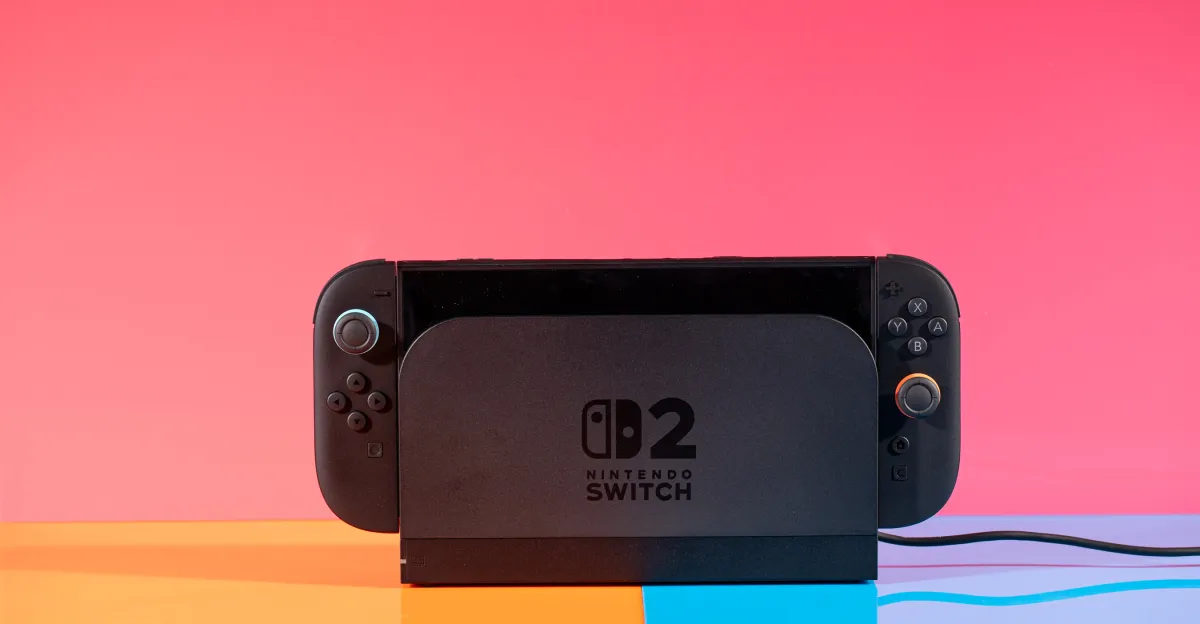
Nintendo blocks some third-party Switch 2 docks — the reason’s still a mystery

The recent firmware update 21.0.0 for Nintendo’s highly anticipated Switch 2 has sent ripples across the gaming and accessory markets, exemplifying how technological innovation often triggers disruption within proprietary ecosystems. While Nintendo aimed for minor improvements, the update unexpectedly compromised compatibility with popular third-party docks, spotlighting an ongoing battle between console manufacturers’ desire for control and third-party innovators’ push for open ecosystems. This move shifts the industry’s dynamics, prompting accessory companies to quickly recalibrate their strategies—a reflection of the relentless pace of innovation and the high stakes involved in maintaining relevance.

Initially, third-party accessory developers scrambled to reverse-engineer Nintendo’s proprietary handshake protocols, racing against the clock to keep their products functional. Early efforts involved:

  • Adjusting firmware commands
  • Modifying power delivery algorithms
  • Reengineering chips to bypass restrictions

Despite significant progress, the latest Nintendo update appears to have reconfigured the system’s handshake handshake validation, effectively “closing the door” on previous circumventions. This turn heralds a broader industry pattern where tech giants like Apple and now Nintendo are implementing tighter control measures—potentially signaling a move toward a more closed, locked-down ecosystem that limits third-party innovation. Whether Nintendo will follow the model of Apple’s MFi certification, allowing accessory developers sanctioned access through a standardized, fee-based program, remains to be seen. Such a move could catalyze a new wave of disruption, as legitimate players might leverage certification to ensure quality while safeguarding platform integrity, but it also risks stifling independent innovation.

This scenario exemplifies the ongoing tension between disruption and control—a dynamic examined closely by industry analysts and thought leaders across sectors. Experts from MIT and Gartner warn that, without a shift toward more open standards, manufacturers risk alienating the very communities that drive their ecosystems’ relevance. Yet, at the same time, business giants are realizing that protecting their ecosystems can reinforce brand loyalty and revenue streams. The implications are profound: third-party accessory markets, once thriving on flexibility and innovation, may face increased barriers, yet they remain critical to fostering technological innovation and consumer choice.

Looking into the future, the trajectory appears clear: we are entering a phase where control measures become more aggressive, but opportunities for strategic disruption also multiply for those willing to innovate within or around these constraints. Companies that can negotiate certification programs, or develop solutions that seamlessly integrate with proprietary systems, could secure a strategic advantage, turning restrictions into opportunities. As industry leaders like Elon Musk and Peter Thiel have argued, real innovation often emerges from disruption—not compliance. The challenge ahead for accessory makers and developers: adapt rapidly or risk obsolescence in a market that rewards agility and forward-thinking. Ultimately, the next wave of technological evolution will test the limits of control, opening a landscape fraught with both danger and opportunity—a future where those who act boldly will define the new frontier.”

Harvey’s Rise: How a Young Legal Clerk Disrupted Silicon Valley with a Top Startup

San Francisco’s Harvey: The Rising Tide of Legal AI Disruption

In an industry long seen as resistant to rapid transformation, Harvey, a legal technology startup based in San Francisco, is making waves with its revolutionary AI-driven legal solutions. The company’s valuation has experienced unparalleled growth, surging from $3 billion in February 2025 to an astonishing $8 billion by late October—reflecting not only investor confidence but also the profound industry impact of its innovation. As Harvey continues to attract major legal firms globally, its story highlights a new era where disruption and technological prowess are redefining legal workflows.

Founded by former lawyer Winston Weinberg, Harvey leverages advanced AI models to automate and enhance legal research, transactional work, and litigation support. The company’s secret sauce is its sophisticated platform, which combines innovations like multiplayer collaboration tools and complex data permissioning systems—an essential feature given the industry’s strict confidentiality and data residency laws. With more than 235 clients in 63 countries and over $100 million in annual recurring revenue, the startup is poised to reshape how legal services are delivered, a trend acknowledged by prominent analysts like Gartner, which predicts AI-driven solutions will soon handle a significant portion of routine legal tasks.

What sets Harvey apart from generic AI chat models like ChatGPT is its focus on building a dedicated, industry-specific platform that integrates deeply into the legal ecosystem. Weinberg emphasizes that their moat lies in their ability to evaluate law firm workflows continuously, collect extensive operational data, and develop multiplayer, outcome-oriented models. This approach not only offers a competitive advantage in accuracy and workflow integration but also establishes a disruptive force capable of challenging entrenched legal industry norms. The company’s move toward outcome-based pricing, and its focus on expanding services for large corporate clients and law firms, signals a strategic targeting of high-margin, complex legal work—an area ripe for innovation.

Industry insiders warn of the challenges ahead—particularly in navigating the delicate balance between technological adoption and legal ethics. As Weinberg notes, security and permissioning remain key hurdles in scaling these solutions globally, especially amidst diverse regulatory environments in regions like Germany and Australia. However, the future of legal AI is undeniable: with the industry still in its early innings, the integration of these technologies promises to accelerate legal training, streamline litigation processes, and potentially democratize access to justice. Equipping junior lawyers with AI-enhanced training tools could profoundly reshape legal education, but also raises questions about traditional apprenticeship models.

As Harvey plans to extend its capabilities further—aiming for broader adoption and higher degrees of automation—the broader legal landscape is set for a seismic shift. With major firms and corporate clients embracing AI solutions, the window is closing quickly for slower adopters. Industry leaders like Elon Musk and Peter Thiel have long emphasized the importance of innovation-led disruption, and Harvey’s trajectory embodies that ethos, transforming legal practice from a slow, document-heavy, and error-prone process into a high-speed, AI-powered domain. In the coming years, those who fail to adapt risk being left behind as the legal industry becomes a battleground for AI supremacy.

Insiders Spill: The Truth About the AI Race

AI Industry Faces Disruption and Innovation Boom Entering 2024

The recent Cerebral Valley conference in San Francisco, now in its third year, underscores a pivotal moment for the AI industry—marked by rapid innovation, strategic repositioning, and significant business implications. Industry insiders, analysts, and entrepreneurs are recalibrating expectations amidst a landscape driven by disruptive technology and fierce competition. Leading figures like OpenAI and Nvidia are projected to see tremendous growth, but the trajectory toward Artificial General Intelligence (AGI) remains clouded, hinting at a future where market dynamics and regulatory frameworks will shape technological progress as much as the models themselves.

By the end of 2026, OpenAI is anticipated to generate about $30 billion in annualized revenue, a testament to the soaring demand for AI-powered services across industries. Simultaneously, Nvidia is expected to reach a valuation of around $6 trillion, driven by its dominant position in AI hardware and software. These milestones illustrate both innovation dominance and disruption, accelerating the shift of AI from niche technology to a core business survival tool. However, emerging competition—such as China’s Qwen model and open-source Chinese AI initiatives—signals industry-wide regional power plays and global market reshuffling. This trend is especially notable considering Meta’s absence from the top Model Leaderboard, emphasizing a shift in industry leadership and strategic focus.

Venture capital and corporate strategy also reveal a landscape where reverse acquihires and talent wars dominate—evidence of the industry’s pursuit of accelerated innovation and competitive positioning. Firms like Meta, Google, and emerging AI startups are vying not just for market share, but for top-tier talent, often financed with what some insiders describe as “infinite money”. Notably, investors show growing preference for companies like Anthropic, OpenAI, and startups like Cursor and Anduril, which are paving the way for next-generation AI advancements. The strategic moves—such as deals with ScaleAI or investments in Mistral and Thinking Machines—highlight the race to dominate foundational models and deployment architectures. As experts like Peter Thiel emphasize, “Disruptive innovation in AI is reshaping the entire landscape—those who lead now will control future markets.”

Implications: Disruption and Preparing for the Future

The implications for business and technology leadership are profound. The industry appears to be moving toward a critical inflection point—where the pace of progress toward AGI, regulatory oversight, and regional leadership will determine who sets the standards for the next era of AI-enabled growth. Companies positioned with cutting-edge models and hardware—like Nvidia—are likely to enjoy exponential valuation growth, but the race is nowhere near over. The emergence of Chinese models like Qwen signals a more multipolar AI landscape, demanding strategic agility from Western tech giants and policymakers alike.

Looking ahead, disruption and innovation will continue to accelerate, demanding a sense of urgency among investors, entrepreneurs, and industry stakeholders. With the recent strategic shifts and a clear push toward consolidating talent and capital, the future of AI is poised for a period of unprecedented transformation—favoring those who harness breakthroughs quickly and navigate geopolitical complexities deftly. The next two years will be critical, as the industry approaches what could be the defining moments for AI’s role in society—making it imperative for players to stay ahead of the curve.

Blue Origin nails second try, lands New Glenn booster—proof of real progress

Blue Origin Achieves Milestone with Second-Stage Landing of New Glenn Rocket, Signaling Disruption in Space Launch Industry

In a remarkable display of technological innovation and launch system resilience, Jeff Bezos’ Blue Origin has successfully landed the booster of its New Glenn mega-rocket on a drone ship in the Atlantic Ocean, marking only its second-ever launch attempt. This achievement positions Blue Origin as a formidable competitor to SpaceX, which pioneered reusable rocket landing technology. Such a feat demonstrates the rapid advances in space transportation, fundamentally altering the commercial space landscape.

The October 12th flight from Launch Complex 36 in Cape Canaveral is a testament to Blue Origin’s commitment to innovation, as it illustrates their ability to develop reliable reusability at scale for heavy-lift vehicles — crucial for future payloads to the Moon, Mars, and beyond. The successful recovery of the 189-foot booster is significant not just as a milestone but as a disruptive breakthrough with potential to reduce costs and increase launch cadence across the industry. Meanwhile, the spacecraft payload, cargo for NASA consisting of twin spacecraft destined for Mars, underlines the capabilities of New Glenn as a platform for complex interplanetary missions—emphasizing its role in the emerging space economy.

Market Implications and Industry Disruption

While SpaceX led the charge in reusability, Blue Origin’s recent success is expected to accelerate the pace of industry-wide innovation. Experts from MIT and industry analysts like Gartner now see disruptive potential in heavy-lift reusable rockets, envisioning a future where multiple players provide competitive launch services with significant cost savings. The fact that Blue Origin’s booster successfully touched down after a previous failed attempt signals a clear shift in competitive dynamics, especially as new entrants and traditional players alike scramble to secure a foothold in this high-stakes market.

  • Potential for reduced launch costs, fostering new business models
  • Enhanced payload capacity for government and commercial missions
  • Accelerated development of lunar infrastructure and Mars exploration missions

Recent developments reinforce the idea that disruption is inevitable in space transportation. Companies now race toward sustainable and reusable platforms, with Blue Origin’s progress prompting increased investment and innovation. Elon Musk’s SpaceX has already set the bar high, but the latest success from Blue Origin indicates a broader industry shift towards more economical and reliable off-planet logistics. As Peter Thiel and other visionary investors note, the race for space dominance is entering a critical phase, with game-changing implications for global geopolitics and economic expansion.

Looking Ahead: The Future of Space Innovation

As the industry stands on the cusp of a new era, the urgency to innovate remains paramount. Reusability, payload flexibility, and cost-effective access to space are no longer aspirational goals but definitive markers of success. With Blue Origin’s recent advancements, stakeholders across government, academia, and private sectors must prepare for a future characterized by rapid technological evolution and unprecedented disruption. The upcoming years will be pivotal, as these emerging players push boundaries, challenge traditional monopolies, and unlock new economic opportunities beyond Earth’s orbit. Investors, policymakers, and entrepreneurs should heed the evolving landscape—with the clock ticking, tomorrow’s space economy is shaping today.

Social Media Auto Publish Powered By : XYZScripts.com