Matox News

Truth Over Trends, always!

Discord’s Family Center update empowers parents to keep tabs on weekly spending—gear up for safer, smarter gaming!

Discord Unveils Next-Generation Parental Monitoring Tools, Signaling Industry Disruption

In a move that underscores the increasing importance of youth safety in digital spaces, Discord has rolled out a suite of substantial updates to its Family Center platform. These enhancements, aimed primarily at empowering guardians with deeper insights into their teens’ activity, embody the broader trend of tech giants intensifying parental oversight. At a time when social platforms face mounting scrutiny over youth privacy, Discord’s latest features position it as a disruptive force, potentially reshaping parental engagement across social media.

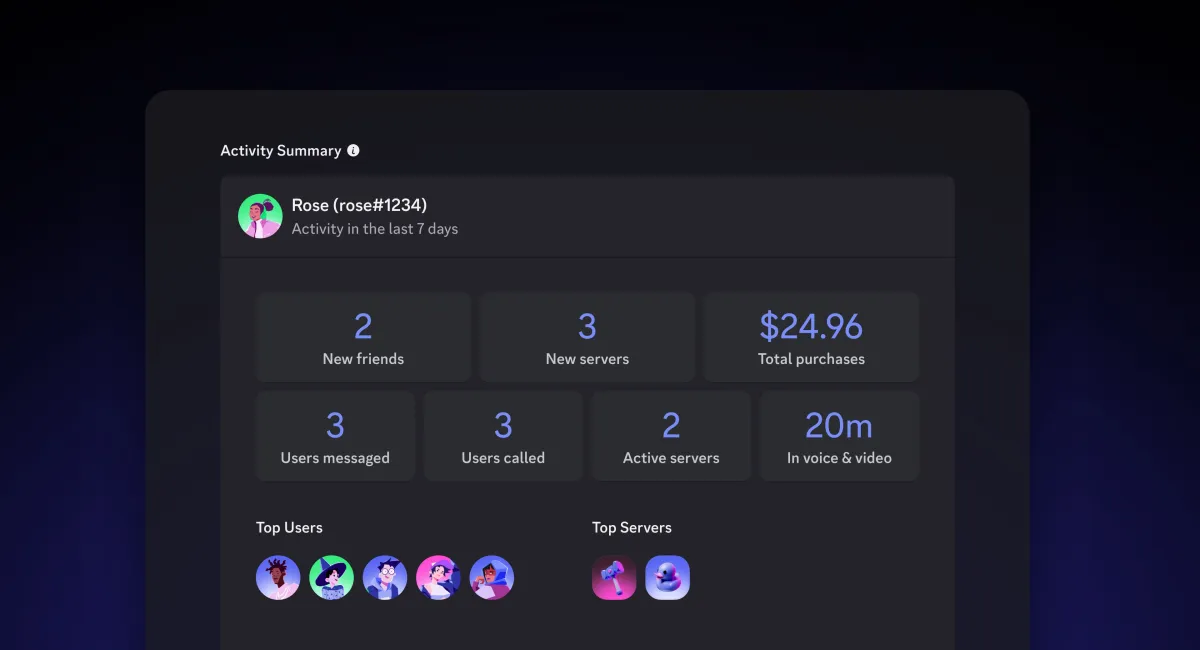
Among the most notable innovations is the expansion of guardians’ visibility into their teens’ digital behavior, including detailed reports on purchases, interaction patterns, and communication activity. Guardians can now track weekly expenditure within Discord’s Shop and Nitro subscriptions, gaining awareness of how teens allocate both time and money. Additionally, along with showing top interacted users and servers, Discord’s platform provides comprehensive insights into time spent on voice and video calls, reflecting an industry-wide response to the ‘teen safety’ wave fostered by competitors like Meta and Snapchat. The implications for business disruption are significant, as platforms move from passive monitoring to active engagement, potentially increasing user retention through safer environments, while simultaneously appealing to parental authority as a core feature.

Adding to this paradigm shift are enhanced parental controls, which now include restrictions on direct messaging, content filtering, and data privacy management. Guardians can dictate how their teens interact within Discord, a regime that echoes the industry’s strategic emphasis on responsible data practices and privacy. Experts from MIT and industry analysts from Gartner recognize that such features could usher in a new era of product differentiation—a crucial factor for platforms seeking to sustain relevance among younger demographics aware of privacy concerns. Meanwhile, Discord’s flexible reporting options—allowing teens to notify guardians of content reports—highlight an evolving model where transparency and communication become central to platform trustworthiness.

However, the deployment of these tools raises critical questions about industry standards and regulatory impacts. While fostering safer environments, increased oversight may prompt competitors to accelerate innovation, leading to a disruption in the social media landscape. With the backdrop of a sharply competitive market, where Elon Musk’s \href{https://parents.snapchat.com/safeguards-for-teens}{Snapchat} and Meta’s \href{https://techcrunch.com/2024/01/25/meta-teen-controls/}{tighter restrictions} are already reshaping youth interaction, Discord’s strategic move could accelerate the trend toward privacy-first, guardian-centric social spaces.

Future Outlook: Navigating the Next Wave of Social Tech

Looking ahead, the technology sector must brace for a rapid evolution in how digital platforms balance disruption and responsibility. As industry leaders like Gartner forecast an inevitable convergence of youth-centric design and privacy safeguards, Discord’s initiatives serve as a blueprint for the future of social media. In this high-stakes environment, the race is on to develop platforms that not only captivate younger audiences but also foster trust and security—critical ingredients for long-term business sustainability. With regulatory pressures mounting and consumer expectations shifting, developers and investors must act swiftly to secure a competitive edge, or risk being left behind in the digital revolution.

Apple’s sleek M4 MacBook Air hits new lows just in time for Black Friday

Apple’s M4-Powered MacBook Air Sets New Benchmark for Portable Computing

The recent rollout of the 13-inch and 15-inch MacBook Air models featuring Apple’s cutting-edge M4 chip signifies a seismic shift in the portable computing landscape. As the industry witnesses a swell of disruption and innovation, Apple’s latest offerings—available at unprecedented discounts ahead of Black Friday—highlight its strategic focus on delivering maximum performance in ultra-slim form factors. With the base 13-inch model now retailing for just $749.99—$250 off at Amazon—Apple is not only increasing accessibility but also challenging entrenched notions of premium hardware pricing.

At the core of this tech renaissance is the Apple M4 chip, which has quickly become a critical enabler of faster performance, enhanced battery life, and seamless integration with macOS 26. Gartner analysts note that the M4’s architecture signifies a paradigm shift, promising to disrupt traditional PC segments and accelerate Apple’s market dominance. The MacBook Air now features

  • Double the RAM at 16GB
  • Expanded webcam capabilities with a 12-megapixel Center Stage camera
  • Thunderbolt 4 ports upgrade

. These enhancements reinforce Apple’s strategic move to deliver higher-value experiences, placing the new MacBook Air well ahead of competitors in the ultralight category.

The implications extend beyond Apple’s product line. Industry watchers forecast a ripple effect, with other OEMs racing to adopt advanced ARM-based architectures inspired by Apple’s disruptive approach. MIT’s computer science faculty emphasize that such shifts point towards a future where integrated, efficient, and AI-optimized chips define the standard for next-generation laptops. This aligns with broader trends where software and hardware integration become pivotal for business agility, mobility, and innovation.

For businesses and consumers alike, this evolution signals a decisive move towards ultra-portable devices that do not compromise on performance. The 15-inch variant, with a superior six-speaker system and larger display, underscores Apple’s ambitions to tap into the professional segment without sacrificing portability. Meanwhile, the industry as a whole faces a decisive question: who will lead the next wave of disruption? As Elon Musk and Peter Thiel warn of a tech arms race driven by AI and hardware innovation, such advancements could reshape entire markets within the next few years—a race that tech pioneers must engage in decisively.

In conclusion, Apple’s latest MacBook Air models exemplify how innovation and disruption drive business strategies in the technology sector. With the combined power of the M4 chip and strategic pricing falls, Apple is reaffirming its leadership in shaping the future of portable computing. For industry stakeholders, the message is clear: timing is critical to stay ahead of the curve. The coming months will be pivotal as competitors scramble to respond, and early adopters profit from the cutting-edge capabilities that define tomorrow’s standards in portable hardware. The race to dominate the AI-integrated, ultra-light device market is intensifying—making now the critical moment for strategic investment and innovation-led growth.

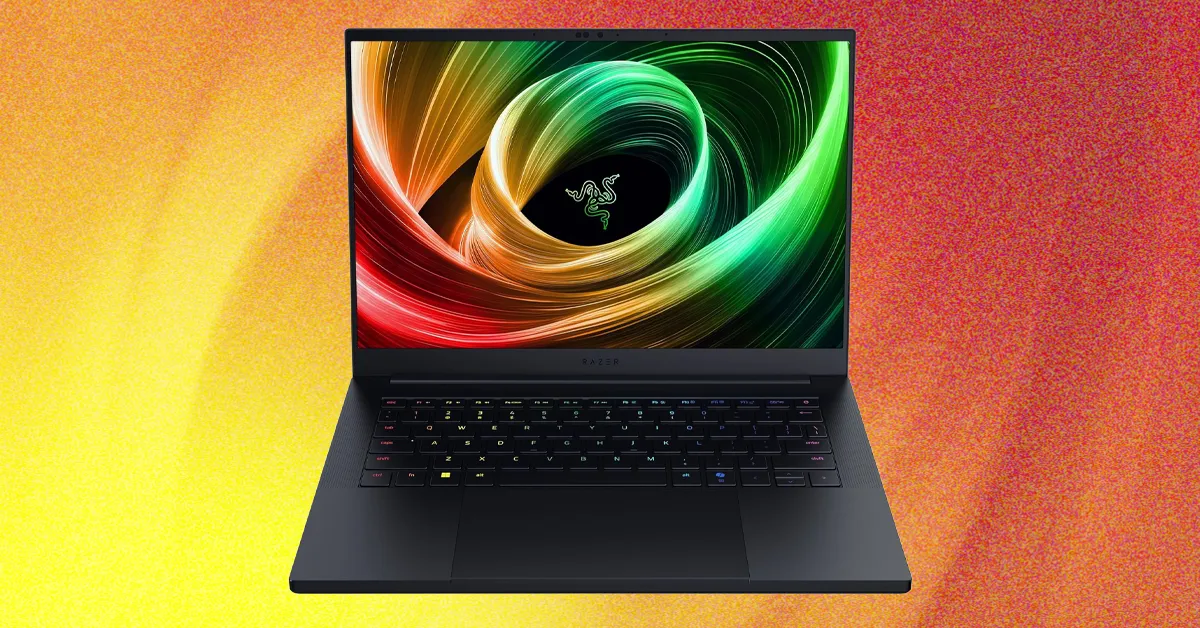
Razer Blade 14: Still the Top Compact Gaming Machine for the Next Generation

Razer Sets the Stage for Gaming Laptop Disruption with Next-Gen Hardware

In a move that underscores the relentless push for innovation in gaming hardware, Razer has unveiled its latest gaming laptop configuration, harnessing the raw power of the AMD Ryzen AI 9 365 processor paired with the cutting-edge Nvidia RTX 50-series graphics cards. Starting with a foundational 1 TB of storage, users can choose between the RTX 5060 and 5070, two GPUs emblematic of Nvidia’s ongoing disruption in graphics processing technology. The new models reflect a strategic focus on performance optimization and user configurability, with Razer enforcing storage and memory upgrades based on their GPU selection—marking a shift that emphasizes tailored computing experiences in the gaming industry.

Performance Benchmarks Illuminate Industry Shifts

Initial reviews suggest that the Razer Blade 14 offers performance aligned with current expectations for high-end gaming laptops. Testing at a native resolution 2560 x 1600 strikes a balance between visual sharpness and smooth gameplay, though many gamers will prefer 1920 x 1200 for superior frame rates. Notably, the RTX 5070 performs approximately 14% faster than the previous RTX 5060 in comparable models, such as Lenovo’s Legion 7i Gen 10, signaling a step forward in GPU efficiency and power density.

Critically, the performance benchmarks were conducted without leveraging Nvidia’s advanced upscaling—such as frame generation or ray tracing—which means these numbers underrepresent the full potential of the hardware. By employing Nvidia’s DLSS technology, gamers can sustain higher frame rates without compromising visual quality, underscoring the industry’s shift toward AI-driven rendering advancements that challenge existing paradigms.

Business Implications and Industry Disruption

This latest release highlights how companies like Razer continue to disrupt traditional gaming laptop markets by integrating performance-centric innovations with modular, configurable platforms. The industry is witnessing a shift towards more user-customizable hardware, driven by consumer demand for mobility, power, and flexibility—all while maintaining competitive edge against competitors like ASUS, MSI, and Alienware.

Strategic differentiation lies in the advanced GPU offerings and their integration with AI-based features. As noted by industry analysts from Gartner and MIT, AI acceleration in graphics and workload processing will soon become standard, forcing incumbents to innovate swiftly. For instance, the RTX 5070 and upcoming RTX 5070 Ti models with increased VRAM will further challenge existing high-performance segments, especially as the demand for portable yet powerful machines grows exponentially.

Future Outlook: Innovation as a Business Mandate

The gaming hardware industry is on the precipice of significant transformation. Traditional perceived limitations—such as power consumption and thermal management—are being addressed through disruptive innovations in cooling systems, AI-optimized rendering, and component miniaturization. With giants like Elon Musk and investors like Peter Thiel emphasizing disruption and breakthrough tech, the race to dominate the next wave of AI-infused, ultra-portable gaming platforms intensifies.

In this environment, businesses that prioritize innovation, agility, and user-centric customization will lead the future of gaming hardware. As Razer’s latest models demonstrate, this is not merely about incremental upgrades but about redefining performance benchmarks and industry standards. The next few years promise to be a battlefield where disruption is the new norm, and those who fail to adapt risk being left behind in a rapidly evolving technological landscape.

NVIDIA, Qualcomm Team Up with US & Indian VCs to Power India’s Next Deep Tech Wave

India’s Deep Tech Ecosystem Gets a Major Boost with US-India Coalition

In a significant move toward disruption of traditional markets and the acceleration of technological sovereignty, major players like NVIDIA and Qualcomm Ventures have joined forces with leading Indian venture firms to bolster India’s deep tech startup scene. Launching in September with over $1 billion in commitments, this coalition signifies a strategic pivot aimed at fostering innovation in areas such as satellite technology, semiconductor design, and quantum computing. Known for transforming industries through breakthroughs like AI accelerators and advanced chipsets, NVIDIA’s involvement as a strategic advisor—without direct funding—underscore the increasing importance of technical mentorship and ecosystem validation.

Indian startups have already demonstrated remarkable growth, boasting over 180,000 enterprises and more than 120 unicorns, yet a gap persists in capital dedicated to *fundamental infrastructure-scale innovations*. These ventures require long-term investments, often facing reluctance from risk-averse venture capitalists favoring proven, lower-risk models. This market gap is crucial for future global leadership and technological sovereignty, especially as major economies race to dominate core sectors such as biotech, space tech, and AI. The latest alliance, led by the India Deep Tech Alliance (IDTA), aims to fill this void by integrating capital, mentorship, and access to networks for startups involved in these high-impact domains.

Strategic Partnerships and Policy Acceleration

  • Participation from top U.S. and Indian investors, including Accel, Blume Ventures, and YourNest Venture Capital.
  • NVIDIA’s contribution as a technical guide will facilitate best practices in AI and accelerated computing deployment.
  • Qualcomm Ventures extends beyond funding to help startups leverage their internal expertise and network, emphasizing business disruption at the infrastructure level.
  • The Indian government’s recent ₹1 trillion (approximately $12 billion) Research, Development, and Innovation (RDI) scheme aims to empower long-term projects in key sectors like space, quantum, and biotechnology, positioning India as a burgeoning epicenter of deep tech innovation.

Experts such as Elon Musk and Peter Thiel have long emphasized the importance of building an ecosystem capable of sustaining disruptive innovation. The coalition’s strategy aligns with this vision, recognizing that *role models and substantial investment* are necessary to propel India into a new era of high-tech manufacturing and innovation. The alliance’s collaborative policy efforts could catalyze India’s emergence as a global hub for frontier technology, challenging incumbents in Silicon Valley and Shenzhen.

Implications for the Global Tech Landscape

While India’s deep-tech funding rose 78% year-over-year to $1.6 billion in 2024, disparities with mature markets remain stark. The new coalition and India’s proactive government initiatives could serve as catalysts to bridge that gap, drawing increased global capital and corporate interest. As MIT researchers note, ecosystems built on a foundation of strategic mentorship and long-term vision tend to produce market-changing companies within a decade. The current momentum indicates a potential surge in Indian-based, science- and tech-heavy firms that will become mainstays on global exchanges.

This shift signals a time-sensitive race for technological leadership; companies and nations that act decisively now will shape the future of innovation and economic power. With the participation of industry giants like NVIDIA and Qualcomm, combined with supportive government policies, India is poised to become a dominant player in the emerging frontier sectors. Tech entrepreneurs and investors alike must recognize that **the next wave of industry disruption is already under way**, and strategic engagement today will determine who leads tomorrow.

Teachers Face Threats After MAGA Claims Over Halloween Costumes Mocking Charlie Kirk

Disruptive Social Media Campaign Ushers in New Challenges for Educational Privacy and Political Discourse

In a stark illustration of the rapid evolution of information warfare, a recent incident involving a high school in Arizona underscores the profound business implications and societal disruption driven by social media’s power to amplify misinformation. The controversy originated when Turning Point USA (TPUSA) spokesperson Charlie Kirk was falsely associated with an innocent Halloween costume worn by teachers, sparking viral outrage. The incident exemplifies how disruptive platforms like X (formerly Twitter) have become conduits for rapid-spread misinformation that can threaten personal safety and reputation on an unprecedented scale.

The incident reveals a pivotal challenge confronting educators and businesses: the ability of malicious actors to weaponize social media for mass psychological operations that threaten privacy, safety, and trust. In this case, an image of teachers in bloodied T-shirts was wrongly interpreted, leading to doxxing, targeted online harassment, and even death threats—an unsettling reminder that the digital landscape’s regulatory and ethical frameworks are lagging far behind technological capabilities. The impact extends beyond individual rights, striking at the core of institutional stability and public confidence in grassroots institutions like education systems.

The incident also signals a burgeoning market for advanced content verification technologies, with industry leaders like Gartner emphasizing that the future of digital trust hinges on automated fact-checking and AI-enabled content moderation. These solutions are critical for preventing similar disruptions at scale, as disinformation campaigns grow more sophisticated. For instance, AI-based image analysis and network tracing mechanics could be employed to preempt false narratives, but such innovations require significant investment and legal safeguards, given the privacy concerns involved.

  • Emerging tools are capable of identifying manipulated images and videos quickly
  • Automated alerts can notify stakeholders of potential misinformation spikes
  • Legal and ethical frameworks remain underdeveloped, risking misuse or overreach

Furthermore, the incident underscores the necessity for businesses, educational institutions, and policymakers to reevaluate their engagement with social media. The disruption also presents an opportunity: those who develop and implement cutting-edge verification and safety technologies could become essential partners in safeguarding digital spaces. Pioneering entities like MIT’s Media Lab are exploring such solutions, recognizing that true innovation in this realm is crucial for maintaining integrity in digital communication. As these technologies mature, they could serve as the foundation for a new era where truth prevails over misinformation, transforming the social media landscape into a more resilient, trustworthy environment.

Looking ahead, this incident serves as a clarion call for all stakeholders to urgently invest in disruption-resistant technology and foster a culture of digital responsibility. Rapid technological advancements—ranging from blockchain-based verification systems to AI-driven content analysis—are poised to redefine how truth is maintained in an age overwhelmed by data. The coming decade is critical: failing to adapt could mean allowing malicious actors to shape perceptions, destabilize institutions, and influence societal outcomes. As Elon Musk and Peter Thiel have often emphasized, the future belongs to those pioneering disruptive, innovative solutions that can turn the tide against digital chaos and misinformation. Strategic foresight and swift technological deployment will determine who leads this new digital frontier—those who act now will shape the foundations of a more secure, transparent digital world.

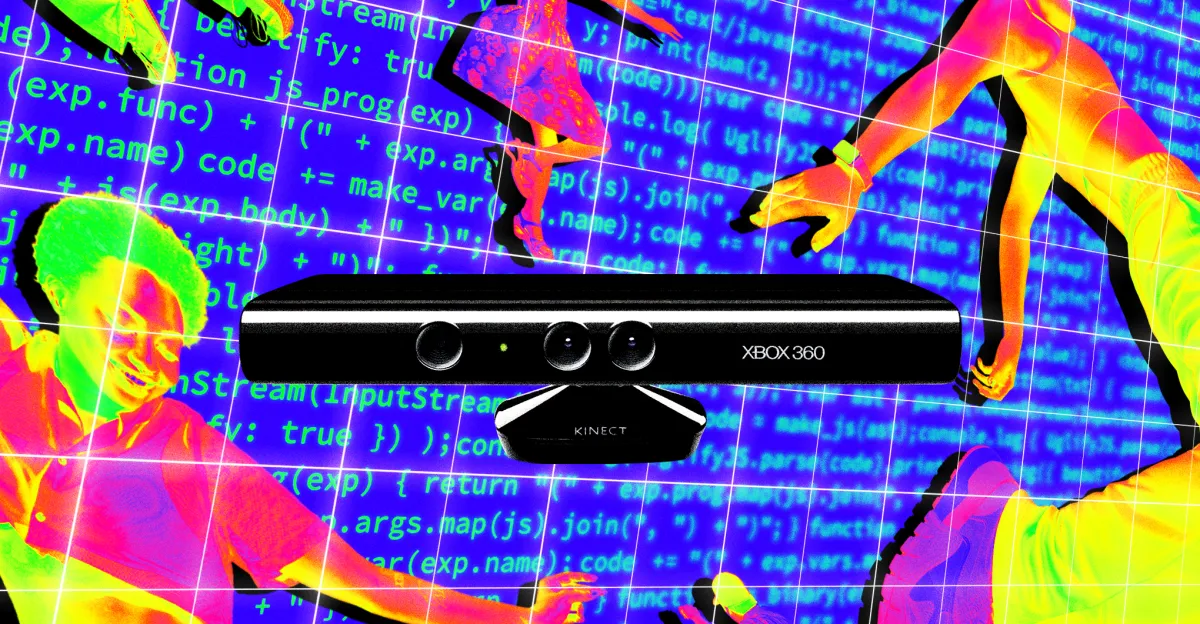
Hackers Break Free the Kinect: A Win for Gamers and Innovation

Revolution in Tech: How Open Source and Innovation Disrupt Legacy Systems

Over the past decade, the trajectory of innovative technologies has demonstrated a recurring pattern: initial failure often leads to profound disruption. The Microsoft Kinect, launched in 2010 as a flagship motion-sensing gaming device, exemplifies this trend. While its consumer application—evoking immersive gameplay—failed to meet expectations, its underlying technological foundation became a blueprint for a broad spectrum of disruptive innovations that transcended entertainment.

Today, the Kinect’s infrared depth sensing and gesture recognition capabilities are being leveraged in robotics, medical imaging, and AI-driven applications. The open-source community—notably spearheaded by hackers and developers like Kyle Machulis and Memo Akten—reclaimed this technology from corporate lock-in, transforming it into a versatile tool for democratized experimentation. Their clandestine work with open source drivers revealed that cost-effective access to sophisticated hardware could catalyze accelerated R&D and democratize innovation on a global scale.

Open Source: The Catalyst for Disruption and Business Transformation

The community-driven effort to reverse engineer Kinect was driven less by profit and more by a desire to break barriers. In 2010, the OpenKinect project emerged, igniting a wave of experimentation that showcased how accessible hardware could revolutionize various sectors. Beyond gaming, Kinect-inspired devices now facilitate real-time obstacle detection for autonomous robots, enable contactless surgical scans in healthcare, and serve as powerful tools for educational and artistic endeavors.

  • Lowered barriers for entry into advanced tech spaces
  • Enabled rapid prototyping and open innovation ecosystems
  • Birthed new markets for perception and interaction hardware

Furthermore, the business implications of this disruption are profound. Tech giants like Apple incorporated Kinect’s core sensors into their consumer devices, especially for facial recognition and 3D mapping, solidifying their place in next-generation device ecosystems. Meanwhile, consumer-level access to open-source hardware continues to foster a new breed of startups that challenge traditional R&D models, hinting at a future where corporate innovation will increasingly depend on community-driven advancements.

Future Horizons: Artificial Intelligence Paving the Way for New Disruptions

As the open-source community continues to democratize access to hardware like Kinect, the next frontier appears to be in artificial intelligence. Experts such as Peter Thiel and institutions like MIT predict that AI will serve as the principal driver behind the next wave of disruptive breakthroughs. What began as a punk-rock, hacker-driven movement for open hardware is now evolving into a full-blown AI renaissance: models are becoming more accessible, open data is proliferating, and entrepreneurial ventures are capitalizing on this trend.

However, this new era poses significant challenges and warnings. A growing concentration of AI development within corporate giants could threaten the open innovation spirit that fueled Kinect’s revolution. The risk isn’t just technological stagnation; it’s the potential for a monopolization of future technological breakthroughs, stifling the entrepreneurial spirit that historically pushed the boundaries of what’s possible. Enthusiasts like Elon Musk and Peter Thiel advocate for safeguarding open ecosystems—reminding us that the future of technology depends on the community’s ability to innovate ahead of the curve.

Ultimately, the parallels between the Kinect revolution and the burgeoning AI ecosystem underscore a key reality: innovation is best nurtured outside the corridors of corporate control. As open communities push forward, rapidly iterating and sharing knowledge, they threaten to reset the paradigm of technological progress—making it more accessible, more disruptive, and more aligned with the values of youthful explorers eager to shape the future. The clock is ticking; those who embrace this spirit now will define the next era of technological supremacy.

Really? Folks are still jumping on Facebook Dating?

Facebook Dating Gains Traction Amid Industry Disruption and Shifting Consumer Preferences

In an era where disruption is reshaping the online dating landscape, Facebook Dating is carving out a significant niche within one of the world’s largest social platforms. Unlike standalone apps like Tinder or Bumble, Facebook integrates its dating feature directly into its core app, positioning it prominently within the native interface. This strategic move not only enhances user engagement but also exemplifies the broader shift towards integrated social experiences that cater to increasingly segmented and skeptical young audiences.

Data from Sensor Tower indicates that Facebook Dating is steadily gaining traction among the 18-29 demographic, with 1.77 million U.S. users in this age group—an impressive figure considering the entrenched dominance of traditional dating apps. Although still trailing industry leaders like Tinder with 7.3 million active users across all age groups, Facebook’s positioning as a free, data-driven platform offers a disruptive alternative that appeals to users tired of the subscription or premium models prevalent elsewhere.

The platform’s strategic integration capitalizes on core competencies—leveraging Facebook’s massive user base and advanced data collection capabilities. Mark Zuckerberg’s company openly acknowledges the challenge of retaining Gen Z and younger Millennials, yet recent statistics reveal a notable 24% increase in daily conversations within the 18-29 segment on Facebook Dating. This suggests that, beyond mere adoption, Facebook is fostering deeper engagement through its ecosystem—a fundamental shift in how social and dating platforms might sustain user interest over time.

From an innovation standpoint, Facebook’s move signifies a broader trend: the convergence of social media, data analytics, and dating. Rather than relying exclusively on location-based swipes, platform analytics and AI-driven algorithms are likely enhancing match quality, disrupting traditional dating app models that rely heavily on paid memberships and superficial profiles. This effectively turns Facebook into a digital ecosystem where disruption, innovation, and monetization are intricately linked. As Facebook and other tech giants intensify their efforts, industry analysts like Gartner suggest that future success will hinge on the ability to seamlessly integrate these features without alienating users—a delicate balance that could redefine digital socialization.

The implications extend beyond consumer adoption, impacting the business models and competitive dynamics of the entire dating industry. As the market adapts, smaller startups will need to innovate quickly or pivot to niche segments, while larger players face the challenge of evolving their platforms to match or surpass Facebook’s integrated approach. Forward-looking industry observers warn that this could herald the beginning of a new era, where social networks become all-encompassing platforms for connection—digitally and, eventually, in real life. With the next TechCrunch event scheduled for October 2026 in San Francisco, the industry stands at a pivotal crossroads that demands agility, innovation, and strategic vision—traits that could determine the winners in the ongoing race for digital dominance.

DOJ: U.S. ransomware negotiators allegedly behind their own attacks—big questions for the industry

Rogue Employees Disrupt Cybersecurity Industry with Alleged Ransomware Attacks

Recent indictments by U.S. prosecutors have exposed a disturbing trend impacting the cybersecurity landscape: inside jobs turning rogue employees into threats rather than safeguards. Kevin Tyler Martin, an alleged former employee of DigitalMint, along with an unnamed colleague and ex-Sygnia incident response manager Ryan Clifford Goldberg, are accused of orchestrating sophisticated ransomware attacks against multiple U.S. companies. These developments underscore a critical need to reevaluate internal security protocols across the sector, emphasizing that even trusted personnel can become vectors for disruptive cyber threats. The indictment, first reported by The Chicago Sun-Times, highlights that cybersecurity firms aren’t immune from becoming unwitting accomplices in cybercrime.

What makes this scandal particularly disruptive is the involvement of the notorious ALPHV/BlackCat ransomware-as-a-service gang. Operating under a highly scalable, affiliate-driven model, the gang develops the malware that encrypts victims’ data, while its internal paramilitary units—the rogue employees—execute attacks on target companies. This division of labor democratizes cyberattack infrastructure and is reminiscent of how tech giants like Microsoft or Google have revolutionized software delivery—except in this case, the disruption is malicious. The scheme’s sophistication illustrates a broader trend where illicit groups leverage the same platforms and techniques used by legitimate tech firms, blurring the lines between innovation and criminal enterprise. According to an FBI affidavit, the rogue employees received more than $1.2 million in ransom payments from a Florida medical device manufacturer alone, suggesting lucrative possibilities for insider threats in the lucrative ransomware economy.

The business implications are profound. As cybercriminal business models become increasingly decentralized and affiliate-driven, the potential for disruptive disruptions increases exponentially. Cybersecurity companies like Sygnia and DigitalMint face mounting internal security challenges, with insiders potentially wielding significant damage. Sygnia CEO Guy Segal confirmed Goldberg’s termination after learning of his alleged involvement, signaling that the industry is beginning to take internal threats seriously—yet, many experts warn that traditional defenses are insufficient. Cybersecurity analyst firms such as Gartner emphasize the need for continuous behavioral monitoring and zero-trust architectures to combat insider threats effectively. Moreover, the fact that these rogue employees did not just steal data but actively executed the ransomware underscores an urgent shift toward inside-out disruption, transforming employees into attack vectors.

Looking ahead, the incident signals that the pace of innovation in cyber defense must accelerate to counter equally innovative threats from within. The rise of ransomware-as-a-service platforms |\has created a marketplace for malicious actors, akin to Silicon Valley’s bustling startup ecosystem but driven by crime. Tech leaders and policymakers must now focus on disrupting the cybercrime supply chain from both ends—strengthening internal security and dismantling illicit networks. Failure to do so risks an increasingly unstable cybersecurity environment where insider threats could cripple critical infrastructure and erode public trust in digital transformation. As MIT cybersecurity experts warn, we stand at a crossroads where only proactive, disruptive measures will prevent malicious insiders from becoming the next catastrophic security breach. The future of cybersecurity hinges on our capacity to innovate faster than the adversaries and shield the backbone of our digital economy before disruptive threats morph into systemic crises.

Chicago Biz Guide 2025: What Young Professionals Need to Know

Chicago’s Tech Scene: Innovation, Disruption & Business Opportunities

The Windy City, long revered for its cultural and economic vibrancy, is cementing its position as a formidable hub for technological innovation and industry disruption. This shift is driven by a new wave of startups, established giants investing heavily, and forward-thinking institutions like MIT emphasizing practical applications that reshape traditional markets. As global tech giants and local startups converge, Chicago is transforming from a traditional industrial city into a dynamic playground for digital revolution, especially impacting sectors such as fintech, AI, and urban mobility.

Major companies such as Google and Microsoft are expanding their presence in Chicago, leveraging the city’s rich talent pool and strategic location. Meanwhile, emerging players, fueled by innovative startups and venture capital flow, are disrupting legacy industries with AI-driven solutions, autonomous vehicle projects, and scalable fintech platforms. Industry analysts, including Gartner and Boston Dynamics, highlight Chicago’s growing reputation for disruptive innovation within urban infrastructure and enterprise SaaS. The integration of smart city technologies, such as IoT-enabled transportation systems, is poised to redefine urban planning and citizen engagement—aligning perfectly with the city’s commitment to cutting-edge development.

Additionally, Chicago’s flexible co-working spaces, like Art/Work Coworking and Deskpass, exemplify the evolving ecosystem that empowers developers, entrepreneurs, and remote-first teams. These hubs promote a culture of agility and innovation necessary to stay ahead amid rapid market shifts, offering amenities such as fast Wi-Fi, modular meeting rooms, rooftop terraces, and creative labs. Such environments challenge conventional corporate office models, fostering a new business paradigm of decentralization and mobility. This trend underscores the industry’s recognition that adaptive workspaces are foundational to sustained innovation in the post-pandemic era.

  • Emerging tech sectors in Chicago include AI, fintech, and smart city ecosystems.
  • Global giants are expanding local investments, highlighting the city’s strategic importance.
  • Innovative coworking spaces are shaping the future of remote and hybrid work models.
  • City infrastructure is being transformed through IoT and urban mobility projects, attracting investment.

In this climate of relentless disruption, industry leaders like Elon Musk and Peter Thiel underscore the imperative for entrepreneurs and corporations to prioritize innovation and agility. The future of Chicago’s tech economy hinges on its capacity to build infrastructure that supports not only business growth but also societal progress. With China and Silicon Valley racing ahead in key domains, Chicago’s rise signals a pivotal moment—an urgent call for stakeholders to leverage emerging technologies, attract top talent, and sustain competitive advantage. The city’s trajectory suggests that those who invest early in this ecosystem will shape the next generation of urban living, work, and commerce, ultimately dictating the pace of global technological evolution.

As industry watchers anticipate further breakthroughs, the stakes couldn’t be higher. Chicago’s strategic investments in innovation infrastructure and comprehensive tech initiatives are setting a blueprint for others worldwide. With disruptive forces accelerating and market incentives amplifying, the window for bold action is now. For entrepreneurs, investors, and policymakers, ignoring this emerging wave could mean falling behind in an era where disruption is the new status quo. The future of urban innovation is unfolding in real time—those who move swiftly will lead the charge into a smarter, more connected tomorrow.

Kevin Rose’s bold AI hardware test: Would you want to punch someone wearing it?

Venture Capital Veteran Warns of AI Hardware Bubble While Emphasizing Opportunities for Innovation

In a candid address at the recent TechCrunch Disrupt event in San Francisco, Rose, a seasoned general partner at True Ventures, underscored both the risks and the enormous potential of artificial intelligence (AI) as a disruptive force across industries. While Silicon Valley players rush headlong into the AI hardware gold rush—funding smart glasses, AI pendants, and wearable tech—Rose warns that many startups are repeating familiar mistakes, with some chasing after fleeting trends rather than genuine innovation. His message centers on understanding the profound business implications of AI advancements and how they could reshape the venture capital landscape.

Despite skepticism about current AI hardware startups, Rose remains deeply optimistic about AI’s capacity to transform entrepreneurship itself. He highlighted how Google’s Gemini 3 is expected to introduce error-free AI coding, dramatically lowering barriers for emerging entrepreneurs. According to Rose, this evolution will lead to a new generation of vibe coding classes—informal, creative environments where high school students and startups alike can rapidly prototype and launch billion-dollar businesses. The rapid development of AI coding tools signifies a watershed moment, one that could make traditional VC funding less critical, as entrepreneurs become more self-reliant and resourceful.

As AI technology reduces technical barriers, the VC model itself faces transformation. Rose advocates for a shift away from firms aggressively hiring armies of engineers towards cultivating VCs with higher emotional intelligence. He argues that emotional support and long-term partnership are increasingly vital, especially as entrepreneurs grapple with complex challenges beyond technical hurdles. This perspective is echoed by industry analysts from institutions like Gartner, who stress that the most successful investors will be those capable of guiding startups through emotional and strategic issues—distilling the essence of disruption not just in products, but in the venture ecosystem itself.

Looking toward the future, Rose advocates for a bold, unconventional approach to investing—favoring founders with a disregard for the impossible and a willingness to pursue audacious ideas that others dismiss as impractical. Inspired by advice from Larry Page, he emphasizes backing entrepreneurs willing to challenge the status quo, knowing that even failures foster innovation. This mindset underscores a broader industry shift: as AI continues to evolve rapidly, the most disruptive breakthroughs are likely to come from bold visions that defy skepticism. The race to harness AI’s full potential is heating up, and investors who can navigate its emotional and technical complexities will be the real winners.

In conclusion, the next decade promises a seismic shift in technological innovation driven by AI. Companies both big and small that recognize its disruptive power and align their strategies around bold, emotionally intelligent leadership will gain a decisive edge. The stakes are high—those who innovate ahead of the curve will shape the future of commerce, technology, and society itself. As Rose aptly states, embracing a disregard for the impossible could be the key to unlocking unprecedented opportunities in the very near future.

Social Media Auto Publish Powered By : XYZScripts.com