Matox News

Truth Over Trends, always!

Top 232 Prime Day Deals You Can’t Miss Before Midnight

Tech Industry Faces Disruption Amid Prime Day Market Shifts

The recent culmination of Amazon’s October Prime Day exemplifies a broader trend of disruption within the consumer tech market, signaling shifts that could reshape the landscape for both established giants and innovative startups. While consumers enjoyed lucrative deals on everything from headphones to smartwatches, industry analysts point to a more profound implication: the acceleration of market consolidation, technological innovation, and heightened competition.

This annual event underscores how major players like Amazon leverage massive sales events to reinforce their dominance in the digital marketplace. However, industry insiders and tech skeptics, including experts from MIT and analysts at Gartner, warn that such waves of consumer engagement are merely a prelude to a disruption-driven era. The focus now is on innovations redefining core sectors, such as AI-powered gadgets, smart home devices, and next-generation entertainment systems. Companies that previously relied solely on traditional hardware are now rushing to adopt cutting-edge technologies like AI, machine learning, and IoT to maintain relevance and capture new markets.

Impactful shifts are taking place across different product segments. For instance, the surge in smartwear—including wearable fitness trackers and smartwatches—illustrates how health-conscious consumers are demanding “more intelligent” devices, pushing companies to innovate rapidly. Likewise, the booming soundbar and Bluetooth speaker markets reveal a race to integrate voice assistants, leading to an ecosystem where hardware must seamlessly connect to the cloud, a move that could alter business models and revenue streams. This relentless pursuit of disruption has prompted industry leaders like Elon Musk’s Tesla and Peter Thiel-backed startups to reimagine their roles within this evolving ecosystem, emphasizing disruptive innovation over incremental improvements.

The integration of AI, robotics, and cloud computing into consumer devices signals a fundamental shift in industry power dynamics and competitive strategies. The emphasis on disruptive innovation is not confined to hardware alone; emerging platforms are transforming the way consumers access and interact with digital content, fostering a fertile environment for business model reimagination and market upheaval. As Gartner’s recent reports suggest, the companies poised for long-term growth are those that prioritize agility, leverage AI-driven insights, and rapidly iterate products to meet rapidly shifting consumer preferences. The speed at which these technology waves are cresting demands urgent adaptation for established players who risk being left behind.

Looking ahead, the future of consumer technology hinges on innovation and strategic disruption. The current trends indicate an era where traditional market boundaries will become increasingly blurred, mobilized by technologies that disrupt, redefine, and democratize access. The urgency for companies, investors, and entrepreneurs is clear: those who fail to harness these technological waves risk obsolescence. As digital markets accelerate, the pace of innovation will determine which enterprises lead the charge into a reshaped technological landscape, making strategic foresight and relentless innovation more critical than ever.
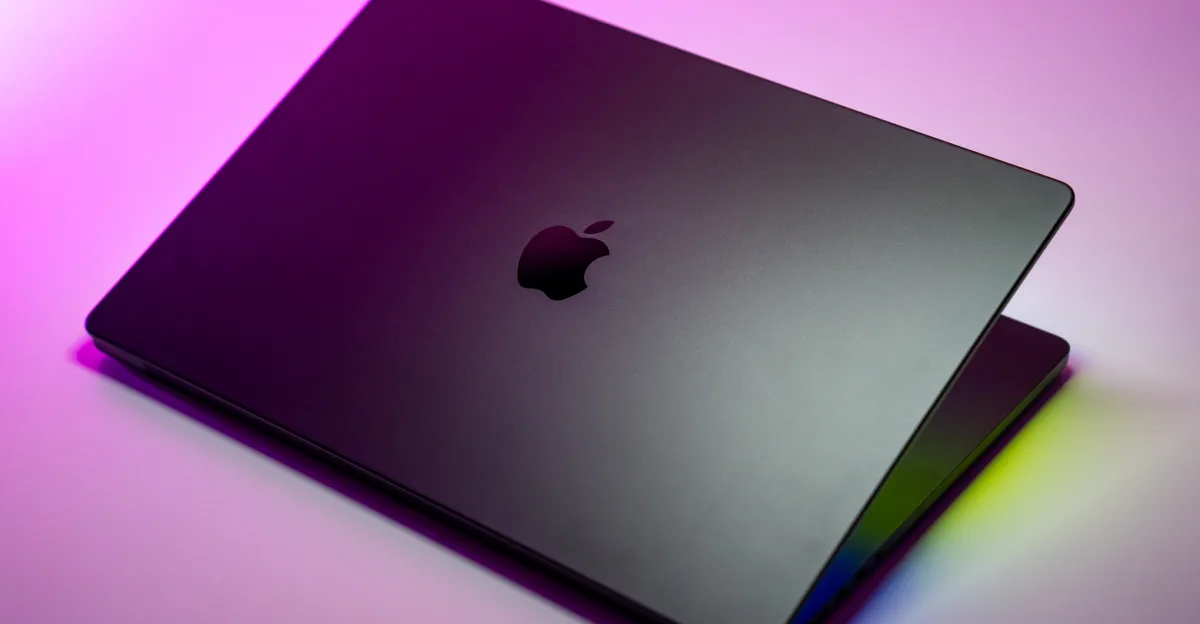
Don’t Miss Out: October Prime Day Laptop Deals Won’t Last!

The commercial landscape of consumer electronics is undergoing a crucial transformation as major sales events like Amazon Prime Day continue to shape market dynamics. This year’s second Prime Day, running through October 9th, exemplifies how *disruption* in retail commerce—fuelled by aggressive online discounts—poses both challenges and opportunities for industry players. While consumers benefit from short-term price reductions on laptops and accessories, industry analysts from firms like Gartner suggest this pattern accelerates a *deflationary trend*, pressuring manufacturers and retailers to rethink their pricing strategies amid tightened profit margins.

From an innovation perspective, businesses are leveraging strategic discounts to stay competitive, especially in the rapidly evolving segment of personal computing. Premium brands such as Apple, HP, Microsoft, and Lenovo have responded with significant savings on flagship models, reflecting an industry push towards tighter integration of *disruptive* hardware features that appeal to younger, tech-savvy consumers. For example, the latest gaming laptops like the Lenovo Legion 5 and Alienware AW2725Q showcase advancements in graphics, processing, and display technology, setting new *milestones* for immersive experience. These developments are not just consumer-focused but serve as strategic innovations that challenge industry standards—pushing competitors to innovate or concede market share.

Industry observers note that this ongoing sale frenzy signals a *shift* where *disruptive trends* like direct-to-consumer sales models and AI-driven procurement algorithms are reshaping traditional distribution channels. Companies are increasingly relying on *real-time data* and market analytics, as highlighted by MIT research, to optimize pricing and inventory management dynamically. In addition, the proliferation of *smart accessories* and *integrated devices* hinges on this *disruption*, elevating hardware beyond basic functionality toward ecosystems built on interconnected, AI-enabled platforms. This evolution is compelling companies to prioritize *innovation* that aligns with the “digital-native” generation’s expectations for seamless, intelligent devices.

However, this rapid pace of change also bears significant business implications. As Peter Thiel warns, *”monopoly is the goal of technological innovation”*—but in a competitive, discount-driven environment, the risk of commoditization rises. Industry titans must balance *cost leadership* with *technological differentiation*, fostering innovation that sustains long-term growth rather than short-lived sales boosts. As market shifts accelerate, firms that harness *disruptive* innovations—such as AI-powered manufacturing, advanced materials, and sustainable design—will seize a competitive edge in the coming era of *tech dominance*. Moving forward, the urgency for brands to invest in *cutting-edge R&D* and *strategic disruptions* remains paramount; failure to do so could see legacy players sidelined by agile startups leveraging the same retail events for disruptive entry.

In conclusion, the ongoing Prime Day sales serve as a bellwether for a technology landscape at a pivotal juncture. The emphasis on *innovation* and *disruption* isn’t just about capturing short-term market share but about shaping the future of *how* technology integrates into every facet of daily life. Companies that capitalize on this moment—through dynamic pricing, AI-driven insights, and groundbreaking product developments—will define the trajectory of the digital economy in the coming decade. For industry leaders and investors alike, the imperative is clear: pace of innovation must accelerate, or risk being left behind in the wake of a *disruptive* wave that’s only just beginning.

Amazon Pharmacy rolls out vending machines for prescription meds—tech boosts convenience for the next-gen healthcare!

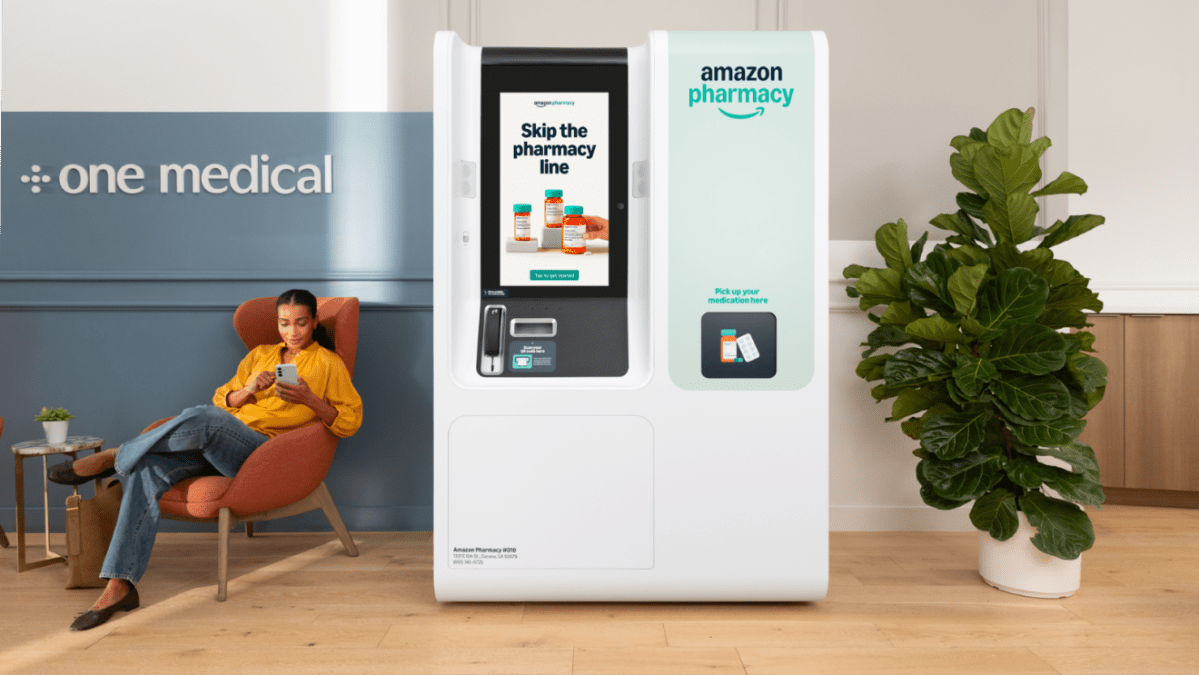
In a bold move poised to reshape the healthcare landscape, Amazon has announced the deployment of prescription vending machines at its One Medical clinics across Los Angeles, signaling a disruptive foray into pharmacy automation and retail medicine. These autonomous kiosks, operated by Amazon Pharmacy, enable patients to pick up prescribed medications immediately after their consultations, effectively reducing the friction traditionally associated with pharmacy visits. This initiative underscores Amazon’s strategic push to leverage deep technological innovation to overhaul a highly fragmented and often inefficient sector, with the promise of driving significant business implications for incumbent pharmacy chains.

The new kiosks exemplify a broader trend of digital disruption in healthcare, aligning with Amazon’s previous acquisitions such as PillPack in 2018 and the primary care provider One Medical in 2020. Industry analysts have noted that this move could have profound impacts on traditional brick-and-mortar pharmacies. Franklin & Marshall Healthcare analyst Dr. Sarah Liu highlights that “the combination of automation and seamless integration with Amazon’s digital ecosystem could fundamentally shift consumer expectations around accessibility and convenience in prescription fulfillment”. As Amazon scales these initiatives, significant market shifts are anticipated, with established retail pharmacy chains like CVS, Walgreens, and Rite Aid struggling to adapt amid closures and declining foot traffic.

The kiosks feature a curated inventory of frequently prescribed medications—including antibiotics, inhalers, and blood pressure drugs—tailored to local prescribing patterns, thus enabling quick, contactless retrieval of essential medicines. Patients can view upfront costs, insurance copays, and discounts via the Amazon app, and consult with licensed pharmacists through video or phone, embedding a highly integrated digital experience. Amazon’s deployment strategies appear designed not just to enhance convenience but to introduce a new standard of disruption-driven efficiency that could erode traditional pharmacy margins and competitive advantages, compelling industry players to innovate or risk obsolescence.

Looking forward, experts like Gartner analysts suggest that this shift indicates a transformative trajectory in healthcare delivery, where automation, AI, and data-driven personalization become ubiquitous. As Peter Thiel notes, “the next wave of technological disruption in health will be about how fast we can bring healthcare closer to the consumer, reducing costs, and improving outcomes”. The urgency for existing players is clear: to match Amazon’s innovative pace and rethink the entire prescription ecosystem before the Covid-era convenience becomes an industry standard. The race is on, and in this swiftly evolving landscape, those who fail to adapt risk falling behind in what could be one of the most consequential technological upheavals of the decade.

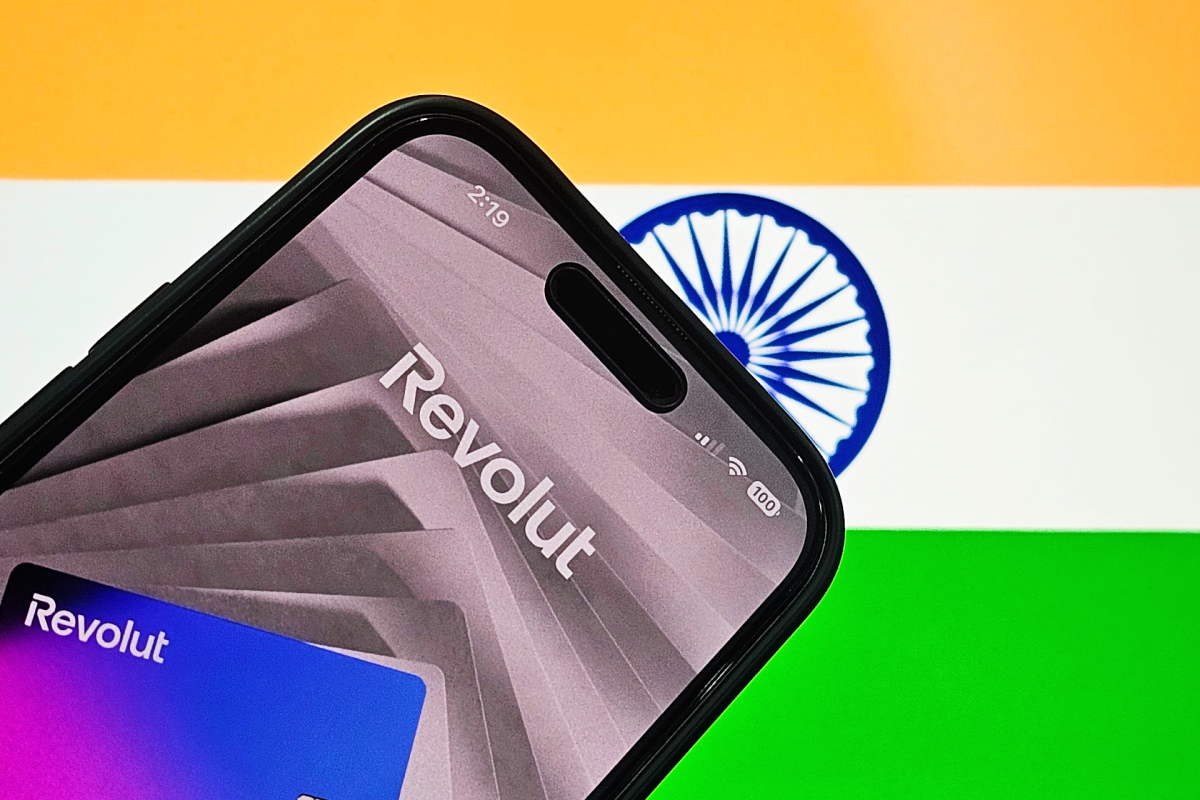
Revolut targets Indian banks’ ‘criminal’ forex fees, challenging the old guard

Revolut Ignites Fintech Disruption in India’s Cross-Border Payments Market

In a bold move to reshape India’s underserved cross-border payments landscape, British fintech powerhouse Revolut has officially launched operations in the country, aiming to capitalize on a $30 billion annual flow of Indian abroad. The company’s strategic entry underscores a significant industry shift driven by innovation and regulatory agility, positioning it to challenge deeply entrenched banking giants and local fintech rivals.

Since announcing its India plans in 2021, Revolut has diligently secured key regulatory licenses, including the full authorization from the Reserve Bank of India to issue prepaid cards and digital wallets, and has acquired local entities like Arvog Forex to solidify its foothold. These milestones mark a deliberate disruption of traditional banking models that have historically dominated foreign exchange services, often charging exorbitant fees that Revolut’s India Head, Paroma Chatterjee, aptly describes as “criminal.” With these permits, Revolut can now offer domestic and international payment services, including same-day remittances, positioning itself as a formidable player in a market where cross-border fees are often perceived as predatory.

The implications extend beyond mere fee reduction; Revolut’s innovative platform leverages multi-currency accounts, digital wallets, and local network integrations, including discussions with payments networks like Visa and India’s RuPay. By doing so, the company aims to deliver a superior customer experience—an essential factor highlighted by industry analysts such as Gartner—that directly threatens traditional banks’ monopolistic hold on currency exchange and remittance services. The disruption here signals the dawn of a new fintech era, where transparency, usability, and regulation enable faster, cheaper international transactions.

Business Strategy and Market Outlook

Revolut’s vision centers on targeting over 150 million digitally native Indians aged 25–45, with a stretch goal to onboard 20 million users by 2030 and process upward of $7 billion in transactions. This strategic focus reflects a broader industry trend where digital-first financial services prioritize highly engaged, profitable customer segments rather than sheer volume. Chatterjee emphasizes that “customer engagement and profitability are the metrics that will define success,” a viewpoint shared among leading fintech innovators like Peter Thiel, who advocate for sustainable, value-driven growth over vanity metrics.

Furthermore, Revolut’s current waitlist of more than 350,000 potential Indian users underscores the latent demand for alternative, more affordable cross-border solutions. The company’s flexible network approach, including exploring local payment options such as RuPay, underscores its commitment to capturing market share in a competitive environment populated by established fintech players like Niyo and BookMyForex. This demonstrates an understanding that strategic partnerships and local inclusion are essential for long-term viability in India’s complex regulatory and consumer landscape.

Future Outlook and Industry Impact

The rapid digital transformation reshaping financial services calls for aggressive innovation, a trend further accelerated by the rise of fintech startups globally. As industry leaders and investors watch closely, Revolut’s expansion into India exemplifies a broader disruption that could permanently alter the way cross-border payments are handled worldwide. With its proactive investment of over $45 million to localize operations and a burgeoning team of 3,500 employees in India, Revolut signals a breakaway from the traditional banking approach.

Looking ahead, the industry faces a critical juncture where regulatory evolution, technological innovation, and fierce competition will determine which players can claim dominance in the next generation of financial services. As Elon Musk and other visionaries continuously push the boundaries of digital disruption, the message is clear: the days of slow, fee-laden international transactions are numbered. For fintech firms and traditional banks alike, the clock is ticking—those who fail to innovate risk obsolescence in a rapidly shifting global landscape.

Score big—my go-to electric screwdriver is 40% off for DIY win!

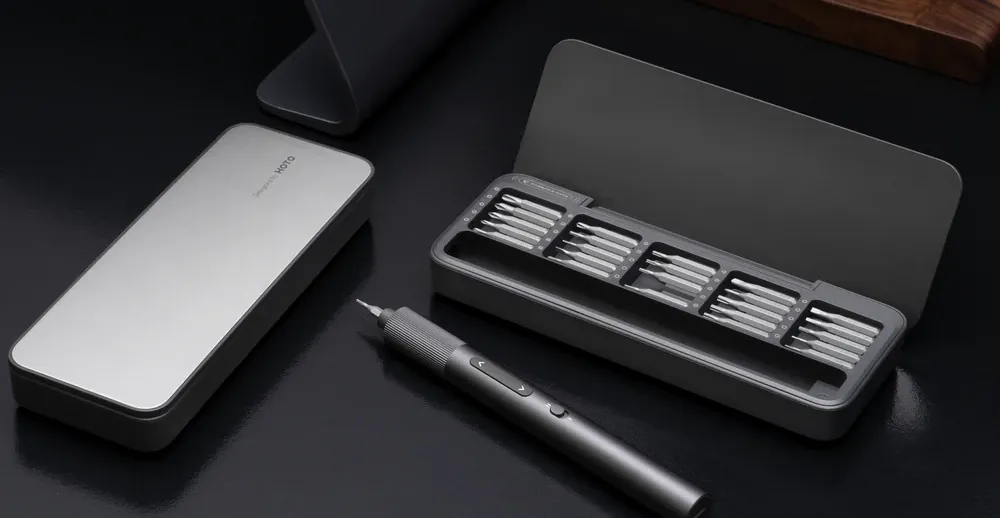
In an era marked by rapid technological progression and the democratization of innovation, DIY tools such as Hoto’s Electric Precision Screwdriver ADV exemplify how accessible, compact hardware is transforming individual and small-scale repair industries. Priced at an all-time low of $29.99 during Prime Big Deal Days on Amazon, this device leverages innovations in miniaturization and user-centric design. Its pen-style grip, magnetic case, and one-button operation signal a disruptive shift toward streamlined, professional-grade electronic repair tools optimized for millennials and Gen Z consumers eager to challenge traditional repair paradigms.

Beyond individual DIYers, this trend signals a broader disruption in the electronics and repair sectors, potentially impacting major players like iFixit and traditional service centers. The device’s features—such as a rechargeable 350mAh battery capable of two hours of operation and a 25-piece bit set spanning Phillips, Torx, and Pentalobe types—highlight a move toward multipurpose, portable repair solutions that empower users to extend the lifespan of their gadgets and smaller appliances. This democratization of repair aligns with the philosophies of industry disruptors such as Elon Musk and Peter Thiel, who advocate for empowering individuals through innovative tools that challenge big tech and corporate monopolies of repair.

Furthermore, Hoto’s expanding product line, including laser measures, rotary tools, and inflator pumps like the Hoto Air Pump Pocket, underscores a strategic pivot toward modular, lightweight devices with broad applications. The inflator, with its adjustable PSI and rotating nozzle, exemplifies innovation in portability and user autonomy, key factors driving industry shifts towards on-the-go, multitasking gadgets. These advancements threaten to faze out bulky, conventional equipment, offering instead a new ecosystem where disruption hinges on mobility, affordability, and versatility. Market analysts from Gartner predict that these trends will accelerate as more consumers seek affordable, high-quality tools for quick repairs, moving away from reliance on professional services for minor fixes.

Looking ahead, the technological trajectory indicates an unstoppable acceleration of disruptive innovation in the personal repair and maker spaces. The rise of intelligent, connected tools powered by microelectronics, AI, and IoT — areas actively researched at institutions like MIT — suggests that future devices will be even more integrated, intuitive, and capable of diagnostics. As industry veterans and startups compete in this space, the industry must grapple with the implications of decentralized repair ecosystems and the erosion of traditional service monopolies. The imperative for established players is clear: adapt quickly or risk obsolescence. For the most ambitious entrepreneurs and developers, the future belongs to those who harness these innovations to push the boundaries of what individuals can achieve, reshaping the landscape of consumer electronics repair and beyond with unmatched speed and efficiency.

Boox’s new compact e-reader packs color and stylus — the future of portable screens is here

The tech industry is witnessing a groundbreaking development with the upcoming launch of Boox’s P6 Pro, a device that strategically blurs the lines between smartphones and e-readers. While full technical specifications remain under wraps, early revelations highlight the device’s formidable features, signaling a potential paradigm shift in portable digital devices. With a 16MP rear camera optimized for document digitization, alongside 8GB of RAM and 128GB of internal storage—expandable up to 2TB—the P6 Pro positions itself as a versatile tool for content consumption, productivity, and mobile documentation. This innovative approach is poised to disrupt traditional industry segments, creating new opportunities for competitors and investors eager to capitalize on transformative mobility solutions.

The P6 Pro marks a first for Boox—it introduces stylus support on a smartphone-sized e-reader, a feature previously confined to larger models and specialized electronic notebooks like the Nova Air. This move is a clear signal of disruption aimed at the digital note-taking and content management sectors, traditionally dominated by giants such as Apple and Samsung. By leveraging their existing expertise in large e-ink displays and integrating stylus functionalities directly into a portable device, Boox is effectively redefining the possibilities of mobile productivity. Experts from MIT and industry analysts like Gartner suggest this convergence of features could lead to a rapid evolution of the productivity device landscape, challenging entrenched industry leaders and forcing a reevaluation of what a ‘smartphone’ can offer.

Running on Android with access to the Google Play Store, the P6 Pro offers unprecedented flexibility—users can select their preferred note-taking applications or eBook platforms, thereby opening up a broad ecosystem of applications. This flexibility contrasts sharply with the more closed, proprietary systems from established players and signifies a strategic shift toward user empowerment and software openness. The influence of visionaries like Elon Musk—who consistently push the envelope—reflects a broader industry narrative: technological innovation is increasingly driven by disruptive platforms that prioritize customization and integration. The device’s potential to combine digital reading, note-taking, and mobile communication could accelerate the decline of dedicated e-readers and niche tablets, leading to more integrated, multifunctional devices that appeal to a new wave of digital-native consumers.

Looking forward, the Boox P6 Pro exemplifies the trajectory of technological evolution—where innovation, disruption, and business implications intertwine. As industry insiders and analysts recognize the device as a potential game-changer, its success will hinge on how quickly and effectively it can challenge industry norms. The pressure is mounting on competitors to innovate faster or risk obsolescence in a rapidly changing landscape. This launch underscores not only the importance of agility in product development but also the increasing role of user-centric design and ecosystem openness as core drivers of market leadership. For investors and tech enthusiasts alike, the question remains: Will the P6 Pro catalyze a new standard for mobile devices, or will existing giants adapt quickly enough to retain their dominance? The answer will shape the future of portable computing in the coming years—a future marked by swift innovation and relentless competition.

Deloitte doubles down on AI, despite hefty refunds for its early plays

Global Consulting Power Deloitte Embraces AI Innovation with Claude Deployment

In a decisive move reflecting the rapid evolution of enterprise AI, Deloitte announced its nationwide rollout of Claude, an advanced conversational AI developed by Anthropic, to nearly 500,000 employees. This strategic adoption is emblematic of a broader trend where industry leaders seek to harness emerging AI technologies to revolutionize consulting, data analysis, and decision-making processes. The decision underscores a fundamental shift—businesses are increasingly positioning AI as a core competitive weapon, challenging traditional methods and inspiring disruption across sectors.

This deployment follows a momentary setback where Deloitte had to issue a refund for a report contaminated by AI hallucinations—erroneous outputs that undermine trust in emerging AI systems. Such incidents highlight the delicate balance between innovation and reliability, prompting tech giants and industry players alike to carefully navigate robustness and ethical deployment. However, this stumble has not deterred Deloitte; instead, it signals a rallying cry for the broader enterprise sector to refine AI safety protocols and accelerate adoption of more dependable models. As Gartner analysts point out, the AI market’s trajectory is one of aggressive growth, driven by enterprise demand for smarter, faster, and more cost-efficient solutions.

The strategic move to integrate Claude bolsters Deloitte’s position in the competitive consultancy space, positioning the firm at the forefront of tech-driven disruption. By leveraging this sophisticated AI, Deloitte aims to streamline workflows, enhance client insights, and foster innovation—mirroring initiatives led by MIT researchers and Elon Musk’s Neuralink, who emphasize AI’s transformative potential if harnessed responsibly. The integration signals an industry awakening to the disruptive power of AI not solely for automation but also for generating strategic value, a necessity in an increasingly complex market environment. Evidence suggests that early adopters of such groundbreaking AI solutions will secure a significant strategic advantage, while laggards risk obsolescence.

The business implications of this AI adoption are profound, with market analysts forecasting a wave of new AI-centric service offerings, product innovations, and operational efficiencies. As Peter Thiel advocates, the future belongs to those who leverage AI to reshape industries from healthcare to finance. The key question now is how fast traditional sectors will adapt, and whether the current regulatory landscape can keep pace with accelerating technological innovation. With Deloitte leading by example, the message to the global enterprise community is clear: the future belongs to the agile, the innovative, and those willing to disrupt the status quo.

As the industry forges ahead, the urgency for businesses to adopt a proactive stance on AI cannot be overstated. Disruption is inevitable, and only the swift will thrive in this new era of technological dominance. The Claude rollout marks a pivotal moment—not just for Deloitte but for the entire ecosystem aiming to leverage AI for strategic dominance. The question remains: will industry leaders rise to the challenge or fall behind in the wake of an AI-driven revolution that promises to redefine the very fabric of business today and into the future?

Tech giants’ climate bets face Trump crackdown as funding gets scrutinized

Tech Giants and Policy Shifts Signal Disruption in Carbon Removal and AI Development

The recent rollback of federal funding for direct air capture (DAC) initiatives marks a pivotal juncture for the American tech and energy sectors. Under the Biden administration, extensive investments, including a $3.5 billion initiative to establish regional DAC hubs, aimed to solidify U.S. leadership in innovative climate tech. However, with the emergence of a new administration openly skeptical of climate action—underlining a concerted effort to undermine these initiatives—the landscape is shifting dramatically. President Trump’s FY2026 budget proposal, which targets ending funding for DAC, hydrogen hubs, and other clean energy projects, effectively stokes uncertainty in a sector that has already been disrupted by ideological battles.

This policy retreat reflects a broader trend of disruption in clean energy innovation. Major corporations such as Microsoft and Amazon have committed billions toward carbon removal, betting on DAC as a pathway to a carbon-negative future. Yet, the recent funding cuts threaten to derail these forward-looking investments. Notably, startups like California-based CarbonCapture have announced plans to relocate projects internationally, citing the lack of U.S. governmental support. The decline underscores a shrinking window for American leadership in disruptive climate technologies.

Meanwhile, disruption extends into AI development. As tech giants expand their AI infrastructure—building energy-intensive data centers and hardware—their carbon footprints have paradoxically grown, despite commitments to sustainability. Analysts warn that reliance on DAC to offset escalating emissions could be a pseudo-solution, diverting attention from essential emissions reductions. Industry leaders like Peter Thiel and MIT researchers emphasize that innovation in breakthrough clean energy tech—such as advanced nuclear or fusion—must remain a priority, or risk ceding global dominance to nations like China, aggressively investing in next-generation clean tech.

Business Implications and Future Outlook

The implications of these developments are profound. With governmental support waning, American corporations face a strategic inflection point: to prioritize internal innovation or to significantly reduce reliance on uncertain policy outcomes. The Biden-era push for regional DAC hubs and public-private partnerships set the stage for U.S. dominance in climate tech; now, partisan polarization threatens that edge. The disruption could accelerate the shift of clean energy investments abroad, particularly to Canada and Europe, which remain committed to climate innovation, potentially leaving American firms at a competitive disadvantage. The window for reclaiming global leadership narrows, compelling industry leaders and policymakers to act decisively and creatively.

Going forward, urgent action is required to mitigate the impact of policy fluctuations. Innovation hubs, private capital, and strategic partnerships will determine whether the U.S. can maintain its technological edge. As Elon Musk and others advocate for a focus on disruptive technologies—such as quantum computing, breakthrough energy, and AI—only a bold, unified approach can counterbalance the current trend of retreat and fragment. The coming years will be crucial in defining the direction of American tech and energy sectors — the race for future dominance is on, and the time to lead is now.

Jane Goodall’s passing sparks debut of Netflix’s latest docuseries for a new generation

Netflix Leverages Innovation in Media with Posthumous Interview Series

In a move that signals a bold shift in the entertainment industry, Netflix has launched a provocative new show, Famous Last Words, which premieres episodes only after the interview subjects’ passing. This strategy underscores the platform’s relentless drive to innovate and disrupt traditional media norms, pushing the boundaries of content creation and consumption. By integrating advanced remote filming technology, Netflix transforms the interview format into an intimate and unfiltered experience, often involving conversations that are remarkably candid because the subjects are no longer constrained by the need for public approval.

The adaptation of Denmark’s acclaimed series Det Sidste Ord exemplifies how disruptive technologies can redefine storytelling. This series employs remotely operated cameras and carefully curated interview scenarios, hosted by Brad Falchuk, previously known for his work on American Horror Story and Glee. These technological innovations enable production teams to access high-quality footage without traditional on-site filming. Industry experts, including analysts from Gartner, highlight this as an evolution driven by artificial intelligence, remote control tech, and data-driven insights—allowing creators to capture nuanced perspectives that were previously inaccessible or considered taboo.

Implications for the Business and Media Ecosystem

For media companies and content creators, this approach signals a broader trend toward leveraging cutting-edge tech for breakthrough storytelling. The business implications are significant: this model minimizes logistical costs while maximizing viewer engagement with raw, unfiltered content. The inclusion of outspoken figures like Jane Goodall in her final interview underscores a new era where authenticity and transparency are paramount—traits increasingly demanded by younger audiences who seek content with depth and realness. As the market shifts, we can anticipate a competitive surge among tech firms and studios investing in posthumous content production, AI-driven interviewing methods, and immersive viewing experiences.

  • Enhanced audience engagement driven by unprecedented access to candid and unedited insights.
  • New revenue streams from exclusives and memorabilia associated with iconic figures.
  • Potential ethical debates over consent and commodification of personal legacies, prompting regulatory scrutiny.

Strategic and Industry-Wide Considerations

This disruptive model is more than just a revenue play; it’s an indicator of how artificial intelligence, automation, and immersive tech will redefine industry standards. Leaders like Elon Musk and futurists such as Peter Thiel have long envisioned a future where reality and digital representation blur—this series exemplifies that vision. However, this also raises warning flags about the potential for misuse, fake content, and questions over the authenticity of these final interviews. Stakeholders must navigate these ethical terrains carefully.

As the industry advances its capabilities, it’s clear that innovation, disruption, and strategic pivots will determine winners and losers in this rapidly evolving landscape. With new forms of storytelling emerging at a breakneck pace, companies must adapt swiftly—embracing technology not just for operational efficiency but as a core driver of engaging, authentic narratives. The future demands a proactive stance; those who leverage these innovations will redefine cultural benchmarks and gain a significant competitive edge in the unfolding digital era.

Top Humidifiers for Home, Travel & More — Must-Have Picks of 2025

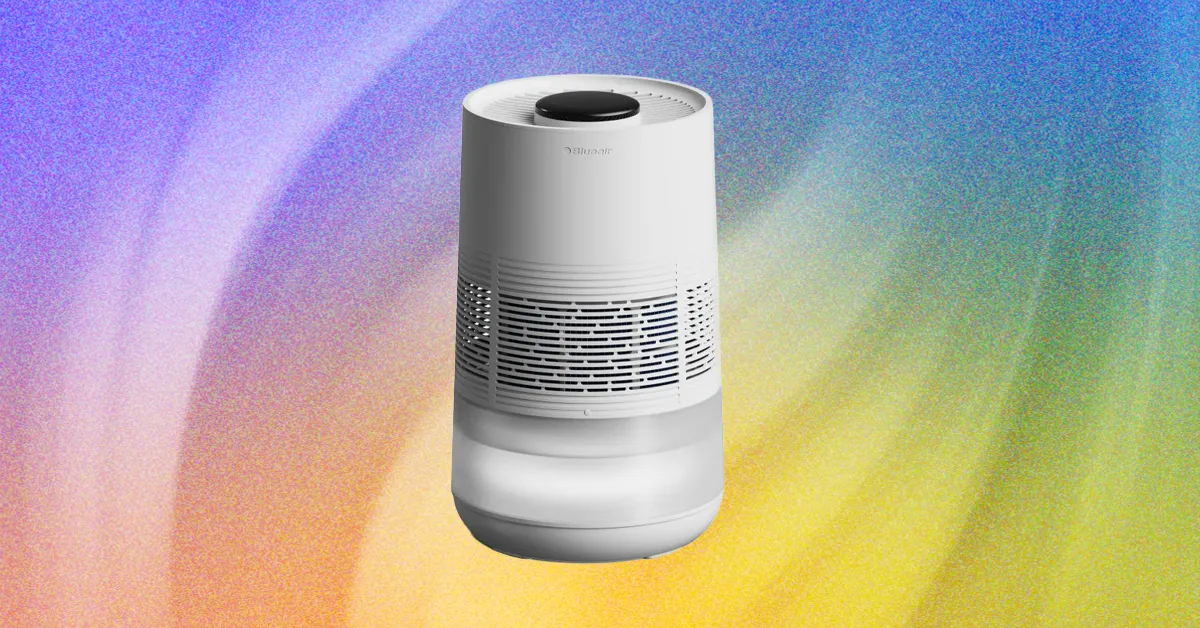
Blueair Launches the DreamWell Humidifier: A Breakthrough in Home Wellness Technology

In an era where technological innovation meets everyday life, Blueair has introduced the DreamWell Humidifier, an advanced device poised to redefine home climate control. Designed with user-centric features and smart integration, this product exemplifies how startups and industry giants are leveraging disruption to shape the future of wellness technology. Blueair’s latest offering not only emphasizes ease of use and aesthetic appeal but also demonstrates a strategic focus on connectivity, automation, and personalized comfort, aligning with broader industry trends fueled by the Internet of Things (IoT).

Innovative Features That Drive Market Disruption

The DreamWell stands out due to its integrated app control and geolocation-triggered automation—a feature that exemplifies how IoT continues to revolutionize smart home devices. Through Blueair’s app, users can activate a “welcome home” function, which intelligently pre-warms the environment before arrival by detecting transportation modes such as walking, biking, or driving. According to industry analyst Gartner, such proactive automation will become standard in next-generation smart appliances, identifying a clear shift from reactive to predictive home environments. The device also offers features like mood lighting, scent infusion, and an automatic wick drying cycle, combining comfort with convenience.

  • Multiple tank sizes optimized for room size and user preferences
  • Automatic wick drying reduces maintenance hassle
  • App and voice control expanding accessibility and automation
  • Compatibility with common water sources, including tap water

This level of disruption signals a significant leap forward for consumer appliances, with Blueair aiming to merge style, functionality, and smart tech into a seamless user experience. The under-the-radar yet sleek design ensures the product appeals to a decade increasingly driven by minimalism and sophistication, echoing trends observed in tech innovation hubs like MIT and Silicon Valley.

Business Implications and Industry Shifts

The launch of the DreamWell is more than a mere product upgrade—it signifies a broader strategic move by Blueair to capitalize on the burgeoning home wellness market. As health-conscious consumers seek holistic solutions, the integration of IoT, automation, and personalization in appliances creates new revenue streams for tech companies. Market research predicts that the global smart home market could surpass $150 billion within the next five years, driven by innovations like Blueair’s. Companies that prioritize disruption, scalability, and ecosystem integration will lead this next wave of industry leaders, echoing early moves by Elon Musk with Tesla’s integration of vehicle and energy solutions or Peter Thiel’s emphasis on fundamental platform shifts.

Industry watchers note that such advancements will intensify competition, forcing legacy manufacturers to rethink their strategies. Value-added services, machine learning-powered customization, and ecosystem alliances will become benchmarks for success. The DreamWell’s automated maintenance features and app-based controls represent a sample of the next frontier: an interconnected, intuitive home environment that enhances well-being while reducing manual intervention. As innovation accelerates, startups and established giants alike must prioritize agility and tech-driven disruption to stay ahead.

Forward-Looking Perspective: A Future Powered by Smart Innovation

The launch of the Blueair DreamWell Humidifier underscores an undeniable trend: the convergence of smart technology and wellness is transforming the landscape of consumer appliances. As AI, IoT, and sensor-driven automation become standard, industry leaders must anticipate a future where intelligent environments adapt in real time to human needs—disrupting traditional markets and creating new ones. The rapid commercialization of such innovations portends a future where our homes are no longer static spaces but dynamic, personalized ecosystems powered by relentless advances in tech.

For entrepreneurs, investors, and industry stakeholders, the message is clear: timing, innovation, and strategic disruption will be pivotal in shaping the next era of home wellness. The question remains—how quickly will established players embrace these shifts, and who will lead the charge into this exciting new frontier? The future belongs to those who recognize that in tech, relentless innovation is no longer optional—it is imperative.

Social Media Auto Publish Powered By : XYZScripts.com