Matox News

Truth Over Trends, always!

Meet the startup co-founded by NBA star Russell Westbrook, redefining end-of-life planning for the next generation

AI-Driven Innovation Disrupts End-of-Life Planning Industry with Eazewell’s Vision

In a remarkable display of technological innovation and market disruption, Eazewell, an AI-powered platform dedicated to simplifying end-of-life and funeral planning, has entered a traditionally fragmented industry. Founded in 2024 by Donnell Beverly Jr.—whose personal loss catalyzed the venture—Eazewell leverages cutting-edge artificial intelligence to automate tasks that once weighed heavily on grieving families. This initiative exemplifies the seismic shifts occurring as AI begins to redefine how life’s final transitions are managed, with significant business implications for sectors ranging from funeral services to digital estate management.

The core innovation behind Eazewell is its AI agent, available around the clock, which empowers families to effortlessly coordinate funeral arrangements, manage paperwork, and even cancel credit accounts on behalf of the deceased. This automated approach resolves longstanding inefficiencies within the industry, often plagued by manual, time-consuming processes. The platform’s recent rollout of an enterprise solution for hospice providers, senior living facilities, and insurers further extends its disruption. By integrating seamlessly into existing software ecosystems, Eazewell positions itself as a market-changing enabler for enterprise-level stakeholders, promising to transform industry standards.

Market Implications for Traditional and Emerging Players

According to leading analysts from firms like Gartner, the integration of AI-driven automation into sensitive segments such as end-of-life planning is a strategic game-changer with broad implications. Already, Eazewell reports assisting over 100,000 families, a testament to the scalability of its approach. As the platform broadens to include digital asset management—an increasingly vital concern in a digital-first era—the industry is poised for a fundamental shift. The ongoing digital transformation hints at a world where legacy management and estate planning become seamlessly integrated into everyday digital life, challenging established traditional players resistant to technological evolution.

The Broader Context of Disruption and Innovation

Disruptors like Elon Musk’s Neuralink and Peter Thiel-backed startups have demonstrated the enormous potential of AI to overhaul deeply rooted industries. Eazewell’s focus aligns with this trajectory by highlighting how AI’s influence extends well beyond the here and now, into the posthumous realm. The company’s forward-looking vision, including managing digital assets and inheritance, exemplifies how innovation is converging with industry standards of trust and security. Notably, industry experts and forecasters see these advancements as not just improvements but essential evolutions for businesses seeking resilience amid changing consumer expectations and technological norms.

The significance of this evolution transcends mere convenience: it heralds a new era where disruption can unlock new revenue streams, reduce operational costs, and elevate service standards. As AI and automation continue to mature, competition will intensify, compelling entrenched industries to innovate or face obsolescence. The urgency for stakeholders—whether traditional funeral service providers or emerging digital estate managers—is clear: adapt rapidly or be left behind in a rapidly transforming landscape that demands technological agility and disruptive thinking.

Future Outlook: An Urgency for Strategic Adoption

Looking ahead, the potential of AI to revolutionize end-of-life services signifies more than just a niche innovation; it foreshadows a broader societal shift. Industry visionaries and technology leaders emphasize that the pace of change necessitates proactive engagement. Experts from institutions like MIT forecast that AI-driven end-of-life management will become a standard component of digital identity and estate planning platforms within the next decade. This evolution presents a crucial call to action for investors and businesses alike: position strategically now to harness the impending wave of disruption, leveraging innovation to serve a growing demand with compassion and efficiency.

As the industry broadens its horizons, it becomes evident that disruption is inevitable. The integration of AI into sensitive life-stage services embodies both a technological leap and a philosophical shift—one where technology’s role is to ease burden, empower families, and fundamentally reimagine what legacy means in a digital age. The race for innovation is on, and those who move decisively will shape the future of a trillion-dollar industry—and redefine how society handles its most profound moments.


Roland’s TR-1000: First analog drum machine in four decades — a game-changer for young producers

The music production landscape is witnessing yet another transformative moment as Roland unveils the TR-1000, a hybrid synthesizer that seamlessly fuses analog grit with modern digital interface. Designed with a focus on user experience and tactile control, this device features an analog filter, drive section, and a multitude of knobs, buttons, and faders—purposely built to streamline workflow and reduce reliance on complex menus. This approach signifies a notable shift toward mainstreaming tactile, hardware-based production tools, catering to both seasoned producers and studios craving authentic sound textures. Such innovations indicate an industry that increasingly valuesimmediacy and visceral engagement, crucial in a fast-evolving musical climate where raw tone often outperforms sterile digital emulation.

The debut of the TR-1000 underscores the profound disruption within the traditional analog and digital synthesis markets. Priced at $2,699.99, it challenges the common perception that high-quality analog gear is prohibitively expensive. Compared to vintage icons like the TR-808 and TR-909, which command astronomical prices on the resale market, the TR-1000 positions itself as an accessible, cost-effective alternative. Its strategic pricing could dramatically shift consumer expectations, making professional-grade sound design more attainable for emerging producers and independent studios. This innovation demonstrates Roland’s response to growing demand for hybrid instruments that bridge classic warmth with modern versatility, paving the way for a new wave of competitive products in the synthesizer industry.

Business Impact and Industry Implications

The introduction of the TR-1000 exemplifies how traditional industry giants are leveraging disruptive innovation to redefine market dynamics. Gartner analysts highlight that firms investing in tactile, high-fidelity hardware are capitalizing on shifts in consumer preference away from purely software-based solutions. This trend suggests a departure from the era of digital dominance toward a renaissance of physical interfaces that inspire creativity through sensory engagement. Consequently, smaller startups and legacy brands must innovate rapidly or risk obsolescence. The TR-1000’s appeal to a broad demographic—ranging from veteran producers to young enthusiasts—also offers a glimpse into the future of a market that prizes personalized, immediate interaction with sound.

  • Enhanced workflow with minimal menu navigation
  • Integration of vintage sound characteristics with modern controls
  • Competitive pricing disrupting high-end analog market valuations
  • Potential to democratize professional-grade music production tools

Looking Ahead: The Future of Innovation in Musical Devices

As industry leaders like Elon Musk and Peter Thiel have noted, technological innovation that disrupts established paradigms often comes from bridging seemingly incompatible worlds—digital and analog, hardware and software. The TR-1000 signals a pivotal shift that could catalyze broader industry trends towards hybrid instruments with tactile and sonic authenticity. Market analysts warn that those who fail to embrace this disruption risk becoming irrelevant as consumers increasingly demand versatile, immersive, and intuitive musical tools. If Roland’s strategy proves successful, the music tech industry may soon see a surge of affordable, high-fidelity hardware that revolutionizes how future generations create and experience sound. The clock is ticking, and the race for innovation in this space is only intensifying—marking an exciting, high-stakes epoch for producers worldwide.

Starbase teams up with Cameron County to tighten security and crack down on lawbreakers

Starbase Emerges as a Pioneering Model in Autonomous Urban Development

In a bold move that signals a transformative shift in urban governance and corporate influence, Starbase, a city built around SpaceX’s bustling rocket operations, has officially transitioned into a unique hybrid jurisdiction. Less than a year after its residents voted for incorporation, the city has struck formal agreements with Cameron County to provide essential services, including law enforcement. This arrangement exemplifies the disruptive potential of corporate-driven urban development, blurring the traditional lines separating municipality from enterprise.

While many emerging-tech hubs emphasize innovation and technological disruption, Starbase’s governance model underscores a broader trend—the rise of company towns that operate with minimal local government intervention. The interlocal deals entail Cameron County dedicating eight deputies to city security, with only a fraction on duty at any time, effectively outsourcing public safety. This model allows rapid scaling of municipal functions without the need to establish full bureaucratic infrastructures—a feat made possible by strategic legal agreements and a tightly integrated corporate-community ecosystem.

Innovation in Public Safety and Business Implications

Highlights of the Starbase model include:

  • Delegation of law enforcement to county authorities, ensuring legal consistency and resource efficiency
  • Flexible law enforcement deployment—only two deputies patrol at a time, optimizing operational costs
  • Retention of public records with county agencies—maintaining transparency while protecting corporate interests
  • Provision for special event policing, enabling rapid response to episodic needs—an essential feature for a facility focused on frequent Rocket launches

This innovative governance approach signals a new era where corporate innovation extends beyond product development into the realm of urban administration. Elon Musk’s vision of building a self-sustaining city around space tech is increasingly feasible, disrupting traditional notions of municipal boundaries and public safety. Industry analysts note that such models could revolutionize how future spaceports and high-tech hubs operate, attracting investors by reducing bureaucratic overhead and accelerating project timelines.

Business Disruption and Future Trajectories

The business implications are profound. By establishing a controlled but flexible local governance framework, SpaceX can focus on core activities—rocket manufacturing, testing, and launches—while external entities handle compliance and safety. This arrangement could serve as a precedent for other sectors—such as renewable energy or biotech—where corporate innovation demands a specialized governance paradigm.

Technology giants and startups alike are watching this experiment closely. Industry leaders and think tanks like MIT and Gartner predict a future where private enterprise could effectively operate entire cities, especially in niche domains like space exploration and sustainable infrastructure. Such developments are likely to catalyze a wave of entrepreneurial urbanism, emphasizing speed, efficiency, and adaptability over traditional bureaucratic channels.

Looking Ahead: An Urgent Call for Strategic Adaptation

As this disruptive model gains momentum, stakeholders—regulators, investors, and residents—must adapt quickly to the shifting landscape of governance and business. The success of Starbase could accelerate a trend toward decentralized, corporate-led metropolitan areas—challenging existing political paradigms and redefining urban development in the 21st century. The urgency for policymakers to craft flexible, forward-thinking regulations has never been greater, especially as technology continues to outpace traditional governance structures. The era of company towns is upon us, and those who anticipate this shift now will lead the future of innovation-driven urban landscapes.

sora 2 open ai chat gpt
OpenAI Launches Sora 2: AI Video Meets Audio in a TikTok-Style App

OpenAI has just unveiled Sora 2, its most advanced AI video generator yet—this time adding voices, sound effects, and realistic audio layers to short, immersive clips. (Barron’s)

🎬 What’s New in Sora 2?

  • Beyond video, it now creates voice, sound effects, and ambient audio.
  • The new app functions like a vertical social network: up to 10-second clips, a “For You”-style feed, and swipe navigation. (Wired)
  • Copyright policy: content is opt-out, meaning rights holders must request removal. Disney is already reported to have done so. (Reuters)
  • Restrictions: no generating videos with public figures’ likenesses without consent. Verification systems are being rolled out.

🧭 Risks and Tensions

  • Hollywood critics call the opt-out model a direct challenge to copyright norms.
  • Deepfake concerns loom larger than ever, with fears of abuse if safeguards fail. (The Verge)
  • Moderation, abuse prevention, and transparency remain open questions.
  • Competition heats up as Google’s Veo 3 positions itself as a rival. (TechRadar)

🧩 What It Means for Creators and Users

StakeholderOpportunitiesChallenges
Independent creatorsProduce pro-looking videos without costly gearQuality, copyright, content saturation
Social platformsA new format of “artificial video” to hook audiencesModeration, regulation, trust
Everyday usersFresh, personalized, interactive clipsDistinguishing real from synthetic, privacy risks
‘Alien’ Showrunner Says Earth’s Dark Reflection Was the Goal for Season 1

Innovative Disruption in the Alien Franchise: A Reflection of Contemporary Technological and Societal Shifts

The latest installment in the Alien series—Alien: Romulus—continues to redefine the boundaries of science fiction storytelling, illustrating a deliberate pivot towards exploring synthetic beings and youth-centered narratives. Showrunner Noah Hawley’s approach signals a notable disruption in franchise storytelling, emphasizing innovation through perspective shifts that resonate deeply with contemporary societal anxieties. The series’ pivot aligns with trends analyzed by institutions such as Gartner, which forecast a sustained growth of AI-driven narratives and synthetic characters as central elements in future entertainment and branding ventures.

What distinguishes this new era of disruptive storytelling is the way it integrates technology, morality, and geopolitics. Hawley’s keen focus on the moral horror of children confronting life-and-death decisions—exemplified in their roles in the series—mirrors broader societal concerns over escalating online exposure of youth to adult spheres. This storytelling device reflects real-world trends where children are thrust into complex digital environments early on, leading to profound implications for societal norms, cybersecurity, and ethical AI development. Industry analysts from MIT have emphasized that this narrative shift could press tech companies and policymakers to rethink the “containment” of AI risks, as AI and synthetic characters become more autonomous and unpredictable.

Technological Innovation and Business Implications in AI Content

The series’ emphasis on synthetic beings and AI-human interactions signifies a new frontier with substantial business implications. Major entertainment players are now investing in AI-powered storytelling—such as deepfake technology, interactive narratives, and virtual actors—aiming to create immersive experiences that are both engaging and cost-effective. The rise of hyper-realistic AI characters demands that traditional entertainment stakeholders adapt rapidly; those who fail risk becoming obsolete in a marketplace that increasingly favors personalized, on-demand content. Businesses leveraging these innovations will need to navigate regulatory frameworks and ethical considerations, especially as platforms face pressure to ensure AI transparency and prevent misuse.

Grand visions from industry leaders like Elon Musk and Peter Thiel corroborate the disruptive trajectory, emphasizing that AI and synthetic characters will soon dominate entertainment, marketing, and even social interaction. The technology’s milestone—such as GPT-5 and advanced neural interfaces—will accelerate this trend, pushing the boundaries from scripted entertainment to emergent AI-driven worlds where virtual characters formalize new forms of social organization and conflict. Executives and investors are advised to monitor these innovations closely, for they may herald an era where the distinction between reality and simulation blurs, demanding new business models and regulatory paradigms.

Future Outlook: A Call to Urgency and Innovation

As the Alien franchise grapples with the moral and societal implications of synthetic intelligence, industry leaders and policymakers must recognize the critical urgency of proactive engagement with AI safety and policy. Hawley’s exploration of global power struggles and technological hazards signals that the leap before you look approach—seen both in show narratives and real-world AI development—poses profound risks and opportunities. The future belongs to those who innovate boldly, but with caution, ensuring that the disruptive power of AI serves societal good rather than unforeseen chaos.

In an era where technological advancement accelerates at an unprecedented rate, the warning signs are clear: the window to shape AI’s trajectory is closing fast. Stakeholders—whether in entertainment, tech, or governance—must act swiftly to harness this disruptive wave, channeling innovation into creating a resilient, ethically grounded future. The next decade promises transformative change; those who lead the charge today will define the legacy of tomorrow’s technological landscape.

Opera’s Neon Browser Goes AI-Forward for the Next Generation

Opera Launches Neon Browser, Pioneering the Future of AI-Integrated Web Navigation

In a bold move set to disrupt the landscape of digital browsing, Opera has announced the rollout of their innovative Neon Browser, a platform designed to seamlessly integrate artificial intelligence into everyday online activities. After a period of closed preview, the company is now opening the doors to select users through invite-based access, offering the service at a monthly fee of $19.99. This development signals a significant shift toward agentic browsing—an industry-transforming trend that could redefine user interaction with web content and online tools.

The core of the Neon Browser lies in its sophisticated AI assistant, which combines a conversational chatbot with proactive task management capabilities—powered by what Opera calls Neon Do. This feature not only responds to user inquiries but actively helps accomplish tasks, such as summarizing lengthy articles or curating content across multiple platforms. For example, a user might ask Neon Do to condense a Substack blog post and share the summary directly to a Slack channel, or retrieve details from a previously watched YouTube video—demonstrating the browser’s capacity to operate within and remember across browsing sessions. Such features are set to challenge traditional browser paradigms, sharply emphasizing innovation, convenience, and efficiency in digital workflows.

This strategic push towards disruption is indicative of a broader industry trend where seamless, AI-powered interactions are transforming software tools into proactive agents. Experts from Gartner predict that by 2026, more than 40% of all work-related interactions will involve AI assistants capable of understanding context and performing complex tasks autonomously. Opera’s bold entry into this space places it ahead of the curve, positioning the browser not as a passive tool but as an active participant in the user’s digital experience. Such advancements threaten to diminish the dominance of traditional browsers, forcing tech giants to innovate or risk obsolescence.

The implications of Neon extend beyond mere user convenience. Business implications include the potential to open new revenue streams through subscription models and tailored enterprise solutions, especially as AI becomes an integral part of productivity suites. As Elon Musk and other industry leaders have argued, AI’s disruptive potential can lead to profound shifts in how work is structured—favoring adaptable, agentic tools capable of optimizing complex workflows at unprecedented speeds.

  • Enhanced user engagement through proactive assistance
  • Potential reductions in time spent on mundane tasks
  • New monetization opportunities driven by AI-powered features

Looking ahead, the launch of Opera Neon signals a pivotal moment in the evolution of digital interfaces. With the industry increasingly driven by AI integration, companies that innovate at the intersection of usability and disruptive technology will dominate the future landscape. The upcoming TechCrunch event in San Francisco from October 27-29, 2025, hints at a surge of similar innovations that will accelerate this trend, demanding quick adaptation from existing tech giants and new entrants alike. As AI tools like Neon begin to embed themselves into core browsers, the urgency for stakeholders to recognize the impending transformation is clear: the future belongs to those who dare to disrupt the status quo and shape a new digital age driven by intelligent, agentic technology.

Score Big: 55 Top Deals Ahead of Amazon’s Fall Prime Day—Don’t Miss Out!

Tech Industry Shifts Accelerate as Consumer Electronics Deals Signal Disruption and Innovation Opportunities

The recent surge in consumer electronics discounts during Amazon’s Prime Big Deal Days underscores a transformative phase within the technology sector, driven by rapid innovation and evolving market dynamics. As brands like Apple and Amazon slash prices on flagship products such as the latest iPad Mini, industry analysts anticipate that these aggressive promotional strategies will reshape competitive landscapes. Such discounts not only bolster consumer enthusiasm but also reflect underlying shifts in supply chain efficiencies, chip manufacturing, and retail strategies—paving the way for new business paradigms to emerge.

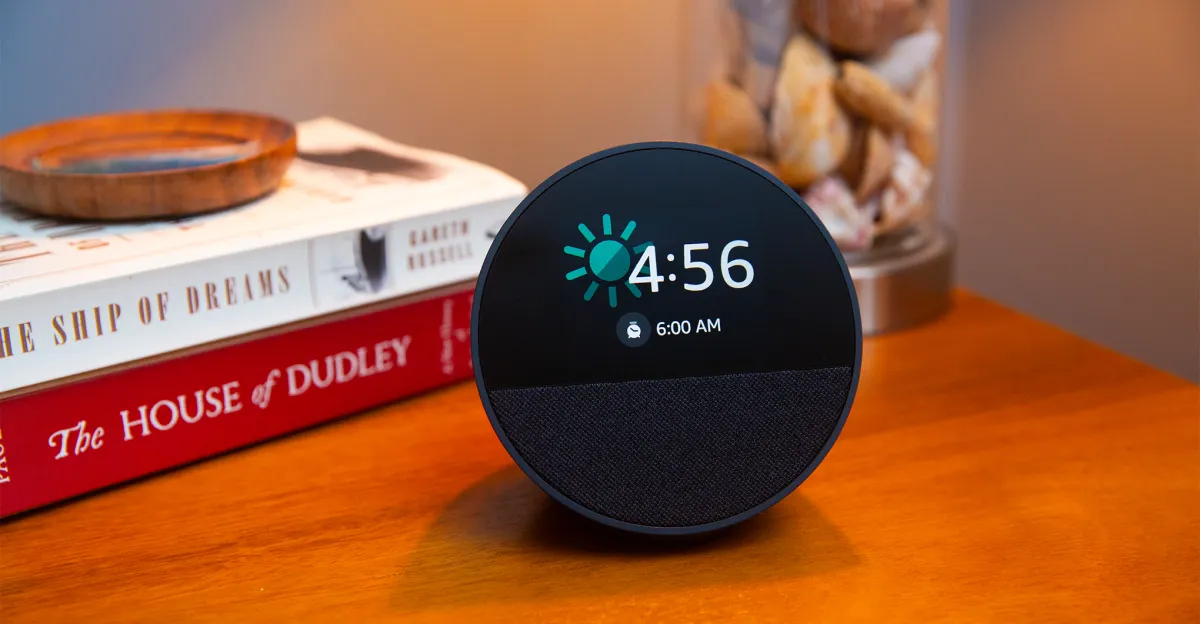
Emerging technologies like wireless earbuds, smart speakers, e-readers, and home automation devices are gaining momentum, with record-breaking deals highlighting their increasing accessibility and integration into daily life. Evident from the promotional campaigns, these gadgets are rapidly evolving through disruption-driven innovation, pushing major players to reimagine their offerings for younger, tech-savvy demographics. For example, the latest Echo devices and Kindle Scribe feature advancements in voice recognition, AI-driven personalization, and seamless ecosystem integration—factors that Gartner and forward-looking investors see as critical for capturing future market share.

The Impacts of Innovation on Business Strategy and Market Dynamics

Industry insiders like Elon Musk and Peter Thiel recognize that disruption in consumer electronics often signals broader shifts within the ecosystem of AI, IoT, and smart infrastructure. The current promotional landscape acts as a market testing ground for these innovations, where bold pricing strategies are employed to accelerate adoption. Companies leveraging machine learning and edge computing are gaining competitive advantages; for instance, smart home products that anticipate user needs and adapt accordingly could redefine residential automation within the next decade.

  • Features: Enhanced connectivity, AI-driven personalization, integrated ecosystems
  • Pros: Increased adoption, accelerated innovation cycles, expanded user engagement
  • Cons: Market saturation risks, supply chain fragility, rapid obsolescence concerns

These developments suggest an industry in flux, with market shifts under way that could advantage innovative startups and established giants willing to adapt quickly. As traditional companies face mounting pressure to innovate or risk obsolescence, the landscape is set for a new wave of disruptive entrants—especially those harnessing AI, 5G, and quantum computing—who will capitalize on this momentum to redefine consumer expectations and industry standards.

Looking Ahead: The Drive Toward a Tech-Driven Future

The rapid pace of technological innovation, combined with strategic promotional campaigns, heralds a future where disruption is the norm rather than the exception. Industry leaders, investors, and policymakers must stay alert to these shifts, recognizing that today’s consumer deals are microcosms of larger strategic pivots. The advent of more affordable, feature-rich devices signals that the next era of technological dominance will be characterized by hyper-innovation, market fragmentation, and new business models rooted in AI, connectivity, and user-centric ecosystems.

As the industry gears up for transformative change, stakeholders must prioritize adaptable, forward-thinking strategies—lest they fall behind. The countdown to a digitally integrated, AI-powered realm is accelerating, and those who act swiftly will shape the trajectory of technological progress in the coming decade.

Apple’s ‘Veritas’ Chatbot: Exclusive Peek at Siri’s AI Boost for Employees

Apple’s Siri Revamp Signals New Wave of AI Innovation and Industry Disruption

In a rapidly evolving landscape dominated by AI innovation, Apple is taking a strategic step forward with its latest internal initiative, Veritas. Sources close to Bloomberg’s Mark Gurman report that the tech giant is testing a next-generation iteration of Siri, aiming to redefine the personal assistant experience through advanced machine learning capabilities. This move highlights Apple’s recognition that AI-driven disruption is no longer optional but a necessity to stay competitive amidst rising rivals like ChatGPT and Google Gemini.

Though delayed multiple times due to challenges in keeping pace with industry leaders, Apple’s renewed focus on internal AI tools underscores a broader strategic shift. Industry experts such as Gartner point out that integrating conversational AI within ecosystems confers a significant competitive advantage, especially as user expectations evolve towards more intuitive, context-aware interactions. The newly developed chatbot allows Apple engineers to simulate real-world conversations, testing features that enable Siri to perform complex tasks—like searching through personal data or editing media—more seamlessly. While the decision to keep Veritas internal indicates a cautious approach, the underlying technology underpins Apple’s broader ambition to embed AI at the core of its ecosystem, fueling innovation, and customer loyalty.

However, the industry implications extend beyond mere product enhancements. As Apple grapples with boosting Siri’s capabilities, it faces an industry-wide dilemma: how to balance innovation, user privacy, and market disruption. Given the company’s historical emphasis on privacy, partnering with Google’s Gemini for AI search suggests a pragmatic approach—prioritizing technological synergy over complete in-house independence. This strategic reliance could set a precedent, prompting a reshuffling of AI development partnerships across the industry.

Looking ahead, the trajectory of Apple’s AI initiatives signals an inevitable disruption of the digital personal assistant paradigm. The parts are aligning for a new wave where everyday AI interactions are more intelligent and contextually aware, transforming how users engage with technology. Analysts such as those from MIT’s Computer Science and Artificial Intelligence Laboratory emphasize that such advancements could usher in smarter, more autonomous devices that fundamentally reshape consumer expectations. As Apple and its competitors race to dominate the AI-powered future, one thing remains clear: the next decade will be pivotal. Disruption is accelerating, and those unprepared risk falling behind in the emerging AI-driven ecosystem that is poised to redefine tech industry benchmarks.

In this pivotal moment, the tech world must watch closely—not just for the innovations announced, but for the shifts in power and influence that will determine the dominant players of tomorrow’s digital age. For industries and consumers alike, the race to AI supremacy is a high-stakes game, with innovation and disruption now the currency of success.

Crucial Tips for Picking Your 2025 Gaming Laptop—Stay Ahead in the Game

Next-Generation Gaming Laptops Signal a New Era of Innovation and Disruption

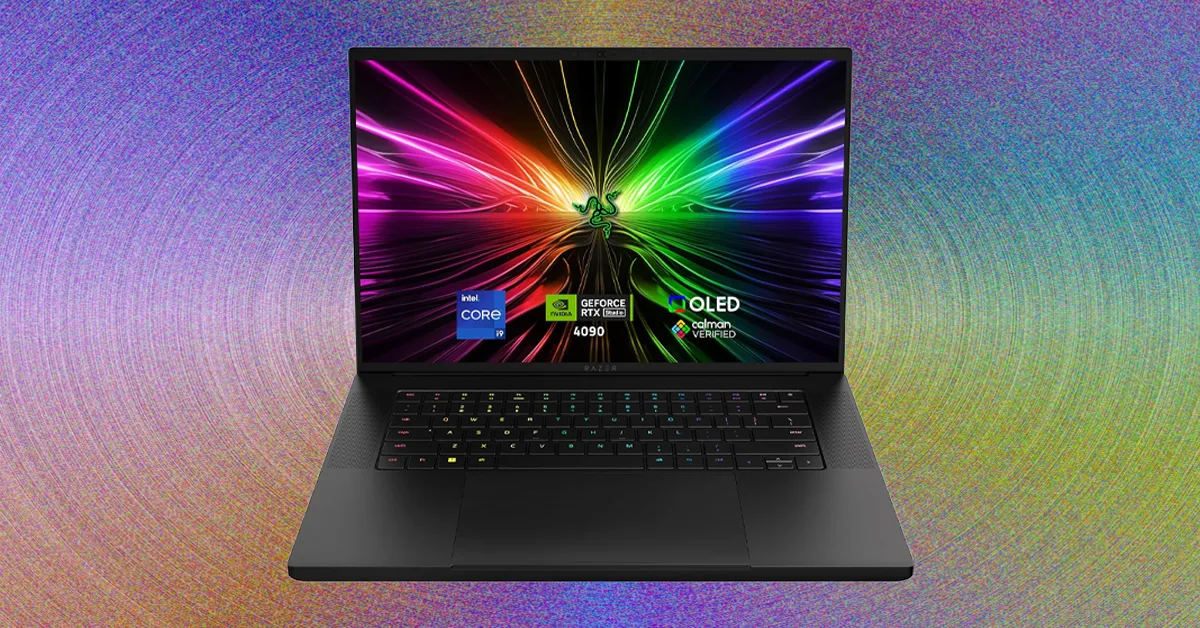
The gaming laptop industry is undergoing a seismic shift as hardware innovation accelerates, setting the stage for unprecedented performance levels and strategic market realignments. With the recent rollout of NVIDIA’s latest RTX 50-series GPUs, including the powerful RTX 5090 (24 GB VRAM), RTX 5080 (16 GB VRAM), and RTX 5070 Ti (12 GB VRAM), manufacturers are pushing the boundaries of graphics performance. These advancements are poised to redefine what’s possible for gamers and creators alike, challenging established industry standards and opening opportunities for disruption in premium hardware.

The implications for the business landscape are profound. Innovation in GPU architecture doesn’t just enhance gaming; it fundamentally shifts the competitive calculus in high-performance computing. As a result, companies that fail to adapt to this rapid evolution risk obsolescence. This momentum is echoed by industry analysts from Gartner and institutions like MIT, who emphasize that disruptive technology cycles are shortening, demanding aggressive R&D investment and strategic pivots. The uptick in VRAM from previous models also signifies a focus on future-proofing devices, allowing users to handle increasingly demanding applications with ease.

Meanwhile, the CPU landscape is equally compelling. The latest generation of chips from Intel and AMD introduces third-gen Ryzen AI processors, such as the Ryzen AI 9 365 and Ryzen AI 9 HX 375, and Intel’s new Core Ultra Series 2 H and HX chips. These CPUs, with power profiles reaching up to 55W, are designed to complement high-end GPUs, offering a balanced approach to performance, efficiency, and battery life. Notably, the adoption of the Ryzen 9 9955HX3D signals a move towards unprecedented gaming power—a trend that industry leaders are closely monitoring. This synergy of CPU and GPU innovation is unlocking new levels of gaming and creator productivity, serving as a catalyst for a new wave of ultra-powerful, portable machines.

As the market evolves, consumer choices are also shifting. The industry is rapidly discarding outdated standards, with most new laptops now equipped with a minimum of 16 GB RAM and increasingly moving towards 32 GB to meet the demands of modern, memory-intensive software. However, early adopters still face choices about affordability versus cutting-edge hardware. Experts caution against purchasing older GPU models—particularly those predating the RTX 40-series—citing risk of obsolescence, given the pace of technological progression.

The outlook for the gaming laptop segment is unequivocal: disruption is accelerating at an unprecedented rate. While current innovations focus on raw performance, the broader implications stretch into business strategies, market positioning, and future consumer expectations. Pioneers that invest in the integration of these emerging technologies, aligning with strategic insights from industry giants like Peter Thiel and Elon Musk, will unlock new opportunities for competitive advantage. The question now is not if but when the industry will fully embrace these changes, demanding a sense of urgency for stakeholders seeking to lead in this transformative era. As innovation continues its relentless march forward, one thing is clear: the future belongs to those willing to push the limits and disrupt the status quo.

Trump Shares and Quickly Deletes Wild AI Clip Promoting MedBed Conspiracy

In an era where technological innovation relentlessly redefines the boundaries of possibility, recent developments highlight both the disruptive potential of emerging technologies and the perils of misinformation that threaten to undermine public trust. AI-generated content and virtual medicine are quickly transforming industries, creating unprecedented opportunities for forward-looking businesses and challenging existing regulatory and ethical frameworks. These advancements, while promising, demand a vigilant approach to discern genuine progress from manufactured narratives that can distort public perception.

The controversy surrounding the supposed announcement of the world’s first MedBed hospital system exemplifies the profound impact of AI-driven misinformation on market stability and technological credibility. The floating claim of a universal, all-curing medical device—widely circulated in fringe online communities—mirrors historical patterns of conspiracy-driven disruption. Major tech analysts, such as those at Gartner, warn that this type of narrative can divert investment away from genuinely transformative innovations like regenerative medicine and personalized healthcare. Meanwhile, mainstream institutions are racing to develop real bioengineering breakthroughs that could revolutionize patient care, from CRISPR gene-editing to advanced biocompatible implants.

Concurrently, the proliferation of AI-generated media, including manipulated videos and synthetic personalities, underscores both the rapid innovation within deepfake technologies and the pressing need for industry and regulatory responses. Notable figures such as Elon Musk and Dr. Michio Kaku have voiced concern over how unchecked AI content can distort public discourse and manipulate markets. This presents an urgent challenge for businesses: developing resilient verification protocols and safeguarding against malicious use. The disruption could be profound—imagine AI-powered scams that imitate CEOs or government officials, threatening the integrity of digital commerce and national security itself.

Emerging reports emphasize that the convergence of AI, biotechnology, and blockchain will accelerate an **industry revolution**—a shift that surpasses the explosive growth seen during the dot-com boom. The market implications are clear: investments in authentic innovation will determine the future landscape of healthcare, cybersecurity, and consumer technology. As MIT researchers highlight, **the next decade will be defined by a race to harness AI’s potential responsibly, with real-world applications emerging faster than regulatory frameworks can adapt**. Warnings aside, the window to capitalize on these breakthroughs is shrinking fast, with entrepreneurs and investors urged to seize opportunities rooted in *credible* scientific progress rather than fabricated hype.

Looking forward, the onus is on industry leaders and policymakers to foster an ecosystem where genuine innovation flourishes amidst an increasingly complex digital battlefield. The rapid pace of technological progress necessitates a proactive stance—embracing disruption while guarding against its darker implications. In this new digital epoch, those who can harness truth and transparency will lead the charge, shaping a future where technology serves humanity’s highest ambitions. The clock is ticking; the next wave of transformative breakthroughs is on the horizon, demanding both urgency and strategic foresight from every stakeholder committed to a brighter, smarter tomorrow.

Social Media Auto Publish Powered By : XYZScripts.com