Matox News

Truth Over Trends, always!

WireGuard Dev Blocked by Microsoft, Puts Updates on Hold—Youth Tech World Reacts

Microsoft’s Account Lockout Crisis Disrupts Critical Open Source Projects, Signals Industry Wake-Up Call

In a troubling development for the open-source and cybersecurity communities, WireGuard, a leading VPN protocol powering security solutions like Mullvad and adopted globally for its lightweight yet robust security features, has been effectively sidelined. The creator, Jason Donenfeld, reports being locked out of his Microsoft developer account, rendering him unable to ship vital updates for WireGuard for Windows. This incident underscores a broader and disturbing trend of unannounced account suspensions impacting crucial software projects and raising questions about the resilience of the infrastructure that supports digital innovation and security.

The impact of this lockout extends beyond WireGuard. Industry observers point out parallels with other high-profile cases, such as VeraCrypt, a widely used encryption tool with hundreds of thousands of users. Both projects faced sudden account termination without prior warning, halting updates and potentially exposing users to vulnerabilities. Mounir Idrassi, the VeraCrypt developer, highlighted the significant risk posed by such disruptions, noting that the inability to push critical updates due to account suspension threatens the very security guarantees that open source promises its user base. This phenomenon demonstrates a worrisome shift in industry power dynamics, where even open source projects—traditionally considered resilient—are vulnerable to unilateral platform decisions.

Innovation and Disruption in the Tech Infrastructure

This incident marks a pivotal moment for the broader software and security ecosystem. Microsoft‘s new mandatory account verification process, supposedly designed to enhance security, inadvertently introduces significant operational risks for developers. As Donenfeld explained, he was subjected to an “access restricted” error despite having verified his identity through third-party verification providers. The process, part of Microsoft’s Windows Hardware Program, required developers to upload government-issued IDs, a move that aligns with efforts to combat counterfeiting and malicious hacks, but also concentrates immense power in Microsoft’s hands—power that can disrupt entire projects if misused or misjudged.

  • Developers unable to ship updates, leaving software exposed to potential vulnerabilities.
  • Open-source projects face higher risks of operational failure due to platform dependency.
  • Potential threats to security and user trust if critical updates are delayed or blocked.

Industry analysts like Gartner increasingly warn about the consequences of over-centralization in platform control, emphasizing that *innovation thrives in environments that balance security with developer autonomy*. The lockout incidents at Microsoft exemplify the tipping point where cloud and platform monopolies threaten to undermine that balance, pushing open source and innovative startups into precarious positions.

Implications for the Future of Tech and Industry Response

While Microsoft’s support team has indicated that the verification program has concluded and that efforts are underway to resolve these issues, the incident underscores an urgent need for industry-level reforms. The ongoing sidelining of key projects signals a fundamental question: How resilient is the modern software ecosystem to platform policies and algorithmic gatekeeping? Tech entrepreneurs, led by visionary figures like Elon Musk and Peter Thiel, stress the importance of decentralization, open standards, and resilient infrastructure as vital countermeasures to preserve innovation in a rapidly converging digital future.

Forward-looking industry leaders acknowledge that this crisis is a wake-up call. If the industry does not develop mechanisms to prevent such disruptions—such as decentralized identity verification, regulatory safeguards, or alternative distribution channels—the risk of stagnation and security compromise will only grow. The clock is ticking for developers, enterprises, and policy makers to rethink reliance on monolithic platform ecosystems. An era of disruption driven by platform dependency is upon us, and the need for resilient, open, and flexible technological infrastructure has never been more urgent.

The coming months will be critical as stakeholders work to restore the affected projects and explore resilient avenues of software deployment. As the industry stands at this crossroads, reflective of an entrenched oligopoly, the battle for control and security in the digital age is only intensifying. The choices made now will define the landscape of innovation for years to come—marking a period where agility, autonomy, and resilience become the strategic pillars of technological progress.

OpenAI’s economic ideas spark debate in D.C.—what young innovators need to know

In the rapidly evolving landscape of artificial intelligence, OpenAI has recently taken a notable stance with the release of a comprehensive 13-page policy paper outlining its vision for AI’s impact on the American workforce. Touted as a blueprint for responsible progress, OpenAI proposes a series of disruptive innovations designed to reshape the economic framework and accelerate the integration of AI into society. Among the proposed initiatives are a public wealth fund, a four-day workweek financed through “efficiency dividends,” and government-led transitional programs focused on shifting human labor into “human-centered” domains. These measures, theoretically, aim to harness the abundance brought by AI, fostering a future of prosperity and resilience. However, industry insiders and critics alike question whether such proposals are actionable or merely aspirational—highlighting the vital importance of innovation that disrupts traditional business models while aligning with a pragmatic regulatory landscape.

The timing and credibility of OpenAI’s policy initiatives, however, are under scrutiny. The very day the document was published, a meticulous New Yorker investigative report exposed a pattern of deception by Sam Altman and his leadership team, casting doubt on their sincerity in promoting responsible AI governance. The article details how Altman’s public advocacy for federal oversight has often clashed with hidden efforts to suppress legislation that would impose necessary safety standards. Critics point to a history of clandestine lobbying and legal tactics aimed at diluting regulatory efforts—further fueling fears of business-driven disingenuousness.

  • While the policy paper features forward-thinking ideas—such as reliance on AI-generated abundance and government-supported worker transition programs—its viability remains uncertain amidst past corporate behaviors.
  • Experts like Malo Bourgon of MIRI warn that visionary statements risk becoming “just a piece of paper” unless actual political and corporate influence aligns with these promises.
  • Additional skepticism stems from OpenAI’s complex history with regulatory engagement—initial advocacy for oversight contrasted by clandestine efforts to weaken legislation once political winds shifted.

The broader implications for business disruption are immense. Industry giants and startups alike are racing to harness AI’s potential, but regulatory mooring is more critical than ever. The disruption of established work paradigms—from automation to universal income ideas—demands entrepreneurs to move swiftly. As renowned analysts from Gartner and MIT emphasize, the next decade will be crucial for deploying AI ethically and effectively, lest global markets become destabilized by a lack of coordinated governance. Underpinning this urgency is a field characterized by relentless innovation, where firms like OpenAI threaten to redefine sector boundaries, yet are often hindered by political treachery and corporate greed.

Looking ahead, the trajectory of AI regulation and business integration will define the coming era. The window of opportunity to harness AI’s disruptive power — without succumbing to unchecked corporate or political machinations — is narrowing. For visionary entrepreneurs and resilient policymakers, the challenge remains to translate aspirational policy into tangible results amid the chaos of conflicting interests. Accelerating innovation, demanding transparency, and fighting for pragmatic regulation will be pivotal. The tech world stands at a crossroads: the decision made today will echo through the decades, determining whether AI becomes America’s ultimate toolkit for prosperity or its most potent source of instability. Time is of the essence, and urgency is essential — the future belongs to those who act decisively to seize AI’s disruptive promise while safeguarding societal integrity.

ProPublica Staff Strike Over AI, Layoffs, and Pay—Youth in Tech Push Back

ProPublica Union’s Digital Strike Sparks Debate on AI and Workplace Protections

In a bold move that underscores the seismic shifts underway in the media industry, ProPublica‘s unionized staff has announced a 24-hour strike, demanding greater oversight and transparency regarding the use of generative AI. The approximately 150-member ProPublica Guild, which unionized in 2023, is calling for protections around AI deployment, layoffs, and employee rights—signaling a broader industry reckoning with the disruptive power of artificial intelligence. As this vanguard of digital journalism stands at the frontline of technological evolution, their protests highlight an urgent need for innovation that balances automation advancements with workers’ rights.

The core issue fueling this labor unrest centers on the recent introduction of ProPublica’s AI policy. Members allege the policy was implemented unilaterally, without sufficient consultation or transparency, particularly concerning how AI tools will influence newsroom processes and storytelling. This mirrors a larger industry trend: at institutions like The New York Times, AI has been leveraged to parse complex documents, aiding investigative journalism, while other outlets like Fortune have automated content creation—churning out hundreds of stories through AI algorithms. These examples exemplify how AI is rewriting the foundational landscape of media production, creating a clash between technological innovation and ethical labor practices.

Analysts such as Gartner and industry insider voices emphasize that this era of AI-driven automation demands robust governance frameworks and disclosure standards. The industry is witnessing a trend where AI tools can significantly boost productivity, but at the potential expense of transparency and job security—so much so that unions are now frequently negotiating AI language directly into employment contracts for the first time. The union’s stance advocates for

  • Protection against layoffs due to AI redundancy
  • Inclusion of workers in decision-making processes involving AI deployment
  • Mandatory public disclosures when AI is used to generate content

These demands reflect a broader industry imperative: to harness AI for disruption and innovation without sacrificing the core values of journalism or jeopardizing employment.

The business implications of this debate are profound. Tech giants and media companies alike face a dual challenge: fueling innovation with AI while managing social and labor concerns. As Elon Musk and Peter Thiel have warned, unchecked AI deployment risks not only ethical compromises but also operational instability, potentially undermining investor confidence and public trust. The current protest at ProPublica indicates a pivotal inflection point. If companies continue to push AI integration without establishing transparent, worker-inclusive policies, they risk alienating their most valuable asset—human talent—and incurring reputational damage. Conversely, firms that proactively develop clear standards and foster accountability may set new industry benchmarks—disrupting traditional media models and establishing themselves as ethically responsible innovators.

Looking ahead, the conflict at ProPublica illustrates the urgent need for an industry-wide shift. As AI continues its rapid evolution, stakeholders—including media outlets, tech developers, and regulatory bodies—must collaboratively forge pathways that prioritize fairness, transparency, and technological advancement. The pressure firms face to adapt quickly is only intensifying; those who fail to do so risk falling behind in a landscape where innovation is the key to survival. The stakes are high: the next decade will determine how AI reshapes journalism, employment, and the societal trust in digital media. As the industry stands on this precipice, one thing is clear—embracing innovation must go hand-in-hand with ethical responsibility, or risk being left behind in a rapidly changing technological frontier.

Why I’m rooting for small-scale AI pioneer Arcee

Arcee’s Breakthrough Open Source Large Language Model Signals Disruption in AI Industry

In a remarkable feat of innovation and disruption, Arcee, a lean U.S.-based startup with only 26 employees, has unveiled its latest creation: Trinity Large Thinking. This massive 400-billion-parameter open source language model challenges the dominance of Chinese and Big Tech giants, offering a potent alternative rooted in cost-effective ingenuity. Constructed on a shoestring budget of just $20 million, this model pushes the boundaries of what small teams can achieve, signaling a radical shift in the global AI landscape.

The significance of Arcee’s achievement extends beyond the technical specs. By releasing Trinity under the Apache 2.0 license, the company actively disrupts entrenched norms by providing a fully open, customizable model for U.S. and Western companies, addressing concerns over reliance on Chinese proprietary models. As CEO Mark McQuade asserts, Trinity is “the most capable open-weight model ever released by a non-Chinese company,” positioning it as a strategic tool for Western innovation and sovereignty. These developments threaten to upend the traditional AI power hierarchy and empower startups and established firms alike to develop tailored AI solutions without restrictive dependencies or exorbitant licensing costs.

From a business perspective, Arcee offers multiple deployment options, including on-premises training and cloud-based API access, fostering a flexible ecosystem for developers. Their model’s success with open source agents like OpenClaw—where Trinity’s performance rivals and surpasses proprietary offerings—exemplifies a broader industry shift towards distributive AI development. Furthermore, this approach aligns with an emerging trend that fosters democratized AI innovation, driven by startups challenging the monopoly of large conglomerates like Meta and OpenAI. As Gartner notes, such democratization accelerates industry evolution, paving the way for more decentralized, borderless AI ecosystems.

Looking ahead, the industry faces a crossroads: will the old guard cling to centralized control, or will the rise of agile, open-source models like Trinity catalyze a wave of business disruption? Industry leaders and analysts such as Peter Thiel and MIT scholars warn that the current consolidation risks stifling innovation, while emerging startups threaten to reshape the landscape from the ground up. The upcoming TechCrunch event in San Francisco this October promises further insights into this rapidly shifting terrain, emphasizing the race for technological supremacy. As disruption accelerates, the imperative for Western companies to harness and innovate rapidly has never been more urgent.

Firmus, Nvidia-backed ‘Southgate’ AI data hub, rockets to $5.5B valuation—next-gen tech on the rise

Firmus Accelerates AI Infrastructure Disruption with $505 Million Funding Round

In a significant leap forward for the AI and data center industries, Asia-based Firmus, a rising powerhouse in AI infrastructure, announced the completion of a $505 million funding round led by Coatue Capital. Valued post-money at $5.5 billion, the Singapore-headquartered firm has now amassed over $1.35 billion within six months—a testament to the urgent market demand for next-generation AI data centers. This bold move signals a strategic pivot in Asia’s tech landscape, emphasizing innovation that challenges traditional Western dominance in cloud infrastructure and AI processing capabilities.

Firmus’ aggressive funding trajectory and technological ambitions exemplify a broader industry shift toward energy-efficient, high-performance AI data centers. By developing what it calls an “AI factory” network across Australia and Tasmania, Firmus aims to set new standards for sustainable, scalable AI infrastructure. These centers leverage Nvidia’s cutting-edge Vera Rubin platform—the next-gen AI computing architecture poised to replace the Blackwell system—marking a crucial technological disruption in AI hardware. The integration of Nvidia’s reference designs underscores the escalating importance of strategic partnerships between hardware giants and infrastructure providers, greatly impacting global AI deployment strategies.

Technological Innovation and Market Disruption

Founded initially on cooling solutions for Bitcoin mining, Firmus has transitioned into an AI-centric data powerhouse, aligning itself with industry leaders like Nvidia. The company’s development of Project Southgate underscores the confluence of innovation and accelerated market shifts—the push toward efficient, AI-optimized data centers capable of supporting the exponential growth of AI workloads. The disruption here is clear: traditional data center giants are now competing with agile, tech-forward entrants capable of rapid innovation using advanced hardware and energy-efficient designs. Analysts from Gartner and MIT highlight that such strategic moves could redefine the AI supply chain, especially if Asia continues to outpace Western counterparts in infrastructure deployment and funding.

  • Deployment of Nvidia’s Vera Rubin platform, with expected shipment in late 2026, will enable unprecedented AI processing power.
  • Focus on sustainable energy use aligns with global environmental goals, making these centers more attractive to environmentally conscious investors and stakeholders.
  • Strategic positioning in Australia and Tasmania grants access to both resource-rich regions and emerging markets.

Implications for Global Business and Industry Dynamics

This influx of capital and innovation at Firmus’ scale signals a shift in global AI infrastructure investments, which may realign industry dominance. With major investors like Nvidia and Coatue orchestrating this disruption, industry insiders warn of a possible realignment of cloud dominance—moving away from established Western giants to emerging Asian players. The core implication for business leaders is clear: substantial capital, strategic partnerships, and technological innovation are imperative to stay ahead in what is now a fiercely competitive race for AI supremacy.

Looking ahead, firmus’ strategic growth trajectory and technological embedding suggest that Asia is positioning itself not just to catch up but to potentially lead the next wave of AI infrastructure. As hardware advances by companies like Nvidia accelerate, and ecosystem collaborations deepen, the industry is racing toward a future where disruptive tech could lead to the decentralization of AI deployment dominance. Echoing insights from thought leaders such as Peter Thiel and Elon Musk, the message resonates: timing and innovation are now the currencies of industry leadership in AI and data infrastructure.

In conclusion, the rapid developments at Firmus highlight an urgency for stakeholders everywhere: adapt or risk being left behind. As Asia’s AI infrastructure landscape surges ahead, it’s evident that the coming years will determine who truly owns the future of AI technology and its societal, economic, and geopolitical implications.

Living Loud: My Week Fully Off the Grid as a ‘Do Not Disturb’ Maximalist

Tech Disruption and Innovation: The Rise of ‘Do Not Disturb’ Culture Signals a Paradigm Shift in Smartphone Usage

In the fast-evolving landscape of digital technology, a notable disruption is reshaping the way younger consumers engage with their devices—namely, the growing embrace of ‘Do Not Disturb’ (DND) modes. This phenomenon not only highlights a pushback against the constant-connection norm, but signals a broader shift in user priorities that could redefine mobile engagement strategies. Tech giants like Apple and Google have long integrated DND features into their flagship operating systems, yet recent software enhancements have dramatically broadened their appeal, aligning with a youth-driven demand for greater control over digital consumption.

Analysts from firms such as Gartner suggest that this trend toward notification silencing is more than mere fad; it represents an industry-wide disruption that could alter smartphone ecosystem dynamics profoundly. While traditional metrics focused on maximizing user engagement through relentless notifications, a new segment of users—especially younger demographics—are actively seeking to minimize distractions and regain sovereignty over their attention. Amidst this evolution, innovative features like scheduled auto-silencing, customizable exceptions, and integrated sleep modes are setting the stage for a paradigm where digital wellness takes precedence. Experts like Elon Musk and Peter Thiel have long warned about the mental health implications of incessant notifications, and the market’s response indicates a possible pivot towards humane tech.

From a business perspective, this shift creates both risks and opportunities. Companies that adapt by developing distraction-management tools and prioritize privacy-centric features stand to capture the loyalty of a new generation of users increasingly wary of invasive notifications. On the downside, entrenched business models relying on data-driven engagement must recalibrate, innovating new monetization avenues that do not depend solely on relentless user interaction. This emerging landscape demands a strategic recalibration, as companies that fail to recognize this disruptive wave could find themselves left behind in an evolving tech ecosystem where digital well-being is not just a feature, but a market expectation.

Future Outlook: Innovation Meets Urgency

The ongoing development of next-generation smart devices—including AI-enabled notification filters and contextual interruption managers—will likely accelerate this trend. Academic research, such as studies published in Computers in Human Behavior, underscore the detrimental effects of constant social media notifications—causing cognitive hiccups that last approximately seven seconds—and reinforce the pressing need for innovative solutions. As digital natives continue to prioritize mental clarity and social boundaries, technological innovation must align accordingly. Within this framework, stakeholders ranging from Silicon Valley startups to legacy giants are compelled to innovate urgently.

In conclusion, the rise of the ‘Do Not Disturb’ mentality signals a momentous shift—where innovation and disruption in mobile tech are converging to redefine industry standards. Market leaders who recognize and capitalize on this profound transformation will shape not only the future of personal technology but also the broader societal conversation about healthy digital engagement. The urgency is clear: adapt now or face irrelevance in a landscape that demands respect for individual attention and privacy. As the next chapter unfolds, the tech ecosystem must navigate this disruptive tide—driven by a generation seeking control over their digital lives—to remain at the forefront of innovation and market leadership.

OpenAI vets launch low-key $100M fund, making stealthy moves in the tech game

Innovation Disruption as Zero Shot VC Launches with Deep OpenAI Ties

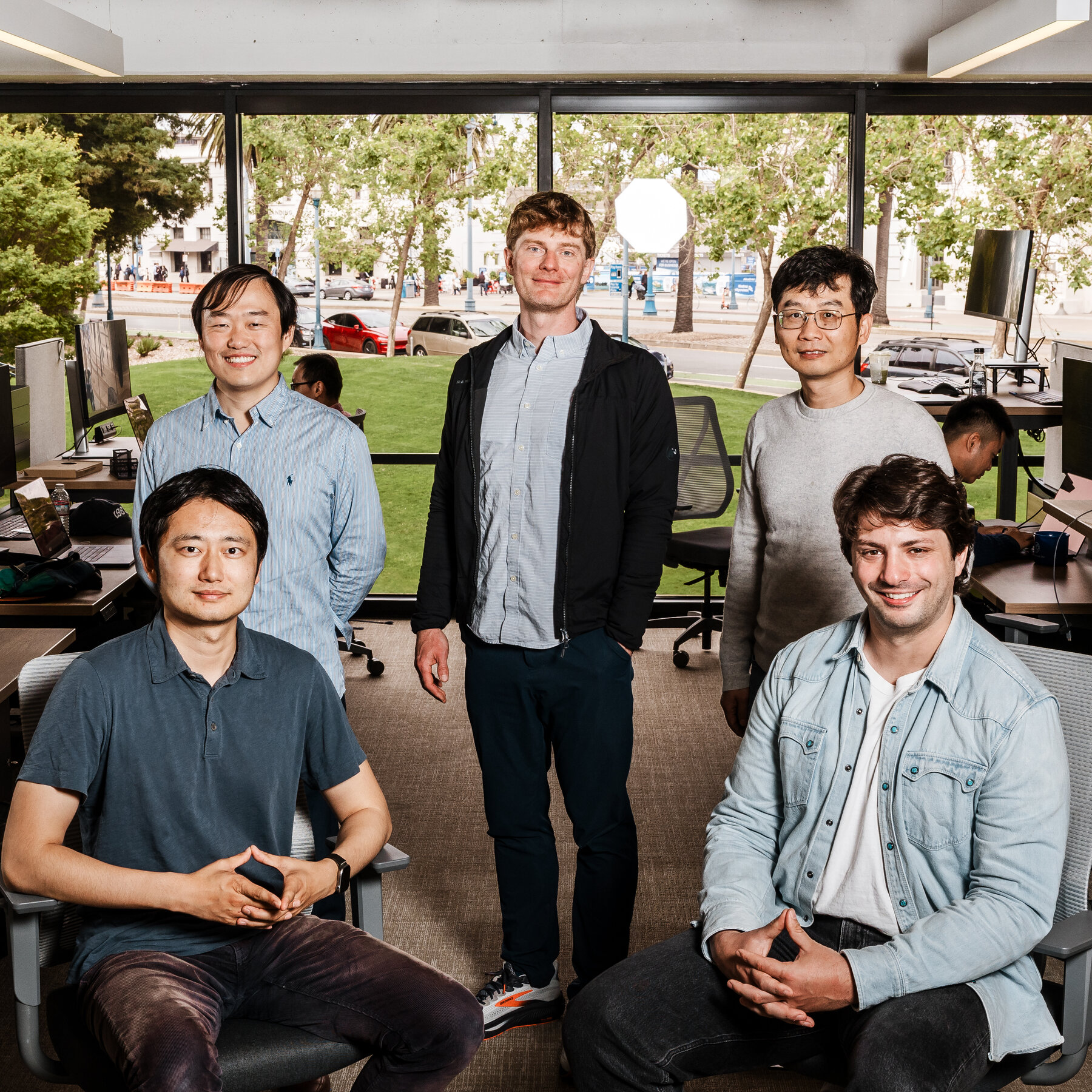
In a move that signals a significant shift in the AI investment landscape, Zero Shot, a new venture capital fund deeply rooted in the AI powerhouse OpenAI, has announced its first close on a targeted hundred million dollar fund. The fund, formed by a team of former OpenAI insiders—each with a track record of pioneering AI innovations—aims to capitalize on disruptive AI-driven startups that align with their forward-looking vision. Already committed to writing their initial checks, Zero Shot is positioning itself at the forefront of the next wave of AI breakthroughs that could redefine industries from robotics to enterprise software.

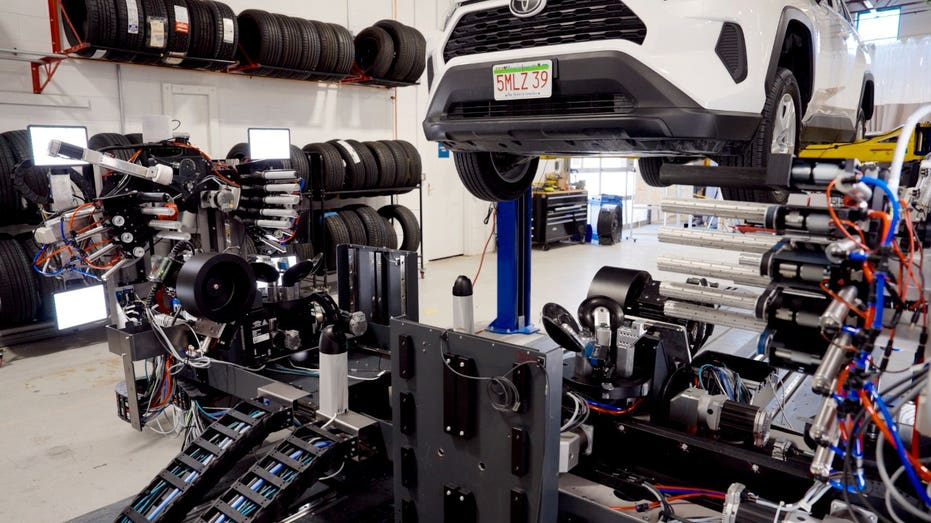
The founding partners, including Evan Morikawa, Andrew Mayne, and Shawn Jain, bring unparalleled expertise from OpenAI’s most transformative years—the rise of ChatGPT and DALL·E. This powerhouse trio is complemented by veteran VC Kelly Kovacs and Brett Rounsaville, who have backgrounds spanning from Twitter to Disney. Their combined experience, combined with close relationships within AI research communities, provides a unique vantage point—one that the group claims is superior to many mainstream VC firms in identifying truly innovative startups. Their first investments, such as Foundry Robotics, exemplify a focus on AI-enhanced industrial automation, a sector ripe for disruption, especially as factory robotics incorporate AI at an unprecedented scale.

The Implications for Industry and Market Dynamics

The venture’s targeted approach signifies a clear shift in market priorities, with a pronounced emphasis on practical AI applications that address pressing industrial and technological gaps. By selectively investing in sectors like robotics and AI deployment, Zero Shot is effectively disrupting traditional VC models, favoring startups with tangible, real-world applications over speculative ventures. This focused strategy could accelerate innovation cycles, drive down R&D costs, and push industries toward adopting AI-powered solutions faster than ever before. Such a move underscores a broader trend of specialization and strategic investment—synthesizing knowledge from AI research and venture execution to maximize the impact of new technologies on the economy.

Analysts from Gartner and MIT’s Media Lab suggest this trend toward AI-centric VC funds accelerates industry consolidation and democratizes access to cutting-edge technology across sectors in ways previously unthinkable. Experts like Elon Musk and Peter Thiel warn of the potential for AI to be weaponized or misused if left unchecked—placing an increased onus on investors like Zero Shot to ensure ethical deployment. Their skepticism about popular but less promising AI trends—such as most ‘vibe coding’ platforms or ‘digital twin’ startups—signals a mature, discerning approach that could sharply influence market trajectories. If their predictions hold, we may see a wave of startups that prioritize principled, research-backed AI innovations, rather than chasing fleeting trends.

Future Outlook: Innovation’s Urgency

Looking ahead, the establishment of funds like Zero Shot underscores a critical moment in AI and tech evolution—a time when disruption is not just expected but imperative. The strategic focus on emerging robotics, AI deployment, and logical reasoning models reveals an emerging consensus: the next decade belongs to those who can seamlessly integrate advanced AI into real-world applications at scale. As many traditional companies and venture firms lag behind in adapting to AI’s transformative potential, the pressure to innovate accelerates exponentially. Stakeholders must stay agile, lest they fall behind the rapid pace of progress driven by visionaries wielding deep expertise and strategic capital. The challenge—and opportunity—lay in harnessing this disruptive wave before it reshapes the entire technological earth, leaving those unprepared behind in a dust cloud of obsolescence.

Apple gears up for Supreme Court fight against Epic, once again.

Apple’s Legal Clash with Epic Games Signals Disruption in App Store Economics

In a move that underscores the ongoing upheaval in digital platforms, Apple is preparing to escalate its long-standing legal battle with Epic Games to the Supreme Court. This legal maneuver aims to challenge recent rulings that limit how Apple can charge developers for external payments, a decision that could reshape the fundamental economics of the App Store model. The case, pivotal in defining the future of app distribution and revenue sharing, arrives at a critical juncture where disruption threatens to upend entrenched business practices.

Technology analysts see this as more than a courtroom skirmish; it’s a reflection of broader industry trends emphasizing innovation and market disruption. The court’s decision, which allows developers to funnel users to external payment options, effectively challenges Apple’s 30% cut. Although Apple has reduced its fee to 27%, critics, including Epic, argue that this marginal reduction fails to address core concerns: the lack of transparency and the potential for monopolistic behavior. As the legal proceedings unfold, the implications extend well beyond Apple and Epic, with Google settling similar disputes by dropping its Store commissions to 20%—a clear signal that the traditional app economy is ripe for overhaul.

Industry experts, such as those at Gartner and MIT, highlight that disruption in app store economics will accelerate innovation in digital transactions. The potential for lower fees and more open ecosystems could favor emerging decentralized app marketplaces and AI-powered interfaces that bypass traditional app stores altogether. This evolving landscape demands that companies adapt swiftly; failure to innovate could result in diminishing market share as consumers gravitate toward AI agents capable of seamless transactions without the constraints of legacy platform fees. The court’s upcoming decision could catalyze a seismic shift, effectively encouraging developers to prioritize alternative distribution channels and spurring investment in disruptive payment technologies.

Expert analyses warn that the legal trajectory indicates that the era of unchecked platform control might be near an inflection point. As the case advances, it underscores a broader “tech renaissance” where disruption and innovation are paramount. The decision handed down could serve as a catalyst for a new wave of monetization strategies, prompting tech giants and startups alike to reimagine how digital goods are exchanged. While this legal showdown continues, the industry faces an urgent call to embrace these changes—those who hesitate risk being left behind in a rapidly evolving digital economy that favors agility, transparency, and consumer empowerment.

Xiaomi 17 Ultra: Next-Level Features Make Photography Exciting for Young Creators

Xiaomi 17 Ultra: Redefining Smartphone Innovation and Disruption

The global launch of the Xiaomi 17 Ultra marks a pivotal moment in mobile technology, exemplifying how disruption of traditional smartphone design and hardware standards can influence the industry’s trajectory. This device prominently features a substantial camera bump, housing an advanced sensor suite developed in partnership with Leica, signaling an industry-wide shift toward professional-grade photography integrated directly into flagship smartphones. Such innovation not only elevates user experience but also has profound business implications—challenging camera-dedicated device markets while setting new standards for integrated imaging solutions.

Beyond its pioneering camera design, the Xiaomi 17 Ultra is packed with top-tier hardware, including Qualcomm’s latest Snapdragon 8 Gen 5 processor, a 6.9-inch AMOLED display with a peak brightness of 3,500 nits, and a robust 6,000 mAh battery capable of lasting days under moderate use. These specifications underline Xiaomi’s commitment to maintaining disruption in performance metrics—in a market where power and display quality are often decisive factors—catapulting the device beyond mere imaging capabilities to a comprehensive flagship experience. Notably, the device supports fast charging with 90W wired power, enabling rapid recharges that synchronize with the consumer’s fast-paced lifestyle, a clear response to trend-shifting expectations for instant connectivity and minimal downtime.

Disruptive Innovation in Mobile Photography and Industry Implications

The Xiaomi 17 Ultra’s camera system epitomizes industry innovation, deploying a 50-megapixel ultrawide lens with macro capabilities, complemented by a cutting-edge ring for professional camera filters. Its imaging package extends further with a dedicated shutter button, customizable exposure controls, and a specialized “fastshot” mode available in both Kit Pro configurations, targeting better street and candid photography. This integrated professional-grade kit effectively disrupts conventional perceptions that such power can only be achieved through bulky, dedicated camera equipment, pushing hardware and software convergence to new levels. The disruption isn’t just aesthetic; it has direct business impacts, compelling competitors like Vivo and Oppo to innovate along similar lines, as Xiaomi’s early market entry and premium positioning could reset consumer expectations and industry standards for flagship phones.

  • Leica’s partnership elevates Xiaomi’s photography credentials, fostering a premium brand association
  • High-end features with a price starting at €1,499 showcase a premium disruptive approach targeting tech enthusiasts and professionals
  • The accompanying Photography Kit Pro expands the device’s hardware ecosystem, emphasizing the business shift toward modular, customizable photo solutions
  • Emerging market competition remains fierce; flagship phones from competitors will need to match or surpass Xiaomi’s integrated professional tools

Market analysts from Gartner and MIT’s Media Lab have underscored that such innovation doesn’t just elevate Xiaomi’s portfolio but signals a larger industry trend towards converging professional camera tech into everyday devices. This creates a ripple effect—prompting traditional camera manufacturers to innovate or risk obsolescence, while smartphone producers race to embed more sophisticated sensors and functionalities.

Looking forward, the Xiaomi 17 Ultra’s aggressive push into professional-grade mobile photography demonstrates that the industry is entering an era where disruptive innovation isn’t just about raw hardware specs but about redefining how consumers engage with mobile and imaging technology. With upcoming competitors like the Vivo X300 Ultra and the Oppo Find X9 preparing their own photography-centered flagships, Xiaomi’s early momentum might position it as a benchmark for the next-gen smartphone. Yet, the industry’s pace indicates that urgency is essential—disruption is relentless, and the future belongs to those who innovate faster and smarter.

Polymarket pulls bets on Air Force officer rescue amid controversy

Disruptive Impact of Prediction Markets: Polymarket Under Scrutiny

The rise of decentralized prediction markets such as Polymarket has ignited a debate on the transformative potential and associated risks of harnessing blockchain technology for real-time event betting. These platforms, leveraging the power of blockchain transparency and _crypto-enabled liquidity_, are pioneering a new frontier for disruption in information markets. Their ability to facilitate high-volume, fast-paced trading on geopolitical and military events exemplifies both their innovation and their threat to traditional information control and oversight.

Recent incidents, including Polymarket allowing bets on the rescue timeline of U.S. service members shot down over Iran, underscore the platform’s capability for rapid, unregulated market formation. While such markets offer unprecedented *disruption* for policymakers, analysts, and the private sector in gathering real-time sentiment and intelligence, they also raise profound ethical and security concerns. The backlash from Congressional figures—notably Rep. Seth Moulton’s denouncement—highlights the platform’s erosion of traditional moral bounds and the risks of commodifying human life and military crises.

Innovation and Business Implications

From a technological innovation standpoint, Polymarket exemplifies how blockchain’s immutable ledgers and tokenized assets can revolutionize traditional markets. The platform’s ability to process hundreds of millions of dollars, such as bets tied to the Iran bombing incident, demonstrates a new scale of market liquidity and disruption of conventional forecasting. Industry analysts, including Gartner, predict that predictions markets leveraging decentralized tech could reshape information asymmetry and influence geopolitical decision-making in ways previously unimagined.

However, the business implications are profound. Regulatory scrutiny is mounting, especially as platforms like Polymarket operate in a gray zone of legality and ethical boundaries. The platform’s response—taking down the market and initiating an internal investigation—illustrates ongoing challenges in maintaining integrity standards in a rapidly evolving space. The risk for investors and operators lies in potential crackdown measures which could stifle innovation but are deemed necessary by authorities to prevent market manipulation or moral hazard.

Disruption Ahead: Navigating the Future

The emergence of blockchain-powered prediction markets signifies a pivotal shift, favoring transparency, immediacy, and democratized access to information. Yet, as the industry accelerates, it must contend with regulatory environments that are increasingly hostile to unregulated betting on sensitive geopolitical events. Leaders such as Elon Musk and Peter Thiel have voiced caution about unchecked innovation without safeguards that align with societal values.

Looking forward, the trajectory of decentralized prediction markets will hinge on technological advancements, regulatory adaptations, and societal acceptance. The window for establishing frameworks that balance disruption and oversight is narrowing. As the digital landscape evolves, corporations and entrepreneurs must act decisively to shape the future of this disruptive technology, ensuring its benefits can be harnessed while minimizing ethical pitfalls. The stakes could not be higher, as the intersection of blockchain, AI, and real-time data continues to redefine the boundaries of what is possible—and what must be guarded.

Social Media Auto Publish Powered By : XYZScripts.com