Matox News

Truth Over Trends, always!

Stylish & Fresh: Top Looks to Rock with White Trousers for a Trendsetting Vibe

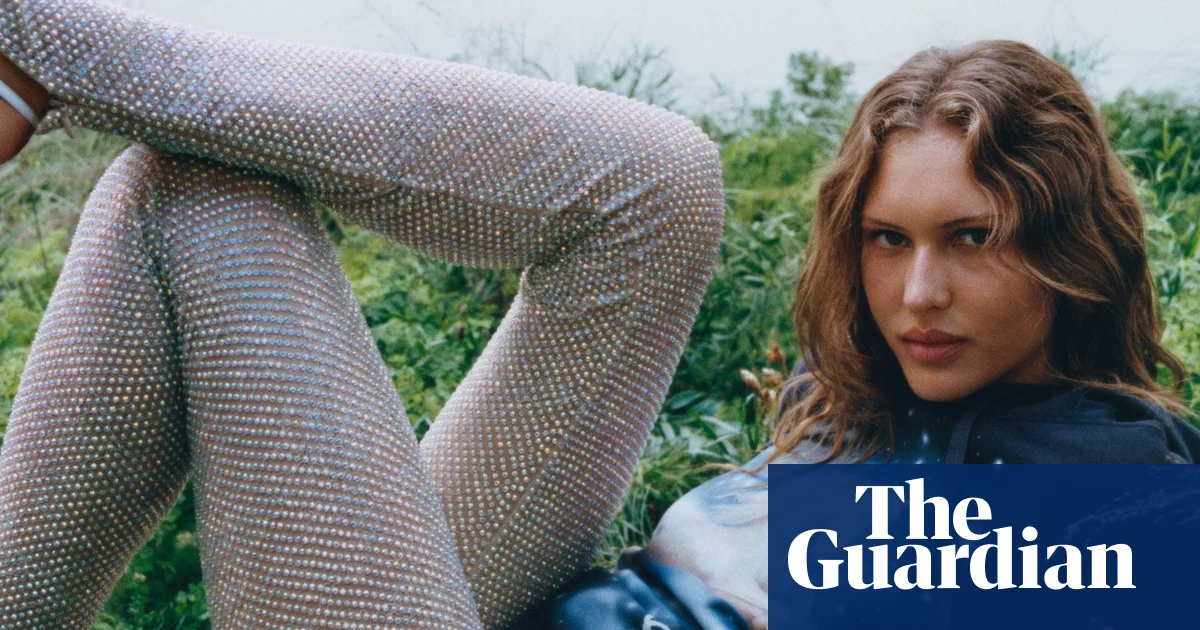
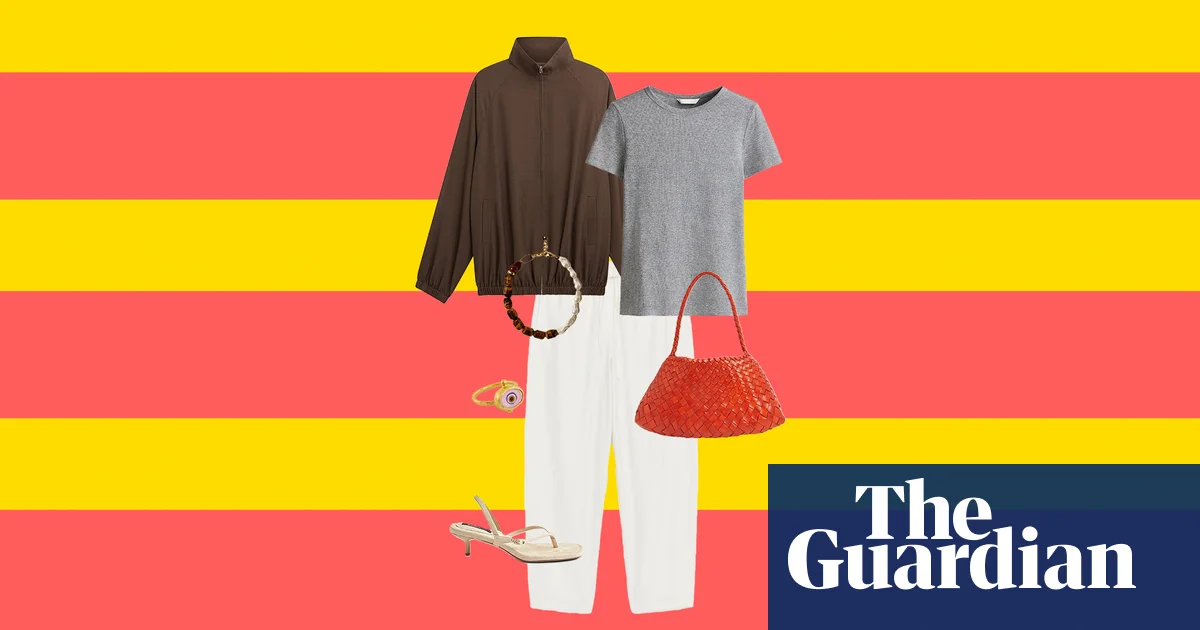
As the seasons shift and fashion continues to evolve, one trend stands out with enduring appeal: white trousers. Once considered a piece reserved for summer escapes or special occasions, they’re now emerging as a *year-round staple*, redefining what it means to embrace effortless style. Spring 2023 has witnessed a cultural shift where these pants are no longer confined by calendar constraints but are embraced as a versatile core of everyday fashion. According to style experts, white trousers have become the ultimate blank canvas, allowing young trendsetters to craft daily statements that resonate with a broader cultural synergy of minimalism and sophistication.

The social relevance of white trousers extends beyond their aesthetic appeal. Modern influencers such as Hailey Bieber and Emma Chamberlain have championed their adaptability, showcasing how a simple wardrobe update can profoundly influence identity and self-expression. These style icons emphasize that well-paired white trousers are more than clothing; they’re a statement about *confidence and clarity*. Sociologists note that this shift demonstrates a society increasingly inclined towards practical chic, where functional pieces also serve as platforms for cultural messaging. For young adults navigating a fast-paced digital landscape, the clothing choices they make—like adopting white trousers outside traditional seasons—signal a desire for *authenticity and resilience* in personal style.

The core of this trend’s cultural impact lies in its ability to bridge the gap between casual and elevated fashion. Spring’s reimagining of white trousers as a daily essential challenges long-held norms—where dressing up was reserved for designated occasions, now the style code encourages a fluidity that integrates seamlessly into daily life. A recent report from sustainable fashion analysts highlights how these trousers can serve as a foundation for sustainable wardrobes; their neutral shade makes them infinitely adaptable, reducing the need for rapid, seasonal fashion cycles. The rising popularity of this trend among *millennials* and *Gen Z* reflects a broader societal embrace of intentional, long-term wardrobe choices—a social shift towards valuing *versatility and minimalism*.

  • Top styling tips: Pair with a crisp shirt and loafers for a polished look, or combine with a graphic tee and sneakers for casual flair.
  • Color complements: Embrace earthy tones like beige and olive, or go bold with contrasting black accessories for a modern edge.
  • Influencer insights: Many young tastemakers are showcasing their own interpretations, fueling a communal redefinition of what “appropriate” fashion looks like throughout the year.

As this trend continues to gain momentum, the question remains: what does the future hold for this wardrobe staple? Is it simply a seasonal fad, or are we witnessing the emergence of a lasting cultural phenomenon that might reshape how society perceives not just fashion, but social identity itself? Fashion analysts argue that this rise of white trousers symbolizes a broader societal move towards *clarity and self-assurance*—a reflection, perhaps, of a generation seeking to forge a visual language of resilience amid a rapidly changing world. Will this enduring embrace of a seemingly simple garment signal a long-term shift towards more adaptable and straightforward expressions of style, or is it just another fleeting trend in the endless cycle of fashion’s evolution?

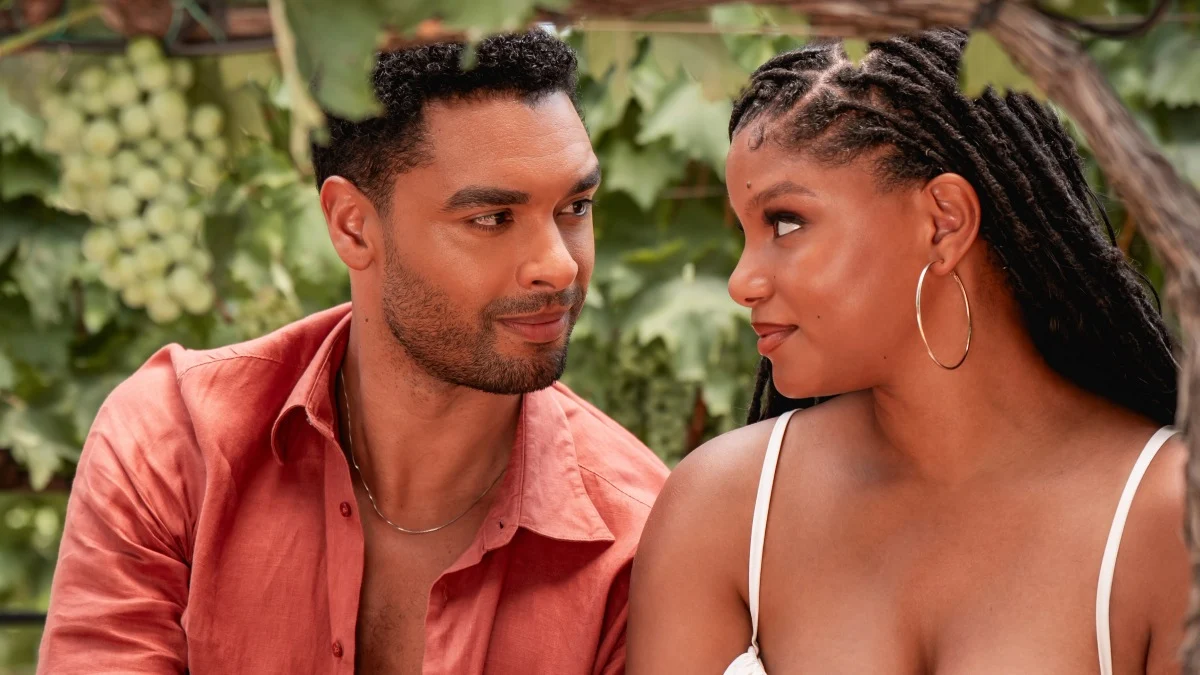
“You, Me & Tuscany”: Halle Bailey and Regé-Jean Page Bring Bright, Feel-Good Vibes to This Must-Watch Rom-Com for Young Trendsetters

As cherry blossom season blooms across the globe, a fascinating cultural shift is quietly taking root. While winter’s Heated Rivalry made us cozy and combattive from the comfort of our homes, this spring sees a new wave of inspiration: embracing classic romance amidst picturesque landscapes, especially in the evocative setting of Tuscany. The latest romantic comedy, You, Me & Tuscany, directed by Kat Coiro, taps into an age-old desire—fostering genuine human connections that transcend borders and societal expectations, all set against a sun-drenched Italian backdrop. This trend isn’t just about escapism; it’s a reflection of society’s longing for authenticity, emotional depth, and the celebration of cultural beauty.

Romance Reimagined: From Screen to Society

The cinematic influence of You, Me & Tuscany extends beyond mere entertainment. It symbolizes a cultural pivot towards valuing experiences that prioritize emotional vulnerability, scenic beauty, and local authenticity. The film’s narrative bears striking resemblance to the beloved 1995 rom-com While You Were Sleeping. Both movies revolve around a lonely young woman—Anna Bailey’s character—who dreams of a bigger life and finds herself entangled in a romantic quagmire involving rugged, yet charming Italian brothers. This juxtaposition of romantic idealism and cultural realism resonates deeply in today’s social climate, where virtual interactions are often replaced or supplemented by real-world connections and adventures. Influencers like Halle Bailey and Regé-Jean Page personify this shift, embodying the fresh, diverse faces of a rejuvenated romantic ideal that appeals to a younger, global demographic.

The Cultural and Social Impact

This renewed focus on romance and travel sparks a broader societal conversation. It underscores a collective desire to reconnect with authentic traditions—be it through culinary exploration, scenic adventures, or meaningful relationships. Trends such as

  • destination weddings in Italy
  • virtual wine tastings from vineyard tours
  • romantic weekend getaways inspired by cinematic portrayals

emerge as tangible expressions of this cultural revival. Influencers and sociologists alike highlight the significance of embracing local heritage and storytelling as pivotal components in shaping modern lifestyles. Hollywood’s portrayal of Italy as a romantic, culturally rich haven further fuels this movement—inviting audiences to envision their own stories unfolding beneath Tuscan sunsets.

The Future: More Than Just a Hollywood Dream?

While films like You, Me & Tuscany captivate with their charming cast and picturesque settings, the question remains: Are we witnessing the dawn of a true societal shift? Will the desire to find authentic love and adventure push more to adopt the romantic, experiential lifestyle that these stories celebrate? Or is this simply a fleeting trend—another way for culture to indulge in visual escapism? With social theorists raising questions about the long-term influence of such romantic narratives, one thing is clear: the next big question is whether this cinematic inspiration will translate into a broader movement that redefines how society values real-world connections over virtual ones, and adventure over routine. As younger generations seek purpose in meaningful relationships and cultural immersion, the future of this trend could very well be the next chapter in our collective story of love, life, and discovery.

Stay Ahead of the Game: Today’s Hints and Answers for April 8, 2026—Your Guide to Crushing the Day!

The New Wave of Mind Games: How Puzzles Like Hurdle Are Reshaping Youth Culture

In recent months, a surge in popularity for brain-teasing games like Hurdle has captured the attention of young audiences worldwide. These puzzles, reminiscent of classics like Wordle and Sudoku, are not just fleeting trends but emblematic of a larger shift toward cognitive engagement and social sharing among the youth. Unlike traditional gaming, which often emphasizes high-action or immersive storytelling, this new genre champions mental agility and social media virality. Influencers and trendsetters are now showcasing their puzzle-solving prowess, turning these activities into cultural phenomena that blend casual entertainment with mental fitness.

This trend reveals a notable social shift: a collective desire to demonstrate intellectual capability in a digital space increasingly driven by quick, sharable moments. Platforms like Twitter, TikTok, and Instagram are saturated with puzzle solutions, hints, and challenges—transforming these games into social currencies. As sociologist Dr. Lisa Carter notes, “The young generation is expanding the concept of play, integrating mental exercises into daily digital interactions to forge a sense of identity rooted in problem-solving and resilience.” These puzzles often feature clues that are both challenging and playful, such as the Hurdle game’s five rounds of word guesses, each revealing a piece of societal and cultural commentary, whether it’s the emphasis on composure or the playful hints about a cat breed like Tabby.

This rising trend also signals a broader tendency toward individual mastery and social recognition. Young users are nominating their favorite creators who excel at these puzzles, further blurring the lines between gaming and social validation. Mashable aptly underscores this, inviting fans to nominate their favorite creators today. What makes these games truly impactful isn’t merely their entertainment value but their ability to serve as markers of cultural literacy and social engagement. For instance, the puzzle theme revolving around animals or common objects — like bench or islet — subtly reflects a society that values quick thinking and collective participation, akin to a modern-day mental agility contest.

The social relevance of these games extends beyond personal satisfaction—they are a mirror to the changing face of social interaction. As youth engage with these puzzles, they are also engaging in a form of social storytelling, showcasing their reasoning skills and cultural awareness. Hand in hand with an increasing focus on mental fitness, this trend embodies a cultural shift embodying innovation, social connection, and the pursuit of quick-wittedness. Analysts speculate that if this momentum continues, we’ll see a new wave of interactive social platforms that prioritize cerebral engagement as a core feature, turning mental agility into a new form of social capital.

The Next Big Question

As these puzzle-based trends become embedded within youth culture, the true question remains: Will the next era of social media evolve into platforms that prioritize cognitive challenges over superficial entertainment? The emergence of puzzle-centric games like Hurdle and their viral spread point to a future where mental fitness might intersect with social validation in unprecedented ways. What if tomorrow’s social networks could harness this trend to foster community, competition, and even education—all through the lens of mental agility? The evolution of these games could very well redefine how young generations connect, challenge, and identify themselves—raising a vital question for the future of digital culture and social interaction: Are we entering a new age where brains are the ultimate currency?

NYT Dropping Clues and Confirmations: What April 7, 2026, Might Hold for Young Americans

In August 2025, a fresh breeze of excitement swept through the gaming world with the release of Pips, a new puzzle game that has quickly captivated the digital landscape. Unlike traditional dominoes or crossword puzzles, Pips offers a unique, single-player experience rooted in logic, pattern recognition, and strategic thinking. Its novel twist on classic domino principles appeals to a generation craving mental stimulation amid their busy lifestyles, marking a significant shift in how young audiences engage with casual gaming. The game emphasizes *behavioral shifts*—a move away from passive entertainment toward active, cognitive challenges—resonating strongly with a society increasingly valuing mental agility and real-time problem-solving skills.

The Cultural and Social Impact of Pips

Pips has established itself as more than just a pastime; it’s becoming a cultural marker for a new wave of millennials and Gen Zers seeking mindful leisure activities. Influencers across TikTok and Instagram are sharing their strategies and partial solutions, turning the game into a social phenomenon where communal problem-solving and friendly competition thrive. Sociologists highlight that this trend reflects a broader shift in social norms—from solitary screen time to shared digital experiences that foster community in a virtual space. The game’s intricate puzzle mechanics, which vary by difficulty levels from easy to hard, cater to different skill sets but all promote a sense of achievement and mental clarity.

Analysts observe that Pips not only offers entertainment but also reinforces social relevance in cognitive development. As youth increasingly turn to gaming for both relaxation and intellectual stimulation, Pips‘s emphasis on logic-based challenges helps redefine what constitutes productive leisure. The game’s design taps into a desire among young players for purpose-driven activities, making it a noteworthy example of how entertainment can align with societal aspirations of self-improvement and resilience.

Behavioral Trends and the Next Big Question

The game’s simple yet complex rules—balancing numbers, equal, not equal, less than, greater than conditions—encourage diligent practice and critical thinking. Top gamers and influencers share creative strategies and partial answers, blurring the lines between casual gaming and competitive skill-building. What’s particularly telling is how the game’s design reflects and fosters a broader societal u emphasis on mental agility in an age of information overload. As young consumers gravitate toward engaging, mentally challenging content, it raises an intriguing question: Are we witnessing the dawn of a new cultural paradigm where mental mastery becomes the ultimate social currency?

Ultimately, Pips is more than just another puzzle—it’s a mirror to societal values emphasizing innovation, agility, and problem-solving. Its viral spread raises the next big question for future trend-watchers: Will this be a fleeting fad or the blueprint for a new wave of intellectually driven entertainment that reshapes our social fabric? As we watch this trend unfold, one thing remains clear: the future of leisure might just hinge on how well we can decode, strategize, and adapt—both in game and in life.

V&A Dundee Showcases the Evolution of Style: From Quiet Salons to Today’s Bold Runways

Since its inception, the fashion industry has served as a mirror reflecting and shaping societal shifts—yet few segments showcase this relationship as vividly as the evolution of the catwalk. The new exhibition, “Catwalk: The Art of the Fashion Show”, now on display at the V&A Dundee, makes this undeniable connection clear. Tracing a history over more than a century, it highlights how the runway has transitioned from elite salons to a global spectacle that influences everything from our wardrobes to social norms. It’s undeniable: fashion’s runway isn’t just about clothes; it’s a cultural institution that roars at the heart of societal change.

The exhibition offers a compelling journey—from the early days of mannequins vivants in the 1850s—a precursor to the modern model—to the theatrical, stunt-filled shows of today. Visitors can view iconic props, including Karl Lagerfeld’s autumn/winter 2018 Chanel rocket launch set against a backdrop of models and designers pushing the boundaries of spectacle. This transformation, according to fashion critics and sociologists like Dr. Olivia Powell, demonstrates how the runway has evolved into a platform for pushing social and cultural narratives. Whether it’s the rebellious metal mirror dress by Paco Rabanne or the provocative protests staged through runway parades, the fashion show has become a form of social dialogue that resonates far beyond the runway lights.

  • **The digital age** has accelerated this trend, turning the runway into a multi-screen, livestreamed event accessible to millions worldwide.
  • **Luxury conglomerates** of the late 20th century transformed fashion shows into battlefields of branding and aspirational marketing, with high concept stunts like Chanel’s space-themed extravaganza or Balenciaga’s oddball invitations capturing headlines and social media feeds alike.
  • **Local heritages**, like Scotland’s rich history of fashion, are now woven into this tapestry, with the Dundee exhibition showcasing designers such as Christopher Kane and Nicholas Daley—highlighting that fashion’s story is truly global but also deeply rooted in local identity.

What makes this trend particularly compelling is its social democratization. Despite the exclusivity of front-row seats, the backstage process reveals a collaborative, creative chaos—wigs, makeup, and design work done in concert—highlighting how fashion increasingly reflects collective efforts. This *shared* creative process suggests that the essence of fashion’s cultural impact isn’t just in the finished product but in its creation as a community of artists, makers, and thinkers. As fashion historian Svetlana Panova points out, the runway is now a “public stage,” open to interpretation, critique, and participation across social media platforms, blurring the lines between insiders and outsiders.

But as fashion shows become more of a spectacle—filled with flying rockets, layered costumes, and wild invitations—the questions about the *future* of fashion’s cultural role emerge. Are these trends a fleeting flash or a lasting testament to society’s appetite for spectacle and storytelling? More importantly, as digital realms continue to shape the industry, the next great question is: will the fashion show’s power to influence society endure in a world increasingly driven by virtual experiences and fleeting trends? In this age of rapid change, one thing remains clear: the runway has always been about more than just clothes. It’s a mirror held up to society, and perhaps, as the exhibition suggests, everyone is already on the guest list for what’s next.”

Crack the Code: Today’s Hurdle Tips & Tricks for April 5, 2026—Stay Ahead of the Game!

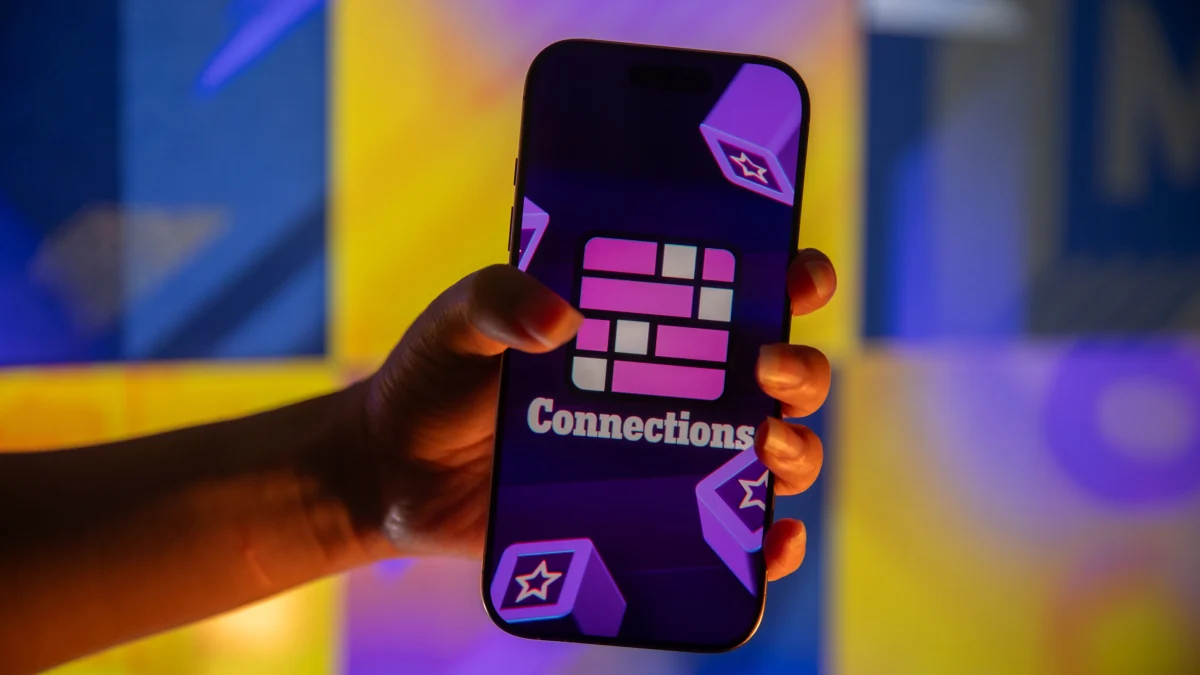
In an era where digital entertainment often leans heavily on fast-paced action and fleeting social media trends, puzzle games are carving out a surprising yet impactful niche in the youth lifestyle landscape. Recent viral hits like Mashable’s “Hurdle” game, a multi-round word and logic puzzle, exemplify how these cerebral challenges are captivating the younger generation. The game’s structure—spanning five increasingly complex rounds—invites users to engage in critical thinking, pattern recognition, and strategic guessing, making it an appealing social activity that fosters mental agility and collaborative engagement. With hints, solutions, and community sharing, puzzle games are redefining what it means to be entertained in the digital age.

This renaissance of puzzles is not merely about mental exercise; it’s about social relevance and cultural influence. Today’s youth are fueling a shift toward appreciation for more “mindful” forms of digital entertainment, contrasting with the rapid dopamine hits of traditional social media. Influencers and content creators, such as those nominated on platforms like Mashable, rediscover the joy of problem-solving and intellectual challenge, turning what was once considered solitary activity into social currency. The communal nature of sharing hints, answers, and strategies creates a sense of belonging—an online tribe united by the love of unraveling mysteries. Analysts suggest this trend aligns with a wider cultural urge for authenticity and mental stimulation, offering a refreshing antidote to the superficial scroll.

Moreover, the viral growth of puzzle competitions—from Wordle to Mahjong and Sudoku—illustrates how the genre is embedding itself into youth routines and social media feeds. These games, often accessible on smartphones and web platforms, are transforming leisure time into opportunities for personal growth and social bonding. They also serve as a gateway for younger audiences to cultivate skills like patience, strategic thinking, and even resilience—traits often associated with traditional forms of education but now making waves in the online gaming landscape. Creative formats like Mashable’s “Hurdle,” with its teaser hints on words such as “SPOUT,” “LUNGE,” “FLAME,” “CRASH,” and “SHINE,” spark curiosity and foster a culture of shared challenge, blurring the lines between gaming and social activism.

Yet with this surge in popularity, a compelling question arises: what’s next for puzzle culture? Will these cerebral pursuits evolve beyond casual entertainment into something more integrated with our daily lives and societal values? Experts ponder whether future interfaces will combine augmented reality with puzzle-solving, turning urban exploration into interactive riddles or personal development into game-based learning. As digital natives continue to prioritize authenticity and mental wellness, could this trend signal a fundamental shift—where the pursuit of knowledge and mental agility becomes the new social currency? The next chapter of this puzzle culture might not just redefine how we entertain ourselves but could also embed itself into the core of our societal evolution, asking us all to contemplate: are we poised to turn mental agility into the **next big social movement**?

Linen’s comeback in Belfast: old industry, new identity—urban style meets heritage

The Rebirth of Belfast’s Linen Industry: More Than Just Fabric

In Belfast’s emerging cultural landscape, linen is weaving itself back into the city’s identity, transforming from a historic industry into a vibrant symbol of renewal and resilience. What was once a cornerstone of Belfast’s economy, earning it the moniker “Linenopolis,” is experiencing a renaissance, fueled by innovative designers, sustainable practices, and a revived sense of local pride. Sitting on a cobbled street in Belfast’s Cathedral Quarter, boutique stores like Kindred of Ireland showcase artfully oversized linen blouses and Donegal tweed jackets, signaling a powerful cultural shift that blends heritage with modern aesthetics. This revival isn’t just about fashion; it’s redefining what Belfast stands for today — a city with the heart of its history still beating beneath contemporary trends.

This renewed interest in linen is being driven by a blend of nostalgia and innovation, where **heritage craftsmanship** meets eco-conscious design. Amy Anderson, a young designer behind Kindred of Ireland, emphasizes this narrative — “Belfast has long been associated with division and trouble,” she says, “but the city has changed enormously over the last two decades.” Her connection to Belfast’s linen legacy is deeply personal; her grandmother was a mill worker in Moygashel, and her collection leans towards avant-garde designs inspired by Japanese aesthetics, using linen’s natural softness and architectural potential. This movement highlights how a social context of hardship is being transformed into a cultural statement — a billboard for sustainable fashion and local craftsmanship — that resonates with younger generations eager to find authentic social narratives in their clothing choices.

Craftsmanship Meets Culture: Linen as a Political and Social Canvas

High-profile collaborations, like Sarah Burton’s visit to Mallon Farm in Belfast, illustrate how linen’s cultural impact extends beyond local borders. Burton’s spring 2020 collection was inspired by the textures and heritage preserved in local linen factories, particularly by the 150-year-old machines at William Clark, where linen is still beetled to achieve its signature lustrous surface. The fact that brokers of fashion like Burton are turning to Belfast’s linen factories signifies a broader recognition: linen is not only a fabric but a social artifact that embodies resilience, craftsmanship, and a connection to history. Recent visits by the Prince and Princess of Wales to Mallon Farm underscore this cultural significance, with the Princess showing genuine interest in sustainable farming and regenerative practices, symbolizing how fashion and social consciousness are increasingly intertwined.

Furthermore, exhibitions like “Ashes to Fashion” at the Ulster Museum concretely embed linen into Belfast’s ongoing narrative. By showcasing pieces from the early 18th century to modern Irish designers like Philip Treacy and Jonathan Anderson, the exhibition underscores how a city scarred by conflict can find renewal through creative preservation. It’s a testament to the social relevance of linen, serving as a bridge across generations, telling stories of conflict, resilience, and rebirth. This cultural revival transcends aesthetics, emerging as a collective statement about reclaiming identity and promoting sustainability amidst societal change.

The Next Big Question: Can Belfast’s Linen Revival Sustain Its Cultural Impact?

As the linen industry’s rebirth continues to gain traction, a compelling question emerges: Will this revival be sustainable long-term, both economically and culturally? Industry experts and sociologists are exploring whether this movement can evolve beyond boutique exclusivity into a broader economic driver while maintaining authentic ties to Belfast’s heritage. The challenge lies in balancing modern consumer demands for eco-conscious, ethically-made apparel with the preservation of age-old craftsmanship and social stories embedded in linen. If local artisans, designers, and institutions like malls and museums continue to collaborate and innovate, Belfast might set a precedent for how post-conflict cities can redefine themselves through artisanal industries rooted in history but driven by future-forward values.

In the end, the question facing Belfast and its linen revival isn’t just about fabric. It’s about how communities leverage culture and craft to forge new identities in an era where social impact is just as important as style. Can Belfast maintain its momentum and become a global symbol of fashion as a form of social healing? The answer may well determine if linen’s story is merely a chapter in Belfast’s history or its next great chapter of cultural innovation.

Wordle Today: Crack the Code – April 1, 2026 Answer & Tips for Young Trendsetters

In recent years, word puzzle games like Wordle have transformed from niche hobbies into mainstream cultural phenomena. Originating as an independent project, Wordle rapidly captured the attention of millions worldwide, becoming a daily ritual for a diverse audience seeking mental stimulation in an era dominated by digital entertainment. Its popularity culminated in a strategic acquisition by the New York Times, a move that underscores the game’s undeniable social relevance and enduring cultural impact. This phenomenon reflects a broader societal shift toward engaging with simple yet addictive forms of entertainment that foster community and cognitive engagement amidst the chaos of modern life.

What makes Wordle a cultural touchstone isn’t just its addictive gameplay, but how it has ignited a wave of social interactions across platforms like TikTok, where creators livestream their daily attempts and share strategies. Influencers like Ben Warheit and enthusiastic community members elevate the game from solitary pastime to collective experience, thereby contributing to a new social fabric centered on shared knowledge and friendly competition. Meanwhile, sociologists examine how this trend fuels a form of digital social bonding, breathing new life into the age-old tradition of wordplay and puzzle-solving but with a modern, viral twist. This participatory culture builds a sense of immediacy and engagement that transcends traditional media consumption, appealing especially to younger audiences seeking authentic and interactive entertainment.

As the popularity of Wordle endures, questions remain about its future trajectory and the evolving nature of such trends. For instance, many enthusiasts are curious whether the game will become increasingly challenging to keep players hooked or if developers will introduce novel features to sustain its appeal. The game’s simplicity—five-letter words, one puzzle per day—has proven powerful, but can this minimalist formula hold the attention of digital natives in the long run? Industry analysts like Jane McGonigal argue that the social dynamics of these games could evolve into larger movements, fostering communities that challenge traditional notions of gaming and entertainment. The upcoming integration of AI-driven hints and personalized puzzles hints at a future where Wordle and similar apps could continually adapt, blurring the line between casual pastime and sophisticated social experience. This raises an intriguing question: could today’s simple word game be the seed for a new era of interactive cultural literacy, redefining how we connect and compete in the digital age?

Today’s Hurdle Tips & Tricks: Your Ultimate Guide for March 31, 2026

In recent years, word puzzles like Hurdle and Wordle have morphed from casual pastime hobbies into a cultural phenomenon that speaks volumes about a shifting social landscape. These games, often simple in design yet richly layered in strategy, are captivating a new generation eager for short, engaging mental challenges. Their social relevance extends far beyond individual satisfaction—they are becoming emblematic of a collective craving for accessible yet stimulating entertainment amidst an increasingly digital age. Influencers and analysts now see these puzzles not merely as games but as reflections of society’s desire for connection, mental agility, and purpose. As TikTok and Instagram flood with puzzle challenges, it’s clear that this trend is redefining how youth engage with their leisure time, making cognitive fitness trendy and culturally significant.

At the heart of this movement are games like Hurdle, which features five interactive rounds where players guess words based on hints and previous clues. With clever mechanics—such as guessing the same answer from previous rounds to build on prior knowledge—these puzzles promote a sense of mastery and progression that appeals profoundly to young users craving instant feedback and achievement. Interestingly, the social fabric woven into these games is reinforced by a culture of sharing breakthroughs, hints, and strategies online. Influential accounts on platforms like TikTok and YouTube are now dedicating content to dissecting solutions, turning casual players into interactive communities. This dynamic transforms individual gaming into a collective experience, empowering youth to engage with puzzles as a form of social currency and identity.

This trend’s cultural impact extends beyond entertainment. It taps into a broader societal shift—the desire for quick mental stimulation in a world full of information overload. As psychologist Dr. Laura Stevens points out, these puzzles foster skills like pattern recognition, problem-solving, and resilience. They also serve as an accessible form of mental exercise that breaks down barriers of age or skill level. Notably, brands and media outlets have jumped in, offering daily hints, answer guides, and dedicated apps, making these puzzles a daily ritual for many. For example, the recent success of games like Mahjong, Sudoku, and crossword puzzles on Mashable’s platform exemplifies this trend’s mainstream embrace. The symbols and strategies behind these puzzles are subtly shaping the cultural narrative—one that values quick thinking, resilience, and shared experiences.

As the puzzle craze continues to grow, the next big question emerges: what does this say about future societal values? Are we heading toward a generation that prioritizes mental agility and communal problem-solving as core aspects of identity? Could this trend influence educational systems or workplace culture, favoring skills like adaptability and quick wit? Or might it evolve into a new form of social activism—using puzzles to unite communities around solutions to larger societal issues? The fun, engaging surface of games like Hurdle conceals a deeper narrative—one about how entertainment shapes our worldview and social bonds in the digital age. The answer, undoubtedly, is still unfolding, and in the world of youth culture and innovation, that’s what makes this puzzle so compelling.

Wordle Today: Crack the Code with Top Hints for March 30, 2026!

From Puzzle Fads to Cultural Significance: The Rise of Wordle and Its Impact on Society

In the rapidly evolving landscape of digital entertainment, Wordle has seamlessly transitioned from a casual puzzle game to a cultural phenomenon, especially resonating with the youth demographic. Originally created as a simple word puzzle, its skyrocketing popularity caught the attention of mainstream media, culminating in a significant purchase by the New York Times. Today, it’s more than just a daily game; it represents a societal shift toward embracing mental agility and collective engagement, fitting well within the modern lifestyle of quick, brain-boosting entertainment.

What makes Wordle particularly impactful is its ability to foster a sense of community among its players. Influencers sharing their daily guesses on platforms like TikTok have turned the game into a social spectacle, encouraging viewers to participate and share their strategies. Sociologists and analysts note that this trend taps into an emerging social dynamic: the desire for mental challenges that also promote social bonding. The game’s design, with its simple five-letter words and a limited number of guesses, rewards quick thinking and strategic reasoning, aligning with the modern youth’s craving for intellectual stimulation in a streamlined format. This shift reflects an underlying societal thirst for meaning and connection amidst a tech-saturated environment.

Cultural Impact of Wordle’s Simplicity and Engagement

Beyond its entertainment value, Wordle has instigated a larger cultural conversation around mindfulness and intellectual wellness. As sociologists argue, the game’s minimalistic interface and daily ritual encourage players to take intentional breaks from the digital glut, fostering a lifestyle that values mental clarity. The game’s popularity has catalyzed an entire ecosystem of word games, with many now seeking similar experiences that combine cognitive challenge with social interaction. Notable trends include the rise of IRL word games, inspired by Wordle, as communities and schools aim to cultivate thinking skills and team-building.

Influencers and trend analysts have pointed out that, according to some sociologists, this digital puzzle phenomenon signals a broader shift: a societal move away from passive consumption toward active participation. The game’s viral nature illustrates a deeper social desire for shared intellectual experiences and instant gratification. The fact that Wordle started as a niche app and now is a staple within mainstream culture highlights how even the simplest activities can morph into potent tools of social cohesion and cultural dialogue, especially among tech-savvy youth. This begs the question: are we witnessing an evolution in how society values cognitive engagement in a digital age?

The Next Chapter: What’s the Future of Widespread Cognitive Engagement?

As we eagerly follow the continuing expansion of Wordle’s cultural footprint, the next pressing question looms: could this trend be the precursor to a broader societal shift toward embracing mental fitness as a core lifestyle value? Forecasters speculate that tech companies, app developers, and cultural leaders might increasingly harness such cognitive activities to promote healthy mental habits, especially among younger generations. Moreover, with social media amplifying participation, will we see the rise of more community-based mental challenges, seamlessly integrated into daily routines? Or is Wordle just the beginning of a much larger movement towards embedding mental agility into our social fabric? Only time will tell, but what remains clear is that the question of how society will adapt to prioritize mental engagement in a digital world is the next big challenge—and opportunity—many future thinkers are poised to explore.

Social Media Auto Publish Powered By : XYZScripts.com