Matox News

Truth Over Trends, always!

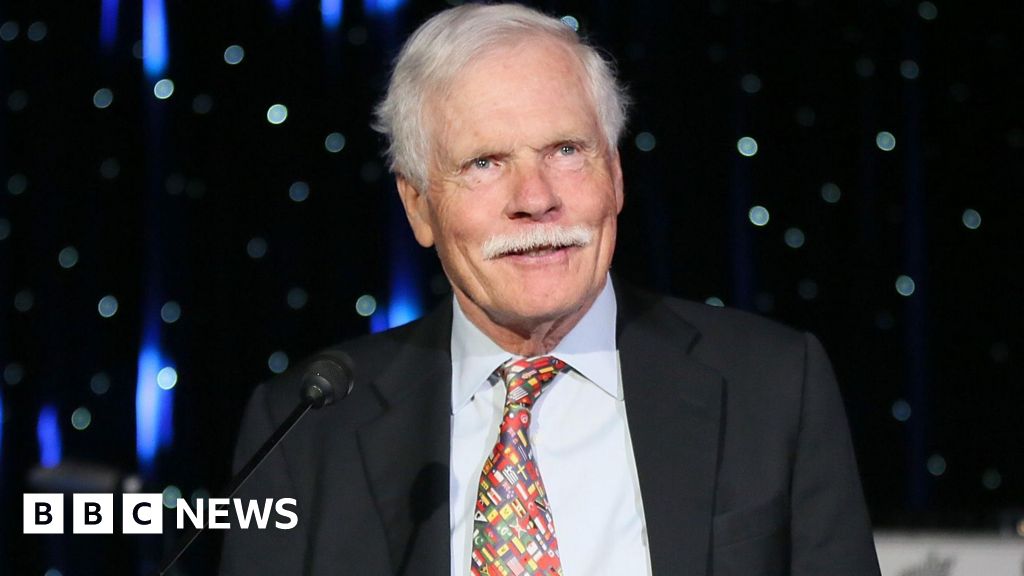
Media titan Ted Turner, founder of CNN and pioneer of modern news, passes away at 87

The Launch of CNN: Marking a New Era in International Information Warfare

In 1980, a transformative chapter in global communication was written with the launch of Cable News Network (CNN), under the visionary leadership of media mogul Ted Turner. This bold move not only revolutionized the way information was disseminated but also set the stage for the modern 24-hour news ecosystem that now pervades international societies. Analysts underscore that CNN’s inception was more than just a technological advancement; it signaled a profound shift in geopolitical narratives and the power dynamics between nations. As Turner’s brainchild expanded, it became a vital instrument for shaping public opinion, influencing diplomatic relations, and even affecting global conflicts.

This new paradigm of continuous news coverage accelerated the tempo of international conflict and diplomacy. Recent decades have demonstrated how real-time reporting can escalate or de-escalate tensions, especially when coverage spans hot zones like the Middle East, Eastern Europe, or Southeast Asia. Governments and insurgent groups alike learned to manipulate the media landscape, understanding that immediate information dissemination could sway public sentiment and international intervention. Many scholars trace this development to CNN’s revolutionary model, which blurred the line between news and propaganda, fostering a global environment where information wars are now common as conventional military confrontations.

The geopolitical impact of CNN’s expansion extended beyond reporting to influence global power structures. As international organizations like the United Nations and major powers such as the United States, China, and Russia navigated a new information environment, their strategies increasingly involved controlling narratives in real-time. This shift has led to an era where information battles often rival traditional military conflicts—including cyber operations, disinformation campaigns, and diplomatic maneuvers—highlighting CNN’s role as a catalyst for a new kind of global influence. Historians warn that the implications of this media revolution continue to unfold, with the potential to either foster greater transparency or deepen geopolitical tensions, depending on how the information age is managed.

Looking forward, experts emphasize that the ongoing intertwining of media narratives with geopolitics will test the resilience of nations’ sovereignty and societal cohesion. As an era of rapid, unfiltered information persists, the responsibility for truthful reporting and strategic communication becomes ever more critical. The launch of CNN laid the groundwork for this complex landscape, making history’s ongoing narrative one of intense competition for hearts and minds. With the stakes high and the repercussions global, historians contend we are living at the dawn of a new epoch—one where the power to shape perception can determine the fate of nations and the course of history itself.
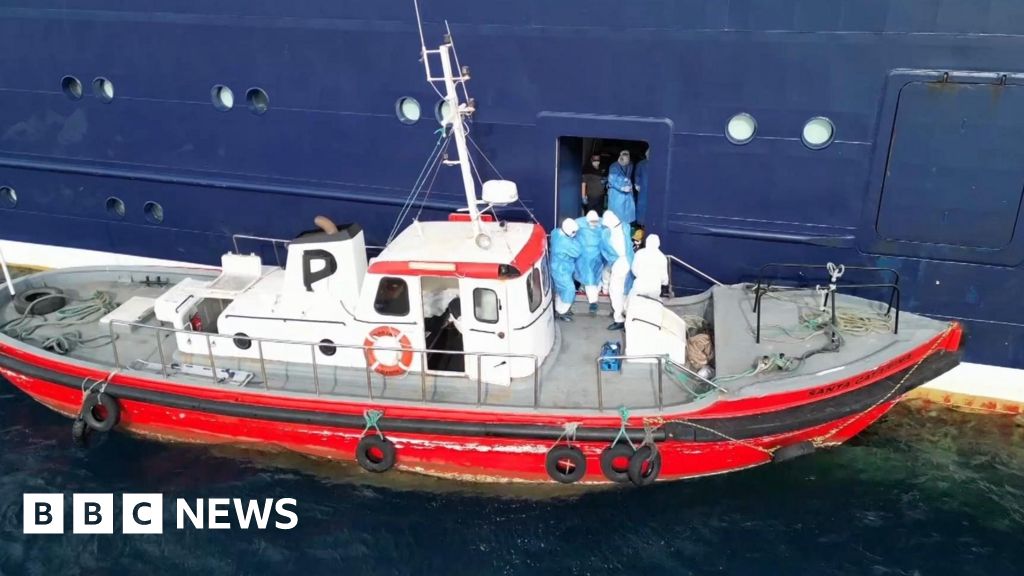
MV Hondius: Three passengers evacuated off Cape Verde amid ongoing operations

The recent evacuation of passengers from the MV Hondius off Cape Verde has quickly captured international attention, highlighting the fragile interplay between global health security and maritime travel. The cruise ship, which set sail from Argentina on 1 April, became the focus of concern after an outbreak of hantavirus, a deadly rodent-spread disease. The incident underscores the persistent risks associated with international leisure travel, especially in an age where infectious diseases can rapidly transcend borders, testing the resilience of global health systems.

Within days, tragic losses occurred as three passengers succumbed to the outbreak, with several others exhibiting symptoms. The ship’s evacuation near Cape Verde and its subsequent departure to the Canary Islands serve as a stark reminder of how infectious disease outbreaks can become geopolitical flashpoints. Countries like Cape Verde and Spain, along with international health authorities, now grapple with managing the crisis while attempting to prevent further spread. Authorities’ response, coordinated with international organizations such as the World Health Organization, emphasizes the critical need for stringent onboard health protocols and rapid response mechanisms—yet, critics argue that such measures are often reactive rather than proactive.

This incident sheds light on broader geopolitical concerns. Cruise ships, often seen as emblematic of global interconnectedness, paradoxically become vectors for disease transmission—a reality that has led some nations to reconsider their maritime policies. Historically, pandemics and epidemics have reshaped international diplomacy and travel regulations; today, the outbreak aboard the MV Hondius could accelerate stricter maritime health standards, affecting the future of international cruise industry policies. Analysts warn that a failure to contain such outbreaks could undermine global confidence in maritime tourism, impacting economies that rely heavily on this sector.

International organizations and geopolitical analysts continue to monitor the unfolding situation. Recent history since the COVID-19 pandemic shows how decisions made in moments of crisis carry lasting consequences: lockdowns, travel bans, and increased health inspections have become standard, yet they often ignite tensions over sovereignty and economic interests. As nations debate the best course of action, the global community must reckon with the reality that unpredictable outbreaks can destabilize entire regions, threaten public health, and challenge the very fabric of international cooperation. The story of the MV Hondius is not merely about a cruise ship; it is a chapter in the ongoing saga where humanity’s pursuit of leisure and globalization must be balanced against the imperatives of security—an interplay that history will remember as a defining test of resilience in an interconnected world.

U.S. Cancels Tourist Visas for Top Costa Rica Newspaper Leaders—Security First

The recent actions taken by the United States against Costa Rica’s leading newspaper, La Nación, mark a new chapter in the geopolitical chess game that defines our era. In a move that has stunned many international observers, over half of La Nación’s board members have had their US visas revoked, an unprecedented action that signals the growing influence of Washington in shaping political landscapes in Central America. This crackdown comes amidst a backdrop of escalating tensions between the US and the Costa Rican government, highlighting how decisions made in Washington ripple across smaller nations, affecting local media, political opposition, and societal freedoms.

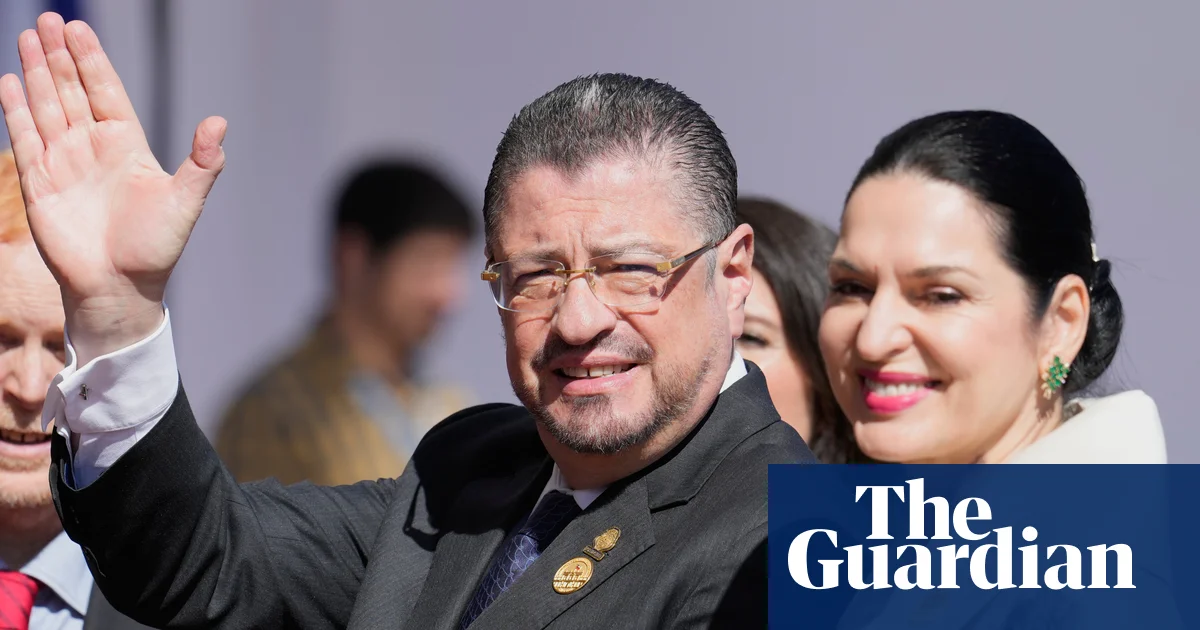
At the heart of this crisis is Rodrigo Chaves, Costa Rica’s current president and a close ally of the US. During his 2022 presidential campaign, La Nación’s investigative journalism exposed allegations of sexual harassment against Chaves—claims that previously forced him out of his role at the World Bank. The paper’s reporting on allegations of illegal campaign financing further deepened tensions, with Chaves condemning the outlet as “despicable press” and “political assassins.” Since assuming office, the president’s rhetoric has grown hostile, culminating in financial sanctions against the newspaper’s parent company and the recent visa revocations targeted at its board members—an attack on press freedom that critics argue is orchestrated to silence dissent in a strategic move aligned with US interests.

The geopolitical impact of this escalation extends beyond Costa Rica. Analysts argue that the US’s intervention signals an alarming erosion of democratic institutions in the region. “It’s a blatant attempt to intimidate independent press and suppress opposition voices,” warned Felipe Alpízar from the Observatory of American Politics at the University of Costa Rica. Historically, the US has used visa restrictions as tools to influence political figures—yet the targeting of a major media outlet’s board members marks a dangerous escalation, eroding not only media independence but also how nations resist external influence and protect societal freedoms. Past instances involving Nobel laureate Óscar Arias and other Costa Rican figures illustrate a pattern where US policies leverage visa controls to exert political dominance, often under the guise of security concerns or strategic economic interests.

Furthermore, the recent US actions come on the heels of diplomatic overtures, including praise for Chaves’s stance against Chinese 5G infrastructure, instigated by Secretary of State Marco Rubio. Washington’s support for hardline policies—such as Costa Rica’s agreement to accept US deported migrants and the closure of embassies—are perceived by many as deliberate moves to assert control in a region historically characterized by its quest for sovereignty. Critics contend that such measures serve US geopolitical aims under the pretext of promoting stability, but ultimately threaten to destabilize Costa Rica’s fragile political equilibrium. The fear remains: how long before the US’s influence extends further, reshaping society and politics across neighboring nations?

The unfolding narrative leaves a haunting sense of fragile sovereignty amidst the shifting sands of global influence. As Laura Fernández prepares to assume power, replacing Chaves, international analysts warn that the targeted suppression of opposition voices is unlikely to cease. Instead, they suggest, this episode is part of a larger, ongoing effort to realign regional power—an effort that could redefine the fabric of Costa Rican society for generations to come. History, it seems, is still in the making, and the global community watches with bated breath as the story of a small nation grapples with the heavy hand of a superpower in its quest for influence and control.

Commerce Chief Lutnick prepares for private questioning over Epstein ties—US politics update

Global Geopolitical Shifts Unfold Amid U.S. Political Chaos

In the intricate web of international relations, recent events in the United States reveal a nation mired in political turbulence, with repercussions stretching beyond its borders. As Commerce Secretary Howard Lutnick prepares for a closed-door interrogation over ties to the late Jeffrey Epstein, the international community watches with sharp interest. It’s a stark reminder that the internal struggles of the world’s most powerful democracy are not isolated incidents but have the potential to sway the course of global geopolitics. Historians warn that such internal instability could embolden adversaries and weaken alliances that rely on American leadership.

The investigation into Lutnick, which centers on claims of visits to Epstein’s private island and alleged ongoing business collaborations as recent as 2014, exemplifies the persistent shadows cast by scandals on critical policymakers. This episode underscores how transparency and accountability become vital in a country where political factions are divided over how best to confront its past. With Republicans and Democrats cooperating and opposing figures alike being called into scrutiny, the episode highlights a larger, ongoing theme: the internal fissures within the U.S. are affecting its ability to project stability outward. International analysts argue that this chaos feeds into a narrative of American decline, influencing how other nations perceive and respond to U.S. actions on the world stage.

More broadly, recent U.S. political developments, including the high-profile primaries in Indiana and Ohio, serve as microcosms of a nation at a crossroads. The success of Trump-backed candidates in Indiana, in particular, signifies a resilient, if contentious, faction of the American political landscape that refuses to abandon its populist roots. Meanwhile, the surge in fuel prices, approaching a four-year high, has prompted some officials, like Marco Rubio, to suggest that the U.S. remains “fortunate,” but the underlying economic strains threaten to undermine both domestic stability and geopolitical leverage. Countries across the globe are watching the U.S. grapple with these internal challenges, knowing that the strength of America’s economy and political resilience directly influences global markets and diplomatic ties.

Furthermore, the recent legal and political maneuvers echo deeper warnings about the fragility of American institutions. As legislative battles unfold over immigration enforcement and infrastructure investments, the international community perceives this as an era of upheaval—dangerous ground that, if mismanaged, could allow rival powers such as China and Russia to fill the power vacuum. International think tanks and geopolitical strategists warn that America’s internal disunity and scandal-driven politics threaten to erode its preeminent role in maintaining geopolitical stability. As history reveals, the balance of world power often hinges upon the internal health of its dominant nations. The unfolding drama is a stark reminder that the weight of history is still being written, and today’s internal chaos may define tomorrow’s global order.

Israeli Strikes Trigger Wave of Chaos in Lebanon

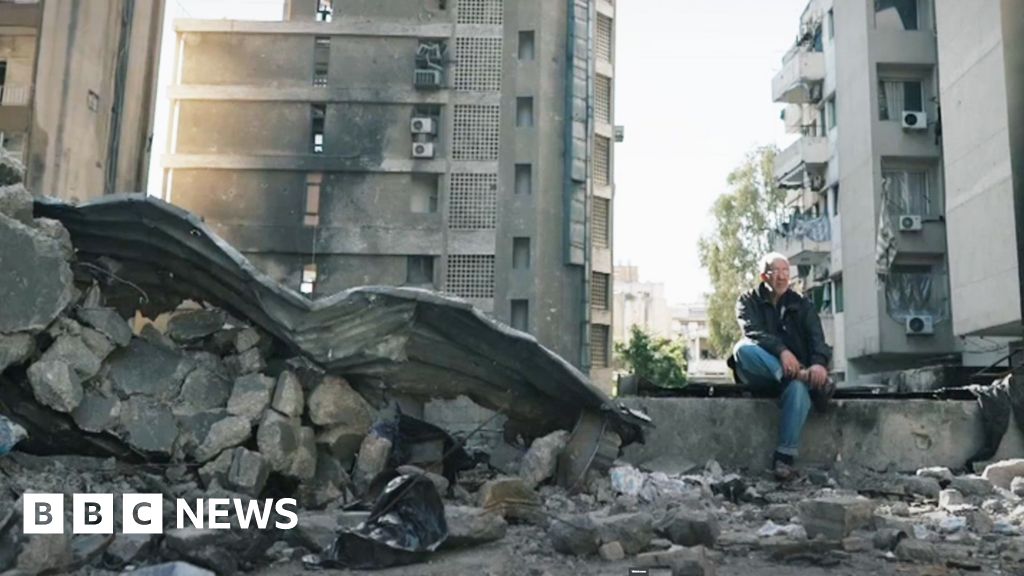
In a dramatic escalation that threatens to reshape the geopolitical landscape of the Middle East, Israel launched a sweeping military assault against Lebanon on 8 April 2026, just hours after US President Donald Trump announced a tentative ceasefire between the United States, Israel, and Iran. The timing of these events underscores the fragile and volatile nature of regional diplomacy, where even diplomatic overtures can be swiftly overshadowed by renewed violence. Israel claimed to have targeted 100 sites within a mere ten minutes, shattering hopes of a pause in hostilities and amplifying the risk of a wider regional confrontation.

This latest chapter in the ongoing conflict between Israel and Hezbollah, the Lebanese militia armed and financed by Iran, began on 2 March after Hezbollah launched rockets into Israeli territory. Israel responded with an aggressive campaign of aerial bombardments and a ground invasion of southern Lebanon, reigniting a conflict that has already claimed over 2,600 lives in Lebanon, according to the country’s health authorities. As Lebanon’s towns and villages grapple with destruction and displacement—roughly one-fifth of the population forced to flee—the consequences extend far beyond the battlefield, destabilizing an already fragile nation and alarming international observers.

From the perspective of global analysts and historians, the recent violence signals a critical turning point in the regional power struggle. Many experts warn that this renewed conflict could spiral into a much broader war, destabilizing the entire Middle East. The United Nations and regional powers face mounting pressure to intervene, yet the path to de-escalation remains elusive amidst entrenched geopolitical interests. Lebanese society is caught in the crossfire, suffering profound human toll, as families mourn loved ones and communities struggle to recover amid the chaos. This surge of violence is not merely a local tragedy but a stark reminder of how decisions made in distant capitals resonate across borders, fueling instability and endangering global peace.

The geopolitical impact of this escalation extends beyond Lebanon and Israel, touching the core of international diplomacy and security alliances. The United States, under President Trump’s administration, appeared to aim for a moment of diplomatic respite, yet the subsequent attack exposes underlying tensions and unresolved conflicts that threaten the fragile balance of power in the region. Analysts argue that the rapid escalation demonstrates how calculated military actions can undermine diplomatic efforts, forcing nations into dangerous standoffs that are difficult to unravel. The international community, including NATO and the European Union, is now faced with the urgent question: how to prevent an all-out regional war?

As the dust settles and the world watches with apprehension, history continues to unfold in real time. The conflict’s ramifications could ripple across Africa, Europe, and beyond, as global powers recalibrate their strategies in a region that remains one of the most volatile on Earth. Ultimately, the decisions made today will echo through history—either as moments of courageous diplomacy or tragic failures to prevent catastrophe. And so, the race against time persists, with the shadows of war lengthening over a world desperately longing for peace, yet teetering on the edge of chaos—the weight of history unmistakably pressing down on the fabric of global stability.

Oil dips, stocks soar as Trump cheers ‘big progress’ on Iran deal — markets on the rise

Global Markets Surge as Diplomatic Negotiations and Geopolitical Shifts Reshape the World Economy

The international financial landscape has experienced a wave of optimism this week, driven by significant diplomatic breakthroughs and a series of strategic geopolitical adjustments. Donald Trump, amid intense international scrutiny, announced a pivotal pause in the controversial “Project Freedom” aimed at steering vessels stranded in the Strait of Hormuz. This move, viewed by many analysts as a calculated step towards easing tensions, coincided with his declaration of “great progress” in negotiations with Tehran for a potential *final agreement* on Iran’s nuclear program. The implications of this diplomatic pivot are profound, signaling a possible shift towards de-escalation in one of the world’s most sensitive geopolitical flashpoints.

In the wake of these developments, Asian equities soared to record highs, with South Korea’s Kospi surpassing 7,000 for the first time, led by an extraordinary 15% leap in Samsung Electronics. This surge not only cemented Samsung’s market value above $1 trillion but also signaled confidence in the broader Asia-Pacific markets, which rallied with Hong Kong’s Hang Seng and China’s CSI 300 climbing appreciably. Meanwhile, Japan’s Nikkei gained nearly 0.4%, consolidating once again as a nexus of regional economic revival. Europe’s bourses also reacted positively, with the FTSE 100 in London gaining 1.5%, led by global spirits giant Diageo. Notably, Diageo announced it was maintaining its 2026 forecasts, citing resilience despite geopolitical uncertainties in the Middle East, which could have disrupted energy supplies and global trade routes.

Back in the United States, Wall Street hit fresh record highs, with the S&P 500 up nearly 0.8% and the Nasdaq surging 1%, amid a maelstrom of AI-driven trades and investor confidence in the technology sector. Chris Weston, a leading analyst at Pepperstone, remarked that institutional investors are steadfast in adding to their positions in the “2026 winners,” especially in tech segments led by giants like Apple and major memory manufacturers. This inflow underscores a broader trend: global investors are displaying a clear preference for sectors poised to benefit from technological innovation and long-term economic reforms. As analysts from the International Monetary Fund and respected historians observe, such resilience highlights a critical juncture in the ongoing narrative of global market recovery.

The diplomatic détente with Iran, coupled with the resilient performance of stock markets worldwide, has raised questions about the geopolitical impact of these diplomatic shifts. Critics warn that the pause in the Iran-U.S. standoff may be temporary and that underlying tensions could flare anew if the broader negotiations falter. The strategic significance is clear: the Strait of Hormuz, a vital artery for global oil supplies, remains a point of contention, with Trump maintaining the blockade of Iranian ports as a show of strength. This move has sent oil prices retreating nearly 2% to $107.7 per barrel, temporarily easing inflationary pressures but also signaling ongoing instability. How these decisions influence energy security and regional stability in coming months will undoubtedly shape economic policies across key NATO and Middle Eastern nations.

As history continues to unfold under the watchful eyes of the global community, the decisions made in these turbulent yet pivotal days will resonate for generations. Will this convergence of geopolitics, diplomacy, and market resilience herald a new era of cautious optimism, or are we merely witnessing a fragile pause in a broader storm? The answers remain embedded in the complex tapestries of international relations, economic reform, and the relentless march of history—a story still being written, and its climax yet to come.

Oleshky: Frontline City Stuck Under Fire—Ukrainians Face the Heat

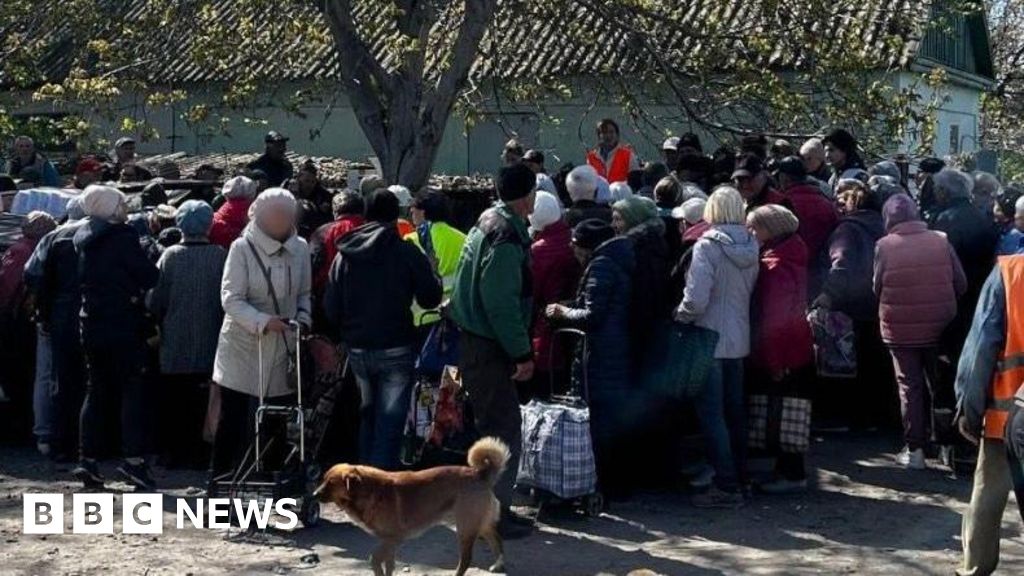
In the emerging landscape of global conflict, the Kakhovka Dam事件 stands out as a stark reminder of how warfare’s collateral damage intensifies geopolitical struggles. According to reports validated through photos, location data, and online records, the destruction of Ludmilla’s home in June 2023 marks a grim milestone in the ongoing crisis in Ukraine. The dam, situated on the strategic Dnipro River, was deliberately blown up under the umbrella of Russian occupation, unleashing catastrophic flooding across the region. This act is more than a localized tragedy; it exemplifies the brutal tactics employed in the broader proxy war between Russia and Ukraine, which has drawn international concern over escalating hostilities and respect for international law.

Historian and geopolitical analysts have long warned about the destabilizing ripple effects of such acts of sabotage. The destruction of the Kakhovka Dam not only displaced thousands but also risked environmental catastrophe, further complicating Ukraine’s efforts to recover and maintain sovereignty. Global institutions such as the United Nations have condemned such destructive actions, yet the depth of political and military strategic calculations remains under debate. For Russia, this move appears to be part of a broader strategy to weaken Ukrainian infrastructure, deepen societal suffering, and challenge Western support for Kyiv. Conversely, Ukraine and its allies perceive this as an escalation that underscores the urgent need for increased military aid and diplomatic efforts to restore stability and deter future acts of destruction.

The geopolitical impact of the dam’s destruction extends beyond Ukraine’s borders. It catalyzed a reassessment among Western nations and regional neighbors about the scope of Russia’s aggression. As analysts observe, the damage carried symbolic weight: it underscores a deliberate strategy to undermine Ukrainian resilience while provoking a response that could justify further international intervention. The incident at Kakhovka—whose aftermath reminds the world that warfare today often blurs the lines between conventional combat and strategic sabotage—poses a renewed challenge to global peace and stability. The decision to blow up a critical piece of infrastructure informs how future conflicts might unfold, possibly setting dangerous precedents for state-sponsored infrastructure attacks.

As history writes itself in this ongoing conflict, the destruction of Ludmilla’s home is a microcosm of a larger, more complex story. The challenge for the international community is clear: to safeguard sovereignty, uphold international law, and confront the dangerous tactics that threaten to spiral into broader regional destabilization. With each threat and response, the world edges closer to a pivotal crossroads—where the choices made today will shape the destiny of nations and the lives of those caught in the storm of history’s relentless march. The fight over the Kakhovka Dam stands as a stark reminder that in the arena of global geopolitics, the outcomes are never predetermined—but the consequences are always profound.

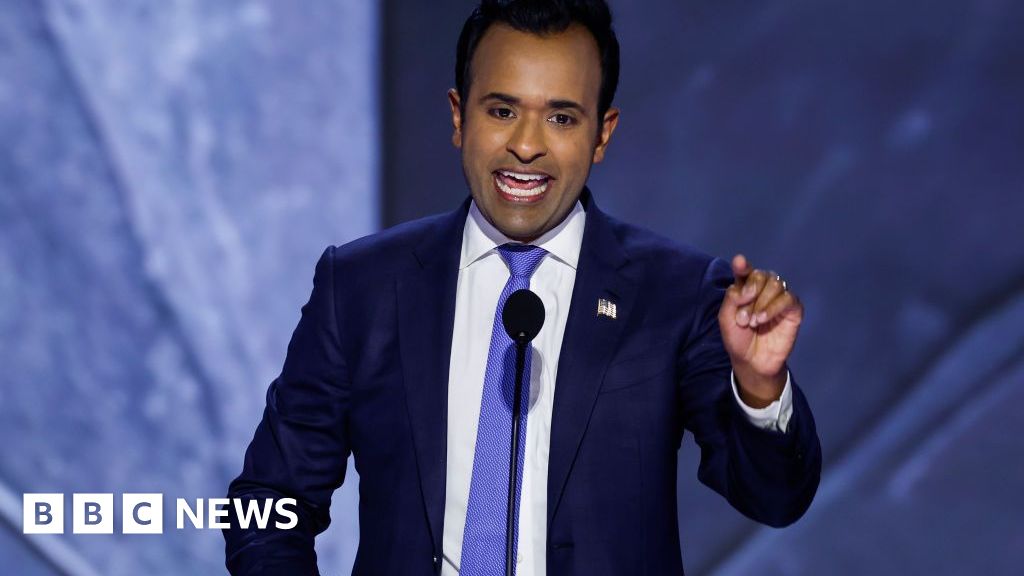
Vivek Ramaswamy Clinches GOP Nomination for Ohio Governor—A Bold New Voice for Young Conservatives

In an extraordinary development on the international stage, the recent political discourse surrounding the COVID-19 pandemic has revealed deeper underlying tensions between leaders and their nations’ responses. A prominent figure, actively participating in a high-profile race, has been vocal in criticizing the state’s response to the crisis, particularly pointing fingers at the policies implemented under the Democrat nominee in the United States. This stance resonates with a broader nationalist and conservative movement that questions the effectiveness of what they deem are overly cautious or politically motivated pandemic strategies.

The critique has resonated beyond domestic borders, inviting reactions from international observers and policymakers. Many analysts argue that the geopolitical impact of such external criticisms plays into a shifting narrative—one that questions established Western leadership with a blend of skepticism and strategic opportunism. Historically, leaders who adopt an adversarial stance during moments of crisis often seek to bolster their national dominance and appeal to populist sentiments, thus altering the global power balance. This, analysts suggest, could embolden other states to pursue more aggressive or independent foreign policies, potentially disrupting long-standing alliances and treaties.

  • The criticism of COVID-19 responses from influential international figures accelerates debates on public health sovereignty versus international cooperation, thereby complicating efforts to build cohesive pandemic strategies.
  • Nation-states are increasingly scrutinized for their handling of the health crisis, which directly influences international trust and economic stability.
  • Organizations such as the World Health Organization face renewed calls for accountability, amid accusations that political bias has undermined their credibility in guiding global responses.

As tensions mount, the intersection of domestic politics and global challenges comes sharply into focus. Historians and political analysts warn that these conflicts over pandemic management are only the latest chapter in a broader contest for influence in a multipolar world. The decisions of today shape the tapestry of history being woven for future generations. How nations navigate this critical juncture—balancing sovereignty with collective responsibility—will determine the trajectory of international stability and conflict for decades to come. The landscape of global politics remains an unpredictable battlefield, with each announcement and critique echoing through the halls of history—reminding the world that the era of upheaval we are witnessing is far from over, and the true impact of today’s decisions will be measured by the echoes they leave behind.

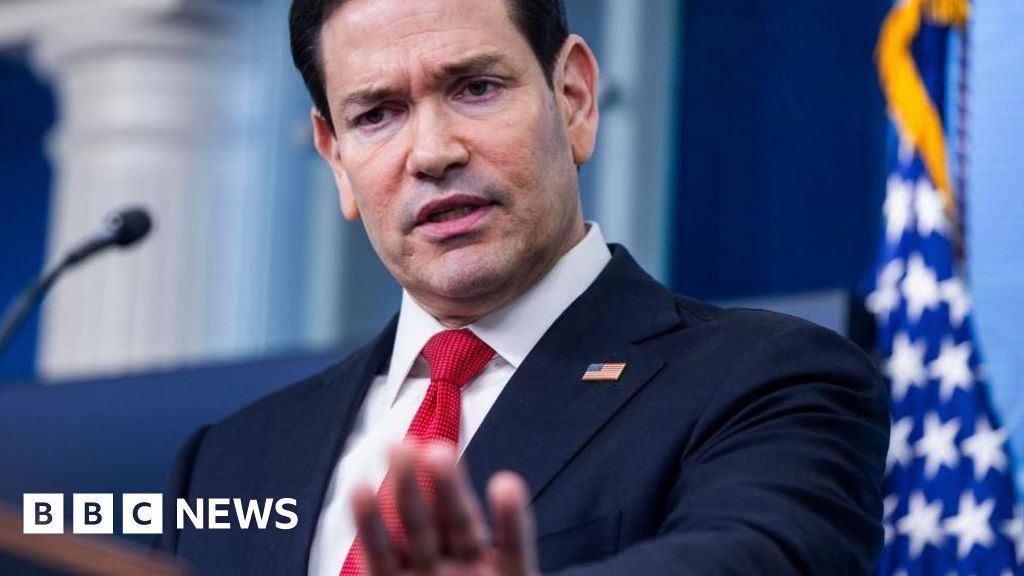
U.S. Secretary Rubio declares Iran’s war escalation phase ended—time to stand firm for national interests.

The recent escalation in the Strait of Hormuz, a vital choke point that connects the Persian Gulf with the Gulf of Oman and the Arabian Sea, signals a significant shift in the fragile balance of regional power. Amid a series of provocative incidents—ranging from naval confrontations to alleged attacks on oil tankers—an Iranian official boldly declared, “We are just getting started.” This statement underscores Tehran’s intent to project strength and challenge Western dominance over crucial maritime routes. As the world’s leading powers watch with concern, the geopolitical implications of such assertiveness threaten to reshape alliances and security strategies across the Middle East and beyond.

The United States and its allies, under the auspices of international maritime security coalitions, have increased patrols in the region to safeguard oil shipments vital to global markets. Analysts warn that Iran’s provocative rhetoric and actions are aimed at undermining these efforts, asserting a narrative of resistance against what Tehran perceives as unjust sanctions and foreign interference. The United Nations has called for restraint, but its words fall short of deterring Iran’s pushback. Historically, the Strait of Hormuz has been a tinderbox, with past incidents sparking fears of larger conflict, but recent events suggest that a more dangerous game is being played — one with potentially catastrophic consequences for worldwide energy security.

Moreover, the geopolitical impact extends beyond mere security concerns. The decision by Iran to escalate tensions is interpreted by many as a strategic move to leverage its position amid ongoing negotiations over the Joint Comprehensive Plan of Action (JCPOA) and broader regional rivalries. Countries like Saudi Arabia and Israel are closely monitoring these developments, fearing that Iran’s renewed assertiveness could ignite a wider escalation in the region. The International Crisis Group and other think tanks have emphasized how such actions threaten to destabilize an already tumultuous region, risking a broader conflict that could engulf neighboring nations and influence global stability.

Historically, moments of tension in the strait have often been preludes to larger confrontations. The current flashpoints serve as a stark reminder that international diplomacy remains fragile, and the decisions made in the coming weeks could have enduring repercussions. As analysts warn of the risk of miscalculation, history echoes the dangers of escalation in such a geopolitically volatile zone. The world stands at a crossroads, with the weight of history pressing upon international leaders to prevent a trajectory that could spiral into chaos. The unfolding narrative in the Strait of Hormuz may very well dictate the course of regional and global stability for decades to come — a pivotal chapter still being written, with the ink of conflict and diplomacy alike shaping its outcome.

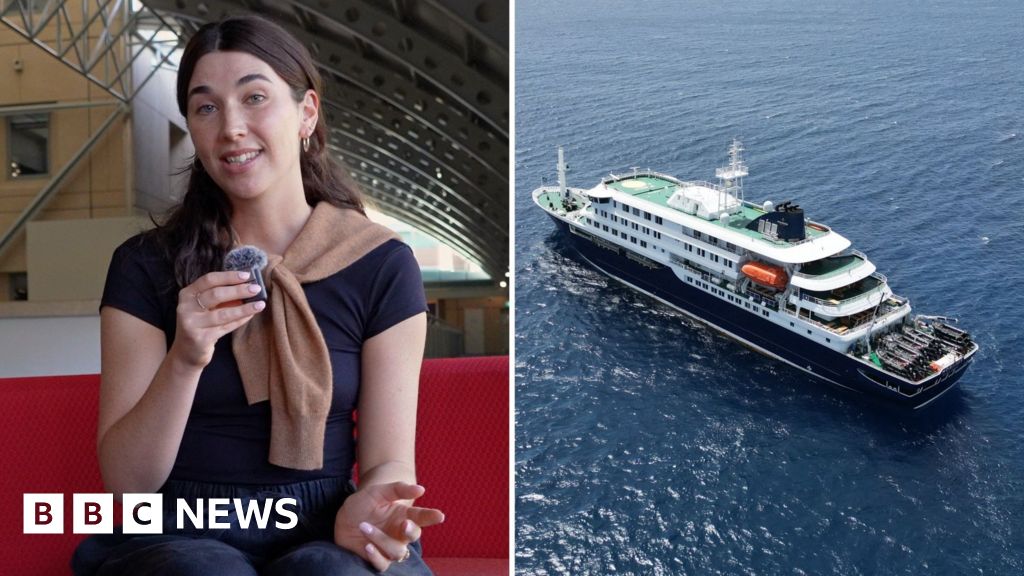
Are cruise ships a hotspot for virus outbreaks?

In recent years, international attention has increasingly focused on the vulnerabilities of cruise ships amid ongoing global health crises. Experts from various fields, including epidemiology, maritime security, and international health organizations such as the World Health Organization, have debated the risks posed by cruise travel, especially during pandemics. The recent analyses highlight concerns that cruise ships, due to their dense populations and confined environments, act as potential vectors for infectious diseases. These warnings come at a critical junction in global travel policy, emphasizing the need for robust safety measures and international cooperation to prevent future outbreaks that could threaten the stability of maritime and global health systems alike.

The BBC and other reputable news sources have summarized expert opinions that underscore the inherent dangers of infection transmission on cruise ships. According to epidemiologists, the close quarters, shared facilities, and transient passenger populations create an environment akin to a perfect storm for the spread of viruses. This has spurred calls for stricter international regulations. Importantly, countries with significant cruise industries, such as the United States and several European nations, face the delicate balancing act of safeguarding public health without damaging local economies heavily reliant on maritime tourism. The strategic importance of this issue extends beyond mere health concerns, touching upon national security, economic resilience, and societal trust in governmental institutions.

Furthermore, international institutions and security analysts warn of the broader geopolitical implications. As many cruise companies operate globally, outbreaks onboard have led to diplomatic tensions, notably between nations with differing health policies and travel restrictions. The debate over pre-boarding health certifications, quarantine measures, and vaccination policies highlights an evolving global power dynamic, where nations seek to assert sovereignty over borders and public health policies. Several international organizations have called for a unified framework to manage infection risks, recognizing that a fragmented response only exacerbates the vulnerability of global maritime corridors. Historians and political analysts note that these decisions—if handled poorly—could lead to a shift in international maritime law, redefining how nations collaborate in crisis situations.

As the world watches these developments unfold, it becomes increasingly clear that the stakes are high. The infection risks associated with cruise ships represent more than isolated health concerns—they embody the ongoing struggle for a new global order driven by health security and national sovereignty. The decisions made today, whether to tighten regulations or to open borders, will have long-lasting repercussions, shaping how societies coexist in an interconnected world. The fragile balance of power, trust, and cooperation hangs in the balance, reminding us all that history is still being written—and that the true test of international resilience remains ahead. The weight of this unfolding saga serves as a stark warning: in the interconnected web of modern geopolitics, the choices of today will echo through generations to come.

Social Media Auto Publish Powered By : XYZScripts.com