Matox News

Truth Over Trends, always!

Weather balloon disruption shuts down Lithuania’s top airports—major security alert!

The recent series of provocative incidents in the Baltic States underscores a shifting landscape of geopolitical instability that threatens the delicate balance of power in Eastern Europe. Lithuania, a staunch member of both European Union and NATO, responded decisively by closing its two largest airports and border crossings following the discovery of numerous helium weather balloons drifting into its airspace. These balloons, believed to be used for smuggling, notably carry Belarusian cigarettes, which are far more expensive within EU borders. The Lithuanian government blames Belarusian President Alexander Lukashenko, an ally of Russian President Vladimir Putin, asserting that his regime tolerates and perhaps facilitates this covert smuggling operation—a move that directly undermines EU security principles and regional stability.

This escalation is not isolated. Reports indicate that, throughout the year, Lithuania has seen an unprecedented number of incursions, with hundreds of helium balloons detected and dozens crossing into its territory. The same pattern of aerial intrusions is evident in neighboring Poland, which experienced over 100 similar incidents, further signaling an orchestrated effort to destabilize the Baltic region. Analysts point out that these seemingly minor incursions are part of a broader strategy by Russia and its proxies to test NATO’s resolve and to sow chaos within EU borders, exploiting vulnerabilities in eastern European countries. Security experts warn that such tactics could prelude more aggressive actions, echoing fears of a renewed hybrid warfare aimed at dividing the alliance and reasserting Moscow’s influence.

The recent encounter involving Russian military aircraft further amplifies these concerns. On Thursday, Lithuanian military sources confirmed the entry of a Sukhoi SU-30 fighter and an IL-78 tanker into Lithuanian airspace—an area protected by NATO’s Enhanced Air Policing Mission. Though the aircraft departed after brief incursions, NATO scrambled fighter jets as a show of force, signaling that the alliance remains vigilant amid the continued threats. These deliberate aerial provocations coincide with diplomatic protests from Vilnius, which summoned the Russian chargé d’affaires and issued a stern warning, underscoring the fragile diplomatic environment. Russia’s denial of the incursions, despite credible military reports, reveals its attempt to obfuscate the narrative and maintain plausible deniability—yet the message remains clear: the Baltic States are caught in the crossfire of a renewed geopolitical struggle.

This unsettling chain of events illuminates the broader geopolitical impact of Russia’s tactics. Under the veneer of trivial balloon crossings, a strategic message is sent: the security of eastern NATO members is fragile, and the Kremlin is willing to test the collective resolve of the West. International organizations and security analysts alike warn that such provocations could serve as precursors to more serious escalations—potentially softening defenses or creating opportunities for unilateral actions that threaten regional sovereignty. Historians like John Mearsheimer argue that Moscow’s deliberate destabilization efforts are designed to weaken NATO from within, reviving Cold War-era fears of renewed conflict in Europe. The unity of the alliance and the resilience of its eastern flank are under direct threat; the question remains whether Western nations can suppress the temptation to retreat or whether they will confront this threat head-on, risking broader confrontation in their effort to uphold stability.

As the curtains lift on this chapter of unfolding history, the precarious balance between sovereignty and aggression continues to sway. The Baltic region has again become a testing ground for geopolitical rivalry, where every balloon, incursion, and diplomatic protest leaves an indelible mark on the fabric of international security. The question looms: how much longer can democratic nations defend their borders against this invisible war? The answer, still shrouded in uncertainty, echoes across the corridors of power—while history, with relentless perseverance, watches and waits, ready to judge the decisions that will shape the future of the free world.
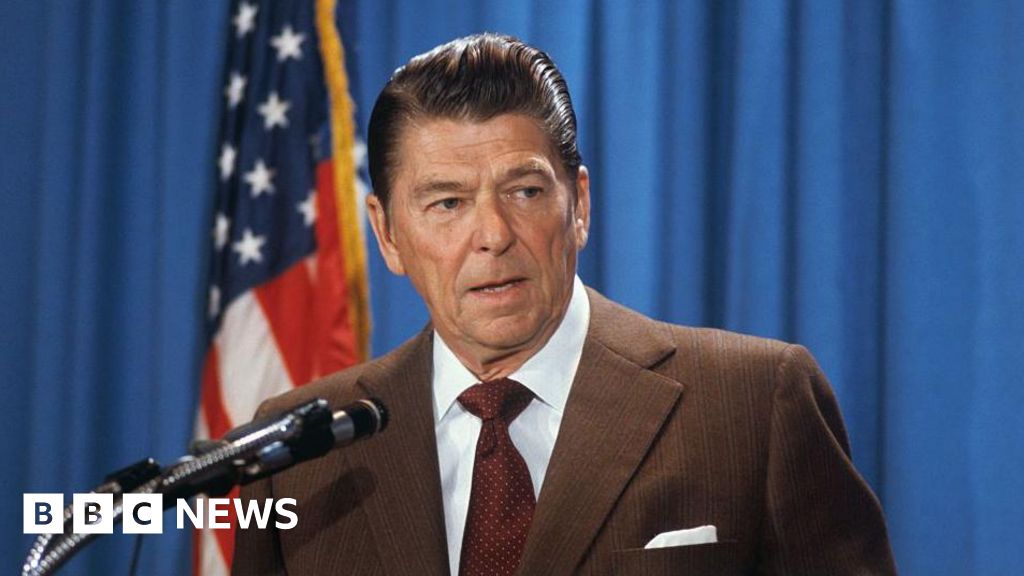
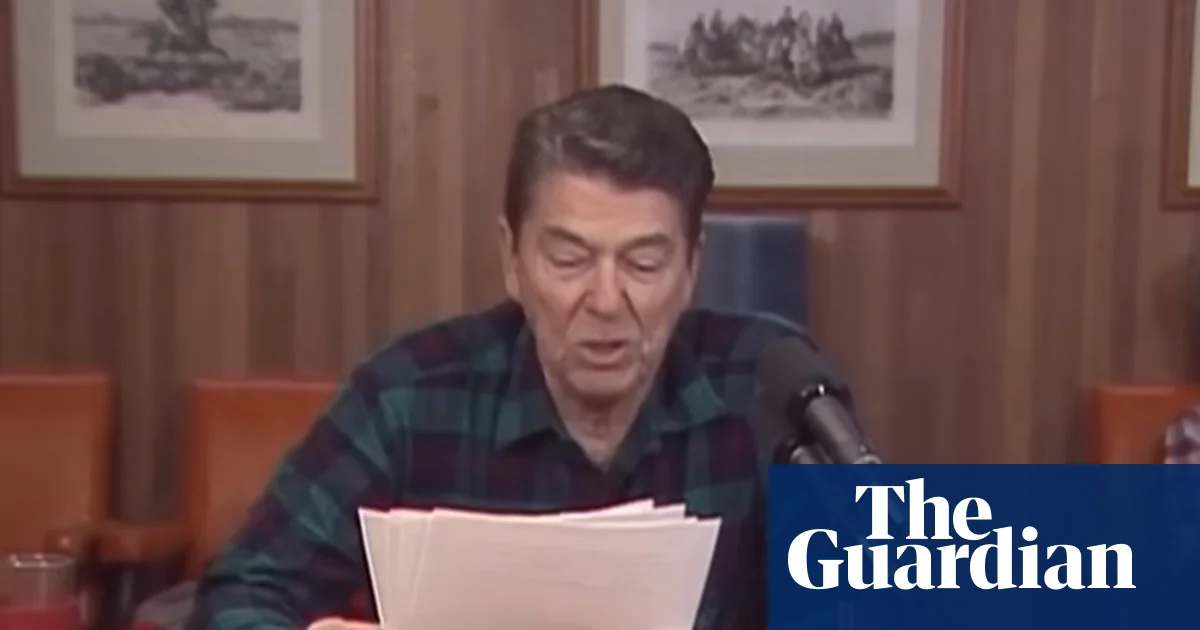
Reagan Ad Sparks Trade Crisis: What Blamed for U.S.-Canada Talks Breakdown?

In a dramatic turn of events that underscores the fragile fabric of international economic stability, President Donald Trump has decisively halted all trade negotiations with Canada following the release of a controversial advertisement. The ad, prominently featuring excerpts from a 1987 address to the nation by Ronald Reagan, aims to highlight the perceived dangers of tariffs and protectionist policies. However, critics argue that this move reflects a broader struggle over the future direction of global trade policies—one that could reshape the geopolitical landscape for years to come.

The ad, sponsored by the Canadian province of Ontario, presents transcribed snippets of Reagan’s historic speech, emphasizing his warnings about the long-term consequences of tariffs: “Over the long run, such trade barriers hurt every American, worker and consumer.” By selectively editing and rearranging these excerpts, the ad seeks to underscore Reagan’s commitment to free trade as an economic virtue—yet the controversy surrounding it has ignited fierce political debate across North America. The Ronald Reagan Foundation quickly responded, condemning the ad as a misrepresentation of Reagan’s original message, which was fundamentally rooted in the principles of free trade and economic openness. Meanwhile, Ontario announced it would cease running the ad, citing the need to resume vital trade discussions with the United States—an indication of how high-stakes the rhetoric has become in this trade war.

Esteemed analysts from the International Monetary Fund (IMF) and various economic historians have long pointed to the historic repercussions of tariffs, echoing Reagan’s warnings from decades ago. As the 1987 address makes clear, high tariffs inevitably lead to retaliation by foreign nations, triggering escalating trade wars with devastating consequences. “Markets shrink and collapse, industries shut down, and millions of jobs are lost,” Reagan warned—a stark prognosis that resonates strongly today amidst rising tensions. Many experts see President Trump’s recent actions as part of a broader trend where geopolitical instability threatens global economic cooperation, risking a repeat of the past’s economic tumult.

The geopolitical impact of this dispute extends beyond mere trade. It signals a fundamental shift in how nations approach economic sovereignty and international alliances, especially as the United States reevaluates its trade policy stance. Countries across Europe, East Asia, and beyond are watching closely, aware that the future of free trade hinges on these decisive moments. According to international relations analysts, such moves threaten to unravel decades of progress made toward economic integration and global stability. As President Biden’s administration navigates these turbulent waters, the outcome could either reinforce the post-Cold War order or push the world back toward protectionism and economic isolationism.

With history threatening to repeat itself, the unfolding narrative leaves nations and societies standing at a crossroad where every decision echoes with the weight of history. As the world watches, the question remains: will this clash of trade visions forge a new era of cooperation or plunge the globe into a protracted economic conflict? The answer may well determine the fate of prosperity in the 21st century, reminding us that in the struggle for global influence, history’s pages are still being written, with each chapter etched into the fabric of international relations—an ongoing story that demands vigilance, resolve, and perhaps a renewed commitment to free and fair trade as the cornerstones of a prosperous future.

US-Canada clash over Reagan-era tariff attack as trade talks stall — Trump administration step in

Geopolitical Turmoil: Canada’s Trade Rift with the US Sparks International Reckoning

The recent escalation in trade tensions between Canada and the United States marks a significant turning point in international relations, highlighting the fragile nature of economic diplomacy in an era dominated by unilateral decision-making. The controversy began when the Ontario government ran a political advertisement featuring a historical speech by Ronald Reagan, emphasizing his stance that “trade barriers hurt every American worker”. The move, aimed at engaging US audiences on the impact of tariffs, unexpectedly ignited a diplomatic firestorm after Donald Trump responded with accusations of a “fraudulent” ad and, ultimately, the outright suspension of all trade negotiations with Canada. This sequence of events demonstrates how historical narratives can be weaponized in modern geopolitics, with repercussions that resonate far beyond the initial dispute.

The US-Canada trade relationship, long regarded as a cornerstone of North American stability, now faces an uncertain future. With the US imposition of 35% tariffs on Canadian steel, aluminum, and other key sectors, and Canada’s retaliatory measures, the economic fabric of both nations risks unraveling. Experts like Chris Sands, director of the Center for Canadian Studies at Johns Hopkins, warn that these developments could mark the cessation of meaningful negotiations. “Can we stop trade talks? Yes, but there was no evidence we were going anywhere anyway,” he notes, underscoring the perceived dead-end nature of current policy. The American move, fueled by political calculations amidst upcoming judicial hearings on presidential tariff authority, signifies a shift from Reagan’s ideals of free trade to a protectionist stance that threatens to destabilize the longstanding continental economic framework.

Moreover, this diplomatic breakdown occurs amid critical international deadlines. The scheduled review of the United States-Mexico-Canada Agreement in July 2026, coupled with U.S. Supreme Court hearings on Trump’s emergency tariff powers, underscores a pivotal moment for North American integration. The decision by the Canadian government to pivot towards building new partnerships in Asia reflects a broader strategy: diversifying economic reliance away from the tumultuous US market. As analysts observe, Canada’s stance is emblematic of a larger pattern—asserting sovereignty and safeguarding national interests against unpredictable American policies. Canada’s leadership now walks a tightrope, balancing domestic political pressure, regional unity, and its long-term strategic interests. These shifts will undoubtedly influence the global order, challenging established alliances and redefining how nations navigate shared economic destinies.

As history cast its long shadow over the present, the unfolding saga of North American trade relations raises a stark question: Will the echoes of Reagan’s optimistic free-trade vision be drowned out by the harsh realities of 21st-century protectionism? Or is this the beginning of a deeper reordering of global economic alliances? Only time will reveal whether these recent flashpoints are fleeting moments or the prelude to a fundamental transformation—where history’s lessons are either heeded or dismissed, and the world’s balance of power is reshaped by decisions made in moments of crisis. The weight of the future hangs heavy, as the pages of history continue to turn, writing a new chapter that will be remembered for generations to come.

Pentagon Chief Orders New U.S. Strike on Drug Smuggling Boat in the Caribbean

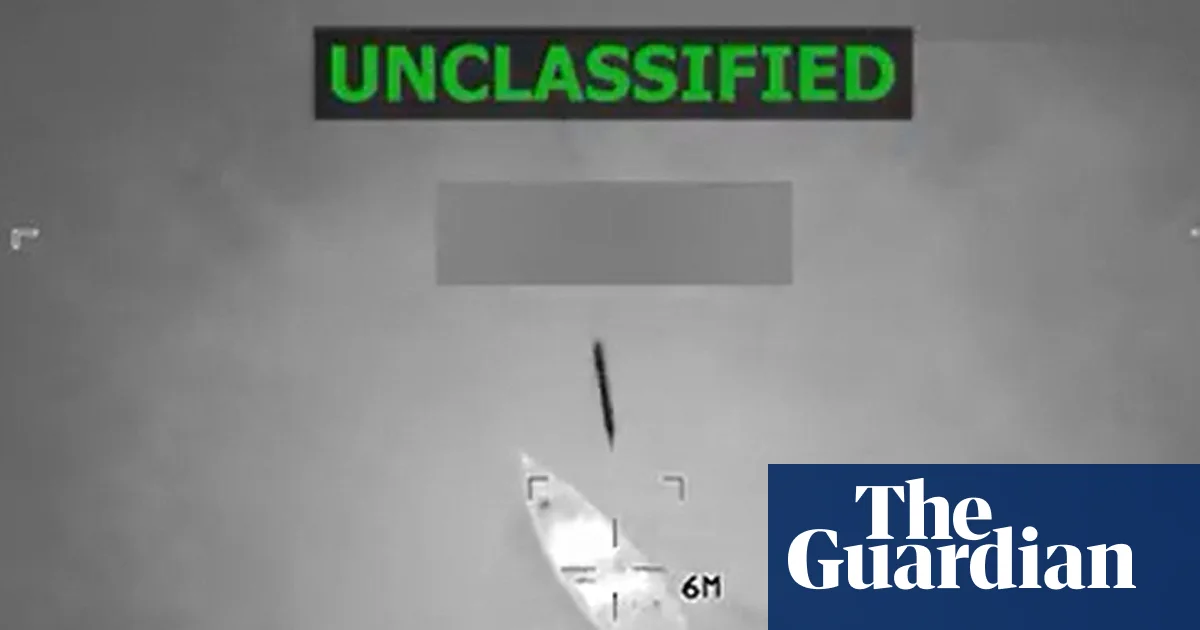
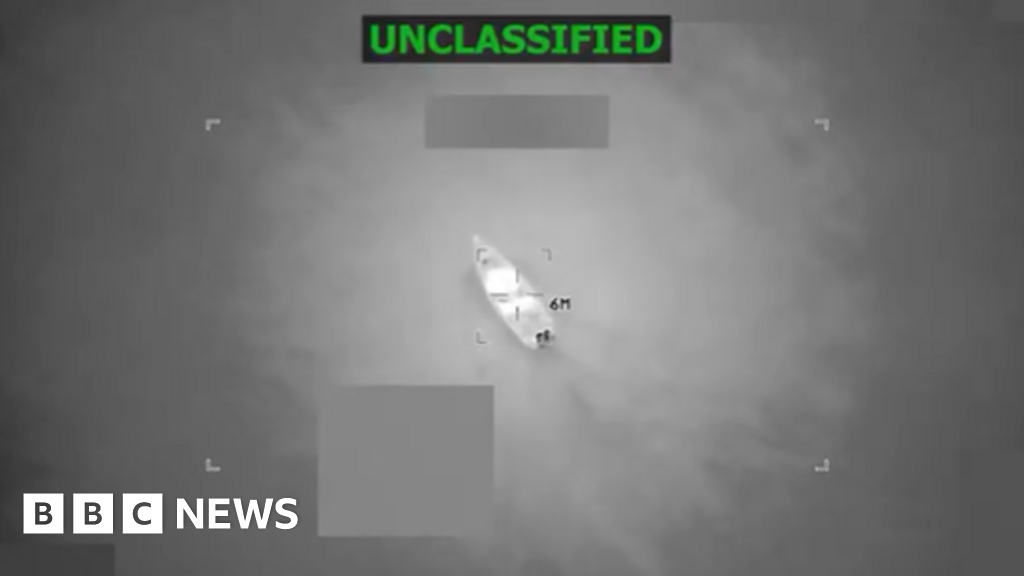
In a move that underscores the escalating global struggle against narcotics trafficking, the United States has conducted its tenth military strike targeting vessels suspected of carrying illegal drugs in the Caribbean and off the coast of South America. According to Pentagon officials, the latest operation resulted in the death of six individuals onboard a vessel believed to be involved in narcotics smuggling along transnational routes. These strikes, authorized and executed under the claim of defending national security and disrupting transnational criminal organizations (TCOs), have sparked considerable debate on the legality and efficacy of U.S. unilateral military interventions.

The administration has rapidly intensified its military posture, deploying the aircraft carrier USS Gerald R. Ford to waters off South America, emphasizing a strategic shift to bolster surveillance and interdiction capabilities in the Western Hemisphere. This move signals a broader geopolitical shift in U.S. foreign policy, with an explicit focus on combating narcotrafficking that threatens both domestic stability and regional security. Analysts suggest that this demonstrates a move toward a more aggressive posture, potentially risking regional destabilization and diplomatic fallout. Since early September, Washington has executed at least 10 strikes, resulting in the deaths of over 40 suspected traffickers, based on unverified claims. However, critics, including numerous civil liberties groups and South American leaders such as Colombian President Gustavo Petro, have condemned the campaigns as extrajudicial murders that violate international norms and sovereignty.

Indeed, the geopolitical impact of these actions extends beyond immediate military objectives. The clandestine role of the Central Intelligence Agency in providing intelligence—reportedly underlying many of these strikes—raises profound questions about transparency and legitimacy. Experts like Dr. Mariana Ruiz, a senior analyst at the International Crisis Group, warn that the secretive nature of intelligence-driven operations could set dangerous precedents. The ambiguous status of alleged affiliations between gangs like Tren de Aragua and designated terrorists complicates the legal framework used to justify these strikes, challenging international law and the sovereignty of affected nations.

Beyond the legal and moral controversies, these actions reveal a broader shift in U.S. strategic priorities. While the White House contends that the President is exercising constitutional authority under Article 2—a controversial interpretation—many legal scholars highlight the lack of explicit congressional approval and question whether such strikes are justified as acts of self-defense. Meanwhile, regional reactions remain overwhelmingly critical; Colombia, a frontline state in narcotics trafficking, decries these operations as “murder,” emphasizing that such policies risk destabilizing already fragile alliances and creating new fertile grounds for conflict. As global watchdogs and analysts grapple with the implications, it is clear that these strikes symbolize more than just a war on drugs. They mark a pivotal moment — a dramatic chapter in the unfolding narrative of international power, sovereignty, and the relentless pursuit of safety in an increasingly chaotic world.

Hegseth leads bold new Caribbean strike to keep America safe

Washington has escalated its maritime campaign against suspected drug traffickers with a series of targeted naval strikes across the Caribbean Sea and Pacific Ocean. Announced by US Defense Secretary Pete Hegseth, these operations are part of what the Biden administration and former President Donald Trump have described as a strategic effort to suppress international drug flows. The latest strike in the Caribbean purportedly destroyed a vessel linked to the Tren de Aragua criminal organization, resulting in the deaths of six individuals, according to US officials. As the tenth such operation since September, this campaign underscores Washington’s intensified pursuit of what it claims are threats to national security and regional stability.

This ongoing campaign raises profound geopolitical concerns, with critics questioning the legality and diplomatic ramifications of such unilateral military actions. Members of the US Congress from both sides of the aisle have voiced apprehension, highlighting the absence of clear congressional approval for these strikes. Most notably, 25 Democratic senators expressed their doubt that the earlier operations posed a direct threat to the United States, calling into question the legitimacy of executive authority in these instances. Meanwhile, Republican Senator Rand Paul has publicly maintained that any use of military force against these vessels requires explicit congressional authorization, emphasizing the constitutional debate surrounding the president’s powers in wartime.

Despite these concerns, President Trump’s administration has firmly defended the legality of the strikes, with Secretary of State Marco Rubio remarking that “if people want to stop seeing drug boats blow up, stop sending drugs to the United States.” Washington’s focus appears to extend beyond mere drug interdiction, as analysts suggest an underlying motive involves applying military pressure on the Venezuelan government led by President Nicolás Maduro, whom former President Trump accused of facilitating drug trafficking—an assertion that Maduro consistently denies. The persistent targeting of vessels connected to the Tren de Aragua organization not only aims to dismantle drug networks but also serves as a strategic move to undermine regional allies and adversaries, thereby asserting US influence in Latin America.

The international community watches with cautious apprehension as these operations unfold, with various non-governmental organizations and regional powers questioning the rule of law and the escalation of military force. Historians like James MacGregor Burns argue that such unilateral interventions risk destabilizing fragile diplomatic relations, while international organizations warn that unchecked military actions could provoke broader regional conflicts. At the same time, the US maintains that these operations are vital tools in combating narcotrafficking and safeguarding national security. Yet, with each strike, questions grow about how decisions made in Washington resonate far beyond the Caribbean or Pacific, shaping the fates of nations and societies caught in the crossfire of this modern-day power struggle.

As the dust settles and history writes its next chapter, the weight of this unfolding drama leaves an indelible mark on the global stage. The world watches as Washington flexes its military muscles in the pursuit of security, but at what cost? These actions, cloaked in the guise of justice, threaten to redefine regional dynamics, fuel diplomatic tensions, and question the very principles of sovereignty and international law. In the shadows of these maritime battles, the true line of conflict extends inward—between authority and legality, between power and legitimacy—leaving a question lingering in the air: Whose security is truly at stake, and at what price will the world continue to chase this perilous pursuit of order?

Guinea's Youth Outraged Over $100,000 Election Fee to Topple Junta
Guinea’s Youth Outraged Over $100,000 Election Fee to Topple Junta

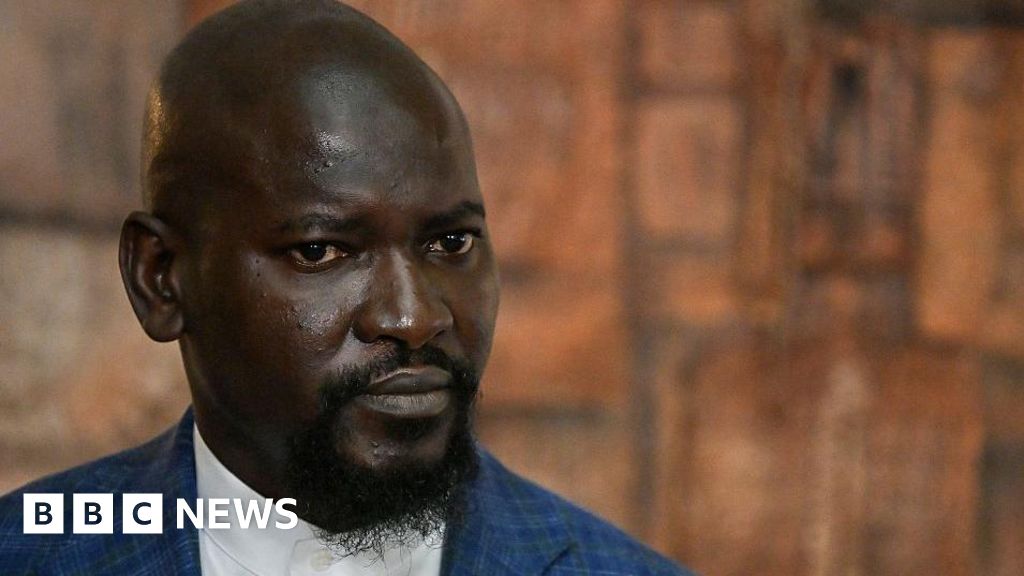
The recent announcement of a **$100,000** deposit requirement for presidential candidates in Guinea has sent shockwaves through the country’s political landscape. Under the shadow of ongoing **military rule** since Colonel Mamady Doumbouya seized power in 2021, these upcoming elections are seen as a pivotal moment in Guinea’s fragile transition towards civilian governance. Yet, the decision to impose such high barriers to entry raises serious questions about the fairness and inclusivity of the electoral process, especially as analysts predict that only the wealthiest or those with significant connections will be able to compete. Critics argue that these financial hurdles, which are higher than in neighboring countries like Nigeria, Cameroon, and Ivory Coast, threaten to exclude a broad spectrum of political voices, ultimately undermining the legitimacy of the elections.

Since the country’s constitutional reform, which ostensibly allows Doumbouya to run for the presidency, opponents and international observers have voiced concern over whether this election genuinely represents a sovereign choice by the Guinean people or is another step in consolidating military influence. Prominent figures such as Faya Millimono have criticized the skyrocketing deposit requirements, noting that they have increased drastically over the past two decades—from less than 50 million Guinean francs in the early 2000s to today’s 875 million. This trend reflects a broader pattern seen across West Africa, where high deposit and campaign spending limits tend to favor established elites and entrenched political parties, thereby marginalizing grassroots or opposition candidates. The high cost of participation effectively transforms the election into a contest among the well-funded, threatening the democratic spirit that many had hoped efforts like these might revive.

The geopolitical impact of Guinea’s electoral processes stretches beyond its borders. As one of the region’s largest economies and a key resource hub, Guinea’s stability is vital for broader West African security. International organizations, including the Economic Community of West African States (ECOWAS), have expressed cautious optimism while emphasizing the importance of credible, transparent elections. Meanwhile, local opposition leaders living in exile, such as Alpha Condé and Cellou Dalein Diallo, warn that the exclusion of major political figures and the potential for electoral manipulation could lead to renewed unrest or even a return to conflict. The decision by military authorities to maintain high candidacy deposits and limited political competition could serve as a catalyst for discontent, echoing past crises in other African nations where authoritarian tendencies have been reinforced amid electoral controversies.

As history unfolds, all eyes are on Guinea, where the outcome of these elections may define not just the country’s future but also send ripples through the entire region. The weight of this moment, whether it leads to a genuine transfer of power or entrenched authoritarianism, underscores the importance of international vigilance. The struggle for Guinea’s soul is a reminder that decisions made today in Harare, Conakry, and Abuja are shaping the geopolitical landscape of West Africa — a landscape at a crossroads where history’s ink continues to bleed into the pages of tomorrow. Will Guinea chart a new course towards democracy, or succumb to the forces of elite entrenchment? As history’s pen moves forward, the true story of this nation remains a tense and momentous drama, with the future yet unwritten.

Issa Tchiroma Bakary vows to defend legitimate votes against theft

Cameroon’s Election Crisis Sparks International Concern

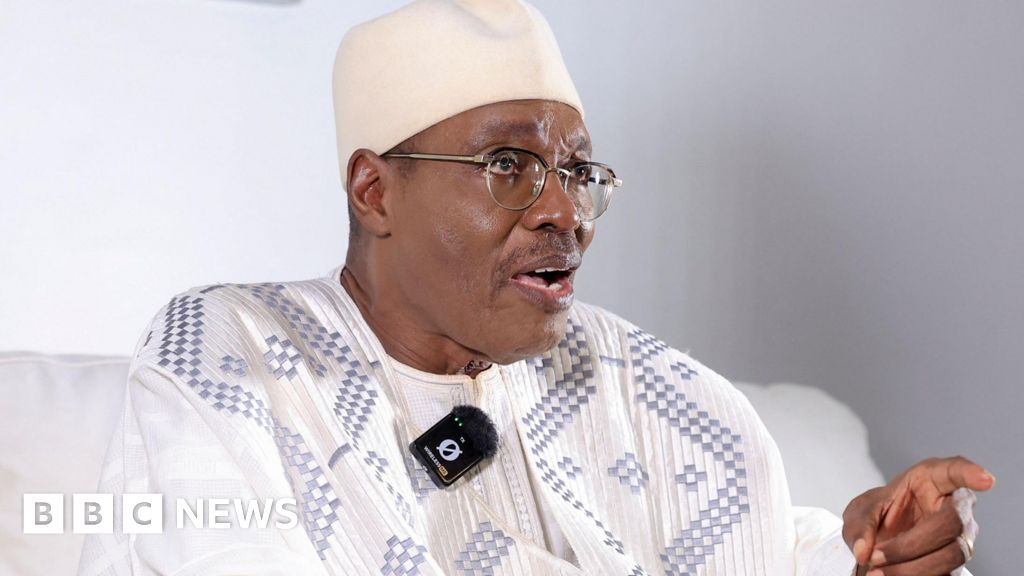
In Cameroon, a nation grappling with multiple internal conflicts, the recent presidential elections have plunged the country into a tense political crisis. Opposition leader Issa Tchiroma Bakary, who has audaciously declared himself the winner of the 12 October vote, presents a fierce challenge to President Paul Biya, who has maintained power for over four decades. Tchiroma Bakary’s claims are anchored in an assertion that he and his team have meticulously compiled results from individual polling stations, demonstrating a clear victory margin. However, the ruling party dismisses these allegations, emphasizing that only the Constitutional Council has the authority to declare official election outcomes, underscoring the deep divisions within Cameroon’s political landscape.

Historically, Cameroon has faced the complex goal of balancing internal stability with democratic processes. Analysts warn that the current situation, marked by contested results and accusations of ballot-stuffing, threatens to ignite fresh waves of unrest. Tchiroma Bakary, a former government minister who has broken ranks with long-serving President Paul Biya, has openly challenged the legitimacy of the electoral process. His declaration of victory and call on supporters to defend their votes drift dangerously close to undermining constitutional order. As Tchiroma Bakary boldly states that he has already won and urges the public to resist perceived election theft, fears escalate over potential violence or even a breakdown of law and order—especially considering the country’s ongoing separatist conflict in the Anglophone regions and Boko Haram insurgency in the Far North.

The International Response and the Road Ahead

Global observers and international organizations, such as the Economic Community of Central African States (ECCAS) and the United Nations, monitor the escalating crisis closely. Their warnings emphasize that peaceful resolution depends on a transparent and constitutional process, rather than unilateral declarations that threaten fragile stability. The highly respected Catholic Church in Cameroon has issued a cautious appeal for calm, urging the authorities to ensure that the final results genuinely reflect the will of the people. Their intervention highlights how societal institutions can serve as buffers amid chaos, but also how easily faith in the electoral process can be fractured when claims of illegitimacy are publicly expressed.

As constitutional lawyers and historians analyze the unfolding events, some argue that the integrity of electoral institutions is paramount for safeguarding citizenship rights and national cohesion. Others warn that dismissing official results may delegitimize the entire democratic process, risking a cycle of unrest that could spiral beyond Cameroon’s borders into the broader Central African region. The international community remains divided, with some calling for calm and adherence to legal channels, while others hint at possible sanctions or diplomatic pressure to prevent further destabilization. The critical question remains: can Cameroon navigate this turbulence without descending into chaos, or will these contested elections become a catalyst for a deeper crisis?

The Weight of History and the Unfolding Future

Cameroon’s current election turmoil echoes a broader trend seen across the continent—where prolonged leadership, perceived electoral manipulation, and ethnic and regional tensions converge to threaten fragile nations. As historians and political analysts warn, history often repeats itself when citizens lose trust in their electoral institutions and resort to force or rebellion. With the specter of violence looming, the question arises: how will Cameroon’s leaders, societal institutions, and international allies act in the coming days?

While the political rhetoric surges and the streets remain tense, the true test lies ahead: will the voice of the ballot be respected, or will history record yet another chapter of contested power and broken promises? The future of a nation at a crossroads hangs in the balance, waiting to see whether this crisis can be a turning point for genuine democratic reform or only the prelude to a new epoch of instability—a chapter still being written by the relentless march of history.

Shocking Fraud Unearthed: Poker Cheats Using X-Ray Tables, Tech Gear, and NBA Athletes

Global Crime Syndicates Hit Hard: Mafia-Linked Poker Scheme Unveiled with Devastating Geopolitical Ramifications

In a startling development that underscores the shadowy reach of organized crime into the fabric of American society, federal authorities have dismantled an elaborate gambling scheme linked to Italian mafia factions, including the notorious Bonanno, Gambino, Luchesse, and Genovese families. The investigation, spanning several years and involving relentless federal agents, revealed a sophisticated network targeting high-profile individuals such as celebrities, professional athletes, and wealthy gamblers, with far-reaching geopolitical impact being a core concern for analysts around the world.

The operation, which prosecutors describe as “reminiscent of a Hollywood movie,” employed cutting-edge technology — from X-ray card tables to rigged shuffling machines and contact lenses capable of reading concealed cards — as part of a well-orchestrated effort by criminals to manipulate outcomes and siphon millions. Such technological ingenuity not only exposes the vulnerability of clandestine gambling operations but also demonstrates how technological advancements are increasingly exploited for illicit activities across borders. The scheme’s use of cryptocurrency and shell companies to launder profits illustrates the innovation organized crime employs to stay ahead of law enforcement efforts, threatening the stability of financial systems and how decisions made in legal arenas resonate globally.

High-Profile Figures and International Implications

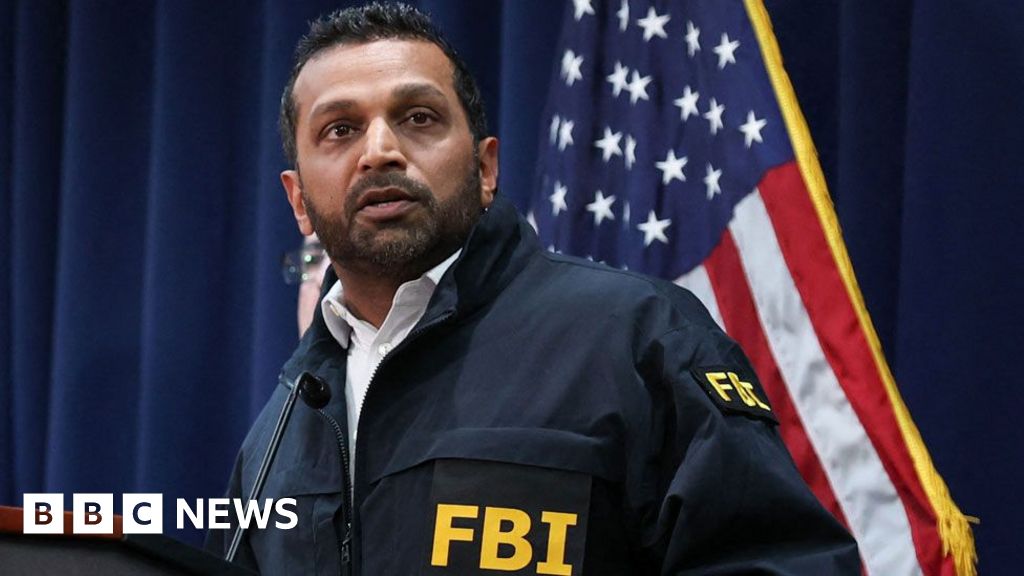
The scheme’s ripple effects extend beyond national borders, with arrests including NBA coach Chauncey Billups and former NBA player Damon Jones. Billups, identified as a “face card” in the illegal poker games, was detained in Portland and reported to be on leave from the NBA, highlighting how organized crime’s reach infiltrates even mainstream sports and entertainment sectors. The involvement of elite athletes, who prosecutors say were enlisted to lure unwitting victims (“fishes”), reveals the dangerous intersection of sports, crime, and international influence. The FBI’s assistant director in charge, Christopher Raia, described the scheme as a threat to national security, emphasizing how organized crime groups use financial resources to fund their broader criminal enterprises, which could include transnational operations far beyond US borders.

Analysts suggest that this bust serves as a warning to other nations about the cross-border nature of organized crime, especially considering the longstanding influence of Italian mafia families interconnected through global criminal networks. The tapestry of illicit activities that includes money laundering, illegal betting, and rigged gambling tables paints a stark picture of a criminal underworld that adapts swiftly to technological change. International organizations such as INTERPOL view the case as a clarion call for enhanced cooperation, recognizing that how nations counter these schemes directly affects societal stability. The dismantling of this operation signifies a pivotal shift, reinforcing the idea that organized crime’s tentacles extend into financial, sporting, and entertainment sectors worldwide — a clear reflection of the complex geopolitical landscape it fuels.

History’s Unfolding Shadow Play

As authorities continue to unravel this sprawling web of deceit, the broader significance becomes clear: history is being written not just with arrests, but through the looming shadow of crime shaping the future of justice and security. The case acts as a stark reminder of how turning points in global criminal pursuits threaten to destabilize societies, challenge law enforcement, and redefine the boundaries of justice. Every technological innovation exploited by these networks whispers a warning to nations still grappling with the fallout, signaling that the battle against organized crime is far from over. The weight of history now rests on the shoulders of global institutions tasked with defending the rule of law, as the dark web of greed and violence seeks to rewrite the future in shadows cast by the very tools meant to innovate and connect nations.

Trump pulls out of Canada trade talks after anti-tariff ad controversy

US and Canada at Crossroads: Trade Tensions Ignite a New Global Crisis

The fragile landscape of international trade has once again been rocked by a provocative move from President Donald Trump, who declared an immediate halt to all negotiations with Canada following a contentious advertisement campaign. The ad, sponsored by the government of the Canadian province of Ontario, utilized audio excerpts of Ronald Reagan’s 1987 address to underscore a stark warning: tariffs harm American workers and economic stability. Trump’s swift denunciation of the campaign as “FAKE” and “egregious” signals a worsening of already tense relations, casting a shadow over the broader North American economic framework. As trade negotiations die on the vine, the geopolitical how decisions affect nations and societies becomes unmistakably clear: a trade war on the rise threatens to destabilize not only regional stability but also the global balance of power.

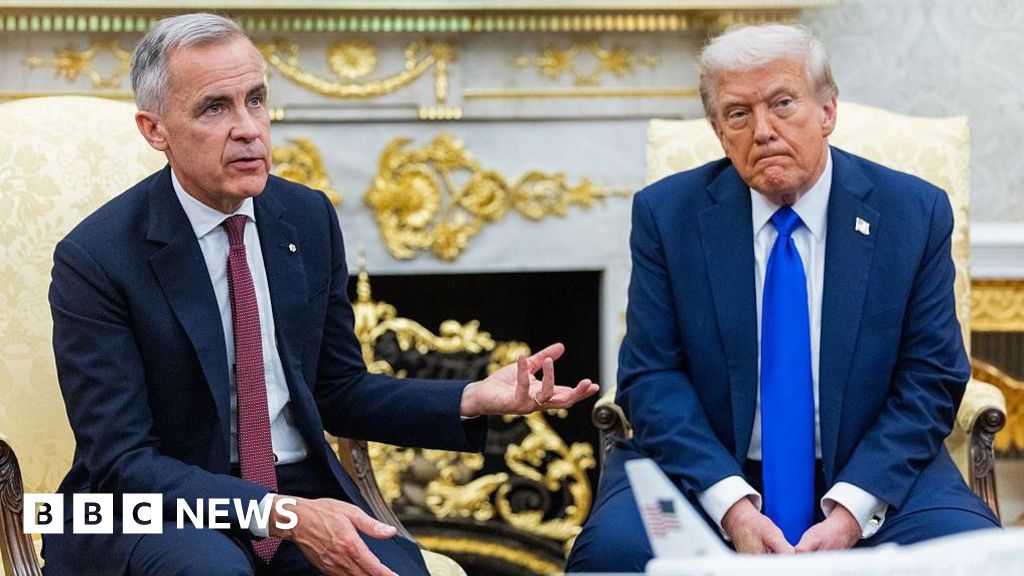
Analysts highlight how these moves are part of a broader pattern of challenging traditional trade agreements. Prime Minister Mark Carney has been tirelessly seeking to forge a deal that would ease the impact of U.S. tariffs—particularly those targeting Canadian goods. Yet, Ontario’s Premier Doug Ford, a vociferous critic of Washington’s tariffs—imposing a 50% levy on metals and 25% on automobiles—has openly threatened to retaliate, even suggesting cutting off power supplies to the U.S. This political tension exemplifies how doorway policies influence how societies adapt to economic pressure. The White House’s sector-specific tariffs have caused significant job losses and shrinking industries in Ontario, illustrating the tangible damage inflicted on middle-class livelihoods when geopolitical decisions prioritize protectionism over free trade. Such conflicts threaten to escalate further, raising the specter of a full-scale trade war that analysts warn could lead to economic fallout reminiscent of the early 20th century’s protectionist era.

Meanwhile, international organizations and historians are scrutinizing this modern crisis through the lens of history, with some cautioning that Trump’s aggressive stance risks reigniting Cold War-era tensions. The United States Supreme Court’s upcoming decision on tariffs’ legality looms large in this evolving narrative, potentially forcing Washington to reimburse billions collected from tariffs—an outcome that could undermine Trump’s signature economic policies. The Ronald Reagan Foundation has condemned the Ontario government for mishandling Reagan’s speech by “selectively editing” his words to serve political ends. This contentious use of history underscores how decisions in this moment could redefine diplomatic norms, and whether the legacy of Reagan, a symbol of free enterprise, can be warped into a tool of modern protectionism.

As China’s embassy in Washington indicates with similar propaganda efforts, the strategic use of historical figures and economic rhetoric underscores a broader global contest—a contest for influence, sovereignty, and economic leadership. The mounting tensions threaten to fracture longstanding alliances, pushing societies toward a pivotal choice: embrace the chaos of protectionism or rally back to the principles of free trade that once fostered unprecedented prosperity. The forces shaping this story are still unfolding, but the weight of history reminds us that the decisions taken in this crucible of geopolitical tension will resonate for generations. In the crucible of power struggles and economic brinkmanship, the world stands at a threshold, teetering on the edge of a new, uncertain chapter in history—where the echoes of Reagan and the audacity of Trump collide amidst rising tides of nationalism and global uncertainty.

UK’s top arms maker BAE halts ‘lifeline’ aircraft delivering aid to the world

BAE Systems’ Withdrawal from Humanitarian Support: A Catalyst in Global Power Dynamics

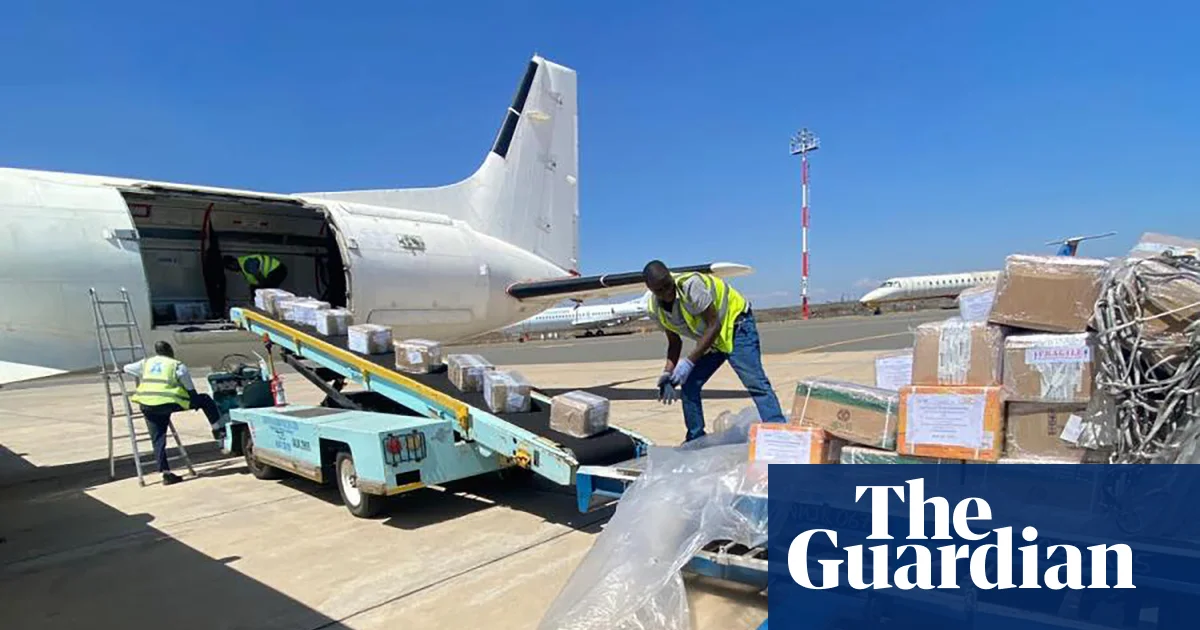
In a move that underscores the shifting priorities within Britain’s top defense contractor, BAE Systems has quietly ended its support for a fleet of aircraft crucial for delivering life-saving humanitarian aid across some of the world’s most fragile regions. The decision, announced amidst record profits exceeding £3 billion, appears driven by BAE’s strategic pivot to bolster its hand in the ongoing global arms race spurred by increased defense spending among NATO allies. This change not only exemplifies the seeping influence of geopolitical tensions into humanitarian operations but also signals a disturbing trend where military interests undermine aid efforts in crises-ridden nations.

Key destinations such as South Sudan, Somalia, and the Democratic Republic of Congo are already suffering from escalating humanitarian disasters, with millions facing famine and acute malnutrition. Recent reports from international agencies highlight that nearly 7.7 million people across South Sudan and over 27.7 million in the DRC are caught in a maelstrom of conflict, climate crisis, and rising food prices. Hundreds of thousands of vulnerable lives depend on aid delivered via aircraft with short airstrips in remote regions—an operation that BAE’s aircraft model was uniquely suited to support. Yet, the firm’s abrupt withdrawal of support has grounded these vital missions, breaking a vital lifeline for countless civilians and raising questions about the true priorities of Western military-industrial complexes.

  • The cancellation of humanitarian contracts, including a 10-year operation in the DRC and aid deliveries in Somalia, underscores a calculated shift towards defending commercial interests, with BAE Prime among the beneficiaries.
  • The voluntary surrender of the aircraft’s type certificate by BAE, which renders the aircraft effectively obsolete for commercial use, signifies a strategic move to cease support while limiting legal liabilities.
  • Legal contention has emerged, with EnComm Aviation, the last known operator of these aircraft, claiming that they were misled about the duration of BAE’s support commitments and now face catastrophic losses—highlighting a troubling dissonance between corporate promises and actions.

Analysts and historians warn that these developments mark a dangerous departure from the longstanding tradition of leveraging military technology not only for power projection but also for humanitarian purposes. According to reports from prominent think tanks, the strategic reorientation of defense firms like BAE towards increased arms sales amid burgeoning global instability risks amplifying conflicts rather than mitigating suffering. Organizations such as the World Food Programme have warned that aid disruptions could exacerbate crises, fueling unrest and displacement, with far-reaching geopolitical consequences for regional stability and international diplomacy.

As Britain and its allies continue to allocate billions toward military expansion, the true price may be paid by the most vulnerable populations on Earth. The historic moment we find ourselves in is a stark reminder of how the collision of economic interests and geopolitical strategy can reshape the landscape of global aid. With each aircraft grounded, each contract canceled, the weight of history hangs heavily—an unfolding chapter that urges vigilance. Humanity stands at a crossroads in a world where the decisions made in smoke-filled boardrooms may determine whether millions will survive or succumb to the shadows of neglect and conflict enduring into the unknown future.

Social Media Auto Publish Powered By : XYZScripts.com