Matox News

Truth Over Trends, always!

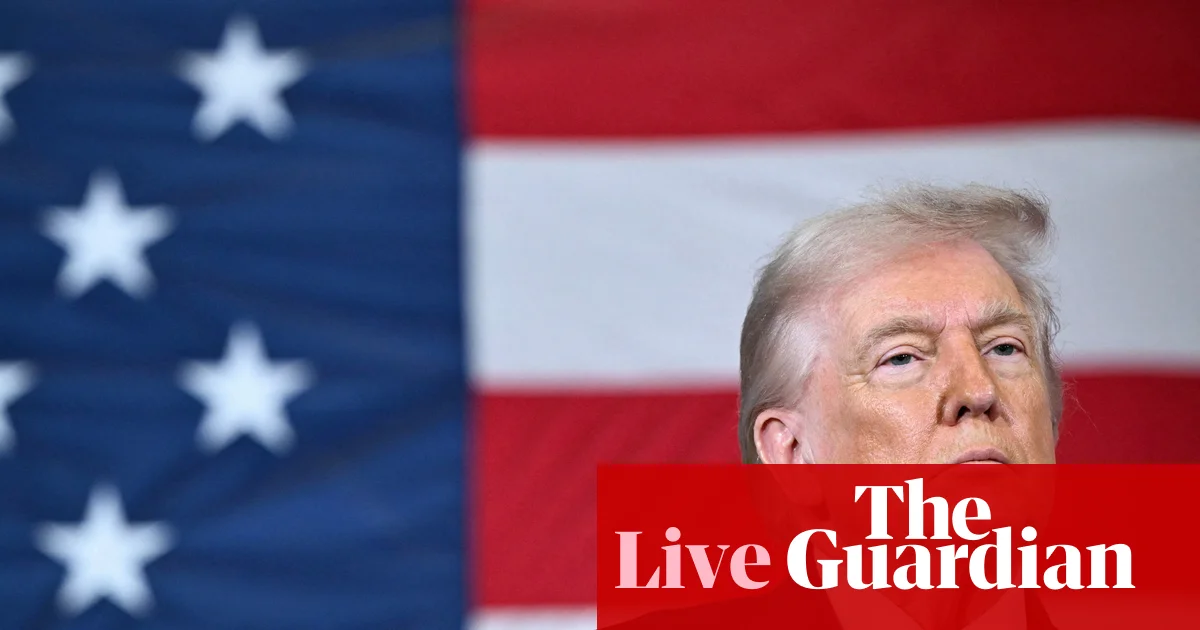
Only 32% of Americans believe Trump’s priorities are right — poll ahead of State of the Union

Global Power Plays Amid Political Turmoil and Military Posturing

As the United States prepares for yet another theatrics-filled State of the Union, the international landscape is brimming with a complex web of strategic moves, diplomatic tensions, and military maneuvers that underscore the ongoing power struggle on the world stage. Behind the scenes, the decisions made in Washington ripple outward, reconfiguring alliances, testing borders, and recalibrating the delicate balance of global influence. This is a critical moment in history where the choices of leaders will not only define domestic agendas but also have lasting consequences for geopolitical stability.

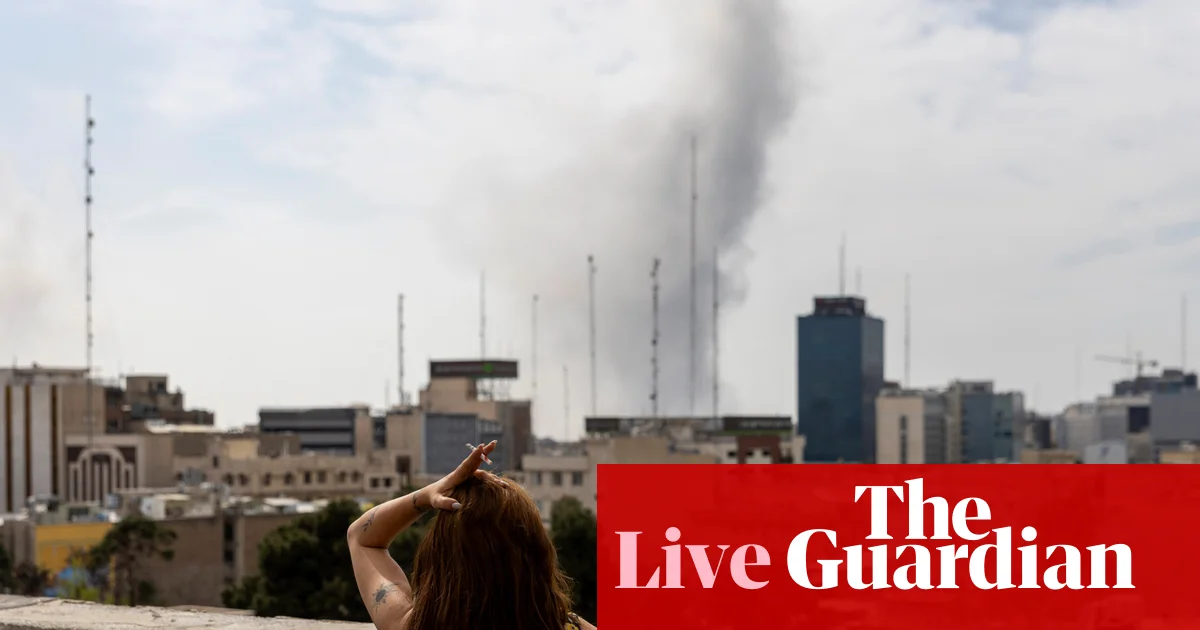
On the military front, the USS Gerald R. Ford, the world’s largest aircraft carrier, has reached the US naval base at Souda Bay, Crete, en route to join a burgeoning military buildup in the Middle East. The move signals heightened tensions, as Trump-era threats to Tehran repeatedly threaten to spark a new regional conflict. The President, who has openly threatened Iran with renewed military action over its nuclear program, now appears increasingly frustrated by diplomatic stalemates. According to sources, Trump’s advisers are weighing options for a strikingly forceful call to Iran, but caution persists due to the risk of escalating an already volatile situation. Analysts warn that any misstep could ignite a prolonged war in the Middle East, dragging global powers into a conflict that might shift regional power dynamics and destabilize international order.

Meanwhile, in the theatre of international diplomacy, the US State Department continues to issue advisories about Western Mexico amid ongoing cartel violence following the killing of a prominent drug lord. This situation reflects the broader implications of America’s border policies and counter-narcotics efforts that are often criticized for their impact on social stability and economic development in the region. The United States’ stance on border security, trade tariffs, and military intervention remains a key feature of its geopolitical posture, influencing policy decisions in neighboring countries and European allies alike. European nations, already rattled by the recent US Supreme Court ruling against Trump’s tariffs, now face the challenge of recalibrating their trade relations amid America’s impulsive economic tactics. The court’s decision has been lauded by conservatives but accused by liberals of sowing chaos and undermining executive authority, fueling ongoing battles over the proper scope of presidential power.

On the home front, the US political scene is equally tumultuous. Biden’s administration faces mounting pressure from both the left and right, as factions within Congress debate whether to attend or boycott the upcoming address. Several prominent Democrats, including the likes of Abigail Spanberger and Summer Lee, plan to deliver alternate rebuttals, signaling a rift that underscores the fragile unity of US political institutions. Meanwhile, Trump’s approval ratings continue their steep decline, with only a minority of Americans believing he holds the right priorities—highlighting the deepening divide and the turbulent state of American democracy. Observers like historians and political analysts warn that this systemic discord may herald a period of instability that could have profound ramifications for the future of the Western alliance. As the country braces for Trump’s lengthy and combative speech, other nations worldwide watch with bated breath, knowing that the domestic unrest and foreign conflicts are intertwined in a grander, treacherous geopolitical dance.

Chains of history are being forged in this tumultuous chapter, where decisions made today will echo across generations. In the vortex of military build-up, diplomatic upheavals, and political chaos, the weight of destiny hangs heavy. An uncertain future unfolds, where the boldest leaders’ choices may either forge a new era of strength and stability or plunge the world into chaos, leaving history to judge who truly understood the stakes. As the world stands at this crossroads, the unfolding narrative signals that the next few days may be pivotal—an epoch in the making that no observer can afford to ignore.
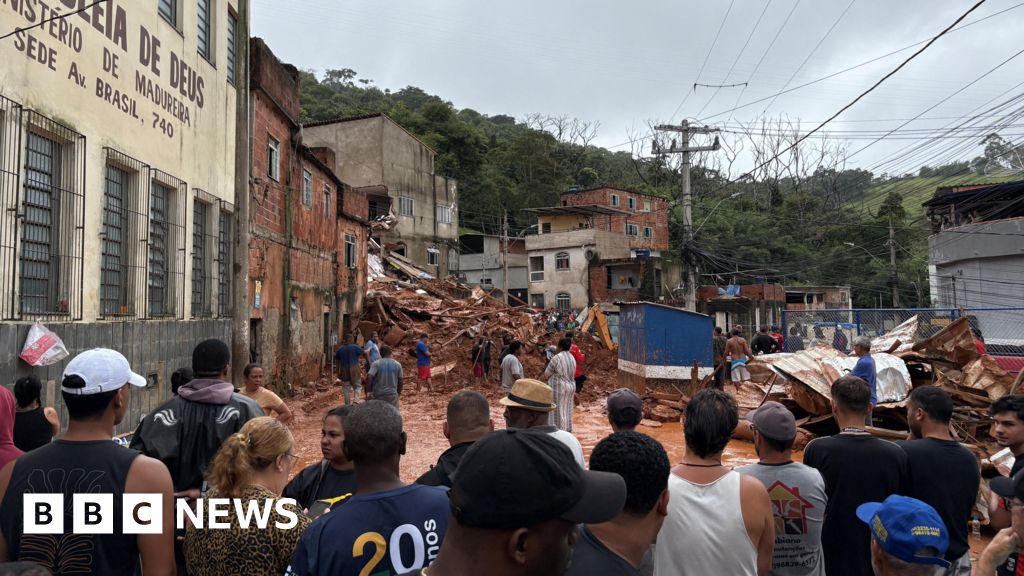

Brazil Floods and Landslides Take 20 Lives, Highlighting Urgent Need for Preparedness

In a harrowing reminder of the ever-present vulnerability of urban populations to natural disasters, Juiz de Fora has become the center of international attention following recent catastrophic events. Hundreds of residents have been displaced amidst a surge in infrastructure collapse, while dozens are still reported missing as rescue operations continue into the night. The disaster underscores the ongoing challenges faced by cities worldwide in balancing rapid development with disaster preparedness, especially within vulnerable geopolitical regions.

As the world scrutinizes the unfolding crisis, experts point to a broader pattern of environmental and infrastructural neglect fueling such disasters. According to international climate analysts and urban planners, climate change—once dismissed as a distant threat—is now manifesting through increasingly extreme weather events. These conditions exacerbate the fragility of urban infrastructure, especially in fast-growing cities like Juiz de Fora, located in a geopolitically sensitive area of Brazil. The incident highlights how neglect of preventative measures can turn natural events into devastating tragedies, fueling migration pressures and social unrest.

The global geopolitical impact of such crises extends beyond local borders, emphasizing the importance of international cooperation. Countries in the Global South, including Brazil, are often at the receiving end of climate-induced calamities with limited resources for effective response. Analysts from organizations like the United Nations warn that if global powers do not prioritize climate resilience and infrastructure modernization, similar disasters will continue to threaten societal stability across vulnerable regions. Coupled with political instability and economic challenges, these catastrophes threaten to impinge on international security and economic stability—factors that global leaders cannot afford to ignore.

Historically, cities have been battlegrounds of progress and setbacks, echoing the words of prominent historians who have long emphasized that such moments are turning points in history. The ongoing crisis in Juiz de Fora illustrates how decisions made—or neglected—in urban planning and climate resilience can have profound, enduring consequences. According to analysts, whether nations choose to confront these vulnerabilities or ignore them today will shape the future of global stability, with some arguing that the current failures could be seen as warnings of a more tumultuous era ahead. The echoes of past failures resonate now; time is running out for decisive action designed to prevent future tragedies.

As rescue teams scour the debris-strewn streets and international observers reflect on the tragedy, one thing remains clear: the unfolding event is not just a local catastrophe but a stark symbol of the collective responsibility nations bear. With each displaced family and each unresolved missing person, the weight of history presses down—an indelible reminder that the path to resilience must be forged before the next calamity strikes. The world watches, aware that the lessons learned here—urgently, and with resolve—will determine whether history’s next chapter is one of recovery or further chaos.

Senate Democrats probe CBS over blocked Colbert interview—questioning media bias against conservatives

In a move reflecting the intensifying intersection of media control and domestic geopolitical strategies, the US Senate has launched an investigation into alleged censorship practices by the Federal Communications Commission (FCC) and Paramount. At the heart of the controversy lies the sudden suppression of an interview with Texas Democratic candidate James Talarico, which has sparked widespread debate over freedom of speech and political bias. Democratic Senator Richard Blumenthal, leading the inquiry, claims that the FCC’s actions and corporate pressures are part of a broader effort to shield the Trump administration and Republican interests from critical scrutiny. Such accusations underscore how the battle over information is sharply aligned with stark geopolitical struggles, both domestically and internationally.

This controversy is not isolated. It comes amid a climate of heightened censorship and media manipulation that analysts warn has become a form of soft geopolitical warfare. Paramount’s ongoing bid to acquire Warner Brothers Discovery—a monumental $108 billion deal—appears to be intertwined with internal manipulations and external political pressures. Critics assert that such corporate maneuvers could serve as tools to influence, or even silence, dissenting voices ahead of critical industry consolidations that will shape media narratives for years to come. Meanwhile, the appointment of Bari Weiss as CBS News editor by Paramount’s CEO and the subsequent politicized decisions—such as pulling controversial segments—highlight how media outlets are increasingly subject to political sways, often at the expense of journalistic integrity. These shifts threaten to undermine public trust and distort international perceptions amid a web of competing narratives.

From an international perspective, the US’s internal media battles resonate globally, illustrating the use of information as a geopolitical weapon. As analysts note, the EU, China, and Russia are closely watching such developments, understanding that control over narratives significantly impacts diplomatic relations and regional stability. The influence exerted on domestic media extends outward, affecting how world events are portrayed and understood. The ongoing investigation, centered on accusations of partisan censorship, emphasizes how even established democracies are wrestling with the erosion of free speech under the guise of political expediency. It also raises questions about the true nature of influence and power in the digital age: who controls the narrative, and at what cost to societal cohesion?

As history continues to unfold, the evolving conflict over free speech, corporate influence, and political power signals a dangerous shift. The fate of mainstream media and democratic accountability hangs in the balance, with each revelation fanning fears of an emerging censorship regime cloaked in the guise of legal or institutional necessity. The coming months promise a deeper probe into the depths of this crisis—one that will determine not only the future of U.S. society but also serve as a cautionary tale for democracies worldwide. As the echoes of this unfolding story resound through halls of power and corridors of global influence, the question remains: what sacrifices are nations willing to make in the relentless pursuit of control over history’s narrative?

UK Court: Husband’s Abuse Led Wife to Take Her Own Life

Recent tragic events in the United Kingdom serve as a stark reminder that domestic violence remains a profound human rights issue that transcends borders, yet their domestic ramifications are often unseen in the broader geopolitical landscape. The case of Tarryn Baird, a woman who succumbed after enduring a brutal campaign of physical and sexual violence from her husband, underscores the silent toll of gender-based violence. Her story, unveiled through court proceedings, captures the federal and international debate over how societies respond to intimate partner abuse, with implications for policy, migration patterns, and societal values across nations.

In the case before Winchester Crown Court, the details reveal not only personal tragedy but also highlight issues of state intervention and international oversight.

  • The court heard of escalating violence and control, with evidence suggesting attempts to monitor and manipulate Baird, culminating in domestic violence that many analysts argue reflect broader societal failures.

Experts like Dr. Lisa Henderson, a psychologist specializing in domestic trauma, warn that such cases are often indicative of underlying systemic issues—many of which intersect with societal attitudes toward gender, immigration, and law enforcement efficacy. Looking at the international scene, EU institutions and United Nations agencies have called for more coordinated efforts to combat domestic violence, recognizing it as a barrier to social stability and integration.

Yet, beyond individual cases, the geopolitical impact of such tragedies influences global strategies on migration, law enforcement, and humanitarian aid. Countries like South Africa, from which Baird and her husband migrated, face persistent challenges with gender-based violence, often intertwined with economic hardship and inadequate legal protections. These issues ripple outward, affecting diplomatic relations and international aid programs aimed at fostering safer societies. Historians and analysts note that events like these expose a critical need for global institutions to reassess their roles in promoting human rights and protecting vulnerable populations. “Domestic violence is a mirror reflecting societal values; neglecting it risks destabilizing entire countries,” warns Professor Anita K. Singh, an international law scholar.

As the trial continues, the weight of history presses heavily upon the collective conscience. The emerging details challenge policymakers to consider how laws and societal attitudes must evolve to address the dark underbelly of even the most liberal societies. Decisions made today in legislative reform, international cooperation, and social services will determine whether future generations inherit a world more just and secure or a landscape fraught with unresolved injustices and increasing unrest. The ongoing struggle against domestic violence, interwoven with geopolitical strategies, underscores that the fight for human dignity is not confined within national borders but is a test of global resolve to safeguard the fundamental rights of all innocent lives caught in the crossfire of societal neglect.

In this interconnected world, every tragedy echoes beyond the immediate, reminding us that history is still unfolding — a story written in the lives we protect and the societies we craft for the generations to come.

Albanese evacuated from official Canberra residence after bomb threat—stay vigilant!

Australia Under Threat: A nation at Crossroads of Security and Stability

In a chilling reminder of the volatile landscape modern democracies face, Prime Minister Anthony Albanese was evacuated from The Lodge in Canberra late Tuesday evening following a serious bomb threat. The incident, which prompted police to relocate the prime minister to an undisclosed safe location, underscores the mounting security challenges confronting Australia amid its increasingly turbulent political climate. While authorities assured the public that no explosive devices were found after a thorough search, the event signals a disturbing escalation in threats directed at Australian government officials and institutions, casting a shadow over national stability.

Security experts and analysts have observed a notable uptick in threats against elected officials and prominent figures within the Commonwealth. Australians are witnessing the consequences of rising grievances fueled by online radicalization, societal division, and ideological extremism. Since late last year, authorities have charged over 20 individuals linked to violent threats targeting politicians, Jewish community members, and other public officials. According to Australian Federal Police commissioner Krissy Barrett, this disturbing trend reflects a broader pattern of individual grievance transforming into tangible danger. Even as the government boosts security measures, including the deployment of specialized national security investigation teams, the threat persists, revealing cracks in the nation’s defenses.

International Ramifications: How Threats in Canberra Echo Globally

This incident in Australia isn’t isolated; it resonates within a broader international context where political stability is increasingly fragile. Global institutions like The United Nations and regional alliances are watching closely as nations grapple with internal unrest, violent extremism, and rising populism. Analysts warn that these threats domestically could destabilize governments, strain diplomatic relations, and even embolden extremist groups to deepen their influence across borders. The rise of online radicalization, as noted by security officials, fuels a dangerous cycle—what begins as a threat in the digital realm can quickly materialize into violence, threatening the fabric of democratic societies worldwide.

Furthermore, the shift in threat perceptions suggests a critical turning point in international security protocols. Some experts argue that conventional law enforcement strategies are increasingly insufficient against modern guerrilla tactics, requiring a reevaluation of military, intelligence, and diplomatic responses. The United Nations and NATO, for example, continue to emphasize the importance of coordinated efforts to counter ideological violence and protect societal values from erosion. In this turbulent epoch, the decision of nations to fortify political resilience will significantly influence their capacity to withstand these threats—how they choose to respond could set precedents for generations to come.

Reflecting on History and Shaping the Future

Historically, periods of political upheaval have often been catalysts for societal transformation—sometimes for the better, often at a terrible cost. As historians like Friedrich Hayek and George Orwell have warned, the erosion of civil liberties under the guise of security can lead to authoritarianism if not checked. Today’s events in Australia serve as a stark reminder of the delicate balance between security measures and preserving democratic freedoms. The international community’s response and willingness to confront these threats head-on could define the trajectory of global stability in the decades to come.

As Australia confronts its internal crises and as other nations grapple with similar threats, the words of history’s keen observers echo louder: the weight of history is pressed into the present, and the decisions made now will shape an uncertain future. Will this be the moment humanity chooses resilience over fear? Or are we marching toward an age where security measures undermine the very freedoms they seek to protect? The answer depends on the resolve of nations—and the choices they make when faced with the shadows of history’s recurring dark chapter.

Four Years Later: Zelenskyy States Putin’s Goals Remain Unmet—Europe Updates | Ukraine

Four Years of Conflict: The Evolving Geopolitics of Russia’s Invasion of Ukraine

As Ukraine marks its fourth year of fierce resistance against Russia‘s full-scale invasion, the global community observes a pivotal moment in what has become the defining conflict of the 21st century. Beginning on February 24, 2022, when Russian forces sought to seize the country within mere days, the war has morphed into a protracted struggle that continues to reshape geopolitical alliances and challenge international norms. Despite efforts to rally support and impose sanctions, the conflict remains unresolved, revealing profound fissures within Western-led coalitions and exposing vulnerabilities in diplomatic strategies.

The Ukrainian people, under the steadfast leadership of Volodymyr Zelenskyy, have consistently underscored their resilience and unwavering commitment to sovereignty. In his recent address, Zelenskyy reflected on the enduring spirit of Ukraine, emphasizing that “we have defended our independence, we have not lost our statehood; Putin has not achieved his goals.” Such declarations serve as a stark reminder that, despite relentless aggression and substantial losses, Ukraine has maintained its national identity and territorial integrity. Historians and analysts underscore this narrative as a testament to the resilience of post-Cold War Europe’s most prominent democracy under siege, illustrating how a nation’s united front can withstand even the most formidable foes.

Yet, the geopolitical impact extends far beyond Ukraine’s borders. The ongoing conflict continues to test the cohesion and resolve of NATO and the European Union. Recently, Mark Rutte, NATO’s Secretary General, and Ursula von der Leyen, President of the European Commission, prepared to honor Ukraine’s bravery by convening in Kyiv and via video links. However, controversy has surfaced over the EU’s inability to present a united front: Hungary’s Viktor Orbán vetoed a new set of sanctions aimed at intensifying pressure on Russia over separate disputes involving oil transit through Ukraine. International organizations like the EU face critical scrutiny, as this political sabotage underscores internal divisions that threaten to undermine the collective effort to support Ukraine and uphold global stability.

Historical and geopolitical analysts warn that such divisions could be a turning point—that if Western alliances falter, the balance of power in Eurasia could be permanently altered. The war’s broader implications include the realignment of global influence, renewed tensions in Eastern Europe, and a warning that failure to sustain unified pressure may embolden Russia and other revisionist powers. Meanwhile, the clandestine efforts of allied intelligence agencies, notably the CIA and MI6, to intercept Putin’s plans prior to the invasion reveal a complex web of intelligence failures and miscalculations. Shaun Walker’s investigative reporting sheds light on how Western intelligence underestimated the Russian president’s intentions, highlighting the dangerous costs of complacency in an era where information wars are as critical as military ones.

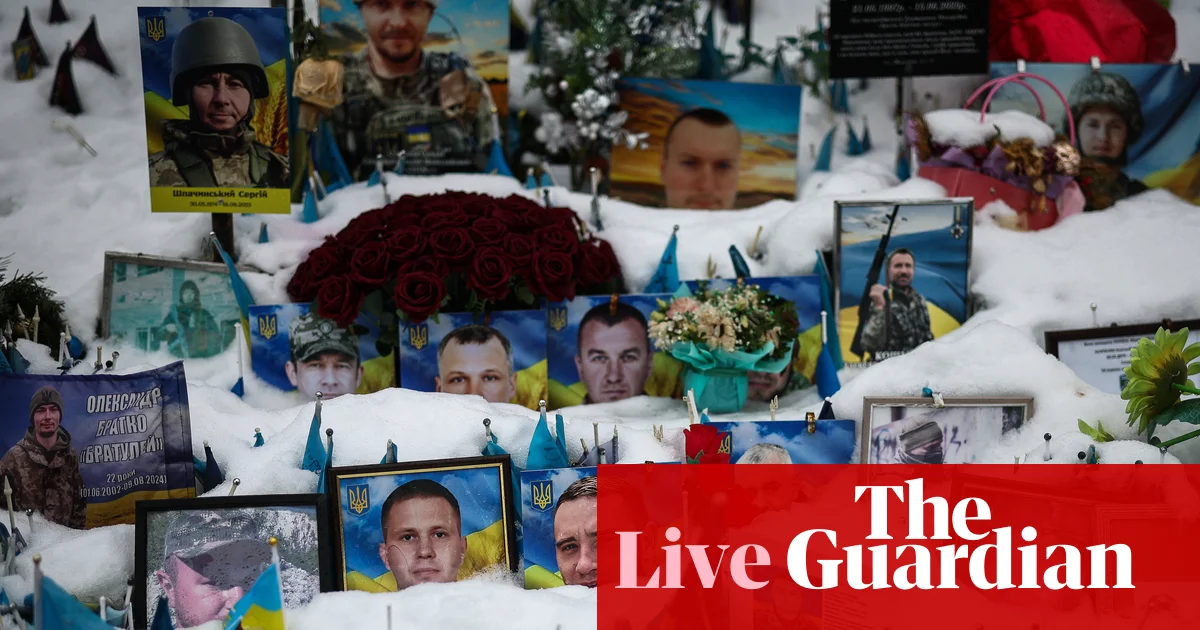
As history continues to unfold, the unresolved tensions and unresolved conflicts stake their claim on the future of Europe and beyond. The voices from Kyiv, Brussels, and Washington echo with warnings of what might come if the present momentum diminishes. The city of Kyiv itself, bearing signs of resilience like the symbolic “Bravery Made in Ukraine,” stands as a testament to the unyielding human spirit amid the chaos of war—yet, the shadows of discord within Western alliances threaten to cast long-term consequences that could reshape continents. For now, the world holds its breath—watching as the pages of history are written, one day at a time, in the blood and hope of nations fighting for sovereignty and peace—and knowing full well, that this story is far from over.

Gus Lamont’s Parents Urge Public to Help Find Him: ‘Every Moment Without Him Is Unbearable’ | South Australia

Global Implications of a Tragedy in Outback Australia

In an event that has sent shockwaves through Australia and beyond, the disturbing disappearance of four-year-old Gus Lamont from his family’s sheep station in South Australia underscores the critical importance of national and international efforts in safeguarding vulnerable populations. As authorities continue their relentless search, the incident highlights how localized tragedies magnify into profound challenges for global security, the role of law enforcement, and the international community’s moral obligation to protect innocent life.

This tragic incident, which unfolded near Yunta—an isolated region approximately 300 km inland from Adelaide—has become a potent symbol of how fragile societal security can be in remote territories. The meticulous investigation reveals the presence of a suspect, a person living on the property who is neither a parent nor an immediate family member. As police seized vehicles, electronic devices, and deployed drones along with divers and dogs in an expansive search through the 60,000-hectare property, the case grew more complex. Experts suggest that this case could serve as a stark example of how rural and remote areas often grapple with limited resources, complicating search and rescue operations. International organizations such as the United Nations Office on Drugs and Crime (UNODC) increasingly emphasize the necessity of international cooperation when dealing with crimes involving remote or inaccessible regions, recognizing how such cases can escalate into broader issues of trafficking, exploitation, or clandestine activities.

Strategic and Geopolitical Ramifications

The unfolding disappearance has not only reignited local debates about community safety and law enforcement efficacy but also invokes a wider geopolitical impact. The incident arrives at a time when Australia is navigating tumultuous shifts in regional alliances, maritime disputes, and economic competitions with rising nations. Analysts warn that neglect of domestic security issues—especially in distant territories—can undermine national cohesion and weaken a country’s international standing.

Notably, the case has prompted calls among international policymakers for increased collaboration in rural and border security. Whether it’s through intelligence sharing, technological aid, or joint operations, the Australian government faces mounting pressure to bolster its remote region security infrastructure. Historically, Australia has been a strategic ally for Western nations facing the rising influence of China and Russia. Yet, the vulnerability of isolated zones like Yunta underscores a broader geopolitical risk—undermining perceived stability in the Indo-Pacific region, where the balance of power remains delicately poised. The incident serves as a reminder that any breach in national security or failure to prevent such tragedies could diminish the credibility of alliances and international commitments.

The Weight of Decisions and the Future of Societies

As police continue to piece together the circumstances surrounding Gus’s disappearance, the case exemplifies the profound impact of decision-making at both the local and international levels. The response, which involves intensive search efforts and ongoing investigations, highlights the essential role of technological advancements, legal frameworks, and community vigilance in safeguarding the vulnerable. Consequently, this tragedy brings into focus the ongoing debate over rural law enforcement resources, border security policies, and the societal resilience necessary to face such crises. The loss of Gus Lamont remains a poignant call to action, urging nations worldwide to strengthen their commitment to protect innocent lives—especially in the most remote and underserved regions.

In the end, the story of Gus Lamont is a stark chapter in the ongoing narrative of human vulnerability and societal responsibility. As his parents remain steadfast in their grief yet hopeful in their plea for answers, the world bears witness to the fragile line separating security and chaos. With each passing day, history writes a new page, and the weight of unresolved questions looms large. The unfolding search for truth in this quiet Australian outback echoes beyond its borders—reminding all nations that, amidst shifting alliances and geopolitical struggles, the fundamental duty of safeguarding humanity endures as the ultimate moral imperative. For in the silent vastness of the outback, the echoes of loss and resilience forge a story that history will remember for generations to come.

Royal Commission’s First Hearing: Bondi Attack Details Blocked — What They Don’t Want You to Hear

International Reflections on the Bondi Beach Terror Attack and Its Wider Geopolitical Impact

The recent Bondi Beach terror attack in Australia has raised profound questions about security, social cohesion, and societal resilience. As authorities grapple with how to address these challenges, the unfolding narrative emphasizes the delicate balance between justice and the safeguarding of social harmony in a multicultural society. The ongoing royal commission, convened to investigate antisemitism and social cohesion, underscores the importance of confronting internal threats while carefully navigating legal sensitivities, especially given the criminal proceedings against the accused.

The commission’s focus on antisemitism aligns with global concerns about the rise of hate-driven violence, with international organizations like the United Nations warning of the dangerous implications if these prejudices are left unchecked. By adopting the working definition of antisemitism from the International Holocaust Remembrance Alliance, Australia signals a determined effort to recognize and combat this prejudice at its core. Yet, analysts observe that such national inquiries could ripple across the international arena, influencing how countries develop policies on hate speech, extremism, and social cohesion.

The Geopolitical Impact of Internal Security and International Alliances

While the Australian investigation centers on domestic issues, its implications extend far beyond its borders, especially in a world where global terrorism often intersects with international alliances and ideological conflicts. Decisions made in the Melbourne and Sydney corridors of power influence broader geopolitical alliances, especially when considering how allied nations collaborate concerning intelligence sharing and counter-terrorism strategies. As analysts from prominent institutions suggest, the way Australia addresses its social fabric could serve as a model—or warning—to other nations battling rising extremism within their borders.

Further complicating the international landscape is the question of free speech versus hate speech. The commission explicitly states that criticism of Israel‘s policies is not inherently antisemitic, illustrating the nuanced line policymakers walk in balancing protecting religious and ethnic communities with safeguarding important freedoms. This careful calibration indicates how nations must craft delicate diplomatic narratives that align with global human rights standards without infringing upon fundamental liberties. Moreover, the inclusion of an intelligence review, led by former security officials, demonstrates a comprehensive approach that combines domestic law enforcement and international intelligence cooperation in confronting ideological threats.

Societal and Cultural Ramifications

The social consequences of such an incident are profound, particularly for communities targeted by hate. The Jewish community in Australia faces a renewed call to defend its place within a cohesive society. The NSW premier underscores the link between hate speech and violence, emphasizing that “dangerous thoughts lead to dangerous words,” which can ultimately escalate into deeds. This reality prompts a broader international debate about how societies can foster mutual empathy amid rising social divisions.

As historians warn, history shows that unchecked prejudice often blossoms into violence unless actively countered through education, policy, and community outreach. The Royal Commission‘s effort to chart a course toward greater social cohesion could influence global discourses, setting precedents for how nations respond to internal threats. Ultimately, the unfolding tragedy at Bondi Beach serves as a stark reminder: the forces shaping our history are never static, and the fight for a resilient, inclusive society is an ongoing battle—one that could determine the future of civilization itself.

Conclusion: The Weight of History

As the world watches, the decisions made in the coming weeks will echo in the corridors of international power and within the heart of Australian society. The struggle to balance justice, security, and social unity is a reflection of the larger battle facing democracies worldwide — a battle between the forces of division and the enduring hope for harmony. History remains an unwritten story, but with each choice, the narrative of the future is forged — a future where the lessons of today will either serve as warnings or catalysts for a more united world. As one chapter closes, another begins, and the weight of history presses ever more heavily on the shoulders of those who dare to shape it.

Mexico chaos: Locals and tourists warn of widespread destruction

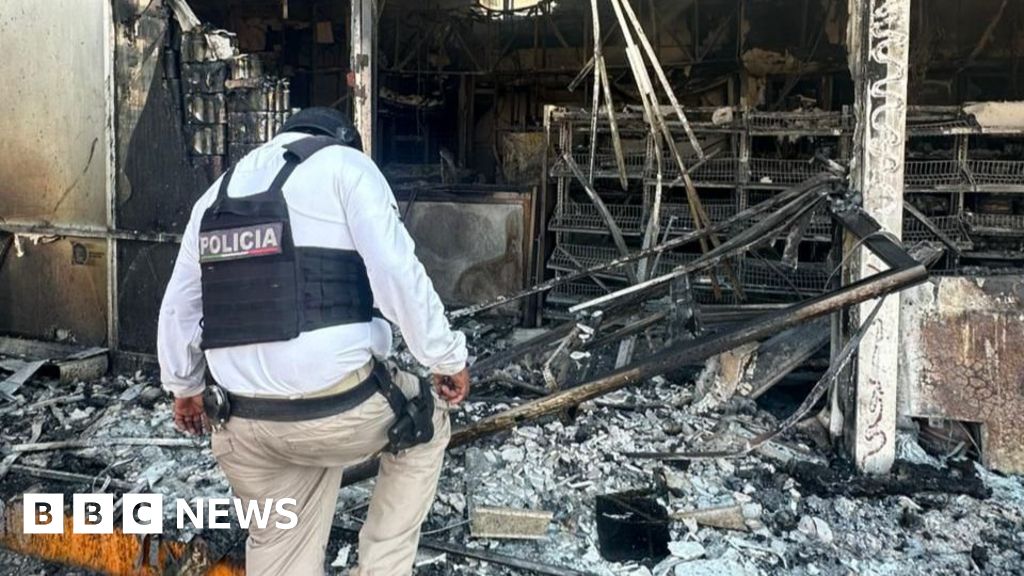
In a dramatic turn of events that has sent shockwaves through Mexico and the broader *North American* region, violence has erupted across multiple states following the confirmed death of the notorious cartel leader, El Mencho. The operation, which resulted in the elimination of one of the most powerful and elusive figures in organized crime, underscores the fragile stability of the country’s ongoing war against drug cartels. As authorities celebrate this development, many analysts warn that the repercussions could be far more destabilizing than the initial victory suggests.

The death of Rubén Oseguera González, known as El Mencho, the presumed head of the CJNG (Cártel de Jalisco Nueva Generación)—arguably the most formidable drug cartel operating in Mexico—marks a significant milestone in Mexico’s long-standing struggle to contain organized crime. According to official reports, security forces carried out a high-risk raid that culminated in his death, a move hailed by some in *Washington* and *Mexico City* as a major blow to transnational drug trafficking networks. However, the surge of violence that has followed demonstrates the precarious nature of relying solely on decapitation strategies in the fight against powerful criminal syndicates.

Historian and security analyst Carlos Mendoza notes that this episode highlights how the *U.S.-Mexico* security cooperation and *Mexico’s* internal policies remain insufficient to fully dismantle entrenched cartels. Many warn that the cartel’s fragmentation post-El Mencho’s death could trigger a violent power vacuum, leading to internecine conflicts that destabilize entire regions and further harm vulnerable communities. Moreover, international organizations like the United Nations have expressed concern over the potential for increased violence to cause a surge in migration and regional instability. The impact extends beyond borders, placing pressure on *U.S.* border security and straining diplomatic relations between *Mexico* and *Washington* as the fight against narcotraffic continues to dominate diplomatic agendas.

  • The recent spike in violence has been characterized by violent clashes, murders, and threats across *Jalisco*, *Michoacán*, and *Guerrero*, with innocent civilians caught in the crossfire.
  • Security analysts warn that cartel factions are now vying for control, turning peaceful communities into battlegrounds and destabilizing local economies.
  • International law enforcement agencies are mobilizing additional resources, though experts contended that dismantling these criminal enterprises necessitates comprehensive socio-economic strategies.
  • The *U.S.* administration has renewed calls for increased cooperation, emphasizing the importance of targeting illicit financial flows that sustain cartel operations.

The *international community* faces a moment of reckoning, as the death of a cartel kingpin exposes the limitations of purely militarized approaches. Historians see this as a pivotal point—an enduring testament to the fact that criminal organizations adapt and evolve beyond the constraints of leadership decapitation. As John Moore, a renowned geopolitical analyst, states, “The collapse of one figure often merely opens a new chapter in the brutal saga of organized crime, requiring a holistic approach that integrates law enforcement, social reform, and regional cooperation.”

As Mexico grapples with this rising tide of violence, the shadow of history looms large—an ominous reminder that the true cost of waging war against entrenched criminal networks is often paid in blood and societal upheaval. The death of El Mencho is neither an end nor a beginning but rather a stark chapter in a complex narrative that continues to unfold, leaving the world on edge — waiting to see if lessons learned will finally forge a path towards stability, or if history will merely repeat itself in a violent cycle of revenge and chaos.

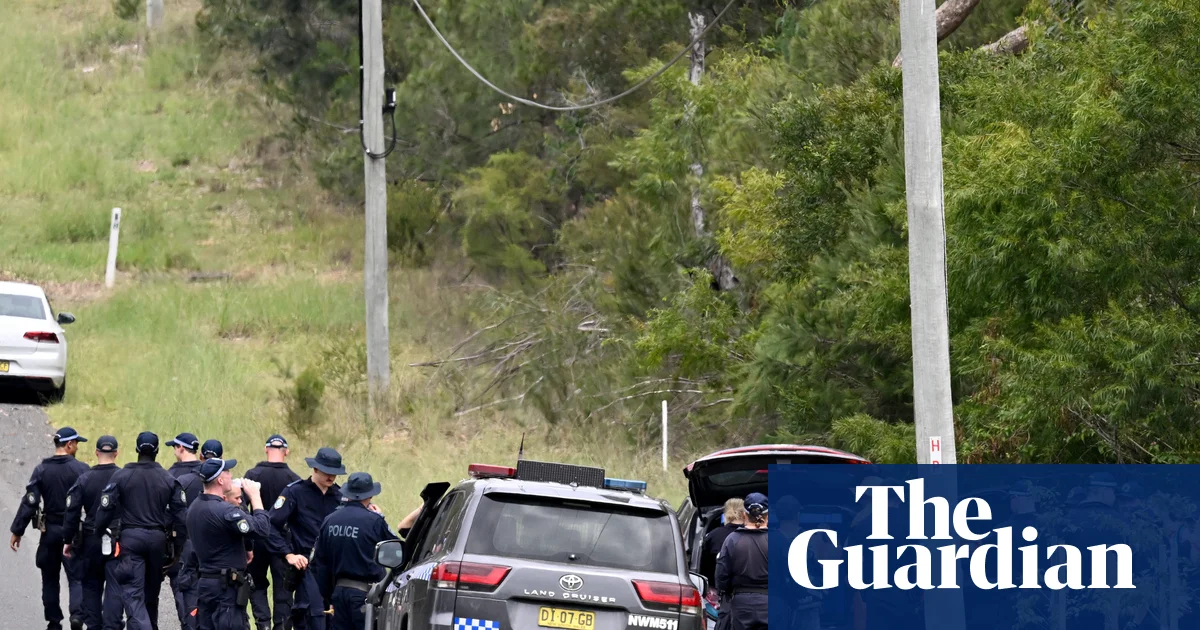
Human remains unearthed in hunt for kidnapped Sydney teen, police confirm

The recent developments in Australia have captured international attention, not just for the tragic human loss but for what it signifies amidst a landscape of geopolitical uncertainty. The case involves the shocking discovery of presumed human remains on the outskirts of Sydney, linked to the senseless kidnapping and probable homicide of an 85-year-old man, Chris Baghsarian. What initially appeared as a local criminal act has now morphed into a reflection of broader societal chaos, with security and law enforcement agencies across the globe watching closely.

This incident underscores the importance of strong national security policies in an era marked by unstable regional dynamics. The mistaken kidnapping, involving elements of organized crime connected to a Sydney crime family, raises questions about the fragility of law and order within developed nations. International analysts argue that localized acts of violence, if left unchecked, can serve as catalysts for broader social destabilization. The incident’s connection to a family linked to organized crime further highlights how societal fractures in even the most stable democracies can be exploited by criminal syndicates.

From a geopolitical perspective, this domestic turmoil occurs against a backdrop of shifting global alliances and regional tensions. The United States and China are engaged in a battle for influence, with regional stability in Asia-Pacific a key battleground. Such events in Australia could be exploited by adversaries seeking to undermine the perceived stability of allied nations. Experts warn that chaos within a vital ally like Australia might weaken its capacity to act as a counterbalance to China’s strategic ambitions in the Indo-Pacific, thereby affecting regional and global security.

Historic commentators and international watchdogs emphasize the importance of swift, decisive action to contain such threats, warning that domestic instability can serve as a pretext for foreign intervention or influence. The Global Crime and Security Forum recently issued a statement urging nations to bolster internal security frameworks, citing incidents like this as warning signs of potential vulnerabilities. As Sydney navigates through the fallout, the incident becomes a stark reminder that societal resilience hinges on the strength of institutions and a unified social fabric. The unfolding crisis in this island continent is a reflection of how interconnected our world truly is; a rupture in one society can ripple across borders, altering the course of history. As history continues to be written in these troubled times, the question remains: will nations rise to the challenge of defending not just their borders but the very social bonds that hold civilization together? Or will internal discord accelerate into a new chapter of international chaos, with all eyes turned toward Sydney’s darkening horizon?

Social Media Auto Publish Powered By : XYZScripts.com