Matox News

Truth Over Trends, always!

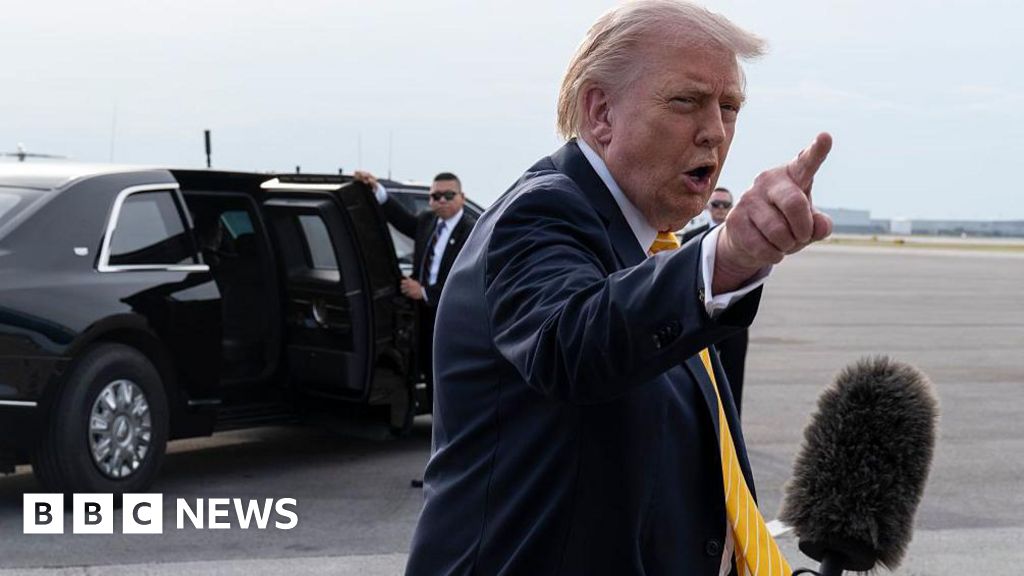
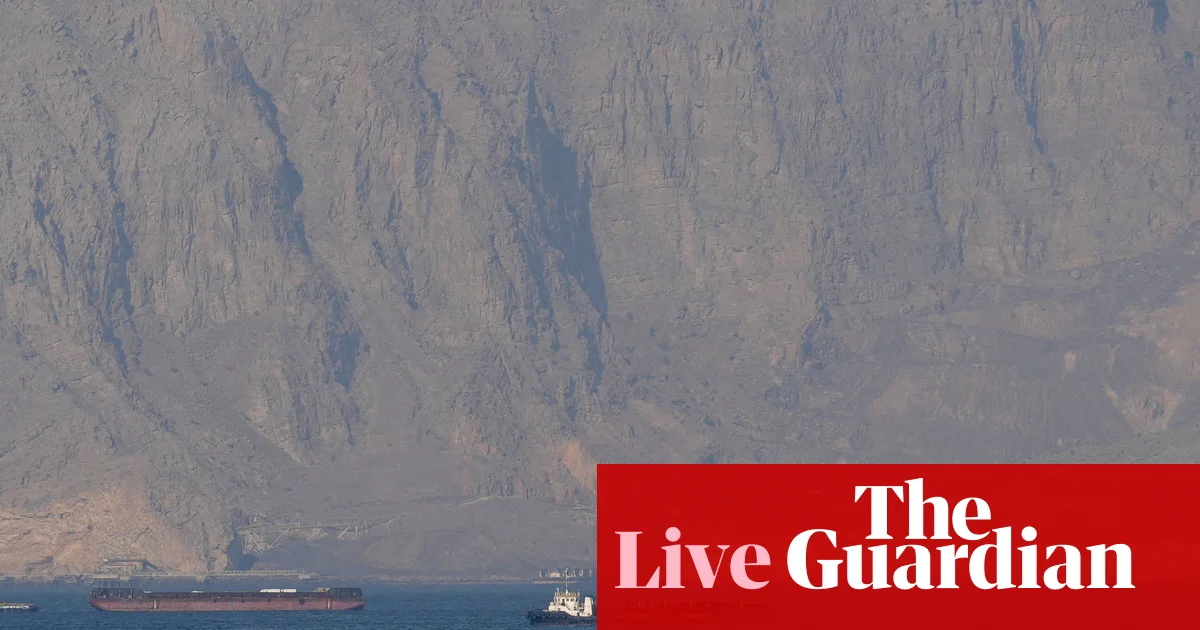
Middle East Tensions Rise: Tanker Attacked in Strait of Hormuz as US and Israel Ramp Up Pressure on Iran, Trump's Plan to Aid Troubled Ships
Middle East Tensions Rise: Tanker Attacked in Strait of Hormuz as US and Israel Ramp Up Pressure on Iran, Trump’s Plan to Aid Troubled Ships

The Strait of Hormuz remains at the epicenter of escalating geopolitical tensions, as Iran signals its readiness to respond aggressively to foreign military incursions. According to a statement from the Iranian military’s unified command, any presence of US or other foreign armed forces within the strategic waterway will be met with force. The warning underscores Iran’s assertion that it controls crucial maritime passages and will defend them vigorously. This recent stance marks a significant inflection point, raising fears of a broader regional conflict.

Amidst this brewing crisis, the United States announced plans to intervene in what it calls a humanitarian effort: to free ships and crews stranded within the narrow passage as Iran continues to blockade vital Gulf shipping lanes. However, the precise nature of this operation remains ambiguous, and analysts warn of unintended consequences. US Central Command has stated that the supported military presence will include guided-missile destroyers, hundreds of aircraft, and tens of thousands of troops. Yet, reports suggest that the US might not escort ships directly, adding uncertainty to the mission’s scope. Meanwhile, Iran has maintained its position by emphasizing that the security of the Strait is its sovereign right and warning that any foreign interference will be confronted decisively.

The crisis has been further complicated by recent attacks on commercial vessels, one of which was struck by unidentified projectiles just after President Donald Trump announced the US would aid trapped ships. The incident, occurring north of Fujairah in the United Arab Emirates, has intensified fears of escalation. Authorities from the UK Maritime Trade Operations have noted the presence of mines in the vicinity and have advised mariners to route through Oman territorial waters to avoid danger. Such warnings highlight the heightened level of maritime security threat, with the region’s stability hanging in the balance.

Strategic analysts, including military experts and international organizations, view these developments as part of a dangerous game of brinkmanship that could spiral out of control. Many consider the recent threats and incidents as the manifestation of Iran’s resolute posture against perceived U.S. and Israeli aggression—an attitude grounded in decades of regional unrest. The United Nations and other policymakers worldwide are monitoring the situation closely, aware that any miscalculation could ignite a wider conflagration involving Lebanon, Syria, and parts of the Arabian Peninsula, where militant groups like Hezbollah could further complicate the conflict. As historians like Samuel Huntington have warned, these flashpoints are catalysts for a potential new world conflict, and the ongoing decisions carry the weight of legacy that will shape the Middle East for generations.

As the world watches this fragile chess game unfold, the question remains: will diplomacy prevail, or will the Strait of Hormuz become a conduit for a new epoch of warfare? The shadows of history loom large over this vital corridor, and every move from Tehran, Washington, and their allies writes a new chapter—one with consequences that will echo in the annals of geopolitics and global stability. The fading echoes of past diplomacy serve as a stark reminder that the tread of war is never far from the surface, and in this frozen moment in time, the relentless pulse of history continues its inexorable march.
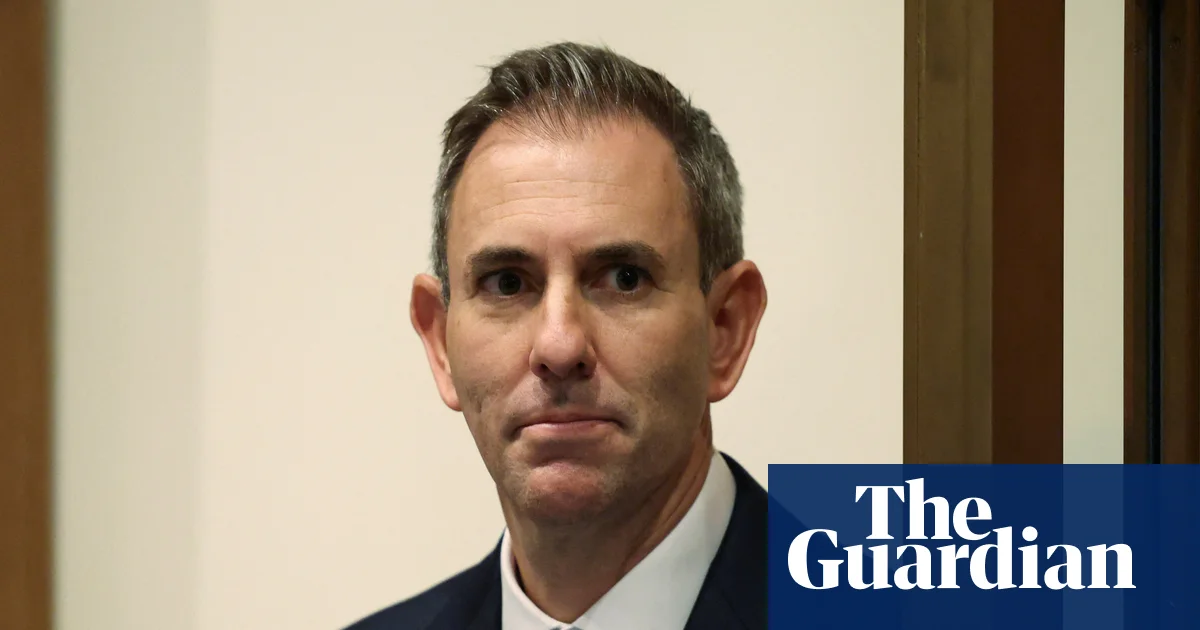

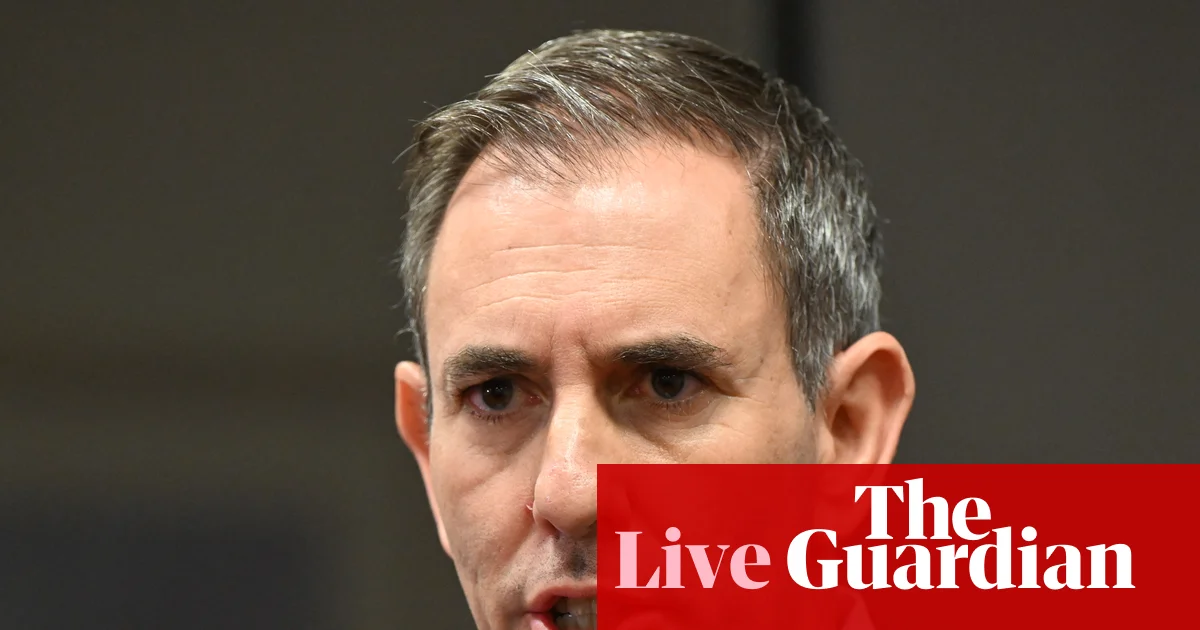
Chalmers Rejects Fuel Excise Extension, Dismisses Tax Relief Hopes in ‘Most Responsible’ Budget Yet

Australia’s Fiscal Strategy Amid Global Uncertainty

In a climate marked by mounting geopolitical tensions and economic uncertainties, Australia continues to chart a cautious course through its latest budget announcement. Jim Chalmers, the Treasurer, emphasized a commitment to fiscal discipline amidst international conflicts that threaten to deepen inflationary pressures. His pronouncements underscore a broader global trend where nations grapple with the destabilizing effects of ongoing conflicts and supply chain disruptions, most notably influenced by the US-Israel war and its impact on critical commodities such as oil and fertiliser. Recognizing the heightening economic risks, Chalmers pledged that Australia’s budget would aim to play “a helpful, not a harmful role in the fight against inflation,” managing the delicate balance between supporting citizens and safeguarding economic stability.

Domestic Policy Shifts and Political Calculations

Within this tense atmosphere, the Australian government faces mounting pressure over its domestic policies, especially regarding taxation and social support systems. The government’s decision to not extend the temporary halving of the federal fuel excise illustrates a strategic retreat, acknowledging the recent decrease in petrol prices from March highs. However, the decision not to prolong this measure beyond June signals a cautious approach in the face of a potentially deteriorating economic outlook. Concurrently, Labor plans to introduce reforms targeting intergenerational fairness, including changes to the capital gains tax (CGT) discount and negative gearing rules. These measures aim to quell community concerns that younger generations are being left behind due to current tax advantages enjoyed by seasoned investors. Yet, there remains political risk; Anthony Albanese explicitly ruled out modifications to negative gearing, potentially clashing with broader reform ambitions and risking perceptions of electoral compromise.

Geopolitical Ramifications and International Impact

The international landscape remains volatile, with key global institutions warning of how regional conflicts influence broader economic stability. The International Monetary Fund (IMF) and World Bank analysts closely monitor the escalating US-Israel conflict, concerned about how the ensuing supply disruptions could exacerbate inflation worldwide. These concerns are compounded by Australia’s strategic geopolitics, given its role as a significant supplier of resources and its alignment with Western security alliances. The intertwined nature of conflict-driven inflation, energy prices, and supply chain vulnerabilities demonstrates how local fiscal policies are not isolated decisions but part of a complex web responding to international shifts. In such a disturbed arena, Australia’s choices will reverberate beyond its borders, influencing regional stability and global economic health.

History, Analysis, and the Weight of Uncertainty

Historians and international analysts alike observe that, in times of crisis, governments are often forced into difficult choices with long-lasting repercussions. The current Australian government’s decision to recalibrate its fiscal stance, amidst promises and contradictions, echoes past moments where nations prioritized immediate stability over long-term reform. Such decisions echo the sentiments of economic thinkers like John Maynard Keynes, who warned that response to crises requires both restraint and adaptability.

As the world witnesses these unfolding policies, the question persists: will Australia’s prudent, responsible approach withstand the sustained pressures of global upheaval? Or will it succumb to the mounting hysteria of war, inflation, and political turbulence? History reminds us that in these pivotal moments, the choices made by current leaders determine whether nations will emerge resilient or linger in the shadows of economic and geopolitical chaos. With each decision, the faint echoes of history grow louder, warning of the profound consequences that lie ahead when the world’s balance is precariously destabilized.

‘The Devil Wears Prada 2’ Roars to $233M Opening, Reinforcing Its Blockbuster Status

The unparalleled success of The Devil Wears Prada 2 at the international box office signals not only a triumph for Hollywood but also underscores shifting cultural currents in a time of significant geopolitical tension. With a staggering $233 million globally, primarily fueled by an overwhelmingly female audience, the film’s performance exemplifies a notable departure from traditional blockbuster patterns dominated by male-centric superhero franchises. This shift is more than cinematic; it echoes the growing influence of culture as a tool of soft power, shaping perceptions and societal narratives worldwide.

Analysts highlight that this movie’s record-breaking numbers—besting even classic motifs like Mamma Mia and Oppenheimer—demonstrate a broader trend: how Hollywood’s choices significantly impact international perceptions of the West and its societal values. The film’s global reach, spanning Tokyo, London, and New York, was amplified by high-profile appearances from icons like Anna Wintour and the cast, bolstering Hollywood’s cultural diplomacy amid rising geopolitical rivalries. Experts warn that entertaining the masses with stories rooted in fashion and female empowerment subtly shifts societal norms and expectations, influencing consumerism and gender discourse across borders.

Furthermore, this Hollywood triumph emerges amid ongoing tensions between Great Power blocs and a media landscape increasingly polarized and influenced by geopolitical agendas. The strategic release during the opening of the summer movie season, a period traditionally dominated by Marvel’s blockbuster dominance, signifies Hollywood’s resilience and adaptive power. The film’s extraordinary performance—particularly in the North American market, which is currently seeing a 14% increase in ticket sales—demonstrates that cultural capital remains a potent weapon in the global arena, capable of swaying opinions and fostering a sense of shared identity.

Historians and international commentators have long observed the nexus of culture and geopolitics. A recent report by the United Nations Educational, Scientific and Cultural Organization (UNESCO) emphasized how cinema influences international cultural diplomacy, subtly reinforcing or challenging existing power structures. As analysts warn of the rising influence of soft power strategies, Hollywood’s latest blockbuster encapsulates a moment where entertainment becomes both a reflection and an agent of social and geopolitical transformation. The true significance lies not only in the $233 million box office but in the unfolding narrative of a world where culture wields an increasingly decisive influence in shaping the future of nations and societies.

As the credits roll on this summer’s Hollywood premiere, history’s pen remains poised. The magnitude of this cultural phenomenon—initially dismissed as merely entertainment—may ultimately be recorded as a pivotal moment where the stories we tell, the images we project, and the cultural symbols we embrace changed the course of history itself. For in an era defined by geopolitical upheaval and shifting alliances, Hollywood’s glittering lights cast long shadows—foretelling that the stories we choose to amplify now will echo through generations, shaping the global order for years to come.

Iran Claims U.S. Has Reacted to Its Peace Offer

In a move that continues to shape the strategic landscape of the Middle East, the United States has announced its commitment to ensuring the safe navigation of vessels through critical maritime choke points. In a statement circulated via social media, an unnamed U.S. official communicated that the U.S. government will assist certain countries by guiding their ships safely out of restricted waterways. While the official did not specify which nations are involved, such declarations typically signal a shift in regional security policies amid ongoing tensions and geopolitical rivalries.

This announcement is set against the backdrop of a broader geopolitical contest involving Iran, the Gulf Cooperation Council (GCC) members, and major global powers. The U.S. emphasis on providing maritime security reflects ongoing efforts to maintain freedom of navigation in vital corridors like the Strait of Hormuz, a strategically crucial waterway that connects the Persian Gulf to the Indian Ocean. Historically, analysts, including those at the International Institute for Strategic Studies (IISS), have observed that such assurances are designed to serve multiple interests: safeguarding global oil supplies, deterring regional adversaries, and reinforcing America’s presence as the dominant maritime power.

The consequences of this stance are profound and resonant across multiple spheres. For Iran, which has long sought greater control over regional waterways, the U.S. promise of escort and protection represents a persistent challenge to their ambitions. Historically, Iran’s Houthi insurgency and its maritime provocations have led to frequent naval skirmishes and disruptions, threatening global trade routes. Meanwhile, U.S. policymakers are acutely aware that any increase in insecurity could escalate into broader conflict, potentially destabilizing economies and endangering the security of allied nations. This move, therefore, underscores the United States’ strategic intent to limit Iran’s influence while reassuring allies across the Gulf.

The geopolitical impact of such American assurances extends well beyond immediate regional security. It influences international diplomacy, impacting negotiations over Iran’s nuclear program and other contentious issues. Experts caution that while these efforts might temporarily ease maritime tensions, they could also inflame regional rivalries, prompting Iran to escalate asymmetric responses or increase its domestic militarization. For proponents of a strong U.S. presence, these measures reaffirm American resolve to uphold maritime freedoms; critics, however, warn of the risks of provoking an unintended confrontation that could destabilize the broader Gulf region. As international organizations and analysts continue to follow developments, the echoes of these decisions underscore that regional conflicts are not isolated but intricately linked to global power balances.

Looking ahead, the recent U.S. declaration is a stark reminder that history is once again writing itself in the corridors of power. With the Middle East́’s strategic waterways as both battleground and bargaining chip, the delicate balance of diplomacy and force hangs in the balance. As historians and security experts warn, every decision shaped now risks becoming part of a larger narrative of conflict—one that could redefine alliances and reshape the geopolitical map for generations to come. The question remains: how will nations respond to this pivotal moment? As the world watches, the unfolding saga promises that the tides of history continue to surge, carrying civilizations into uncertain waters with the weight of their choices echoing into eternity.

Rudy Giuliani in ‘critical but stable’ condition after hospital stay

The recent hospitalization of Rudy Giuliani, once hailed as America’s mayor for his resolute leadership during the September 11, 2001 attacks, hassent ripples across both political discourse and international perceptions. At 81, Giuliani remains a symbol of resilience for many conservatives, his health status—described as “critical but stable”—raising questions about the reverberating impact his absence might have on US domestic affairs and global diplomacy alike. His career, marked by unwavering support for former President Donald Trump and his controversial efforts to contest the 2020 election results, underscores the intertwined nature of American internal politics and the wider geopolitical chessboard.

Giuliani’s role as a fiery legal advocate for Trump’s claims, particularly his attempts to overturn electoral results, has ignited fierce debates over §the integrity of democratic processes. These efforts, which culminated in criminal charges against him in two US states and a defamation suit, illustrate the intense ideological divide gripping the nation—a divide that echoes across the world. Analysts from the Council on Foreign Relations caution that such internal strife could weaken America’s standing on the international stage, especially as global powers navigate their own conflicts and strategic interests. Furthermore, Giuliani’s rise from the chaos of 9/11 to the tumult of modern politics exemplifies how individual narratives can influence—and are often overshadowed by—the broader currents of geopolitical shifts.

The health crisis surrounding Giuliani also occurs amid a greater international context: a world increasingly divided under shifting alliances, territorial disputes, and competing visions of sovereignty. The U.S. faces mounting challenges from China and Russia, whose actions in Eastern Europe and the Indo-Pacific threaten to redraw the global power map. Critics argue that internal discord, exemplified by high-profile figures like Giuliani, serves as a cautionary tale for nations unable to unite amidst external and internal pressures. Historians such as Niall Ferguson warn that the internal fractures within democracies could ultimately diminish their capacity to project power, especially when faced with authoritarian regimes that capitalize on chaos and division.

In a world where history is often shaped by pivotal moments, Giuliani’s current plight is more than an individual health scare—it symbolizes the fragility of a nation grappling with its identity. As political analysts dissect the implications of his health crisis, the global community watches with cautious anticipation. Decisions taken today, both in the corridors of power and on the geopolitical stage, will determine the future of free societies and the safety of democracies worldwide. The tide of history continues to surge forward, unstoppable and relentless, leaving nations to confront the lingering shadows of choices made in the crucible of crisis. Only time will reveal whether this moment heralds a new chapter of resilience or marks the beginning of a darker epoch for the free world.

Australia News Live: Chalmers vows to cut debt; Bondi shooting families prepare to speak at royal commission

Global Geopolitical Shifts: Australia’s Budget and International Tensions

As the world witnesses a flurry of geopolitical developments, Australia finds itself navigating a complex landscape of international diplomacy, economic recalibration, and internal social challenges. The Australian government, under the stewardship of Prime Minister Anthony Albanese, is making headlines with its commitment to responsible fiscal management amid a turbulent global economy. Jim Chalmers, the Treasurer, asserts that the upcoming budget will be the most restrained in recent memory, emphasizing an approach that prioritizes debt reduction over expansive spending. This fiscal stance coincides with ongoing diplomatic efforts to maintain stability in critical regions, notably the Strait of Hormuz, a vital corridor for global energy supplies. Australia’s engagement with international partners underscores its strategic awareness of how decisions made today will ripple across future geopolitical landscapes.

In tandem with fiscal restraint, Australia is actively participating in diplomatic dialogues concerning regional security. Tensions surrounding the Strait of Hormuz, where US-led efforts to escort ships amidst escalating Iran conflicts unfold, have caught the attention of Prime Minister Anthony Albanese. According to Australia’s Foreign Minister Penny Wong, the nation is engaged with the United Kingdom, France, and the United States in negotiations aimed at ensuring the strait’s open passage—an essential element for global energy markets. This diplomatic tug-of-war highlights how decisions in one region can cascade into global economic repercussions — influencing oil prices, inflation, and even the cost of living for ordinary citizens worldwide. Historical analysts warn that such conflicts over strategic choke points could ignite broader confrontations, especially as major powers prioritize their geopolitical interests. The stakes are high, and the unfolding efforts to keep the waterways open reflect a broader international struggle for influence and stability.

Meanwhile, in domestic spheres, Australia is confronting social challenges that threaten to fracture societal cohesion. The royal commission into *antisemitism* has commenced public hearings, spotlighting the troubling rise of discrimination and the impact it has on Jewish Australians. Families of victims, such as the relatives of Reuven Morrison, have expressed outrage over the delayed condemnation of *terrorist* acts and the broader issue of Israel’s blockade on Gaza. These internal conflicts reveal how ideological and humanitarian disputes can influence international perceptions and diplomatic relations. Historians suggest that how Australia manages these domestic issues will significantly influence its standing on the world stage, affecting diplomatic leverage and its commitment to social justice.

Adding to the international web of tensions, Sanae Takaichi, Japan’s newly elected Prime Minister, arrived in Canberra on a historic visit to bolster energy and defense partnerships. As the first Japanese leader to visit Australia since 2022, her trip commemorates the 50th anniversary of the *Nara Treaty*—a key agreement that formalized diplomatic relations amid the 1973 oil crisis. Her visit occurs against the backdrop of ongoing Middle East conflicts, specifically the US-led war on Iran, which has exacerbated energy supply concerns across the Indo-Pacific. Analysts argue that this renewed diplomatic engagement between Australia and Japan is a strategic maneuver to counterbalance rising regional threats, especially from China and North Korea. How these alliances evolve will shape an Indo-Pacific order increasingly dominated by great-power competition, where every move could tip the regional balance of power.

As history continues to unfold with each diplomatic handshake, economic policy, and societal debate, the global order hangs in a fragile equilibrium. Decisions made within the corridors of Canberra, Washington, and Tokyo will set precedents, influence alliances, and define the enduring contest for influence in the 21st century. The world watches closely, for in these pivotal moments, the course of history is being written—one summit, one budget, and one conflict at a time. The question remains: in the fog of power and ideology, which nations will forge a sustainable future, and which will be swept away by the tides of change?

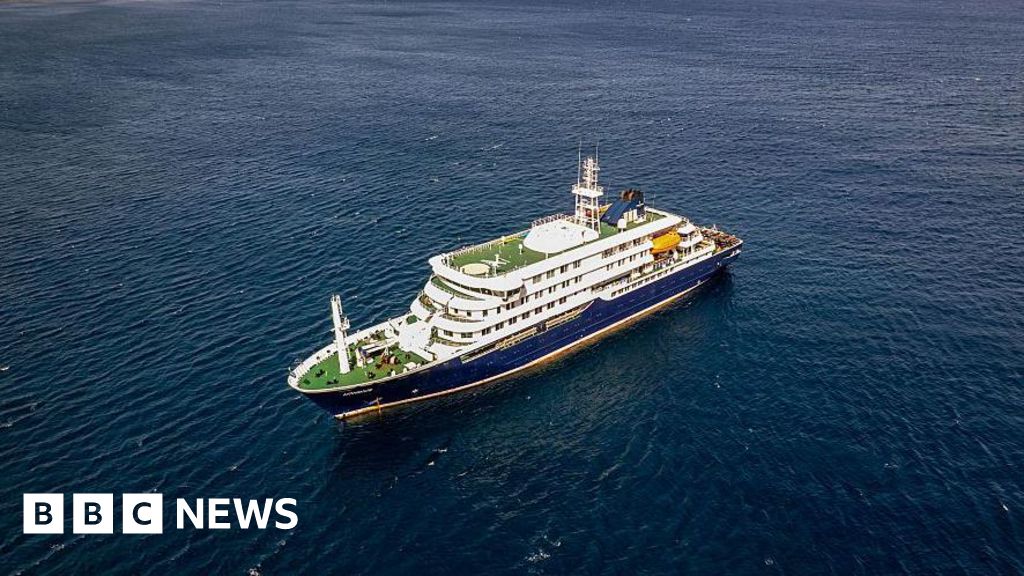
Three Dead and Outbreak Rumors Spark Concerns on Atlantic Cruise Ship

The World Health Organization (WHO) has issued a brief but significant update regarding a potential resurgence of hantavirus infections across multiple regions worldwide. According to recent reports, one confirmed case has been documented, with five additional suspected cases currently under investigation. While the immediate figures appear modest, the implications for global health security and international stability are profound, especially given the virus’s capacity for rapid spread in vulnerable populations.

This reported incident marks a potential turning point in how nations perceive emerging zoonotic threats. Hantavirus, a disease transmitted primarily via rodent contact, historically remains localized to certain regions such as North America, Asia, and parts of Europe. However, climate change, urban expansion, and increased international travel are progressively blurring these geographic boundaries, escalating the risk of wider outbreaks. Analysts from the Global Health Security Initiative warn that containment becomes increasingly difficult once initial cases emerge outside traditional hotspots. The WHO’s cautious approach—to confirm and investigate suspected cases—underscores the seriousness of this threat.

The geopolitical impact of such health crises cannot be overstated. Nation-states are now recognizing that infectious diseases are no longer confined within borders but are part of a broader security calculus. Decisions on border controls, international cooperation, and resource allocation will directly influence each country’s ability to contain potential pandemics. For instance, especially in regions where healthcare infrastructure may already be strained, the emergence of hantavirus could exacerbate existing socioeconomic inequalities and strain diplomatic relations, particularly if misinformation or inadequate response strategies complicate containment efforts.

Historically, international organizations and governments have learned hard lessons about preventive measures and the importance of global cooperation. The WHO and national health agencies are under increasing pressure to enhance disease surveillance, strengthen public health infrastructure, and foster transparency. Many experts cite the recent outbreaks of other zoonotic infections as evidence that humanity remains dangerously vulnerable. As the world watches in cautious anticipation, the unfolding response to this initial hantavirus case will set a precedent for how future health emergencies will be managed across the globe.

In the grand tapestry of global history, this moment is a stark reminder that viruses do not respect borders. Today’s outbreak could be tomorrow’s pandemic, echoing through the corridors of power and into the fabric of societies worldwide. As nations mobilize and scientists race against time, the story remains unfinished. With every new case, the weight of history presses harder, leaving the world poised between resilience and vulnerability, waiting to see if collective action will turn the tide or if this incident will quietly fade into the annals of forgotten threats, only to resurface when least expected.

Green candidate hits London streets after arrest over alleged anti-Semitism allegations

The Green Party Scandal Sparks Political Turmoil Amid Global Shifts

In recent weeks, a controversy involving Green Party candidates in London has escalated into a reflection of larger international concerns about political integrity and extremism. The arrest of Sabine Mairey and Saiqa Ali on charges related to alleged antisemitic social media posts underscores a troubling phenomenon that transcends local politics and raises questions about the effectiveness of political parties international. As Britain grapples with internal divisions, analysts fear that such incidents may amplify existing geopolitical tensions, particularly in a world increasingly fractured by ideological conflicts.

  • Following their arrests, the Green Party faced severe criticism from political opponents, with Labour accusing the party’s leadership of lax oversight and tolerance for extremism.
  • A significant point of concern was the apparent contradiction between the party’s internal rules—whose provisions explicitly prohibit candidates under investigation from campaigning—and Mairey’s visible participation in local events after her arrest.
  • International organizations, such as the United Nations and European Union, have expressed ongoing worries about rising extremism and anti-Semitism within democratic institutions, warnings that such incidents threaten to undermine already fragile alliances.

The Geopolitical Impact of Internal Political Crises

For Britain and its alliances, the scandal feeds into a broader narrative of moral decline and political instability, which global leaders observe with concern. European analysts, including historians like David Runciman, argue that internal conflicts within parties serve as a barometer for wider societal health, hinting at vulnerabilities ripe for exploitation by hostile foreign powers. This is especially pertinent as Russia and China continue to exploit social fissures to weaken Western democracies, casting doubt on Britain’s ability to maintain a unified front in international diplomacy.

The incident also intensifies debates about freedom of speech and political accountability. Critics point out that the backlash against the Green Party exemplifies how identity politics can become a double-edged sword, fueling division rather than promoting unity. Meanwhile, international institutions warn that the erosion of social cohesion in countries like Britain creates a fertile ground for extremist movements to flourish, jeopardizing the stability of the transatlantic alliance.

How Decisions in London Shape Global Dynamics

Although the incident involves local governance, its repercussions reach far beyond London. The decision by the Labour Party and Green Party to confront or tolerate such behavior could influence neighboring European nations and allies across the Atlantic. The case serves as a reminder of the ongoing struggle for values-based governance in an era where identity-based conflicts threaten to undermine centuries-old alliances. As politicians and analysts debate the appropriate response, the shadows of history’s darkest chapters—including intolerance and extremism—loom large over the current political landscape.

In the closing moments of this unfolding drama, the question remains: will the nations of the West recognize the critical importance of defending their core values—freedom, tolerance, and integrity—or will internal divisions deepen, paving the way for a new era of discord and chaos? As history continues to pen its next chapter, the weight of these decisions will resonate through generations, shaping the future of liberal democracies amid an increasingly volatile international arena.

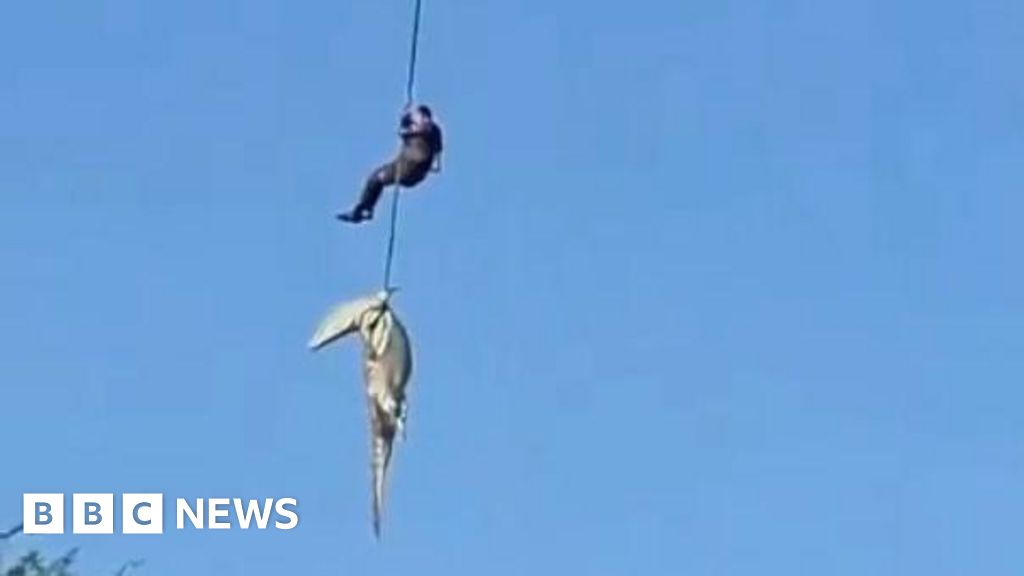
South African police officer risks it all to recover remains from dangerous crocodile-infested river

Floodwaters Claim Lives and Reshape Regional Dynamics in Southern Africa

The recent catastrophic flooding in Mpumalanga, South Africa, has underscored the escalating climate challenges faced by nations in southern Africa. Last week, a tragic incident unfolded when a civilian’s vehicle became stranded while attempting to cross a low bridge over a rising river. According to Mpumalanga provincial police spokesperson Colonel Mavela Masondo, authorities arrived to find the vehicle abandoned and suspected that the driver had been swept away by the deluge. Such events, while devastating on an individual level, also highlight the broader geopolitical consequences of climate change, which continue to threaten regional stability and economic development.

Analysis from international climate experts emphasizes that incidents like this underscore a pressing need for regional cooperation and infrastructure resilience. The flooding has disrupted transport routes, endangered communities, and strained emergency services, exposing vulnerabilities in water management systems. Some analysts warn that without significant investment in climate adaptation strategies, similar tragedies will become more frequent and devastating, impacting not only public safety but also economic stability and regional geopolitics. The current crisis is a stark reminder that climate-related disasters are no longer isolated incidents—they are shaping international relations, compelling nations to reconsider transboundary cooperation and resource sharing.

The geopolitical impact extends beyond climate concerns. South Africa’s internal instability is compounded by the fallout from natural disasters, which strain government resources and test the capacity of local authorities. Meanwhile, neighboring countries and global institutions such as the United Nations are closely monitoring the situation, considering aid and strategic support to bolster resilience. Regional powerhouses like Nigeria and Kenya have called for a coordinated response, recognizing that climate-induced crises threaten the fragile fabric of regional peace and economic cooperation.

Historically, experts note, climate and natural disasters have often been catalysts for geopolitical shifts. These events reveal not only infrastructural weaknesses but also expose the need for comprehensive international frameworks that can address climate resilience equitably. As nations grapple with the consequences, some analysts warn of a future where resource conflicts, migration, and economic instability could intensify if effective measures aren’t adopted swiftly. The unfolding situation in Mpumalanga is a microcosm of a larger global conflict—one fought not with armies but with climate policies, resource management, and international diplomacy. The question remains: how will this chapter in our shared history be written? Will nations unite to confront an increasingly unpredictable environment, or will chaos deepen, rewriting the map of global power?”

Minnesota Flight Attendant Vows to Fight for Us — Runs for Congress

Labor, Immigration, and Geopolitical Fights: The Emerging Power Dynamics in USA Politics

In a striking display of grassroots resilience and political activism, Kaela Berg, a Minnesota state legislator and seasoned flight attendant, exemplifies a new wave of leaders poised to reshape American politics in the coming midterms. Her dual career reflects a broader trend where working-class Americans, historically sidelined, are stepping into the political arena to advocate for their interests. Berg’s involvement in labor unions, particularly her role as vice-president of the Endeavor Association of Flight Attendants, underscores a vital shift. Her background as a union leader fighting against corporate overreach resonates with millions who feel disillusioned by the increasing disconnect between policymakers and the workforce.

This emerging political landscape is driven by the Democrats’ strategic focus on rallying blue-collar voters heading into the 2026 midterms, amid waning approval ratings for President Donald Trump—whose popularity hovers around anemic levels, according to recent polls. The coalition of labor candidates, including union veterans like Sam Forstag, Brian Poindexter, Clair Valdez, and Bob Brooks, is designed to recapture working-class support lost to populist and nationalist narratives. This constellation of candidates, rooted in grassroots activism, aims to sway key districts that are pivotal for control of Congress—particularly the Minnesota district Berg is contesting, where she vows to oppose federal overreach and champion American workers.

At the heart of her campaign lies a critique of current US policies—most notably, the federal immigration clampdowns on Minnesota that culminated in violence and protests in January. The deadly incident involving unarmed civilians and the aggressive immigration enforcement campaign underscore a broader pattern of federal overreach, a development viewed with alarm by analysts and international observers alike. Critics argue that such policies reflect a systematic attempt to demonize immigrants and undermine community stability, thereby fueling social tensions. As Berg articulates, the enduring presence of federal law enforcement under the Trump administration’s directives underscores a dangerous trend that could destabilize local societies and inflame divisions, posing a profound geopolitical challenge to social cohesion.

Furthermore, the international implications of US immigration law enforcement practices extend beyond borders, shaping perceptions globally and influencing migration policies worldwide. While critics condemn federal heavy-handedness, others warn that ambiguous or coercive immigration tactics risk alienating immigrant communities and destabilizing sensitive regional relationships. Historians, including scholars like Dr. Daniel Rodgers, caution that such internal conflicts could weaken America’s moral authority on the global stage, amid rising geopolitical tensions with China and Russia. International organizations and think tanks are watching these domestic shifts—they recognize that decisions made in Minnesota or Washington have ripple effects in global diplomacy, especially as the US seeks to maintain its influence amid a multipolar world.

The evolving geopolitical landscape underscores the importance of rising voices like Berg’s—a voice that refuses to accept the sacrifices of the working class or the erosion of national sovereignty. Her advocacy against federal overreach and her focus on labor rights highlight how domestic policies are intertwined with larger world threats. As she and her allies rally support based on shared economic and social values, the stakes extend beyond the US borders: they signal a broader contest for control over national identity and global influence. With each political maneuver, history’s shifting currents remind us that the battle for power is not fleeting; it is an ongoing saga that will determine the future shape of nations and societies worldwide.

In an era where geopolitics involves not only statecraft but also social resilience, the battle lines are no longer drawn solely on the battlefield but also in the streets, in Congress, and within minds of a generation eager to redefine their nation’s destiny. For now, the story remains unwritten, yet its climax is imminent—and the weight of history will judge whether today’s sacrifices forge a new path or condemn future generations to repeat past conflicts.

Social Media Auto Publish Powered By : XYZScripts.com