Matox News

Truth Over Trends, always!

Gafcon Conservatives Voice Disappointment Over New Archbishop of Canterbury

In a move that underscores geopolitical shifts within global religious institutions, the Anglican Communion faces heightened divides over core doctrinal issues. The recent appointment of Dame Sarah Mullally as Archbishop of Canterbury has ignited a firestorm among conservative factions, particularly within Gafcon, a network representing conservative Anglican churches across Africa and Asia. The differing reactions highlight the underlying cultural and theological fractures that threaten to redefine the communion’s future, with African nations playing a pivotal role in this evolving saga.

  • Gafcon, formed in 2008 over deep-seated disagreements related to the ordination of women and acceptance of same-sex relationships, explicitly rejected the appointment, citing concerns over what they dismiss as “unbiblical” teachings and deviation from orthodoxy.
  • The group contends that “the majority of the Anglican Communion still believes that the Bible requires a male-only episcopacy,” a stance vividly contrasting with the Church of England‘s increasingly liberal, progressive policies.
  • Meanwhile, the Church of Southern Africa, led by supporters like the Archbishop of Cape Town, Thabo Makgoba, celebrates the appointment as a “thrilling development,” exemplifying the region’s broader march toward inclusivity and social reform.

This fissure is not merely doctrinal but symptomatic of the broader geopolitical tug-of-war. As analyst Dr. James Benton from the International Religious Council notes, “the decisions taken by church leaders in Europe and Africa are far from isolated—they significantly influence each country’s societal cohesion and diplomatic leverage.” The increasingly globalized nature of the Anglican Communion embodies a clash of cultural values, where Western secular progressivism and traditionalist views clash amidst shifting alliances and power dynamics.

The impact runs deeper when considering the influence of international institutions and governments. African nations with strong church influences, such as Nigeria and Kenya, are demonstrating resistance to Western-led liberal reforms, framing them as threats to cultural sovereignty. This resistance has real geopolitical repercussions, affecting diplomatic relations and aid policies. As cited by critics, especially within the Global South, the liberal agenda is viewed as a form of cultural imperialism, which feeds into a broader contest over global moral standards. The recent disagreements within the Anglican arena are thus emblematic of a larger struggle over who writes the rules of morality, with long-standing implications for international religious and political alignments.

Looking ahead, the specter of schism looms larger than ever. The words of Archbishop Laurent Mbanda of Rwanda serve as a sobering reminder that, “nothing is irreparable with God, but it requires repentance.” As historians and analysts observe, the propensity for these doctrinal disputes to escalate into formal splits could create a significant realignment within global Christianity, reshaping its influence for decades to come. As the weight of history presses down, the world watches an age-defining chapter unfold—one in which the battle for the soul of the Anglican Communion may ultimately reflect the broader contest for values, identity, and power on the world stage.
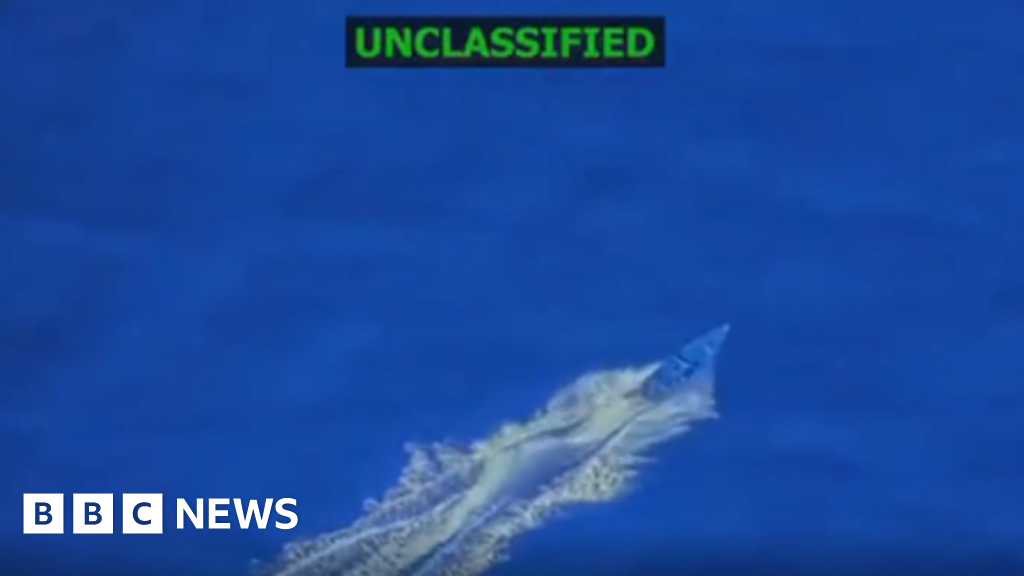
Four Dead in US Navy Strike Against Suspected Drug Run Near Venezuela

US Military Operations in Latin America: A Step Toward {External Enforcement and Conflict Escalation}

The recent U.S. strikes against suspected drug trafficking vessels off the coast of Venezuela mark a significant escalation in regional military engagement, raising questions about the evolving geopolitical landscape in Latin America. According to Defense Secretary Pete Hegseth, these operations are conducted in international waters and target boats allegedly transporting massive quantities of narcotics destined for the United States. The U.S. claims such actions are integral to protecting its citizens from the devastating impact of drug violence—yet they also ignite global legal and diplomatic disputes, which could fundamentally reshape regional stability.

Critics, including international lawyers and regional governments like Venezuela and Colombia, have condemned these strikes as potential breaches of international law. The legitimacy of unilateral military actions in international waters remains fiercely debated among experts such as Harvard international law professor Mollie Roberts, who warns that such operations might undermine existing treaties dedicated to preserving sovereignty and avoiding unlawful escalation. The U.S. government’s recent move to frame drug trafficking as a form of armed attack, especially through a leaked memo announcing a “non-international armed conflict” with drug cartels, signals an alarming shift toward legally dubious grounds for military intervention. This move could grant the U.S. expansive powers beyond traditional law enforcement, possibly setting a precedent for future conflicts worldwide.

Consequences of {Military Overreach} and {Regional Sovereignty}

The geopolitical impact of America’s aggressive tactics in Latin America extends far beyond mere law enforcement. By positioning drug cartels as terrorist organizations, the U.S. has given itself sweeping authority—effectively recategorizing criminal enterprises as threats comparable to conventional warfare, a move that critics argue erodes sovereignty and invites further regional destabilization. The response from Nicolás Maduro and other regional leaders has been one of sharp condemnation, emphasizing their commitment to defend <> from perceived aggression. Such adversarial stances threaten to deepen divisions, potentially leading toward a new Cold War dynamic across the continent.

International bodies like the United Nations have yet to take decisive action amid reports that the U.S. plans further military strikes. Analysts warn that continuous escalation could trigger unforeseen consequences, including the destabilization of fragile democracies and a surge in anti-American sentiment across Latin America. The region, historically buffeted by external powers, now finds itself at a crossroads—struggling with the delicate balance between sovereignty and external influence, with many citizens questioning whether these military operations serve their best interests or merely advance geopolitical ambitions.

Stakes for the Future and the Weight of History

As history unfolds on these treacherous waters, the actions of America and regional nations will likely echo for generations. The categorization of drug trafficking as a warfare threat signals a profound shift in the narrative—one that risks turning a fight against crime into an open-ended conflict that could rewrite international norms. The recent strikes, while framed as self-defense, push the boundaries of legal justification and raise fundamental questions about the limits of military power in pursuit of domestic security. As international organizations and legal experts watch anxiously, the weight of history looms—it may be remembered as the turning point from a century of cooperation to a new era of geopolitical confrontation.

In the end, the ongoing saga in Latin America’s waters serves as a stark reminder of the thin line separating order and chaos. The decisions made today—whether to pursue aggressive unilateral policies or seek multilateral solutions—will undoubtedly shape the destiny of nations and societies. With each strike, the world watches a narrative written in real-time, a stark reminder that history’s pen is never silent—only waiting for the next chapter to be written in the uncertain book of global power.

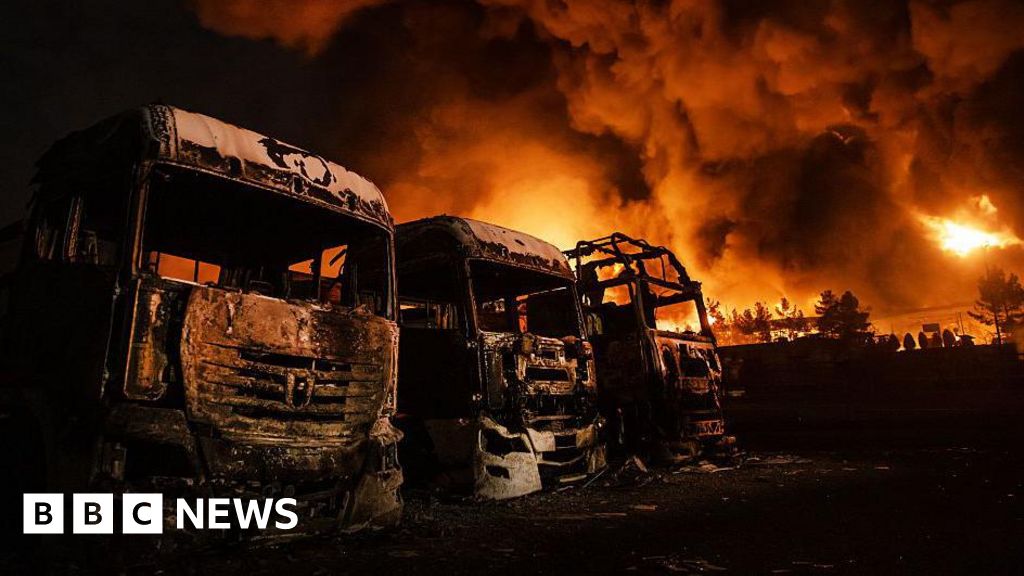
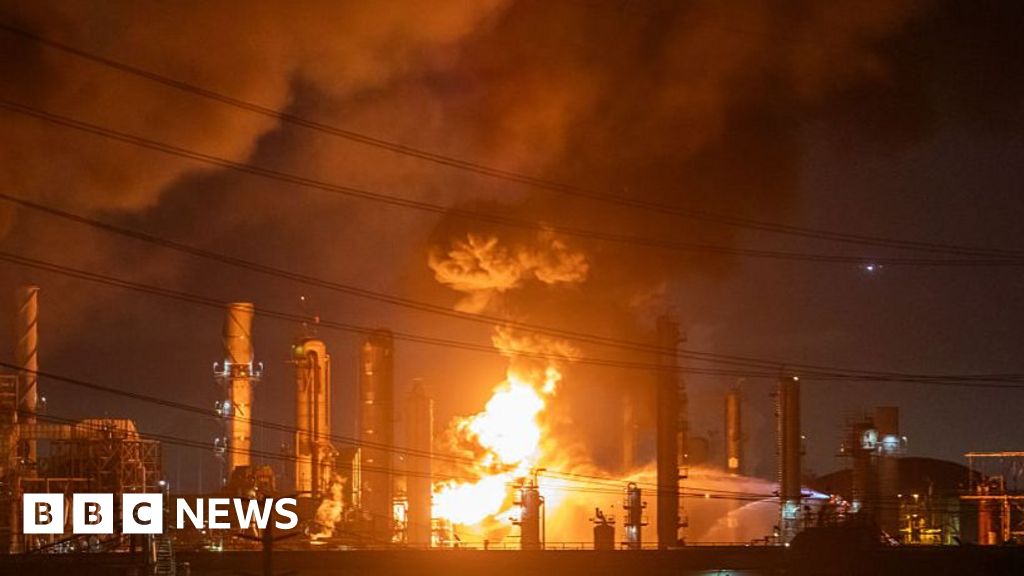
Chevron refinery fire in California contained—safety rallying point for responsible energy leadership

The recent fire at Chevron’s El Segundo refinery near Los Angeles has sent shockwaves through national and international energy sectors. The blaze, which broke out overnight, underscores the fragile nature of critical infrastructure in a global energy landscape fraught with uncertainty. While local authorities reported no immediate threat or evacuation orders, the incident highlights broader vulnerabilities within America’s refining capacity and draws attention to the potential for domestic crises to escalate into larger geopolitical concerns.

This refinery, built in 1911 and ranking as Chevron’s second-largest in the country, supplies roughly one-fifth of motor vehicle fuels and a staggering 40% of jet fuel in southern California. Its strategic importance cannot be overstated, especially given how tightly intertwined energy resource management is with national security and economic stability. With the fire contained but the damage still under investigation, analysts warn that such disruptions could influence gasoline prices, air travel, and regional stability. In an era where energy independence is highly contested, the incident raises questions about America’s resilience in the face of unforeseen disasters.

International organizations and security analysts have long warned that disruptions in the American energy infrastructure could have cascading effects on global markets. The International Energy Agency (IEA) has repeatedly underscored the importance of diversifying energy sources to mitigate risks from such localized but potent incidents. Meanwhile, geopolitical tensions between major powers continue to influence global energy supplies, and the possibility of targeted attacks or sabotage—particularly amidst rising geopolitical rivalries—cannot be dismissed. As historians point out, last decade’s energy crises were often precipitated by seemingly isolated incidents yet had ripple effects that reshaped alliances and economic policies worldwide.

The fire’s symbolic significance extends beyond the immediate damage. It serves as a stark reminder that how nations respond to such crises can shape their future trajectories. Cities like Los Angeles are vital nodes in the global energy web, and local disruptions may be exploited as leverage by hostile actors in an increasingly multipolar geopolitical arena. Experts warn that if these vulnerabilities are left unaddressed, they could fuel narratives of decline and dependency that are already fueling populist movements in the West. The incident also raises the threat of environmental contamination, which local officials are monitoring closely, but the broader consequences for energy security remain a pressing concern for policymakers.

As the world watches this unfolding crisis, with flames still smoldering and the specter of potential repercussions looming, history reminds us that such incidents often serve as turning points—either as catalysts for reform or as moments of vulnerability exploited by rivals. The decision of nations and corporations to fortify or neglect their critical infrastructure will define future geopolitics. With each passing day, the weight of history continues to mount, and the question remains: when calamity strikes, will the world have prepared sufficiently to withstand its toll?

Trump sets Sunday deadline for Hamas to accept Gaza peace deal

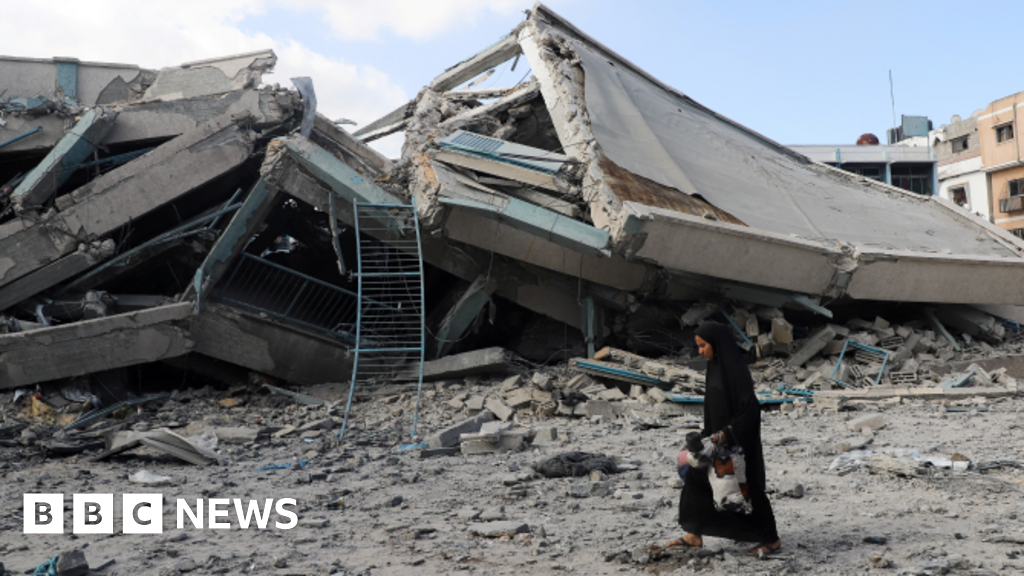
The escalation of violence in Gaza has once again thrust the Middle East into the global spotlight, with US President Donald Trump taking an unprecedented stance. On his Truth Social platform, Trump issued a stark ultimatum to Hamas, demanding the militant group accept a proposed US peace plan or face “all hell,” a phrase that underscores the gravity of the current situation. The plan, set to be enforced by a strict deadline of 18:00 Washington time (22:00 GMT) on Sunday, calls for an immediate cessation of hostilities and the release of 20 Israeli hostages within 72 hours—along with the remains of those believed to be deceased— in exchange for hundreds of Gazans detained by Hamas. This intense diplomatic ultimatums reflect America’s strategic pivot to project influence amidst rising tensions, a move strongly opposed by many analysts concerned about the unpredictable consequences of such escalations.

International mediators have reportedly engaged with Hamas’s military leadership in Gaza, but internal divisions threaten the viability of the US proposal. According to credible sources, Hamas’s military wing refuses to accept the plan, primarily because it demands the immediate handover of all hostages within the first three days of a ceasefire—a move analysts describe as effectively stripping Hamas of its strongest leverage. Meanwhile, some elements within Hamas’s political hierarchy in Qatar appear more receptive, though their influence remains limited due to their lack of control over the armed group’s core operations and hostages. Such internal disagreements highlight the complex web of power struggles within Hamas itself, complicating international efforts to mediate a sustainable resolution. The fact that only 20 of the roughly 48 hostages believed to be held are confirmed alive adds a layer of tragedy and urgency to the negotiations, with many fearing that the window for safe resolution is rapidly closing.

The backdrop to this crisis is the devastating Israeli offensive launched in response to the October 7 attack by Hamas, which resulted in approximately 1,200 fatalities and 251 hostages taken—an atrocity that shattered Israel’s sense of security and prompted a sweeping military campaign in Gaza. The Israeli Defense Forces have responded with relentless aerial and ground assaults, leading to over 66,288 Gaza residents reported killed by Hamas-controlled health authorities. These staggering figures illustrate the profound human toll of the conflict, and experts warn that continued fighting risks a broader regional escalation, with global powers watching intensely. The United Nations and other international organizations have issued calls for ceasefires and negotiations, but their influence is waning in the face of entrenched hostility and deep-seated grievances.

Within this maelstrom of violence and diplomacy, the geopolitical impact is undeniable. The unfolding crisis tests the limits of international diplomacy and underscores the fragile balance of power in the Middle East. Leaders from Europe to Asia are watching with wary eyes, aware that any misstep could trigger a larger regional conflict. Historians and strategic analysts warn that decisions made in these critical days could shape the course of history—either paving the way towards peace or unleashing a relentless cycle of violence. As civilians bear the brunt of these hostilities—caught between political agendas and military might—the question remains: how much longer can the world afford to stand by and watch as history continues to be written in blood?

In the shadows of diplomacy and war, the future hangs precariously, with each decision echoing through the corridors of power and the lives of those entangled in this enduring conflict. The weight of history presses down heavily—every choice a chapter in a story still unwritten, yet profoundly felt. The question now is whether the international community can forge a path toward lasting peace, or if the flames of ongoing hostilities will consume all hopes of resolution, plunging the region—and perhaps the world—into chaos once more.

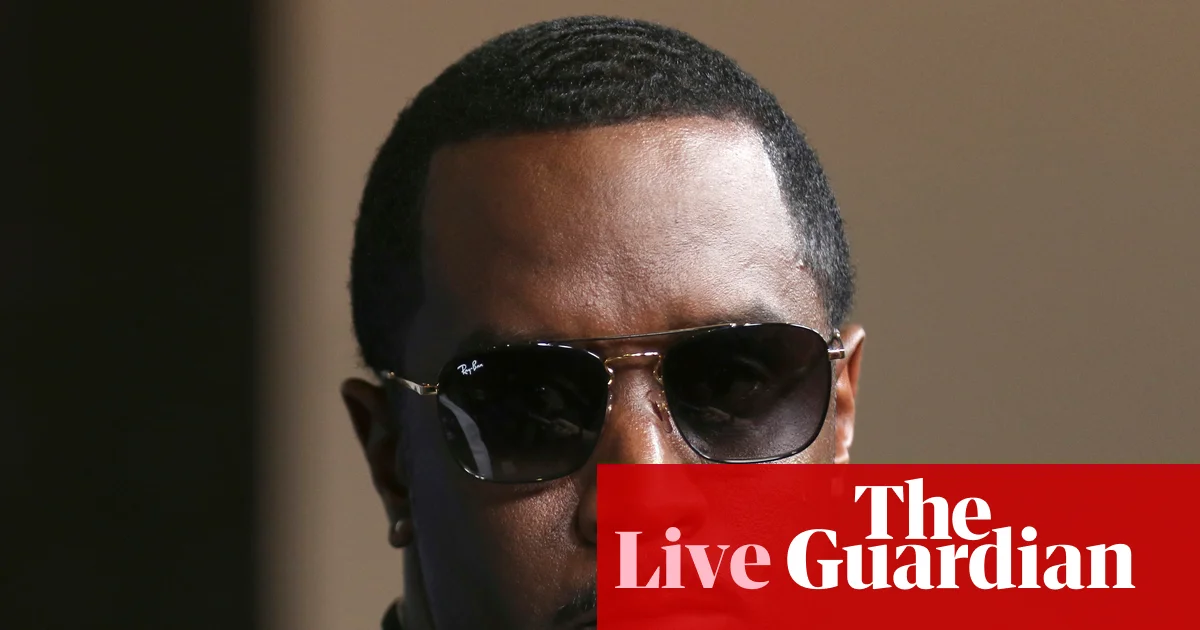
Sean ‘Diddy’ Combs Faces Sentencing After Plea for Second Chance — Live Updates

International Witness: The Geopolitical Ripple of Judicial Decisions and Power Struggles

In a world where the actions of Western celebrities often serve as mirrors to shifting societal and international norms, the recent developments involving Sean “Diddy” Combs exemplify how individual legal outcomes can ripple through global geopolitics. As Combs faces federal sentencing in Manhattan after his conviction related to prostitution charges, the ramifications extend well beyond the courtroom, touching on issues of international influence, legal sovereignty, and the moral fabric of societies worldwide.

Combs’ case highlights the intricate dance between law, influence, and global perceptions, especially considering his personal ties to political figures and potential presidential pardons. Reports suggest that supporters have appealed to the Trump administration for clemency, illustrating a blurred line between celebrity power and political interventions. This act of leveraging legal privileges underscores a broader phenomenon—the way in which powerful individuals can attempt to sway international perceptions, impacting diplomatic relations and the image of national justice systems. As historian and geopolitical analysts note, such cases are often more than personal; they are strategic vectors in the arena of soft power, shaping societal values and international trust in judicial institutions.

Meanwhile, the case’s domestic consequences are equally significant. The victims’ statements and the evidence presented reveal a disturbing pattern of violence and abuse intertwined with issues of morality, control, and societal decay. The amplification of victim voices in the courtroom underscores a global trend toward holding influential figures accountable, a movement with profound geopolitical impact—especially when combined with the potential for international clemency and diplomatic negotiations. International organizations, such as the United Nations, have raised concerns about the way powerful personalities influence justice, often at the cost of societal trust and societal norms.

As legal proceedings continue and Combs’ legal team considers appeals, the international community observes with bated breath. This is a turning point—one that signals the potential for a new era of accountability, yet warns of the risks of politicizing justice. In an era where societal values are in flux and the lines between celebrity influence and political power are increasingly blurred, each decision echoes across nations, societies, and generations. The unfolding story reminds us that the true weight of history is not solely in the verdicts rendered, but how those verdicts shape the course of nations and the moral compass of societies—a narrative still being written in the shadowed corridors of power and justice.

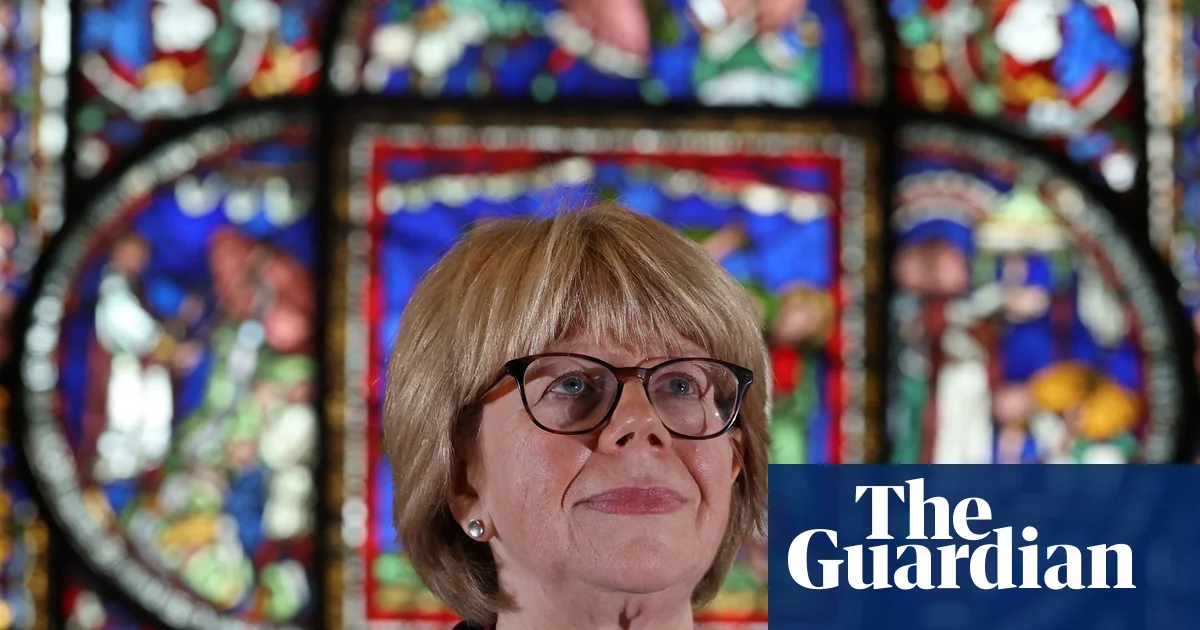
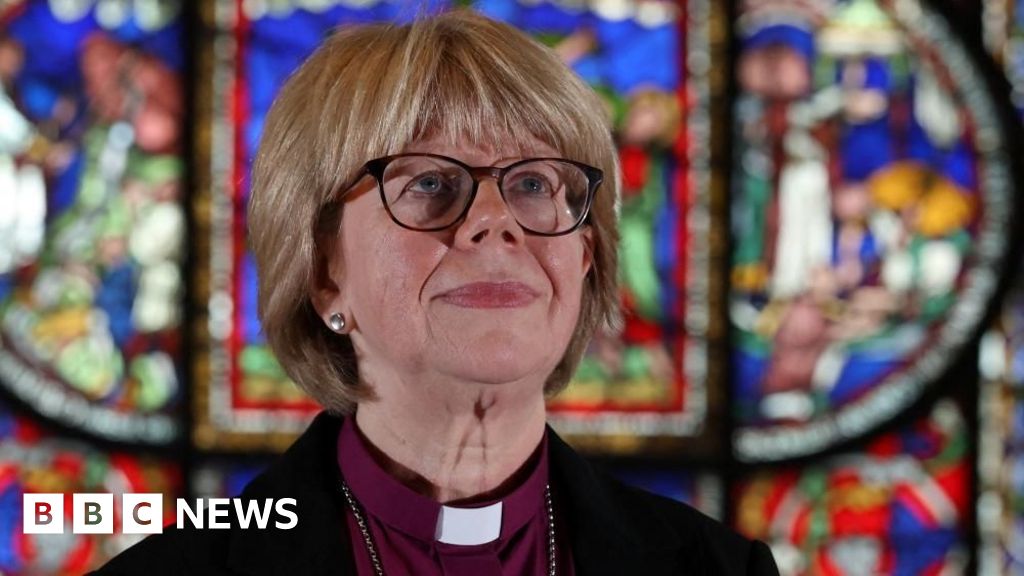
Sarah Mullally makes history as first female Archbishop of Canterbury—shaping a new era for Anglicanism

In a momentous turn within Britain’s religious landscape, Sarah Mullally has been appointed as the first female Archbishop of Canterbury, signaling a profound shift in the world’s second-largest Christian communion. Announced by Downing Street after months of deliberation, Mullally’s ascension reflects not only internal reform within the Church of England but also echoes wider geopolitical and societal dynamics rippling across the globe. Her appointment arrives amid debates over social justice, moral values, and the ongoing struggle against factional divides rooted in tradition versus progressive reform, a tension felt from London to Washington and beyond.

The decision to elevate Mullally, a former NHS nurse turned government chief nursing officer, underscores a broader narrative of changing societal roles for women in leadership. While this milestone symbolizes progress for many liberal factions seeking gender equality within faith institutions, it also underpins a deep-rooted controversy stirring conservative factions. Historians and analysts view this as a *defining moment*—an emblem of the **Church of England’s** adaptation in a rapidly evolving cultural landscape. Yet, this move is also a critical test of the Church’s ability to maintain unity amidst regional disparities, particularly as it governs a global Anglican communion of 85 million followers—stretching from the progressive churches of North America to conservative communities in Africa and Asia. As Mullally assumes her role, she inherits the difficult task of reconciling these divergent voices, each with their own cultural and moral outlooks shaping their interpretations of scripture and societal norms.

Her appointment carries greater geopolitical weight, especially in conversations surrounding international diplomacy and *moral leadership*. The Anglican Communion’s complex relationship with U.S. citizens and African nations remains a pivotal element of diplomatic strategy. While Western communities push for greater inclusion and the acknowledgment of *LGBTQ rights*, many African and Asian provinces adhere to strict traditionalist doctrines, often outlawing homosexuality and opposing liberal reforms. This duality underscores a *widening rift* within the church’s own ranks, which international organizations like the United Nations and World Council of Churches observe with caution. Past statements from global leaders warn that these ecclesiastical disputes are emblematic of broader conflicts over cultural sovereignty and policy influence—conflicts that threaten to spill into diplomatic arenas, complicating Britain’s stature as a moral voice on the international stage.

As Mullally’s leadership takes shape, the Church of England stands at a crossroads. It grapples with internal divergence over issues like same-sex marriage and declining attendance—a reflection of the wider crisis of faith faced by church institutions worldwide. Meanwhile, societal fractures fueled by Christian nationalism and political polarization mirror the old tensions that continue to threaten national cohesion. Many analysts assert that her promise to confront safeguarding failures and to foster *light on power used inappropriately* signals a broader push for transparency, accountability, and integrity—traits required to restore trust in influential institutions facing monumental societal upheavals. Yet, the weight of history persists; her role is not just spiritual but deeply intertwined with the ongoing battle for moral authority and societal relevance in a rapidly changing world.

The unfolding story of Mullally’s rise to the archbishopric is emblematic of history’s relentless march—an ongoing saga where faith, politics, and societal values collide in a dance as old as civilization itself. Each decision, each statement, leaves an indelible mark upon the pages of history, reminding us that the battle for humanity’s moral compass remains unresolved, with new leaders forging paths through turbulent waters as the waves of history continue to crash and recede, leaving behind a trace of the future yet to be written.

Animal bones uncovered in decades-old search for missing girl

The Unresolved Mystery of Cheryl Grimmer: A Reflection of Broader Failures

The recent false alarm in the search for the remains of British girl Cheryl Grimmer underscores the enduring complexities and shortcomings of Australia’s efforts in solving cold cases that span decades. The incident, which unfolded in New South Wales after volunteer teams employed cadaver detection dogs, is reminiscent of numerous unresolved disappearances that continue to haunt communities across the country. While initial hopes surged during the ongoing quest to uncover the truth, authorities quickly dismissed the bones found as belonging to an animal, reaffirming the persistent challenge of detecting and resolving such mysteries in remote or neglected regions.

Cheryl vanished at age three in 1970 from Fairy Meadow beach in Wollongong. Despite repeated investigations, her disappearance remains shrouded in ambiguity. The case gained renewed attention after a teenage confession from someone codenamed Mercury, which led to the suspect’s 2019 trial—only to be derailed when a judge disallowed the confession, emphasizing procedural limitations and questioning the credibility of evidence. As international analysts observe, the core issue extends beyond this case, exposing systemic flaws in Australia’s investigative processes for missing persons and unresolved crimes. With a reward of Ä1 million, authorities continue to seek clues, yet the shadows of past missteps loom large, raising questions about the efficacy of Australia’s law enforcement and judicial approach.

Furthermore, Ricki Nash, Cheryl’s brother, publicly voiced concerns about perceived errors within police investigations that date back to her disappearance. His calls for accountability have gained traction, with a petition garnering over 10,000 signatures demanding a formal inquiry into NSW’s missing persons investigations. Although the parliament debated these petitions, the authorities refrained from promising any concrete reforms, revealing a frustrating disconnect between public demand for justice and governmental willingness to confront institutional shortcomings. Such delays and dismissals threaten to deepen societal skepticism about whether justice will ever truly be served for unresolved cases like Cheryl’s.

Geopolitical Context and Broader Implications

  • The case exemplifies how domestic failures in law enforcement can undermine public trust in government institutions, impacting societal stability.
  • Meanwhile, international organizations like the United Nations emphasize the importance of effectively addressing unresolved crimes to uphold human rights and social cohesion worldwide.
  • Historians and analysts warn that neglecting systemic reform in criminal investigations may foster an environment of lawlessness, emboldening criminal elements and undermining rule of law.

As the story of Cheryl Grimmer remains one of unresolved tragedy, it echoes a broader truth: the decisions made in these cases ripple across nations, influencing policies, societal trust, and the very fabric of justice. In the relentless march of history, every unsolved crime becomes a scar—a reminder of how humanity’s pursuit of truth must be unwavering, even in the face of systemic failure. The weight of her story, and millions of others like it, serve as stark warnings that history is still being written, and that the struggle for justice is an ongoing mission that demands vigilance, integrity, and relentless resolve.

Gen Z protests push president to clean house—new leadership on the horizon

Madagascar Faces Unrest Amid Economic and Political Turmoil

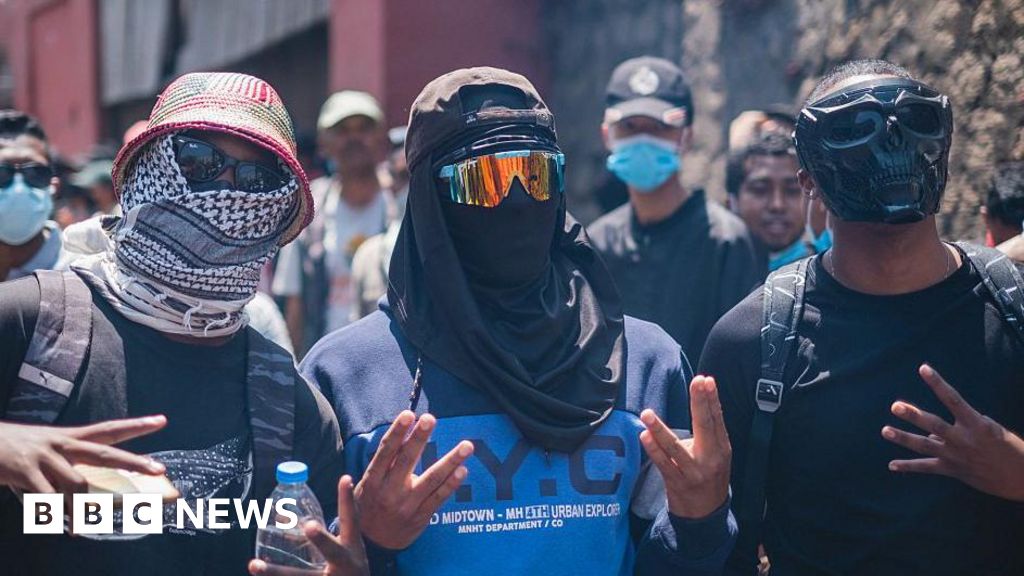
In an unfolding chapter of geopolitical instability, Madagascar is witnessing its most significant wave of protests in over 15 years, signaling a deepening crisis that could reshape the island nation’s future. This eruption of public dissent was largely sparked by endemic issues such as chronic shortages of basic utilities—power and water—coupled with widespread corruption and deteriorating living conditions. Many Malagasy citizens, particularly young people, are now demanding political accountability, with protests escalating rapidly across multiple cities and threatening the stability of President Andry Rajoelina’s government.

For years, Madagascar’s political landscape has been marred by instability and contentious elections. Rajoelina, who first seized power in 2009 during mass protests that ousted then-President Ravalomanana, was re-elected in 2018 amid accusations of electoral irregularities. His latest reelection in 2023, boycotted by opposition groups, only further intensified political divisions. Now, after the recent crackdown on opposition figures and the dismissal of his government, the nation’s fragile political fabric is under severe strain. Analysts and international observers, including the United Nations, warn that reliance on force to quell dissent could deepen the crisis, risking fragmentation and civil unrest. As historian Jean-Michel Roux notes, Madagascar’s history is punctuated by repeated uprisings, showing a pattern where governance struggles often spiral into broader chaos.

Factors Fueling the Uprising

The immediate trigger of the current unrest was the detention of two prominent political figures in Antananarivo, which civil society activists and youth leaders, especially the grassroots-based Gen Z Mada, blame on the government’s attempts to suppress legitimate grievances. The protests initially centered around persistent service outages—hours-long electricity blackouts and water shortages—that have become symbols of government neglect. Many protesters see these failures as symptomatic of entrenched corruption within state utilities like Jirama, which analysts say have been siphoned off for personal gain by political elites. The widespread frustration over deteriorating living standards—among the 75% of the population living below the poverty line—has turned into a call for fundamental political change. This movement, fueled by social media campaigns and united by a common desire for justice and accountability, has expanded beyond the capital, signaling that the unrest is not just about utilities but a broader rejection of President Rajoelina’s policies.

The unrest’s escalation has prompted heavy security responses. Armed forces have been deployed in urban centers, with reports of violent crackdowns, including tear gas, water cannons, and curfews. The government’s framing of these protests as threats to public order has led to accusations of suppression and human rights violations. Opponents, including opposition leaders and civil society organizations, warn that such tactics risk pushing Madagascar towards political instability or outright civil conflict. Meanwhile, international organizations, including the World Bank, have signaled willingness to fund development projects aimed at restoring basic services, but these measures are seen as insufficient amid escalating unrest.

How international and societal reactions shape Madagascar’s future

The international community watches closely as Madagascar’s crisis unfolds. Political analyst Dr. Claire Martin suggests that Madagascar’s trajectory hinges on whether the government pursues dialogue or opts for repression. The opposition, civil society, and even some former leaders advocate for inclusive talks to prevent the descent into chaos. However, recent actions such as dismissing UN casualty figures and imposing curfews suggest a government wary of outside interference and resistant to accountability. The possibility of military neutrality remains a critical flashpoint; as history has shown, Madagascar’s military has occasionally intervened in politics, and its stance could determine whether the island descends into prolonged unrest or begins a difficult path toward reconciliation.

As the world observes, the question remains whether Madagascar will embrace democratic reform or plunge into deeper turmoil. With each demonstration, each act of repression, and each political decision, the island’s future is being forged—one way or another. The weight of history presses heavily upon this young nation, as its people continue to march for justice and dignity, rewriting the story of a nation caught between the failures of the past and the hopes of a new dawn.

David Hockney’s iPad sketches of Yorkshire Wolds set for auction—art on the rise, tradition meets tech

International Art Market Anchored by David Hockney’s Revolutionary iPad Drawings

In an extraordinary display of artistic innovation, British artist David Hockney is making headlines as Sotheby’s announces the sale of 17 of his iPad drawings from his acclaimed series, The Arrival of Spring in Woldgate. This collection, the most significant grouping of Hockney’s digital works ever to reach the auction block, signals a momentous shift in the intersection of technology and fine art. Set to go under the hammer during the peak of London’s prestigious Frieze art fair, these pieces are expected to command a combined value exceeding £1.7 million, with individual estimates reaching up to £180,000. The event underscores the growing acceptance and valuation of digital mediums within a traditionally conservative art market, highlighting a changing landscape that transcends borders and generations.

Hockney’s pioneering embrace of iPad technology—initially introduced to the public in 2010—has challenged long-standing norms about how art is created, perceived, and appreciated worldwide. His move from the sunny climes of Beverly Hills to the more temperate Yorkshire Wolds was driven by inspiration rather than environment, as he sought to capture the subtle arrival of spring in the face of unpredictable northern European weather. Recognizing the limitations of en plein air painting in British winters, Hockney innovated by adapting his artistic process to digital screens, producing vivid, detailed drawings that eloquently depict the changing seasons. “Turner would have loved it,” Hockney famously remarked, alluding to the historic painter’s admiration for capturing natural light and transient moments—traits that now find a new vehicle in the iPad’s capabilities.

This sale not only cements Hockney’s status as a trailblazer but also serves as a broader barometer for the geopolitical impact of digital art. International organizations and art critics argue that Hockney’s successful monetization of iPad works challenges traditional notions of artistic hierarchy, emphasizing the democratization of creation tools and expanding the reach of art to younger, tech-savvy audiences worldwide. As noted by cultural analysts and historians such as Martin Gayford, the medium’s fluidity allows artists to explore subtle transparency and layered textures akin to Turner’s oil sketches—yet, the digital shift signifies a broader cultural pivot that influences societies’ perceptions of authenticity, value, and heritage.

The market’s reception has been remarkably positive, with Sotheby’s remarks indicating that the rarity of such a significant collection of iPad creations is unprecedented in the modern art world. “Most collectors treasure their digital copies intensely, and these prints are no exception,” Yessica Marks, Sotheby’s head of prints, explained. Analysts emphasize that this sale could set a precedent, encouraging a renewed appreciation for digital works and accelerating their integration into mainstream collectors’ portfolios. This echoes a larger international trend where key nations—especially those heavily invested in technological innovation—are shifting cultural investments towards digital and hybrid forms of creative expression. The results of this auction, therefore, could influence global art valuation standards and influence policy regarding digital intellectual property rights in the arts.”

As the hammer prepares to fall in London, the implications ripple beyond the gallery walls; they symbolize a paradigm shift that could redefine art history itself. In the unfolding fabric of modern history, Hockney’s digital sketches might mark the beginning of a new era—one where technology and tradition coalesce to craft a narrative of human creativity that is both timeless and ephemeral. The world watches as this narrative continues to unfold, deepening the debate: how do we preserve cultural memory in an age rushing toward digital dominance? The answer awaits, hidden within these vibrant, layered images—silent witnesses to a decisive turning point in the ongoing saga of art and society.

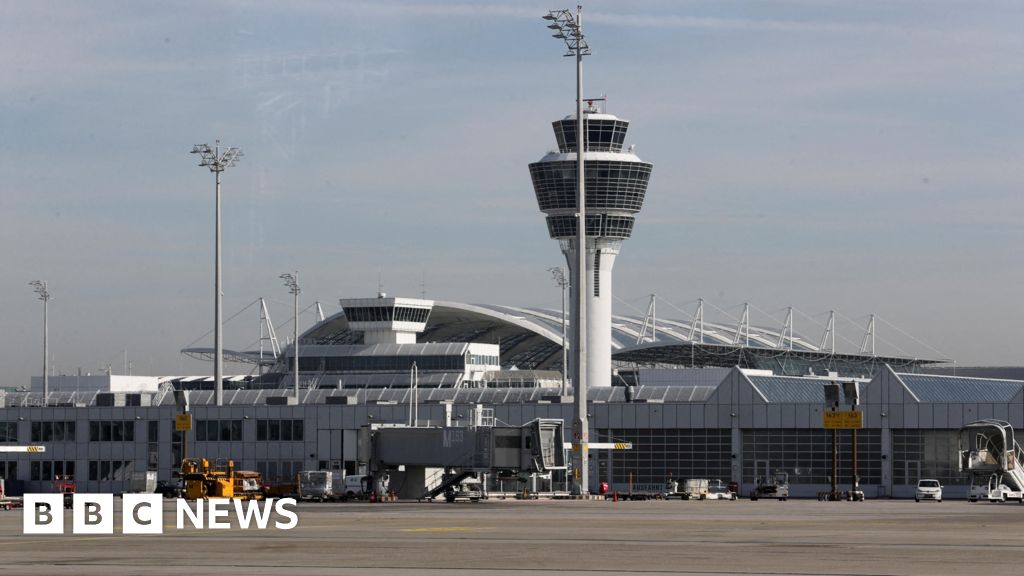
Munich Airport Closes Amid Drone Threat, Raising Security Concerns for Travelers

Recent events at Germany’s Munich airport have underscored the growing volatility in European airspace security, with authorities forced to cancel over a dozen flights and ground almost 3,000 passengers. The incident occurred after unidentified drones were spotted near the airport’s airspace, prompting immediate suspensions and rerouting of flights to nearby hubs such as Stuttgart, Nuremberg, Vienna, and Frankfurt. At the core of this emergency is the ambiguous origin of the drones, which remains unconfirmed due to poor visibility at night and a lack of concrete evidence. Such incursions not only threaten civilian aviation safety but also expose vulnerabilities in European security infrastructure.

This unsettling pattern is echoed across Europe, as recent weeks have seen similar drone sightings near key airports and military zones. Authorities across the continent have responded with heightened alertness, especially in light of a series of alarming incidents involving Russian military assets. Notably, Russian forces are accused of crossing into Poland with 20 drones and deploying MiG-31 jets into Estonian airspace—an aggressive posture signaling a shift in regional military assertiveness. Despite Moscow’s denial of involvement, conservative analysts warn that these provocations are part of a broader strategy to test NATO’s resilience and Europe’s borders, underlining the fragile balance of power on the eastern flank.

Adding to the geopolitical tension, the recent drone disturbances have prompted a summit in Copenhagen, where European leaders debated security measures and coordinated responses to emerging threats. The consensus is clear: while Russia dismisses these actions as provocations or misunderstandings, the effective deployment of drones and the apparent willingness to challenge European airspace norms reveal a shifting battlefield. European Union officials and military experts warn that such tactics threaten to escalate into open conflicts—an alarming prospect that could redefine security alliances and trigger a new era of confrontation.

As thousands remain stranded amid the chaos, the question lingers: Who is truly behind these incursions, and what is their ultimate goal? With the tranquility of Oktoberfest now overshadowed by fears of unseen threats, history once again bears witness to a continent on the brink—a place where the decision of a rogue drone or a calculated military maneuver could ignite a geopolitical catastrophe. In this volatile landscape, every flight canceled and every border challenged adds a new chapter to the unfolding saga of European resilience and vulnerability—reminding us that peace, once taken for granted, is now a fragile illusion.

Social Media Auto Publish Powered By : XYZScripts.com