Matox News

Truth Over Trends, always!

France to summon US ambassador over comments on far-right activist's death
France to summon US ambassador over comments on far-right activist’s death

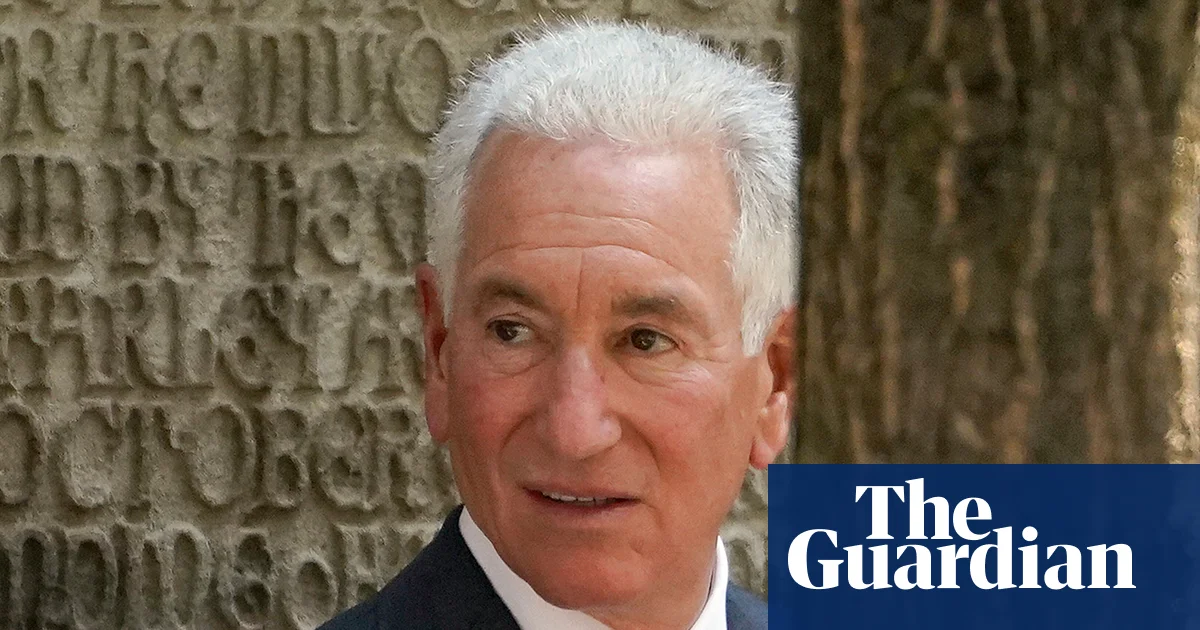
In a move indicative of escalating international diplomatic tensions, France is signaling a serious escalation with the United States following recent incendiary comments by U.S. ambassador Charles Kushner. French Foreign Minister Jean-Noël Barrot announced plans to summon Kushner over remarks concerning the brutal murder of Quentin Deranque, a prominent far-right activist. Deranque’s death in Lyon last week, during a violent confrontation with alleged hard-left militants, has ignited a firestorm of political and diplomatic reactions.

The incident, already fraught with ideological polarization, is being closely monitored by international bodies and analysts, who warn of the dangerous implications behind the rhetoric. Both the U.S. State Department’s Bureau of Counterterrorism and the American embassy in France issued statements on X—formerly Twitter—highlighting the perceived rise of violent radical leftism as a threat to public safety. These comments have fueled fears that evolving narratives could deepen the divide, exacerbating political polarization and social unrest across transatlantic relations. As historian Dr. Anne Richter notes, “Such inflammatory discourse not only worsens diplomatic strain but also emboldens ideological extremism.”

For Paris, this incident underscores a broader geopolitical landscape marked by mounting ideological conflicts and shifting alliances. The French government, historically rooted in preserving civic order amid rising populism, perceives the U.S. comments as interference—a dangerous precedent that could threaten sovereignty and domestic stability. Meanwhile, Washington’s emphasis on the threat of “radical leftism” appears to reflect a broader American political strategy, aimed at framing internal dissent as an external security concern. This international discourse aligns with the warnings by organizations such as the European Council and International Crisis Group, which warn that such rhetoric risks fueling ideological conflicts that transcend national borders, endangering democracy itself.

As nations grapple with the repercussions of inflammatory speech and rising violence, the case of Quentin Deranque serves as a stark reminder: decisions taken today will define the geopolitical landscape for generations to come. The unfolding crisis in France not only tests bilateral diplomacy but also questions the very fabric of societal cohesion in an era rife with ideological upheaval. The narrative remains unwritten, but history’s watchful eye tells us that the coming days will be pivotal—once again illustrating that in geopolitics, the line between dialogue and discord is often razor-thin.
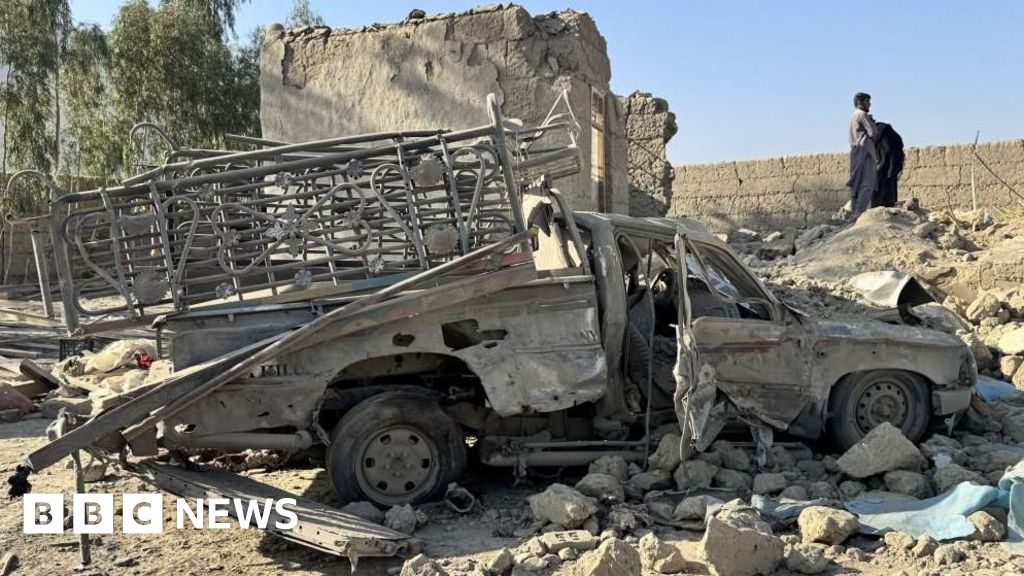
Pakistan strikes Afghanistan; Taliban reports dozens dead amid rising tensions

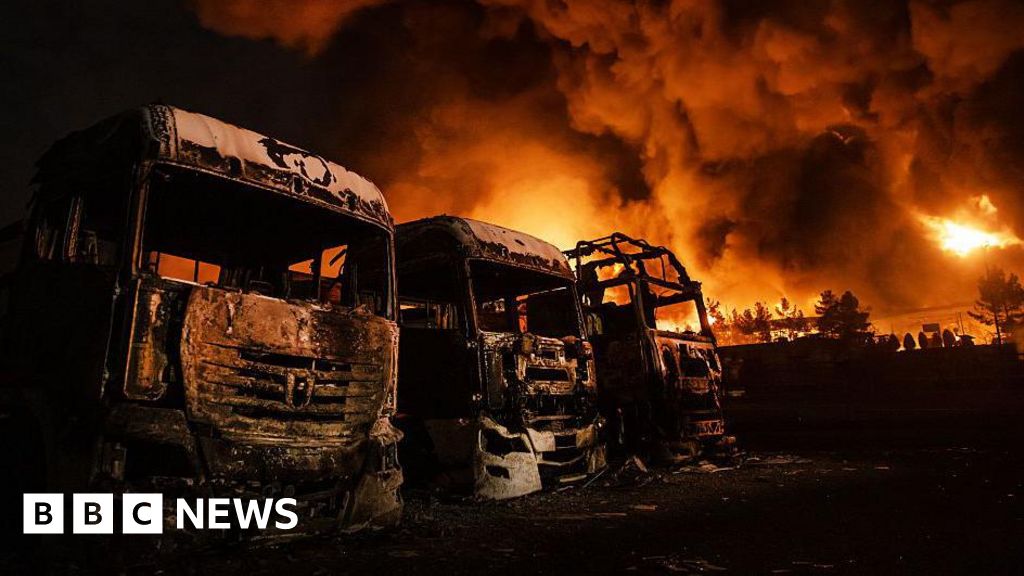
In a swift and forceful response, Pakistan announced that its military conducted targeted strikes in regions they allege harbor insurgents responsible for recent terrorist activities. The Pakistani government characterized these actions as an act of retaliation for the devastating suicide bombings that recently struck the nation. This escalation highlights the ongoing and deeply complex security challenges faced by South Asian nations amidst rising extremism and unresolved regional tensions.

According to statements from Pakistani authorities, the military launched air and ground operations ostensibly aimed at dismantling militant hideouts in border areas adjacent to Afghanistan. These operations underscore the persistent instability within Pakistan’s tribal regions, where militants often take refuge and orchestrate attacks across the border. Analysts note that Islamabad’s calculus appears rooted in a desire to project strength and deter future assaults, while critics warn of the risk of broader escalation in a volatile geopolitical landscape.

This confrontation has significant geopolitical impact, as regional powers watch closely, wary of the potential for renewed conflict to spill beyond national borders. International organizations, including the United Nations and regional players like India, have expressed concern over the cross-border tensions. Historically, these areas have been a flashpoint for instability, complicating diplomacy and peace initiatives that seek lasting resolution. Experts argue that such military responses, while perhaps pragmatic or necessary from a security perspective, often risk intensifying a cycle of violence that hampers diplomatic progress.

Leading international analysts and academicians caution that, without comprehensive strategies addressing the root causes of militancy and socio-economic grievances, conflicts like these threaten to deepen divisions within societies and destabilize neighboring nations. The decision by Pakistan to escalate military action thus marks a pivotal moment, illustrating how countries under threat must balance the imperatives of security with the broader goal of stability. As history continually unfolds in this troubled region, the world remains captivated — and cautious — about whether this cycle of violence will eventually give way to dialogue or descend further into chaos.

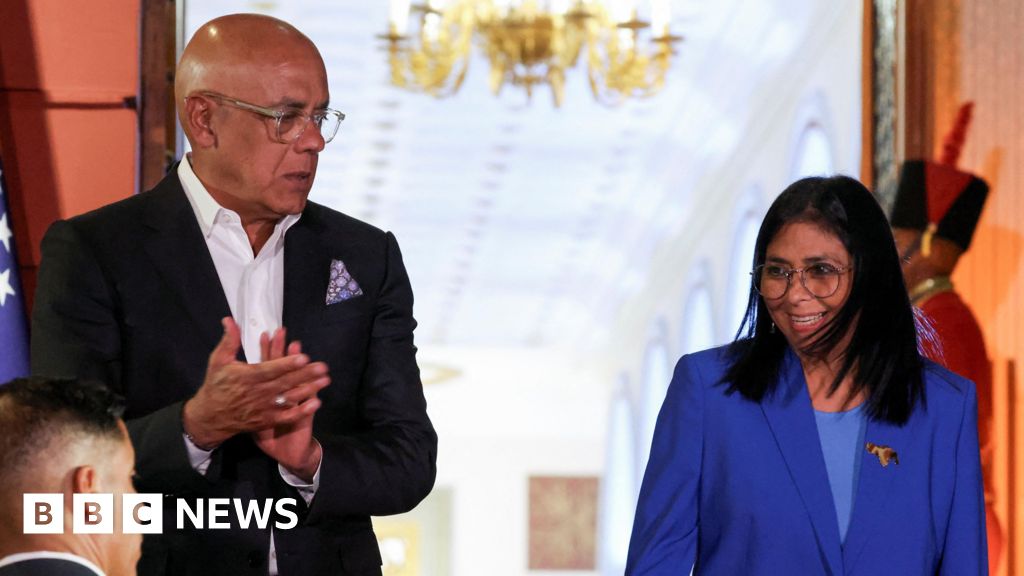
Over 1,500 Venezuelan Political Prisoners Seek Amnesty—A Bold Step Forward

The recent announcement by the head of Venezuela’s National Assembly marks a pivotal moment in the ongoing political upheaval within the nation. This statement, issued amidst intense pressure from the United States, follows the controversial capture of ex-President Nicolás Maduro, heightening tensions across the unpredictable landscape of Latin American geopolitics. The move underscores a complex interplay of domestic resistance and international intervention, with broad implications for regional stability.

Historical analysts and international observers underscore that the situation in Venezuela is at a critical turning point. The international community, led by the US, perceives the current crisis as an opportunity to reshape Venezuela’s leadership, driven by strategic interests ranging from oil security to regional dominance. The US-backed push to challenge Maduro’s authority echoes a persistent policy aimed at displacing what Washington considers a destabilizing regime, fostering a climate of uncertainty that resonates far beyond Latin America’s borders. Experts warn that such actions risk destabilizing not only Venezuela but also the broader geopolitical balance in the Western Hemisphere, where historically fragile alliances are tested.

Amid this turbulent backdrop, global institutions such as the United Nations and regional bodies like the Organization of American States face mounting pressure to take sides. While some advocate for diplomatic resolution and respect for Venezuela’s sovereignty, others call for decisive intervention, seeing the current chaos as a vulnerability that could be exploited by external actors. Such decisions are fraught with risk, as they could either usher in a new era of stability or plunge the nation—and possibly the continent—into further unrest. Meanwhile, Venezuelan society, polarized and strained, watches closely, vulnerable to the ripple effects of international machinations. The country, heavily dependent on oil exports, finds its economic and social fabric fraying further as the global powers contend for influence over its future.

Historically, upheavals of this magnitude have served as warnings about the high costs of external intervention and internal neglect. International organizations and independent analysts emphasize the importance of sovereignty and sustainable political solutions over short-term power plays. Nevertheless, the momentum from US pressures and the ongoing detention of Maduro cast a long shadow over Venezuela’s stability, turning the nation into a symbol of broader geopolitical struggle. As the world watches, history appears poised to record whether this crisis becomes a turning point toward renewed democracy or a descent into chaos—a warning tale in the making, where decisions made in distant boardrooms and capitals will inevitably determine the fate of millions. And as the echoes of this moment reverberate across time, one thing remains clear: the unfolding chapters of Venezuela’s future will be watched with bated breath, for history itself is at a crossroads, waiting to be written.

Project 2025: The blueprint from Venezuela to immigration shaping Trump's next move
Project 2025: The blueprint from Venezuela to immigration shaping Trump’s next move

America’s Bold Pivot: A New Chapter in Global Power Dynamics

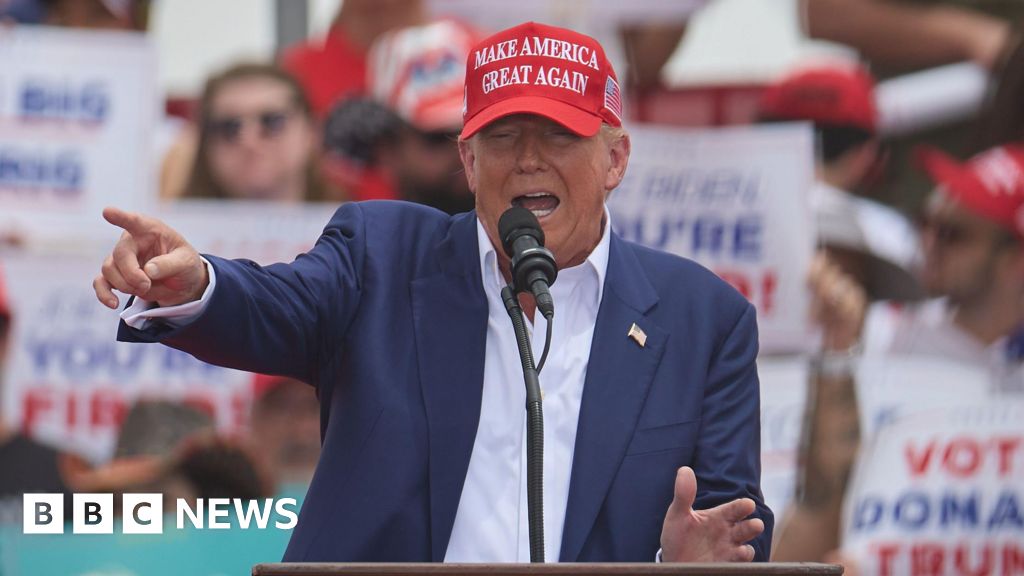
The recent assertion by White House spokesman Davis Ingle underscores a narrative that President Donald Trump has fundamentally reshaped America’s position on the world stage over the past year. According to Ingle, the administration’s efforts have not only fortified the nation internally but have also elevated the United States to an unparalleled level of influence and economic strength. These claims highlight a strategic shift rooted in a focus on sovereignty, economic nationalism, and a reassertion of American priorities amidst a rapidly evolving global landscape.

Significant policy moves, including the securing of the border, historic tax reforms targeted at the middle class, and an influx of trillions of dollars in foreign investments, have energized critics and supporters alike. However, the true geopolitical impact extends beyond economics. It signals a decisive move away from globalist policies favoring multilateral agreements, towards an America-centric approach. As many analysts suggest, this transition could redefine international alliances, with ripple effects on trade agreements, security alliances, and diplomatic priorities across continents.

  • Border security efforts aim to curb illegal crossings and affirm national sovereignty amid increasing migration pressures.
  • Tax cuts are designed to stimulate domestic investment, employment, and innovation, fostering a resilient economy with global implications.
  • Foreign investments have surged as foreign nations and corporations see America as a safe haven and hub for future growth, further empowering U.S. global influence.

However, this strategic realignment raises fundamental questions about the future of international diplomacy. Critics warn that turning inward could diminish existing cooperative efforts like the Paris Agreement or WHO collaborations, and spark a recalibration of alliances such as NATO. Conversely, supporters argue that a restored sense of national pride and economic independence will enable America to lead more effectively in addressing transnational issues — a sentiment echoed by historians like Dr. James Roebuck, who caution that the global stage is in flux and that leadership is as much about resilience as cooperation.

Globally, this shift has caused concern in regions like Europe and Asia, where longstanding alliances are tested against the backdrop of America’s newfound assertiveness. Trade tensions and strategic realignments threaten to redefine geopolitical boundaries, resemble a new Cold War landscape where economic strength and diplomatic defiance become the core currencies of power. The decisions made today will shape our collective future, echoing through generations of nations seeking stability and prosperity amid upheaval.

In the shadow of these transformations, the question remains: will this new era herald renewed strength and clarity for the United States, or will it ignite conflicts that threaten global stability? As historians and analysts watch closely, the weight of history presses down, hinting that the coming years will determine whether this chapter of decisive action will carve a legacy of sovereignty and resilience — or sow chaos in a world still teetering on the edge of transformation. The story of our time is still being written, and the future remains unwritten, hanging in the balance of choices made today.

Legendary salsa pioneer Willie Colón passes at 75—an era ends

Throughout modern history, cultural milestones have often served as catalysts of broader societal and geopolitical change. In 1967, at just 16 years old, a young artist recorded his debut album, El Malo, alongside the legendary Héctor Lavoe. This album, released under the Fania Records label, not only shaped the evolution of salsa music but also became a symbol of cultural identity and resistance for entire communities across the Americas. As analysts point out, music and art have consistently functioned as subtle yet powerful forms of political expression, fostering a sense of unity amid turbulent times.

The ripple effects of such cultural phenomena extend well beyond entertainment. Just as the salsa movement unified Latin American diaspora communities, recent geopolitical decisions echo this pattern—where cultural resilience intersects with, and often fuels, national sovereignty and regional stability. Decisions made at the international level—whether regarding trade, diplomacy, or security alliances—are deeply connected to societal narratives reinforced by influential cultural icons and movements. As international organizations scrutinize shifts in Latin America and other regions, experts warn of how political upheaval and economic instability threaten to unravel social cohesion, much like the revolutionary spirit stirred by artists of the 1960s and beyond.

Meanwhile, powerful nations are witnessing how their own internal decisions resonate worldwide—a phenomenon that indicates the fragile fabric of international order. Historian Ian Buruma reminds us that, in politics, as in music, “one note can change everything.” This echoes in the context of recent treaties and strategic alliances, where each policy shift may inadvertently redefine borders of influence and sovereignty. Notably, recent treaties and multilateral agreements aimed at economic integration and security have produced mixed outcomes, sometimes strengthening regional blocs but at other times inciting *uprising and resistance* that threaten long-term stability.

As nations grapple with these complex layers of influence, the geopolitical landscape remains precariously poised. From the corridors of the United Nations to the capital cities of emerging powers, decision-makers face a crucial crossroads: to forge lasting peace and stability or to stumble into cycles of conflict and chaos. The ongoing shifts, often driven by a blend of ideological, economic, and cultural forces, mirror the unpredictable rhythm of history. How the world responds today will determine the legacy for future generations. The echoes of 1967’s cultural revolution and the current geopolitical upheaval serve as stark reminders: history is not just written by leaders but also by the stories, struggles, and resilience of societies caught in times of upheaval. The pages of yesterday continue to turn, shaping a future that remains uncertain yet undeniably historic—where every decision carries the weight of consequences yet to unfold, and the true measure of nations is written in how they face the coming dawn.

Football Empowers Girls to Stand Up Against Forced Marriage

In a quiet Indian village, two sisters stand as poignant symbols of a broader shift underway across numerous rural regions in India. As they talk about how football has transformed their lives and fortified their resolve against child marriage—a deeply entrenched social issue—they reflect a growing wave of grassroots empowerment that challenges traditional norms and influences international discourse. Their story underscores how sport, particularly football, is emerging as a potent tool for social change amid complex cultural landscapes.

The narrative of these sisters highlights a critical aspect of how local initiatives can have far-reaching geopolitical impacts. India, with its vast population and diverse cultures, faces persistent challenges related to child marriage and gender inequality. However, in recent years, NGOs and community leaders have leveraged the universal language of sport to promote education, self-confidence, and gender equality. This grassroots movement resonates with global reports from organizations like the United Nations Population Fund (UNFPA), which acknowledge that empowering girls through education and recreation can significantly reduce child marriage rates. As these sisters participate in football, they embody a microcosm of a broader societal push that could influence policy reforms and change social perceptions across the subcontinent.

Internationally, this evolution reflects a strategic shift where domestic social issues are increasingly linked to larger geopolitical narratives about development and human rights. Nations such as Japan and Australia, which have historically promoted soft power through development aid, now focus on empowering youth, especially girls, as part of their diplomatic agendas. Similarly, global organizations are framing the fight against child marriage as not only a humanitarian issue but also a matter of national security—since the stability of a society hinges on the education and well-being of its future generations. These dynamics underscore the importance of persistent, culturally sensitive interventions which, when successful, can ripple outward and reshape regional dynamics.

Historians and analysts point to the significance of local stories like those of the Indian sisters as key turning points in the international effort to combat harmful traditional practices. They emphasize that such movements often start small but can escalate to influence national policies and international protocols. As India and neighboring countries grapple with these issues, their internal reforms and social awakening could serve as a blueprint for other regions where traditional norms clash with modern aspirations. Meanwhile, global institutions watch carefully, recognizing that shifting societal attitudes in India have the potential to ripple through South Asia, impacting diplomatic relations, development aid, and regional stability.

As the world watches these stories unfold, it becomes increasingly clear that history continues to be written at the grassroots level. The resilience of these young women, driven by passion and hope, signals the dawn of a new era—where individual courage and community initiatives challenge centuries-old norms. The stakes extend beyond cultural boundaries, touching upon the fundamental question of how societies can reconcile tradition with progress. And so, as voices like those of the Indian sisters rise amidst the rural plains, we are reminded that the fabric of global geopolitics is woven with the threads of countless individual stories. In the shadows of traditional villages and the halls of international councils alike, the weight of history hangs heavily, waiting to see whether these sparks of change will ignite a new future or fade into the annals of forgotten struggle.

Palestinian-American family calls for justice after West Bank killing

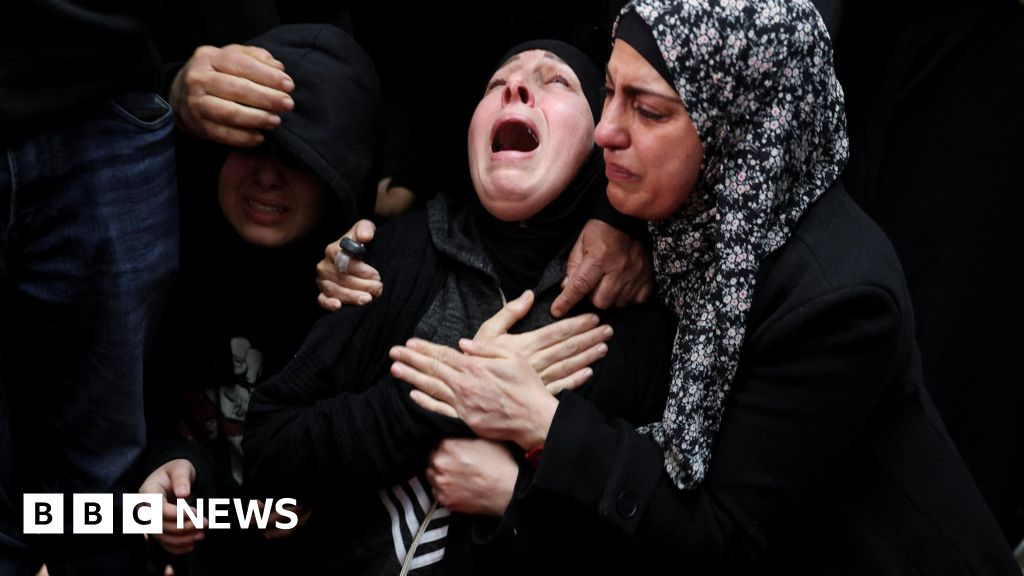
In a troubling development that underscores the persistent volatility in the West Bank, Nasrallah Abu Siyam has become the sixth American citizen to be killed by Israeli settlers or soldiers within the past two years. This tragic event not only highlights the ongoing human toll in the region but also amplifies the geopolitical tensions that continue to shape international discourse and policy. As analysts and international organizations examine this devastating trend, the question arises: what does this portend for Middle East stability and for the United States’ role in U.S.-Israel relations?

The West Bank remains a symbol of protracted conflict, where decades of unresolved disputes over land, sovereignty, and security have resulted in recurrent violence. The incident involving Nasrallah Abu Siyam exemplifies the dangerous complexities at play, where diplomatic efforts often seem gridlocked amid rising tensions. Historically, U.S. policy has oscillated between supporting Israel’s security concerns and advocating for Palestinian rights, yet the recent uptick in violence reveals the fragility of this balancing act. Experts like geopolitical analyst Dr. Emily Carter emphasize that the continuous loss of American lives, especially in a region where American influence is both strategic and moral, exacerbates pressure on U.S. foreign policy and internal political dynamics.

Furthermore, the international community has expressed alarm over these fatalities. The United Nations and European Union have called for renewed dialogue, but reality shows that diplomatic pathways remain blocked by entrenched positions and regional power struggles. This violence is symptomatic of deeper issues, including the expansion of settlements and the persistent inability to implement a comprehensive peace agreement. As Middle East experts warn, each incident like the death of Abu Siyam not only fuels local resentment but also complicates the international effort to bring stability and peace to the region.

From a broad geopolitical impact perspective, these recurring tragedies feed into a narrative of disorder that affects all nations involved—further entrenching divisions, impeding cooperation, and risking broader regional escalation. Nations across the globe are forced to navigate the fallout, which includes rising anti-American sentiments in some quarters and increased pressures on U.S. policymakers to take decisive action. As historians observe, moments like these serve as stark reminders that conflicts rooted in history are often perpetuated by cycles of violence and contested narratives—each one shaping the course of history whether forward or backward. The death of Nasrallah Abu Siyam marks a grievous chapter in this ongoing story, with the echoes of injustice resonating far beyond the borderlines of the West Bank.

As we stand on the precipice of further escalation or potential peace, the weight of history presses heavily. The choices made today in response to such tragedies could either open pathways toward reconciliation or reaffirm the wider forces of chaos and division. With each life lost, the hope for resolving this enduring conflict dims — yet it remains, perhaps, the most urgent challenge of our era. In the shadow of conflict, history continues to unfold, recording the moments when nations either forge a better future or condemn generations to repeating the mistakes of the past.

Giant tortoises make a comeback on Galápagos after two centuries—nature’s resilience at its best

In an extraordinary turn of ecological restoration, the island’s native giant tortoise population, driven to near extinction by 19th-century sailors, is now witnessing a remarkable revival through the reintroduction of 158 juvenile tortoises. This historic initiative symbolizes more than just environmental rehabilitation; it embodies a nuanced intersection of international interests, conservation efforts, and the shifting power dynamics that shape our global future.

The original decline of the species, primarily caused by overharvesting and habitat disruption during the age of maritime expansion, left a profound ecological void. Now, leading efforts coordinated by international conservation bodies—including the World Wildlife Fund (WWF) and the International Union for Conservation of Nature (IUCN)—are positioning this project as a pivotal milestone in safeguarding endangered species. These initiatives not only aim to restore biodiversity but also to demonstrate the capacity of nations to address environmental crises amid a rapidly changing geopolitical landscape. The involvement of multiple nations underscores a broader acknowledgment: conservation is no longer solely a local endeavor, but a matter of global importance that can influence regional stability.

The geopolitical impact of such environmental projects extends beyond ecological boundaries. Countries involved in funding and facilitating these efforts often use these initiatives as diplomatic tools to bolster relationships and project soft power. Environmental success stories like this serve as tangible proof of a nation’s commitment to global sustainability initiatives, fostering cooperation that can transcend traditional political rivalries. Historians and analysts note that the reintroduction of these creatures signifies a broader trend—where environmental stewardship is increasingly intertwined with modern geopolitical strategies, potentially shaping alliances and rivalries in the decades to come.

Yet, the implications go even deeper. Critics argue that such conservation schemes could be exploited as leverage in international negotiations, or as a facade for broader strategic interests. The reintroduction of species, while hopeful, also raises questions about sovereignty and the extent to which external actors influence local ecosystems and policies. As the community monitors this ongoing effort, international observers remain wary: these ecological victories may soon become tools in a chess game of geopolitical influence, where the vestiges of nature itself serve as pawns in a larger strategic contest.

As history continues to unfold, the fate of the island’s restored tortoise population reflects the enduring conflict—and potential harmony—between human ambition and the natural world. Will this effort prove a genuine step toward ecological resilience, or will it be overshadowed by the shifting tides of power and influence? Only time will tell, but the weight of history lingers, reminding us that the decisions made today could reverberate through generations. In a world where nations vie for dominance amid global crises, even the smallest creatures bear witness to history, quietly nudging us toward a future yet unwritten.

Trump’s new tariffs: What’s coming and how it will impact the future

Supreme Court Ruling Sparks International Debate Over Tariff Refunds and Economic Sovereignty

The recent decision by the Supreme Court has sent shockwaves across national and international economic spheres, igniting debates over the legality and repercussions of unlawful tariffs. The ruling centers on whether consumers and businesses affected by these tariffs are entitled to refunds—an issue that, while seemingly domestic in scope, echoes broader questions of economic sovereignty and international trade compliance. Analysts argue that this decision could set a precedent, impacting not only domestic trade policies but also challenging the authority of global economic governance institutions such as the World Trade Organization (WTO).

This pivotal ruling arrives at a tense crossroads where national courts intersect with the global economic order. Legal experts highlight how historic tariff disputes have often tested the limits of sovereignty and compliance. Now, the question of refunds over unlawfully imposed tariffs brings into sharp relief the crisis of trust between states and international institutions. Countries that have traditionally relied on tariff measures to protect domestic industries now face the potential backlash of unrecoverable costs, fostering concerns of a “clash of legal frameworks.” For instance, the United States, under the current administration, has frequently utilized tariffs as leverage in trade negotiations, but this decision may limit future flexibility.

International organizations and economists have expressed concern about the wider geopolitical consequences of this decision. The International Monetary Fund (IMF) and World Trade Organization warn that unpredictable legal outcomes threaten to destabilize global markets and undermine longstanding trade agreements. Several trade analysts suggest that broader repercussions may include the erosion of rules-based international trade system, particularly if nations begin to interpret judicial rulings as license to bypass international standards. The European Union, for instance, scrutinizes the ruling as a catalyst for potential retaliatory measures that could escalate into trade conflicts, further fracturing a delicate global economic balance.

The stakes are further heightened by historical perspectives. Renowned economic historian Dr. Anne Williamson notes that tariff disputes have historically been catalysts for major international crises. “When legal frameworks falter, and countries feel empowered to disregard international agreements, the risk of geopolitical instability soars,” she emphasizes. Similarly, United Nations’ officials warn that disregarding rulings and refund rights could undermine efforts to foster international cooperation and economic justice, pushing more nations toward unilateralism and protectionist policies. These developments threaten to reshape the global economic landscape—an arena where power struggles and national interests increasingly overshadow multilateral efforts.

As the world watches, the Supreme Court‘s decision underscores a critical juncture in geopolitical history. It propels the international community into a period of uncertainty and recalibration—where the borderlines of sovereignty, law, and economic stability are continuously redrawn. With each legal precedent and policy shift, nations edge closer to a new era—one fraught with the dangers of fragmentation and the loss of shared mechanisms that once upheld global order. As history continues to unfold, the weight of this decision may be remembered as a turning point—a moment when the delicate balance between national sovereignty and international cooperation was forever altered. The future remains unwritten, yet the echoes of today’s choices will resonate for generations to come.

US Lawmakers Push to Free Double-Amputee Detention Victim in Georgia

In a clear demonstration of systemic flaws and human rights violations, the case of Rodney Taylor, a double amputee detained at the Stewart detention center in Georgia, has sparked unprecedented concern among members of Congress and international observers. Over several weeks, a coalition of 20 members of Congress, led by Representative Pramila Jayapal, has issued a stern appeal for his immediate release. Taylor’s plight highlights the disturbing consequences of America’s immigration enforcement policies—a situation that has been increasingly scrutinized amid reports of gross negligence and dehumanization. His health’s rapid deterioration, compounded by deplorable detention conditions, underscores a broader crisis in the U.S. immigration apparatus, signaling a failure to uphold basic human dignity.

The detailed account from Taylor’s wife, Mildred Danis-Taylor, and multiple experts exposes the grotesque realities faced by detainees like Taylor. His life-threatening issues include improperly fitted prosthetic limbs, high blood pressure, and debilitating bone spurs—all exacerbated by inadequate medical attention and substandard detention conditions. Reports from the Guardian reveal mold-infested showers, filth-covered floors, and inadequate sustenance, which collectively constitute a severe breach of health and human rights standards. Despite the gravity of his health issues and his ongoing pending application for U.S. residence, Taylor remains detained without bond, illustrating the systemic neglect and punitive approach that critics claim is entrenched within the system. The fact that so many lawmakers are advocating for his release is a rare convergence, illuminating the urgency and magnitude of this crisis—an effort to halt what many see as a pattern of repeated acts of “dehumanization” that are, in essence, violations of U.S. constitutional and international human rights commitments.

This case is not isolated but reflects a broader geopolitical impact on America’s standing on the global stage. Critics and analysts such as professors and international organizations have highlighted how systemic deficiencies—especially following policy rollbacks by the previous Trump administration, which decimated oversight agencies—have emboldened practices that devalue human life. Removal of oversight bodies like the Office for Civil Rights and Civil Liberties and the immigration detention ombudsman has created a landscape where abuse and neglect proliferate unchecked. As immigration enforcement morphs into a system driven by profit motives and dehumanizing rhetoric, the reputation of the United States as a defender of human rights faces severe jeopardy. The case of Rodney Taylor, amplified by international coverage and bipartisan concern, underscores how decision-making at the federal level resonates deeply across the nation and influences global perceptions of American justice and morality.

Ultimately, the unfolding story of Rodney Taylor’s suffering symbolizes a turning point—when the weight of history presses upon a nation grappling with its values and global responsibilities. His story serves as a stark reminder that no society can truly claim moral superiority when it allows its most vulnerable citizens to be discarded and forgotten. The critical question remains: will the authorities heed the outraged voices of lawmakers and independent observers, or will they continue down a path where human dignity is sacrificed in the name of strict immigration enforcement? History’s verdict, still unwritten, awaits with bated breath, as the consequences of today’s decisions ripple into the future—shaping whether America can truly reconcile its ideals with its actions or fade into a legacy of injustice and neglect.

Social Media Auto Publish Powered By : XYZScripts.com