Matox News

Truth Over Trends, always!

UK Tightens Post-Brexit Rules for EU Citizens

The United Kingdom is intensifying its scrutiny of EU citizens under the guise of protecting public services and national sovereignty. Recent moves by British ministers to revoke post-Brexit residency rights of individuals deemed to have “non-continuous” residence threaten to reshape the landscape of immigration and citizenship rights. Legally grounded in the 2020 Brexit withdrawal agreement, this policy shift employs travel data to identify absences, igniting a fierce debate among analysts and advocacy groups about its fairness and accuracy. Critics, led by organizations like the3million, warn that such measures risk targeting innocent citizens based on flawed or misinterpreted data—raising alarms about potential racial bias, bureaucratic errors, and human rights violations.

The core of the controversy lies in the meticulous enforcement of **”continuous residency”** rules. Individuals with pre-settled status, granted before Brexit, can be absent from the UK for up to six months annually without losing their rights, while those with settled status can be outside the country for up to five years. However, recent government efforts aim to tighten these criteria by scrutinizing travel histories—culled from airline manifests and booking records. The Home Office insists this is necessary to curb unlawful immigration abuses and uphold national sovereignty. Yet, international watchdogs and local advocacy groups raise concerns over **data inaccuracies**. The Guardian’s investigation uncovered cases where travel records erroneously suggested absences that never occurred—such as journeys booked but not taken or flights with inconsistent destinations—highlighting the peril of decision-making based on unreliable data.

Furthermore, analysts and legal experts warn that this approach could disproportionately affect EU citizens who often rely on travel for economic, family, or work reasons but might be penalized due to administrative inaccuracies or unintentional absences. The Independent Monitoring Authority and other watchdog groups have voiced concerns about the fairness and transparency of this enforcement. Miranda Biddle, the agency’s chief executive, emphasized the stress and uncertainty this causes for affected individuals, prompting calls for safeguards and more nuanced decision-making. Meanwhile, the National Audit Office has launched an investigation into HMRC’s use of flawed border data—an echo of past government missteps and a reminder of the systemic risks intertwined with big data-driven enforcement.

The geopolitical impact of this crackdown extends beyond domestic borders. For EU nations and their citizens, it serves as a stark reminder of how post-Brexit policies are redefining rights and sovereignty. How the UK manages this delicate balance between national security and individual rights will undoubtedly influence international relations and the future of European integration. Historians and analysts warn that such measures, if mishandled, could sow longstanding distrust among EU citizens residing in the UK and potentially embolden nationalist sentiments elsewhere. As the UK’s global standing navigates these internal upheavals, the broader question remains: How will a nation reconcile its sovereign priorities with the rights of its expatriate populations? These developments carry the weight of history, a stark reminder that decisions made today shape the fabric of international relations for generations to come.

Native Americans Bet Big 6,000 Years Ago — Long Before Others, New Study Reveals

In a groundbreaking revelation that challenges long-held assumptions about the origins of chance and randomness, a new study asserts that Native American hunter-gatherers crafted and used dice for gaming and gambling more than 6,000 years before such practices appeared in the Old World. Archaeologists unearthed evidence from the western Great Plains, indicating that by the end of the last ice age, approximately 12,000 years ago, indigenous groups had already invented rudimentary tools for games of chance. Such a discovery compels historians and global analysts to reconsider the narrative of human cognitive development, specifically regarding the evolution of probabilistic thought.

Historically, the earliest examples of dice—two-sided cubes carved from wood or bone—were thought to originate in Mesopotamian and Indus Valley civilizations. The conventional wisdom held that formal probability theory and related gaming artifacts emerged during the Bronze Age, around 3,000 BCE. However, Robert Madden, a PhD student in archaeology at Colorado State University, re-evaluated artifacts often dismissed as mere “gaming pieces,” discovering that these objects predate Old World examples by thousands of years. Madden’s meticulous re-examination of collections reveals that these artifacts likely functioned as dice—tools designed deliberately to produce random outcomes—thus positioning ancient Native Americans as early pioneers in understanding chance.

This insight has profound geopolitical impact. How societies conceptualize probability and randomness influences social structures, trade, and intercultural exchanges. Madden emphasizes that these ancient games—played in a context devoid of a game “house,” with players competing directly—revolved around fairness and mutual opportunity. These well-structured games forgesocial bonds between disparate groups, exemplifying the way early humans used these tools to facilitate interaction, exchange, and possibly even diplomatic negotiations. International bodies like the United Nations Educational, Scientific and Cultural Organization (UNESCO) might soon reconsider the history of social cohesion and communication through the lens of these archaeological findings, recognizing that the roots of human cooperation extend far beyond the traditionally accepted thresholds.

  • The discovery suggests that concepts of chance, regularities, and probability—fundamental to modern science and technology—were being practically applied by hunter-gatherers over 12,000 years ago.
  • The artifacts came from late Pleistocene sites in Wyoming, Colorado, and New Mexico, implying an extensive geographical spread of early probabilistic activities.
  • This challenges the notion that such abstract thinking was exclusive to advanced civilizations, instead highlighting its roots in primitive social and recreational activities.

Leading historians and analysts argue that this revelation underscores a need to reframe the global history of human intelligence. Independent of formalized mathematical systems, early peoples demonstrated a “working knowledge of chance” that undeniably influenced social dynamics. The consequences extend to our understanding of prehistoric societies, emphasizing that complex social behaviors—such as trade, alliance formation, and cultural exchange—may have been driven by these rudimentary yet powerful notions of randomness. As the world observes these discoveries, one thing becomes clear: the unfolding chapter of human history is far richer and more complex than previously imagined. With each artifact unearthed, the evidence grows—that the dawn of probabilistic thought was not a matter of isolated invention but an intrinsic part of humanity’s collective ascent, resonating across time and space, shaping societies still in the making.

Djibouti’s President secures historic sixth term with overwhelming 97.8% support

Long-term President Extends Rule Amid Electoral Controversy

The longstanding leadership of Djibouti took another significant turn as Ismail Omar Guelleh, aged 78, secured yet another term in office following a controversial electoral process. His latest victory, characterized by a nationwide vote boycotted by the main opposition parties, underscores ongoing tensions within the nation’s political landscape and invites a broader discussion on the stability and future trajectory of this strategically positioned Horn of Africa state.

The election was marked by the absence of major opposition candidates, which critics argue diminishes the legitimacy of the electoral outcome and highlights profound issues surrounding democratic openness in Djibouti. This lack of genuine electoral competition has led to international concern over the erosion of democratic institutions and the potential for increased authoritarian consolidation. As Guelleh seeks to extend his rule, analysts warn that such political maneuvers may provoke regional instability and diminish prospects for reform. According to political observers from the International Crisis Group, “the long tenure of leaders like Guelleh, especially under conditions of electoral disengagement, can either stabilize or destabilize, depending on the societal response and external pressures.”

Within the broader geopolitical context, Djibouti occupies a strategic hub at the crossroads of Africa and the Middle East, hosting critical military bases operated by multiple global powers, including the United States, China, and France. These foreign interests stand to be profoundly affected by the nation’s internal political stability. Historically, stability in Djibouti has been a key component of regional security strategies, particularly given its proximity to volatile areas like the Horn of Africa and the Middle East. The extension of Guelleh’s rule without clear democratic mandates raises questions about how long external powers will continue to rely on a government perceived as increasingly autocratic, even as they maintain their strategic foothold with military and intelligence cooperation.

Experts and international organizations continue to monitor the unfolding political scenario with concern. The United Nations, while cautious, has expressed apprehension about the effects of electoral boycott and leadership consolidation on democratic governance in Djibouti. Meanwhile, regional allies such as Kenya and Ethiopia watch intently, aware that internal instability or diplomatic shifts could ripple across the Horn of Africa, impacting crucial trade routes and regional alliances. The critical question remains: how will the trajectory of Djibouti, under the weight of extended rule and limited political participation, influence the broader geopolitical dynamic—a narrative still very much in flux?

In essence, the unfolding story of Djibouti serves as a microcosm of today’s geopolitical tension—where leadership stability often masks underlying societal discontent and international interests collide with national sovereignty. As Guelleh‘s government consolidates power amid ambiguous democratic processes, history beckons observers to consider whether this merely marks another chapter of stability at the expense of true democratic reform or signals potential unrest lurking beneath the surface. With the decisive hands of global players, the sands of this strategic corner of the world continue to shift—reminding us that, though quiet for now, the course of history remains unpredictable, and the next move could redefine the region’s future forever.

Victims’ Lawyers Warn State Ignoring Lessons After Southport Attack

Southport Attack Highlights Flaws in Britain’s Counter-Terror System

The recent Southport attack in Britain has cast a glaring spotlight on the failures within the nation’s counter-terrorism framework, particularly the controversial Prevent program. The attack, carried out by Axel Rudakubana, has already prompted a series of urgent questions from legal experts, international analysts, and policymakers about the effectiveness of current measures aimed at preventing violence among troubled youth. As Britain mourns the innocent lives lost and grapples with the underlying systemic failures, the international community watches closely, understanding that flawed approaches to emerging threats can have ripple effects far beyond the UK’s borders.

Systemic Failings and the Shift in Threat Profiles

A forthcoming report by Judge Sir Adrian Fulford is expected to level harsh criticism at various agencies, highlighting how multiple warnings about Rudakubana—despite being referred three times to Prevent—were dismissed, mainly because he lacked a clear ideological motivation. Historians and security analysts argue that this highlights a critical flaw: the tendency to focus on ideological extremism often leaves those with categorical violence and mental instability unchecked. Data published by The Guardian reveal that less than 11% of the thousands of referrals related to young individuals with unclear motivations lead to targeted intervention, exposing a profound imbalance in resource allocation and risk assessment. This gap indicates a worrying trend: as violent tendencies evolve, so too must the strategies to combat them, especially in a society increasingly exposed to multifaceted threats.

Legitimacy and the Need for a Paradigm Shift

Critics, including the families of the victims, are voicing their frustration with a system they deem inadequate. Lawyer Chris Walker asserts that to deter future catastrophes, fundamental reforms are necessary, pointing out that the current Prevent program disproportionately jealously monitors those with explicit ideological motives—such as jihadism or right-wing extremism—while neglecting those driven by nihilistic violence or mental health issues. The stark disparity underscores a broader dilemma faced by nations across the West: how to effectively address a spectrum of violent threats that are increasingly unclassified and unpredictable. In a world where terror no longer adheres to neat ideological categories, security agencies risk being overwhelmed unless they adapt swiftly.

The International Impact and the Broader Warning

This internal crisis in Britain reverberates globally, resonating with countries grappling with the redefinition of terrorism in the 21st century. The United Nations and other regional bodies are observing these developments, warning that rigid frameworks may be unsuitable in today’s complex security environment. Analysts like Dr. Maria Lopez from the International Institute for Counter-Terrorism warn that Britain’s example highlights a pressing need for a global overhaul: nations must develop agile, nuanced mechanisms that can detect both ideological and non-ideological violence—before the next tragedy strikes. As international boundaries blur and extremist narratives evolve, the weight of history presses heavier on policymakers, demanding immediate and innovative responses to threats that are increasingly shapeless and deadly.

As the world watches a narrative of policy failure unfold, the lesson of Southport is clear: the true danger lies in the complacency that allows dangerous individuals — regardless of their motives — to slip through the cracks. In this unfolding saga of national security and societal resilience, one thing remains certain—time is running out, and history’s pen continues to write in strokes of tragedy and hope, shaping a future where the balance between liberty and security will define the legacy of our age.

Satellite provider limits Iran imagery amid U.S. pressure; fears grow among youth and analysts

In the shadowy realm of space and surveillance technology, Vantor—formerly known as Maxar—remains a crucial yet understated player. Renowned for its extensive contracts with the US Army and US Space Force, the company’s operations underscore the strategic importance Washington attaches to military and intelligence capacity in the increasingly contested domain of space and digital surveillance. Recently, Vantor clarified that it has not been instructed by Pentagon officials to curtail its coverage of Iran, highlighting a critical aspect of its balancing act amidst rising geopolitical tensions.

The firm’s contracts with American military bodies testify to a broader trend of technological militarization at the frontiers of space and cyber domains. Analysts observe that such companies are becoming the invisible backbone of U.S. military strategy, enabling precise surveillance, intelligence gathering, and strategic planning. Yet, the decision not to restrict coverage of Iran signals a nuanced approach from U.S. defense agencies, possibly reflecting an awareness of the growing importance of transparency and information leverage in a complex global chess game. This stance challenges critics who argue that increased surveillance may escalate tensions, but it also exemplifies how technological firms operate in a gray zone—detached yet deeply intertwined with national security agendas.

Historians and international security analysts are closely watching Vantor’s positioning amidst the shifting alliances and rivalries of the modern era. The United States‘s focus on space dominance is part of a wider strategic doctrine that accentuates the importance of technological superiority in future conflicts. The firm’s decision to limit coverage of US military bases, while not extending restrictions to Iran, indicates a calculated approach—one that aims to uphold American technological edge without provoking unnecessary escalation. Such choices may influence global perceptions of American transparency and restraint, with other nations observing how the U.S. manages its strategic information in an era where every byte and satellite pass can shape geopolitical narratives.

Ultimately, the unfolding story of Vantor exemplifies how technological and military advancements are interwoven with international power structures. History warns that the frontier of space and digital surveillance is a new battleground for influence, where decisions ripple across nations, economies, and societies. As Vantor navigates these turbulent waters, the weight of history presses forward—reminding the world that the next chapter in global dominance may be written not just in treaties, but in the silent data streams orbiting high above. The future remains uncertain, but one certainty endures: the relentless march of technological power continues to shape our destiny, with nations vying for control over the realms that will define the next age of geopolitics.

North Island Prepares for Cyclone Vaianu: Thousands Urged to Evacuate

Global Climate Instability: New Zealand Battles Cyclone Vaianu

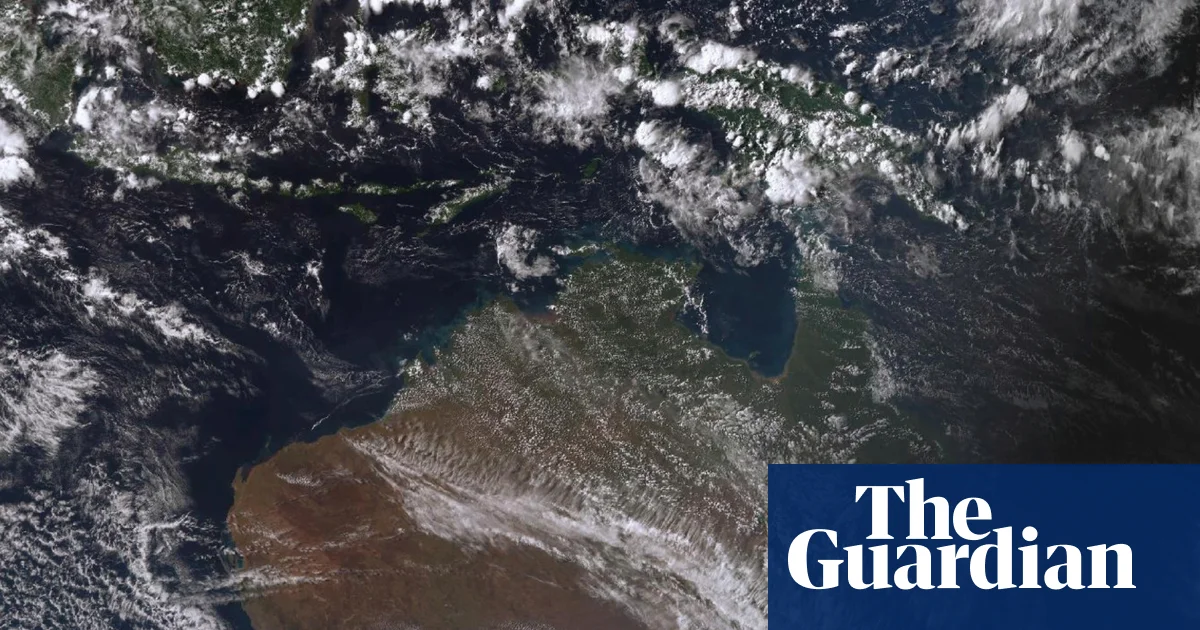
New Zealand is once again at the mercy of nature’s fury as Cyclone Vaianu approaches its North Island, compelling thousands to evacuate and putting national emergency protocols to the test. Forecasters warn that the cyclone, expected to make landfall on Sunday, could unleash wind speeds up to 130 km/h (80 mph), accompanied by heavy rain, coastal flooding, and potential landslides. Authorities in regions like Whakatāne—a community of roughly 37,150 residents—have issued emergency declarations, emphasizing the gravity of the situation and the likelihood of widespread destruction.

This storm bears a stark reminder of how unpredictable and destructive climate patterns have become. The disaster preparedness efforts echo a broader global concern woven into the fabric of international discourse. The World Meteorological Organization and various climate analysts have long warned that _increased cyclone activity_ is a *direct consequence of rising global temperatures*. Historical data confirm that storms like Cyclone Gabrielle, which devastated parts of New Zealand in 2023, killing 11 and displacing thousands, serve as grim forewarnings of what climate change fuels: more powerful, less predictable storms capable of devastating communities with brutality and speed.

Politicians such as Prime Minister Christopher Luxon have urged residents to remain vigilant, stressing the importance of community resilience. “Make sure drains are free, check in on the neighbours, and be prepared for possible power cuts,” Luxon advised via social media. This call to civility underscores a crucial point: _decisions made today in emergency preparedness and infrastructural resilience_ *determine* how societies withstand the chaos unleashed by nature’s shifting climate*. The experience reflected in New Zealand’s recent calamity underscores the rising stakes for nations vulnerable to extreme weather, and global institutions are increasingly calling for coordinated action to mitigate these risks.

The escalating frequency of such natural disasters has spurred international debate over long-term strategies. Developing nations face the harshest realities, often lacking the resources to fully prepare or respond. Meanwhile, climate diplomacy shifts towards _collaborative efforts_—but critics argue they are too slow and insufficiently bold. The **United Nations** and major countries have made pledges to curb emissions; however, skeptics question whether these commitments can curb the *accelerating pattern* of destructive storms and sea-level rise. As some analysts warn, _in the absence of decisive climate action_, storms like Vaianu will become increasingly common, testing the resilience of societies worldwide and threatening stability on an international scale.

Ultimately, the story of Cyclone Vaianu is a harbinger of a new era—one where climate extremes are no longer exceptions but commonplace. As the earth’s climate system teeters and shifts, history’s pen remains poised at an uncertain crossroads. Will global resolve and technological innovation allow humanity to tame the chaos, or will nature’s wrath continue to write its tragic stories of destruction and displacement? The storm approaching New Zealand is more than a local incident; it is a stark reminder that in the grand march of history, humanity must confront its greatest challenge yet—before the shadows of catastrophe stretch across the world’s horizon.

RMIT Drops Charges Against Student Who Called Out University’s Role in Gaza Crisis

Controversy at RMIT University Sparks International Debate Over Academic Freedom and Ethical Defense Collaboration

In a resolute stance that underscores the ongoing clash between free speech and national security concerns, RMIT University recently dropped a misconduct case against a student, Gemma Seymour, who publicly criticized the institution’s involvement in military research linked to weapons manufacturing. Seymour, a fine arts student, faced potential suspension following a social media video in which she called for the closure of the university’s Sir Lawrence Wackett Defence and Aerospace Centre. The controversy ignited a broader debate on academic independence, with many viewing it as a pivotal moment in how societal activism intersects with institutional policies, especially in a geopolitical landscape marred by conflicts in Gaza and beyond.

The underlying conflict extends far beyond a single university. Seymour’s attack on RMIT centred around the institution’s collaboration with prominent weapons companies, including Boeing and the Australian Defence Forces, which are key players in Australia’s defense industry. The university justified surveillance and the subsequent threat of misconduct proceedings by citing the risk to staff and research facility safety posed by publicly sharing detailed location data on social media. This incident vividly illustrates the broader tension faced by academic institutions worldwide—balancing the core values of free speech against the perceived need for security and institutional reputation amidst escalating global tensions. As defence and aerospace research become increasingly politicized, universities risk becoming battlegrounds not just of science but of ideological confrontations.

Analysis from international think tanks and security experts emphasizes the geopolitical impact of these debates. The inclusion of the U.S. Department of Defense and multinational corporations like Boeing in Australian defense initiatives signifies a deepening integration of allied military interests. Critics argue that such collaborations effectively amplify the risk of entrenching global conflicts—with weapons used in conflicts such as the recent Israeli operation in Gaza, where civilian casualties, including children, have garnered international outrage. Organizations like Amnesty International have highlighted how weapon manufacturing ties feed into killing machines that perpetuate cycles of violence and suffering. Many analysts contend that allowing university research to bolster these industries tacitly endorses or prolongs conflicts, raising profound ethical questions about the role of academia in geopolitics.

The public fallout and university responses also showcase shifting global narratives—where the fight for academic integrity now often coincides with global human rights debates. Seymour’s emphasis on the university’s “blood on its hands” encapsulates a rising sense among youth and progressive groups that institutions are complicit in genocides and conflicts through the supply chain of war technology. This trend echoes international calls for de-escalation and a reevaluation of military-industrial collaborations, as seen in several countries grappling with the moral implications of such partnerships. Historians and scholars warn that these moments of reckoning could reconfigure future policies, compelling institutions to account for their global responsibilities in peace and security.

As the world watches this unfolding story, the stakes have never been higher. The details of university collaborations, the ethical dilemmas of defense research, and young activists’ crusades against militarism are all intertwined threads in a complex tapestry of power, morality, and geopolitics. With the global conflict in Gaza serving as a stark reminder of what is at risk, it is clear that history is now writing its next chapter—one that may determine whether nations and societies heed the call for peace or succumb to the relentless march of war. In this pivotal moment, the weight of history seems to hang heavy, casting long shadows across the battlefield of ideas and the corridors of power.

Several Charged with Murder in California Fireworks Explosion—Justice in Action

The recent tragedy in California has sent shockwaves through the international community, underscoring the dangerous intersections of law, commerce, and unchecked ambition. An explosion at a fireworks warehouse near Esparto, which claimed seven lives and injured two others in July, highlights not only the immediate risks of illegal explosive storage but also the broader geopolitical implications of governance failure and regulatory negligence. The incident exposes how clandestine operations can destabilize local and national security, reverberating far beyond the borders of the United States.

At the heart of this catastrophe is the case of Samuel Machado, a former lieutenant with the Yolo County Sheriff’s Office, whose involvement in an expanding illicit fireworks enterprise epitomizes how corruption and regulatory lapses weaken societal safety. Prosecutors allege Machado orchestrated a vast operation, storing over one million pounds of illegal fireworks—an amount that dwarfs legal limits—while leveraging his law enforcement role to shield his activities from scrutiny. The consequences extend beyond individual criminal behavior; they demonstrate how the abuse of authority can facilitate criminal enterprises, creating dangerous environments that threaten local communities and armed interests alike.

International analysts warn that allowing such operations to flourish can have ripple effects on global stability. United Nations experts have long sounded warnings about how unregulated explosives can fuel regional conflicts and terrorism. Fireworks, though seemingly harmless to the casual observer, can be converted into improvised explosive devices, raising the stakes for global security. The fallout from this incident has also ignited debates over how domestic law enforcement agencies battle corruption and organized crime. The arrest of Machado’s wife, Tammy Machado, on charges including mortgage fraud and child endangerment, signals a broader network of illicit activities intertwined with the fireworks import and export trade—a trade that transcends national borders, impacting economic stability and safety in multiple regions.

Historians and security analysts emphasize that this event is yet another chapter in a pattern that exposes critical weaknesses in governance. As international organizations assess how criminal syndicates exploit legal loopholes, the incident serves as a stark warning: *when governance falters, crises escalate*. The expansion of Machado’s operation from storing 13 to 50 containers within a decade illustrates how unchecked growth of illegal enterprises can lead to catastrophic failures. The turning point here is not merely the explosion itself but the systemic failure to regulate dangerous goods effectively, which could have led to far greater loss of life or even regional destabilization.

As America grapples with this tragedy, the global community looks on, understanding that events like this are symptomatic of deeper issues—weak oversight, corruption, and the unchecked proliferation of dangerous materials. The incident in California leaves an indelible mark—a reminder that the weight of history is still unfolding, and the decisions made in law offices and boardrooms today will shape the safety and stability of societies tomorrow. For now, the world must watch as the battle for regulatory integrity continues, knowing that beneath the surface of fireworks and celebrations lie the fragile threads of safety and sovereignty that can unravel in a瞬間—a moment that defines global security for generations to come.

California: Swalwell’s Team Quits Amid New Sexual Assault Allegations

In an era characterized by rapid geopolitical shifts and an increased focus on moral integrity within leadership, the recent turmoil surrounding California’s gubernatorial race signals more than a local scandal; it underscores a profound how domestic political decisions shape international perceptions of moral standards. The downfall of Eric Swalwell, a leading figure in California and a prominent advocate of aggressive anti-Trump rhetoric, exemplifies how internal crises can weaken what many see as the vanguard of progressiveness. As allegations of sexual misconduct emerge, the ripple effects extend beyond state borders, casting long shadows over the Democrat’s broader national strategy that hinges on continued social and political upheaval.

With multiple staffers resigning and key endorsers rescinding their support, Swalwell’s campaign now stands on the brink of collapse. The revelations came from detailed reports published by the San Francisco Chronicle, citing anonymous testimonies of women claiming misconduct dating back years. Despite denials from the congressman, the damage to his credibility has already shifted the political landscape. Historians and analysts warn that such internal crises have a destabilizing effect on the Democratic Party’s efforts to mobilize youth and progressive voters who once saw Swalwell as a symbol of anti-establishment resistance. This upheaval is a clear indication that the global community, particularly adversarial nations, observe these scandals as signs of internal decay, affecting the perception of American leadership at large.

  • Major political endorsements—including those from Senator Adam Schiff and Arizona Senator Ruben Gallego—have been withdrawn, signaling a significant loss of institutional backing for Swalwell’s candidacy.
  • The call for him to step down from both the gubernatorial race and Congress has grown louder, with figures like Antonio Villaraigosa describing the attacks as a “disgrace to our democracy.”
  • Within days, the internal fissures in the Democratic camp reveal that their ability to present a united front is diminishing, an issue that resonates globally as political parties grapple with issues of accountability and moral integrity.

The international geopolitical impact of this turn of events is palpable; in a world where governments are scrutinized heavily through the lens of ethical conduct, internal scandals like Swalwell’s serve as a cautionary tale. As noted by expert political analysts, such incidents weaken a democracy’s moral authority and embolden adversaries, both foreign governments and internal dissidents who argue the U.S. lacks the moral rigor to impose its values elsewhere. The fallout also influences how allies and rivals perceive America’s willingness to uphold its self-professed standards of justice and decency, which is increasingly vital in a multipolar world riddled with conflicts.

Through these tumultuous days, a powerful message emerges: the fabric of a nation’s leadership is woven with both policy and principle. As history continues to unfold, the question remains whether the United States can survive these internal crises without succumbing to fragmentation—a nation at a crossroads, with its destiny still uncertain, its future forged by both the choices it makes and the scandals it confronts. This chapter may well become a turning point for defining the resilience of American democracy in a turbulent era, and the world watches, uncertain and expectant, as the weight of history presses down on every decision made in the halls of power.

Melania Trump’s Speech Resurrects Epstein Scandal in Spotlight

In recent developments that underscore the growing tensions between governmental authority and independent judicial processes, a prominent figure has deliberately inserted herself into the highly sensitive Epstein investigation. This move places her at odds with the administration, which appears determined to conclude the inquiry swiftly, perhaps to sideline potential revelations. Such interference signals a critical juncture in the struggle over control of the narrative surrounding high-profile misconduct cases, with profound implications for global geopolitics and social trust.

Analyzing this development through the lens of international relations, many experts argue that actions aimed at obstructing or politicizing investigations are not isolated incidents but part of a broader pattern that affects nation-states and international institutions. According to the United Nations Human Rights Council and respected geopolitical analysts, the erosion of judicial independence weakens the foundational pillars of open societies. When individuals in influential positions politicize legal proceedings, the global credibility of justice systems diminishes, opening pathways for corruption and abuse of power. In this context, the current audit of the Epstein saga could serve as a litmus test for the resilience of democratic norms at a time when many nations face rising populist sentiments and authoritarian tendencies.

Bringing the debate into a historical and strategic perspective, many observers point to past incidents where political interference in criminal investigations precipitated international crises. As noted by historian Dr. Margaret Stevens, in her recent analysis, such cases often lead to diplomatic strains, including sanctions, espionage accusations, and breakdowns in bilateral relations. The U.S. government’s efforts to shut down inquiries into powerful elites—allegedly connected to the Epstein case—highlight the delicate balancing act between transparency and political stability. These decisions not only influence public societal trust but also reverberate across the interconnected web of global alliances and adversarial blocs.

Indeed, the geopolitical impact of this controversy extends beyond domestic policy. If the suppression of investigative efforts continues, it risks emboldening other authoritarian-leaning regimes that seek to justify their own manipulations of justice for political expediency. As international watchdogs warn, such actions threaten to dilute the rule of law and promote a more opaque, less accountable world order. The stakes are high—history is watching—and how nations and leaders respond now will greatly influence the future of democratic governance. The weight of scrutiny falls on the shoulders of those with the power to shape the course of justice, and the world waits to see if integrity will prevail over deceit.

Social Media Auto Publish Powered By : XYZScripts.com