Matox News

Truth Over Trends, always!

US Court Restricts Mail-Order Access to Abortion Pill Mifepristone

The recent court decision in the United States that significantly curtails access to a vital medication used in abortion procedures marks a pivotal moment in the ongoing cultural and political battles over reproductive rights. The ruling directly impacts the use of mifepristone, currently the most common method for medication abortion across the country, and its repercussions are resonating well beyond American borders. This decision is not just a legal setback but a potent reflection of the shifting geopolitical landscape where traditional values clash with evolving societal norms, igniting debates that threaten to reshape the global discourse on individual rights versus governmental authority.

International analysts and civil rights advocates warn that such a move could set a precedent with far-reaching consequences, especially in countries where political ideology heavily influences health policies. Leading historians and global health experts have expressed concern that the reduction of access to medical abortion in the U.S.—often regarded as a bellwether for Western social policies—may embolden similar restrictions in other nations. Global institutions such as the World Health Organization and United Nations have historically championed reproductive health rights, but this recent development exposes a widening ideological rift. As the U.S. grapples with this legal upheaval, the international community remains watchful, knowing well that policy shifts in Washington can ripple outwards to influence legislation and societal attitudes worldwide.

From a geopolitical impact perspective, the decision underscores a broader cultural contest—one where the concept of individual sovereignty over personal health and bodily autonomy

is increasingly being challenged by conservative factions seeking to reassert traditional moral values. Such decisions lead to a polarization of societies, sparking debates that threaten to undo decades of progress on civil liberties. Analysts point out that this is not merely about health—it is a symbolic battle over who controls the future of societal norms. Historically, shifts in the United States’ approach to reproductive rights have served as indicators for other nations, with some following suit and others resisting. International relations now must contend with the reality that these internal policy struggles can influence diplomatic standing and partnerships, especially among nations with opposing values on social issues.

As voices across the ideological spectrum warn of the erosion of rights and the possible rollback of decades of progress, the role of institutions and leadership comes into focus. Whether these decisions mark the beginning of a new conservative wave or a temporary setback, their impact on future legislation and societal cohesion remains uncertain. The unfolding narrative is a vivid reminder that history continues to unfold in real time, with each ruling adding weight to the ongoing contest over liberty, morality, and the sovereignty of nations to chart their own social destinies. In this whirlwind of legal battles and societal upheavals, the question persists: How will this chapter define the boundaries of personal freedom in the years to come? The answer is still hidden in the pages yet to be written, but the stakes could not be higher—history is watching, and the world stands at a crossroads where the decisions made today will resonate for generations.

French PM sparks outrage with weekend baguette run

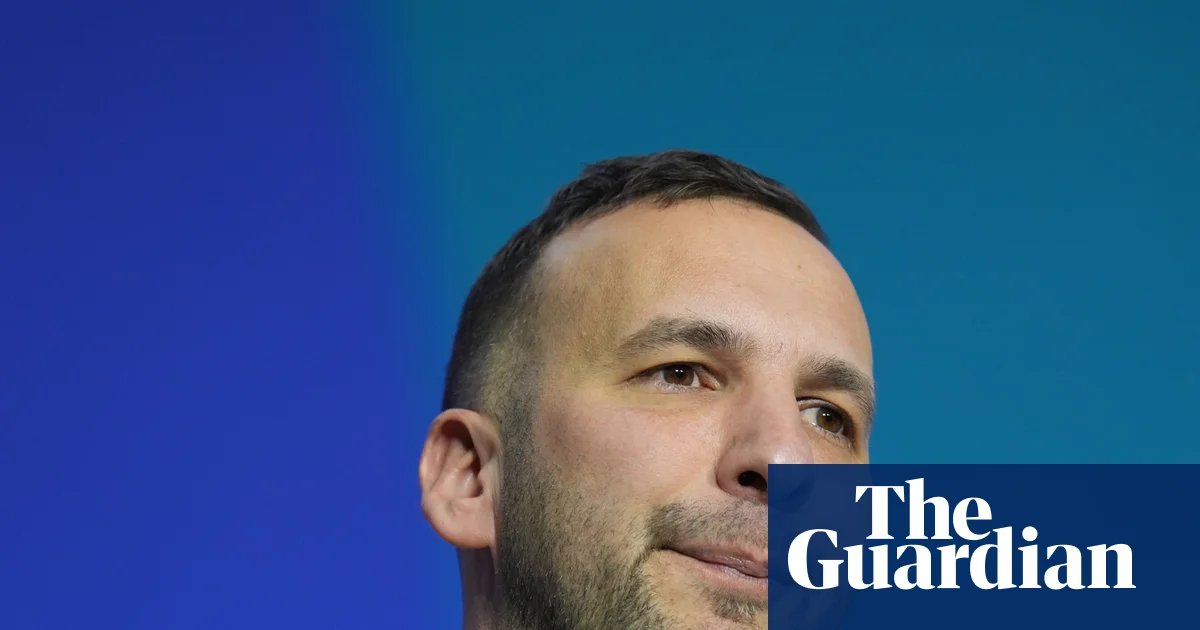
In a move that has stirred controversy across France, Defense Minister Sébastien Lecornu made an unexpected appearance at a local boulangerie on Labour Day — a historically significant day dedicated to workers’ rights and rest. This seemingly simple gesture has ignited a broader debate on national priorities, with unions and political opponents condemning Lecornu’s actions and emphasizing that May 1st must remain a day of reflection and defiance against economic inequality.

The visit by Lecornu, a prominent figure within President Emmanuel Macron’s government, signals a subtle but strategic shift in the government’s stance on social issues. While some analysts interpret it as an attempt to connect with ordinary citizens amid ongoing economic challenges, critics argue it underlines a growing disconnect between policymakers and the working class. Historians warn that such gestures—though seemingly benign—can be weaponized as political symbols, diverting attention from more pressing economic and social reforms.

From an international perspective, the decision to send mixed signals on Labour Day resonates beyond France’s borders. European labor unions, along with global organizations like the International Labour Organization, have long emphasized the importance of maintaining dedicated rest days to safeguard workers’ rights and prevent exploitation. The controversy surrounding Lecornu’s visit underscores a recurring theme in muti-national debates about balancing economic growth and social protections. As France’s neighbor Germany and other European nations grapple with similar issues, the event underscores ongoing uncertainties about the future of social cohesion across the continent.

Global geopolitical implications are also at play. As the United States and China continue their strategic competition, the stability of allied nations like France hinges on domestic social cohesion. Decisions that appear to trivialize essential social institutions risk exacerbating unrest, which could weaken diplomatic standing and influence. Critics argue that such symbolic acts serve as warning signs of deeper political tensions bubbling beneath superficial gestures. International analysts warn that the evolution of these internal conflicts may ultimately shape the geopolitical landscape in unforeseen ways, with social stability serving as the foundation for enduring alliances and influence.

As history progresses, the significance of Labour Day extends beyond its traditional roots. It remains a symbolic battleground for values that define societies: prosperity, dignity, and fairness. Who ultimately controls the narrative will determine how nations adapt to their challenges — a story still being written, with moments like Lecornu’s visit serving as stark reminders that even the smallest gestures can carry profound geopolitical weight. Toward what future do the actions of today point? Only time will unveil the next chapter in this unfolding saga of power, identity, and social justice.

Trump: Ceasefire Won’t Stop My Iran Plans—No Congressional OK Needed

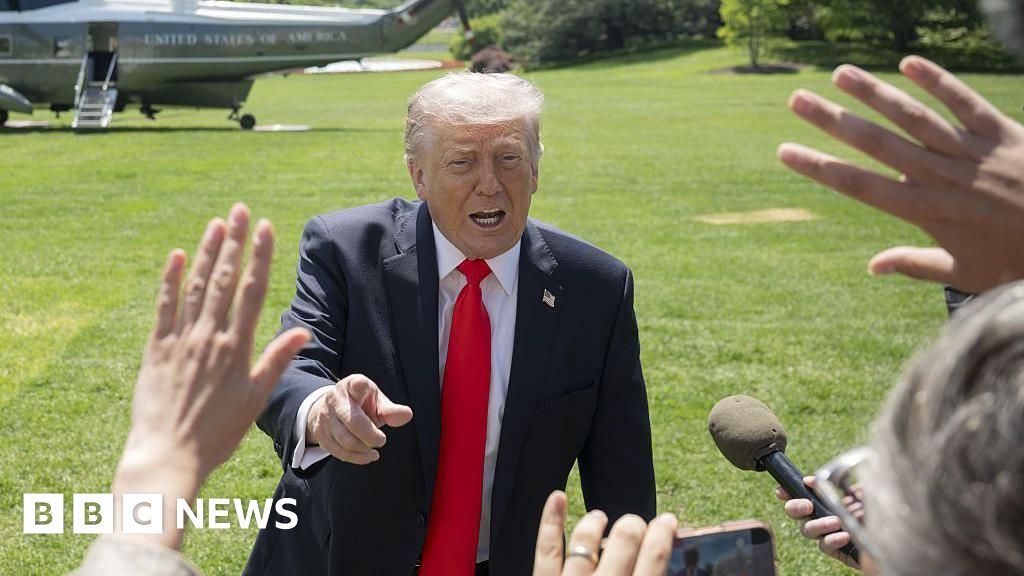
In a startling development, President of the United States announced that hostilities have formally “terminated” following the implementation of a recent ceasefire agreement. This declaration, delivered unilaterally by the US leader, asserts that congressional approval is not required to proclaim peace, challenging traditional notions of legislative oversight in wartime resolutions. The move immediately sparks controversy among international analysts, with many questioning the long-term geopolitical consequences of such executive decisions.

Historical commentators and geopolitical analysts have long examined the delicate balance of power between executive authority and legislative oversight during conflicts. The recent assertion by the president underscores a broader trend where national leaders bypass congressional approval, particularly in military affairs, under the guise of swift diplomacy. Such actions, as noted by political historians, could fundamentally alter the dynamics of international relations, potentially weakening the checks and balances enshrined in constitutional frameworks. The global community watches intently, recognizing that unilateral declarations of peace or war have profound implications on the geopolitical stage, especially in a world where alliances are fragile and power dynamics are shifting rapidly.

The ceasefire heralds a potential redefinition of the US’s role on the international front. Yet, critics warn that this move may sow confusion and diminish transparency, possibly emboldening adversaries or opponents to test American commitments elsewhere. International organizations, such as the United Nations, are now scrutinizing the situation, debating whether this unilateral declaration aligns with international law and the broader aims of global stability. Meanwhile, defense analysts suggest this could be a marker of a new era where executive branches assert greater control over foreign policy, often at the expense of diplomatic consensus.

As the world debates the true meaning of peace in an era of asymmetrical conflicts, it becomes clear that the decisions taken in Washington have ripple effects beyond national borders. Nations grappling with their own internal crises must now navigate a more unpredictable geopolitical landscape—one where the US’s posture on peace and war is increasingly defined by executive whim rather than constitutional process. For many, this moment signifies a pivotal turning point; history watches silently as the consequences unfold, shaping the future of international diplomacy and national sovereignty.”

Keir Starmer slams Zack Polanski for sharing post criticizing police over Golders Green stabbings | Zack Polanski

In an unfolding incident from London, recent events spotlight the delicate balance between law enforcement, political leadership, and societal tensions that resonate far beyond the British Isles. The controversy erupted following a police operation involving the arrest of a suspect, captured on police footage that has since been the subject of heated debate. While Metropolitan Police officials praised their officers for acting under extreme pressure to prevent potential catastrophe, critics have claimed that the police response was excessive and even violent. The point of contention underscores the critical importance of operational judgment during emergency responses, a reality that carries significant geopolitical implications.

Prominent political figures, including UK Prime Minister Rishi Sunak and opposition leader Keir Starmer, have engaged in this debate, with Starmer defending the police’s decisions based on the information available at that moment. Starmer’s comments, emphasizing the plausible threat of a bomb from the suspect’s rucksack, reveal how national security considerations often drive rapid law enforcement actions, especially in an era fraught with terrorism concerns. Conversely, critics, led by zack Polanski, a political figure under scrutiny, questioned the police’s conduct and accused officers of brutality—comments swiftly rebutted by Mark Rowley, the police commissioner, who described the officers as “nothing short of extraordinary.” His defense reflects an urgent call to safeguard public confidence in law enforcement, especially amid rising threats to societal cohesion.

This national debate is unfolding against a backdrop of sharper geopolitical concerns, notably a surge in **antisemitic incidents** across the United Kingdom. The Director of Public Prosecutions, Stephen Parkinson, issued a stern warning about the rise of hate crimes, echoing fears that extremist ideologies threaten the very fabric of society. His affirmations highlight how internally contentious issues, like police conduct and hate crimes, can influence international perceptions—especially within a broader context of global struggles against extremism and intolerance. Countries watching from across Europe and North America interpret such developments as indicators of societal fragility, while international organizations, including the European Union, scrutinize how democracies respond to challenges manifesting within their borders. These crises act as a stark reminder that the decisions made in the UK today echo in the corridors of power worldwide.

Adding fuel to the flames are recent violent incidents involving mental health crises and hate-fueled violence, as seen with the charging of Essa Suleiman for attempted murders during knife attacks in London. Such events underline the intertwined issues of societal safety and political stability, with analysts warning that neglecting these critical challenges could lead to wider unrest and a shift in global power dynamics. Historically, nations have stumbled when internal divisions deepen under the weight of unresolved societal tensions, and the UK’s current trajectory sparks concern among international observers about potential repercussions for alliances, trade, and security cooperation.

As London’s streets echo with protests, debates, and the weight of the law, the broader story remains unresolved—an ongoing chapter in a narrative that shapes the future of democratic resilience. With global powers watching, the decisions taken here will define whether these turbulent waters lead to reform and renewal or further descent into chaos. In a world on the brink of new conflicts and alliances, the history being written in this moment reminds us that the course of nations often hinges on how they handle their internal crises—those that test their ideals, their law, and their collective resolve.

Viral Footage of Attack on French Nun in Jerusalem Sparks Outrage Across Israel

Rising Tensions in Jerusalem: A Reflection of Shifting Geopolitical Currents

The recent assault on a French Catholic nun in Jerusalem has ignited a firestorm of condemnation across the globe, exposing the fragility of religious coexistence in a city that has long been a battleground for historical claims and national identities. The attack, captured on video, shows a man violently pushing the nun to the ground and kicking her, an act that drew swift outrage from Israel’s foreign ministry and international observers alike. While the perpetrator was swiftly detained, the incident hints at deeper, unresolved fault lines fueled by ongoing religious nationalism and societal polarization.

The location of the attack—near the Tomb of King David and the Cenacle—symbolizes Jerusalem’s profound religious significance. The region remains a tinderbox of tensions, with Israel and local communities locked in a complex web of political, religious, and ideological disputes. Many analysts interpret these incidents as manifestations of the rising influence of religious nationalism within the Israeli government, which has emboldened divergent factions and heightened societal divisions. The International Crisis Group and numerous historians warn that such acts are *not isolated* but part of a broader pattern of hostility, especially toward Christian communities and their sacred symbols.

Consequences on a Global Scale: The Race for Influence and Religious Freedom

  • The attack has prompted high-level condemnations, notably from the French government, which called for justice and emphasized the need to uphold religious freedoms and mutual respect. The incident has also cast a spotlight on the fragile state of interfaith relations in Jerusalem and the wider Middle East.
  • In response, Israel’s government has vowed to maintain a “heavy hand,” asserting its commitment to safeguard coexistence. However, the rising reports of harassment against Christian communities—highlighted in recent statistics from the Religious Freedom Data Centre—suggest a troubling deterioration in religious tolerance and societal harmony.
  • Former diplomats and regional analysts underscore that these local incidents carry profound geopolitical impact beyond their immediate context, threatening to undermine international support and stability in a region already vulnerable to flashpoints. As European nations and the United States reassess their strategies, the scene is set for a new phase of diplomatic and cultural confrontation that could reshape alliances and conflict dynamics.

Historical Echoes and a Future Shrouded in Uncertainty

Historian David Brog and other scholars emphasize that the roots of Jerusalem’s unrest span centuries, intertwined with competing narratives and unresolved grievances. The recent violence underscores how decisions made today—whether through political rhetoric, policy shifts, or international responses—may well determine whether this ancient city remains a cradle of coexistence or a battleground for renewed conflict. The incidents of violence, both online and offline, reveal the deepening societal rifts and threaten to unravel hard-won advances in religious tolerance.

As international organizations call for restraint and dialogue, the weight of history presses down on current leaders—each move, each policy, setting a precedent with enduring consequences. The world watches with bated breath, realizing that in this sacred landscape, history’s pen is constantly being rewritten. The unresolved tensions endure, hinting at a future where the outcomes remain uncertain—shadows of history lingering, with the fragile dream of coexistence hanging in the balance.

Missing Oscar recovered after winner barred from bringing it on flight

In a noteworthy development that intertwines cultural prestige with international security concerns, an airline recently confirmed that an Academy Award trophy—an iconic symbol of cinematic achievement—was safely transferred to its care in Frankfurt. The airline’s statement announcing the safe custody of this valuable artifact signals more than just logistical success; it underscores the fragile nexus of cultural diplomacy, international security, and the safeguarding of national treasures. As the trophy is organized for its return, global observers are attentive to the broader implications of such seemingly mundane events in the grand theater of geopolitics.

This incident may appear trivial in isolation, but experts in international security and cultural diplomacy emphasize its resonance. The recovery and secure transport of priceless artifacts—whether art, religious relics, or historic awards—are often entangled with complex layers of security protocols, diplomatic negotiations, and intelligence oversight. Historically, the theft or mishandling of cultural treasures has been used as a geopolitical weapon or ransom, threatening fragile peace agreements and diplomatic ties. The international community, represented by organizations such as UNESCO and Interpol, remains vigilant in protecting such symbols of societal achievement from theft, illicit trafficking, or political exploitation.

The exchange and safeguarding of culturally significant items serve as a visceral reminder of the geopolitical impact that intangible symbols possess. In a world increasingly driven by soft power, nations vie to project cultural influence and prestige. The successful recovery of the Academy Award trophy—an emblem of Hollywood’s global cultural export—may seem trivial, but it enhances the host country’s image as a protector of international cultural assets. Conversely, it also exposes vulnerabilities—highlighting the necessity for rigorous security measures, especially in transit through volatile regions or diplomatic hotspots. Analysts from institutions such as the International Crisis Group warn that such incidents could open pathways for malicious actors to undermine confidence in international logistics and security alliances.

Ultimately, this episode emphasizes how decisions made at the micro-level—secure transportation, meticulous handling, diplomatic coordination—are profoundly interconnected with the broader currents shaping the international order. As historians note, minor incidents like the safe transfer of a trophy echo the ongoing struggle for cultural sovereignty and national identity amidst the turbulence of global geopolitics. With major powers continuously balancing interests, the seemingly mundane act of returning an award trembles with the weight of history’s ongoing narrative. The world watches to see whether this event heralds an era of enhanced cooperation or an acute reminder of the vulnerabilities lurking beneath the veneer of international civility. As history continues to unfold, the fate of this simple object may yet serve as a mirror to larger conflicts—reminding nations that even the smallest symbols can carry the heaviest weight in the intricate chess game that is global geopolitics.

Superdry co-founder James Holder convicted of assaulting woman after night out

From Courtroom to Global Impact: A Reflection on Justice and the Power Dynamics of Society

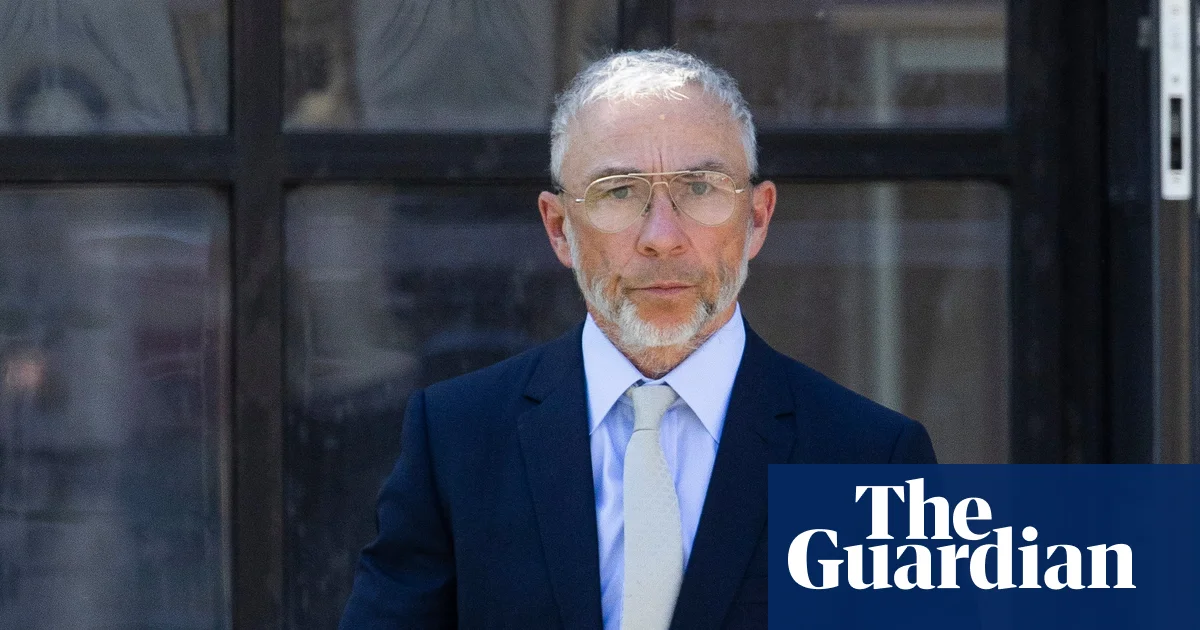
Recent verdicts in local criminal courts often echo far beyond their immediate jurisdictions, challenging societies to reflect on deeper issues of justice, morality, and societal values. The conviction of James Holder, co-founder of the Superdry clothing empire, for the heinous crime of rape in Gloucestershire, UK, exemplifies how individual actions can ripple into discussions about accountability, integrity, and the rule of law. As Holder’s case unfolded, it unearthed more than just a matter of personal guilt; it served as a stark reminder of societal safeguards against abuse of power, especially among the affluent elite. His defense, juxtaposed against the victim’s account, underscores the importance of protecting vulnerable individuals—a concern echoed worldwide in ongoing debates regarding gender rights and justice.

This case’s geopolitical impact extends beyond the borders of Britain, resonating within international dialogues on human rights and the rule of law. Critics and analysts warn that such high-profile incidents expose underlying societal fractures—where privilege can obscure justice and foster a culture of impunity. Organisations like Amnesty International and United Nations Human Rights Council emphasize that societal trust hinges on observable accountability, especially when powerful individuals are involved. The case also underscores what historians and criminologists consider a modern turning point where societal norms are scrutinized amid allegations of abuse and misconduct. It signals a pivotal moment: nations must reaffirm their commitment to justice not just as a legal process but as a moral obligation.

International institutions are watching the aftermath closely, aware that the outcome of such cases can influence or destabilize cultural norms and policies. In the UK, this incident has reignited conversations about the #MeToo movement and the necessity of safeguarding justice for victims, particularly when societal status could otherwise skew outcomes. Conversely, global powers such as the United States and Australia are increasing efforts toward comprehensive support systems for survivors. These decisions, made in courtrooms and policy rooms alike, invariably affect national social fabrics—shaping legal reforms, educational campaigns, and societal resilience. As these shifts unfold, they form part of a broader narrative of a society reckoning with its darkest truths in a bid for integrity and reform.

Yet, how history will judge today’s decisions remains uncertain*. The weight of this moment is not solely within the courtroom but also within the collective consciousness, where stories of justice, power, and human dignity intertwine. The world stands at a crossroads, aware that today’s verdicts and policies forge the blueprint for generations to come. As society continues to wrestle with these complex realities, the ongoing debate reminds us that justice is a fragile, vital thread in the fabric of civilization—one that must be diligently preserved amid the turbulent currents of history’s unfolding story.

Met Police Chief Denies Politicization After Open Letter to Zack Polanski

Global Stability in the Crossfire of Domestic Political Battles

In a development that underscores the fragile state of international relations and domestic governance, Britain finds itself embroiled in controversy that resonates well beyond its shores. The recent public dispute involving the Metropolitan police commissioner, Mark Rowley, and UK political figures has cast a spotlight on the delicate balance between law enforcement and political neutrality, with significant implications for diplomatic confidence and internal stability. As the UK gears up for upcoming local elections, the way in which police authorities manage perceptions of influence evinces overarching themes common in the geopolitical arena: the danger of internal divisions spilling over onto the international stage.

What is unfolding in London reflects a broader pattern observed by international analysts and strategic thinkers: the peril of governments and agencies crossing lines that threaten foundational democratic principles. When police chiefs appear to engage in political discourse, even if they insist on their impartiality, it raises questions reminiscent of post-2014 challenges in emerging democracies. Historians such as F. Parker Burke warn that such internal upheavals, if not carefully contained, can serve as a catalyst for destabilizing entire regions. With threats originating from both intra-national protests and external actors capitalizing on divisions, the United Kingdom’s reputation as a stable democracy might be at risk—particularly if perceptions of political meddling overshadow critical law enforcement operations.

Simultaneously, the UK’s handling of protests, notably regarding pro-Palestine demonstrations amidst rising violence in Gaza, exemplifies how domestic policy decisions can yield ripple effects across the international geopolitical landscape. The government’s attribution of antisemitic activity to certain protest groups and the subsequent government response have drawn parallels to counter-terrorism challenges faced by other world powers—showcasing a global dilemma of balancing civil liberties against national security concerns. Strategic think tanks suggest that if the UK’s internal conflicts escalate, it could embolden radical factions in other nations, potentially destabilizing already fragile alliances and fostering a climate of uncertainty in international diplomacy.

Many experts believe that these developments serve as a *warning sign* for the international community. As analysts examine the UK’s approach, the role of global institutions such as the United Nations remains pivotal in mediating conflicts that originate within sovereign nations. As history has shown, internal discord often catalyzes wider regional conflicts, and in an era of rapid information flow, even minor missteps can be magnified into broader crises. The delicate dance of national sovereignty versus global oversight continues to challenge policymakers — how nations manage internal dissent might very well determine the trajectory of their influence on the world stage. The unfolding narrative remains a testament to the timeless truth that history’s most profound conflicts are often rooted not solely in foreign policy but in the unresolved strains of internal society—a lesson that the world cannot afford to ignore.

MPs blast South East Water chiefs for repeated outages — failure to deliver for communities

The recent scandal involving South East Water has become a stark reminder of the delicate balance between corporate accountability and public trust, especially in vital infrastructure sectors. MPs across the political spectrum have denounced the company’s leadership for their catastrophic failure to provide reliable water services to over 2.3 million customers across Berkshire, Hampshire, Kent, Surrey, and Sussex. A damning investigative report highlighted repeated instances of mismanagement, culminating in a two-week outage in Tunbridge Wells last year that left vulnerable populations without essential water resources. Such failures not only underscore the company’s internal cultural issues but also serve as a warning about the potential consequences of unchecked corporate governance in critical public utilities.

In the face of widespread disapproval, South East Water announced the resignation of its independent non-executive chair, Chris Train, signaling an attempt to reset the organizational culture. However, critics see this as only a partial step toward accountability. Key figures such as Alistair Carmichael, chair of the environment, food and rural affairs committee, have emphasized that the failures reflect a broader systemic problem — a culture of “unaccountability” that puts public safety and trust at significant risk. With a potential £22 million fine looming from regulator Ofwat over years of service disruptions, the situation has become a flashpoint in debates over corporate oversight versus the need for robust government intervention, such as *special administration*, which can temporarily nationalize a failing utility.

Analysts and international organizations have closely watched this unfolding crisis, framing it within the broader context of inadequate risk management and infrastructure investment. Some suggest that the failures at South East Water are emblematic of a wider neglect of critical infrastructure in the UK, raising questions about the resilience of vital services under privatised models. The company’s executives, including CEO David Hinton, have been criticized for misleading Parliament and failing to monitor crucial assets effectively, especially at the Pembury treatment works. Despite generous salaries and bonuses, their inability to prevent the outages exposes a fundamental flaw in corporate governance that many see as reflective of a wider trend in privatized utilities — profit over public service.”

As the British government faces mounting pressure to reform its approach to infrastructure management, this crisis carries far-reaching *geopolitical implications*. The UK’s reputation as a stable, reliable partner in international commerce hinges on the robustness of its infrastructure, and failures like those at South East Water threaten to undermine confidence in its regulatory framework. This internal chaos feeds into global narratives questioning the efficacy of privatisation and calls for increased state oversight. Historians like Timothy Walker warn that neglect of infrastructure investment can erode societal foundations, turning routine service failures into broader crises. Meanwhile, international observers ponder whether this episode will catalyze reforms that recalibrate the delicate balance between private enterprise and public accountability.”

With history still unfolding, the question remains whether Britain will learn from this failure or allow it to deepen into a systemic crisis that could reverberate across borders. The tide of public dissent grows louder, forcing policymakers to confront uncomfortable truths about governance, leadership, and the vital importance of safeguarding national infrastructure against the chaos of corporate inertia. The coming months will determine if accountability can triumph over complacency — or if, in the shadows of these failures, a more ominous chapter in the nation’s history is quietly being written.

Town Looks to Heal After Arrest in Girl’s Murder Case

In a stark illustration of rising tensions across various regions, unrest erupted outside a hospital where a man suspected of murdering a five-year-old girl was being treated. The incident has ignited widespread outrage, leading to mass protests and clashes affecting local authorities and security forces. Such events serve as a grim reflection of the fragile stability in many parts of the world, where perceptions of justice and governmental response are closely intertwined with public sentiment.

This episode underscores the profound geopolitical impact of local tragedies that resonate far beyond their immediate borders. Analysts warn that instances where justice is perceived to be delayed, denied, or mishandled can quickly escalate into broader social upheaval. Institutions such as the United Nations and regional bodies have long emphasized the importance of social stability, yet these protests reveal persistent fault lines where collective grief and anger threaten to destabilize entire communities. Historically, similar incidents have precipitated wider unrest, often exacerbating existing regional conflicts or fomenting new ideological divides.

Experts monitor the situation closely. Historians suggest that such episodes often act as watermarks in the broader narrative of societal decline or resilience. International organizations continue to call for more effective, transparent law enforcement measures to restore public trust. Meanwhile, ruling governments are caught in a delicate balancing act: address the demands of the populace without escalating violence, all while facing the long-term challenge of rebuilding social cohesion. Decisions made in these moments are pivotal, influencing the political landscape and international perceptions of governance efficacy.

The incident outside the hospital acts as a poignant reminder that history is often shaped by moments of crisis — opportunities for either descent into chaos or steps toward reconciliation. As crowds gather and tensions remain high, the world watches, aware that today’s protests may be the prelude to a much larger upheaval. In the shadow of this recent violence, the inherent truth persists: the struggle for justice, stability, and societal cohesion continues to define our times, and future generations will be the ultimate arbiters of the decisions made today. The unfolding narrative remains unwritten, but its impact will echo through history’s pages for decades to come.

Social Media Auto Publish Powered By : XYZScripts.com