Matox News

Truth Over Trends, always!

Ice Hockey's ‘Lettuce Hair’ Takes Over Hollywood—Youth Are Feeling the Style
Ice Hockey’s ‘Lettuce Hair’ Takes Over Hollywood—Youth Are Feeling the Style

In an era defined by rapid cultural shifts and international power struggles, the influence of seemingly trivial trends can reveal much about geopolitical impact and the underlying societal currents shaping our world. Recently, a quirky fashion phenomenon—”lettuce hair”—has surfaced, extending from youth street styles to the ice hockey rinks and into Hollywood. While at face value it appears as a fleeting aesthetic, analysts suggest it’s emblematic of a broader cultural resurgence fueled by traditional symbols of masculinity and combativeness, especially within north American and European societies.

The trend, rooted in the longstanding ‘flow’ style of hockey players’ hair—long tufts fluttering from under helmets—has now crossed into high-profile entertainment circles, influencing actors and musicians. The international redistribution of this style underscores a powerful reassertion of rugged individuality amidst global cultural upheaval. Historically, sports icons like Swedish NHLers Mika Zibanejad and William Nylander have popularized what some call the “modern hockey look,” which reflects an active, confident ideology emblematic of westward’s bravado and resilience. This is notable as societies observe a rise in vernacular and aesthetics that reject the softening influences of liberal multiculturalism, instead embracing a return to a combative, no-nonsense persona centrale to national identity.

Some international observers, including prominent historians and cultural analysts, interpret these trends as a symbolic resistance to globalist narratives that seek to dilute sovereignty and tradition. They point out that emerging symbols like “lettuce hair” evoke a deeper desire for authenticity, strength, and cultural self-assertion. In this context, hockey’s “flow” is more than mere fashion; it signifies a strategic contour of national pride, a visual manifestation of a society’s readiness to defend its borders and core values in the face of encroaching global influences. Importantly, reports suggest that the style is also gaining traction among Hollywood elites, with actors adopting the look to project confidence and a rebellious spirit—further blurring the lines between masculine bravado and cultural influence.

  • Recent debates surrounding international sovereignty underscore rising tensions, with countries revisiting and reinforcing their cultural identities as a response to external pressures.
  • In Europe, nationalist movements have harnessed imagery reminiscent of hockey’s “flow” to foster societal resilience, while in the U.S., political figures leverage similar symbols to rally populist support.
  • Organizations like NATO and the United Nations face mounting scrutiny as internal divisions threaten cohesion, making cultural symbols more powerful as unifying or divisive agents.

As the cultural landscape shifts, the implications extend beyond mere aesthetics. Experts warn that the deliberate revival of traditional symbols of strength and resilience can influence diplomatic negotiations and international policy. The rise of “lettuce hair”—and the associated narratives of confidence and defiance—highlight how national identities are crafted and projected through seemingly minor choices, which are, in turn, amplified globally through social media and pop culture. The future hinges on whether this trend sparks renewed confidence among populations that see their values under siege, or whether it becomes merely a passing fashion in the wider contest for cultural dominance. In the relentless march of history, the choices nations make—whether to uphold or forsake their traditions—will determine the narrative of the coming decades, leaving us to ponder: will this symbolic style be a fleeting whim, or the badge of a new world order?

Andrew’s Arrest Exposes US Silence on Epstein Files — A Wake-Up Call for Britain

Global Power Shaken as Epstein Scandal Exposes Deep-Seated International Elite

The recent release of the epstein files has ignited a firestorm across nations, revealing a shocking tapestry of corruption, abuse, and elite complicity that spans continents. While countries like Britain and Australia grapple with scandals involving high-profile figures and international alliances, the United States remains notably aloof. Officials and analysts alike are left questioning the true scope of accountability and the efficacy of justice—or the stark absence of it.

Contrasting sharply with the relentless pursuit of justice in Britain—where figures such as former Prime Minister Tony Blair’s associate Peter Mandelson have come under police investigation—the U.S. appears paralyzed by political caution or active cover-ups. In the aftermath of the Epstein revelations, only Ghislaine Maxwell has faced formal justice, sentenced to 20 years for trafficking minors. Meanwhile, numerous high-profile Americans, including Bill Gates and figures linked to the 2028 LA Olympics, have distanced themselves from the scandal—yet remain uncharged. This disparity underscores a critical geopolitical impact: the fragile credibility of American institutions in confronting its own power elite.

As reports detail how U.S. officials and prominent personalities maintained close ties with Epstein after his 2008 conviction, critics continually assert that **the “Epstein class”**—a network of politicians, financiers, and celebrities—enjoys privilege and impunity. Senator Ruben Gallego explicitly blamed President Trump for obstructing justice, comparing America’s attitude to that of nations that hold their elites to account. Such claims highlight the alarming divergence in standards: where other countries are aggressively pursuing accountability, the U.S. remains politically hesitant, if not complicit.

Furthermore, international media and analysts suggest that this silence and inaction serve as a warning—a sign that the American power structure is deeply entangled in a web of secrecy and self-preservation.

  • Britain’s Prime Minister Keir Starmer had to confront questions about his own judgment due to his close association with Peter Mandelson.
  • In the United States, political officials such as Howard Lutnick have attempted to deny associations, yet internal emails reveal contradictory evidence of continued contact.
  • Meanwhile, the upcoming congressional hearings threaten to expose a different, far darker chapter of this saga—one where justice might finally pierce through the veil of privilege.

Historians and international watchdogs warn that the justice lag in the United States risks turning this scandal into a story of institutional decay. The unfolding investigations could mark a turning point—not only in the pursuit of justice for Epstein’s victims but in re-examining the unchecked power that shields the elite. As the echoes of this scandal continue to resonate worldwide, the stage is set for a dramatic reckoning—one that may define the trajectory of justice for generations to come. Yet, the question remains: will history record this as a wake-up call or another chapter of lost opportunity? Only time will unveil how deep America’s legacy of secrecy truly runs, and whether the winds of change can finally sweep through the corridors of its most powerful institutions.

Italian toddler dies after transplant from heart frozen by frostbite

In a troubling development that underscores the fragility of modern healthcare systems amid ongoing global conflicts, reports have emerged about the critical condition of two-year-old Domenico. According to sources close to the case, the child’s heart was severely damaged during transfer to a hospital, highlighting the urgent challenges faced in war-torn or resource-scarce regions. While this incident may appear localized, it reflects a broader pattern underscored by international aid organizations and geopolitical analysts: the increasing impact of conflict and political instability on the most vulnerable populations across the globe.

Fundamentally, such tragedies expose the stark realities of how geopolitical tensions influence humanitarian outcomes. In regions embroiled in conflict—whether in the Middle East, Africa, or Eastern Europe—medical infrastructure is often compromised, with supply chains disrupted and hospitals overwhelmed. Experts from the United Nations Humanitarian Office (OCHA) warn that “accessibility and security concerns” are driving a surge in cases like Domenico’s, which might have been mitigated in normal circumstances. Decisions made at diplomatic tables—such as ceasefire negotiations or the dismantling of wartime blockades—directly affect whether children like Domenico get the care they desperately need.

Historical analyses by prominent scholars emphasize that such individual tragedies are less about isolated incidents and more about systemic failures rooted in geopolitical discord. Dr. Samuel Carter, a leading political analyst, states that “wars have always left their most devastating mark on civilians—especially children—whose health and futures are sacrificed in the name of power and territorial gains.” The World Health Organization (WHO) warns that the ongoing erosion of healthcare infrastructure in conflict zones not only results in immediate tragedies but also threatens the stability of entire societies, hindering long-term development. It is within this context that the case of Domenico gains a tragic resonance: a microcosm of a global crisis that demands urgent attention from global leaders.

As the international community grapples with these mounting crises, the geopolitical impact continues to unfold unpredictably:

  • Increasing numbers of displaced families, often fleeing conflict zones, face immense hurdles in accessing quality healthcare and support.
  • Efforts to negotiate peace or ceasefires are frequently impeded by entrenched political interests and frozen diplomatic dialogues.
  • Global powers, from the United States to Russia, continue to shape the conflict landscape, with their decisions directly influencing whether children like Domenico survive and thrive or suffer avoidable tragedies.

In the face of such overwhelming challenges, the story of Domenico is a stark reminder that the decisions made by nations today carry the weight of history and the future. Analyzing the unfolding crisis through the lens of international organizations and seasoned historians reveals that we stand at a pivotal juncture. Will today’s leaders rise above geopolitical rivalries to prioritize human life above strategic gains, or will the ongoing tragedies deepen, leaving an indelible scar on the global conscience? The answer remains unwritten, hanging thick in the air as the world witnesses—some painfully, others complacently—the breaking point of international morality and unity.

Avalanche Tragedy in the Austrian Alps: Five Lives Lost

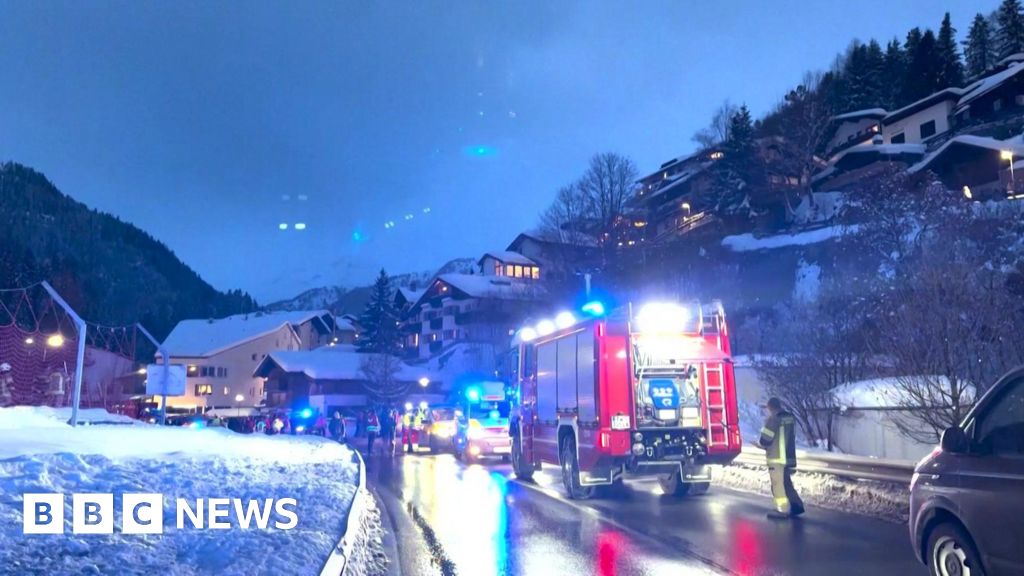
In a tragic turn of events, a man skiing with his son was among those who lost their lives in the devastating avalanche that struck the European Alps this past Friday. The incident has catapulted the region’s winter disaster toll to at least 21 lives lost this season, underscoring the escalating risks associated with changing climate patterns and increased recreational activity in mountainous areas. It is a stark reminder that, despite advances in safety technology and rescue operations, nature’s fury remains unpredictable and deadly.

Beyond the immediate human tragedy, this avalanche underscores the broader geopolitical and societal implications of climate change and regional safety policies. The Alps, spanning several nations including France, Switzerland, Italy, and Austria, have long been a shared economic asset, underpinning tourism and local livelihoods. However, climate scientists suggest that rising temperatures are destabilizing snowpacks and increasing the frequency and severity of such natural disasters. According to recent reports from the Intergovernmental Panel on Climate Change, the Alps’ snow cover has decreased significantly over the past decades, amplifying the danger and economic costs associated with winter sports.

This increasing frequency of avalanches has prompted many regional governments and international watchdogs, such as the United Nations Environment Programme, to reconsider their strategies on climate mitigation and disaster preparedness. Yet, critics argue that political inertia and conflicting national priorities hinder effective cooperation, especially in the face of mounting economic pressures from seasonal tourism. Analysts warn that if collective action is not accelerated, the Alps and similar fragile ecosystems worldwide will face continued vulnerabilities, affecting not just local communities but global perceptions of climate resilience and environmental stewardship.

The recent tragedy is also viewed through the lens of geopolitical stability and regional cooperation. European nations depend heavily on cross-border cooperation to manage natural disasters in shared spaces, yet the recurrence of such events exposes the gaps in coordination and resource distribution. As historians like Dr. Elias Barrett note, these crises could either serve as wake-up calls for renewed multilateral efforts or deepen divisions, especially amidst the ongoing energy debates and economic uncertainties gripping Europe. The avalanche’s aftermath has reignited calls for comprehensive safety policies, improved surveillance technology, and early warning systems that could save lives in future incidents.

In the unfolding narrative of our time, these natural disasters are more than isolated tragedies—they are the frontlines of a global struggle to confront environmental change, geopolitical cooperation, and societal resilience. As authorities and citizens grapple with the memory of lives lost and the future risks ahead, history quietly records the moment—on snowy peaks where nature’s power remains unyielding. The way nations respond today will shape the legacy they leave for generations to come, leaving the world to ponder: will this be a turning point in collective action, or a prelude to more devastating chapters in environmental catastrophe?

Chelsea Flower Show Looks for New Sponsors After Mysterious Donors Pull Out

The Chelsea Flower Show, an emblem of global horticultural excellence and a showcase for innovation, is facing a pivotal moment. For decades, the event has depended heavily on corporate sponsors and philanthropic patrons to fund its grandeur, cultural impact, and charitable initiatives. Recently, however, a significant shift has occurred as the mysterious philanthropic couple who invested over £23 million into show gardens since 2022 have withdrawn their support. This development raises questions on the future of Britain’s most storied gardening event and its international influence.

Historically, corporate sponsorship played a dominant role, with brands such as M&G and Range Rover providing the financial backbone for the show’s most renowned displays. Yet, since the 2008 financial crisis and the recent global pandemic, the number of commercial patrons has declined sharply, signaling a broader decline in private sector engagement with high-profile cultural events. In response, the Royal Horticultural Society (RHS) shifted focus to champion charitable causes through the support of garden projects, notably via the initiative, Project Giving Back. Supported by anonymous donors, this movement funded 63 gardens that highlighted social issues and environmental themes, such as native plants and eco-friendly horticulture. Significantly, the innovative “rewilding” garden in 2022—designed to look deliberately unkempt—won the coveted best-in-show award, symbolizing a paradigm shift toward sustainability and natural beauty in gardening.

The current withdrawal of philanthropic support represents a *turning point* for the RHS. With 2027 on the horizon, the organization is seeking new charitable sponsors, aware that the event’s economic model must adapt to an increasingly uncertain funding landscape. Critics and analysts point out that the future of the Chelsea Flower Show hinges on balancing commercial interests with societal and environmental responsibility. Historians like Dr. Jane Matthews note that the event’s history as a platform for both culture and charity underscores its geopolitical significance: it serves as a high-profile international stage for Britain to project soft power, promote environmental awareness, and foster global goodwill. As the show increasingly emphasizes eco-conscious themes, its role in shaping international dialogue on climate resilience and sustainable development becomes even more pronounced.

The last garden sponsored by Project Giving Back will be a dramatic statement, designed by James Basson and featuring striking imagery of cliffs and natural ochre pigments reminiscent of Southern France. This design not only symbolizes a possible glimpse into the future of gardening in a changing climate but also serves as a reminder of the show’s broader role. As international organizations and think tanks analyze the intersection of environmental policy and cultural diplomacy, the Chelsea Flower Show emerges as a vital cultural arena. Yet, the loss of philanthropic support underscores an unsettling reality: without sustained external investment, this global icon risks becoming a relic of bygone eras, its influence diminished in a world where economic and political shifts are reshaping international soft power.

As history continues to unfold, the Chelsea Flower Show stands at the cusp of transformation. Its destiny now intertwined with the ever-shifting currents of global economics, environmental concern, and societal values. The coming years will reveal whether this celebration of horticultural innovation can endure as a beacon of cultural diplomacy or whether it will fade into obscurity amid the relentless tides of change. In the shadow of declining charity and changing priorities, the question remains: what legacy will this iconic event leave for future generations? As the world watches, the story of the Chelsea Flower Show is yet to be fully written—a chapter in a larger narrative of history, resilience, and the enduring power of gardens to inspire and unite.”

Sanders warns: US clueless on AI's rapid rise—slowing down is urgent
Sanders warns: US clueless on AI’s rapid rise—slowing down is urgent

Global Impacts of AI Revolution: A Wake-Up Call for Nations

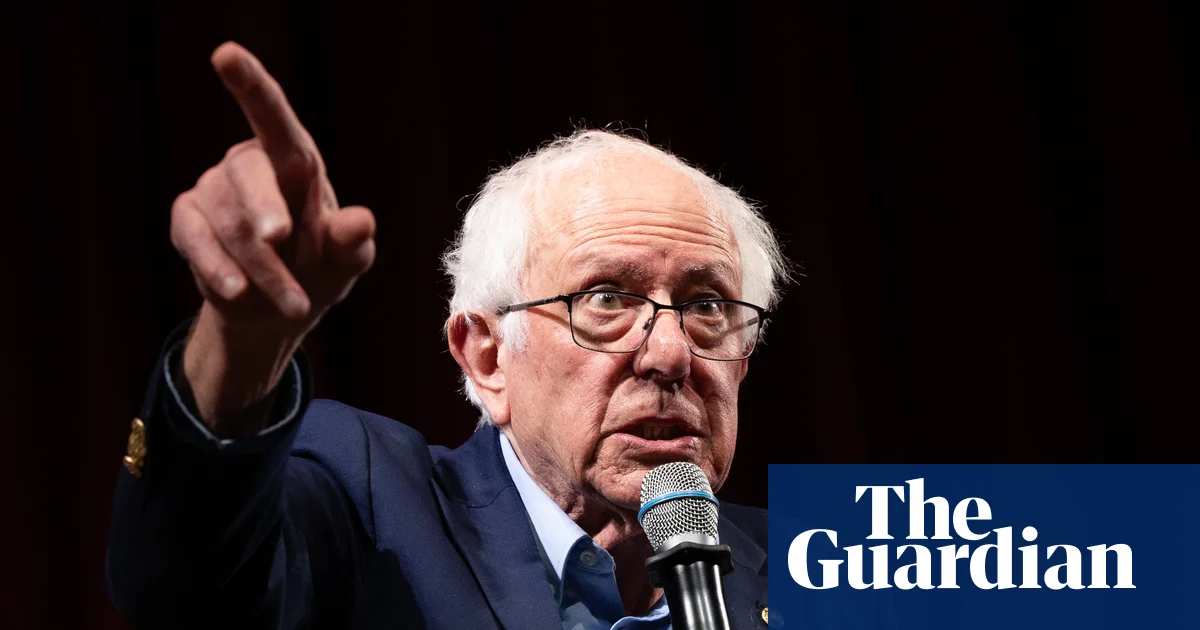
As technology advances at breakneck speed, warning signs from influential voices across political and economic spheres are intensifying. Senator Bernie Sanders recently spotlighted the looming AI revolution at Stanford University, warning that the American public and Congress remain dangerously unprepared. His stark assessment underscores a broader warning that the rapid development of artificial intelligence threatens to reshape societal fabric, employment structures, and international relations in unpredictable ways. This emerging crisis transcends national borders, risking a geopolitical upheaval that could redefine the global order.

Sanders’ call for action coincides with a growing chorus of international voices raising alarms over the unchecked growth of AI systems. While American policymakers grapple with legislative inertia, China, the European Union, and other major actors are making calculated moves to assert control over this disruptive technology. China has accelerated its AI development, emphasizing state-led initiatives aimed at outperforming western counterparts, while the EU pushes for regulatory frameworks intended to safeguard privacy and human rights. In this landscape, the United States faces a critical crossroads: continue rushing forward, risking societal chaos, or adopt a cautious approach that could reshape global technological dominance.

Throughout the debate, figures like analysts and historians warn that the inability to regulate AI’s growth might lead to profound economic consequences. Projections suggest that millions of jobs—ranging from trucking to white-collar sectors—could be lost within the next decade. The International Monetary Fund (IMF) and World Economic Forum have issued warnings about the potential for growing inequality and oligarchic concentration of wealth. These developments threaten to destabilize societies by exacerbating disparities, fueling social unrest, and challenging the legitimacy of democratic institutions. The recent push by Sanders and Khanna for a global rethink — championing measures like a moratorium or strict regulations — signals an urgent effort to alter this trajectory before it is too late.

As nations forge their responses to AI’s uncharted territory, the stakes are unmistakably high; the decisions made today could either pave the way for a future where technology elevates humanity or one where it consolidates power in the hands of a few. The tectonic shifts occurring in politics, economy, and social norms offer a vivid tableau of history in the making. Will nations act decisively to establish rules of engagement that serve the common good, or will they capitulate to the allure of unchecked technological dominance? The world watches, standing at the precipice of a new era — an era that will forever leave its mark on history, if only we have the courage to shape it.

Lebanese Civilians Hit by Israeli Strikes as Tensions Rise

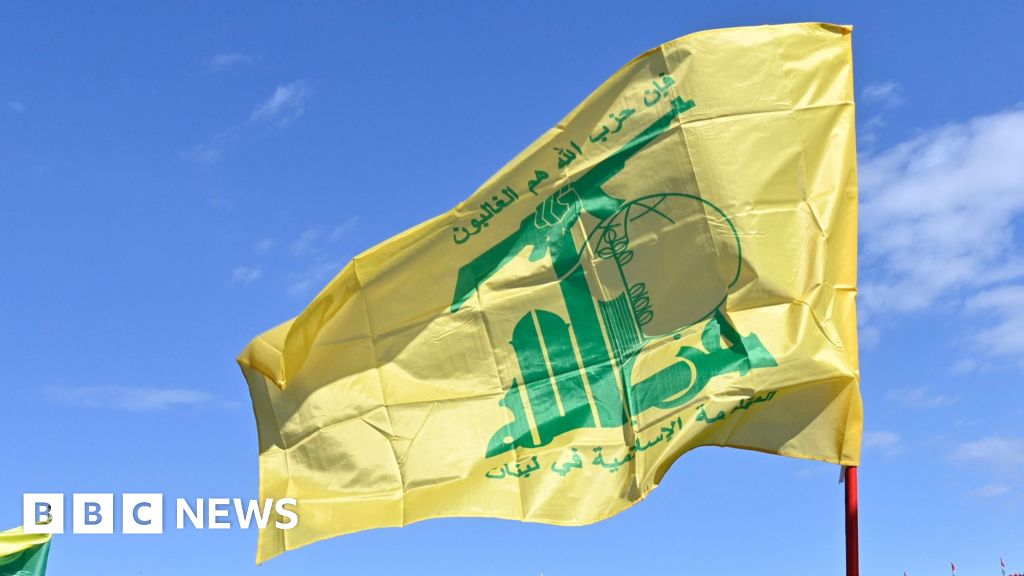
The recent escalation of military activity in Lebanon has taken a significant turn, as reports confirm that a senior Hezbollah official was among those killed in airstrikes targeting the Bekaa Valley and southern Lebanon. This development signals a notable intensification in the ongoing regional conflict, raising urgent questions about the future stability of Lebanon and its implications for broader Middle Eastern geopolitics. The strikes, which struck at the heart of Hezbollah’s operational zones, underscore the growing involvement of external powers, notably Israel and potentially allied nations, in Lebanon’s volatile landscape.

Historically, Hezbollah has been a formidable actor within Lebanon, wielding considerable influence that extends beyond mere military might to include political and social dominance. The loss of key figures within its ranks, particularly senior officials, could significantly weaken its organizational capacity and alter the power balance within Lebanon. Such actions, analysts warn, might ignite an even more intense cycle of violence, with ramifications resonating across regional borders. International organizations, including the United Nations, have reiterated calls for restraint amid fears that this cycle of escalation could spiral into a wider conflict involving multiple regional actors.

In the broader context, this airstrike underscores a shift in regional dynamics whereby external interventions seem increasingly designated to curb Hezbollah’s influence, which states and analysts often describe as a significant destabilizing force. One key turning point has been the rising tension over Iran’s backing of Hezbollah, viewed by many Western and regional powers as the primary catalyst for the militia’s sustained military capacity. The chances of this incident triggering a broader confrontation are compounded by the fact that Lebanon remains fragile—economically devastated, politically fractured, and highly susceptible to external pressures. Historians warn that past conflicts in Lebanon demonstrate how external interventions tend to escalate asymmetric warfare, jeopardizing civil peace and prolonging instability.

The geopolitical impact of this event cannot be overstated. It signals potential shifts in alliances—particularly concerning Israel’s strategic posture in the region, which has long viewed Hezbollah as a primary security threat. In response to recent developments, regional powers are watching closely, aware that such incidents could serve as precursors to larger conflicts. Meanwhile, international actors such as the United States have called for restraint, cautioning against actions that could deepen regional chaos. The turning point in Lebanon’s ongoing struggle exemplifies how narrower conflicts can cascade into broader regional crises, impacting global stability.

Crucially, the death of a senior Hezbollah figure leaves scars that could be felt beyond Lebanon’s borders, echoing in geopolitical chessboards far from Beirut. As history’s pages continue to turn, nations watch anxiously—aware that each decision, each strike, carries the weight of the future. The unfolding story in Lebanon remains a stark reminder of how fragile peace is in a region where the stakes are nothing less than the fate of entire societies—left to be shaped or broken by the relentless tides of history currently in motion and yet to come.

New records reveal US citizen shot by federal immigration agent last year—under Trump admin

Unveiled Tragedy: The Deadly Shooting in Texas and Its Geopolitical Ramifications

In a case that embodies the murky intersection of domestic law enforcement and international border security, newly released records reveal a US citizen, Ruben Ray Martinez, was fatally shot last year by a federal immigration agent during a late-night traffic stop on South Padre Island. The incident, which took place in March 2025, remained under wraps for nearly a year, with authorities only releasing fragmentary details amid mounting questions about transparency and accountability. This tragedy is not an isolated event but part of a broader pattern—at least six deadly shootings by federal officers since the inception of a nationwide immigration crackdown under President Donald Trump’s administration. Such episodes illuminate an unsettling shift in the role of federal agencies in domestic law enforcement and raise pertinent questions about the impact on civil liberties and sovereignty.

From the perspective of international security and geopolitical impact, the incident underscores how U.S. immigration policies directly influence internal stability and perceptions abroad. As U.S. agencies intensify operations in territories bordering Mexico, especially amid the ongoing migration crisis, the risk of escalation and miscalculation increases. Analysts warn that such internal violence, often shielded from public scrutiny, can be exploited by foreign adversaries to undermine U.S. authority in the region. Moreover, controversies surrounding the incident have already ignited local protests and sparked accusations of excessive force—a phenomenon that echoes criticisms historically levied by international watchdogs against U.S. law enforcement.

According to documents obtained by

  • American Oversight

, the incident involved a Homeland Security Investigations (HSI) team collaborating with local police—highlighting the expanding role of federal agencies in routine law enforcement, especially in high-tension borders and tourist destinations. The shooting occurred after the driver, Martinez, allegedly accelerated towards an agent, prompting the latter to fire multiple rounds. Details remain scarce, with the names of the agents involved redacted; however, the incident raises crucial questions about treatment of civilians in police encounters and the lack of transparency that often accompanies federal operations. This opacity risks fueling distrust in institutions charged with enforcing the country’s laws, especially among communities of Hispanic descent, which are disproportionately targeted in immigration enforcement efforts.

From a broader geopolitical stance, international organizations like the United Nations and Human Rights Watch have long criticized such internal violence, framing it as symptomatic of a deeper crisis—that of mass migration, border security, and national sovereignty. Meanwhile, the U.S. government faces mounting pressure from segments of the media and political spectrum to justify these aggressive enforcement tactics. As historians and policy analysts observe, each of these incidents forms part of a larger narrative that could redefine America’s domestic and international stature. Will the nation address these underlying issues or continue on its current trajectory, risking further escalation and international condemnation? The unfolding story of Ruben Ray Martinez’s death remains a critical warning—one that signals a reckoning on questions of justice, policy, and power that will shape the fabric of the nation for decades to come.

Trump teases limited military strike on Iran, fueling tensions among youth conservatives

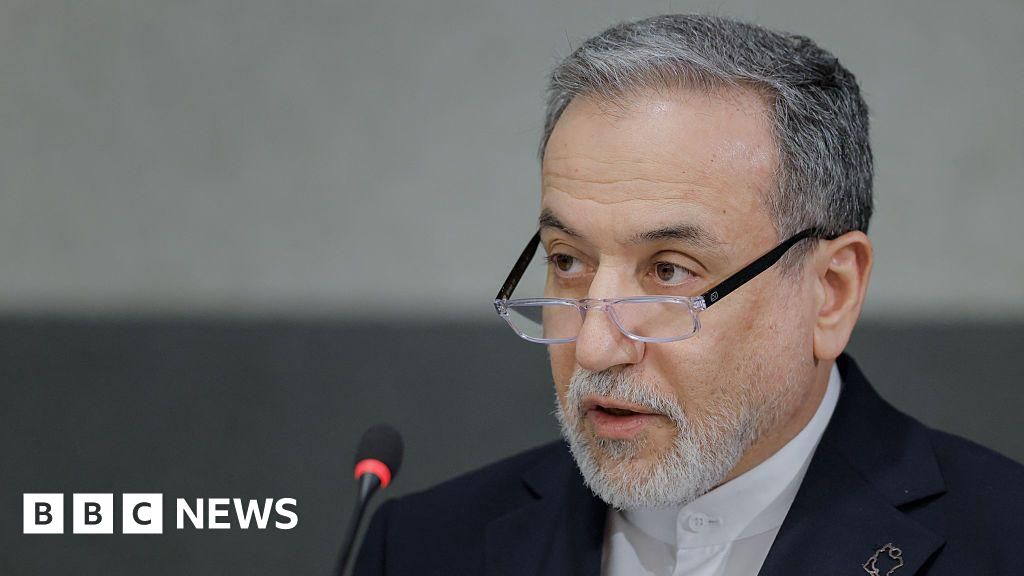
In a rapidly evolving geopolitical landscape, President Donald Trump issued a stark new threat against Iran just days after he suggested the Middle Eastern nation had approximately ten days to accept a comprehensive deal aimed at restricting its nuclear ambitions. This provocative stance underscores a broader shift in U.S. foreign policy, emphasizing maximized pressure and increased brinkmanship. The timing and rhetoric raise fresh concerns over the potential unraveling of diplomatic efforts that have sought to stabilize the region and prevent the proliferation of nuclear weapons.

The immediate aftermath of Trump’s announcement has already reverberated across global capitals and international institutions. Major powers such as Russia and China, along with European allies, have expressed alarm over what many interpret as a return to a confrontational posture that risks plunging the region into renewed instability. The United Nations Security Council and other multilateral platforms are closely monitoring developments, with some analysts warning that miscalculations or accidental escalations could ignite regional war or diminish fragile diplomatic gains made over recent years. These fears are compounded by recent historical patterns where diplomatic deadlines have often precipitated crises, energizing hawks who favor an uncompromising approach towards Iran’s nuclear program.

Generally perceived as a critical juncture in ongoing negotiations, the situation has sparked commentary from historians and security experts warning against the dangers of rigid ultimatums. Notably, international organizations like the International Atomic Energy Agency (IAEA) stress the importance of sustained diplomacy. “Decisive actions that ignore the complex web of regional and global interests risk undermining decades of diplomatic progress,” said Dr. Laura Matthews, a renowned geopolitical analyst. Her words echo concerns among many in the international community who view Iran’s nuclear pursuits less as an immediate threat and more as a complex negotiation with significant long-term implications for global security and regional stability.

  • The recent escalation underscores the fragile balance of power in the Middle East, where alliances are shifting and mistrust runs deep.
  • U.S. allies in Europe and the Gulf Cooperative Council have issued mixed responses, with some urging restraint and others expressing support for a firm stance.
  • Diplomatic efforts, including recent talks in Vienna and Geneva, aim to revitalize the 2015 Joint Comprehensive Plan of Action (JCPOA), yet these negotiations now face unprecedented hurdles.

As the world watches with bated breath, the unfolding drama risks settling into a decisive moment that could determine the future of global peace and security. The complex interplay of national interests, ideological divides, and historical grievances suggests that this is more than a simple matter of diplomacy—it is a test of the international community’s collective will. The decisions made in this critical window could either usher in a new era of cooperation or plunge entire regions into chaos. The weight of history presses heavily on the shoulders of current leaders, and once the course is set, the ripple effects will resound for generations to come, transforming the geopolitical landscape in ways yet unforeseen. Here, at this precipice, the world stands on the edge of a new chapter—one that will be written by those who dare to shape the future amidst the shadows of past conflicts.

California Bill Would Keep ICE Away from Polling Places—Protecting Your Vote

California’s Bold Move to Safeguard Voting Rights in a Divided America

In an era where the United States remains polarized, the recent introduction of a bill in California reflects a decisive stance on safeguarding electoral integrity amidst mounting tensions. Sponsored by state senator Tom Umberg and co-authored by Sabrina Cervantes, this legislation aims to protect voters by barring federal immigration agents, notably ICE, from stationing themselves near polling places during the upcoming midterm elections. The bill explicitly forbids federal agents from conducting enforcement actions within 200 feet of voting locations, citing concerns about potential intimidation and interference. This move underscores how domestic policy decisions are intertwined with international narratives about sovereignty and the preservation of democratic norms.

The legislation arrives in a context where former President Donald Trump and right-wing figures like Steve Bannon have amplified narratives alleging widespread voter fraud—claims that have repeatedly been debunked but continue to fuel political strategies. Trump’s call for voters to “nationalize” and “take over” voting in at least 15 locations reflects an alarming willingness to blur the lines between federal authority and partisan interests. These claims, dismissed by election security experts and international observers, serve as a pretext for advocates like California’s lawmakers to assert state-level protections against what they see as federal overreach. Analysts warn that such rhetoric threatens to undermine confidence in electoral processes, with long-term impacts on the stability of democratic institutions.

Adding geopolitical weight to the debate, international organizations have expressed concern about the potential erosion of electoral legitimacy driven by internal conflicts and misinformation campaigns. Historians note that extreme measures taken to manipulate or influence elections often echo tactics used by authoritarian regimes to consolidate power. The bill’s expansion of buffer zones and voting protections signals a commitment to uphold democratic principles, yet critics argue it also feeds into a narrative of crisis—one that could justify further federal intervention or inspire similar measures across other U.S. states. As the country teeters on the edge of an electoral precipice, the decisions made today could reverberate through generations, shaping how sovereign nations grapple with internal conflicts and external pressures alike.

International observers and political analysts emphasize that the stakes extend beyond California’s borders. The geopolitical impact of these domestic policies is profound: they exemplify a broader trend where internal disputes over sovereignty influence global perceptions of America’s stability. Historically, moments of internal strife, whether through civil war or political crises, have had ripple effects that reach far into international stability. As U.S. leaders prepare for a fiercely contested midterm season, the unfolding story of electoral security and federal-state conflicts remains a dramatic testament to the fragile architecture of democracy itself. The pages of history continue to turn, and with each chapter, the weight of human aspiration and the specter of authoritarian temptation hang in the balance, warning the world that the fight for free elections is a battle for the soul of nations.

Social Media Auto Publish Powered By : XYZScripts.com