Matox News

Truth Over Trends, always!

Hamas Leadership Vacuum Deepens Amid Israeli Strikes and Civilian Disconnect

The killing of a newly appointed military chief underscores Israel’s persistent campaign against the group’s hierarchy, as ordinary Gazans appear increasingly detached from Hamas’s agenda.

An Israeli airstrike in Gaza City recently eliminated Mohammed Odeh, the newly appointed head of Hamas’s military wing, according to Israeli and later confirmed Hamas reports. This significant blow to Hamas leadership comes as Israel continues its concerted effort to dismantle the group’s command structure following the October 7, 2023, attacks. The strike, occurring just before the Eid al-Adha holiday, has further highlighted a growing and concerning disconnect between the militant organization and the long-suffering civilian population of Gaza.

Targeting Hamas’s Command Structure

Israeli officials identified Odeh as one of the principal architects of the October 7 massacre, signaling the strategic importance of his elimination. His appointment only days prior to the strike, replacing senior commander Izz al-Din al-Haddad, indicates the rapid succession and vulnerability within Hamas’s military echelons. Prime Minister Benjamin Netanyahu and Defense Minister Israel Katz affirmed Israel’s unwavering commitment to neutralize those responsible for the terror attacks, stating that justice would be served. The sustained campaign against key figures like Odeh is central to Israel’s declared objective of eradicating Hamas’s operational capabilities.

A Growing Chasm with Gazan Civilians

Strikingly, mere hours after the airstrike that killed Odeh and members of his family, Gaza’s streets and Eid markets were reportedly bustling with activity. Video footage reviewed by Fox News Digital depicted crowded scenes of families shopping and children celebrating, with little overt reaction to the death of a senior Hamas commander. This stark contrast underscores a profound and widening gap between Hamas’s leadership and the daily realities of Gazan civilians. After nearly three years of conflict, which has resulted in tens of thousands of Palestinian casualties – figures from the Hamas-run Gaza Health Ministry do not differentiate between combatants and civilians – and widespread displacement, the population appears exhausted by war.

The apparent apathy reflects a broader sentiment among many Gazans and regional analysts: a deep weariness with the conflict and a perceived detachment from Hamas’s objectives.

Strategic Implications for Hamas’s Future

The consistent targeting of high-ranking officials is creating a tangible vacuum within Hamas’s operational command. Hadeel Oueis, editor-in-chief of Jusoor News, emphasized that these assassinations are generating “a clear vacuum” within the organization, weakening vital coordination between leaders within Gaza and those operating abroad. This fragmentation is not merely an internal challenge; it signals a potential shift in Hamas’s overall structure and influence.

The pressure from Israel’s campaign, coupled with internal disarray, suggests a future where Hamas may struggle to maintain its former centralized command.

  • Diminished operational coordination.
  • Increased competition with other armed factions in Gaza.
  • A struggle for organizational survival rather than expansion.
  • Challenges in maintaining a unified front against Israeli forces.

Such developments indicate a significant weakening of the group’s capacity to govern or effectively prosecute its agenda.

“Hamas is turning into a smaller militia competing with other armed groups operating in Gaza.”— Hadeel Oueis, Jusoor News

As Israel continues its determined pursuit of those responsible for the October 7 atrocities, the landscape of power within Gaza is undergoing significant transformation. The ongoing erosion of Hamas leadership presents the group with an existential crisis, forcing it to contend not only with external military pressure but also with a populace increasingly disengaged from its cause. The long-term implications for regional stability and the future governance of Gaza remain profoundly uncertain, yet the immediate reality points to a terrorist organization struggling to maintain cohesion and control amidst relentless pressure.

Russian Drone Strike Injures Civilians in NATO Member Romania

A Russian drone strike has caused injuries and significant alarm within NATO member Romania, after crashing into a residential apartment building in the city of Galați. The incident, occurring amidst an overnight barrage of Russian drone attacks on neighboring Ukraine, represents a concerning escalation, marking the first time civilian casualties have been reported on Romanian soil due to such an event.

Romanian authorities confirmed the drone entered national airspace before impacting the residential structure, igniting a fire and prompting emergency responses. This direct hit on a populated area within a NATO nation underscores the volatile nature of the ongoing conflict and the imperative for robust collective defense.

Direct Impact on a NATO Nation’s Territory

The incident unfolded early Friday morning as Russia conducted extensive drone operations against targets in neighboring Ukraine, particularly near the Romanian border. According to Romania’s Ministry of Defense, the drone was tracked by radar systems before it crashed onto the roof of a residential apartment building in the southern municipality of Galați. The subsequent explosion and fire on the tenth floor necessitated immediate evacuation of residents.

This event marks a critical moment, moving beyond mere airspace violations to direct physical harm on civilian infrastructure and individuals within a member state of the North Atlantic Treaty Organization. The proximity of the conflict continues to test regional stability and the resolve of international institutions.

Civilian Casualties and Romania’s Firm Response

The impact of the drone strike resulted in injuries, with a woman and her child requiring hospitalization for minor wounds. Additionally, two other individuals were treated at the scene for panic attacks, highlighting the psychological toll of such an intrusion. Seventy residents were evacuated from the affected building, and emergency services swiftly brought the fire under control after the drone’s explosive payload detonated upon impact.

Romania has responded with a clear stance, describing the drone’s flight path and subsequent crash as a serious violation of international law. According to reports from The Associated Press, Bucharest has formally requested additional anti-drone capabilities from NATO, emphasizing the need for enhanced protection against future incursions. This proactive measure reflects the nation’s commitment to safeguarding its citizens and its territory, reinforcing the principle of collective defense that underpins the NATO alliance.

This incident marks a serious violation of international law and a direct threat to civilian safety within NATO territory, demanding a robust and unified response.

Persistent Airspace Violations and Regional Security

Friday’s incident, while unprecedented in its direct civilian impact, is not an isolated event. Romania has reported more than two dozen instances of Russian drones entering its airspace since Moscow launched its full-scale invasion of Ukraine. These repeated violations have consistently raised alarms about the potential for unintended escalation and the integrity of NATO’s eastern flank.

The pattern of incursions underscores several critical concerns:

  • Escalating Risk: The frequency of these incidents increases the risk of miscalculation or accidental engagement, with severe geopolitical consequences.
  • NATO’s Vigilance: It highlights the continuous need for NATO members, particularly those bordering the conflict zone, to maintain high levels of vigilance and advanced air defense systems.
  • International Law: Each violation represents a disregard for national sovereignty and established international norms, challenging the framework of global order.

The latest Russian drone strike serves as a stark reminder of the persistent threats emanating from the conflict in Ukraine. It reinforces the necessity for unwavering international support for Ukraine, alongside a strengthened and unified NATO posture to deter further aggression and protect the security of its member states. The stability of the Black Sea region and the broader European continent hinges on a clear and resolute defense of territorial integrity and civilian safety.

Moscow Solidifies Military Pact with Taliban, Reshaping Central Asian Dynamics

A new geopolitical chapter is unfolding in Central Asia as Russia and Afghanistan’s Taliban government have reportedly formalized a military cooperation pact. This agreement, a significant development following the U.S. departure from Afghanistan, underscores Moscow’s deepening influence in a strategically vital region and marks a notable shift in international relations.

Deepening Ties and Strategic Overtures

The **Russia Taliban military pact** was reportedly finalized at an international security forum in Russia, drawing attention from global observers. Key participants included Russian Security Council Secretary Sergei Shoigu and Afghan Defense Minister Mohammad Yaqoob. Yaqoob, the son of Taliban founder Mullah Mohammad Omar and a former military chief, confirmed his attendance via the Taliban Defense Ministry on X, highlighting the high-level nature of the discussions.

While the specific details of the new military agreement remain undisclosed by both Moscow and Kabul, the intent appears clear. Yaqoob emphasized the desire to expand what he termed “long and historical relations” between Afghanistan and Russia, signaling a mutual commitment to strengthening bilateral ties.

Moscow’s Evolving Posture Towards Kabul

This military cooperation pact follows earlier, increasingly pragmatic statements from senior Russian security officials. Moscow has reportedly established a “full-fledged partnership” with the Taliban, actively encouraging other regional countries to deepen their ties with Kabul, as reported by News Desk.

The Taliban regained power in August 2021 after the swift collapse of the U.S.-backed Afghan government. In the years since, Russian President Vladimir Putin has shown a remarkable shift in rhetoric. He previously acknowledged the possibility of removing the Taliban from Russia’s official list of terrorist organizations. By 2024, Putin had publicly referred to the Taliban as “allies,” signaling a significant and pragmatic recalibration of Moscow’s foreign policy towards the regime in Afghanistan.

Implications for Regional Order and Security

This burgeoning **Russia Taliban military pact** has substantial implications for the stability and order of Central Asia. The alliance could reshape existing security architectures and influence the complex dynamics among neighboring states, many of whom share borders with Afghanistan.

Concerns persist regarding the potential for extremist elements to exploit regional instability. This development serves as a stark reminder of the historical links between the Taliban and groups like Al Qaeda, which orchestrated the 9/11 attacks from Afghan soil under Taliban protection. Matox News maintains that fostering **pro-institutions** and **pro-order** governance is paramount for lasting peace and security in any region. This latest development, therefore, demands careful observation from the international community.

Afghanistan and Russia have long and historical relations. In this direction, we want to move further. We have expanded bilateral relations.”

The formalization of military ties between Moscow and the Taliban represents a bold strategic move by Russia to solidify its position in Central Asia. As this alliance takes shape, the world watches closely for its long-term consequences on regional stability, international counter-terrorism efforts, and the future diplomatic recognition of the Taliban regime.

US-Iran Ceasefire Deal Nears as Nuclear Talks Loom

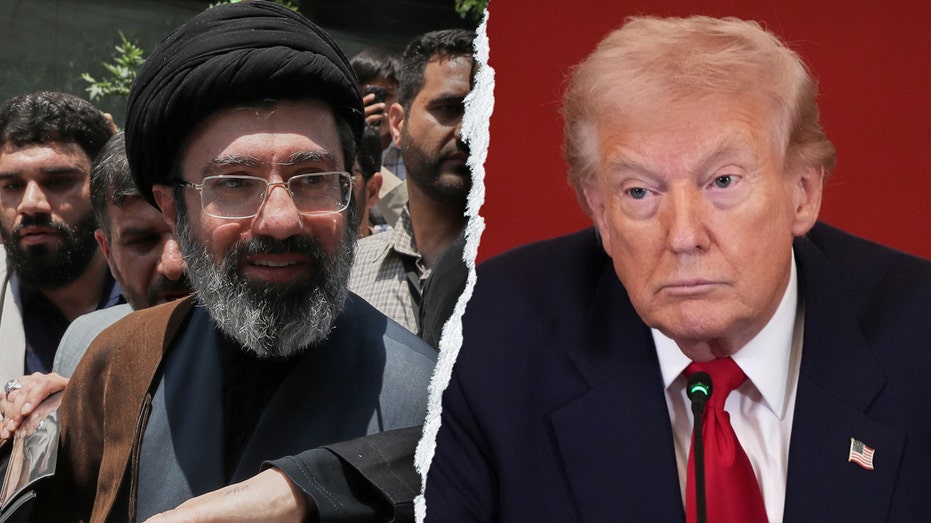
High-stakes negotiations between the United States and Iran appear to be on the cusp of a breakthrough, with officials indicating that a framework for a US-Iran ceasefire deal has been largely agreed upon. However, final approval from both President Trump and Iran’s leadership remains pending, casting a cautious shadow over the promising developments.

Diplomatic Progress Amid Caution

Sources close to the negotiations, speaking anonymously to the BBC, revealed that a preliminary agreement is in place. This framework aims to extend a current ceasefire for 60 days, providing crucial breathing room for further diplomatic engagement. Despite this progress, Senator Vance, a key figure in the discussions, tempered expectations, stating that while the sides are ‘very close’ to a deal, they are ‘not there yet.’ He emphasized the premature nature of predicting when or if a final accord would be reached.

The Stakes: Ceasefire and Nuclear Future

The proposed agreement is designed to serve as a vital precursor to broader discussions. Beyond the immediate ceasefire extension, the framework reportedly includes provisions to launch substantive talks concerning the future of Iran’s nuclear program. This aspect of the potential deal underscores the significant long-term implications for regional stability and global non-proliferation efforts. Resolving the nuclear question has been a cornerstone of international diplomacy concerning Iran for decades, and any movement towards a verifiable and lasting solution would be a monumental step.

It remains too early to say when or if the two sides will finalize an agreement. This underscores the delicate balance of high-level international diplomacy.

Official Confirmation Awaited

While US officials communicated the agreement’s framework to the BBC, official confirmation from both Washington and Tehran is still outstanding. Iran’s semi-official Tasnim news agency, often a barometer of the Islamic Republic’s stance, reported that the deal has not been finalized or confirmed, highlighting the internal processes and political sensitivities on the Iranian side. The cautious approach from both parties suggests a recognition of the complex political landscapes they navigate, where domestic approval can be as challenging as international consensus.

The path forward for a comprehensive US-Iran ceasefire deal remains fraught with challenges, yet the reported progress offers a glimmer of hope for de-escalation and structured dialogue. The coming days will be critical as both President Trump and Iran’s leadership weigh the implications and potential benefits of formalizing this crucial diplomatic step. The world watches keenly as these two nations navigate a delicate period, with the potential to reshape security dynamics in the Middle East.

Russia Clinches Major Kazakhstan Nuclear Plant Deal, Bolstering Regional Influence

ASTANA – Russia has finalized a landmark agreement with Kazakhstan to construct the Central Asian nation’s first commercial nuclear power plant. This significant $16.5 billion project is widely viewed as a major geopolitical and economic triumph for President Vladimir Putin’s administration, further cementing Moscow’s regional standing.

Signed during high-level bilateral discussions in Astana between President Putin and Kazakh President Kassym-Jomart Tokayev, the deal will see a substantial portion of the project, approximately 85% of the total cost, backed by a Russian export loan, as reported by Reuters.

Bolstering Moscow’s Regional Influence

The agreement represents a clear advancement of the Kremlin’s strategic efforts to reinforce its economic and geopolitical sway within former Soviet states. This move comes at a time when Western sanctions continue to challenge Russia’s international economic ties, making strong alliances with neighboring nations even more critical. Russia’s state-run nuclear corporation, Rosatom, has been mandated to lead the construction near the village of Ulken in southeastern Kazakhstan, along the shores of Lake Balkhash. This leadership role for Rosatom, a key state entity, underscores the strategic nature of the partnership.

Kazakhstan, the world’s largest producer of uranium, holds a unique position in the global nuclear energy landscape. The decision to entrust Russia with this pivotal project highlights the enduring historical and strategic ties between the two nations, despite competition from other global players.

Kazakhstan’s Quest for Energy Stability

For Kazakhstan, the nuclear power facility is designed to provide a much-needed long-term solution for its domestic energy supply. The nation has grappled with an aging, coal-reliant power infrastructure and persistent electricity deficits for more than two decades. The new plant is expected to stabilize its energy grid, supporting both industrial growth and residential needs.

President Tokayev emphasized the importance of the project at the signing ceremony, stating that the agreement on the construction of the Balkhash NPP holds an “important role” for the country’s future. This investment is crucial for Kazakhstan to meet its growing energy demands and transition away from older, less efficient power sources.

“The commissioning of the plant will make a significant contribution to the energy supply of the Kazakh economy, helping to provide businesses and households.” – President Vladimir Putin

Global Competition for Nuclear Dominance

Rosatom secured the primary construction mandate following a competitive bidding process. The Russian firm successfully outmaneuvered other major international contenders, including China National Nuclear Corp., France’s EDF, and Korea Hydro & Nuclear Power. This victory highlights Russia’s continued prowess in nuclear technology exports and its ability to compete effectively on the global stage, even against strong contenders from established and emerging nuclear powers.

The successful bid by Rosatom demonstrates Russia’s commitment to maintaining its leadership in peaceful nuclear energy development and underscores the significant trust placed in its capabilities by Kazakhstan.

The completion of the Kazakhstan nuclear plant will undoubtedly reshape the energy landscape of Central Asia, offering critical energy independence to Kazakhstan while simultaneously strengthening Russia’s strategic footprint in a vital geopolitical region. This partnership marks a tangible step towards both energy security for Kazakhstan and enhanced regional stability anchored by strong bilateral ties.

Gaza City Strike: Israel Targets Hamas Commander Amid Civilian Casualty Reports

Recent operations in the Gaza Strip have again underscored the complex and tragic realities of urban conflict, with an Israeli strike reportedly targeting a senior Hamas figure also leading to civilian deaths, including children.

An Israeli military operation in Gaza City has reportedly killed a senior Hamas commander, Imad Asleem, along with several civilians, including at least five children. The strike, which the Israeli military confirmed was aimed at “two central Hamas terrorists,” has drawn renewed attention to the devastating impact of the ongoing conflict on the region’s populace.

Precision Strikes Against Terrorist Leadership

The Israeli Defense Forces (IDF) have intensified their efforts to dismantle the leadership structure of Hamas, identifying its commanders as legitimate military targets. Thursday’s operation in the northern Gaza Strip specifically targeted Imad Asleem, described as a local Hamas battalion commander. According to reports, Asleem was killed alongside his teenage daughter, Israa, and was buried on Thursday, a detail also noted by the News Desk. These targeted strikes are part of a broader strategy to degrade Hamas’s operational capabilities and command-and-control networks within the densely populated enclave.

Civilian Toll and Urban Warfare Challenges

The strike, while aimed at a declared terrorist, has tragically resulted in significant civilian casualties. Gaza City hospitals have reported multiple fatalities, with at least five children among those killed. Footage circulating after the attack depicted a severely damaged residential building in central Gaza City, alongside destroyed tents within a neighboring displaced persons’ camp. These images serve as a stark reminder of the inherent difficulties and devastating consequences when military operations occur in urban environments, where civilian populations are often caught in the crossfire. The protection of non-combatants remains a paramount concern for international observers and humanitarian organizations.

“The protection of non-combatants remains a paramount concern for international observers and humanitarian organizations.”

Escalating Operations Amidst Persistent Conflict

This latest strike follows a series of Israeli operations targeting senior Hamas figures in Gaza. The consistent focus on high-value targets reflects Israel’s commitment to eradicating the terrorist group’s infrastructure and preventing future aggressions. While the military maintains its right to self-defense and the necessity of these operations, the humanitarian toll continues to mount, creating immense pressure on all parties involved. The international community watches closely, urging de-escalation while acknowledging the complexities of confronting a terrorist organization embedded within civilian areas.

As the conflict persists, the delicate balance between legitimate military objectives and the imperative to safeguard civilian lives remains a critical challenge. The incident in Gaza City underscores the urgent need for strategies that minimize harm to innocent bystanders while effectively countering extremist threats. The repercussions of such strikes resonate far beyond the immediate impact, influencing regional stability and the prospects for a lasting peace.

US Strikes Iranian Military Site Amid Strait of Hormuz Tensions

In a significant development for regional security, the United States military has conducted fresh strikes on an Iranian military site located in Bandar Abbas, a strategically vital port city. The actions, confirmed by US Central Command (Centcom), also involved the successful neutralization of four Iranian attack drones that posed a threat around the Strait of Hormuz.

Centcom reported that its forces targeted an Iranian ground control station in Bandar Abbas, specifically as it was preparing to launch a fifth drone. This decisive intervention underscores the persistent tensions in a waterway crucial for global energy supplies.

Defensive Posture in a Critical Waterway

The US military characterized its operations as “measured, purely defensive, and intended to maintain the ceasefire” currently in place. The Strait of Hormuz, a narrow sea passage between the Persian Gulf and the Gulf of Oman, is a choke point through which a substantial portion of the world’s oil transits daily. Maintaining its security and freedom of navigation is paramount for global economic stability.

The targeting of the ground control station and the downing of one-way attack drones highlight the ongoing challenges to maritime security. Such actions, while defensive, signal the US commitment to safeguarding international shipping lanes and deterring escalatory behavior in the region.

Fragile Ceasefire and Economic Impact

These latest strikes unfold against a backdrop of a fragile ceasefire between the US and Iran, coupled with protracted negotiations aimed at resolving a three-month-long conflict. This prolonged instability has severely impacted traffic within the Strait of Hormuz, contributing to a notable surge in global energy prices.

The Matox News desk understands that continued disruptions in this vital maritime artery carry significant implications for international trade and the free market. The need for a stable and predictable environment for global commerce remains a central concern for allied nations and economic stakeholders worldwide.

“Our actions were measured, purely defensive, and intended to maintain the ceasefire, ensuring stability in a critical global waterway.”

Upholding Order and International Norms

The US engagement, as articulated by Centcom, reinforces the principle of upholding international order and maritime freedom. Disruptions in key transit points like the Strait of Hormuz not only threaten regional peace but also have a cascading effect on global supply chains and economic well-being. The proactive interception of threatening drones and the targeting of their launch capabilities demonstrate a commitment to preventing further escalation and protecting established international norms.

As negotiations continue, the focus remains on achieving a lasting resolution that respects sovereignty, deters extremism, and ensures the unhindered flow of global commerce through one of the world’s most strategic maritime passages. The international community watches closely, advocating for dialogue and adherence to agreements to prevent further destabilization.

Israel Issues Major Evacuation Order in Southern Lebanon Amid Hezbollah Tensions

The Israel Defense Forces (IDF) have issued a sweeping evacuation order for significant parts of southern Lebanon, designating areas south of the Zahrani River as “combat zones.” This directive marks a serious escalation in the ongoing tensions with the Iran-backed militant group Hezbollah, instructing residents to relocate approximately 40 kilometers (25 miles) from the border.

This latest order, the largest of its kind since a ceasefire took effect on April 17, encompasses roughly 14% of Lebanese territory. The IDF has warned it will act “with extreme force” in response to what it describes as repeated violations of the truce by Hezbollah, signaling a potential expansion of military operations in the region.

IDF Declares Expansive New “Combat Zones”

The Israeli military’s announcement specifically targets all areas south of the Zahrani River, urging civilians to move northward for their safety. This strategic declaration underscores Israel’s resolve to counter Hezbollah’s activities, which it views as direct threats to its northern borders and civilian populations. The scale of this Israel evacuation order is unprecedented in the current ceasefire period, reflecting a significant shift in Israel’s operational posture.

For weeks, the delicate ceasefire has been tested by intermittent exchanges. However, the IDF’s latest move suggests a diminished tolerance for continued provocations. The emphasis on “extreme force” indicates a readiness to undertake more robust actions to secure its borders and deter future attacks from Hezbollah.

Escalating Hostilities and Mutual Accusations

The evacuation order follows a period of heightened military activity. Earlier on Wednesday, Israeli forces carried out strikes on the southern Lebanese city of Tyre. These actions were reportedly in response to Hezbollah drone attacks targeting Israeli troops operating in southern Lebanon and civilians in northern Israel.

Hezbollah, for its part, has also accused Israel of violating the ceasefire and reported clashes between its fighters and Israeli troops. Israeli Prime Minister Benjamin Netanyahu had previously indicated an expansion of ground operations, a statement that now appears to be manifesting in this latest operational directive. The cycle of accusation and counter-accusation highlights the profound fragility of the current truce.

  • April 17: Initial ceasefire takes effect, aiming to de-escalate cross-border hostilities.
  • Recent Weeks: Reports of intermittent rocket fire, drone attacks, and skirmishes continue.
  • Wednesday’s Events: Israeli strikes in Tyre, Hezbollah reports clashes, followed by the IDF’s evacuation order.

“Israel vows to act with ‘extreme force’ against continued Hezbollah provocations in southern Lebanon, underscoring the fragility of the current ceasefire.”

Implications for Regional Stability and Order

The dramatic expansion of declared combat zones and the mass evacuation order carry grave implications for regional stability. The immediate concern is the humanitarian impact on Lebanese civilians now displaced, and the potential for a wider conflict to erupt should either side miscalculate or intensify their actions further. As reported by News Desk, the situation remains highly volatile, demanding careful diplomatic engagement to prevent a full-scale confrontation.

From a conservative perspective, the priority remains the protection of civilian lives and the enforcement of international agreements. Hezbollah’s persistent violations of the ceasefire undermine efforts towards peace and order, forcing Israel to take decisive, albeit escalatory, measures to safeguard its sovereignty and citizens. The international community must impress upon all parties the imperative of de-escalation and adherence to established protocols to prevent a catastrophic regional war.

The coming days will be critical as both sides navigate this perilous escalation. The focus remains on preventing further loss of life and restoring a semblance of stability to a volatile border region.

Czech Republic Pledges Support for Trump's Hormuz Security Initiative
Czech Republic Pledges Support for Trump’s Hormuz Security Initiative

Prague is aligning closely with Washington on critical security matters, including NATO and Israel, as it prepares to assist in protecting freedom of navigation in the strategically vital Strait of Hormuz.

The Czech Republic has pledged its robust support for the Trump administration’s initiative to safeguard the Strait of Hormuz, a critical global oil transit choke point. Czech Foreign Minister Petr Macinka confirmed Prague’s readiness to contribute specialized capabilities during an exclusive interview with Fox News Digital at the United Nations, underscoring the severe global threat posed by Iran.

Strategic Alignment on Global Security

Speaking from the United Nations in New York, Minister Macinka highlighted the Czech Republic’s strong alignment with the Trump administration across key security domains, including NATO and its unwavering support for Israel. This strategic partnership extends to the vital task of securing international waterways against hostile actors.

Macinka stated that Prague had already initiated discussions regarding its potential contribution to securing the Strait of Hormuz. Despite lacking a navy, the nation possesses unique assets that could prove invaluable. “We are ready to contribute to freedom of passage and the Hormuz trade,” Macinka affirmed, noting that the Czech Republic was among the first countries to express such willingness.

Iran’s Multifaceted Threat

The Czech Foreign Minister issued a stark warning regarding Iran’s aggressive posture, identifying four primary ‘war tools’ that pose a significant global risk. These include its clandestine nuclear proliferation efforts, the development and deployment of advanced drones and ballistic missiles, its support for international terrorism, and direct threats to the Strait of Hormuz itself.

“Their nuclear military program must be stopped,” Macinka declared, emphasizing the urgent need to counter this escalating danger. “It’s a global risk and global threat.” This assessment aligns with growing international concerns over Tehran’s destabilizing activities in the Middle East and beyond.

Their nuclear military program must be stopped. It’s a global risk and global threat.”

Securing the Chokepoint

The Trump administration has consistently pressed European allies to assume greater responsibility for protecting international shipping lanes, particularly in response to Iranian provocations targeting the Strait of Hormuz. This narrow waterway, connecting the Persian Gulf to the Arabian Sea, facilitates the passage of approximately one-fifth of global oil consumption, making its security paramount for global economic stability.

The Czech Republic’s offer to deploy its unique passive surveillance capabilities demonstrates a practical commitment to collective security. This specialized expertise can play a crucial role in monitoring activity within the strait, enhancing overall situational awareness without requiring a conventional naval presence. Such contributions are essential in a complex geopolitical landscape where threats to global trade and energy supplies persist.

As international tensions persist in the Middle East, the proactive stance of allies like the Czech Republic underscores the importance of a united front against rogue state aggression. Protecting vital global arteries like the Strait of Hormuz is not merely a regional concern but a fundamental requirement for maintaining international order and ensuring economic prosperity worldwide. Prague’s commitment signals a renewed resolve among European partners to share the burden of global security.

Israel Neutralizes Key Hamas Military Leader in Gaza Strike

In a significant development for regional security, Israel Defense Forces (IDF) confirmed Wednesday the successful elimination of Mohammed Odeh, identified as the new head of Hamas’s military wing. The precision airstrike in northern Gaza marks a substantial blow to the command structure of the internationally recognized terrorist organization, further disrupting its operational capabilities.

Odeh, a senior figure within Hamas, was directly responsible for orchestrating critical aspects of the devastating October 7 massacre. His removal underscores Israel’s steadfast resolve to dismantle Hamas’s leadership and hold accountable those behind the brutal attacks against its citizens.

Strategic Elimination Targets Hamas Command

The targeted operation focused on Mohammed Odeh, who had reportedly assumed leadership of Hamas’s military apparatus following the recent elimination of Izz al-Din al-Haddad. According to information released by the IDF, Odeh played a pivotal role in “planning and coordinating Hamas terrorists’ infiltration and attack targets during the October 7 Massacre.” This crucial intelligence highlights the strategic importance of his neutralization in weakening the group’s capacity for future aggression.

Israeli authorities have consistently emphasized their commitment to pursuing all individuals involved in the October 7 atrocities. The elimination of a high-ranking Hamas military leader like Odeh reinforces this policy, demonstrating a proactive approach to national security.

Relentless Pursuit of Justice and Accountability

Following the strike, Israeli Prime Minister Benjamin Netanyahu and Defense Minister Israel Katz issued a joint statement, reaffirming the nation’s dedication to justice. “We will continue to pursue anyone who took part in the October 7 massacre. Sooner or later, Israel will reach them all,” their statement declared, echoing a consistent message from the Israeli government.

The IDF Chief of the General Staff Lt. Gen. Eyal Zamir previously articulated a similar stance after the death of Odeh’s predecessor, stating, “The IDF will continue to pursue our enemies, strike them, and hold accountable everyone who took part in the October 7 Massacre. We will not relent until we reach them all — this is our duty to all those who returned and to all our civilians.” This unwavering resolve forms the bedrock of Israel’s ongoing security operations.

“We will continue to pursue anyone who took part in the October 7 massacre. Sooner or later, Israel will reach them all.”

— Israeli Prime Minister Benjamin Netanyahu

Disrupting the Chain of Command

The elimination of Mohammed Odeh is part of a broader Israeli strategy to systematically dismantle Hamas’s leadership and operational infrastructure. This persistent effort has seen several high-profile figures removed from the terrorist group’s hierarchy in recent months. The succession of leadership within Hamas’s military wing has been repeatedly disrupted, forcing the organization to constantly reorganize and adapt under immense pressure.

Key figures recently targeted include:

  • Izz al-Din al-Haddad: Eliminated earlier this month, Haddad had taken control after the Sinwar brothers.
  • Yahya Sinwar and Mohammed Sinwar: Previous leaders whose elimination triggered the subsequent leadership changes within Hamas’s military structure.

These strategic actions aim to prevent Hamas from rebuilding its military capabilities, particularly in light of the ceasefire agreement violations cited by the IDF following Haddad’s assumption of control. The continued targeting of these leaders, as reported by News Desk, underscores the intensity of the conflict and Israel’s commitment to its security objectives.

The removal of Mohammed Odeh represents a significant operational success for Israel, further degrading Hamas’s ability to plan and execute terror attacks. It sends a clear message that those responsible for acts of terror against Israeli citizens will be held to account, regardless of their position within the organization. As the region continues to grapple with instability, Israel remains vigilant in its pursuit of order and security for its population.

Social Media Auto Publish Powered By : XYZScripts.com