Matox News

Truth Over Trends, always!

LA 2028: 1 Million Tickets for $28—Affordable Olympics for All

LOS ANGELES is set to welcome the world in 2028, but behind the shiny promises of a spectacular Olympic Games lies a complex web of geopolitical implications and economic strategies. As ticket sales commence, organizers emphasize affordability and security, yet questions remain about the broader international message this event transmits amidst a shifting global order. The launch of ticket sales on 9 April, along with a presale for residents in designated cities, underscores an effort to balance accessibility with revenue generation, but the underlying implications for nation-state influence are profound.

While LA28’s organizers promote their ticket prices as comparable or even lower than other major US sporting events, the reality for many fans worldwide paints a different picture. Approximately 5% of tickets will cost over $1,000, a stark reminder of the growing trend towards the commercialization of global sporting spectacles.

  • Large-scale events such as the World Cup and Olympics increasingly cater to the ultra-wealthy, emphasizing a divide that reflects inequality within societies.

Analysts warn that these trends could serve as a harbinger of broader economic shifts, where elite interests overshadow the aspirations of ordinary citizens. Notably, organizations like FIFA and the International Olympic Committee have faced mounting criticism for prioritizing profits over fans’ experience, a concern many see as emblematic of a growing disconnect between global institutions and public sentiment.

The announcement of a verified resale program, with specific platforms like AXS and Eventim designated for official secondary ticket sales, signals a strategic move to combat black-market dealings and ensure ticket security and legitimacy. Yet, this move also highlights the shift towards a carefully monitored and controlled market that echoes broader themes of economic surveillance and regulation at the international level. Critics argue that such measures serve to entrench existing inequalities, enabling wealthier fans to secure tickets while marginalizing ordinary supporters. As international organizations like the United Nations and World Economic Forum analyze the spectacle, they recognize the Olympics as an ideological battleground where global influence is subtly contested.

In the grand arc of history, the 2028 Los Angeles Olympics will serve as a moment of reflection and recalibration for nations and societies worldwide. The decisions made today about ticket pricing, security, and access are far more than logistical concerns—they are intertwined with the larger questions of sovereignty, economic equity, and cultural identity. As international analysts and historians monitor these developments, the enduring lesson remains clear: with every grand event, the world writes another chapter in its ongoing story of power, aspiration, and division. Only time will reveal whether LA28 will be remembered as a symbol of unity or a stark reminder of our fractured global community—an event that, for all its spectacle, still dances on the edge of history’s profound unfolding.

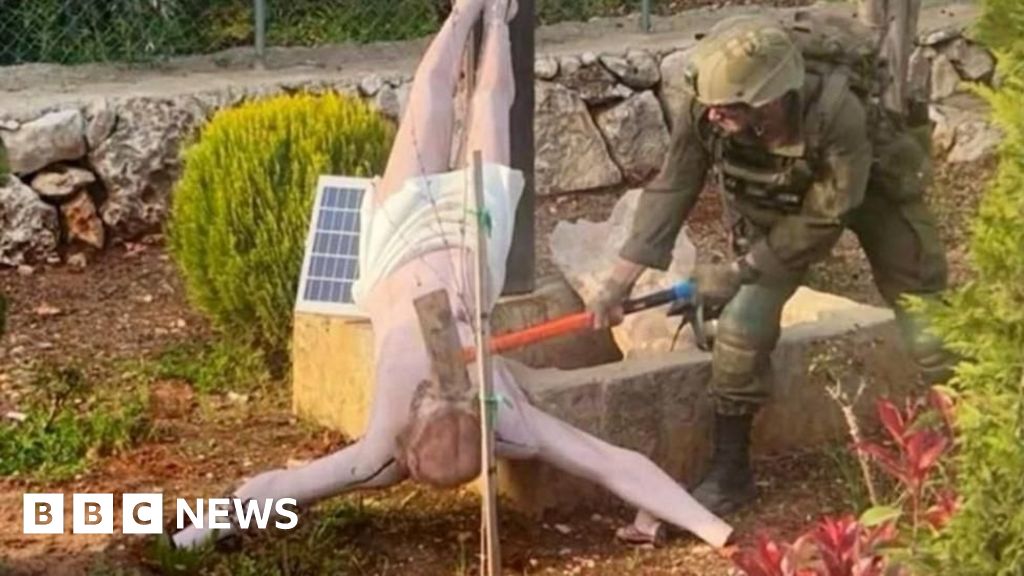
Israel Approves Death Penalty for Palestinians in Lethal Attacks

Israel has made a stark shift in its legal and moral stance with the recent passage of a controversial law that imposes the death penalty on Palestinians convicted of deadly attacks. The legislation, which narrowly passed through the Knesset, stipulates that those found guilty of acts deemed terrorism in the occupied West Bank can now face execution, marking a significant escalation in Israel’s approach to handling terrorism-related crimes. Historically, Israel has rarely employed capital punishment, with the last execution occurring in 1962 for Nazi war criminal Adolf Eichmann. This new law, initiated by the far-right Otzma Yehudit party led by Itamar Ben-Gvir, signals a possible departure from traditional humanitarian and legal standards, raising profound questions about international law and human rights.

Leading international organizations, including the United Nations and the European Union, have condemned the legislation as a dangerous setback for human rights. UN experts warned the bill could violate the right to life and violate the principles of proportionality and judicial discretion. They argue that the law transforms the judicial process into an instrument of vengeance, removing judicial safeguards and allowing military courts in the West Bank to impose death sentences with minimal checks. Moreover, these international voices warn that the method of execution—hung in secret with no visits—constitutes cruel, inhuman, or degrading punishment under international standards. The EU diplomatic service articulated concerns that the law could breach the **absolute prohibition on torture** and ultimately undermine the rule of law in a region already fraught with conflict.

Geopolitical Impact and Societal Consequences

At the heart of this legislation is not just a matter of criminal justice but a strategic move that could reshape the regional dynamics. Israel’s security minister, Itamar Ben-Gvir, has been a vocal advocate, branding this law as a demonstration of strength and resolve of the Israeli state—an attitude he emphasized with his symbolic lapel pin shaped like a noose. Such rhetoric fuels fears of a hardening agenda in the Israeli government and signifies a willingness to escalate tensions at a time when regional stability remains fragile. In practical terms, the bill drastically narrows the avenues for appeal or clemency for Palestinians under occupation, emphasizing reprisal over justice, a move that Palestinian leaders describe as a betrayal of international norms and human dignity.

The Palestinian Authority dismissed the legislation as an attempt to intimidate and humiliate the Palestinian people, further deepening the divide that already threatens the possibility of peace. President Mahmoud Abbas warned such laws would not weaken Palestinian resolve but would instead bolster their fight for independence and international recognition. Its enactment could also have ripple effects across the region, emboldening similar narratives in other conflict zones and inviting a re-examination of Israel’s commitments to democratic principles.

Global Reactions and the Future

Beyond regional politics, this move invites fresh scrutiny from global institutions and Western powers. Britain, France, Germany, and Italy issued a joint statement expressing “deep concern,” emphasizing that the law risks “undermining Israel’s commitments with regard to democratic principles.” Such diplomatic reactions serve as a reminder of the delicate balance between security concerns and adherence to universal human rights standards. Meanwhile, Amnesty International and other advocacy groups have issued harsh warnings, categorizing the law as discriminatory and potentially constituting torture under international law.

As the Israeli Supreme Court considers potential reviews of the legislation, the world watches closely. This chapter in Israeli law marks a profound turning point—a test of how far a nation can go in balancing security and morality, sovereignty and international responsibility. The decision could redefine Israel’s global standing and reflect whether it remains committed to the democratic values it often champions or succumbs to the shadows of its legacy. As history continues to unfold, one thing remains clear: the path taken today will echo through the corridors of time, shaping the narratives of justice, power, and resilience in a region that refuses to stand silent amid the weight of its own history.

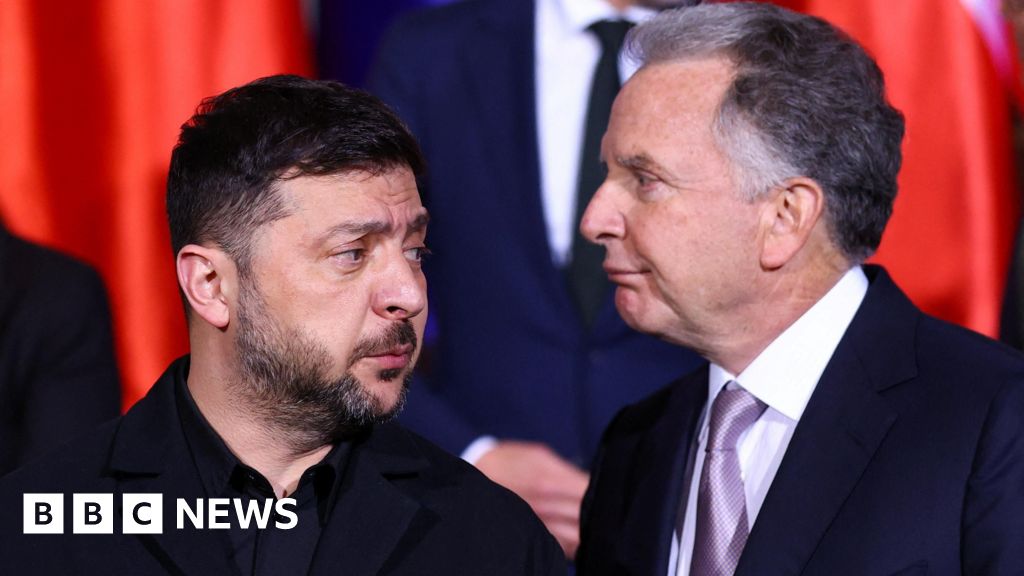
Zelensky reveals allies urged him to cut back on Russian energy strikes—new pressures mount on Ukraine

Ukraine and Global Impacts: Unraveling the Geopolitical Tensions

In a striking statement that underscores the complex web of international relations, Ukraine’s president revealed that his country’s decisive partners have inquired about the possibility of reducing military attacks amid soaring global energy prices, significantly affected by ongoing conflicts in the Middle East. This revelation comes at a time when global markets are experiencing unprecedented volatility, with oil prices surging to multi-year highs following the escalation of hostilities linked to the Iran war. Analysts emphasize that these developments are reshaping not just regional security dynamics but also the economic stability of allied nations and, ultimately, their societies.

The escalation of violence in Iran, an event that has ripple effects reaching across continents, has intensified pressure on European and North American policymakers. The war’s direct consequence—rising energy prices—has forced a reconsideration of military and diplomatic strategies. The rising costs have led some international actors to question the sustainability of current support methods for Ukraine’s defensive efforts. According to several geopolitical researchers, such as Dr. Helena Montague, the trend signals a potential shift in the global stance toward ongoing conflicts: “We see a growing tendency among Western allies to seek a balance between support and economic stability, especially as the economic strain becomes more palpable at the household level.”

For Ukraine, this complex scenario underscores a broader global strategic dilemma. As the conflict persists, Kyiv’s allies are torn between providing unwavering support to maintain the country’s sovereignty and recognizing the economic toll that continued military assistance entails. This dynamic presents a pivotal challenge for international organizations such as the United Nations and NATO, which are tasked with balancing strategic interests with economic realities. The emphasis on diplomacy and calls for ceasefires underscore a cautious pivot by nations that are concerned about the long-term social costs. Meanwhile, key voices from the world stage warn that yielding too much to economic pressures could embolden adversaries and undermine the very principles of sovereignty and international law that the global community seeks to uphold.

The geopolitical impact of these troubling developments is profound. Decisions made now will influence the shape of international relations for decades to come. The interconnectedness of Middle Eastern conflicts, European security, and global economies connote that no nation is truly isolated in this tumult. Leading political analysts warn that if the escalation continues unchecked, the ripple effects could lead to a destabilized multipolar world where alliances are tested and new regional fault lines emerge. British historian Sir Geoffrey Callender warns that “history teaches us that such moments of crisis often precede major shifts in global power structures. We must observe carefully, for the choices made today will define the geopolitical landscape of tomorrow.”

As the world watches this unfolding saga, the message remains clear: the weight of history is once again pressing down upon us. The metrics of power—military strength, economic resilience, and diplomatic agility—are being tested anew. This is a turning point, one where the decisions of contemporary leaders will echo through generations, shaping the balance of power and the very fabric of international law. As global citizens, the challenge remains to understand the profound significance of these shifting tides and to recognize that the future is being shaped in real-time, yet the consequences are timeless.

Nigerian President’s Opponents Score Big Win as Top Politician Joins Their Side

In a move that signals a significant shift in Nigeria’s complex political landscape, Rabiu Kwankwaso, a prominent figure in Nigerian politics and former governor of Kano State, has formally joined the African Democratic Congress (ADC). This decision aligns him with a coalition that aims to challenge the current administration of President Tinubu in the upcoming 2027 elections. As Nigeria’s political divides deepen amidst economic challenges and regional tensions, Kwankwaso’s move underscores a strategic effort to redefine the balance of power and influence within West Africa’s largest nation.

Heralded by analysts as a deliberate attempt to forge a formidable opposition front, Kwankwaso’s entry into the ADC is viewed as a bid to capitalize on widespread public sentiment demanding change. The coalition expects to galvanize support across Nigeria’s diverse ethnic and regional groups, leveraging Kwankwaso’s popularity in the North and his track record on infrastructure development. Such a consolidation of opposition figures and parties could have a *pivotal* impact on Nigeria’s electoral landscape. According to international political observers, this shift could trigger a recalibration of regional alliances, particularly as ethnic loyalties continue to color political alignments in Nigeria.

The geopolitical impact extends beyond Nigeria’s borders, with neighboring countries closely monitoring the unfolding power dynamics. Analysts from the African Union and global institutions warn about the broader implications of a fractured Nigerian political scene, emphasizing that instability in Abuja could ripple across West Africa, further destabilizing already fragile regional economies. Historically, Nigerian elections have served as a barometer for regional stability, given the country’s role as West Africa’s economic and political powerhouse. The new alliance signals a potential shift that could challenge President Tinubu’s plans to cement his legacy, while also reshaping alliances within Nigeria’s complex electoral arithmetic.

As the nation braces for a contentious electoral cycle, many experts highlight the importance of sound political governance and the influence of diaspora communities in shaping the outcome. The decision by Kwankwaso to abandon previous political alignments and join forces with the ADC underscores an *urgent* desire among opposition factions to unify against entrenched incumbency. Historians note that Nigeria’s history is replete with moments where opposition coalitions—though initially fractured—have ultimately reshaped the country’s trajectory. The current juncture appears poised to be another critical chapter in Nigeria’s ongoing saga of political contestation, with power balances delicately shifting with each campaign promise and geopolitical maneuvering.

Ultimately, the unfolding contest for Nigeria’s future remains a dramatic testament to the enduring fragility and resilience of its democracy. As voters prepare for what may be one of the most pivotal elections in recent history, the world watches with bated breath. In the corridors of power and across the bustling streets of Lagos and Kano alike, the echoes of history are stirring anew. The question remains: will Nigeria’s next chapter be one of renewed unity or enduring division? The answer lies in the choices made today, shaping a legacy that will define generations to come.

FCA to Reveal Compensation Plan for UK Car Finance Scandal—Protecting Young Drivers’ Rights

Millions of Drivers Await Compensation in the Wake of the UK Car Finance Scandal

The United Kingdom is currently embroiled in a high-stakes financial controversy that echoes beyond its borders, with regulators set to announce the details of a compensation scheme impacting approximately 14 million consumers. This scandal, rooted in controversial commission payments between car lenders and dealerships, has revealed the vulnerabilities within longstanding finance systems. The Financial Conduct Authority (FCA) has outlined an £11 billion scheme intended to address the overcharging of borrowers, a figure significantly lower than some analysts’ estimation of £44 billion in total damages. Nonetheless, this move underscores a broader international debate about consumer protection, regulatory oversight, and financial accountability.

Key to understanding the geopolitical impact is recognizing how economic decisions within a nation resonate globally. The UK’s move to implement a compensation scheme surfaces as one of the largest instances of financial redress in recent history, raising fears of ripple effects in the global car financing market. Industry stakeholders, including lenders and the Finance and Leasing Association (FLA), have expressed concern that the scheme’s generosity could destabilize the sector, leading to fewer loans or increased borrowing costs for consumers. As analysts from international financial watchdogs warn, such measures could set alarming precedents, encouraging other nations to adopt similar overregulation or, worse, risking financial instability. This is not merely a domestic issue; it offers a cautionary tale on the delicate balance between consumer protection and free-market economics, a debate echoing from Washington to Brussels and beyond.

Legal Challenges and Political Tensions Signal a Broader Struggle for Sovereignty and Economic Autonomy

The UK government and industry players are now preparing for potential legal battles that threaten to delay or circumvent the scheme’s implementation, with claims law firms and lenders signaling their readiness to challenge outcomes. Notably, a major claims law firm, Courmacs Legal, is planning a £66 million omnibus lawsuit representing thousands of borrowers, effectively pre-empting the FCA’s scheme and asserting a collective defense of consumer rights. This legal showdown is unfolding amidst strong political rhetoric that warns against excessive payouts, especially from the Chancellor Rachel Reeves, who has cautioned judges and warned against potential “overreach” in protecting consumers. Such actions illuminate how internal political tensions and industry lobbying are intertwined, revealing a broader struggle for sovereignty over financial regulation that could set precedents far beyond the UK’s borders.

International observers and historians warn that this is more than just a scandal confined to car finance; it’s a microcosm of rising tensions around global economic sovereignty. As regulatory agencies tighten controls in response to economic crises and consumer threats, the potential for conflict between national interests and international financial markets intensifies. The decisions made here—whether to uphold or challenge the scheme—will influence how nations manage similar crises and balance the scales of justice with economic stability. In this unfolding chapter of financial history, the UK’s resolve to redress a decade-long scandal will determine whether the world shifts towards empowered consumers or volatile markets prone to unchecked overreach.

As history continues to be written in the corridors of power, the forces of regulation, industry, and politics collide. The weight of this moment will echo into the future, shaping the balance of power, sovereignty, and societal stability in the face of a turbulent global economy. The question lingers: will justice be served, or will the costs of reform tip the scales towards chaos? The answer remains elusive, resonating as a stark reminder that history — like finance itself — is a delicate and uncertain dance, forever teetering on the brink of change.

Iran Blames US for Ground Strike Plot as Talks Continue

Global Power Play: Iran Warns US of Confrontation Amidst Rising Tensions

As the international community watches with concern, Iran has issued a stark warning to the United States, revealing that Tehran is prepared for a potential confrontation amidst ongoing conflicts in the Middle East. Marking 30 days since the outbreak of a devastating war, Iranian officials have accused the US of covert military strategizing. Mohammad Bagher Ghalibaf, the speaker of the Iranian parliament, publicly alleged that while the US publicly seeks negotiations, behind closed doors, plans are underway for a ground invasion. Such claims heighten fears of a broader regional war, fueling fears that the current conflict could spiral into a geopolitical powder keg with global repercussions.

This escalation has profound geopolitical impact. Analysts from the International Crisis Group warn that the escalating rhetoric and military posturing threaten to destabilize an already volatile area. Iran’s missile readiness and its warning that it is “waiting for American troops to set them on fire” send a clear message to Washington: any ground encroachment would meet fierce resistance. The leadership’s combative stance appears to be a bid to deter American military ambitions and to reaffirm Iran’s regional influence. This could reshape alliances in the Middle East, rallying some nations to Iran’s cause while others seek to avoid direct confrontation, yet all are aware that the risks of further escalation are deadly for global stability.

US Responses and Global Tensions

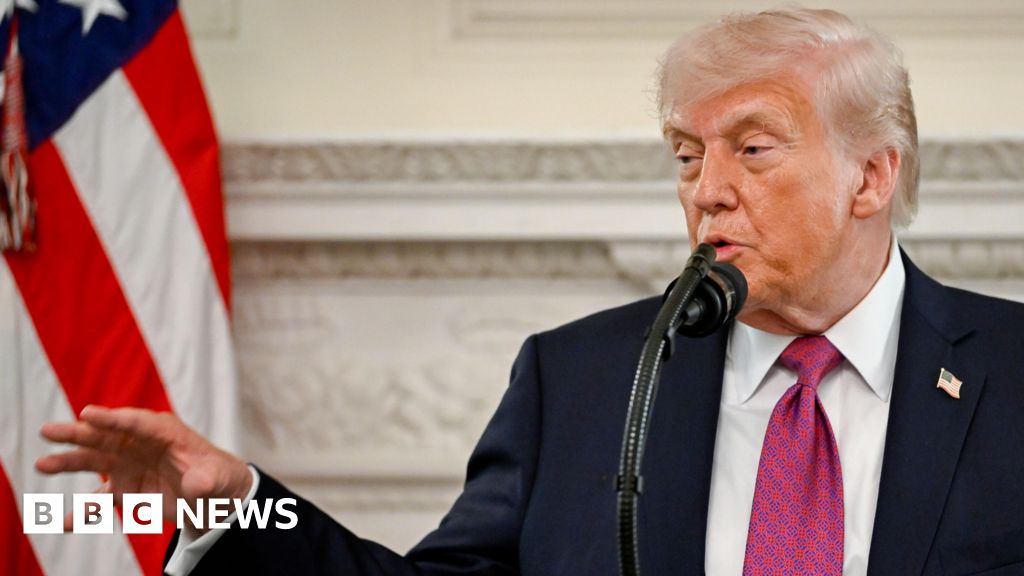
Adding fuel to the fire, recent statements by former US President Donald Trump reveal a significant shift in American posture. In an interview with the Financial Times, Trump expressed his willingness to pursue control of Iran’s vital oil resources, stating, “We could take [Kharg Island] very easily.” His explicit mentions of seizing Iran’s oil highlight an aggressive approach that could drastically alter international energy markets and escalate military tensions in the region. The notion of “taking” Iran’s oil is seen by analysts as a turning point that signals a return to a more confrontational US stance, risking conflagration with Tehran and its allies. The geopolitical consequences could include a reshuffling of regional power balances, with oil-rich states reacting to the potential for renewed conflict.

Meanwhile, other narratives are emerging globally. The European Union is under threat as civil liberties groups warn that governments in five member states are “innovatively eroding the rule of law,” raising questions about the resilience of democratic institutions across Europe. The potential for further authoritarian drift in Europe signifies a post-Cold War withdrawal from democracy, which could embolden more aggressive foreign policies and undermine international cooperation. As these internal struggles unfold, they further complicate responses to crises like Iran, illustrating how internal political stability directly influences international security considerations.

Turning Points and the Unfolding Future

In an age where power dynamics swiftly shift, the unfolding narrative around Iran and the US serves as a stark reminder of how history’s pivotal moments are shaped. The aspirations of superpowers to dominate energy resources, combined with ideological clashes and regional ambitions, threaten to ignite a conflict that could drag the world into chaos. As historians emphasize, the decisions made today—whether to pursue diplomacy or escalate military measures—will define the geopolitical landscape for generations. The weight of history presses heavily upon nations; their paths are fraught with peril, and the echoes of this crisis will resonate into the future, shaping global narratives of power and resistance.

Tragic Collapse: Three Dead in Ghana Church Collapse During Service

In a developing story that underscores the complex realities of modern infrastructure projects, locals have reported that a school complex’s structure continues to be in use despite remaining unfinished for several years. This situation highlights the often overlooked socio-political challenges faced by many nations attempting to modernize their educational and civic infrastructure amidst economic constraints and bureaucratic hurdles.

According to eyewitness accounts, the partial construction of the school has not deterred community members from utilizing the facility for daily activities, revealing a remarkable resilience amid apparent administrative neglect. Officials have yet to clarify whether the ongoing use violates safety standards or if it is a temporary measure until full completion, sparking debate about governance and accountability. The incident has sparked broader discussions about how infrastructure projects are prioritized and the impact on local populations, especially in regions where education is a critical foundation for future development.

The geopolitical impact of such unfinished projects reaches beyond local concerns. Historians and international analysts assess that infrastructure development — or the lack thereof — often reflects broader political stability and strategic priorities. In many cases, unfinished facilities become symbols of governmental inefficiency and can inadvertently undermine national confidence on the international stage. As countries grapple with internal struggles, external actors frequently interpret these signs as indicators of deeper systemic vulnerabilities and unpredictability, which can influence diplomatic relations and foreign investment.

Moreover, international organizations, from the United Nations to regional development bodies, have repeatedly emphasized the importance of timely project completion as a vital component of social and economic stability. Yet, the persistent delay or abandonment of such initiatives frequently leaves communities and nations vulnerable to further destabilization. As political leaders weigh priorities amid shifting global alliances, the fate of unfinished structures serves as a stark reminder of how internal ambitions intertwine with external perceptions.

Ultimately, this ongoing story encapsulates the enduring tension between ambition and reality, faith and frustration. The unfinished school, now serving as a de facto community hub, is more than just a construction site—it is a living testament to the unresolved challenges that many nations face in striving for progress. As history continues to unfold, the question remains whether these developments will be viewed as emblematic of systemic neglect or catalysts for renewal, leaving future generations to evaluate the true cost of neglect and the relentless pursuit of progress amidst adversity.

Canada’s NDP Picks Avi Lewis to Lead the Charge for a Stronger Future

As the geopolitical landscape continues to evolve amidst mounting global tensions and economic uncertainties, recent political developments underscore a pivotal moment for international stability. Avi Lewis, a prominent advocate for progressive change, has launched a new campaign centered on revitalising a once-dominant left-leaning party, aiming to reshape domestic policy priorities with an emphasis on workers’ rights. While his platform addresses pressing social issues, it also signals a broader ideological shift that could influence regional alliances and ignite debates on economic sovereignty and the role of government in safeguarding national interests.

From an institutional perspective, the move comes at a critical juncture where international organizations such as the United Nations and World Economic Forum are closely monitoring how emerging political narratives challenge established global order. Historians and analysts caution that such campaigns, when rooted in efforts to empower the working class, could either foster national resilience or precipitate ideological polarization. The underlying question persists: how will domestic electoral shifts resonate beyond borders, especially in regions already fraught with geopolitical rivalry? Countries like China and Russia observe these developments meticulously, recognizing the potential for new alliances or even diplomatic realignments that could challenge their strategic objectives.

The impact of leadership decisions on societal structures remains profound, notably in how policy reforms could ripple across sectors such as trade, defence, and international diplomacy. As Avi Lewis’s campaign pushes for increased protections for workers, it also touches on broader themes of economic independence—a concept that resonates in many nations seeking to reduce dependence on global supply chains controlled by competing powers. Critics and supporters alike are analyzing the initiative’s potential to alter existing balances of power, especially in a world watching carefully as alliances are tested and reconfigured in response to new ideological currents.

In a world teetering on the edge of uncertainty, where each leadership move is scrutinized through a geopolitical lens, history’s pen is ever active, writing new chapters with each decision. As nations grapple with the consequences of internal reforms and external pressures, the global community stands at a crossroads. The unfolding narrative reminds us that every political shift not only reshapes national futures but also echoes across the fabric of international relations. The story of today’s leaders and their visions will echo for generations—each act a stroke in the timeless canvas of history, pushing humanity toward an unknowable tomorrow.

Iconic Renoir, Cézanne, and Matisse artworks stolen in daring Italian heist

The recent international landscape continues to evolve with a series of pivotal shifts that threaten to redefine alliances, influence global stability, and challenge longstanding narratives. As nations grapple with economic uncertainties, territorial disputes, and ideological clashes, the importance of understanding these developments cannot be overstated. Global institutions such as the United Nations have repeatedly called for diplomatic resolution, but the persistence of conflicts in regions like Eastern Europe and the Middle East underscores the fragile state of international peace.

Historians and geopolitical analysts warn that these crises are not isolated incidents, but symptomatic of broader systemic issues rooted in the failure of effective diplomacy and the resurgence of strategic competition. For instance, Russia’s recent actions in Ukraine and the resultant responses from NATO demonstrate a clear divergence of interests that threaten to escalate into a larger conflict. Meanwhile, China’s assertiveness in the South China Sea and its pursuit of technological dominance signal a new era of rivalry that challenges the previous American-led global order. International organizations such as the International Crisis Group emphasize that the decisions made today will shape the trajectory of the 21st century, urging nations to prioritize stability over short-term gains.

One cannot disregard how these decisions affect societies on the ground. The ripple effect of escalating tensions influences global markets, migration flows, and regional security architectures. In Europe, the debate over energy security and the political polarization within member states reveal deep divisions that threaten unity. Additionally, rising nationalism and populist movements, fueled by economic hardships and perceived threats to sovereignty, are reshaping the political landscape. These societal shifts serve as a warning that the interplay of power and ideology could either foster greater cooperation or plunge the world into further chaos. Internationally, the balance of power now hinges on evolving alliances and the capacity of nations to navigate a multi-polar world.

The significance of these events is captured poignantly by scholars like Friedrich Hayek and analysts who underline that the stability of the current order depends on the prudent management of emerging challenges. Yet, as history demonstrates, disruptions often come unexpectedly, and conflicts can spiral beyond control. As the global community watches with bated breath, history continues to unfold at a relentless pace, rewriting the narrative of national destinies. In this critical juncture, the weight of the future rests on the choices made today, as the shadows of past conflicts loom large and the possibility of unforeseeable consequences remains ever-present.

LA County Deputy Dies After Sudden Medical Emergency During Race—Community Reacts Strongly

Recent developments in the United States underscore the mounting impact of climate change on societal stability and international security. The death of Levi Vargas, a Los Angeles County sheriff’s deputy, during a desert relay race highlights the tangible consequences of a rapidly changing climate. Vargas, only 30 years old, succumbed amid a series of extreme heatwaves across the US southwest—a region that has shattered historic temperature records this March. These unprecedented conditions have resulted in increased health emergencies, strained emergency response systems, and a growing sense of vulnerability, especially among frontline workers and law enforcement on the frontlines of both climate and societal crises.

  • Extremely high temperatures have prompted national weather agencies, including the National Weather Service, to issue health alerts across multiple cities, signaling a warning to policymakers about the intense, ongoing climate crisis.
  • Such climate-related tragedies are not isolated incidents but are indicative of a broader geopolitical landscape where resource scarcity, water shortages, and natural disasters threaten to destabilize nations, particularly those in vulnerable regions.
  • Experts, including analysts from the United Nations climate division, warn that these extreme weather patterns—most notably the historic heatwaves—are accelerating a cycle of environmental degradation that could ignite regional conflicts and destabilize social order.

This climate emergency comes at a critical juncture, with global leaders grappling with decisions that will shape not only environmental policies but also international power dynamics. Russia and China, for example, have become increasingly strategic in their resource negotiations, positioning themselves to capitalize on the chaos wrought by shifting weather patterns and ecological upheavals. Meanwhile, Europe faces its own scorched landscape and drought firefighting challenges, testing the EU’s unity and capacity for unified action. These national responses, or lack thereof, will undoubtedly influence the course of future geopolitical stability, especially in regions where water and food security are already under threat.

The ripple effects of climate-induced chaos extend into the geopolitical arena, where international treaties such as the Paris Agreement face renewed scrutiny. Critics argue that these accords have so far been insufficient and that a failure to implement meaningful emissions reductions only exacerbates the crises that threaten global peace. Meanwhile, nations like India and Brazil, rich in natural resources but politically unstable or economically dependent, are at risk of falling further behind in the fight against climate change. As history’s guardians debate their next moves, analysts warn that neglecting these environmental emergencies could foster a future where conflict, displacement, and societal collapse become commonplace.

In the shadow of a planet teetering on ecological crisis, the death of a dedicated officer amid record heat serves as a stark reminder: the decisions made in boardrooms, capitals, and international forums today bear the weight of history. Will the world unite in substantive action, or will it watch as the unfolding chapters of climate chaos rewrite the geopolitical landscape—erasing borders, shifting alliances, and reshaping society itself? As the story continues to unfold, one thing remains clear: the true challenge lies not just in weathering the storms of today, but in forging a sustainable future where such tragedies become a relic of the past rather than a grim precursor of what’s yet to come.

Social Media Auto Publish Powered By : XYZScripts.com