Matox News

Truth Over Trends, always!

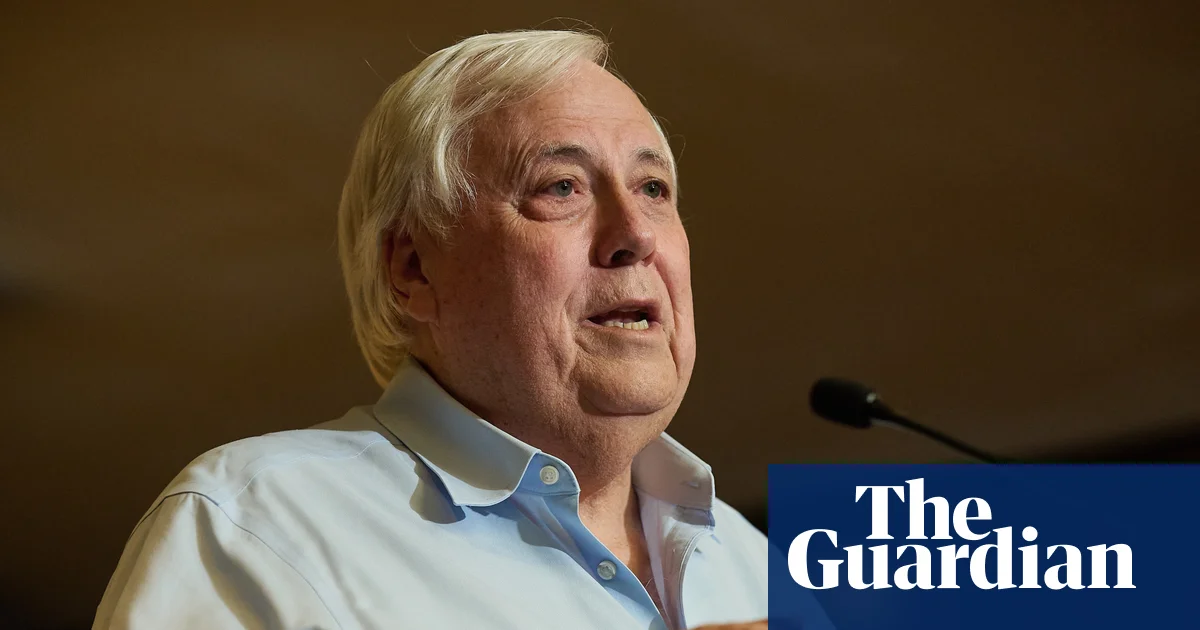
Clive Palmer dismisses Bannon's claim he plotted 2019 Aussie election ad gambit
Clive Palmer dismisses Bannon’s claim he plotted 2019 Aussie election ad gambit

Global Political Power Plays Unveiled: The Hidden Hands Behind Elections and Their Geopolitical Impact

In recent developments that underscore the complex web of international influence, controversial revelations have emerged concerning the 2019 Australian federal election. While official narratives often emphasize local democratic processes, evidence suggests that covert foreign interventions and international strategists may have played a significant role in shaping the outcome. An investigation into documents released by the US Department of Justice has shed light on communications allegedly involving Steve Bannon, a notorious figure in American right-wing politics, and the enigmatic figure linked to Jeffrey Epstein. These messages seem to imply that strategic foreign-backed advertising campaigns targeted Australian voters, aiming to polarize politics and influence policy directions.

Specifically, the messages purport that Bannon claimed to have orchestrated a \u201c$60 million anti-China and climate change\u201d advertising blitz for billionaire Clive Palmer. Such assertions are currently under skepticism, with Palmer’s spokesperson dismissing them as mere “bullshit.” Nonetheless, the implications of these claims point to a broader pattern: the use of shadowy political meddling as a tool to sway elections on a national level, with far-reaching geopolitical consequences. As analysts observe, these tactics not only distort democratic processes but also weaponize misinformation to bolster strategic allies and weaken adversaries in Asia-Pacific—a region of escalating importance in global geopolitics.

How Decisions to Influence Elections Reshape Society and Global Power Dynamics

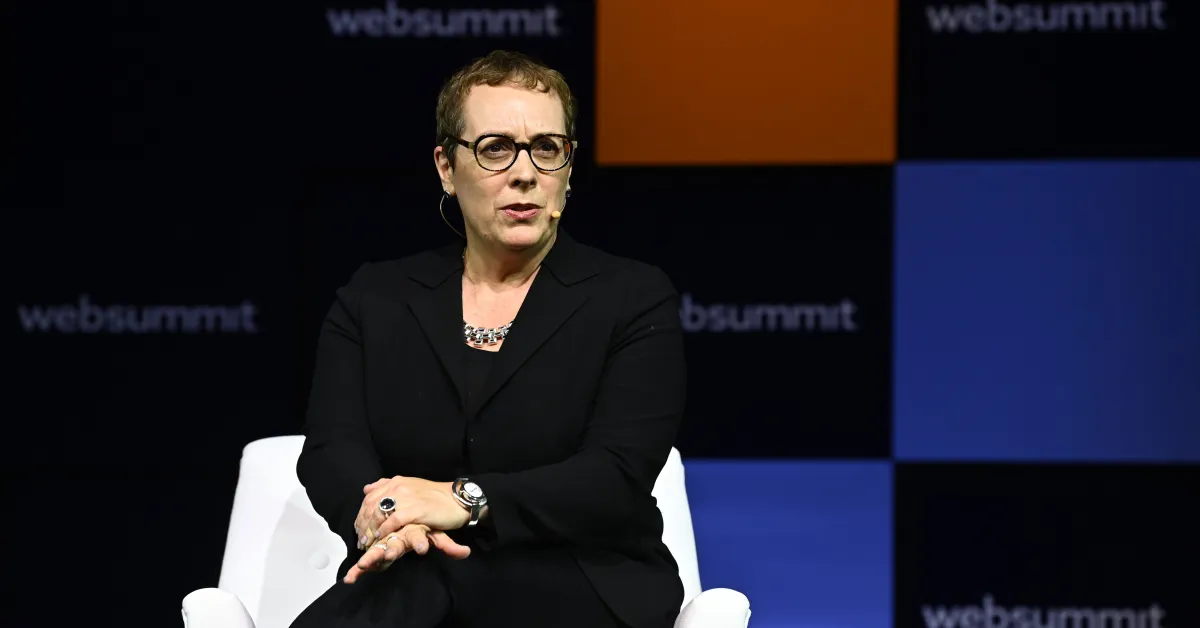
Historically, commentators and analysts such as Professor Anne-Marie Slaughter have warned that the lines between domestic politics and international influence are blurring dangerously. The recent Australian case exemplifies this, with local elections being affected by foreign-funded campaigns that amplify fear and suspicion—particularly regarding China, a rising superpower. The 2019 election’s aggressive advertising campaigns, which included claims of a \u201cclanestine\u201d Chinese takeover, exemplify how powerful narratives can be used to mobilize voters, often based on outright misinformation or fearmongering. This phenomenon exemplifies a new battleground for global influence, where national sovereignty and societal trust are increasingly vulnerable to covert foreign manipulations.

Moreover, influential international organizations such as the United Nations have expressed concerns over these trends, warning that such covert interventions threaten the very foundation of democracy. At the same time, Western governments face a critical challenge: how to combat misinformation without infringing on sovereignty or free speech. The case of Clive Palmer’s campaign also highlights how preferential deals and monetary influence can significantly shift voter behavior, often negatively affecting political stability and public trust. As Western democracies confront these clandestine tactics, the mounting question remains: how much longer can nations remain resilient against a new era of invisible warfare that seeks to manipulate societies from behind the curtain?

The Rising Tide of Influence and the Weight of History

The current controversy encapsulates a crucial turning point in the international arena—where power is no longer confined to traditional military and economic dominance but expands into the digital and informational realms. Historians warn that these covert strategies, if unchecked, risk unleashing a novel form of global instability. As nations like Australia become battlegrounds for influence, their societies are drawn into the larger contest between Western liberal democracies and authoritarian regimes seeking to reshape global governance.

The unfolding story does not merely involve distant political actors wielding influence in foreign elections; it echoes a broader narrative of how decisions made behind closed doors impact countless lives across continents. As state-sponsored misinformation campaigns grow more sophisticated, the boundary between truth and manipulation becomes perilously thin. History whispers warnings—that the struggle for sovereignty and societal integrity hinges on vigilance and resistance to unseen forces. The next chapter in this unfolding drama remains unwritten, but the weight of history presses heavily on the present, urging nations and societies to confront their vulnerabilities before they are forever altered by shadows in the halls of power.
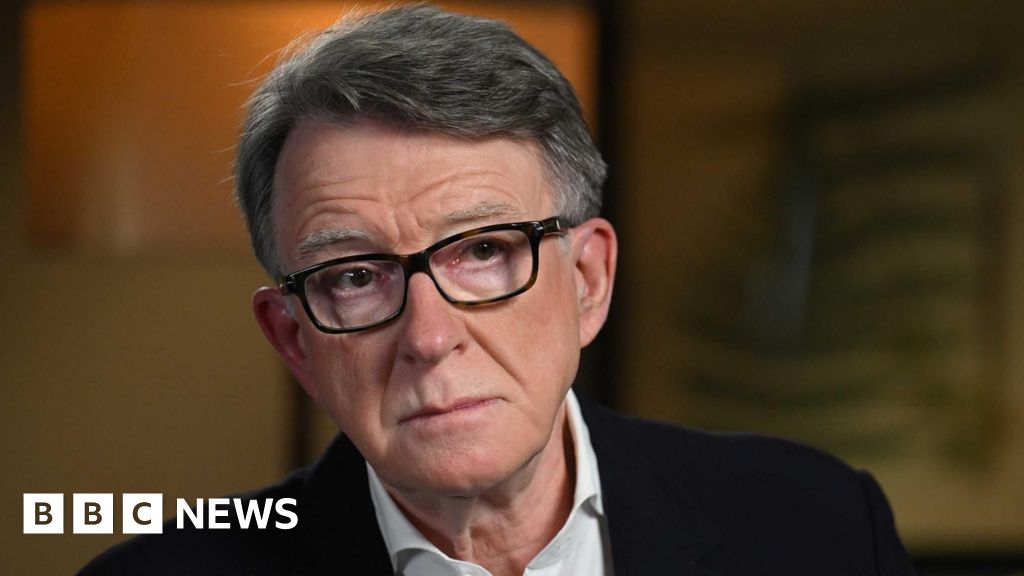
Leaked Files Reveal Epstein Gave $75K to Accounts Tied to Mandelson

In an unfolding controversy that resonates across the international landscape, Lord Mandelson, a prominent figure in United Kingdom politics, has issued a statement casting doubt over serious allegations. Addressing claims related to financial transactions and the authenticity of contentious documents, Mandelson declared, “I have no record or recollection of receiving the sums and do not know if the documents are authentic.” His remarks have sparked a wave of scrutiny among analysts and policymakers alike, emphasizing the fragility of trust in high-level political communication amidst escalating allegations.

The matter’s gravity extends beyond individual reputation, touching on the broader geopolitical impact, especially considering international concerns about transparency, accountability, and influence operations. As political tumult brews, experts suggest that such conflicts can undermine public confidence in institutions, fueling further instability. The situation is particularly sensitive given the historical context of political scandals involving financial misconduct in global power centers. The role of international organizations such as INTERPOL and the United Nations becomes critical in mediating these disputes and ensuring a transparent inquiry that upholds the rule of law.

Historically, documents of dubious authenticity have often served as catalysts for diplomatic crises or public civil unrest. As noted by leading geopolitical analysts, perceptions of concealment or deception can swiftly escalate tensions among nations, especially when such allegations threaten to implicate influential international actors. The controversy also raises questions about the vulnerabilities of political figures in the digital age, where false documents and misinformation campaigns can swiftly sway public opinion or influence diplomatic negotiations. The stakes are evident: when trust erodes at the upper echelons of power, the entire societal fabric risks fraying, jeopardizing peace and stability in vulnerable regions.

As this saga unfolds, the world stands at a precipice, awaiting new revelations that could alter the course of diplomatic relations and internal politics. Will the truth come to light, illuminating the shadows cast by distrust and deceit? Or will these murky waters continue to obscure accountability, leaving history to judge the silent, tentative steps toward justice? In an era where information is both weapon and shield, the ongoing tug-of-war over credibility holds profound implications for the future of global governance. Only time will reveal whether the decisions made in the coming weeks will cement a new chapter of transparency or entrench the darkness of political obscurity, forever echoing in the corridors of history.

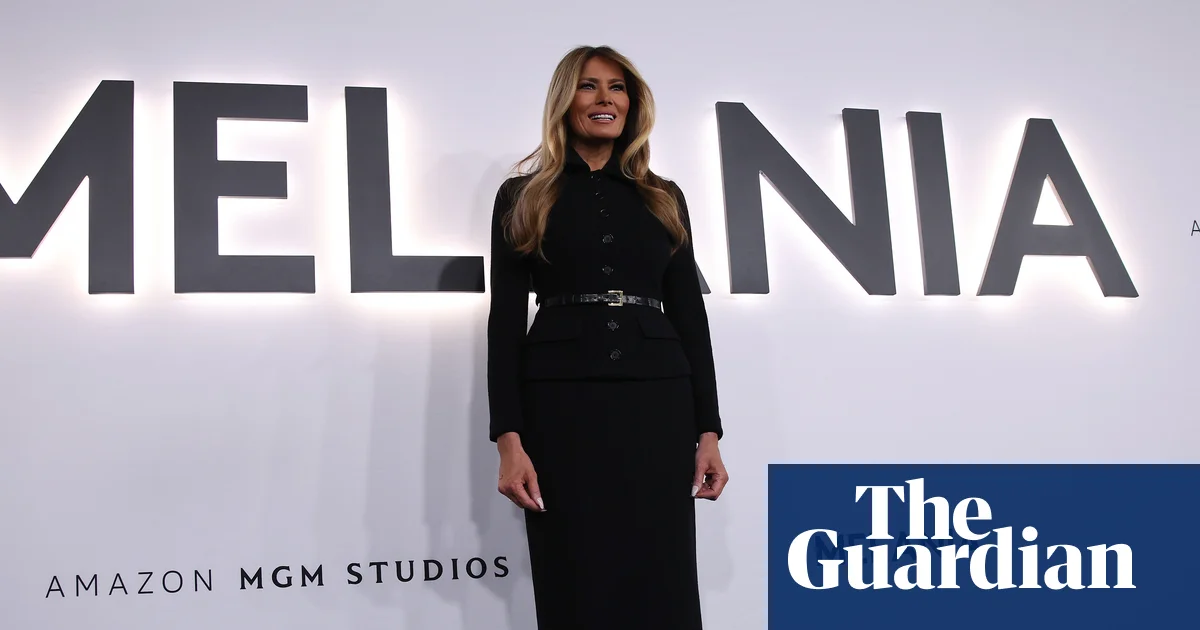
Melania Trump doc hits $7M in US, biggest debut in over 10 years

In a world increasingly shaped by the theatre of national identity and ideological loyalty, domestic cultural productions serve as more than mere entertainment—they are potent tools reflecting and reinforcing societal values aligned with political interests. The recent surge of the Melania Trump documentary, which garnered a record-breaking $7 million during its opening weekend, exemplifies this phenomenon. Despite critical panning, with reviews describing it as “dispiriting” and “propaganda,” the film’s success among conservative audiences underscores a deliberate strategy: leveraging media to bolster a political narrative rooted in patriotism, family, and Christianity, especially within the context of the upcoming 2025 re-election cycle.

Indicative of the broader geopolitical power struggles and their intersection with domestic politics, the production’s expansive budget—estimated at $75 million—raises questions about the motives behind lavish investments into politically charged content. Amazon, a global giant increasingly entangled in political crossfire, justifies its expenditure with an economic model targeting its vast subscriber base, circumventing traditional theatrical metrics. Notably, Amazon’s decision to promote the documentary worldwide, while sacrificing profitability for ideological influence, points to a strategic shift: private corporations and international media are becoming instruments of political and cultural agendas, with their economic decisions echoing across national borders.

Meanwhile, the controversy surrounding the film’s director, Brett Ratner, and his association with figures like Jeffrey Epstein, adds a layer of intrigue to this domestic spectacle. As ratified by international law and investigative outlets, the links between industry figures and scandalous figures of power highlight how elite networks operate behind the veneer of public culture. Analysts warn that such connections blur lines between influence, media, and political leverage. The narrative crafted in the documentary, echoing idealized visions of family and patriotism, can be perceived as an attempt to manipulate public sentiment—especially in key conservative regions—while shielding certain figures from accountability. This subtly shifts the geopolitical landscape by reinforcing societal divisions and emboldening factions aligned with traditionalist values, potentially impacting policy debates on national sovereignty and cultural identity.

Within this unfolding contest of narratives, history and international organizations warn of the dangerous implications of this cultural battleground. As historian Dr. Emily Carter notes, “When nations manipulate history and popular culture to serve political ends, they risk eroding the very foundation of democratic discourse,”. The strategic deployment of such documentaries signifies a conscious effort to sway public opinion, not just domestically but across international borders, especially in regions where ideological divides are widening. The ultimate toll of these decisions—whether it leads to increased societal polarization or the reassertion of certain power structures—will be written into the pages of history, reminding a global audience that the battleground of influence now extends beyond foreign policy into the realm of culture and information, where the lines between truth and propaganda are increasingly blurred.

Young Boy, 5, and Dad Reunited with Minnesotan Family After ICE Detention

In a recent development that has garnered significant attention across multiple continents, U.S. Congress sources confirmed the release and safe return of Liam Conejo Ramos. The young individual was reportedly found at home with his hat and backpack, sparking a wave of international commentary about security, diplomatic relations, and societal stability. While the details surrounding Ramos’s detention remain opaque, analysts suggest that this event could serve as a catalyst for broader geopolitical shifts, particularly within the context of regional influence and national security policies.

The news arrives amidst a complex landscape of global tensions, where nations are increasingly scrutinizing each other’s internal affairs under the guise of security concerns. The circumstances of Ramos’s detention and subsequent release raise critical questions about the interplay between law enforcement, civil liberties, and international diplomacy. Several prominent international observers, including representatives from The United Nations and European Union, have begun to analyze whether this incident reflects larger patterns of government overreach or a strategic move within global power struggles. Historically, such incidents tend to act as flashpoints that expose underlying vulnerabilities in the consistency and transparency of governments on the world stage.

From a broader geopolitical impact, the incident underscores how regional conflicts and policy decisions are increasingly influenced by interconnected domestic and international factors. Countries are watching closely, assessing how different authorities handle such sensitive situations as evidence of either stability or chaos. While the immediate focus is on Ramos’s welfare, the case also prompts a reevaluation of diplomatic strategies, especially in regions where political tensions are high. Many international analysts contend that these incidents are not isolated but are embedded within more extensive cycles of mistrust, ideological divergence, and shifts in power dynamics—each decision echoing through corridors of influence and society alike.

Historian and geopolitical analyst Dr. Emilia Santos remarked that historically, such events tend to serve as turning points that shape the course of history. “Every incident involving detention or release, especially when it involves young individuals amid broader security concerns, becomes a part of the narrative that nations tell about their identity and integrity,” she explained. Similarly, institutions such as the International Crisis Group warn that these moments, while seemingly localized, could influence future policy frameworks that determine the international order. As the global community reevaluates its priorities and alliances, one thing remains clear: the decisions made today will write the stories of tomorrow, and history’s pen continues to move forward, often in ways that no one can foresee.

With Ramos back at home and the world watching, the question persists: How will this incident redefine the boundaries of diplomacy and security? As the shadows of uncertainty stretch across the international landscape, the unfolding chapters of this story hold the weight of history—all waiting to be written. The choices made in this moment will resonate for generations, shaping the future of nations, societies, and the global order itself—an enduring testament to the perpetual flux of geopolitical power, where today’s actions forge the pages of tomorrow’s history books.

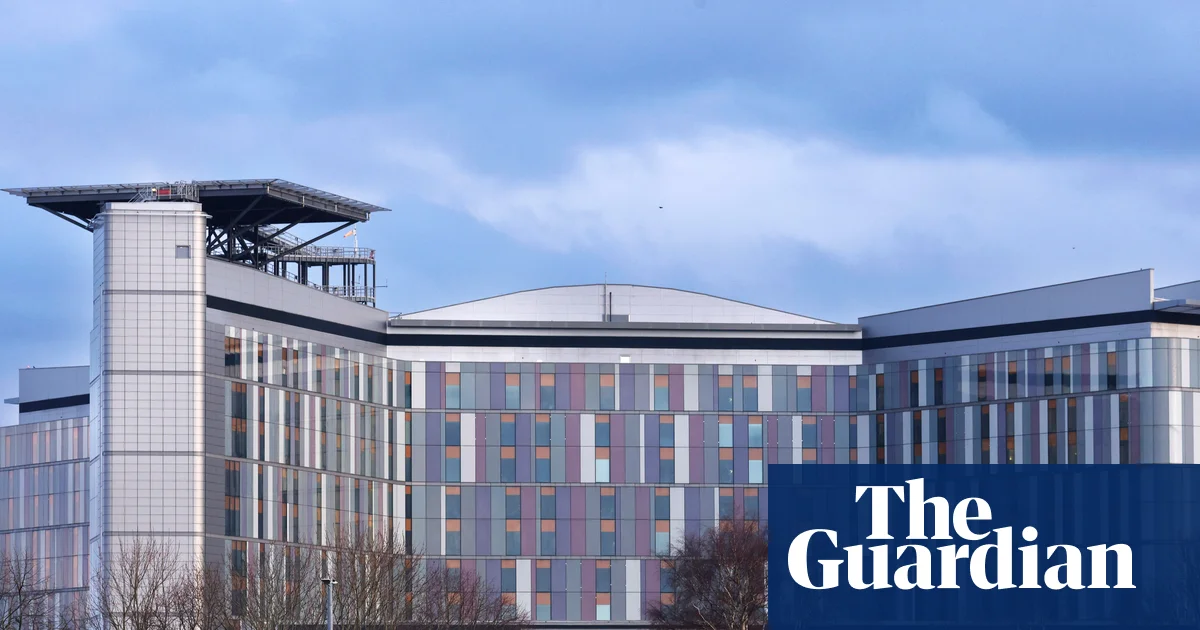
Scotland Investigates: Two More Patient Deaths at Glasgow Hospital Raise Concerns

Scandal Unfolds at Glasgow’s Queen Elizabeth University Hospital: A Nation’s Trust in Healthcare Shattered

The United Kingdom is currently embroiled in an alarming healthcare scandal that has stunned the international community, exposing reckless decisions and potential political interference that may have cost lives at Glasgow’s Queen Elizabeth University Hospital (QEUH). The deaths of seven patients, many of whom were children battling cancer, are now being scrutinized amidst revelations that contaminated water and ventilation systems could have contributed to infections linked to the hospital’s infrastructure. This crisis has marked a significant turning point in public confidence towards the Scottish healthcare system, raising questions about accountability, transparency, and the influence of political agendas on critical health infrastructure.

Investigations spearheaded by Scotland’s Crown Office and Procurator Fiscal Service (COPFS) have identified the deaths of individuals such as Molly Cuddihy, a young woman who fought a rare bone cancer, and Andrew Slorance, a former Scottish civil servant. These tragic cases are part of a broader six-year inquiry into the hospital’s safety standards, which recently reached its final stages. The inquiry uncovered heartbreaking evidence: serious infections diagnosed in 84 child cancer patients, leading to the deaths of at least two, were almost certainly linked to contaminated water supplies. Such revelations have struck a chord globally, casting a dark shadow over the political decision-making that accelerated hospital opening preparations amidst unresolved health and safety concerns.

Political Shadows Over Hospital Opening: A Cautionary Tale of Power and Neglect

  • The Scottish Labour Party has publicly accused the Scottish government of political pressure to open QEUH prematurely in April 2015, just before the general election, a claim previously denied by prominent leaders like First Minister John Swinney and Nicola Sturgeon.
  • Throughout the investigation, whistleblowers, including three senior microbiologists, have voiced ongoing concerns over inadequate infection control measures and a perceived reluctance by senior management to enact necessary safety reforms.
  • Premier political figures faced accusations of manipulating hospital timelines to serve electoral interests, a move that some analysts argue exemplifies how political interests can threaten public safety and erode trust in government institutions.

This controversy echoes across the international stage, where accountability in public health has become a defining measure of a government’s moral integrity. The WHO and other global health watchdogs regularly emphasize that politicization of healthcare infrastructure compromises patient safety, undermining decades of progress in hospital standards worldwide. Experts warn that this scandal may serve as a stark warning for nations worldwide, illustrating how political expediency and neglect can turn vital healthcare institutions into death traps, especially in times of increasing medical complexity and public skepticism.

Global Lessons and the Brink of History

As the UK grapples with this internal crisis, the broader geopolitical impact remains unmistakable. It underscores the importance of international oversight and transparency in healthcare management, especially in an era where public trust is fragile, and misinformation can easily flourish. The hospital scandal reveals how decisions driven by short-term political gains can have lifelong repercussions, eroding societal trust and provoking a crisis of confidence that no amount of reparations or apologies can swiftly mend. Historians and analysts warn that, if left unaddressed, such failures threaten to regress public health advancements and may influence political stability in the UK and beyond, as whistleblowers and concerned citizens demand accountability.

In the final chapter of this unfolding tragedy, the weight of history presses heavily on the shoulders of policy-makers, healthcare professionals, and society at large. The manner in which justice is eventually delivered—whether through reforms, prosecutions, or societal reckoning—will shape the narrative of accountability in the 21st century. As families mourn and trust is broken, the echoes of this scandal will remind future generations that in the arena of life-and-death governance, the true cost of political games can be measured in lives lost, and a society forced to confront its darkest truths amid the shadows of history still unfolding.

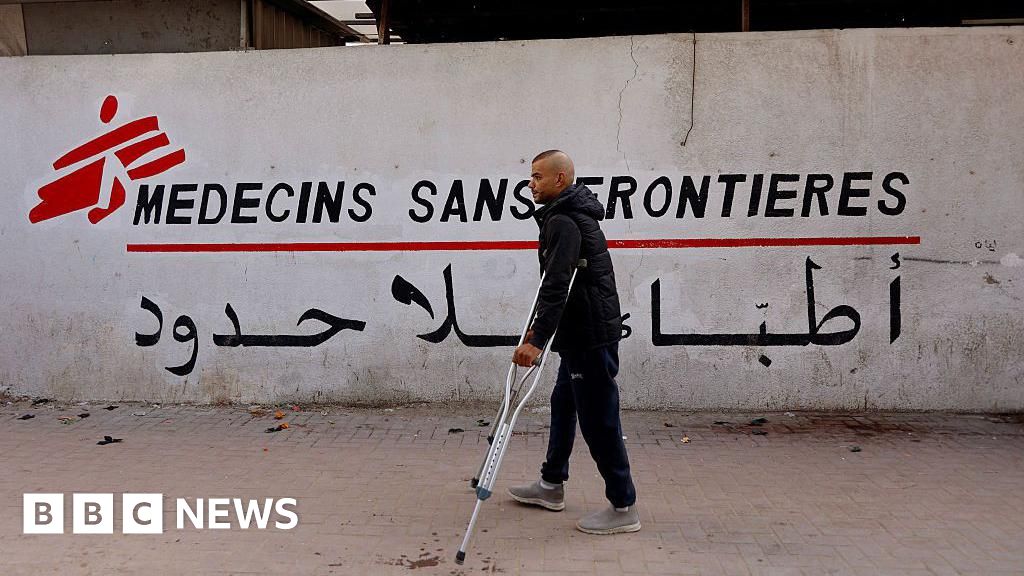
Israel bans MSF from Gaza over staff list refusal

In an era marked by geopolitical upheaval and rising international tensions, the decision by Medical Sans Frontières (MSF) not to disclose its recent operational list underscores the growing complexities faced by humanitarian organizations working in the world’s most volatile regions. Citing safety concerns for its staff, MSF emphasized that sharing detailed operational information could jeopardize the lives of its personnel amidst ongoing conflicts. This stance reflects a broader awareness among NGOs that, in a fractured global landscape, the safety of aid workers increasingly depends on delicate, often clandestine, planning and secure communication channels.

The refusal to publish operational data highlights a critical shift in how aid agencies navigate conflict zones. Analysts note that, since the escalation of violence in regions such as Syria, Yemen, and parts of Africa, aid organizations face unprecedented risks—not only from hostile armed groups but also from collapsing governments and chaotic border controls. The decision by MSF also signals the urgent need for international institutions to reevaluate security protocols and reinforce the safety frameworks for humanitarian missions. Without transparency, however, the international community faces increased difficulty in assessing the scope of humanitarian needs and coordinating effective responses.

Historians and geopolitical analysts warn that these developments have a far-reaching geopolitical impact. As aid organizations retreat into silence, state actors and warring factions may interpret their silence as weakness or disorganization, potentially emboldening further aggression or territorial expansion. Furthermore, the United Nations and other multilateral bodies find themselves caught between the necessity of diplomatic engagement and the realities of dangerous operational environments. The decision by MSF underscores a growing consensus: the safety of aid workers is now an integral part of the larger geopolitical struggle for influence and stability in fragile states.

Veteran analysts warn that these trends could significantly influence future international responses to crises. Noted geopolitical strategist Jonathan Rees emphasizes that the loss of transparency could hinder diplomatic efforts—reducing international pressure on conflict parties to cease hostilities, while encouraging more clandestine and unpredictable violence. As global power dynamics continue to shift, and as nations prioritize national security concerns over international humanitarian commitments, the world stands at a crossroads. The ongoing challenges faced by organizations like MSF serve as a stark reminder: the very fabric of humanitarian work is intertwined with the volatile and often violent realities of contemporary geopolitics.

In the shadow of these unfolding events, history beckons us with a somber warning. As aid agencies grapple with the dangerous landscape of today’s conflicts, the question persists: will the international community rise to secure both the lives of aid workers and the stability of zones torn apart by war? Or will silence become the new language of diplomacy, leaving countless vulnerable populations without aid? The answer, undoubtedly, will further define our era—a chapter written in the blood and resilience of those caught in the crossfire of history’s relentless march forward.

Brett Ratner, Melania's former director, spotted with woman in Epstein files—what's really going on?
Brett Ratner, Melania’s former director, spotted with woman in Epstein files—what’s really going on?

The recent release of photographs featuring American financier Jeffrey Epstein alongside entertainment figure Glenn Ratner and unidentified women has sent ripples across the international community, coinciding with Ratner’s controversial documentary about the First Lady of the United States. These images, emerging on the same day, have re-ignited debates over elite networks and their influence on global politics and society. While some may dismiss them as personal scandals, analysts and geopolitical observers recognize a deeper significance rooted in the power dynamics of transnational elites that span borders and disciplines.

The timing of this revelation is often viewed by experts as a calculated move, designed to divert global attention from more pressing geopolitical shifts. According to international relations scholars, the interplay between scandal and political discourse illustrates the fragility of public trust in institutions—particularly when intertwined with influential figures connected to wealth, power, and political agendas. The images highlight a broader concern: how clandestine associations among the world’s elite can impact governance, policy decisions, and international stability. From the corridors of Washington to diplomatic capitals worldwide, questions are emerging about the extent to which such networks control or influence paramount issues ranging from economic policy to national security.

In response to the fallout, numerous organizations and analysts have voiced warnings about the potential erosion of transparency and accountability. For instance, the European Council on Foreign Relations emphasizes that these revelations underscore the importance of scrutinizing transnational elite connections, especially in an era marked by rising geopolitical tensions. The United Nations and other international bodies continue to call for investigations into these influential circles. Meanwhile, historians warn against dismissing such scandals as mere distractions. Instead, they argue that these incidents are *markers* of larger shifts that threaten to redefine the balance of power—fostering a new era of clandestine diplomacy that operates beneath the veneer of public scrutiny.

As the world watches, the narrative remains unwritten; history’s pen continues to inscribe each development with profound consequences. The revelations serve as a stark reminder that the forces shaping our future are often hidden behind the facade of civility and diplomatic protocol. Whether these images will herald a decisive turning point or fade into the background remains uncertain. Nonetheless, the weight of history presses heavily on current events, urging societies to reflect on the unseen currents that now threaten the foundations of democratic transparency and international order. As the shadows lengthen over the corridors of power, only time will reveal the true scope of this unfolding story—an epoch where alliances, secrets, and scandals may determine the trajectory of nations for generations to come.

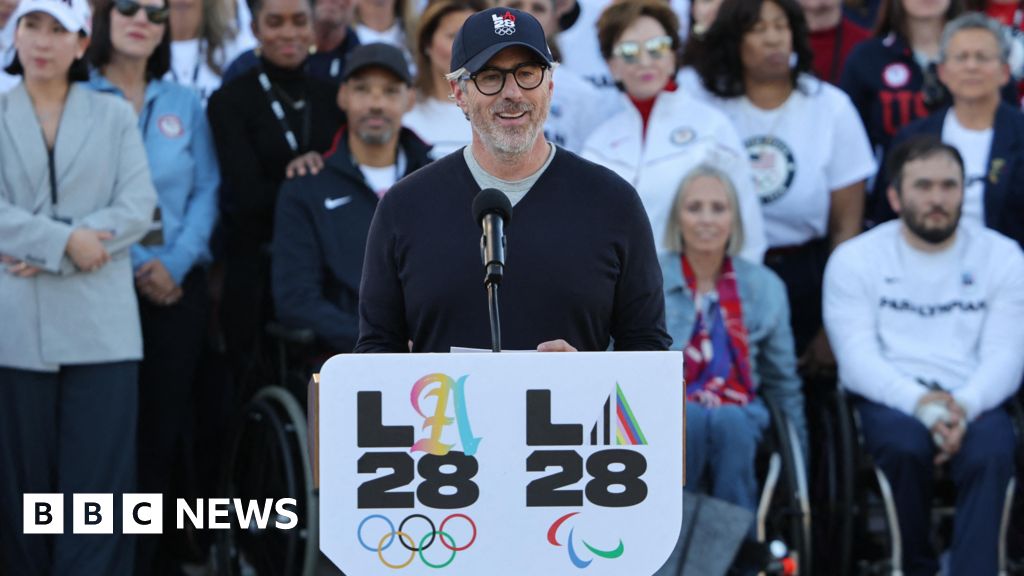
LA 2028 Olympics Chief Apologizes for Flirty Emails with Ghislaine Maxwell

In a development that has sent shockwaves through geopolitical circles worldwide, the US Department of Justice recently released a trove of classified and sensitive files, among which were the infamous emails of Casey Wasserman. While initially dismissed as a minor privacy breach, the publication of these documents underscores a broader trend of increasing transparency and vulnerability in international relations. As nations watch cautiously, analysts warn that this breach could have profound, long-lasting effects on diplomatic strategies and global power dynamics.

Historically, leaks of this magnitude catalyze shifts in how governments operate and communicate. The publication of Wasserman’s emails provides an unprecedented window into personal interactions that may, at first glance, seem trivial yet, in reality, reveal underlying tensions and alliances. International institutions such as the United Nations and regional alliances are analyzing how this breach impacts trust and cooperation among nations. Political commentators and defense strategists argue that such disclosures could embolden adversaries, increase espionage activities, and complicate ongoing diplomatic negotiations. In an era where information is the most potent weapon, the lines between personal and national security continue to blur.

From a geopolitical impact perspective, the release of these files symbolizes a paradigm shift in how nations may approach transparency and secrecy. Many experts, including prominent historians like Dr. Julia Armstrong, emphasize that the trustworthiness of international communication hinges increasingly on confidentiality. The exposure of private exchanges among influential figures can erode diplomatic norms that have, until now, underpinned global stability. Furthermore, this incident underscores a broader vulnerability in the digital age—a warning that even the most seemingly inconsequential private conversations are now subject to international scrutiny, paving the way for new doctrines of cybersecurity and information warfare.

As the fallout unfolds, it is clear that this breach is not an isolated incident but rather a harbinger of a new era where global institutions must adapt to a rapidly changing informational landscape. From treaty negotiations to military alliances, every facet of international relations is at risk. The reaction from strategic centers like NATO and the European Union reflects a shared sense of urgency: safeguarding operational confidentiality while navigating the treacherous waters of public disclosure. States are now compelled to rethink their models of diplomacy, weighing transparency against strategic secrecy in an increasingly interconnected world.

Ultimately, the story of Wasserman’s emails and the subsequent release by the US Department of Justice leaves a lasting imprint—a stark reminder that history is *still* being written, often on the digital battlefield. As nations grapple with the new realities of pervasive surveillance and information disseminations, the weight of this moment will be felt for generations. The question remains: will this serve as a catalyst for renewed international transparency, or will it deepen the existing chasm of mistrust? In the grand narrative of geopolitics, this is merely the opening chapter of a stirring, uncertain chapter yet to come.

Slovakia's security adviser quits over Epstein scandal—raises questions for youth security mindset
Slovakia’s security adviser quits over Epstein scandal—raises questions for youth security mindset

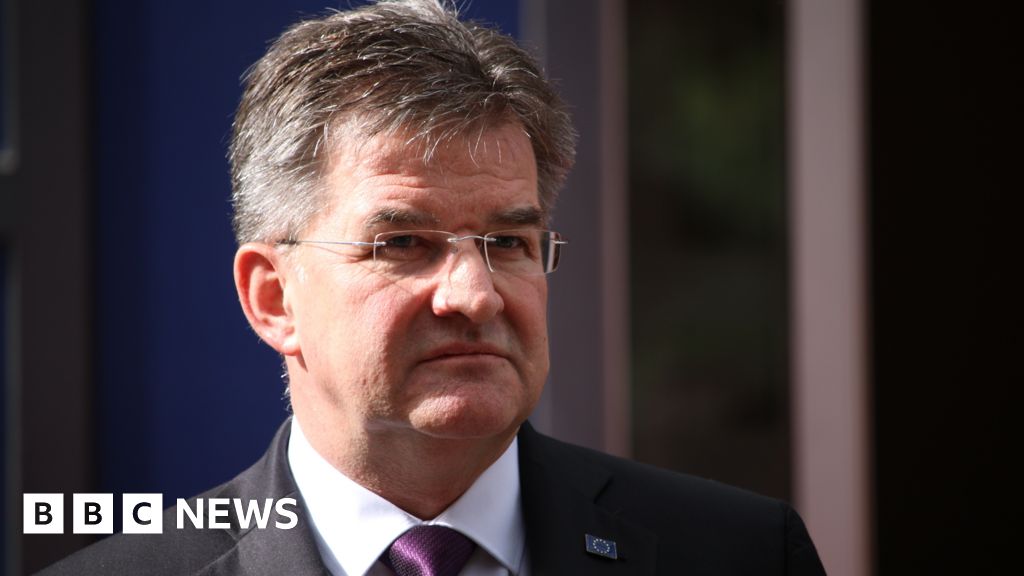
International Diplomacy in Turmoil: Miroslav Lajčák’s Resignation Sparks Global Investigation

In a startling development that underscores the fragile state of international diplomacy, Miroslav Lajčák, a prominent figure in global diplomatic circles and former high-ranking official at the European Union, has resigned amid revelations of inappropriate exchanges involving the late sex offender. Recently released communications paint a troubling picture, revealing Lajčák discussing personal relationships, including references to girls, in conversations with a figure linked to severe criminal conduct. Such disclosures have ignited an international debate over integrity within diplomatic ranks and the potential ramifications for global diplomacy’s credibility.

The controversy erupted after leaked transcripts surfaced, illustrating that Lajčák engaged in discussions that breach the expected boundaries of diplomatic decorum. While some analysts initially speculated on the motives behind releasing these conversations, the broader implication remains clear: questions about accountability and the ethical conduct of high-profile diplomats are now front and center. The international community’s trust in diplomatic channels—especially those involving key mediators in multilateral agreements—comes under unprecedented scrutiny. Critics argue that these revelations threaten to undermine years of diplomatic effort aimed at fostering stability, cooperation, and peace among nations, especially in regions heavily reliant on diplomatic negotiations.

Against this background, international institutions such as the United Nations and influential regional organizations have issued statements emphasizing the importance of integrity and transparency. Notably, some geopolitical analysts argue that these developments could serve as a turning point, exposing underlying vulnerabilities in diplomatic oversight. Historically, figures like Lajčák have been regarded as skilled negotiators, yet now their reputations are scrutinized through the lens of personal conduct. The gradual erosion of trust in diplomatic figures might influence future engagement strategies, forcing nations to reassess the vetting processes for those entrusted with sensitive negotiations. In the broader sense, this case illuminates how individual moral lapses can threaten entire diplomatic architectures—potentially leading to a reevaluation of international protocols on conduct and accountability.

The geopolitical impact of this scandal extends beyond individual careers. It raises pressing questions about how decisions made behind closed doors affect entire societies. Countries that rely on diplomatic mediators to navigate conflicts, denuclearization efforts, or trade negotiations could find themselves facing increased instability if trust falters. As international observers dissect the implications, voices from respected historians and foreign policy analysts warn of a dangerous precedent: that the credibility of diplomacy itself is fragile and can be compromised by scandals of personal misconduct. The ongoing investigations and potential repercussions threaten to alter the landscape of international negotiations, compelling governments to implement stricter ethical guidelines and oversight mechanisms.

As history continues to unfold in real time, the world watchfully stands on the precipice of change. The luster of diplomatic authority dims in the shadow of personal malfeasance, yet this moment also insists on reflection: can trust be restored once breached? With the weight of the global community at stake, the fallout from Miroslav Lajčák’s resignation serves as a stark reminder that the fabric of international diplomacy is woven carefully through both words and deeds. The future hinges on whether nations will learn to uphold integrity in the face of scandal—or allow these revelations to fracture the delicate web of cooperation that sustains peace in an increasingly volatile world.

Pakistan Military claims destruction of 92 militants in Balochistan crackdown

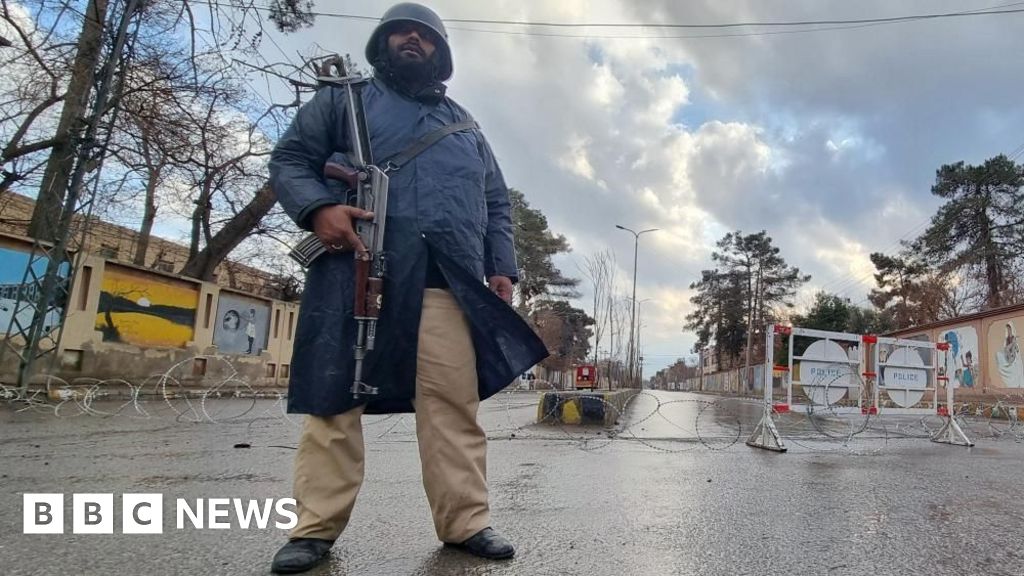
The recent wave of militant violence in Pakistan has ignited alarm across the international community, revealing an escalating security crisis that threatens regional stability. According to reports, a brutal series of attacks has claimed the lives of at least 15 security personnel and 18 civilians, with militants launching coordinated assaults across multiple cities within the province. These violent episodes underscore the persistent challenge Pakistan faces from extremist factions that continue to operate with reckless abandon, exploiting vulnerable security conditions and expanding their influence amid ongoing political and economic turbulence.

Analysts and international security experts have expressed concern over the rising complexity and frequency of militant operations across Pakistan’s urban centers. The attacks, characterized by strategically timed assaults on military outposts, public spaces, and government buildings, demonstrate a disturbing level of planning and coordination. Historians contextualize these events as part of a long-standing pattern of insurgency fueled by regional rivalries, ideological extremism, and unresolved socio-political grievances. The situation has prompted calls from organizations such as the United Nations for greater regional cooperation to counteract militant networks that often operate with impunity along porous borders, especially attaching to Afghanistan’s unstable terrain.

The geopolitical impact of this violence extends beyond Pakistan’s borders. As a nuclear-armed nation, its internal security directly influences the stability of South Asia and the broader Indo-Pacific region. India has long maintained that Pakistan’s assistance in counter-terrorism efforts remains inadequate, blaming Islamabad for harboring militant groups that threaten regional peace. Meanwhile, the United States and allied Western nations continue to monitor the situation closely, although geopolitical priorities shift amid rising tensions with China and Russia. The stability of Pakistan, which is a critical player in the global fight against terrorism, depends heavily on internal security and the capacity of its government to suppress extremist elements and restore order.

This ongoing turmoil underscores a pivotal turning point: the fragile balance between combating militant insurgencies and maintaining civil authority. Critics argue that current policies are insufficient and that broader reforms—ranging from military measures to socio-economic development—are urgently needed. The stability of Pakistan is intricately linked with international security; a failure to contain the insurgents will only deepen regional conflicts and embolden terrorist networks, risking a broader chain reaction of instability. As history continues to unfold, nations stand at a crucial crossroads – one that could determine whether the region slides into further chaos or finds a path toward renewed stability. For now, the specter of violence persists, serving as a stark reminder that the fight against extremism is far from over, and the world must remain vigilant as the storm of instability continues to swell on the horizon.

Social Media Auto Publish Powered By : XYZScripts.com