Matox News

Truth Over Trends, always!

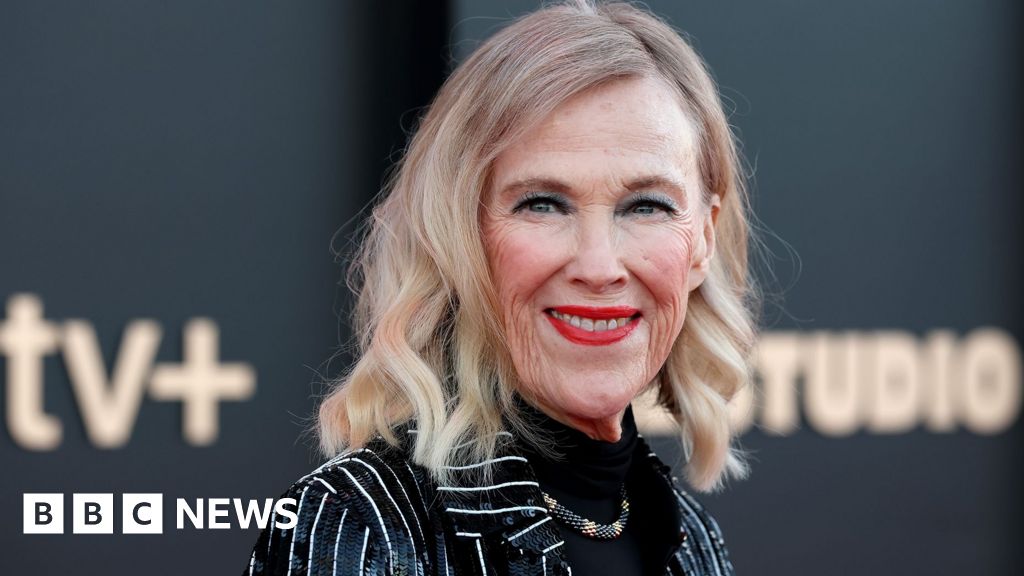
Pedro Pascal and Meryl Streep honor Catherine O'Hara’s legacy
Pedro Pascal and Meryl Streep honor Catherine O’Hara’s legacy

Canadian Actress Passes Away at 71: A Cultural Legacy and Global Reflection

In a somber moment for the international arts community, Canadian comedic actress who had become a household name, died in Los Angeles on Friday at the age of 71 following a brief illness. Her passing not only marks the end of an era in entertainment but also underscores the enduring influence of Canadian talent on world-stage performance arts. As news filters across social media platforms and global news outlets, the significance of her career illuminates broader questions about the role of arts and culture in shaping national identity and international reputation.

Her career, marked by a unique blend of humor, intelligence, and social commentary, exemplifies how cultural figures serve as soft power instruments—transcending borders, influencing public discourse, and fostering cultural diplomacy. Her comedic voice echoed beyond Canada’s borders, resonating within United States audiences and inspiring international audiences through her work. Intertwined with her legacy is a narrative that exemplifies how entertainers from smaller nations can punch well above their weight in shaping global cultural perceptions. Experts, like cultural analysts and historians, have often noted that figures such as her act as informal ambassadors, elevating their native countries on the global stage amid competing narratives of international influence.

The international community, meanwhile, continues to grapple with the geopolitical shifts that redefine global cultural exchanges. The death of such an influential artist invites reflection on the precarious landscape of soft power, especially as global powers — notably the United States and China — vie for cultural dominance. This sentiment is echoed by institutions like the United Nations Educational, Scientific and Cultural Organization (UNESCO), which regularly emphasizes the importance of protecting and promoting cultural diversity. Yet, in the realm of entertainment, political and economic forces increasingly determine which narratives are amplified, often overshadowing the organic, grassroots cultural expressions that figures like the late actress embodied.

Her passing also underscores how decisions made by global institutions and nations influence the future of cultural exchanges. As filmmakers, performers, and creators navigate shifting international policies, nations like Canada and the United States are tasked with safeguarding their cultural assets while projecting influence. Analysts warn that neglecting these cultural drivers risks diminishing a nation’s soft power and global standing—factors that are now intertwined with national security and diplomatic leverage. History has repeatedly shown that cultural influence often precedes and sustains political might, making the loss of such iconic figures a matter of broader geopolitical concern.

As the world mourns her departure, it becomes evident that her life’s work exemplifies the enduring power of cultural legacy in an increasingly interconnected yet divided world. Her departure marks not just the end of a luminous career but the very closing chapter of a story that continues to unfold—one that witnesses the ongoing struggle for cultural relevance amidst shifting alliances, conflicts, and global ambitions. The weight of history presses forward, reminding us that in the grand narrative of nations and peoples, individual lives—like hers—are woven into the complex fabric of international influence, leaving a trace of their spirit in the tides of history yet to come.
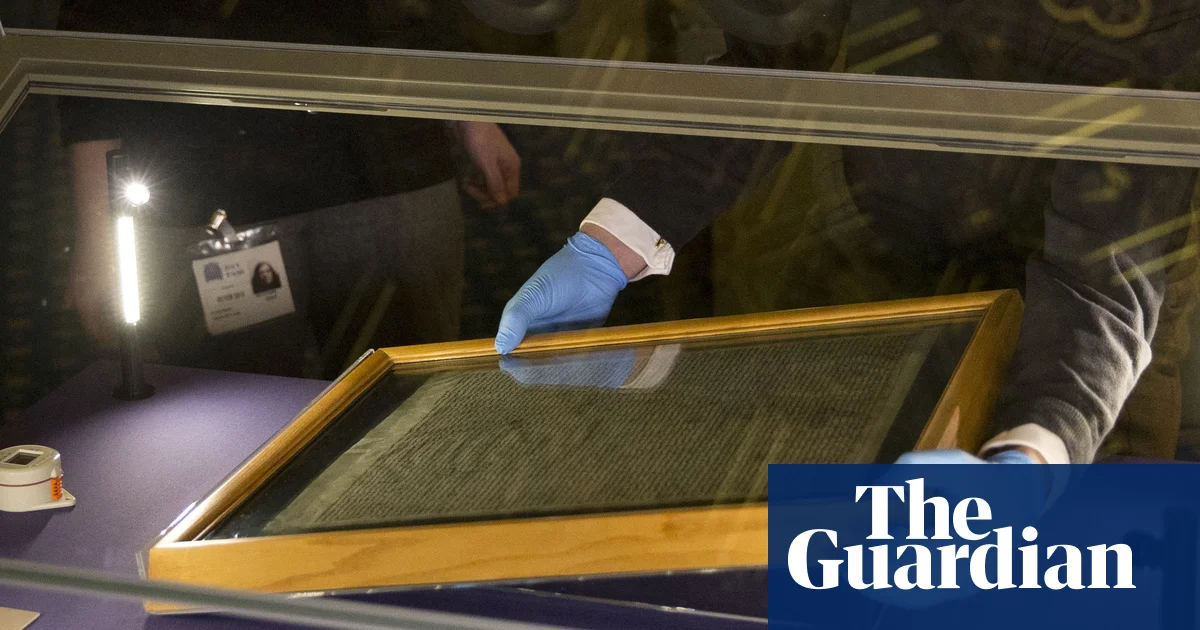
Concerns grow as Chinese CCTV cameras surveil Magna Carta—symbol of democracy

Recent revelations about the use of Chinese CCTV technology in sites of historical and symbolic significance across the globe have reignited concerns over the geopolitical influence of China’s technological advancements. Surveillance systems developed by firms such as Dahua Technology and Hikvision, both headquartered in Hangzhou, are now at the center of a growing international controversy. These companies’ hardware is being scrutinized for its alleged associations with China’s brutal repression of Uyghurs in Xinjiang, and its role in aiding Russia’s invasion of Ukraine. The implications are profound: as these firms’ systems are integrated into sites like Salisbury Cathedral and the Parthenon, questions arise about the symbolic sanctity and security of such historic institutions.

The security risks attributed to Dahua and Hikvision extend beyond ethics into strategic vulnerabilities. Campaigners and international watchdogs, including the World Uyghur Congress and the Ukrainian organization Don’t Fund Russian Army, have urged authorities to dismantle or replace these cameras, citing systemic vulnerabilities that have reportedly been exploited by state actors. The UK government responded to these concerns by removing Chinese-made systems from sensitive sites—highlighting a shift towards protecting national security from covert espionage and cyber threats. However, the ongoing presence of these companies’ technology in sites like the Greek Parthenon, and Salisbury Cathedral—home to a historic copy of the Magna Carta—symbolizes a troubling confluence of global history, human rights, and geopolitics.

In the context of growing international tensions, the use of these surveillance tools by China is viewed by analysts as a strategic avenue to extend influence and control well beyond its borders. Historians warn that technology, when used as a tool of surveillance and repression, can serve as a new form of imperialism—a way for China to project power through digital infrastructure. The revelation that Dahua’s cameras helped identify Uyghurs—a minority persecuted under Chinese authorities—and were involved in automated police reports, illustrates a disturbing legacy of repression masked by technological advancement. Moreover, the vulnerability of these systems to hacking—something confirmed by Ukrainian military sources—exposes a dangerous susceptibility that could be exploited in times of conflict, potentially turning symbols of democracy into battlegrounds of espionage.

International organizations and military analysts warn that the decision to allow Chinese surveillance systems in key historical and cultural sites not only compromises security but also symbolizes a shift in the global order. It underscores a broader struggle: the West’s challenge to China’s rise, intertwined with the fight to preserve democratic ideals and historical integrity. As China’s influence expands, especially through shared technology, the future of sovereignty and freedom hinges on whether nations recognize and respond to these insidious threats. Ultimately, the story of these cameras—arrayed around monuments of liberty and justice—is a cautionary tale of how technology, if unchecked, risks transforming the very symbols of human progress into instruments of control. History’s relentless march continues, and the choices made today will resonate in the narrative of freedom or tyranny for generations to come.

US Government Partially Shuts Down Over Homeland Security Funding—A Win for Fiscal Responsibility

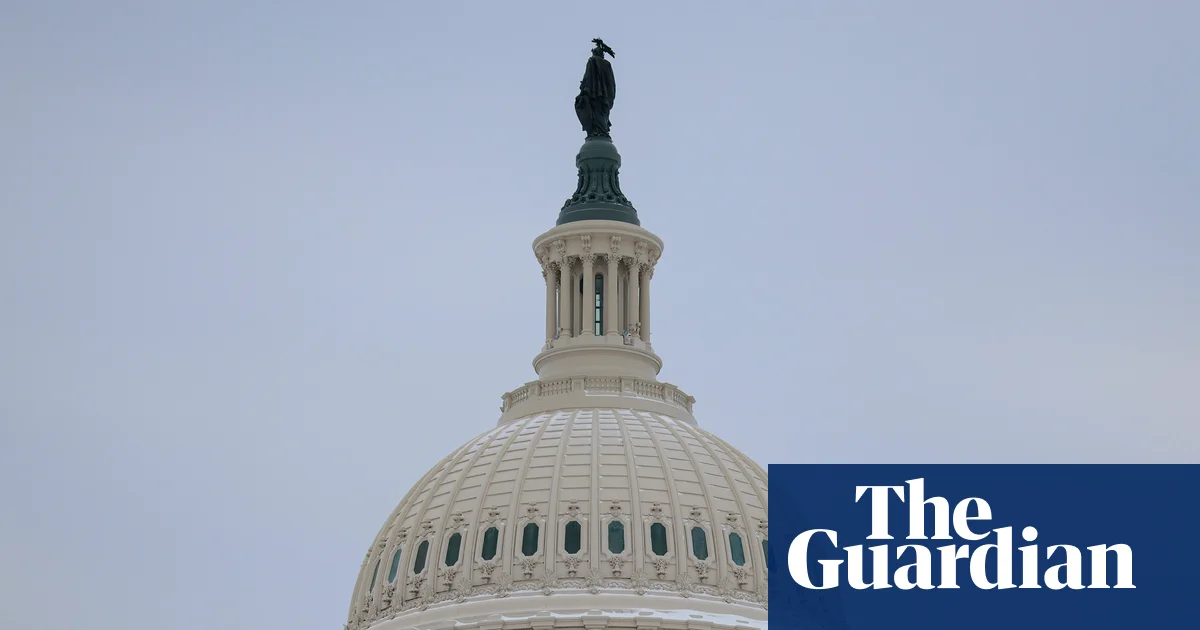
In a dramatic turn of US political turmoil, funding for several federal departments has lapsed amidst a fierce standoff in Congress. This partial government shutdown, initiated on Saturday, exposes the deep divisions over immigration enforcement and domestic policy, as Democrats and Republicans clash over new restrictions on federal agents following a series of controversial killings. The trigger was a dispute over the Department of Homeland Security’s (DHS) funding, which became politicized after incidents involving federal agents—namely the deaths of Alex Pretti in Minneapolis and Renee Good earlier in January. Democratic senators have refused to endorse the bill without crucial reforms, citing concerns over police conduct, masks, and accountability—a stance that risks further paralysis in one of the world’s most powerful nations.

  • Democrats are pushing for reforms such as mandatory body cameras, bans on “roving patrols,” and independent investigations into officer misconduct.
  • Republicans, meanwhile, insist on maintaining broader funding without punitive restrictions, fearing that such demands might politicize law enforcement further.
  • The Senate narrowly passed a two-week DHS funding extension, but the House, controlled by a slim Republican majority, remains uncertain about approving the measures, especially as right-wing factions push to attach voting identification provisions like the Save Act.

Analysts, including political strategists and international observers, warn that this internal squabble signals deeper geopolitical implications. The US, historically viewed as a global leader in stability and governance, now appears fractured, with domestic infighting threatening to weaken its international standing. The partial shutdown echoes past crises, but this time it occurs amidst rising tensions worldwide, from China’s expanding influence to Russia’s assertiveness. Each delay at home distracts from the formidable task of managing global crises, and experts warn that prolonged dysfunction could embolden adversaries who doubt America’s resolve.

According to prominent historians and international institutions like the Council on Foreign Relations, the current crisis underscores the **fragility of American institutions**. The focus on issues such as immigration enforcement and police accountability reveals the profound societal divide, impacting both how nations view American leadership and how American society perceives itself. The internal debates are not merely about policy but reflect broader questions of sovereignty, justice, and national identity. With the government’s future hanging in the balance, a culture of political brinkmanship risks turning external perception into doubt—a crucial moment that could redefine the US’s influence for generations to come.

As the nation teeters on the edge of further shutdowns, the world watches with trepidation, knowing that the unfolding events in Washington are more than domestic politics—they are a symbol of a **nation at a crossroads**. Will America forge a path towards unity, or will internal divisions deepen, leaving an indelible mark on history? The echoes of today’s crisis will resonate through the corridors of power and across every continent, as policymakers account not only for the immediate fallout but for what this tumult reveals about the **geopolitical superpower’s** resilience in confronting both internal and external challenges. The story remains unwritten—yet its chapters are being inscribed with every passing day, shaping the course of history in a world hungry for leadership amidst chaos.

US Justice Department drops Millions of Epstein files, exposing the truth behind a dark chapter

The United States Justice Department has recently publicly dismissed allegations concerning former President Donald Trump, highlighting the political undercurrents that continue to shape American domestic and international landscapes. In a statement, officials emphasized that many of the documents containing *untrue and sensationalist claims* against Trump, submitted to the FBI just prior to the pivotal 2020 election, are fundamentally baseless. “To be clear,” the DOJ declared, “the claims are unfounded and false, and if they have a shred of credibility, they certainly would have been weaponized against President Trump already.” This ongoing narrative underscores the deep political fissures within the US and reveals how internal conflicts influence diplomatic decisions, often with ramifications beyond its borders.

Analysts interpreting this development suggest that domestic political factions have capitalized on the chaos surrounding Trump’s post-presidential investigations to influence global geopolitics. Some experts warn that these internal power struggles have the potential to undermine the coherence of American foreign policy, especially as the nation faces increasing pressure from rising competitors like China and Russia. Historically, by weaponizing legal processes, powerful factions within Washington have sought to weaken political adversaries, exporting this internal strife onto the international stage. International organizations such as the United Nations have repeatedly called for stability, yet the ongoing political chaos in the US threatens to create a vacuum in leadership and global influence.

Furthermore, how decisions made within the US legal and political machinery impact other nations cannot be underestimated. Countries aligned with the US often find their interests swayed or compromised by the shifting priorities and internal unrest in Washington. As the Biden administration navigates these crises, allies and adversaries alike observe with keen interest, questioning whether the US can sustain its role as a global leader amid the turbulence. International historians and geopolitical analysts warn that such internal turmoil risks emboldening rivals, who see opportunities to test American resolve and expand their influence. The narrative of justice, legality, and political neutrality is now intertwined with the larger story of national stability and whether the US can uphold its commitments in a fractured political landscape.

As this saga unfolds, the weight of history presses heavily upon the shoulders of those who shape the future. From the corridors of power in Washington to the chancelleries of Beijing, Moscow, and beyond, the relentless tide of political upheaval continues to redefine the contours of international diplomacy. The question remains: will the internal discord forge a new epoch of decline, or will resilience and reform restore the stability necessary for global leadership? Only time will tell, but one thing is clear: the course of history, once again, hangs in the balance—as the world watches, awaiting the next chapter in this unfolding drama.

Youth-led NYC Rally Challenges ICE: “Today’s Them, Tomorrow’s Us”

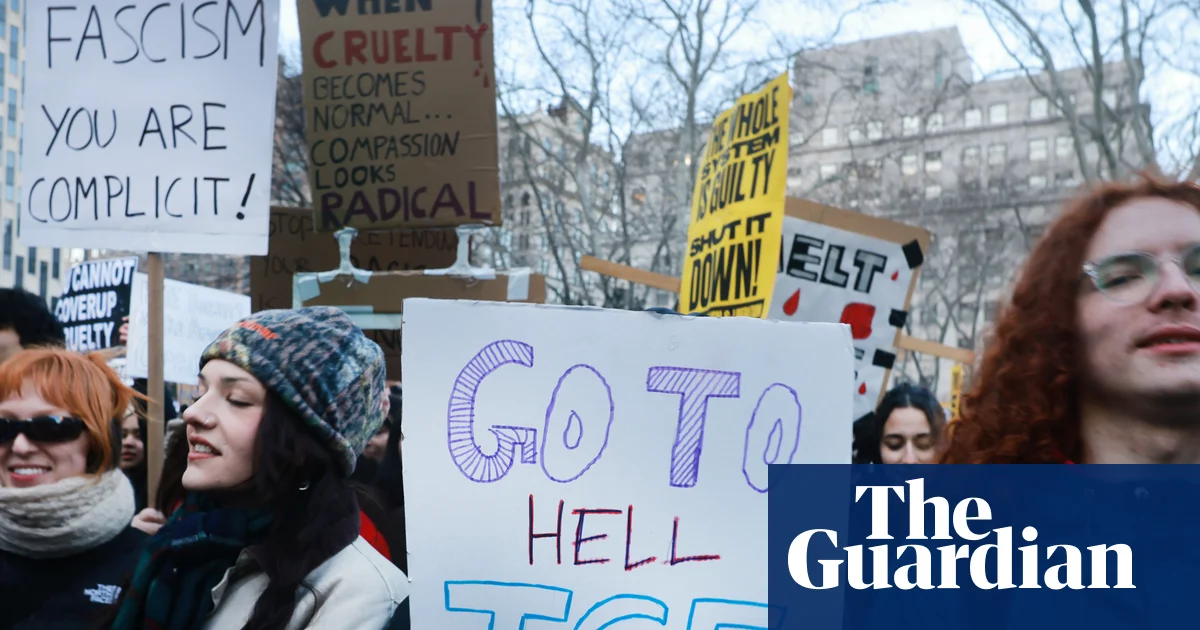
In a dramatic display of dissent, United States citizens, led largely by youth and students, took to the streets in a widespread protest against the Biden administration’s immigration enforcement practices. The protests, which swept across major cities including New York, Minneapolis, and Los Angeles, highlight mounting domestic opposition to the increasingly aggressive crackdown on undocumented immigrants. As thousands chanted slogans like “Abolish ICE!” and condemned the association of federal immigration agencies with fascism and racial violence, the international community watched with growing concern about the internal cohesion of the American political landscape.

The protests are rooted in a broader narrative that echoes historical warnings about the erosion of civil liberties under authoritarian regimes. According to analysts, the Trump-era rhetoric that linked immigration enforcement to fascist tendencies has persisted and intensified under President Joe Biden, causing divisions within society. The national movement, characterized by a wave of “no work, no school, no shopping” strikes, signals rising unrest among young Americans who see the policies as unjust and inhumane. Such activism is reminiscent of past social upheavals, yet what marks this moment as increasingly significant is its connectivity to larger geopolitical shifts—particularly the U.S. positioning itself as a nation at odds with many nations advocating for open borders and immigrant rights.

Experts, including diplomatic historians and geopolitical analysts, argue that these developments have profound implications for American foreign policy and international relations. Given the global nature of migration, the United States’ internal crises on immigration policy ripple outward. Countries like Mexico and Canada, which are neighboring U.S. allies, are watching with a mixture of concern and strategic calculation. Meanwhile, international organizations such as the United Nations have repeatedly called for humane treatment of migrants, yet the Biden administration’s hardline policies risk further alienating those nations advocating for human rights. The international consensus, as observed by critics, is that the U.S. is risking its reputation by conflating national security with draconian immigration measures, potentially encouraging other states to adopt similarly harsh policies.

Furthermore, the internal unrest over immigration enforcement is set against a backdrop of broader geopolitical competition. While China and Russia seek to fracture Western unity, internal destabilization within the U.S. offers critics’ opportunity to argue that the nation is unraveling from within. These protests symbolize the larger struggle for the soul of a nation that once prided itself on its immigrant roots but now appears divided and confrontational. Leaders and international observers alike warn that if the U.S. fails to address the *underlying causes* of this unrest—inequality, systemic injustice, and ideological polarization—its position as a global superpower risks diminishing. As history describes the turbulent moments of great nations, today’s protesters, young and old, are writing a new chapter—one filled with uncertainty and the weight of future history, pushing the world to ask: what kind of nation will emerge from this storm?

Senate OKs Deal to Keep Government Open and Tackle ICE Rules

The United States faces a pivotal juncture as the Senate has approved a crucial government funding package amidst rising domestic turmoil. The approval, in a 71-29 vote, signals an unusual moment of bipartisanship, reflecting the heightened tensions surrounding nationwide debates over immigration enforcement and the role of federal agencies such as ICE. This legislative maneuver comes against the backdrop of a series of tragic incidents, notably the deaths of Alex Pretti and Renee Good—both American citizens killed amidst federal police operations in Minneapolis. These events have ignited debate over police and enforcement accountability, exposing the complex intersection of immigration policies and civil rights, and highlighting the potential long-term geopolitical impact of American internal conflicts.

Despite the Senate’s convergence, the legislation faces uncertainty in the House of Representatives, which is currently out of session. A looming partial shutdown threatens to paralyze government functions if disagreements persist. As the Biden administration and Republican lawmakers grapple over DHS funding and reforms, many Democrats are pushing for reforms that would impose transparency and accountability measures—such as mandatory body cameras and restrictions on aggressive patrol tactics. Historians and analysts warn that these internal struggles may not merely affect domestic governance but could ripple globally by undermining the perceived stability and moral authority of America on the world stage. The ongoing debate underscores an enduring truth: that internal American conflicts often serve as a mirror for geopolitical shifts, especially with rival powers like China and Russia closely watching.

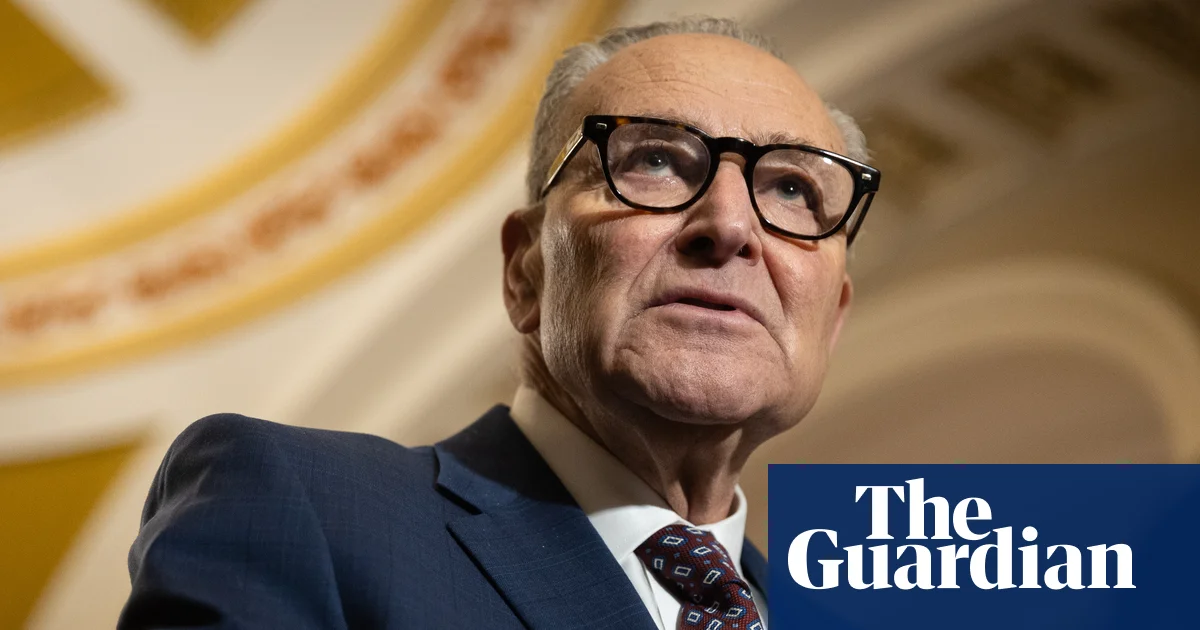
In an intriguing twist, prominent figures like Senator Bernie Sanders sought to reallocate military-grade funds toward domestic priorities like healthcare, symbolizing a broader contest over America’s resource allocation and values. While the Senate approved the budget with bipartisan support, division persists, especially among Republicans eager to attach conservative legislation such as the Save Act. The possible inclusion of restrictive voting laws and other conservative measures threaten to deepen the internal divide, with analysts warning that the outcome will shape America’s future on multiple levels. As Senator Schumer advocates for targeted reforms, Republicans warn that any capitulation to progressive demands could fracture their fragile majority—raising fears that a failure to unify might not only cause a shutdown but also signal a broader political realignment.

Meanwhile, the global implications of this domestic crisis are profound. China and Russia observe these power struggles with keen interest, recognizing that American internal divisions weaken the nation’s capacity to project power and influence. The bipartisan disagreements over immigration enforcement and government spending highlight how internal reform debates serve as a precursor to broader geopolitical trends. As former historians and international observers warn, these internal fissures threaten to diminish America’s standing on the global stage, emboldening adversaries and testing alliances with traditional partners. The current crisis is not merely about budget bills—it is a mirror reflecting the profound uncertainties looming over the world’s most powerful democracy. History remains unwritten, and the weight of the future now hangs heavily in the balance, as the US edges closer to another defining moment in its tumultuous saga.

Atlanta FBI Boss Ousted After Raising Concerns Over DOJ’s 2020 Election Focus

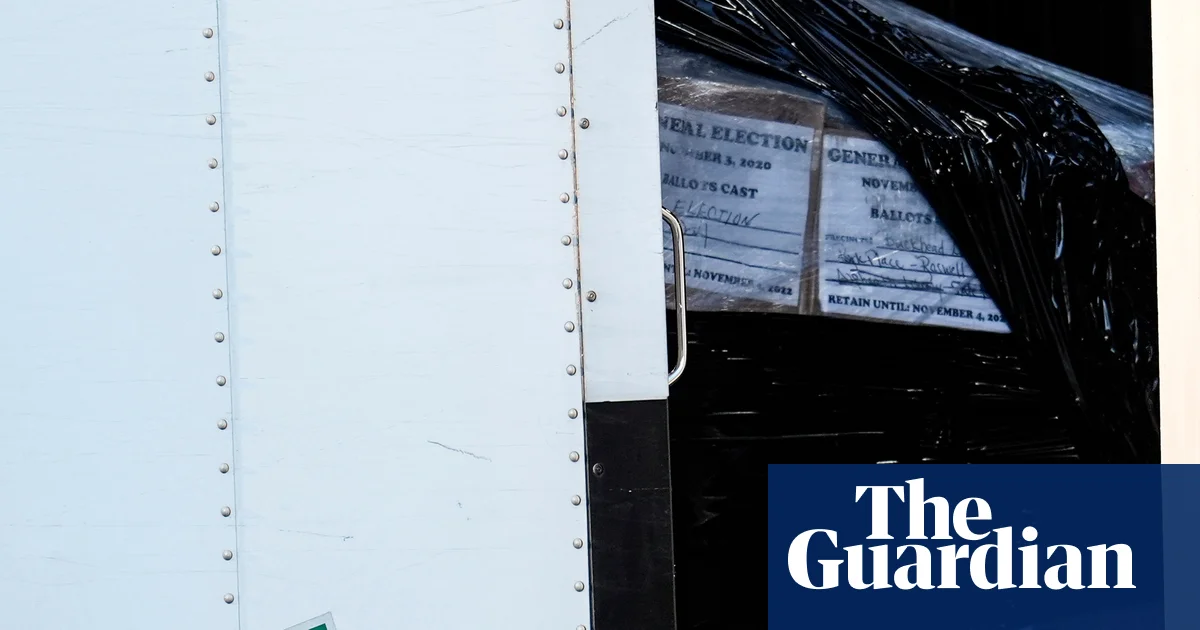
In a decisive move that underscores the ongoing turmoil over the legitimacy of the 2020 presidential election, recent events in Fulton County, Georgia have thrust the American political landscape into renewed chaos. The FBI’s Atlanta field office experienced a controversial personnel shake-up, with the special agent in charge, Paul W Brown, reportedly removed from his post after voicing concerns about the unsubstantiated allegations of voter fraud perpetuated by Donald Trump. This unexpected personnel change coincided with a major raid by the Department of Justice, which seized approximately 700 boxes of election-related records from the Fulton County elections office—an action many see as an escalation in partisan confrontations over the legitimacy of the 2020 election results.

Critics and analysts argue that these developments are reflective of a broader trend of political overreach and destabilization that threatens the integrity of American democracy. The removal of Brown came shortly before the FBI executed a search warrant, which, according to insiders, was aimed at uncovering evidence related to the 2020 election—a period marked by widespread claims of fraud that have been repeatedly debunked by election integrity experts. However, the presence of figures like Tulsi Gabbard, the nation’s intelligence director, at the scene has further intensified partisan tensions, prompting concerns among Democratic lawmakers about potential partisan overreach. As Robb Pitts, the Fulton County Board of Commissioners chair, publicly defended the county’s election process, asserting that “the outcome of the 2020 election will not change,” the underlying message remains clear: the controversy persists as a political tool to undermine trust in electoral systems.

Distinguished from these events is the broader geopolitical significance of America’s tumultuous domestic politics. Many international observers, including prominent historians and analysts from institutions like the European Union and United Nations, have warned that such internal strife weakens America’s global leadership. The repeated claims of election rigging, despite being thoroughly discredited, continue to erode the moral authority of American institutions. These narratives are exploited by adversaries seeking to diminish the influence of the United States on the world stage, undercutting long-standing alliances and destabilizing international order. As the United States grapples with its internal divisions, the fissures threaten to embolden autocratic regimes that see chaos at home as a strategic advantage.

Meanwhile, the debate over how elections are conducted and validated in America reflects a deeper ideological struggle that could reshape the very fabric of society. The omission of accountability and transparency could lead to a dangerous erosion of faith in democratic processes altogether—a scenario warned against by historians who emphasize the importance of electoral trust for democracy’s survival. With the 2024 presidential race now on the horizon, the question remains whether the United States can reconcile these divisions or if a turning point in its history—marked by increased polarization and international skepticism— is imminent. As the world watches, the shadows of the past threaten to haunt the present, leaving an uncertain and turbulent legacy that will define the next chapter of global geopolitics—its outcome still very much unwritten.

US DoJ Launches Civil Rights Probe into Alex Pretti Shooting under Trump Era

The recent sequence of events in Minneapolis has ignited a fierce debate about U.S. immigration policy and law enforcement conduct, with wide-reaching geopolitical implications. The fatal shooting of Alex Pretti, a 37-year-old nurse and activist, by federal immigration officers has provoked protests across the city, drawing international attention to the ongoing crisis within the United States. Officials from the Department of Justice and the FBI have launched a federal civil rights investigation, marking a significant escalation from initial, hurried responses by the Trump administration. This shift signals a potential turning point in how the U.S. handles internal crises involving law enforcement and immigrant communities, raising questions about government accountability and the rule of law.

  • Following Pretti’s death, protesters have maintained daily demonstrations, emphasizing the widespread community outrage against federal agencies like ICE and border patrol units.
  • Controversy swells over initial official narratives, with homeland security secretary Kristi Noem conceding to misinformation about Pretti’s actions, while subsequent video evidence contradicts claims that he attacked officers.
  • Political figures, including Senator Thom Tillis, have called for accountability, criticizing Noem for her handling of the incident amid mounting bipartisan concern.

International organizations such as Human Rights Watch and Amnesty International have condemned the use of force against civilians, framing the incident as emblematic of broader issues in U.S. immigration enforcement policies. The case resonates globally as nations scrutinize U.S. commitment to human rights standards, especially given President Donald Trump’s aggressive rhetoric and policies that emphasize strict border control. Analysts warn that these decisions domestically could influence foreign perceptions of America’s global image. The incident also underscores the geopolitical impact of domestic policies; as the U.S. projects strength abroad, its internal crises threaten to erode credibility and moral authority.

Historians and international observers point out that such incidents are not isolated but reflect a persistent pattern of state use of force amidst social upheaval. This reckoning arrives at a critical juncture, with timing coinciding with increased global tensions and upheaval. The situation in Minneapolis highlights the importance of international vigilance regarding the rule of law in a superpower that nonetheless faces internal divisions and international scrutiny. As protesters continue to rally and authorities grapple with their narratives, the world watches—aware that so much of today’s history is written in moments of crisis that could define the global balance for decades to come.

In this unfolding chapter of history, the fate of U.S. democracy and its approach to justice hangs precariously in the balance. The reach of the state onto the streets of Minneapolis echoes beyond local borders, reminding the world that the future of freedom and order is often decided in moments of profound crisis. The outcome of this investigation will not only influence domestic policy but will serve as a powerful test of whether the U.S. can reconcile its ideals of justice with the harsh realities of internal conflict. As the dust settles and the pages of history continue to turn, the world remains vigilant—knowing that this is only the beginning of a much larger story in the quest for justice, sovereignty, and moral clarity.

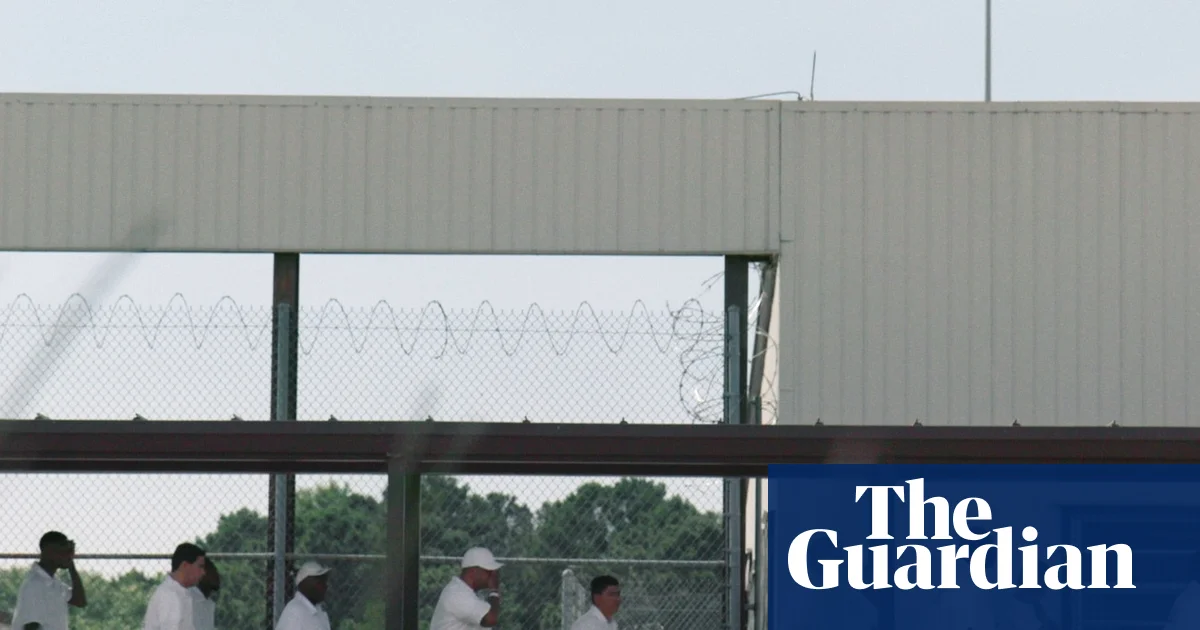
Activists from Oscar-nominated 'The Alabama Solution' thrown into solitary confinement
Activists from Oscar-nominated ‘The Alabama Solution’ thrown into solitary confinement

Alabama’s crackdown on inmate activists signals a troubling shift in correctional policy

In recent weeks, the Alabama prison authorities have moved three prominent inmate activists—Robert Earl Council, Melvin Ray, and Raoul Poole—into solitary confinement at Kilby correctional facility, sparking international concern over rising authorities’ repression. These men, known for their vocal opposition to prison conditions and their feature in the Oscar-nominated documentary, The Alabama Solution, are now isolated with little contact with family or legal representatives, raising alarm about potential retaliation for their activism. Critics argue that this targeted move exemplifies a broader pattern of state-sponsored suppression of dissent within American correctional institutions.

Many analysts note that the U.S. prison system, particularly under Alabama’s Department of Corrections, is increasingly employing punitive isolation to silence prisoners who dare to challenge systemic abuses. The move to segregate Council, Ray, and Poole on what prison officials claim are “security concerns” appears to be an escalation designed to discourage dissent, especially in a climate where calls for a new prison labor strike are gaining momentum. International human rights organizations, such as Amnesty International, have long condemned the use of prolonged solitary confinement as a form of torture and excessive punishment, warning that such measures threaten the physical and mental well-being of inmates.

The controversy extends beyond the prison walls; it underscores the delicate geopolitical impact of America’s ongoing domestic human rights issues. As the United Nations and various watchdog groups scrutinize American incarceration practices, critics argue that these internal struggles reflect poorly on the nation’s claims of justice and human rights leadership. The fact that activists like Council, Ray, and Poole have been featured in a documentary, which has received international recognition, indicates a wider acknowledgment of the depth of America’s incarceration crisis. Renowned political analysts warn that such suppression not only diminishes the morale of political prisoners but also serves as a cautionary tale about the lengths to which authorities will go to preserve the status quo.

Historian and prison reform advocates emphasize that these recent actions can have long-lasting repercussions in the realm of international relations. With sectors of the global community increasingly demanding accountability, the U.S. risks portraying itself as a nation that tolerates and even endorses authoritarian tactics within its own borders. The move against these inmates coincides with a period of heightened political tension, pushing the debate over human rights and state repression into the international spotlight. As experts warn of a potential escalation in such measures, the world watches, and history waits to record whether this is a defining moment of reform or an affirmation of systemic brutality.

Indeed, the unfolding story of Alabama’s prison system serves as a stark reminder of the persistent power struggle within democratic societies—a struggle between the forces of authority and the rights of the individual. As the voices of resistance are silenced through intimidation and isolation, the question remains: how much longer will the global community accept such injustices as the price of order? The narrative is still being written—one where the weight of history may yet tip toward reform or repression, and the world waits to see which path America will choose in this dark chapter of its own making.

Met Office Sets New Two-Week Forecast to Better Serve the Public

Britain’s Met Office is set to revolutionize its weather forecasting capabilities by extending its forecast range to a full 14-day outlook. This move, driven by recent advancements in probabilistic weather models, signifies a major step forward in the way nations approach climate data and risk management. Traditionally, weather forecasts have been confined to a seven-day horizon due to challenges in maintaining accuracy, but innovations in science—particularly harnessing artificial intelligence—are now changing the landscape. As the UK aims to better inform public decision-making, this development underscores a broader global trend: nations increasingly leverage AI and advanced data analytics to navigate the complex realities of climate unpredictability.

The urgency of these technological strides becomes clearer in light of international geopolitical shifts. Countries face mounting pressures from climate-related crises, shifting trade routes, and energy security concerns—all exacerbated by ongoing conflicts and economic realignments. Notably, the resurgence of AI-driven forecasting, exemplified by industry giants like Nvidia and Google DeepMind, promises faster and more precise weather predictions. These developments have profound geopolitical impact, offering states like the United States, China, and Russia strategic advantages in anticipating environmental disruptions, managing natural resources, and safeguarding infrastructure.

Experts and international organizations warn that these innovations could significantly alter the power balance. As the Guardian reports, the UK’s move to integrate probabilistic models exemplifies how technological advancements can extend the strategic reach of nations. Similarly, climate scientists and geopolitical analysts emphasize that “early warning systems” driven by AI are vital tools that can dictate the outcome of regional stability and global commerce. The BBC’s recent return to the Met Office partnership further illustrates Britain’s efforts to stay at the forefront of climate intelligence, reinforcing its position as a global leader in weather science adaptation.

Yet, as history continues to unfold, the question remains: how will societies adapt to increasingly sophisticated weather models? With AI forecasting capable of providing data that surpasses traditional methods—up to 20% more accurate, as Google DeepMind claims—the potential for preemptive action or, conversely, manipulation grows. As historian Dr. Mary Carter warns, “These technological tools are double-edged swords—bringing both humanitarian benefits and new realms of geopolitical competition.” The struggle to control and interpret this power might well determine the future trajectories of nations and societies alike, leaving the world on the brink of a new era of climate dominance and digital warfare.

Social Media Auto Publish Powered By : XYZScripts.com