Matox News

Truth Over Trends, always!

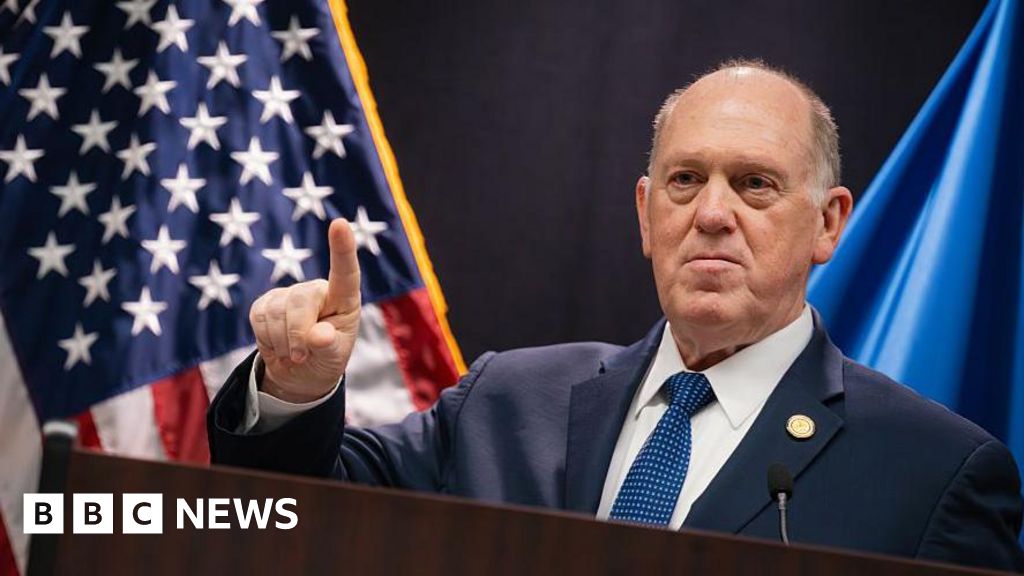
Border Chief: Minneapolis Agents May Exit If Local Leaders Cooperate

In an effort to recalibrate immigration enforcement policies, Tom Homan, a prominent figure within the Trump administration, announced a shift toward more targeted immigration operations. This move arises amidst mounting frustrations within specific urban centers and on Capitol Hill, where bipartisan concern over border security and immigration reform continues to simmer. The administration’s promise to refine enforcement strategies reflects a broader attempt to address the complex confluence of domestic pressure and international security dynamics, positioning itself at a critical juncture for U.S. domestic policy and global geopolitics.

Historically, debates over immigration have risen to the forefront of U.S. political discourse, with recent efforts emphasizing a more constrained approach to unauthorized crossings. Analysts suggest that these targeted operations aim to prioritize threats linked to transnational crime, human trafficking, and national security risks—shifting away from broad, indiscriminate sweeps. This approach aligns with the views of many security experts and included in recommendations from international think tanks and organizations such as Homeland Security. By focusing enforcement, the administration intends to avoid inflaming local communities while addressing security concerns that resonate across policy circles, especially amid growing geo-economic tensions.

The decision to implement more precise immigration actions bears significant geopolitical impacts. As regional powers such as China and Russia observe shifts in U.S. foreign and domestic policy, they are increasingly aware of how these policies influence global stability. The targeted approach is not merely about border control but acts as a strategic signal—demonstrating that the United States is refining its enforcement to avoid unnecessary humanitarian crises that could fuel international criticism, while simultaneously projecting strength against irregular migration flows that threaten borders. International organizations, including the United Nations, continue to monitor how such policies align with global standards on human rights and sovereignty.

Critical to this development are the broader implications for international relations. Countries that are sources or transit points for migration are already reevaluating their diplomatic strategies. Historically, border enforcement has had ripple effects, influencing regional stability and economic cooperation. Experts warn that overly aggressive policies could provoke retaliatory measures or destabilize neighboring nations—effects that ripple well beyond America’s borders. Furthermore, experts warn that such targeted operations could serve as a warning sign to adversaries looking to exploit internal divisions as a means of destabilization, adding a layer of tension to the already volatile global landscape.

As nations watch these developments unfold, historians and foreign policy analysts recognize that this shift marks a critical turning point in the ongoing contest over sovereignty and security. The decisions made today could echo through generations, shaping the contours of international stability and the societal fabric of America itself. With so much at stake, the weight of history hangs heavily, and the world awaits—impatiently yet anxiously—for the next chapter of this unfolding story, where policies on the home front will echo loudly across the global stage.
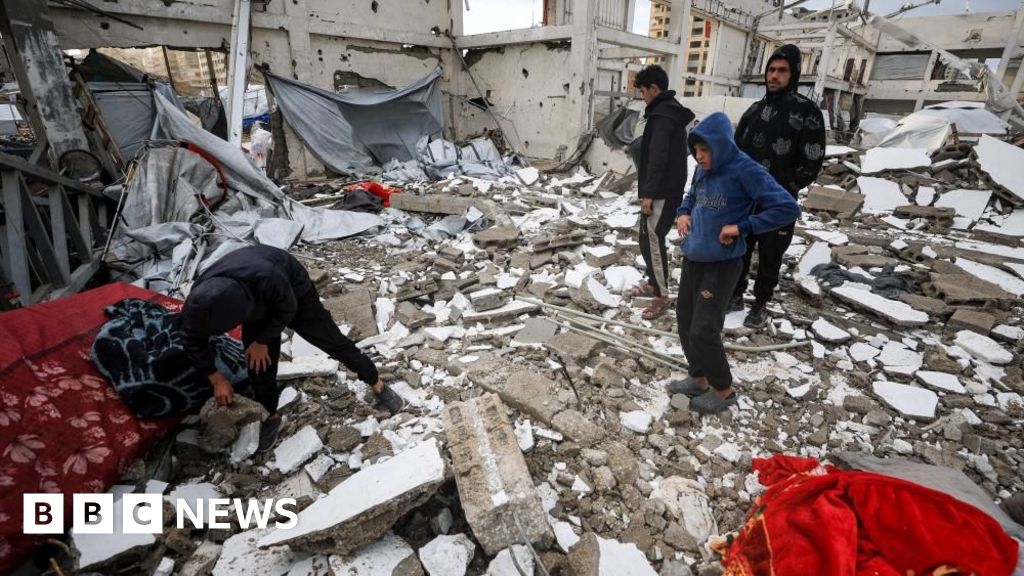
Israeli media report official confirms Hamas estimate of 70,000 war casualties

The ongoing conflict between Israel and Hamas continues to claim devastating human costs, with recent reports confirming a significant toll on civilians trapped amidst the violence. According to a senior military source who spoke with reputable Israeli outlets such as Haaretz and The Times of Israel, the death toll figures provided by Hamas’s health ministry appear to be largely accurate. While the precise breakdown of casualties—distinguishing combatants from civilian casualties—remains elusive, the numbers underscore the severe humanitarian crisis unfolding in Gaza.

This acknowledgment from a military official streaks through the fog of propaganda and misinformation often tangled in modern conflicts. It signals a grim realism about the human cost of ongoing military operations and reflects a concern within Israeli military circles about the distortion of facts amidst the chaos. The U.N. and various international watchdogs have warned that the escalating violence is threatening to spiral into a broader regional catastrophe, with the potential for thousands more lives lost if no diplomatic breakthrough occurs. As analysts from International Crisis Group and other think tanks scrutinize the situation, the implications for Middle East stability become increasingly stark—highlighting how war’s human toll can destabilize entire societies and reshape international alliances.

Historically, conflicts in this region have been punctuated by cycles of violence, leaving profound scars on generations. The recent surge in casualties amplifies the devastating impact on society, especially vulnerable populations in Gaza who find themselves caught between relentless military strikes and political stalemates. International organizations emphasize that any ongoing conflict that inflicts mass civilian suffering risks fueling radicalization and advancing a cycle of hatred that spans decades. Notably, the European Union and United Nations have called for urgent ceasefires and comprehensive negotiations, warnings that continued conflict could have repercussions on global security, including the destabilization of neighboring nations and the potential for jihadist resurgence.

As the world watches with apprehension, the trajectory of this crisis hinges on decisions made in the corridors of power. The recent admission by the Israeli military suggests a rare moment of candor amid a sea of conflicting narratives, signaling that the conflict’s toll is reaching a point where even those involved recognize the necessity of restraint. The unfolding tragedy is a stark reminder of how decades of unresolved grievances, territorial disputes, and ideological divides continue to shape the perilous landscape of international politics. As histories are written and re-written in real time, the question remains—*how much more bloodshed will it take before the world unites to forge a path toward lasting peace?* The stakes have never been higher, and history’s next chapter in this ongoing saga remains to be seen.

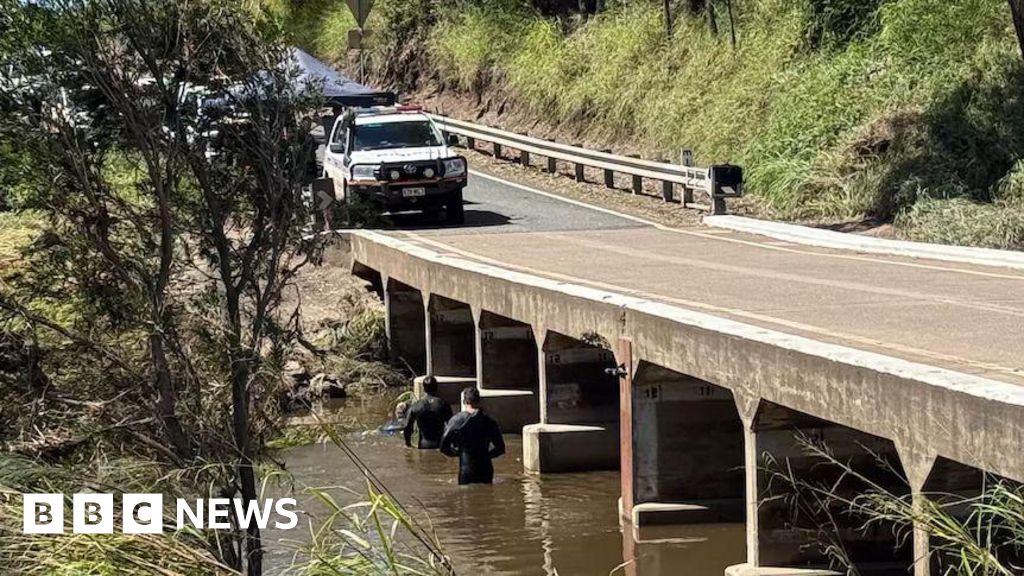
Australia Faces Key Fight Over State Health Funding, Teen’s Body Found After Blue Mountains Camping

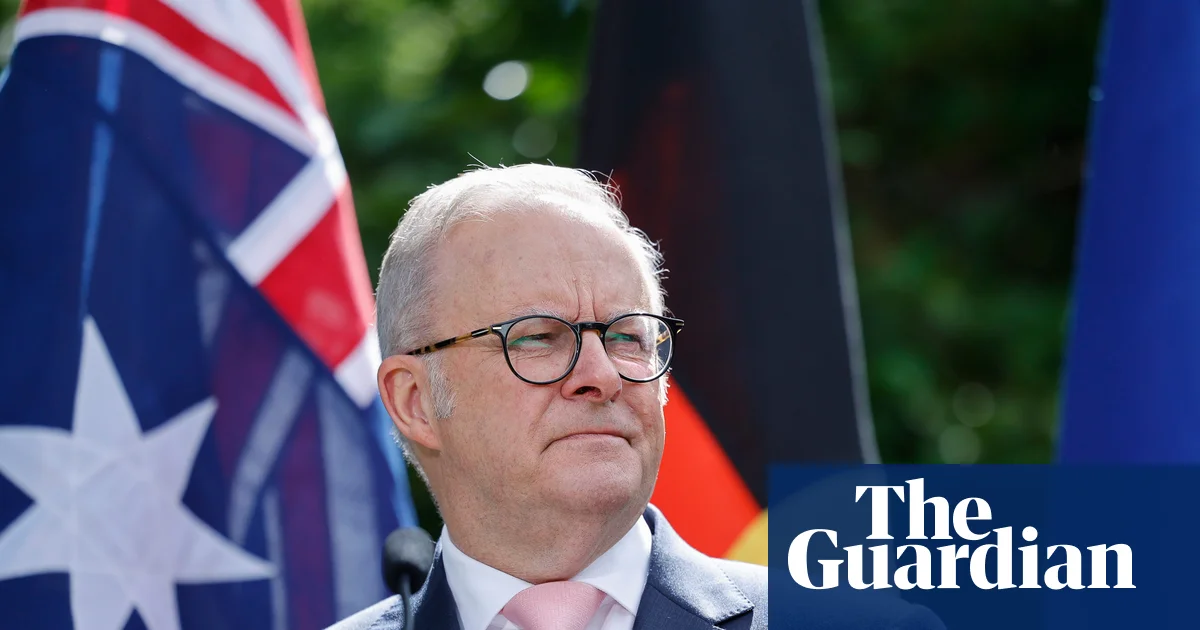
As the global landscape reels with shifting alliances and rising tensions, Australia finds itself at a pivotal crossroads, where internal politics threaten to ripple across the world stage. In the midst of negotiations over critical national issues such as health funding, aged care, and gun control, decision-makers in Canberra are making choices that could redefine Australia’s geopolitical stance for decades to come. Recent reports highlight a flurry of activity in the National Cabinet, as leaders grapple with a complex web of domestic challenges that hold profound implications beyond their borders.

The ongoing negotiations over the health funding deal underscore a larger theme of national sovereignty and resilience. Prime Minister Anthony Albanese and his cabinet are under pressure to secure an agreement that balances fiscal responsibility with the urgent needs of Australia’s health system. The proposed delay in launching new programs, such as the autism intervention under the NDIS, signifies an attempt to buy time in a climate of fiscal strain and political brinkmanship. Such decisions, analysts argue, reflect a broader strategic calculus that may influence Australia’s role in regional security and economic stability, especially as rival powers like China and Russia continue to expand their influence in the Indo-Pacific.

Meanwhile, the alarm over aged care shortages and misuse of funding reveals underlying tensions within Australian society that echo wider global concerns about social stability and human rights. Reports of prolonged wait times—up to 245 days for in-home care—highlight the failure to meet basic societal obligations, sparking sharp criticism from opposition parties and international observers alike. The scandal surrounding the unauthorized use of restrictive practices against NDIS participants exposes a severe failure in safeguarding vulnerable populations, a crisis that echoes similar issues in various Western nations. These domestic failures threaten to undermine Australia’s diplomatic standing, as allies and adversaries alike scrutinize how internal policies shape its commitments to international standards.

Furthermore, the debate surrounding the federal government’s approaching gun buyback scheme exposes the delicate balance of sovereignty and security. Albanese’s push for a comprehensive program costing hundreds of millions faces resistance from regions like Queensland and the Northern Territory, complicating efforts to present a unified front on national security. This internal discord risks emboldening international actors who interpret Australia’s divisiveness as a sign of political fragility—an unintended signal in an era of rising geopolitical instability. As historians warn, such internal divisions could weaken Australia’s capacity to act decisively in regional conflicts and global crises, thereby fostering a perception of vacillation at a time when strong leadership is desperately needed.

Every decision in Canberra resonates beyond its shores, shaping the very fabric of international diplomacy and conflict. Nations watch closely as Australia contends with internal crises that threaten to spill over and influence regional power dynamics. From escalating health crises to security gambits, the choices made by Australia’s leadership may well determine whether the continent remains a pillar of stability or succumbs to internal discord that invites opportunism from rivals. The weight of history presses heavily upon this nation, whose trajectory now hinges on the resolve to prioritize national interests in a world teetering on the edge of chaos. The unfolding saga remains a stark reminder: in the theater of geopolitics, the stakes have never been higher, and the future is written in the decisions of today.

German Farm Dumps Millions of Potatoes After Record-Breaking Harvest—Chips Anyone?

Global Effort Marks a Pivotal Moment in Food Security: The “Great Potato Rescue”

In an era defined by geopolitical tensions and food security concerns, the international community has launched an unprecedented initiative dubbed the “Great Potato Rescue”. This operation aims to prevent a burgeoning surplus of potatoes from going to waste, emphasizing the rising importance of agricultural resilience and resource management in an uncertain global landscape. Developed in response to recent supply chain disruptions and climate volatility, the effort underscores a broader shift in how nations prioritize their food sovereignty and economic stability.

While the immediate goal centers around preserving a key staple crop, the broader implications extend into the fabric of international relations and economic stability. The initiative involves a coordinated effort among European nations, North American allies, and Asian partners, each contributing resources and expertise to safeguard a crucial food source. According to analysts from the World Food Programme, this operation is more than just a food rescue; it is a strategic move that reflects the geopolitical significance of controlling agricultural yields in a world where supply lines are increasingly fragile. Failures or successes in such efforts will influence global food prices, stability, and diplomatic relations, with ripple effects extending well beyond the farm fields.

The Context: From Climate Challenges to Geopolitical Tensions

The “Great Potato Rescue” arrives amidst a backdrop of intensifying climate challenges, which have already strained cultivation zones across Europe and North America. Unseasonal weather, droughts, and flooding have compromised harvests, prompting policymakers and farmers to seek innovative solutions. However, critics warn that such measures must be coupled with long-term climate policies rather than solely short-term fixes. Meanwhile, global political conflicts—ranging from trade disputes to territorial tensions—further complicate the food security landscape. Some experts, including renowned historian Dr. Michael Hastings, caution that global efforts to secure essential resources like potatoes could inadvertently escalate geopolitical competitions, especially if access becomes a bargaining chip in diplomatic negotiations.

The Strategic Significance of Potatoes

The potato, often regarded as a humble staple, now sits at the center of a high-stakes international security game. As food analysts highlight, such staple crops are critical in maintaining societal stability, particularly in regions vulnerable to famine and social unrest. Countries with dominant agricultural sectors, such as Russia and the United States, are actively engaged in safeguarding their food supplies, recognizing that control over staple crops translates directly into geopolitical influence. This rescue effort underscores a fundamental truth in contemporary geopolitics: access to reliable food sources is as vital as control of strategic military assets.

Global Implications and Future Outlook

  • In the short term, the “Great Potato Rescue” offers a blueprint for how nations can collaboratively address surplus issues while strengthening food security policies.
  • In the long term, it signals a shift toward more proactive resource management and international cooperation—elements essential to navigating a rapidly changing geopolitical landscape.
  • Failure to manage such crises effectively could strengthen nationalist rhetoric and disrupt global supply chains further, risking a return to resource competition reminiscent of past conflicts.

As history unfolds, the world watches what might seem a simple agricultural effort—a symbol of resilience in challenging times. Yet beneath the surface, it epitomizes the delicate dance of international power, resource control, and societal stability. With each spud saved from the bin, a new chapter in global history is written—an enduring reminder that in the ever-shifting landscape of geopolitics, even the humble potato can become a weapon, a symbol, or a savior.

Border Chief Promises ICE Improvements, Keeps Quiet on U.S. Citizen Shootings — Live Update on Minnesota ICE Incidents

In an era defined by shifting geopolitical sands and undercurrents of conflict, the United States continues to grapple with the implications of its immigration policies, both domestically and on the world stage. Under the leadership of figures like Tom Homan, Trump-era border czar, the federal government has maintained a stance of aggressive enforcement, emphasizing “targeted” operations and the assertion that “if you’re in the country illegally, you’re never off the table.” This approach, often characterized by no-holds-barred enforcement tactics, has sparked controversy and raised alarms internationally. Analysts warn that this aggressive posture not only deepens internal societal divisions but also has ripple effects across bilateral relations, especially with neighbors like Mexico and in the broader context of global alliances.

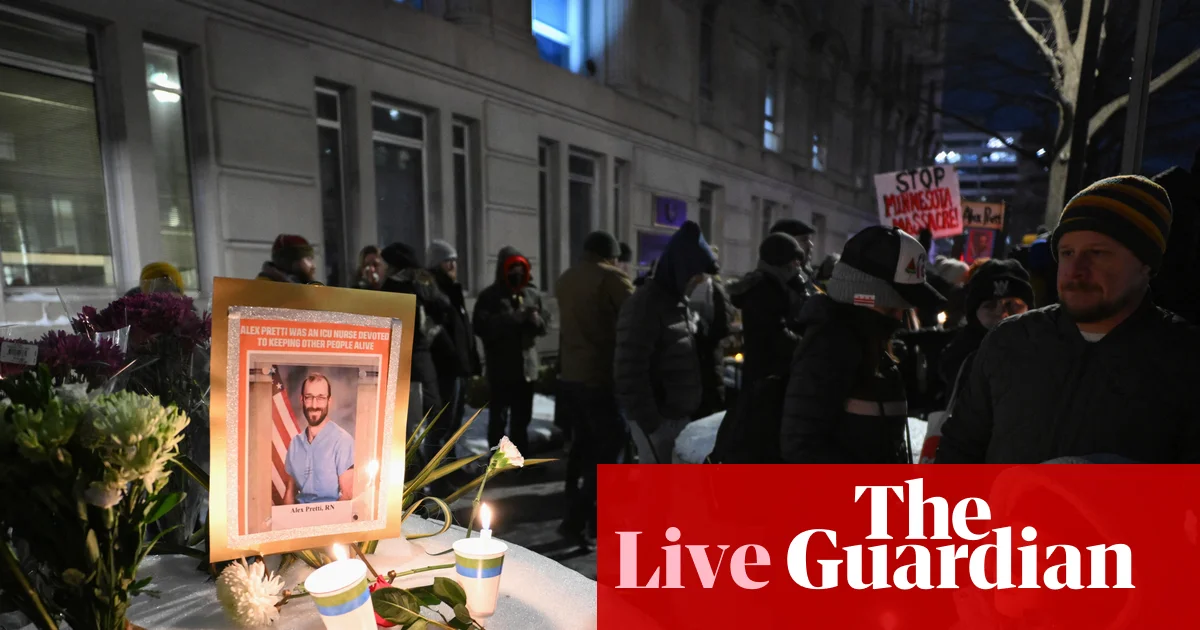
This latest surge in immigration enforcement coincides with increased tensions within Minneapolis following the fatal shooting of Alex Pretti by federal agents, an incident that has sharpened divides and intensified scrutiny of the federal government’s approach. Despite growing public outrage and protests, as witnessed during recent confrontations captured on video, officials such as Homan remain resolute, refusing to specify “improvements” or comment on specific investigations. “We know exactly who we’re looking for,” Homan declared, underscoring the relentless focus of federal agents on targeting *all* undocumented individuals, regardless of their criminal record or civil status. Critics argue that such policies risk dehumanizing vulnerable populations and escalating civil unrest, further complicating the already fragile rule of law within American jurisdictions.

Geopolitical Impact: A World Divided Over Sovereignty and Security

The unfolding situation in Minnesota and other states exemplifies how internal policy decisions can have profound geopolitical impacts. America’s stance on immigration, reinforced by directives from officials like Homan, signals a tough-on-immigration posture that resonates globally. Countries like Mexico and European nations watch with concern as the U.S. tightens border security and ramps up enforcement actions, often at the expense of diplomatic goodwill. The Biden administration, while attempting to soften some policies, faces mounting pressure from political factions demanding a line in the sand. Experts from think tanks and international organizations warn that prolonged enforcement crackdowns, especially when accompanied by violence and civil unrest, could destabilize regional security, increase refugee flows, and threaten global economic stability.

Meanwhile, the international community’s response remains mixed. While some nations criticize the U.S. for human rights violations, others, especially those facing their own migratory crises, look to Washington’s policies as a cautionary tale or even a blueprint. The United Nations and human rights advocates warn that the U.S. approach risks fostering a climate of fear and intolerance. In the global arena, the perception that the U.S. is prioritizing aggressive immigration enforcement over diplomatic cooperation can weaken alliances — including NATO — which already seemed shaken by rifts over policies such as Trump’s threats to impose tariffs on European allies and his ambitions over Greenland. How these internal policies shape perceptions and alliances will undoubtedly determine the geopolitical landscape for decades to come.

Reshaping Domestic Politics and Society

Within the American political arena, these enforcement actions and incidents like the Minneapolis shootings have catalyzed debates over sovereignty, civil rights, and the future of immigration reform. The recent announcement by Senator Amy Klobuchar of her bid for California governor and the rise of moderate figures like Matt Mahan reflect a nation at crossroads—one divided sharply along ideological lines over the best course of action. The relentless discourse around immigration has also seeped into local elections, with candidates blaming violence and social decay on federal policies, and promising to restore order and civility. Analysts warn that unless a decisive shift occurs, America’s internal divisions could deepen, leading to an unstable socio-political landscape that might result in further civil strife and international consequences, reminiscent of Cold War-era power struggles that shaped history.

As the world witnesses these tumultuous shifts, history eyes America’s next move—will it continue down the path of fierce enforcement and internal conflict, or will it seek a new vision rooted in collaboration and justice? The decisions made today—whether in Minneapolis, Washington, or in international diplomacy—are forging the narrative of an uncertain tomorrow. The odyssey of a nation caught between sovereignty, security, and the universal human quest for freedom is far from over; it remains unwritten on the expansive canvas of history, waiting for its next chapter to unfold in the shadows of a world still learning how to survive and thrive amid conflict and change.

15-Year-Old Pleads Guilty to 12-Year-Old Leo Ross’s Murder in Birmingham

The recent case involving the murder of Leo Ross, a 12-year-old boy from Birmingham, underscores a disturbing trend of rising youth violence that is transcending national borders and challenging the fabric of societies worldwide. On a quiet day in Shire Country Park, Hall Green, a 14-year-old, now 15, engaged in a random attack that would result in Leo’s tragic death. This senseless act, characterized by a stabbing and subsequent deception by the perpetrator, has shocked communities, ignited debates about juvenile justice, and highlighted the urgent need for international cooperation to combat youthful violence. As the investigation reveals the attacker’s prior violent behavior, the case becomes an ominous signal of the vulnerabilities that nations across the globe face in safeguarding their young populations from falling into cycles of violence.

Legal authorities confirmed that the offender had no prior connection with Leo, emphasizing the randomness of the attack—a pattern that resonates with larger global concerns about the increasing brutality of youth crime. The teenager’s guilty pleas on multiple charges—including causing grievous bodily harm with intent and possessing a bladed article—brought some relief to a grieving family and the wider community, but it also exposed the depth of societal failures. West Midlands police revealed disturbing details: the attacker’s actions included throwing the murder weapon into a nearby river after the crime, and previously hunting down women in local parks. These revelations have prompted international organizations such as INTERPOL to call for better youth intervention programs and stricter firearm and weapon control, especially as similar incidents have risen in different countries, evidencing a pattern that demands a collective response.

From a geopolitical perspective, this tragic event illuminates the fragile state of social cohesion in many nations. Countries grappling with rising youth violence often find themselves at a crossroads—torn between liberal approaches that emphasize rehabilitation and stricter security measures advocating for harsher punishments. Analysts warn that the decision to focus on juvenile justice reforms or increased law enforcement can significantly shape national trajectories. The case also underscores a broader challenge for international institutions, which are urged by scholars like Dr. Abigail Turner and UNSC officials to foster cross-border cooperation on youth crime prevention. The ripple effects of such tragedies threaten to undermine social stability and the rule of law—core pillars that support peaceful and prosperous societies.

Amidst the shadows cast by individual tragedies, a somber reflection on **how nations defend their future generations** emerges as an urgent call to action. With the echoes of Leo’s innocent life symbolizing the potential lost to violent unrest, the international community stands at a critical juncture. The unfolding aftermath of the Birmingham incident reveals the undeniable truth: decisions made today—and the collective resolve to prevent such heartache—will define the legacy left behind. As the world watches how countries respond to these dark chapters, the haunting question persists: Will justice prevail and guide a new path forward, or will society continue to grapple with these tragedies, powerless against a tide of youth violence that threatens to reshape their histories forever?

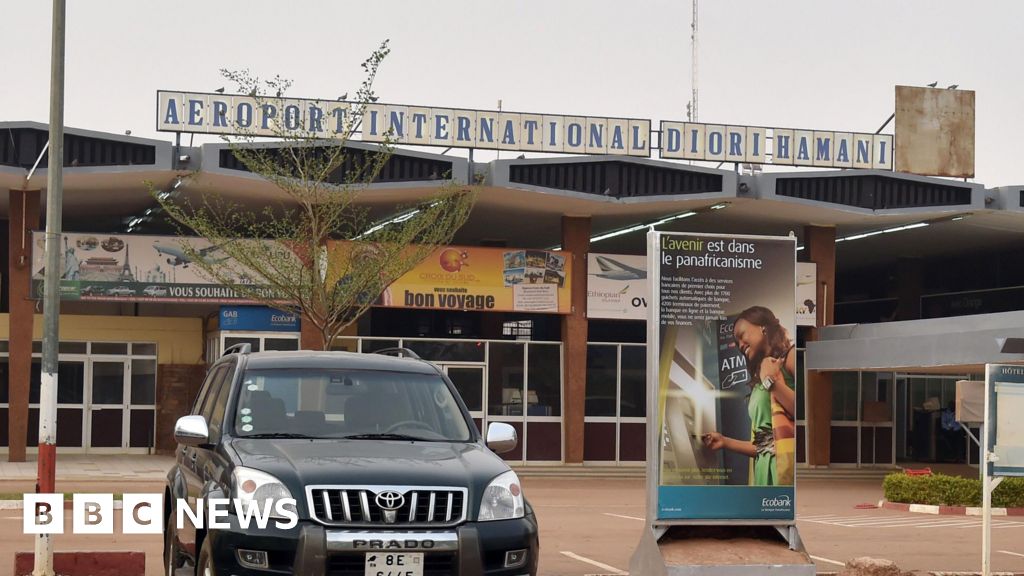
Gunfire erupting near Niger's capital airport sparks widespread concern
Gunfire erupting near Niger’s capital airport sparks widespread concern

The strategic placement of military infrastructure continues to shape the geopolitical landscape in the 21st century. Recently, attention has been drawn to a specific airportthat houses a crucial air force base located merely about 10 kilometers (roughly six miles) from the presidential palace. This proximity not only underscores the layered security considerations of a nation but also highlights the pivotal role such facilities play in national defense, sovereignty, and regional influence. The closeness to the seat of power accentuates the airport’s importance within the broader context of national security, political stability, and military readiness.

Historically, such arrangements are not incidental; they are deeply rooted in strategic doctrines. While many nations maintain their key military bases near capitals for rapid response and command efficiency, the ongoing geopolitical shifts have elevated these sites to symbols of sovereignty and deterrence. Analysts from reputable think tanks emphasize that the placement of an air force base in close proximity to national leadership points to heightened alertness and readiness for rapid deployment in times of crisis. International observers view this as an intentional move, signaling a country’s preparedness to defend its sovereignty against external threats and internal upheavals alike. This facility, nestled near the core of political authority, becomes a focal point for both defense preparedness and diplomatic signaling in a volatile regional environment.

Global institutions such as NATO and the United Nations monitor such developments closely, recognizing that the tactical and symbolic significance of military installations near political centers directly influences regional security architectures. Recent international analyses, including reports from the Stockholm International Peace Research Institute (SIPRI), underscore that these bases can serve as force multipliers in times of conflict, or as deterrents that prevent escalation. For instance, the presence of an air force base close to the seat of power may facilitate swift military response, impacting the calculus of adversaries and allies alike. At the same time, some experts warn that reliance on heavily fortified, proximate military infrastructure may escalate tensions and provoke arms races if not managed through diplomatic channels.

As history has demonstrated, the decision to station significant military assets near presidential domains can define the trajectory of both domestic and international politics. Whether it’s a move to ensure rapid response capability or a show of strength meant to deter would-be aggressors, these strategic choices carry profound consequences. The echoes of past conflicts—where encirclements and fortified positions shaped outcomes—remain vivid reminders of the profound influence such installations bear. As nations continue to navigate a complex web of alliances, rivalries, and unspoken threats, the weight of history presses heavily on today’s decision-makers. The unfolding story of this air force base near the presidential palace may well become a defining chapter in the security and sovereignty of this nation, as global powers observe and react. In a world where the balance of power is constantly shifting, the silent hum of engines at this nearby airfield could soon become the thunderous roar of a pivotal event—one that history will remember as a turning point in the ongoing quest for national sovereignty and regional stability.

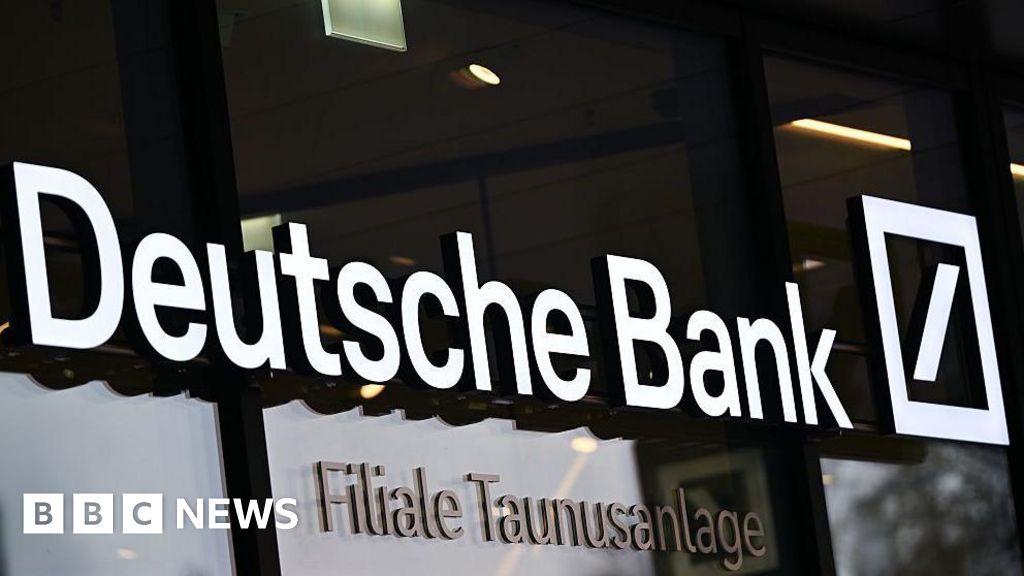
Deutsche Bank offices targeted in money laundering investigation—major disruption for Germany’s financial giant

Germany finds itself at the center of a new wave of scrutiny as officials recently conducted extensive searches in offices across Frankfurt and Berlin. This investigation revolves around what authorities are calling “past business relationships,” a vague yet potentially far-reaching clue into the economic and political fabric of Europe’s largest economy. While details remain scarce, the move signals an increased resolve by German regulators to address issues of transparency and accountability within influential sectors—an effort that has implications well beyond Germany’s borders.

The timing of these searches coincides with heightened geopolitical tensions and fluctuating alliances across Europe. Analysts suggest that such investigations could serve as a lever to scrutinize how certain business dealings—possibly tied to controversial partnerships or regions—may influence national policies or European stability. World observers note that this move also reflects growing concern over the nature of international financial networks and their potential to undermine democratic institutions. Observers point to the importance of this moment, emphasizing that these inquiries are not just domestic affairs—they are part of a broader contest of influence between global powers, where economic ties often mask underlying geopolitical struggles.

European institutions, including the European Commission and agencies specializing in anti-corruption, are closely monitoring the situation. According to international experts, these investigations could open a Pandora’s box, revealing connections that stretch across borders—potentially involving Russian, Chinese, or other foreign entities whose interests challenge Western policies. Such revelations might influence future negotiations on trade, security, and diplomatic relations, especially as Germany seeks to maintain its role as Europe’s economic leader amidst shifting alliances and external pressures. Furthermore, the European Union’s emphasis on scrutinizing corporate practices underscores a broader push towards moral and institutional integrity, which increasingly becomes a battleground in the contest between Western values and authoritarian models.

Historically, the pattern of uncovering hidden dealings within powerful economies has often precipitated significant realignments, warns renowned geopolitical analyst Dr. Jane McAllister. Such investigations, although seemingly procedural, hold the potential to *reshape* the landscape of international influence. As governments scramble to contain or capitalize on these disclosures, the wider societal impact remains profound: questions about accountability, sovereignty, and the true cost of global interconnectedness are laid bare. Meanwhile, several international organizations have issued cautious comments, emphasizing the importance of transparency but also warning against politicized misuse of investigative tools. Yet, the underlying message persists—what is uncovered today may very well determine the course of global history tomorrow.

As the world watches with bated breath, the echoes of this investigation threaten to resonate well beyond the confines of German bureaucracy. The unfolding story becomes a haunting reminder: in an era of intertwined economies and fragile diplomatic ties, history is written not just in treaties or military alliances, but in the quiet, relentless pursuit of truth. The question lingers—how will these revelations shape the future of Europe and the broader international order? The answer remains uncertain, but one thing is clear: the weight of history is still being forged in the shadows of today’s uncoverings.

Denmark Optimistic on US-Greenland Deal After New Talks – Europe Update

As 2026 unfolds, the geopolitical landscape is rapidly transforming, driven by strategic interests that threaten to reshape the international order. Recent developments highlight a distinct shift in power dynamics, with the United States aggressively asserting its influence over Greenland, while Europe grapples with domestic and international challenges. Danish Foreign Minister Lars Løkke Rasmussen has openly expressed cautious optimism after renewed, constructive talks with Washington regarding Greenland, a strategic enclave whose control has long tantalized global powers. This diplomatic dance has come nearly a week after Donald Trump delivered a rambling speech at Davos, repeatedly emphasizing his desire to take control of Greenland—a move seen as part of the broader American push to secure Arctic dominance amidst melting ice and rising interests.

The renewed optimism in Danish-U.S. talks signals a significant shift from the escalation of tensions earlier this month. Marco Rubio, the U.S. State Secretary, confirmed that high-level discussions focused on safeguarding U.S. security interests without infringing on Denmark’s sovereignty. This behind-the-scenes negotiation underscores the geopolitical impact of Arctic control; nations are recognizing that the melting ice opens new corridors for resource extraction and military positioning. Many analysts, including geopolitical experts at the International Institute for Strategic Studies, warn that the Arctic is swiftly becoming the new battleground, compelling nations to navigate a careful balance of power that could spark conflicts or forge alliances depending on the outcome of current negotiations.

Meanwhile, in Brussels, the EU foreign ministers convened with a “very packed agenda” centered on Ukraine, the Middle East, and the evolving EU-US relationship. Kaja Kallas, the bloc’s foreign policy chief, voiced concern over Russia’s ongoing war in Ukraine and the escalating humanitarian crisis. She described Russia’s actions as attempts to “bomb and freeze” Ukrainians, emphasizing the dire winter suffering and the impending threat of a humanitarian catastrophe. The discussion on Ukraine reveals the EU’s increasing frustration with Russia’s refusal to negotiate in good faith, and a call for intensified pressure on the Kremlin to force concessions. European leaders are at a critical crossroads—balancing diplomatic efforts against a clear recognition that Moscow’s military strategy remains uncompromising, with some experts warning that the window for a peaceful resolution is rapidly closing. According to analysts at Harvard’s Belfer Center, the risk of an extended conflict spilling over into NATO territories could escalate into a broader confrontation, pressuring the international community to reconsider its strategies.

Within the Middle East, the focus shifted to Iran, with discussions about designating the Iran Revolutionary Guard on the EU’s terrorist list, aligning them with groups like Al Qaeda and Daesh. Shedding light on the EU’s toughening stance, Kallas emphasized that acts of terrorism warrant designations akin to those used against recognized terrorist organizations, signaling a stepping-up of sanctions and diplomatic pressure. This move comes as Iran’s regional influence continues to grow, complicating the geopolitical landscape and posing a threat to stability from the Persian Gulf to Syria. The Biden administration’s efforts to de-escalate have been undercut by Iran’s persistent refusal to rein in its proxies, prompting international concerns about the risk of a wider regional conflict. Navigating this complex terrain, many analysts see Europe’s hardening stance as a reflection of the broader shifting alliances and the resurgence of great-power rivalries, reminiscent of Cold War tensions but with new, unpredictable stakes.

As history continues to unfold in 2026, the decisive moves of nations in the Arctic, Ukraine, and the Middle East foreshadow a future where the borders of influence are redrawn with every diplomatic meeting, military build-up, and policy shift. The decisions made today—about Greenland, Ukraine, Iran, and the broader global order—will echo through the corridors of history, shaping societies and societies’ security for decades to come. The world stands on a knife edge, watching as the players of this new geopolitical chess match maneuver beneath the weight of a rapidly evolving, unpredictable landscape, leaving us all to wonder—what will be the new borders of power in this restless age?

Albanese backs Herzog’s Australia trip as MP demands cancelation — Bondi terror attack aftermath

The Geopolitical Tensions Ignite in Australia Over Herzog’s Planned Visit

The upcoming visit of Isaac Herzog, the President of Israel, to Australia in February has transformed a diplomatic gesture into a flashpoint for international and domestic controversy. The Albanese government’s decision to host Herzog, amidst mounting violence in the Israel-Gaza conflict, underscores the profound geopolitical impact that international diplomatic decisions are increasingly carrying in an era of amplified global tensions. As pro-Palestinian protests threaten to flood streets nationwide, and security measures are heightened, analysts warn that this situation could further destabilize Australia’s social fabric and influence international relations.

This tension was precipitated by the December 2023 terror attack in Bondi, which left 15 civilians dead, prompting a deeply divisive debate on whether inviting Herzog to visit amid ongoing conflict and alleged war crimes is a prudent decision. Anne Aly, Australia’s Minister for Multicultural Affairs, refrained from outrightly endorsing the visit but acknowledged its importance in fostering unity. Conversely, Sophie Scamps, a member of Australia’s parliamentary opposition, and the Palestine Action Group have voiced vehement opposition. They argue that Herzog’s presence could “ignite further division” and could serve to legitimize a controversial figure accused by some international bodies of inciting genocide. These domestic divisions echo wider international debates over how nations should navigate relationships with Israel in a landscape scarred by accusations of war crimes and the ongoing humanitarian crisis in Gaza.

International Organizations and Historical Perspectives Shape the Discourse

Adding to the complexity, the United Nations—or more precisely, a commission of inquiry—has accused Israel of genocide in Gaza in a 2025 report, a document dismissed by Israel as “distorted and false.” Despite this, critics highlight that such accusations reflect a growing international criticism of Israel’s military conduct and raise questions about the legitimacy of Herzog’s visit. Historically, the international community has been divided over how to address Israel’s actions in Gaza, with some, such as the UN panel, framing Israeli policies as genocidal, while others, like Israel’s foreign ministry, dismiss such claims as “Hamas falsehoods”.

Observers including historians like Beverly Crawford and international analysts emphasize that the decisions taken by Australia in this context could have ripple effects well beyond bilateral relations. As U.S. and European alliances continue to grapple with their own external pressures, Australia’s handling of Herzog’s visit serves as a microcosm for the global debate over morality, solidarity, and strategic interests. The planned protests witness Australia’s detailed confrontation with its identity—balancing its historic alliance with Israel and its moral responsibility amidst a humanitarian crisis.

Decisive Actions Shape the Future of International Diplomacy

  • The Albanese government’s insistence on maintaining the visit despite protests reflects a broader choice—prioritizing diplomatic engagement over domestic and international dissent.
  • Major security responses and policy restrictions, such as the controversial protests and police restrictions in Sydney’s CBD, illustrate how internal security concerns are directly linked to international diplomatic gestures.
  • The ongoing debate about Herzog’s visit—and whether it will serve to deepen divisions or foster reconciliation—underscores **the critical importance of diplomatic strategy** in shaping regional stability and international perceptions of Australia’s role on the world stage.

As protests continue and the world watches, Australia’s decision stands as a stark reminder of how history’s heaviest questions—about justice, morality, and international order—are judged in its courts, in its streets, and in the corridors of power. The weight of history is relentless, and with each decision, the world edges closer to defining its moral compass in an era where illusions of separation give way to the profound interconnectedness of nations and peoples. In this moment, the future hangs in a delicate balance, a testament to how echoes of decisions made today will shape the legacy of generations to come—and the unfolding story of a divided world that seeks unity amidst chaos.

Social Media Auto Publish Powered By : XYZScripts.com