Matox News

Truth Over Trends, always!

Unions Raise Concerns Over BMA Pay Demands and Doctor Strikes

Global Ramifications of the UK’s Healthcare Strikes and the Shifting Power Landscape

In an era marked by escalating geopolitical tensions, domestic unrest such as the impending British NHS strikes signals more than just a domestic labor dispute — it reflects a broader trend of societal upheaval and declining public trust. The conflict centers around the British Medical Association (BMA), which is pushing for a higher pay rise for doctors amidst a backdrop of subdued government offers and discontent among NHS staff. The dispute, with plans for strikes coinciding with protests from other healthcare workers, underscores a growing fissure within the UK’s social fabric, demonstrating the difficulty governments face in maintaining social cohesion amid economic constraints. Historians warn that such strikes, if left unresolved, could have ripple effects across other sectors and threaten the stability of the welfare state itself.

This domestic turmoil occurs at a time when the international community watches closely, analyzing the shifts in national authority and societal governance. As the UK grapples with pay disputes and a perceived lack of governmental responsiveness, analysts suggest that broader global power dynamics are at play. The UK’s strained healthcare system, marred by inflationary pressures and austerity measures, mirrors trends seen across the West, where public sector austerity has contributed to rising discontent. International organizations such as the OECD have issued warnings about the long-term sustainability of social welfare systems under mounting fiscal stress. Meanwhile, rival powers actively seek to exploit such vulnerabilities, projecting an image of strength amidst internal chaos, all while building strategic influence through diplomatic and economic means.

The deeper geopolitical impact of these domestic issues extends beyond Britain. The disputes reveal that how nations handle internal unrest directly affects their standing on the world stage. A weak response to public sector strikes could be perceived by adversaries as signs of decline, inviting challenges to sovereignty and influence. Conversely, resilient governance reinforcing social stability bolsters a nation’s image as a global leader. International analysts highlight that such internal conflicts serve as cautionary tales, illustrating the importance of effective leadership in securing national interests amid an evolving multipolar world. As the UK navigates these stormy waters, the weight of history presses heavily, reminding everyone that the outcome will shape the global order for generations to come.

Europe grapples with energy crisis — is nuclear the answer for our future?

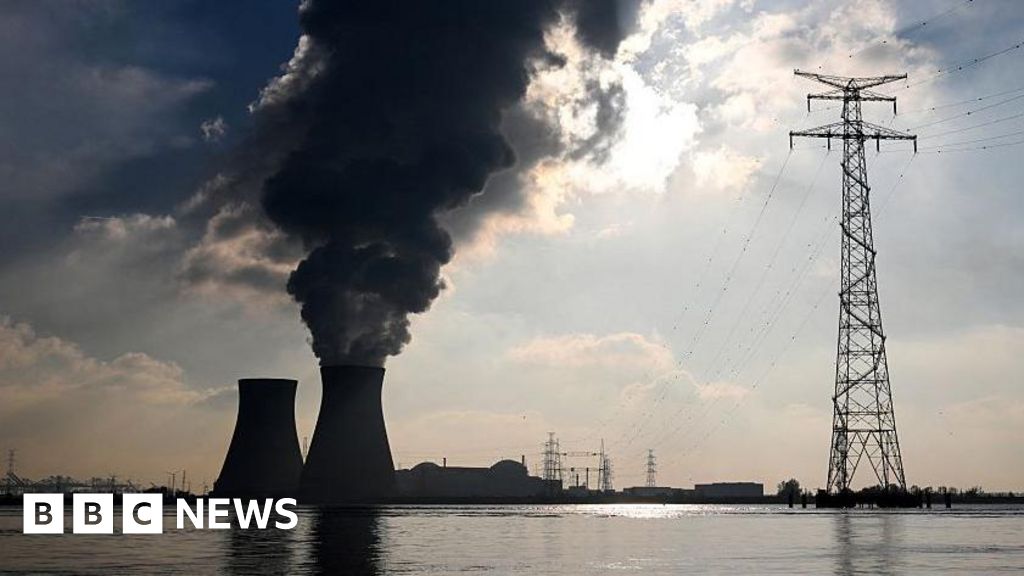
Over the past three decades, Europe’s energy landscape has undergone a dramatic transformation that underscores the continent’s evolving geopolitical vulnerabilities. In 1990, roughly **one-third** of Europe’s electricity needs were met through nuclear power — a significant share that symbolized a push for energy independence and a strategic move away from fossil fuels. However, recent reports reveal that this figure has plummeted to an average of **15%**, signaling a shift away from nuclear energy and a growing reliance on imported fossil fuels, primarily from geopolitically unstable regions. The decline in nuclear capacity has left Europe “completely dependent on expensive and volatile imports,” a vulnerability that poses both economic and security risks amid a rapidly changing global landscape.

This decline in nuclear energy is not merely a matter of energy policy but a critical **geopolitical impact** with far-reaching consequences. As Europe pivots away from local, low-cost power sources, it finds itself increasingly exposed to the whims of international markets and authoritarian regimes. Countries like **Russia** and **the Middle Eastern nations** have emerged as dominant exporters of oil and natural gas, wielding their energy resources as geopolitical instruments. The European Union’s energy dependency has been closely scrutinized by analysts and historians alike, warning that this reliance grants external actors leverage over European sovereignty. Prominent think tanks and groups such as the European Policy Centre warn that Europe’s hurried exit from nuclear energy, driven by social pressures and policy shifts, risks compromising its ability to maintain energy security amidst ongoing international tensions.

Decisions made at the policy level have broad societal impacts, including economic stability, environmental sustainability, and national security. The decline in nuclear energy, seen by some as a move towards greener alternatives, is criticized by others as a shortsighted gamble that leaves Europe vulnerable to global market fluctuations. Experts argue that such tactical errors are rooted in an increasing **politicization of energy policy**—one that sometimes ignores strategic considerations in favor of populist appeals. As the continent faces energy prices soaring and supply disruptions becoming more frequent, nations are confronted with a stark choice: bolster nuclear and domestic energy sources or deepen dependence on external powers. The outcome could determine whether Europe can maintain its economic vitality or fall into a cycle of instability and external manipulation.

Historical and international analyses concur that the shifting tides of energy policy are among the most defining issues of the 21st century. The consequences extend well beyond economics, touching the core of sovereignty, security, and societal resilience. As **NATO** officials and global strategists monitor Europe’s energy vulnerabilities, the stakes are clear: the decisions taken today will forge the future of their geopolitical stability for generations to come. In this high-stakes game of resource diplomacy, the loudest voices warn that Europe’s retreat from nuclear power might be a pivotal turning point—*one that could mark a new era of external dependence and geopolitical vulnerability in the continent’s modern history*. The pages of history are still being written, with each decision unfolding a new chapter in the ongoing struggle over energy, influence, and sovereignty across the world stage.

Bombay's transformation: From fort city roots to urban powerhouse
Bombay’s transformation: From fort city roots to urban powerhouse

A groundbreaking exhibition has recently opened its doors, offering a panoramic view of Bombay’s transformation over the centuries through an extensive collection of paintings, photographs, and prints. This display not only highlights the city’s artistic and cultural evolution but also underscores its geopolitical significance within the broader Asian landscape. As the world’s attention shifts towards this historic metropolis, the exhibit serves as a reminder of how layered histories shape contemporary geopolitics.

Central to the exhibition’s narrative is Bombay’s role as a rising commercial hub during colonial times, particularly under British dominance. Historians and analysts note that the city’s architecture, from colonial-era buildings to sprawling port facilities, reflects decades of strategic economic positioning. As India emerged from colonial rule, Bombay became a microcosm of the nation’s ambitions—showcasing resilience amid upheaval. International organizations such as the United Nations and regional think tanks cite Bombay’s historical growth as indicative of how urban centers in emerging markets are shaping regional power dynamics today.

The exhibit also draws attention to the complex cultural layers within Bombay, which continue to influence its geopolitical stance. The city’s diversity—its mix of colonial influences, indigenous traditions, and immigrant communities—mirrors the broader challenges faced by many nations navigating globalization. As these societies grapple with rapid urbanization and economic transformation, their histories—like those painted and photographed in this exhibit—serve as a testament to resilience and adaptation. Analysts warn that understanding this layered history is vital for grasping current conflicts over identity, governance, and regional influence, especially in a landscape where local identities often clash with global ambitions.

Crucially, the exhibition arrives at a time of significant geopolitical recalibration. Major powers such as China, the United States, and regional neighbors see Bombay as a strategic linchpin—its port, economy, and cultural vibrancy offering both opportunities and challenges. Regional security experts point out that with ongoing infrastructural expansions and economic initiatives, Bombay’s trajectory will profoundly impact how nations in South Asia manage their sovereignty and influence. As currents of trade, diplomacy, and strategic alliances continue to shift, the city’s legacy remains a vital thread in the fabric of international relations.

Ultimately, the story of Bombay is a reflection of the relentless march of history—an unfolding epic where past meets present and future. As historian Dr. Amira Patel reflects, “The city’s images, preserved in art and print, are more than relics; they are living testaments to the resilience of a society that has weathered colonization, independence, and modernization.” With each stroke of paint and snap of the camera, the narrative of this iconic city persists—a symbol of enduring strength amidst the tumult of global change. History continues to write itself, and Bombay remains at its fiery heart—an unstoppable force shaping the pages yet to come.

Iran Rescue Teams Brave Dangerous Search for Missing U.S. Sailor

In a recent interview with the BBC, a former U.S. Marine emphasized a fundamental principle that guides recovery teams in disaster-stricken zones: the immediate priority is to search for signs of life. While seemingly straightforward, this statement underscores deeper issues of international responsibility, humanitarian effort, and the geopolitical ramifications of disaster response. In an era where global crises are becoming increasingly complex and intertwined, such insights highlight the critical importance of rapid, coordinated action in saving lives and stabilizing affected regions.

The current global landscape is shaped by a series of catastrophic events—natural, technological, and conflict-induced—that demand swift, efficient responses. Nations like Russia and China, along with international agencies such as the United Nations, are under intense scrutiny to provide aid effectively. Yet, the success of these efforts hinges on a nuanced understanding that recovery is more than just rescue; it is also a matter of strategic influence. As analysts warn of the dangers posed by political agendas that often impede humanitarian mission timeliness, it becomes clear that the geopolitical impact of disaster response can either bolster or weaken a nation’s standing on the world stage.

The international response to crises often reveals stark divisions. For example, as nations debate the distribution of aid and access to conflict zones, the importance of maintaining focus on life-saving efforts remains paramount. Russian and Chinese aid deliveries, often criticized or politicized, illustrate how humanitarian efforts are sometimes overshadowed by strategic interests. Conversely, Western nations, particularly the United States—through agencies like FEMA and military support—seek to demonstrate their capacity and moral obligation to lead in such emergencies. Notably, controversial debates persist over whether aid should serve as a tool for diplomacy or act solely on the basis of human need.

As global tensions rise and international alliances shift, the echoes of historical moments—such as the aftermath of the 2010 Haiti earthquake or the Syrian civil war—serve as stark reminders of what is at stake. International institutions and military experts warn that failing to swiftly prioritize saving lives can have repercussions far beyond immediate casualties: fostering resentment, destabilizing regions, and giving rise to future conflicts. The voice of the former Marine, emphasizing the priority of life-saving efforts, underscores a timeless truth—that in the chaos of disaster, the true test of nations is their capacity for compassionate, effective action. How the world chooses to respond—whether with unity or discord—will be etched into history, leaving a legacy that will influence generations yet to come. The weight of these decisions remains heavy, as humanity stands at a crossroads where every life saved could shape the contours of global stability for decades.

Canada’s Biggest Gun Control Push in Decades Fails to Hit the Mark

Canada’s Firearm Ban Sparks International Debate and Reflects Changing Global Dynamics

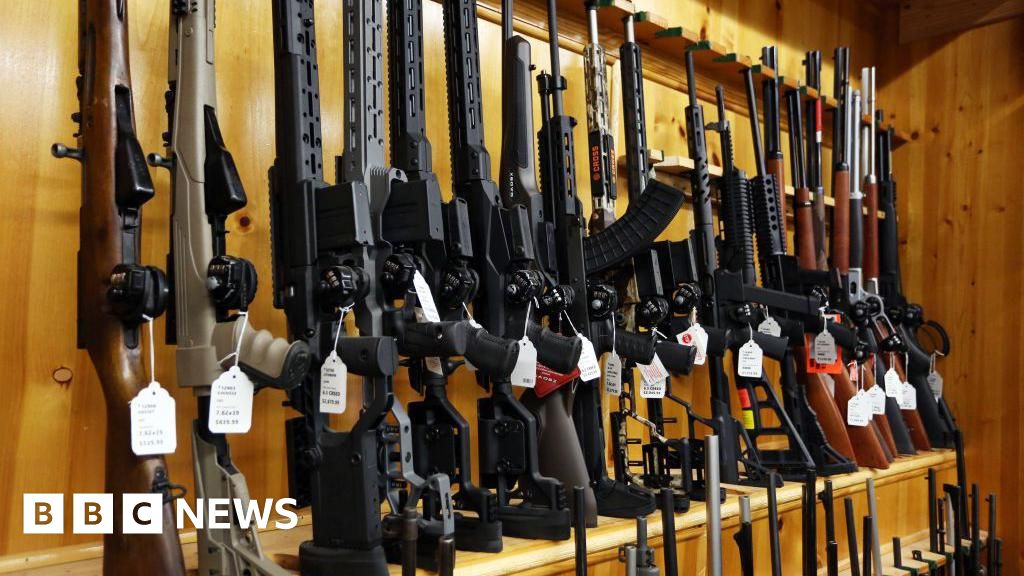
In a significant move that has garnered worldwide attention, Canada has recently announced a comprehensive ban on 2,500 models of “assault-style” firearms. This decision marks a stark evolution in the nation’s approach to gun control and underscores the ongoing struggle between individual rights and societal security. While Canada’s policy aims to reduce violent incidents associated with semi-automatic weapons, critics argue that the initial plan to buy back tens of thousands of these firearms fell short by approximately half, revealing the deep-rooted challenges in implementing such sweeping reforms. This development is more than a domestic affair; it resonates across the international stage, influencing regional security, diplomatic relations, and global debates over gun legislation.

Historian and security analysts highlight that Canada’s move aligns with a broader trend among Western democracies grappling with rising violence and social unrest. The Canadian government contends that such measures are necessary to prevent tragedies similar to those experienced in other countries where uncontrolled firearm proliferation has led to lost lives and lasting trauma. However, critics point out that these policies serve as a reflection of shifting political ideologies and the influence of global liberal agendas, with some analysts suggesting that Canada’s approach is also designed to enhance its diplomatic standing within Commonwealth and international communities that emphasize human rights and social safety. The apparent gap between legislation and enforcement illustrates the complex realities of translating intentions into effective action, particularly when entrenched gun ownership cultures persist.

International observers have taken keen interest in Canada’s firearms policies, viewing them as a microcosm of the wider ideological battles unfolding across the Western world. The United States, amidst its own contentious debates over gun rights and gun control, watches closely, with some analysts warning of the potential for increased cross-border influence and unintended consequences. The United Nations and other global institutions have issued statements about the importance of firearms regulation, yet critics argue that success ultimately depends on national resolve and societal consensus rather than international pressure alone. As geopolitical experts from institutions like the International Crisis Group emphasize, the effectiveness of Canada’s policies will be judged not only by how many firearms are removed but also by how the societal fabric adapts amidst these contentious reforms.

The move also raises important questions regarding how decisions at the national level shape international relations and influence societal stability. Some nations interpret Canada’s efforts as a step toward greater social cohesion and peace, while others see it as a cautionary tale of overreach and failed implementation. The ongoing challenges faced by Canada—partly reflected in the fact that buy-back programs only recouped about half of the targeted firearms—underline the formidable obstacles faced by governments seeking to curtail firearm violence in a deeply divided society. As history continues to unfold, the world bears witness to a pivotal moment: the delicate balance between preserving individual liberty and ensuring collective safety, a dynamic that will test the resilience of sovereignty and social cohesion for generations to come.

In the end, the story of Canada’s firearm policy serves as a stark reminder that the decisions made today are etched into the fabric of history, shaping the course of nations and societies. As the global community watches, the implications of these policies extend far beyond borders—drawing lines in the sand that define the future of security, identity, and sovereignty in a turbulent world. The unfolding chapters suggest that, while laws may change, the struggle to reconcile freedom with safety remains as enduring and profound as ever.

“We Demand a Voice: Citizens Push Back Against Displacement for Nigeria’s Capital”

In a stark reminder of the persistent challenges faced by developing nations navigating rapid urbanization, Nigeria finds itself embroiled in a contentious struggle over the displacement of its citizens. The ongoing eviction campaign to facilitate the development of a new administrative capital has sparked widespread outrage among displaced populations, who accuse the government of failing to honor its commitments and neglecting basic human rights. These events underscore a broader dilemma for many emerging economies: the tension between state-led development projects and the societal costs they impose.

At the heart of the controversy are residents who have been forcibly evicted from their homes, often under claims of improving infrastructure and modernizing urban centers. However, as reports reveal, many of these individuals have been left stranded, with promises of compensation and resettlement yet unfulfilled. Critics argue that this highlights a fundamental flaw in Nigeria’s development approach—prioritizing ambitious growth at the expense of vulnerable communities. International observers, including the World Bank and Amnesty International, have raised alarms about inadequate safeguards and the violation of residents’ rights. Such criticism is not merely local; it echoes concerns across the global geopolitical landscape about how resource-rich countries manage development and social inclusion.

Analysts suggest that Nigeria’s predicament has significant geopolitical impact, shaping perceptions among foreign investors and international partners. The country’s leadership, under President Buhari, has sought to position Nigeria as an economic powerhouse, yet the unfolding social discontent undermines these ambitions. Universities of geopolitical strategy warn that sustained unrest and international condemnation risk undermining Nigeria’s credibility, especially on the continent. Moreover, the failure to protect the rights of displaced citizens threatens to ignite regional instability and foster a cycle of unrest that could draw in neighboring nations, further complicating efforts to stabilize the region.

Esteemed historians and political analysts emphasize that Nigeria’s current trajectory is emblematic of the perils faced by nations striving to balance development with social justice. “This crisis exposes a disconnect between policy and practice,” notes Dr. Jane Thompson, a specialist in African geopolitics. “The decision to relocate the capital was strategic, but the way it has been executed risks alienating the very populations that should be part of Nigeria’s future. The international community watches closely, as these decisions will influence diplomatic relations and aid strategies for years to come.” As Nigeria navigates its internal struggles, the world remains vigilant — aware that the outcomes here will serve as a stark lesson in the high-stakes game of global development.

In the shadows of history, Nigeria’s eviction crisis unfurls like a powerful narrative of ambition, neglect, and societal resilience. The story remains unfinished, yet its repercussions promise to echo through the corridors of power long after the dust settles. Will Nigeria address its internal inequities and forge a future rooted in justice and inclusion, or will this chapter become a cautionary tale of progress driven at the expense of its people? The moment of reckoning is upon us, and history’s judgment on Nigeria’s leadership hangs in the balance—an enduring testament to the enduring clash between development and dignity.

US Military Archdiocese: Iran Conflict Falls Short of ‘Just War’ Criteria

The current trajectory of the United States military intervention in Iran has ignited a heated debate, not only within the corridors of power but also among moral and religious leaders worldwide. Archbishop Timothy Broglio, leader of the Catholic Archdiocese for the Military Services in the USA, recently voiced a profound concern that challenges the moral legitimacy of the ongoing conflict. In an exclusive interview with CBS News, Broglio argued that, according to just war theory, the escalation in Iran does not meet the criteria—the war is not a “last resort” and appears to be a preemptive strike rather than a proportional response to an immediate threat. As leaders and analysts dissect the unfolding crisis, the underlying question remains: are modern military actions aligned with time-honored moral principles, or are they driven by geopolitics cloaked in justification?

The just war theory, rooted in the theological insights of Saint Augustine and Thomas Aquinas, emphasizes that war should only be waged with legitimate authority, for right reasons, and under proportional means. Broglio’s critique echoes a mounting concern among many international observers that current US policies violate these principles. The doctrine stipulates war as a *last resort*—a means to rectify grave injustices—not a tool for mere geopolitical dominance or premature escalation. Historically, this moral framework has served to temper global conflicts, urging leaders to seek negotiation rather than confrontation. Yet, recent rhetoric from US defense officials, such as Pete Hegseth’s calls for fervent prayer and victory in the name of Jesus Christ, introduces a controversial religious dimension that further complicates the moral landscape. Critics argue such rhetoric risks transforming a complex geopolitical conflict into a crusade, shifting focus from diplomacy to ideological fervor.

Meanwhile, international institutions and religious leaders, including Pope Leo XIV, have called for restraint, emphasizing that peace must be prioritized over military dominance. The Pope’s recent homily condemned the distortion of the Christian mission, associated with a desire for “domination,” starkly contrasting with Christ’s teachings of peace and reconciliation. Broglio expressed support for this stance, aligning himself with the Pope’s appeal for negotiation and an off-ramp from conflict. These moral appeals underscore how decisions in Washington have profound consequences beyond the battlefield—affecting the very fabric of societies and international stability. The ongoing conflict not only jeopardizes regional peace but also tests the moral bedrock upon which international law and diplomatic relations are built.

As the conflict drags on, the geopolitical impact becomes increasingly apparent. The prolonged war has weakened US approval ratings; recent polls show President Donald Trump’s support plummeting to just 35%. Some analysts warn that this erosion of domestic support underlines the potential self-inflicted damage of ignoring moral considerations in pursuit of strategic dominance. Furthermore, the crisis in Iran threatens to escalate, risking regional destabilization that could draw in neighboring realms and reshape alliances. The decisions made today—whether driven by ideological zeal or pragmatic negotiation—will echo through generations, defining the morality and sovereignty of tomorrow’s world. History reminds us that the true weight of leadership lies in the capacity to choose peace over war, words over weapons, and diplomacy over devastation.

Trump to Join Supreme Court Birthright Citizenship Fight—Big Clash Ahead

In a move that could reshape the fabric of American law and have far-reaching geopolitical impact, President Donald Trump is set to attend the United States Supreme Court today as it deliberates a landmark case questioning the legality of his administration’s attempt to end birthright citizenship. This case has ignited a fierce debate over the interpretation of the 14th Amendment, a cornerstone of American constitutional law, and signals a potential shift in the nation’s approach to immigration and its constitutional foundations.

Trump’s executive order, issued upon his return to the White House, declared that children born to illegal immigrants or visa-holders in the United States would no longer be automatically granted citizenship. While lower courts swiftly blocked the order, citing the Citizenship Clause of the 14th Amendment—stating that all persons born on US soil are citizens—the Trump administration countered that the clause was originally intended solely for the rights of former slaves. They argue that the current interpretation—that virtually anyone born within US borders receives citizenship—oversteps the original intent of the amendment, which was passed post-Civil War to secure rights for newly freed African Americans. This interpretation is contentious, as many legal scholars, including those at the Council on Foreign Relations, warn that altering this understanding could undermine decades of legal stability and provoke international backlash, especially from nations with large diasporas seeking to exploit US birthright laws.

The case, titled United States v Wong Kim Ark, originally established in 1898 that birthright citizenship applies regardless of parental nationality, provided the child’s parents had U.S. domicile. The Trump administration now seeks the Supreme Court to revisit and reinterpret this precedent, emphasizing the notion of “subject to the jurisdiction thereof” and claiming that the current scope facilitates practices like birth tourism—a phenomenon where foreigners travel to the US to give birth and secure citizenship for their offspring, incentivizing illegal immigration. Historians such as Prof. Linda Greenhouse caution that such reinterpretations threaten to erode the clarity of the Constitution, risking legal chaos that could destabilize societal order and impact international relations profoundly.

The conservative-majority Supreme Court, which has previously supported Trump’s policies on immigration and national security, is likely to deliver a ruling by the end of June. A ruling favoring the Trump view could revolutionize US immigration policy, prompting an overhaul in how citizenship is awarded and possibly precipitating a wave of legal battles. Such a shift could redefine the face of American society, impacting immigrant communities and sparking internal divisions—an outcome that international analysts predict might weaken America’s moral authority globally. As the world watches, the courtroom drama unfolds into a pivotal chapter in 21st-century geopolitics, with the potential to challenge the very notion of national sovereignty and sovereignty itself.

With the stakes this high, each decision at this juncture of American legal history echoes beyond the borders of Washington and into the geopolitical landscape. As international organizations such as the United Nations monitor the proceedings, the possibility of a redefined US citizenship law raises questions about the future of global migration, refugee policies, and the stability of bilateral relations. The course resolved today will either reinforce the constitutional safeguards that have underpinned American identity for over a century or mark a new era of ambiguity and upheaval. As history’s pen hovers over this momentous chapter, the weight of unseen consequences presses down—reminding all that the decisions made today will shape the world’s order for generations to come.

China steps in as peace broker in Iran conflict—will they deliver?

In a noteworthy development on the international diplomatic stage, China has signaled a significant shift towards promoting peace and dialogue amid ongoing global tensions. According to statements released by the Chinese Foreign Ministry, high-level officials have embarked on “new efforts” aimed at fostering diplomatic solutions to regional conflicts. This move comes after months of escalating tensions in various flashpoints across Asia and beyond, where military posturing and economic sanctions have heightened fears of broader confrontation. The joint diplomatic efforts underscore a strategic pivot that could influence the future of geopolitical stability, particularly in areas prone to conflict escalation.

The joint statement issued by China and its counterparts emphasizes that “dialogue and diplomacy are the only viable options to resolve conflicts.” This declaration highlights a deliberate attempt to recalibrate previous assertive postures, especially regarding control of vital waterways such as the Strait of Taiwan, the South China Sea, and other key maritime arteries. The statement also called for the protection of these waterways, emphasizing their international significance and potential as flashpoints for future confrontations. Such rhetoric is a deliberate contrast to earlier assertiveness, signaling that China may be seeking to reframe its image as a responsible global stakeholder and peace advocate, even as its actions remain closely watched by rival powers.

International analysts, including senior analysts from the International Crisis Group and historians specializing in Asian geopolitics, evaluate this diplomatic shift with cautious optimism. They emphasize that “while rhetoric may be evolving, the geopolitical landscape remains fragile.” They warn that permanent peace hinges not only on words but on tangible actions, including mutual de-escalation, respect for international treaties, and safeguarding vital communication channels among global powers. The recent statements are viewed by many as a calculated move by China to demonstrate its willingness to cooperate amidst mounting pressures from the United States and regional allies. However, whether this marks a genuine turn toward peace or merely a temporary diplomatic façade remains uncertain—an ambiguity that leaves the world’s security outlook hanging in the balance.

This diplomatic development arrives against a backdrop of a rapidly shifting geopolitical climate, where conflicts are increasingly intertwined with economic competition, technological rivalry, and ideological disputes. The decisions taken today will undoubtedly influence not only bilateral relationships but also global stability, affecting nations’ security, trade, and societal peace. As U.S. officials and European allies monitor China’s diplomatic moves, the world watches with bated breath for indications of whether this was merely a pause or the beginning of a genuine détente. The weight of history looms, reminding all that the true test lies ahead: can words be translated into lasting peace, or will the current moment serve as another fragile chapter in an enduring saga of international discord?

Crowds Bullish on Artemis II Launch, Catch Historic NASA Moon Mission

On the space coast of Florida, a monumental event is poised to reignite humanity’s quest for exploration. The scheduled Artemis II mission marks a historic return to crewed spaceflight beyond low Earth orbit since Apollo 17 in December 1972. As NASA prepares to launch a fully crewed rocket with up to 400,000 spectators on the ground, the event symbolizes more than just a technological milestone; it embodies a renewed geopolitical drive for dominance in a rapidly evolving era of international space competition.

The U.S. space agency’s ambitious project involves astronauts from America, Canada, and international partners, highlighting the strategic importance of scientific collaboration. The crew, including Christina Koch and Victor Glover, will reach farther from Earth than any human in history, pushing the boundary of exploration to nearly 253,000 miles. This mission serves as a critical testbed for hardware and life support systems necessary for subsequent missions, specifically the long-planned Artemis IV, which aims to land humans on the lunar surface by 2028. Here, NASA aims to establish a sustainable presence on the moon, with plans for a $20 billion moon base—a strategic move to cement U.S. leadership in space amidst fierce international rivalry.

Beyond technological and exploratory objectives, the Artemis II mission reflects a broader social and political narrative. The inclusion of the first woman and the first person of color in such historic spaceflights signals an effort, at least rhetorically, to promote diversity and inclusion—yet, recent policy shifts, such as the removal of diversity recognition from NASA’s websites, suggest an ongoing debate within the U.S. about the role of identity politics in science. Despite these controversies, the mission’s emphasis on “dreams achievable by all” resonates globally as a metaphor for opportunity and progress. As analysts observe, the real impact of these missions extends far beyond the stars—they influence societal perceptions of what is possible when nations leverage technological prowess for geopolitical leverage.

The global landscape is watching with intense curiosity and strategic concern. Historic rivals Russia and China have markedly accelerated their own space programs, seeking to establish lunar outposts and claim strategic footholds on the moon. International organizations and foreign leaders recognize that control of lunar resources could redefine economic and military power for decades to come. The United States aims to maintain primacy, asserting that the advancements made through Artemis are not just about scientific discovery but also about asserting economic and geopolitical dominance. The underlying message from NASA and its allies is clear: the path to space is a new arena for international influence, sovereignty, and resource control, with the moon serving as the next frontier of strategic contest.

As history unfolds on this pivotal day, the world is reminded that explorations beyond our planet are as much about securing national strength as they are about inspiring future generations. The outcome of this launch could well shape the balance of power in space for decades, leaving the echo of humanity’s ambitious dreams intertwined with the cold reality of geopolitical competition. With every countdown, the weight of history presses upon those astronauts confined within a tiny capsule, as they venture into uncharted territory—their journey a stark reminder that the future of human civilization may very well be written among the stars, in the relentless pursuit of discovery and dominance.

Social Media Auto Publish Powered By : XYZScripts.com