Matox News

Truth Over Trends, always!

Starmer Stands Firm, Blocks Burnham's Byelection Bid – UK Politics Live
Starmer Stands Firm, Blocks Burnham’s Byelection Bid – UK Politics Live

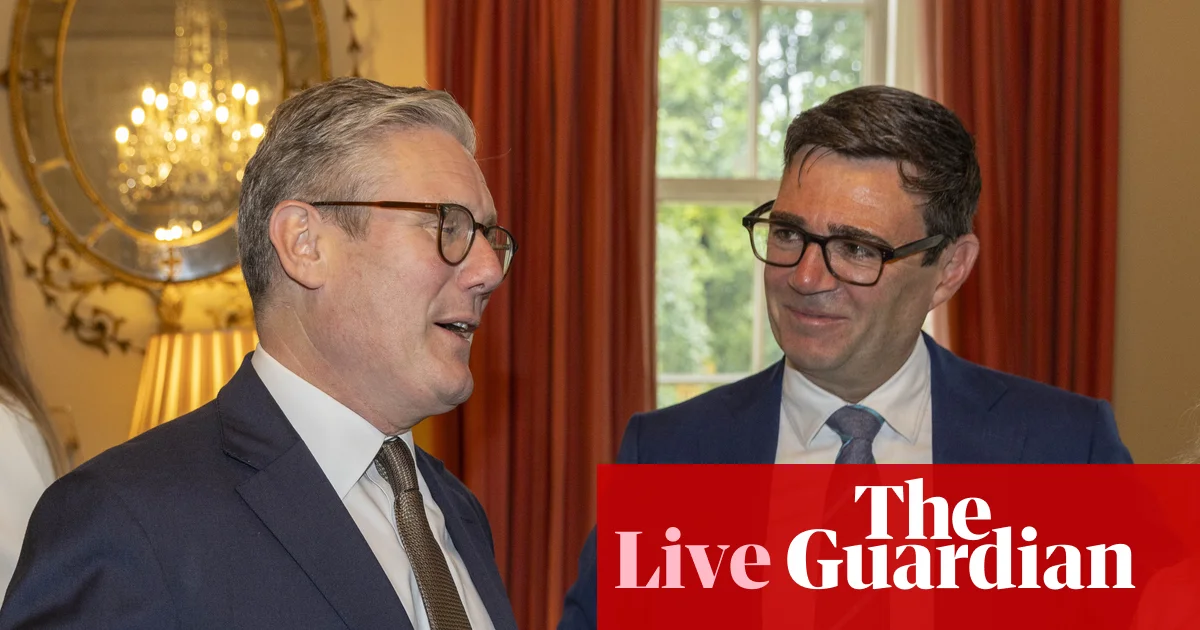
The tumultuous landscape of British politics continues to reverberate across the international stage, as internal disputes within Labour threaten to undermine the nation’s stability and the broader geopolitical narrative. The recent decision by Keir Starmer and his leadership to block Andy Burnham from standing as the Labour candidate in the upcoming Gorton and Denton byelection exemplifies the growing rift in the party, one that analysts warn could have unforeseen consequences beyond the UK’s shores.
Historically, the internal conflicts of the UK Labour Party have served as a mirror to larger global shifts—where ideological fissures often presage shifts in regional alliances, electoral viability, and national security. When senior officials prioritize short-term electoral strategies over broader political unity, especially during a time of heightened international tension, the ripple effects can diminish the UK’s diplomatic standing and weaken its influence in key alliances such as NATO.

According to renowned historians and global policy analysts, the decisions made within London’s political corridors carry symbolic weight. \”This internal strife,” noted Dr. Clara Martins of the European Council on Foreign Relations, “exposes a nation grappling with its identity at a moment when global powers are recalibrating their alliances and priorities. Such divisions can embolden rivals and weaken diplomatic protocols that rely on stable leadership.”

The internal Labour debate reveals competing visions: one emphasizing electoral strategy and resource allocation, and the other rooted in longstanding principles of party democracy and collective action. The decision to prevent Burnham—a highly popular figure with significant influence—is framed as a pragmatic move to concentrate resources on “elections we must have,” as expressed by Keir Starmer. Yet, critics argue that this political calculus diminishes Labour’s capacity to present a unified front on the international stage, especially in an era where perceived instability can be exploited by geopolitical adversaries such as Russia and China.

Global Repercussions of Domestic Divisions

  • International organizations like NATO and the United Nations watch closely as Britain’s internal politics unfold, understanding that internal stability is often a precursor to successful diplomacy and leadership abroad.
  • European partners are increasingly concerned that ongoing fissures within UK politics could hamper future coalition efforts or compromise commitments on issues such as defense, climate change, and global health preparedness.
  • Furthermore, analysts warn that the UK’s diminished diplomatic cohesion might embolden regional powers to challenge the rules-based international order, exploiting Britain’s perceived political weakness.

In this context, the internal Labour battle is more than a party squabble; it signals how European and global actors can interpret Britain’s internal stability and responses. When leaders like Douglas Alexander argue that concentrating resources on “what we must have” is necessary, they inadvertently broadcast to the world a message of internal discord masked by political necessity. Such signals, according to experts, risk weakening the UK’s influence during a critical period marked by resurgent great power rivalry.

The Weight of History and the Unfolding Future

As history continues to forge its course in the crucible of internal political struggle and international shifts, how Britain navigates these turbulent waters will determine not only its domestic stability but also its geopolitical posture. The decisive decisions made today, from the party halls of Manchester to the diplomatic corridors of Brussels and Washington, echo into a future where alliances are tested, and influence is contested.

In the shadows of Westminster’s veritable chessboard, alliances are being reassessed amidst the chaos of internal discord. The decisions to block Burnham and shift focus away from contentious local politics may seem like tactical moves, but they underscore a far greater narrative—one where the weight of history is calling for unity and strategic clarity, lest Britain’s influence fade into the annals of defeat and internal strife.
18 Dead as Ferry with 300 Passengers Goes Underneath—A Tragic Loss for Our Community

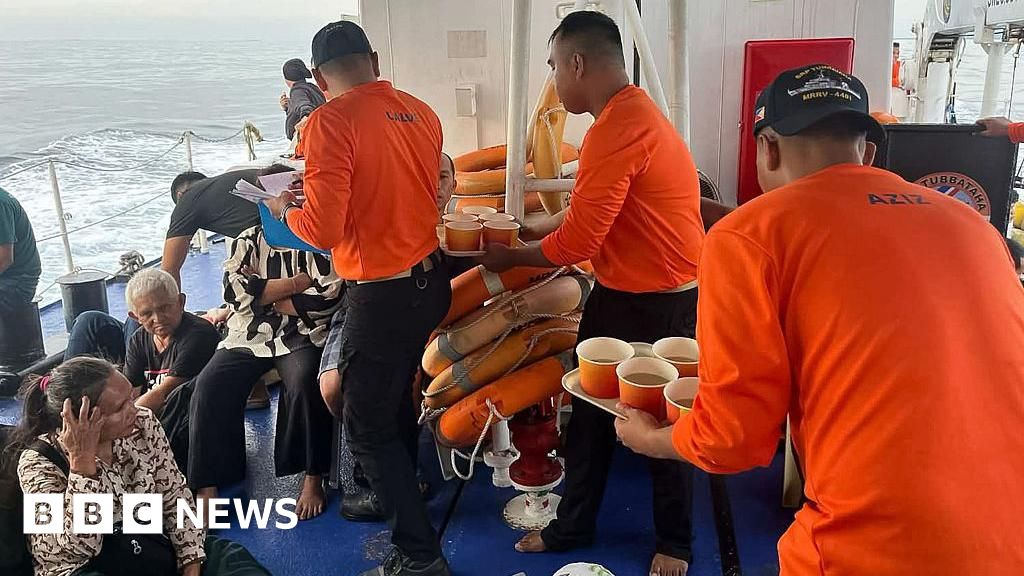
The recent sinking of the MV Trisha Kerstin 3 off the southern coast of Philippines marks yet another somber chapter in the archipelago’s history of maritime disasters. With over 350 passengers and crew onboard, the tragedy has resulted in at least 18 fatalities and dozens still missing amidst a rescue operation overwhelmed by the scale of human tragedy. As coastal authorities continue efforts to locate missing persons, this incident underscores enduring flaws within the nation’s maritime safety infrastructure, which some analysts attribute to systemic issues of poor maintenance and overloading.

The Philippines, consisting of more than 7,100 islands, remains reliant on ferries as the lifelines connecting communities. Despite the ubiquity swayed by economic constraints, decades of maritime accidents tragically highlight an urgent need for international and domestic reforms. According to maritime safety experts and international organizations, recurring fatalities, such as the 28 deaths in a 2023 ferry fire and previous fires involving high-speed vessels, reveal persistent gaps in regulation enforcement and vessel maintenance. As regional security analysts warn, these failures are not just about safety—they threaten national stability and the social fabric of countless vulnerable communities.

Historically, the< u> Philippine maritime sector has been marred by challenges rooted in governance, infrastructure, and environmental hazards. The recent incident occurs against a background of deteriorating safety conditions, exacerbated by rough seas and adverse weather. Government officials and international observers continue to investigate the cause, yet critics argue that these tragedies are often preventable through stricter regulation and investment. Meanwhile, some regional leaders, such as Basilan Governor Mujiv Hataman, have shared heart-wrenching images of survivors, exposing the human toll that often results when safety standards are disregarded. In the words of maritime analysts, “Such incidents should be a wake-up call”—a plea for comprehensive reforms amid a rising tide of preventable loss of life.

These disasters have far-reaching *geopolitical impact*, particularly as they reflect deeper issues of governance within maritime Southeast Asia. While the< u> Philippines struggles to modernize its fleet amidst economic and infrastructural challenges, regional powers and international organizations monitor the sector’s vulnerabilities, fearing that persistent safety lapses could lead to greater instability. As ASEAN members observe, the safety of maritime nations directly influences regional security, trade, and diplomatic relationships. Critics suggest that international cooperation, combined with robust domestic reform, is essential to prevent future tragedies. But until tangible action is taken, the stories of the missing and dead serve as grim reminders that history’s warning signs continue to be ignored.

Indeed, the weight of history hangs heavily over the Philippines’ vast maritime network. With each sinking and fire, the narrative deepens: a nation caught between economic necessity and the urgent need for safety reforms—a nation whose continued resilience hinges on whether it will heed these lessons. As the search for survivors continues and officials grapple with accountability, the nation stands at a crossroads. Will it choose the path of reform and safety, or continue to be haunted by the ghosts of maritime calamities past? The pages of history are still being written, and the world watches as another chapter of tragedy unfolds, waiting for the moment when tragedy transforms into resolve.”

Minneapolis Youth Protest ICE, Gen. Walz Urges Trump to Pull Back

Global Ripple Effects as U.S. Immigration Crisis Unfolds in Minneapolis

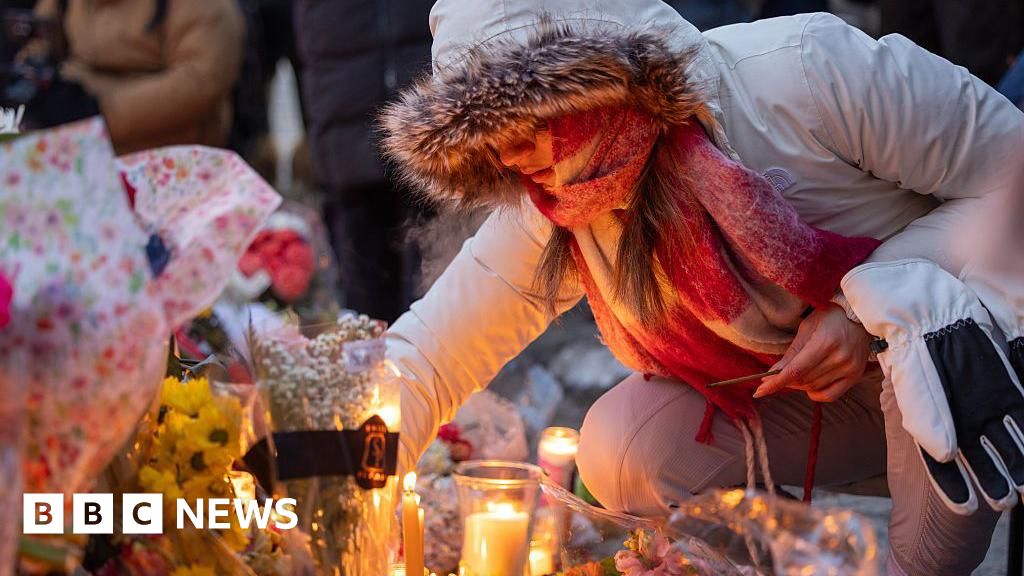
The ongoing turmoil in Minneapolis has transcended local concerns to become a flashpoint with far-reaching geopolitical implications. Following the tragic shooting of Alex Pretti, a legal gun owner and community nurse, the unrest symbolizes broader divisions within America’s approach to immigration, law enforcement, and civil liberties. As protests swell across cities nationwide, international attention has shifted to how Washington manages internal conflicts, with critics asserting that federal tactics threaten the fabric of American society.

At the core of the controversy are federal immigration agencies such as ICE, whose aggressive operations have ignited fierce resistance from local authorities. Minnesota Governor Tim Walz and Minneapolis Mayor Jacob Frey find themselves embroiled in a constitutional and political stand-off against the Trump administration. The President publicly demanded local officials to “cooperate fully” with federal agents, calling for the deportation of criminal illegal aliens, and echoed his broader stance that sanctuary cities serve as safe havens for lawbreakers. Such rhetoric not only exacerbates divisions domestically but also prompts international observers to question America’s commitment to due process and human rights.

Global Impact of Internal U.S. Policies and the Shift in Diplomatic Dynamics

Analyzing these developments through a geopolitical lens, experts warn that the U.S. internal crisis could weaken its global standing. Institutions like the United Nations and European Union routinely scrutinize American human rights practices; the scenes of federal agents engaging protesters, with reports of tear gas and stun grenades, are stirring concern abroad about democratic accountability. Many international officials and analysts have expressed alarm that America’s leadership may be eroding its moral authority on issues of justice and personal freedoms, especially at a time when global adversaries seek to exploit perceived internal vulnerabilities.

Furthermore, historical perspectives demonstrate that such internal conflicts have historically served as catalysts for international shifts in alliances and diplomacy. The unfolding crisis in Minneapolis, amplified by high-profile figures like Donald Trump and Homeland Security officials, reveals a nation at a crossroads—torn between its foundational ideals and mounting internal pressures. As some European nations ruminate on whether similar crackdowns threaten long-term stability, the international community watches with concern that the U.S. may be heading toward further polarization, undermining coalitions built on shared values of ordre and justice.

Uncertainty Looms as the World Awaits Its Next Move

As the story remains in flux, with key figures entangled in accusations, subpoenas, and mounting protests, the weight of history presses heavily on the shoulders of future generations. The narrative of Minneapolis—a city emblematic of America’s racial, political, and social divides—may well shape the trajectory of the nation for decades to come. The international community’s cautious gaze underscores a sobering truth: every decision made today bears the potential to redefine the global order. The unfolding saga of internal unrest, government overreach, and the fight for justice is not merely American history in the making; it is a chapter in the enduring story of nations grappling with the universal challenges of sovereignty, social cohesion, and the quest for liberty amid chaos.

Japan hands pandas back to China as U.S.-China tensions heat up

In a poignant sign of shifting geopolitical tides, Japan finds itself at a crossroads of tradition and rising international tensions. Thousands of spectators flocked to Tokyo’s Ueno Zoo to bid a heartfelt farewell to the country’s last two giant pandas, Xiao Xiao and Lei Lei. Their departure, scheduled for Tuesday back to China, marks the end of an era that began in 1972 when Japan and China normalized diplomatic relations. Over 108,000 people vied for one of the 4,400 slots to catch a final glimpse of the beloved bears, underscoring the pandas’ symbolic significance to Japanese society. For decades, pandas have served as a gentle diplomatic bridge, embodying China’s soft-power influence and fostering goodwill amidst geopolitical currents.

However, the moment is marred by increasingly hostile exchanges between Tokyo and Beijing. Recently, statements from Japanese Prime Minister Sanae Takaichi—warning that Tokyo might intervene militarily if China attacks Taiwan—have only exacerbated the already fragile diplomatic climate. This rhetoric signals a broader shift in Japan’s stance toward regional security and underscores the impact of recent political realignments. Since her comments, China has responded with heightened assertiveness, including restrictions on exports of critical rare earth elements that are vital to Japan’s tech sector. Analysts from institutions such as the International Institute for Strategic Studies (IISS) warn that these actions could escalate into broader conflicts, with East Asia edging closer to instability.

China’s strategy of loaning pandas abroad has long been a subtle but potent form of diplomacy. As China views these creatures as ambassadors of goodwill, it retains ownership of all pandas, demanding hefty annual fees—about $1 million per pair—and leveraging the creatures’ symbolic power to influence international ties. Historically, pandas have been exchanged during major diplomatic or trade negotiations, such as the 2011 loan to Edinburgh Zoo during a trade deal involving salmon, Land Rovers, and energy technology. Yet, with the recent deterioration of bilateral relations—fueled by China’s crackdown on exports and Tokyo’s hawkish rhetoric—the future of panda loans remains uncertain. Many experts suggest that the return of Xiao Xiao and Lei Lei signifies more than just a cultural departure; it highlights the fragility of international diplomacy and the mounting risks of conflict.

This unfolding saga underscores the deepening rift that threatens to redefine regional alliances and global stability. As nations grapple with their aspirations and fears, the farewell at Ueno Zoo embodies a broader warning: in an era where soft diplomacy is waning and hard power reasserts itself, the symbols of friendship and tradition risk being overshadowed by the darker shadows of geopolitical discord. History continues to be written with every decision—each move, a chapter in a story that may either forge peace or plunge the region into lasting turmoil. As the world watches, the cries of farewell echo in the halls of diplomacy, leaving behind a question of what future lies ahead—an era of unity or one of inevitable confrontation—and whether the lessons of history will be heeded before it’s too late.

Breaking Down the Minneapolis Shooting: What Really Happened

Escalating Tensions in U.S. Immigration Enforcement: A Reflection of Broader Geopolitical Shifts

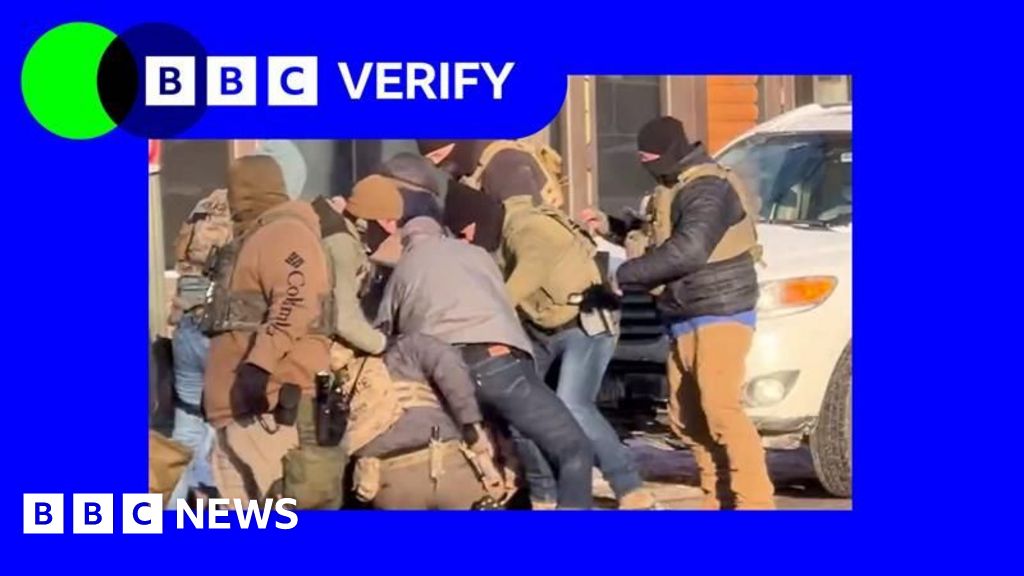
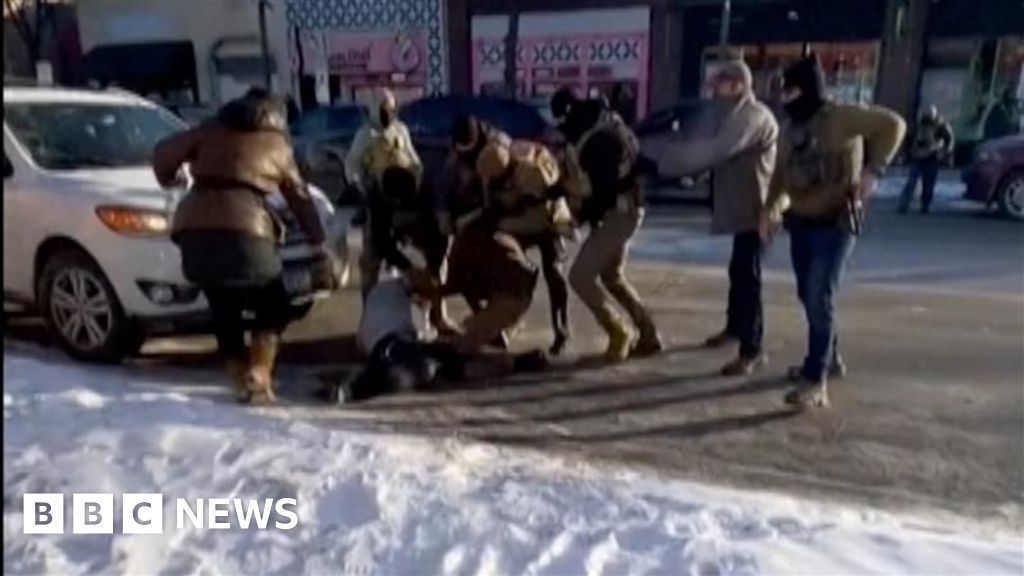
In recent weeks, the United States has faced intense scrutiny over its approach to immigration enforcement, with the tragic killing of Alex Pretti, a 37-year-old Minneapolis resident, capturing international attention. Footage obtained from multiple angles by BBC Verify depicts the moments preceding the fatal encounter involving federal immigration officers. The disturbing images and detailed analysis reveal a pattern that underscores a broader concern: the escalating use of force amidst border and immigration operations, which are increasingly becoming flashpoints of controversy both domestically and globally.

This incident occurs merely less than three weeks after the fatal shooting of Renee Good by an immigration agent in the same city. Such repeated tragedies highlight underlying issues within the U.S. immigration enforcement system—an apparatus often criticized by international human rights groups and analysts for its aggressive tactics and perceived lack of accountability. Historians have long debated whether U.S. immigration policies are evolving towards a more authoritarian stance, or if these are isolated incidents driven by short-term political pressures. Regardless, the ripple effects extend beyond national borders, influencing global perceptions about American values, sovereignty, and the rule of law.

Global Context and Geopolitical Impact

In the context of international geopolitics, these domestic incidents take on a broader significance. The U.S., often seen as a leader in democratic norms, appears increasingly divided over border security and immigration policies. Decisions made within the Beltway carry profound implications for transnational security and economic stability. Countries across the world observe these events, interpreting them as signs of a shifting paradigm—one where internal security measures are perhaps prioritized over individual rights and due process. The increase in such incidents contributes to ongoing debates at the United Nations and other global bodies regarding human rights standards, sovereignty, and the limits of government authority.

Many analysts argue that these tragedies reflect a broader societal crisis—a clash between law enforcement practices and societal values centered on human dignity. International organizations, such as Amnesty International, warn that unchecked use of force not only damage America’s international reputation but also serve as cautionary tales for other nations contemplating similar aggressive policies. The implications of such actions are significant, potentially fueling anti-American sentiment and inspiring other nations to adopt even harsher measures in their own border enforcement efforts.

The Role of Media, Public Opinion, and Future Directions

Critical media outlets and public figures are calling for accountability, emphasizing the need to reevaluate immigration enforcement strategies. As the global community watches with concern, the debate intensifies: should nations prioritize national security at the expense of civil liberties? The U.S. faces mounting pressure from advocacy groups and international watchdogs to reform practices, emphasizing transparency and adherence to human rights standards. The political landscape remains volatile, with proposed legislation and executive actions capable of either curbing excessive force or further emboldening enforcement agencies.

Conclusion: An Unfolding Saga of Justice and Power

Meanwhile, as the world teeters on the edge of shifting moral and political boundaries, the story remains far from over. The casualties of these confrontations serve as a stark reminder that the decisions made today—whether regarding border control, immigration policy, or law enforcement—will echo through history. Every act of violence, every policy shift, shapes the fabric of societal justice and international reputation. The weight of history hangs heavy, as nations grapple with the profound questions of sovereignty, morality, and power—prompted by moments like the killing of Alex Pretti, which may seem isolated but are, in truth, part of a larger narrative that continues to unfold.

Kenya’s ex-deputy Gachagua accuses attackers of church assassination attempt

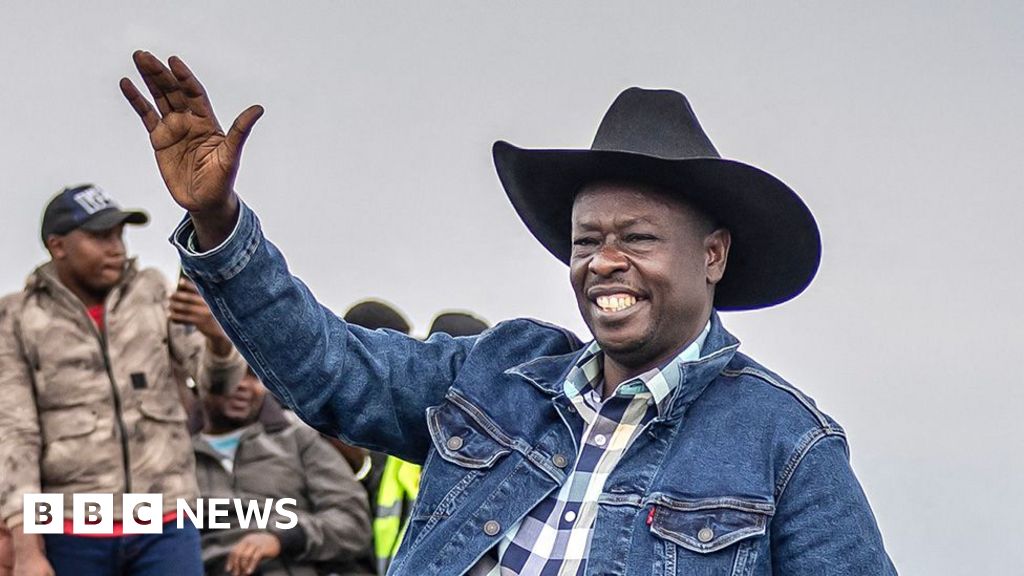
The recent chaos in Kenya has sent shockwaves through the international community, revealing the fragile balance of power and the dangerous depths of political division within East Africa’s economic hub. On a tense Sunday in the central county of Nyeri, opposition figure Rigathi Gachagua, a prominent voice critic of the current administration, alleged an attempt was made on his life during a church service. According to Gachagua, rogue police officers attacked his congregation using bullets and tear gas, exemplifying the escalating violence and instability that threaten not only the nation’s security but also its democratic processes. The unfolding drama underscores the troubling trend of political violence in Kenya, especially amid mounting tensions as powerful figures vie for control amidst justice and constitutional constraints.

Gachagua’s accusations, though lacking concrete evidence, have ignited regional and international debates over Kenya’s internal stability. He implicated President William Ruto and questioned whether political factions are deploying security forces against opponents—an assertion fueling fears of political repression and uncontrolled violence. While the police have launched an investigation and reported no injuries, the incident’s symbolism remains sharp. It reveals how political rivalry has become intertwined with societal divisions, with tensions over Gachagua’s recent conviction by the Kenyan senate—an act that bars him from holding public office—increasing strains within a nation still grappling with issues of ethnic division and governance. International observers, including the African Union and Global Human Rights organizations, warn that unchecked violence could undermine Kenya’s progress and stability.

This incident occurs against a backdrop of shifting alliances and constitutional crises in Kenya’s complex political landscape. Gachagua, a wealthy businessman from Mount Kenya and the deputy president before his impeachment, has become a symbol of regional loyalties and anti-establishment sentiments. Despite his conviction on charges including inciting ethnic divisions, he remains a formidable challenger, asserting plans to participate in the upcoming presidential election through an appeal process. His role exemplifies how political figures often challenge constitutional constraints, risking further destabilization. According to prominent analysts, such as regional political commentators and former diplomats, the struggle for influence in Kenya’s volatile yet strategic landscape reflects broader regional power struggles and the fragile state of democratic institutions.

The geopolitical impact of this crisis reaches beyond national borders. Kenya’s stability is pivotal for regional trade, diplomatic relations, and security cooperation, especially with neighboring Ethiopia and Somalia. As analysts warn of the potential for internal unrest to spill over into neighboring countries and disrupt vital economic corridors, the international community remains watchful. The current upheaval also highlights a warning sign—how media, political rhetoric, and unchecked violence may erode democratic norms. Some foreign governments and organizations urge Kenya to safeguard the rule of law and uphold constitutional processes, though critics argue these calls overlook Kenya’s long history of political resilience amid turbulent times. Still, the specter of an emboldened opposition and fractured society underscores how decisions made today will shape the future of East Africa’s most influential nation.

As Kenya’s story unfolds with each legal battle, political confrontation, and societal clash, history’s weight presses heavily on shoulders of leaders and citizens alike. The nation stands at a crossroads—its path determined by a volatile mix of justice, ethnic identity, and power politics—bearing the mark of a collective destiny that remains fluid and unresolved. The world watches as Kenya confronts internal demons, with the outcome poised to echo through generations, a vivid reminder that the currents of history are forever shifting, and the future remains unwritten—yet deeply consequential.

Winter storm hits America: millions left in the cold amid outages and chaos

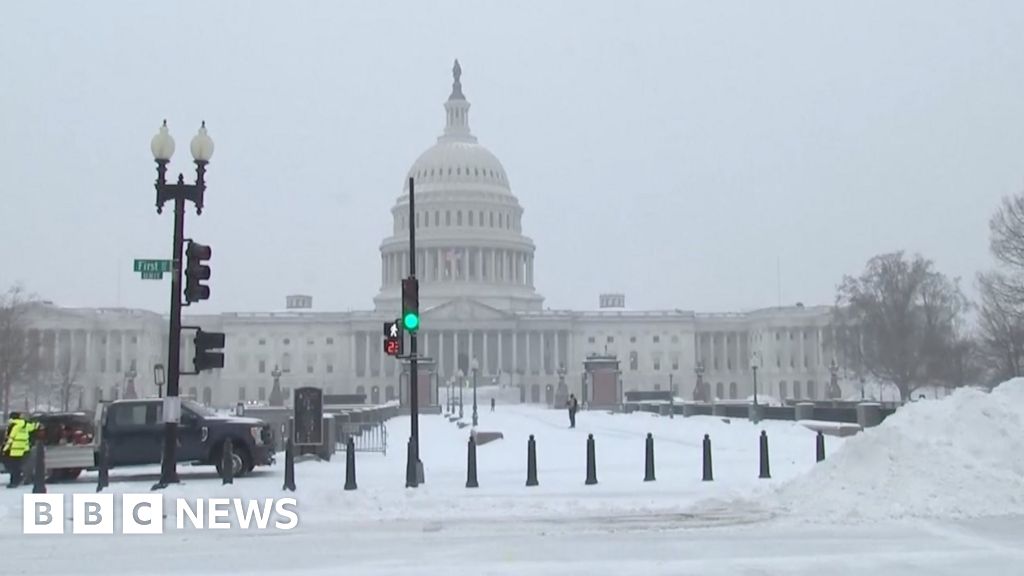
In recent days, The United States has experienced an unprecedented winter storm, characterized by severe snowfalls and dangerously low temperatures that have crippled large swaths of the country. The National Weather Service issued urgent warnings about wind chills plunging below -20°C in numerous urban centers, turning once bustling metropolises into frosty battlegrounds of survival. President Donald Trump responded decisively by declaring a series of federal emergency disaster declarations spanning nearly a dozen states, including South Carolina, Virginia, and Kentucky.

This meteorological crisis is notable not just for its immediate humanitarian toll but also for its broader geopolitical ramifications. As extreme weather events like this winter storm become increasingly frequent and severe, they underscore the pressing need for nations to re-evaluate their preparedness and resilience strategies. Major international organizations, such as the World Meteorological Organization, have repeatedly warned that climate variability poses a formidable threat to security, economies, and societal stability worldwide. While the U.S. swiftly mobilizes internal resources, the incident exemplifies a reality where climate change acts as a force multiplier for geopolitical instability, influencing diplomacy and international relations.

Furthermore, the decision by U.S. authorities to declare emergencies in multiple states highlights a broader pattern of how nations respond to internal crises with implications that extend beyond borders. These measures serve as a reminder for allies and adversaries alike of the importance of resilience in the face of natural disasters—yet they also raise questions about the long-term impact of environmental disruptions. Historically, analysts have pointed out that countries unable to adapt swiftly to climate-induced catastrophes risk becoming more vulnerable to geopolitical shocks. In a world where chaos often begets opportunism, the challenge remains: how do nations secure their sovereignty amid a rapidly changing climate?

The international community, including major powers and emerging nations, is watching with keen interest as the United States navigates this crisis. While the immediate concern lies in rescuing stranded communities and restoring basic services, the larger geopolitical dialogue shifts towards resilience—a debate that intertwines environmental policy, economic stability, and national security. Historical analysts warn that failure to address these environmental threats could result in a new chapter of instability—one where climate change acts as a catalyst for conflict, displacement, and resource wars. As the cold grips the nation, the world must reflect on the lessons etched into the icy face of adversity: the decisions made today set the stage for the future balance of power.

As history watches silently from the pages yet to be written, the cold truth remains: in an era of unpredictable and escalating natural disasters, the line between environmental catastrophe and geopolitical crisis has grown dangerously thin. The icy winds sweeping across the United States serve as a stark reminder—nature’s fury respects no borders, and the decisions taken in one nation ripple across the fabric of international stability. The question remains—not if, but when—and how, will the world unite to confront the unyielding forces of change that threaten to reshape the geopolitical landscape forever.

Venezuela Releases Dozens of Political Prisoners, Human Rights Group Reports

Venezuela’s Political Prisoner Releases: A Tactical Move Amid Growing International Tensions

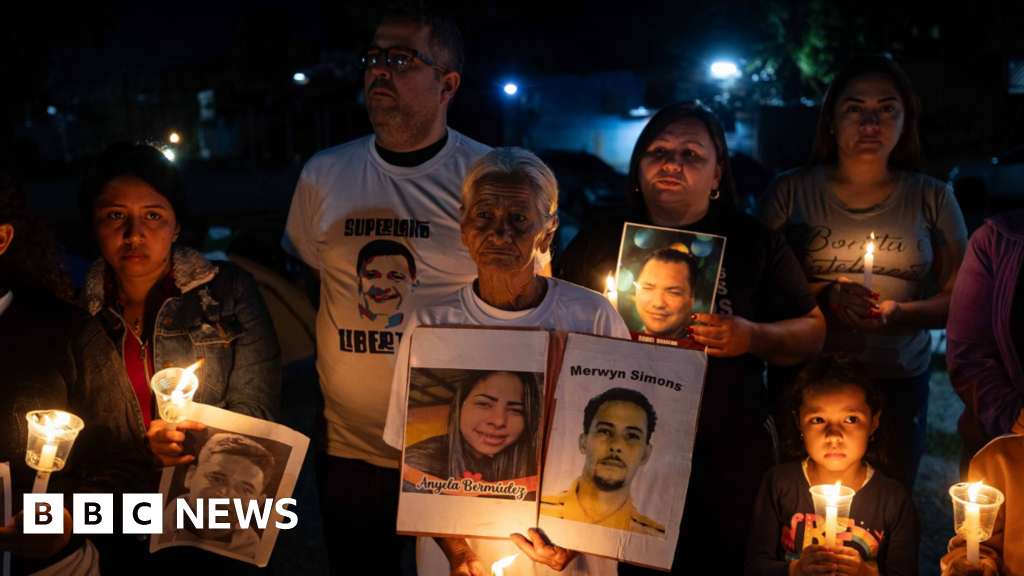
In a striking development that underscores the ongoing geopolitical struggle between the United States and Venezuela, reports indicate that at least 80 political prisoners have been released from captivity. According to a leading Venezuelan human rights organization, these releases are largely attributed to pressure exerted by Washington, which recently seized Venezuelan President Nicolás Maduro in a covert operation in New York and took him to stand trial on drug trafficking charges. This move by the US signals a significant escalation in its approach to Bolívarian politics, aiming to destabilize the Maduro regime and shift regional power dynamics.

Since the drug-trafficking raid, Caracas has been under mounting international scrutiny. Venezuelan interim President Delcy Rodriguez claimed that more than 600 prisoners had been freed—an assertion swiftly contested by Foro Penal, a reputable human rights group, which stated that the figure has likely been inflated. Meanwhile, the group has confirmed the release of 156 political detainees since early January—many of whom remain in limbo without formal charges dropped, effectively barred from speaking publicly. Such measures highlight the Venezuelan government’s ongoing efforts to diffuse internal dissent while managing international image.

Legal limbo and suppression continue to haunt many of those released. Gonzalo Himiob, a lawyer representing Foro Penal, emphasized on social media that the number of freed prisoners might increase as verification continues. This cautious optimism comes amid accusations from human rights activists who contend that the regime’s motivation is less about justice and more about manipulating international perception. The impending phone call between Rodriguez and the United Nations High Commissioner for Human Rights reflects a fraught attempt to legitimize the releases while navigating accusations of political repression. Critics argue that the Venezuelan government has long exploited arrests to silence critics and suppress opposition—especially following the disputed 2024 presidential election, which Maduro claimed victory amid widespread allegations of fraud.

This scenario reveals a delicate geopolitical balancing act. While the US aims to weaken Maduro’s influence, its intervention risks further destabilizing Venezuela—potentially opening the door to greater chaos and regional insecurity. Analysts warn that international pressure could push Caracas to double down on authoritarian measures, using the guise of political openness as a façade for continued repression. Historically, such tactics have created a volatile environment, fostering lawlessness and deepening societal divisions. The situation remains volatile, with the weight of history pressing down; the steps taken today might echo through generations, defining whether Venezuela’s future will be marked by renewed hope or irreversible decline.

Footage reveals key moments in Minneapolis deadly shooting

In a development that underscores ongoing tensions within the United States regarding immigration enforcement and law enforcement accountability, a tragic incident unfolded in Minneapolis involving federal immigration officers. Bystander footage has surfaced, capturing tense moments leading up to the fatal shooting of 37-year-old Alex Pretti. The recordings, shot from multiple perspectives, reveal a chaotic confrontation that has ignited controversy and intensified debates over federal authority and civil liberties in the nation’s heartland.

As details emerge, conflicting narratives from federal officials and state authorities have further muddled the incident’s circumstances. Homeland Security Secretary Kristi Noem claimed that agents fired “defensive shots” after Pretti allegedly “reacted violently,” presenting an account aligned with justified self-defense. Conversely, Governor Tim Walz dismissed the federal explanation as “nonsense” and “lies,” emphasizing a need for transparency and accountability. This internal dispute exemplifies the broader divide within American governance, where federal and state authorities seem increasingly at odds over immigration enforcement tactics and the use of lethal force.

The incident’s timing adds to its significance, occurring less than three weeks after the tragic killing of Renee Good, an American citizen shot by an immigration agent in similar circumstances. Such events have sparked nationwide outrage and raised questions about the overreach of immigration authorities operating under policy shifts favoring aggressive enforcement. Many analysts see these events as a reflection of a broader geopolitical and domestic struggle — one that tests the limits of federal power, the rule of law, and the safety of American citizens. International observers and rights watchdogs warn that unchecked force and lack of transparency threaten the social fabric of the nation, fueling suspicion and unrest across communities.

  • Key event: The deadly confrontation, captured on video, sparks nationwide debate on immigration and law enforcement conduct.
  • International impact: Foreign allies and adversaries scrutinize the U.S. for its internal stability, affecting diplomatic relations.
  • Potential consequences: Policymakers face mounting pressure to implement reforms that balance enforcement while safeguarding civil liberties, yet fears persist of increased militarization and societal division.

This incident highlights how decisions made in the corridors of power resonate profoundly. The policy environment has shifted towards a more assertive stance on immigration, with the federal government emphasizing national security over individual rights. These measures, while backed by some as necessary for national sovereignty, legal advocates warn threaten the very foundations of civil liberties. Who bears the weight of justice in such conflicts — the individual or the state? This question now haunts America’s conscience.

As the story continues to unfold—shrouded in conflicting accounts, political theatrics, and the relentless march of history—one thing remains clear: the choices made here will echo far beyond the streets of Minneapolis. They will shape the future of public trust, law enforcement policies, and America’s role on the world stage. The echoes of this tragedy serve as a stark reminder that in a world fraught with conflict and uncertainty, the line between order and chaos is often razor-thin, and the weight of history presses heavily upon the present.

North-East Syria Security Tension Grows as Fear of IS Return Flares Up

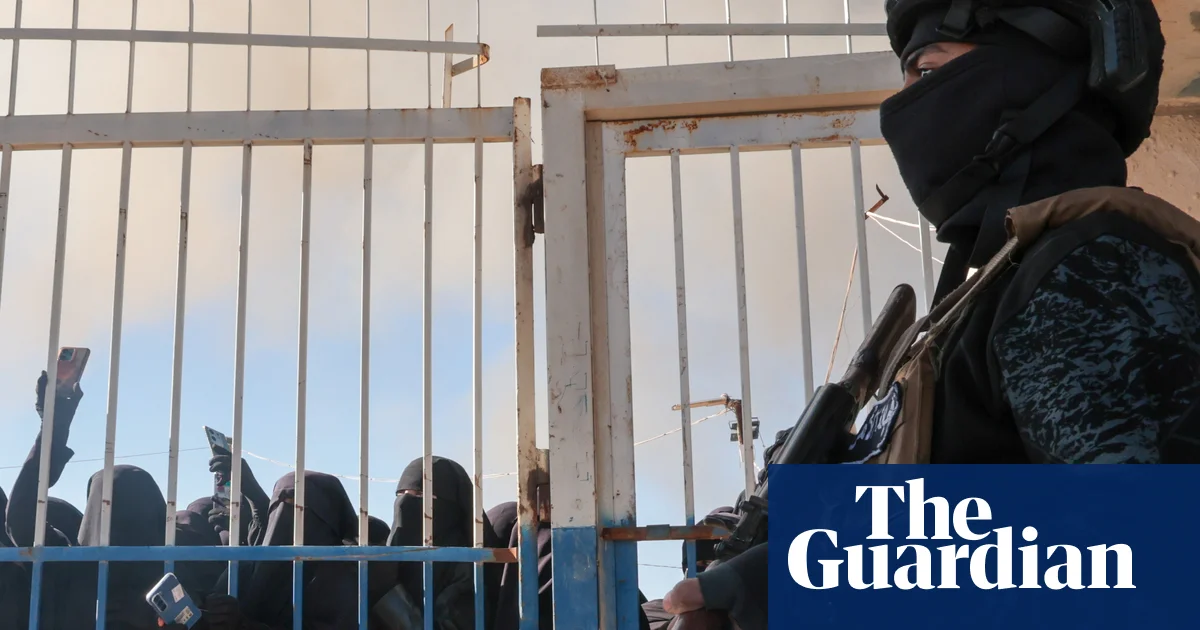
Amidst the tumultuous landscape of north-east Syria, a crisis of monumental proportions is unfolding, with consequences that reverberate across the geopolitical spectrum. Western officials, closely monitoring the deteriorating security situation, express grave concern over the resurgence of Islamic State militants (IS). The recent chaos involves a dramatic transfer of approximately 150 IS fighters from a frontline prison in Hasakah to Iraq, as the United States signals a readiness to evacuate up to 7,000 detainees. This move underscores the fragility of peace in the region and the peril that lurks within these unresolved conflicts, making it clear that the threat of a dangerous breakout remains alive—an alarming development for global security.

The chaos was fueled by a swift advance of Syrian government forces, which seized control of key prisons and camps housing former IS fighters and thousands of women and children connected to the terror network. The events led to an unprecedented change of hands over camps like al-Hawl, home to over 20,000 women from roughly 70 countries, highlighting the international dimension of this humanitarian crisis. Reports of escapes and a loss of control have amplified fears across Europe, where many of these foreign detainees pose a persistent threat. According to analysts such as Nanar Hawach from Crisis Group, the region is not witnessing a reborn caliphate but rather a dispersed insurgency rebuilding in the cracks—an insidious threat that could ignite anew if containment fails.

The geopolitical impact of these developments extends deeply into the strategic calculations of global players. The recent Washington decision to abandon support for the Syrian Democratic Forces (SDF)—long considered the primary anti-IS force on the ground—marks a pivotal shift. US special envoy Tom Barrack emphasized that the US’s primary partner in holding down IS had shifted towards reliance on the Damascus regime, led by President Ahmed al-Sharaa. Such a move signals a strategic recalibration, as Washington appears to prioritize stability over ideological affinity, even if it means tacitly endorsing the Assad regime’s evolving authority. This shift not only impacts the balance of power but also risks empowering insurgent networks and prolonging chaos, which analysts warn could destabilize the entire region further.

The ongoing conflict, marked by rapid territorial gains by Syrian government forces and fragile ceasefires, continues to ripple through the region’s delicate mosaic of alliances and enmities. Despite the official cessation of hostilities, the collapse of the ceasefire and the rapid advances by Assad’s forces threaten to escalate into a wider confrontation, with Kurdish factions caught in the middle. As the international community watches with concern, the fate of camps like al-Hawl remains uncertain, burdened by resource shortages and the inability of the Syrian government to fully manage the complex humanitarian demands. Experts like Hawach warn that managing these camps and preventing the resurgence of insurgent elements is complicated by institutional weakness—an issue that could undermine any efforts toward stabilization.

As history unfolds in the shadows of war, the fate of north-east Syria hangs in the balance. With alliances shifting and the specter of chaos lurking, this volatile corner of the Middle East embodies the high stakes and profound consequences of modern geopolitical decisions. Whether this crisis escalates into a renewed caliphate or spirals into broader regional destabilization, the world bears witness to a chapter where the weight of history continues to be written in the dust and violence of a land scarred by decades of conflict—an uncertain future that demands vigilance, resolve, and a careful understanding of the intricate webs that bind nations together in this stage of relentless upheaval.

Social Media Auto Publish Powered By : XYZScripts.com