Matox News

Truth Over Trends, always!

Oil soars to record monthly surge amid Iran tensions shaking markets

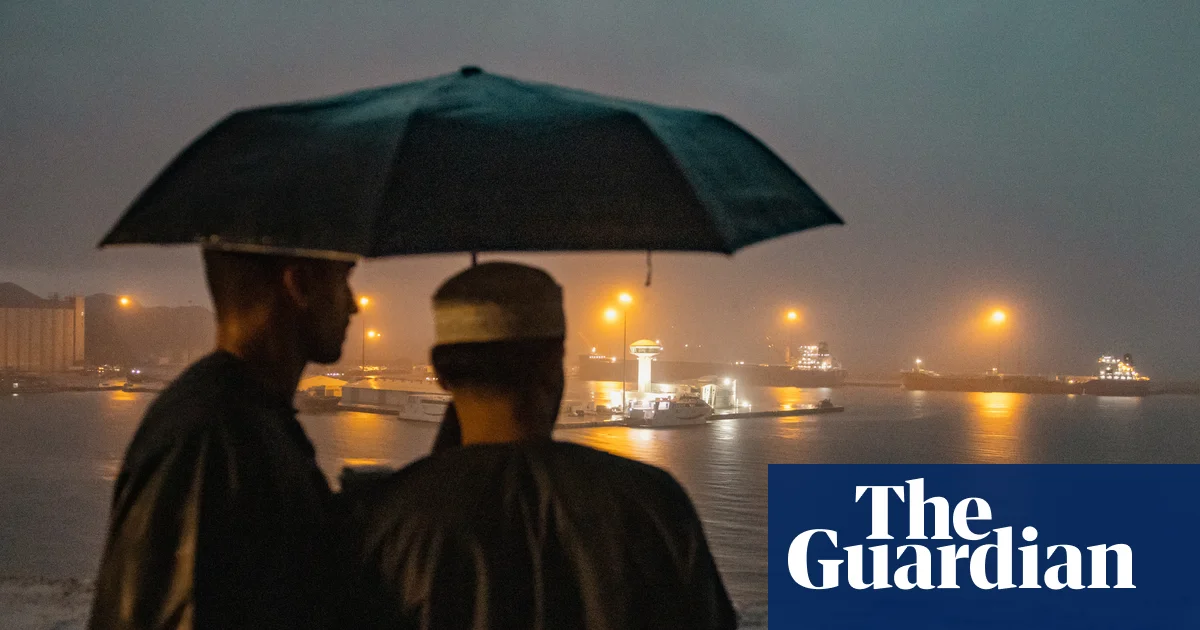
The recent escalation in Middle East tensions, triggered by the eruption of war involving Iran, has rapidly transformed financial landscapes worldwide. The international benchmark, Brent crude oil, has surged by a staggering 51% in March—the largest monthly increase on record—shattering previous historical peaks associated with significant geopolitical upheavals like the 1990 invasion of Kuwait. Analysts highlight that this escalation has undercut the fragile stability of global energy markets, especially as Iran all but sealed off the Strait of Hormuz, through which roughly 20% of the world’s oil passes, risking a supply disruption that could resonate for years. The consequences are evident: crude prices soared to over $119.50 a barrel during the month, compounding fears of inflationary spirals and global economic slowdown.

The chaos in oil markets has spilled over into broader financial sectors, pressing Wall Street into correction territory, with the Dow Jones industrial average dropping more than 10% from its peak—an ominous sign for investors worldwide. Despite a coordinated release of 400 million barrels from emergency reserves, oil prices refused to stabilize, reflecting deep concerns about persistent supply disruptions. Notably, US crude prices jumped 48%, marking their most aggressive monthly climb since the pandemic’s onset in 2020. Meanwhile, European markets echoed this turbulence; London’s FTSE 100 saw an 8% decline, wiping out months of gains and signaling a loss of confidence in the stability of economic recovery post-pandemic. Financial experts, including analysts at City Index, note that markets are increasingly discounting geopolitical risks rather than reacting to mere rhetoric, marking a clear shift in investor sentiment from optimism to caution.

This volatile backdrop underscores the geopolitical impact of decisions made by global powers. President Donald Trump and other leaders attempted to manipulate markets with rhetoric—initially claiming progress in negotiations with Iran—yet the escalation continued unabated. His declaration of a 10-day extension for Iran to reopen the Strait of Hormuz was met with immediate market repercussions, signaling a loss of control in managing energy prices, which shrinks the space for diplomatic maneuvering. Similarly, governments across Europe find themselves hamstrung; European bonds, including Italy’s two-year debt, plunged to their worst monthly performance since 2018. Economists like Modupe Adegbembo from Jefferies warn that declining fiscal resilience—exacerbated by higher borrowing costs—limits the scope for large-scale intervention. This intricate web of sovereign debt and geopolitical instability demonstrates how decisions in one corner of the world can ripple globally, destabilizing economies and societies that are still grappling with pandemic recoveries.

As markets tremble and policymakers grapple with mounting pressure, a narrative of profound change emerges—an unfolding chapter in the ongoing contest for influence and stability. The strategic decisions of major powers today will echo through the corridors of history, shaping the inescapable contours of the 21st century. The shifting tides in oil, gold, and sovereign debt markets serve as stark reminders: in this new era of global uncertainty, the outcome is far from decided. The weight of history presses down, and the world watches, tense and unyielding, as the first pages of a new geopolitical saga are written in the flames of conflict and the shadows of economic volatility.
Palestinians Fight to Rebuild Amid Global Spotlight on Iran and Gaza

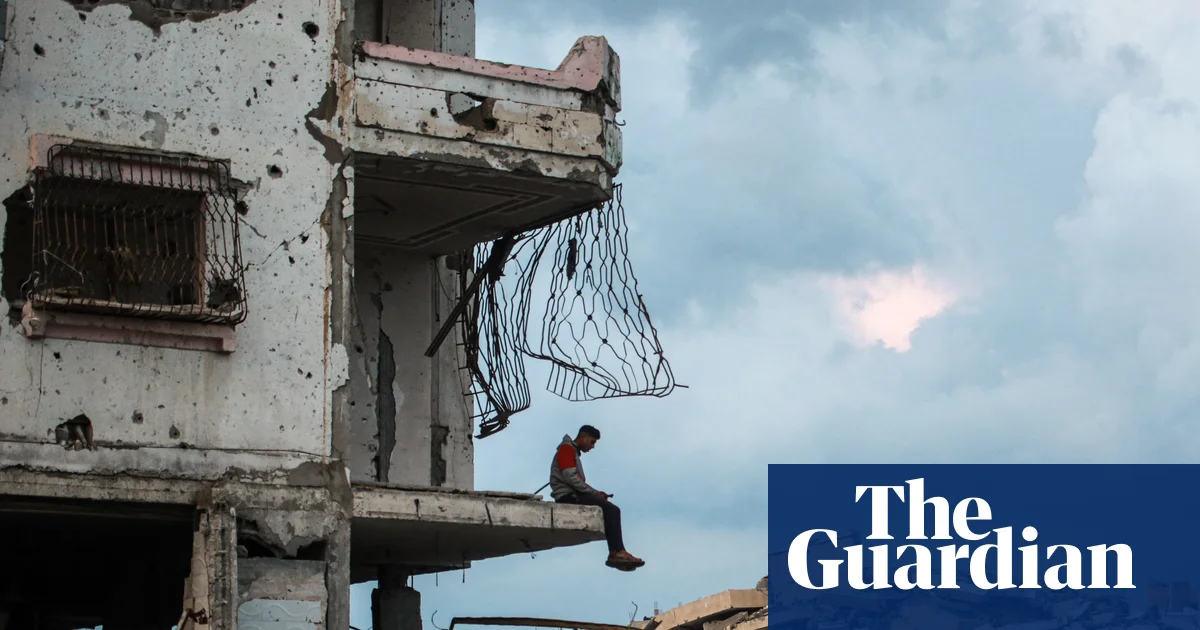
In the heart of the Middle East, Gaza remains a symbol of resilience amid ongoing warfare and mounting humanitarian crises. Seventeen months after the onset of intense conflict, the population’s life has been fundamentally altered—stripped of stability, safety, and dignity. As Israeli airstrikes continue to claim civilian lives and infrastructure remains in ruins, the world witnesses a humanitarian disaster unfolding in real-time. Israeli military actions, purportedly aimed at strategic objectives, have inadvertently created a living hell for the civilian Palestinian population. From displaced families seeking refuge in waterlogged camps to children growing up deaf to anything but the sounds of drones and explosions, the societal fabric of Gaza is fraying at every edge.

International analysts underscore that the geopolitical impact of the escalating violence extends beyond Gaza’s borders. While global attention often fixates on potential threats from Iran and the broader Middle East, the immediate suffering of Gazans represents a profound crisis of humanitarian rights and regional stability. As experts warn, ongoing hostilities perpetuate a cycle that feeds itself: destruction breeds despair, and despair fuels further violence. The blockade, compounded by restrictions on movement through the crucial Rafah crossing, severely limits the delivery of essential supplies such as food, medicine, and clean water. UN agencies acknowledge that the world’s aid is reaching Gaza, but at a scale insufficient to meet the daily demands of a population that has been pushed to the brink.

The collapse of normal life is vividly illustrated by stories of loss, suffering, and unwavering hope. Families displaced by bombings scramble for water amid broken municipal supply lines, while hospitals lack critical diagnostic tools to treat cancer and other life-threatening illnesses. Historians and international observers note that this deterioration mirrors other protracted conflicts, where war is less about territory and more about erasing the socio-economic fabric of society. Gaza’s residents, especially the youth, who once envisioned futures in education or entrepreneurship, now grapple with a grim reality that prioritizes mere survival. With prices soaring—particularly amidst the US and Israeli actions against Iran—ordinary Palestinians face a bleak fight against famine and disease, with fewer resources than ever before.

Despite the grim circumstances, some measures offer limited hope. The Rafah crossing’s re-opening for medical evacuations enables patients to seek treatment outside Gaza, where medical facilities are decimated or inaccessible. Yet, the overall picture remains dire: more than 20,000 Palestinians await treatment abroad, and fresh casualties continue to mount. Aid organizations highlight that the ongoing blockade and damage to infrastructure prevent effective aid delivery, resulting in untreated sewage, rising disease outbreaks, and a surge in poverty. International agencies warn that failure to address these humanitarian needs risks creating a generation of Palestinians scarred by violence and neglect.

As history unfolds in Gaza, the weight of these decisions—whether to escalate or seek peace—has profound implications. The geopolitical landscape is shifting, with global powers grappling over their strategies—be it through military action, diplomatic pressure, or aid—each affecting populations on the ground. The children of Gaza grow up amid the rubble of their homes, their futures shaped by a conflict that seems to echo endlessly through the corridors of history. The world watches, yet the question remains: can diplomacy and compassion forge a path away from this precipice, or will history record this epoch as one where indifference cemented suffering for generations to come?

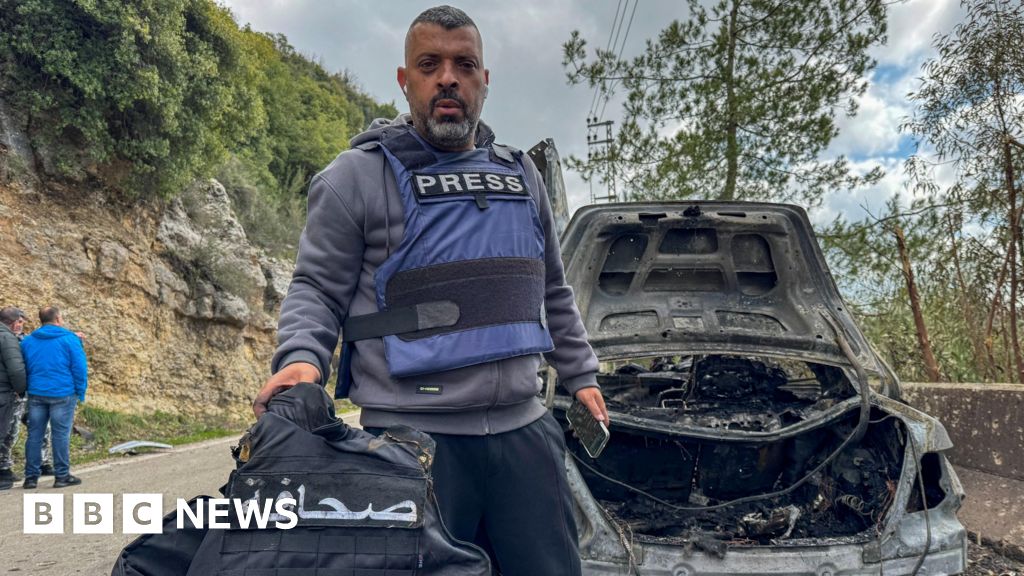
Lebanese Journalists Mourn as Israeli Strike Claims Three Lives

The recent confirmation by the Israeli military of its elimination of Ali Shoeib, a figure affiliated with Hezbollah and associated with Al Manar TV, underscores the ongoing volatility in the Middle East that continues to shape the geopolitical landscape. This event marks yet another instance of the persistent conflict between Israel and Hezbollah, a Lebanese Shia Islamist political party and militant group backed by Iran. Analysts interpret this escalation as part of an ongoing effort by Israel to weaken militant groups within Lebanon, a critical front in its broader security strategy against regional adversaries.

According to sources familiar with the operation, the targeted killing was carried out in a manner consistent with other covert missions, emphasizing precision and operational intent. Such actions often serve as a stark reminder of the relentless cycle of retaliation and preemptive strikes that define the Israeli approach to security threats. Former military commanders and geopolitical experts warn that these developments risk igniting wider confrontations, especially given Hezbollah’s fortified position along Lebanon’s border and its substantial arsenal supplied by Iran. The attack underscores the fragile balance of power in the Levant, where each act of aggression could spark a broader regional conflict.

International organizations and diplomatic analysts have sharply criticized the incident, condemning it as a destabilizing move at a time when regional stability is precariously balanced. The United Nations, which has long called for restraint and dialogue in the Middle East, remains concerned about the potential for this targeted killing to escalate into open warfare. Historically, such targeted operations have had mixed outcomes—either deterring future attacks or fueling cycles of violence that entrench mistrust and hostility.

  • The killing of Shoeib signals a turning point in Israel’s campaign to undermine Hezbollah’s influence and capabilities.
  • It comes amid rising tensions following a series of skirmishes along the Lebanon-Israel border.
  • Experts note that such actions risk broadening the regional conflict, drawing in Iran as a key backer of Hezbollah.

Many international strategists interpret these events within the context of a larger contest for influence stretching across the Middle East. Historians and security analysts frequently point out that Israel’s aggressive posture is driven by its desire to establish deterrence and limit the reach of Iran’s regional ambitions. Yet, they simultaneously warn that such policies could backfire, fueling anti-Israeli sentiment and destabilizing already fragile governments in the region. The looming question remains whether diplomacy can effectively stem the tide of violence or whether the cycle of conflict will continue to spiral out of control.

As the dust begins to settle on the latest targeted operation, the weight of history presses heavily upon the unfolding narrative of the Middle East. The region’s future is written not only in strategic military campaigns but also in the decisions of leadership, the resolve of societies, and the silent hopes for peace amid chaos. With each incident, the stakes grow higher, and the world watches with bated breath—acknowledging that these moments are not isolated, but chapters in an ongoing saga where the echoes of history threaten to reshape an entire generation’s destiny.

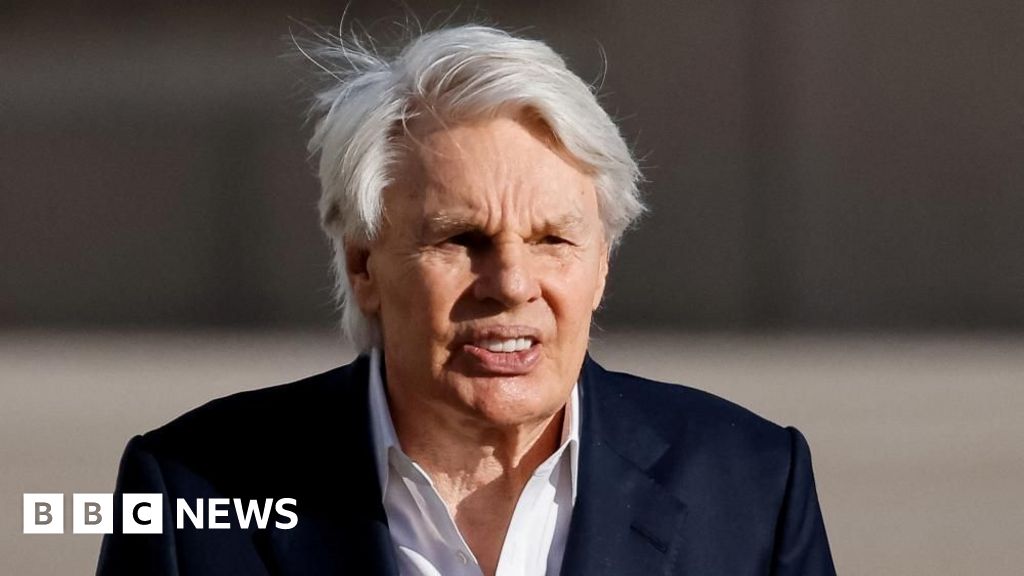
Prison Call Recordings Challenge Ex-Abercrombie Boss’s Suitability for Trial

In an unprecedented development that has captured international attention, the legal representatives of Mike Jeffries, the former CEO of a major international fashion brand, have formally argued that he is suffering from dementia and late-onset Alzheimer’s disease. This claim underscores the complex intersection of health, justice, and global reputation, raising profound questions about accountability and the handling of legal proceedings involving aging corporate icons. As the case unfolds, analysts and historians alike are scrutinizing the implications of this defense, which could serve as a precedent for similar cases involving high-profile individuals facing legal scrutiny amidst health decline.

Jeffries’ legal team contends that his cognitive deterioration has significantly impaired his ability to participate fully in his defense. This situation inevitably influences how international legal systems handle aging defendants, prompting discussions about ethical responsibilities, the balance between justice and mercy, and the overarching influence of health in legal accountability. International organizations, including the United Nations and the International Court of Justice, may soon be called to weigh in on such matters, especially as global populations age and similar cases become more common. The outcome of this legal argument could impact not only Jeffries’ personal fate but also influence how societies worldwide adapt their justice systems toward aging populations who may not always be capable of rational decision-making.

Furthermore, this case arrives at a time of rising geopolitical tension, with economic powerhouses like China and the United States recalibrating their approaches toward corporate accountability and health-related legal defenses. Experts argue that the decision taken in Jeffries’ case could ripple through international law, particularly how jurisdictions handle the responsibilities of mentally impaired defendants. Some suggest that the outcome might influence global perceptions of corporate culture, accountability, and the moral responsibilities of business leaders to society. Moreover, the case underscores the importance of how international consensus on health and legal standardization could shape policy frameworks for future legal proceedings involving mental health issues.

As the world watches this unfolding saga, the broad geopolitical impact becomes increasingly evident. Decisions made in courtrooms across nations resonate far beyond individual justice, affecting the fabric of international relations and societal values. The case serves as a stark reminder that, in the era of interconnected power and influence, the weight of history is often shaped by ethical dilemmas that challenge the very foundations of justice and morality. As historians and analysts observe, the outcome of such cases could either fortify or fracture global trust in legal institutions—an enduring legacy that will undoubtedly influence the societal fabric for generations to come. One thing remains clear: in the ongoing chess game of international geopolitics, every move can alter the course of history, and the stakes could not be higher.

Middle East on Edge: Explosions in Tehran as Yemen’s Houthis Raise Iran War Stakes | US-Israel Weighs Confrontation

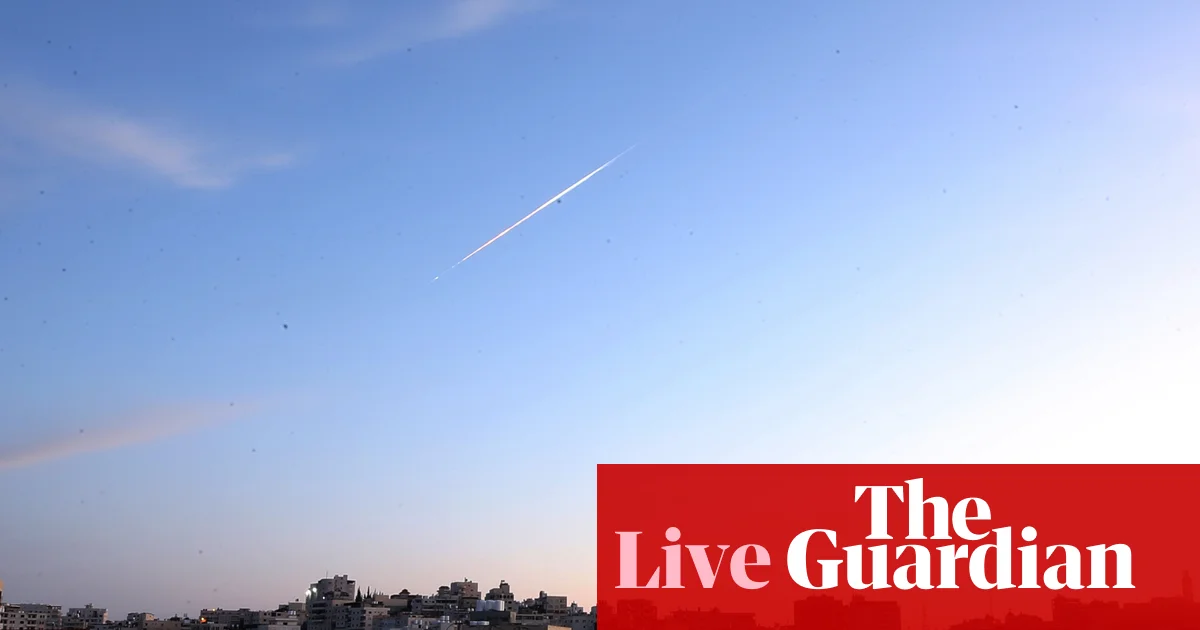
The tense geopolitical landscape in the Middle East has entered a critical phase, with fresh escalation of conflicts and increasing international concern over regional stability. As the war, now in its second month, shows no signs of abating, Yemen’s Iran-backed Houthis have sharply intensified their offensive, confirming a second wave of strikes against Israel. Their military spokesperson, Yahya Saree, publicly declared that the Houthis launched a “barrage of cruise missiles and drones” targeting key military sites, with plans to continue their operations until Israel ceases its “attacks and aggression.” This development profoundly shifts the regional calculus, magnifying the threat posed by militant actors allied with Iran seeking to expand the conflict beyond traditional borders.

Adding to the mounting crisis, reports from Iran indicate that two powerful explosions rocked northern Tehran early Sunday—an indication of the simmering tensions and potential covert hostilities. While the targets remain unclear, analysts suggest that these incidents hint at a broader strategic destabilization aimed at undermining the regime’s infrastructure amid ongoing tensions with the West and regional adversaries. The United States appears poised to escalate its involvement, with reports suggesting the Trump administration is preparing plans for ground operations within Iran — including possible raids on strategic sites such as Kharg Island and installations near the crucial Strait of Hormuz. U.S. marines have already been deployed to the region, signaling a readiness to intervene at the highest levels.

The convergence of these events underscores a dangerous turning point with profound geopolitical impact. The confrontation is now threatening global trade routes, especially through the Bab al-Mandab Strait, a vital chokepoint at the southern end of the Red Sea. The Houthis’ potential control over this narrow passage could exponentially worsen the global economic fallout by hindering the flow of oil and commerce, effectively reversing years of regional stability efforts. Meanwhile, Iran’s internal security situation appears increasingly fragile, with Iranian authorities’ threats to target U.S. universities in the Middle East, accusing them of operational complicity in recent strikes. Such actions threaten to escalate the conflict into a broader ideological and military conflict, with case law from historians warning of the devastating regional and global consequences that can unfold from unchecked escalation.

In parallel, diplomatic efforts seem to be caught in a web of distrust and strategic interests, exemplified by Pakistan’s hosting of Middle Eastern foreign ministers in an attempt to forge regional consensus. Yet, skepticism persists, as the talks exclude the warring parties directly involved in the conflict, leading analysts to question the effectiveness of these diplomatic avenues. Meanwhile, the horrific toll of the conflict extends beyond military confrontations: three journalists in Lebanon were killed in a targeted Israeli strike—a brutal reminder of the war’s devastating impact on civilians and media personnel. The World Health Organization’s chief, Tedros Ghebreyesus, has issued a stark appeal to end attacks on medical workers, emphasizing that the conflict’s human toll is becoming untenable.

As Iranian and Israeli military actions escalate, with Tehran subjected to a “wide-scale wave of strikes,” the region teeters on the brink of an unforeseen catastrophe. The unfolding series of military, diplomatic, and covert operations foreshadows a new chapter in a long history of Middle Eastern turmoil. The global community watches anxiously, yet history reminds us that these conflicts often spiral into chaos, with the weight of nations and societies hanging in fragile balance. In the shadow of these events, the world confronts the stark reality: the echoes of recent decisions and conflicts may well define a new epoch of uncertainty—where the line between peace and war becomes perilously thin, and the weight of history presses ever closer.

Trump’s Gut-Driven Tactics Fail to Deliver

One month into the escalating conflict in Iran, the international community is observing a critical turning point that could reshape regional stability and global power dynamics. Under the shadow of widespread protests and a challenged government, President Donald Trump’s reliance on a gut-instinct approach to policy is increasingly coming into question. Analysts caution that traditional methods might lack the necessary precision and strategic foresight required in a volatile geopolitical environment, especially amidst the complex history of Iran’s resistance to external influence and internal upheaval.

Multiple events over the past month have underscored the limitations of reactive diplomacy in the ongoing crisis. The Trump administration’s emphasis on swift, decisive action—often driven by instinct rather than coordinated strategy—has faced mounting skepticism from foreign policy experts and international organizations. The U.S. State Department and Congress are now debating the effectiveness of sanctions, military posturing, and diplomatic isolation — efforts that have so far failed to stem the unrest or foster meaningful negotiations. Meanwhile, regional powers such as Saudi Arabia and Israel monitor developments closely, wary of a potential power vacuum that could embolden Iran’s adversaries or destabilize the Middle East further.

The geopolitical impact of these shifting strategies extends beyond the Middle East, with analysts warning that decision-makers worldwide need to recalibrate their approach to crisis management. International institutions, including the United Nations, have called for renewed dialogue and restraint, yet the lack of unified action highlights a growing confidence gap among global powers. Historians point to past conflicts where reactive policies—often motivated by domestic political pressures—resulted in prolonged instability rather than resolution. Today’s scenario presents a stark reminder of how short-term instincts can undermine long-term peace efforts and deepen divides among nations.

  • Efforts to impose targeted sanctions on Iranian leaders and key institutions have yet to quell the protests or address underlying grievances.
  • The possibility of military interventions looms, but experts warn such actions could escalate into wider regional conflicts with unpredictable consequences.
  • Diplomatic negotiations remain stalled, with neither side willing to compromise or engage in meaningful dialogue.
  • International organizations call for a de-escalation, but their influence is limited without a cohesive strategy rooted in long-term stability rather than reactive measures.

As the crisis evolves, the stakes for global security are immense. Historians and analysts warn that blindly reacting to developments without a comprehensive understanding of Iran’s internal dynamics risks a spiraling conflict that could destabilize the broader Middle East, disturb global energy markets, and challenge the very fabric of international diplomacy. How world leaders respond in the coming days will determine whether this chapter of unrest becomes a catalyst for reform or a catalyst for chaos. As history continues to be written, the weight of these decisions will echo through generations, revealing whether they committed to foresight or succumbed to instinctual impulses — an enduring testament to the importance of strategic wisdom in navigating the uncertain waters of geopolitics.

Teacher survey reveals staffing shortages hurting SEND support for students

Global Education Challenges and the Future of Inclusivity

The recent survey conducted by the National Education Union (NEU) in England casts a stark light on an escalating crisis that transcends national borders and demands urgent international attention. With nine out of ten teachers reporting oversized classes and staffing shortages, the fundamental ability to support children with special educational needs and disabilities (Send) is under severe threat. These issues, rooted in inadequate resource allocation and systemic neglect, threaten to undermine the very ideals of inclusive education—values that resonate across democracies and authoritarian regimes alike. The implications of these failures extend far beyond Britain, serving as a cautionary tale for countries worldwide wrestling with the balance between educational ambitions and practical constraints.

As Britain’s government announces its comprehensive white paper aimed at reforming the Send system, international analysts scrutinize the plan’s potential to effect real change. The proposal emphasizes assessing pupils with special needs and creating personalized support plans—yet, as highlighted by Daniel Kebede, NEU’s general secretary, the main obstacle remains resourcing: “Mainstream schools are simply not staffed or funded to meet current needs.” The government’s pledge of £1.6bn over three years and additional funds for specialists and teacher training may appear substantial, but experts argue these figures are insufficient for the massive overhaul required. With only the most complex cases qualifying for education, health, and care plans (EHCPs), millions of children currently fall through the cracks, echoing a global pattern of neglect in education systems unprepared for the rising tide of special needs support demands.

From a geopolitical perspective, this domestic crisis serves as a broader warning: when nations fail to invest in their future through education, they risk stagnation and social division. According to international organizations such as UNESCO, equitable access to quality education is a cornerstone of sustainable development; yet, many countries are grappling with similar issues, especially as economic disparities widen. The European Union, the United Nations, and other global bodies have recognized that the success of inclusive education hinges on political will and resource commitment. Failure to act decisively endangers not just individual lives but the stability of societies in an increasingly interconnected world where human capital is the linchpin of progress.

Moreover, leading historians and political analysts warn that national policies on education are often a reflection of deeper societal values and priorities. The current crisis in Britain’s schools underscores a broader tendency among many developed nations to underfund social services while maintaining military and geopolitical influence on the world stage. As conflicts persist from Eastern Europe to the Indo-Pacific, the focus on military might often overshadows pressing social issues—yet, the failure to nurture the next generation with inclusive policies may breed long-term instability. The international community watches as the unfolding story of Britain’s education reform reveals how decisions made today—regarding resource allocation, policy priorities, and societal values—will shape the global order tomorrow. The echoes of neglect today may become the upheavals of tomorrow’s history, a reminder that the battle for inclusion is as much a geopolitical struggle as it is an educational one.

As the twilight of this chapter approaches, the weight of history hangs heavy. Will the international community learn from Britain’s struggles, or will it watch in silence as opportunities for true inclusivity fade into the shadows of political inertia? The future remains unwritten, but one fact is clear: whether nations rise or fall on the strength of their social fabric, the true measure of greatness lies in their ability to support those most in need. The pages of history are turning, and in the silence ahead, the echoes of neglect threaten to resound for generations to come.

Egypt Orders Shops and Eateries to Close Early Amid Growing Energy Crisis

In a decisive move triggered by an urgent need to address escalating energy shortages, several governments around the world are implementing strict measures to reduce power consumption. Notably, retail and dining establishments are now mandated to close by 21:00 for the next month. This directive, introduced in the name of national security and economic stability, underscores the profound shift in energy policy and the far-reaching implications for societies entrenched in consumer-driven economies.

The decision to curtail operating hours reflects a broader crisis underscored by global analysts, who warn that rising energy costs, supply chain disruptions, and geopolitical tensions are converging into a perfect storm. International organizations, including the International Energy Agency, have issued statements acknowledging that the measures are a short-term response to prevent more profound economic collapse. However, critics argue this move signals a turning point—a departure from previous norms that could have lasting repercussions on societal norms, employment, and the fabric of daily life.

Historically, such draconian measures have been seen in periods of national crisis, often preceding major geopolitical shifts. From wartime rationing to economic austerity, governments have used restrictions like these to demonstrate resilience and control. Yet, modern economies built on consumerism and extended operational hours now face an unprecedented challenge: balancing energy security with maintaining economic vitality. Prominent sociopolitical analysts, including Dr. John Matthews, emphasize that these policies likely herald a new period of government intervention, where the state’s role in everyday life becomes more intrusive and impactful.

Indeed, geopolitical impact extends beyond the immediate economic sphere. Countries enforcing such measures may experience altered international relations, especially if their energy shortages are perceived as stemming from geopolitical conflicts or manipulations. As nations grapple with scarcity, they may adopt protectionist policies, favoring domestic industries and disadvantaging foreign counterparts. The decision to impose cutoff times on retail and dining could also be a precursor to more stringent restrictions, which might include rationing, supply prioritization, or even border controls — all mechanisms that reshape global trade and diplomacy.

In this unfolding chapter of history, where energy scarcity threatens to reshape the socio-economic landscape, the implications for the future of globalization are profound. As the world watches how nations respond—some with cooperation, others with confrontation—the stage is set for perhaps the most pivotal geopolitical contest of our times. The silence of shuttered shops by night masks a burgeoning conflict not only over resources but over the very structure of modern society. As history unfolds, it begs the question: are these temporary measures the harbinger of a new order, or will they ignite resistance that redefines power and resilience in the centuries to come?

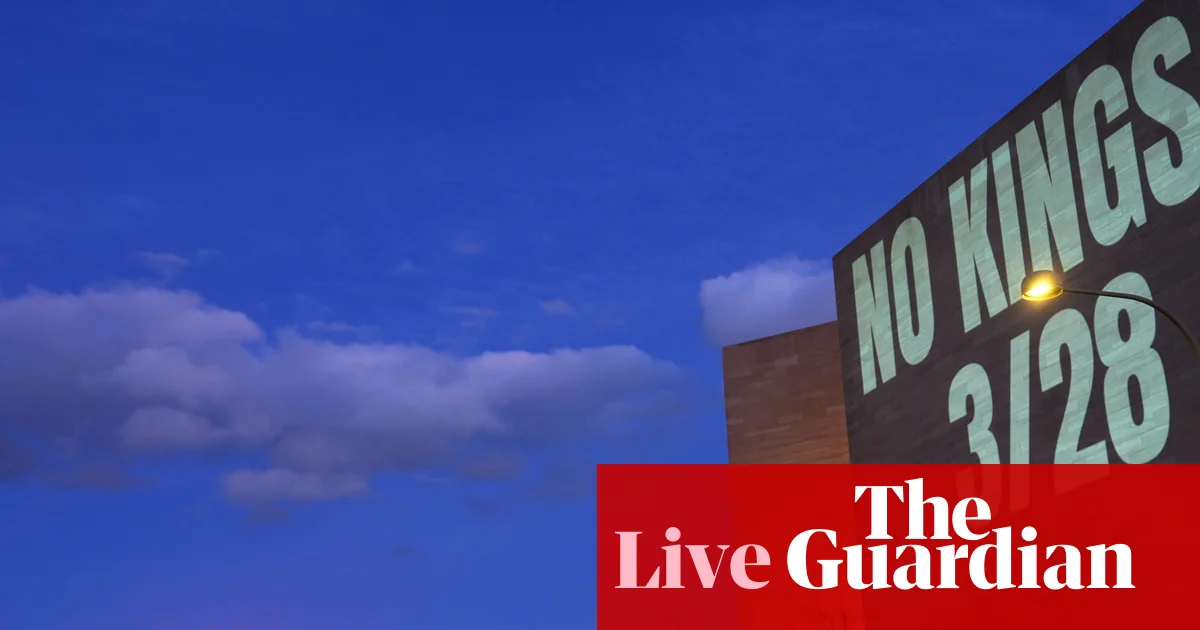
No Kings protests sweep the US, rallying against Trump influence

On Saturday, cities across the United States are expected to witness a wave of mass demonstrations against the Trump administration. These rallies, fueled by widespread discontent over recent policies and political rhetoric, underscore a broader domestic and international debate about the direction of American governance. While rooted in U.S. internal affairs, the protests resonate globally, reflecting anxieties about the influence of U.S. leadership on global stability and values.

In recent years, analysts and international organizations have closely scrutinized the shifting paradigms of American foreign policy under President Donald Trump. Critics argue that his approach—characterized by a confrontational stance on trade, climate accords, and international institutions—has redefined the geopolitical balance. Experts from institutions like the Council on Foreign Relations have warned that such unilateralism could erode decades of multilateral diplomacy, encouraging other nations to adopt more aggressive postures. Meanwhile, supporters contend that his policies restore American sovereignty and prioritize national interests — a view that finds substantial backing among youth segments and nationalist movements across various nations.

The planned protests are emblematic of a period of intense societal upheaval that transcends borders.

  • They echo historic moments where mass mobilization altered political landscapes.
  • They serve as a reminder that domestic unrest often acts as a mirror for international discord, especially when rises in populism or nationalism gain momentum.
  • The demonstrations also highlight the ongoing tension between globalist institutions—such as the United Nations or European Union—and rising sovereign nations asserting their independence.

From a geopolitical impact perspective, these protests symbolize a potential shift in how societies perceive authority and influence. Governments worldwide are watching closely, as rising civil unrest can threaten entrenched power structures or accelerate a reevaluation of their own policies regarding internal dissent. As historians like Dr. Laura Chen have noted, moments of intense internal division often precede significant historical turning points. These demonstrations may signal a new chapter—one where the forces of nationalism, tradition, and sovereignty challenge the liberal global order relentlessly evolving in the post-Cold War era.

Ultimately, the weight of history presses heavily upon the unfolding narrative—each chant, each march, each speech contributing to a larger story of nations choosing their destiny amid the tumult of change. The world watches, already marked by shifting alliances and emerging conflicts, as the American questions of leadership and principles become a fulcrum for the future of global order. The outcomes of these protests are not merely localized acts of civil discontent but are threads woven into the broader fabric of history, whose pattern remains painfully uncertain yet undeniably consequential.

No Kings Protests: Massive Global Rally Against Trump and the Deep State

Unrest Ignites Global Resistance: The Geopolitical Impact of America’s Domestic Movements

In recent months, the United States has witnessed an unprecedented surge in mass protests, echoing beyond its borders and shaping the geopolitical landscape in ways few anticipated. Drawing inspiration from concepts like the 3.5% protest rule, which posits that sustained mass participation by even a fraction of the populace can topple authoritarian regimes, American citizens have mobilized at an astonishing scale. From the expansive No Kings protests against the Trump administration to demonstrations demanding accountability for immigration, climate, and social justice, these grassroots movements are redefining the boundaries of civic activism and challenging traditional power structures in democracy.

According to political analysts and historians like Dr. Erica Chenoweth of Harvard Kennedy School, such high levels of participation—sometimes estimated in the millions—signal a potential turning point for American democracy. However, the ripple effect is felt more broadly. Countries across Europe, Asia, and the Middle East are observing these protests closely, with many seeing parallels in their own struggles against authoritarian populism, far-right extremism, and elite dominance. In the UK, the Together Against the Far Right march drew nearly half a million multicultural advocates—outpacing some national policies—indicating that resistance is now a universal language of the youth, especially when political elites falter or ignore the grassroots.

The geopolitical impact of such movements extends beyond simple protests; they threaten the stability of fragile regimes and influence international relations. The coordination of protests in multiple US states—especially in Minneapolis, where activists rallied against police brutality and immigration enforcement—has been likened by foreign policy experts to a modern form of soft power. Countries like Russia and China are reportedly monitoring these unrests, aware that the spread of such resistance challenges not just the U.S. political order but also global narratives about liberal democracies. As the Crowd Counting Consortium reports over ten thousand protests in 2025 alone—an increase of over 130% from previous years—the world witnesses a new era where domestic upheaval becomes an international phenomenon.

Added to this, measures taken by the U.S. government—such as deploying federal troops and militarized police—highlight a troubling shift toward authoritarian tactics, inspiring reactions worldwide. The protests in London, Porto, and Berlin reflect a shared sentiment: that rising extremism and the erosion of democratic safeguards are issues that transcend borders. International organizations and democracy advocates warn that unless the collective voice of the youth and marginalized is heeded, the dominoes could begin to fall across nations, triggering a global crisis of legitimacy.

As history continues to unfold, it remains uncertain whether these protests will catalyze genuine systemic reform or escalate into more authoritarian crackdowns. Seared into the collective memory are images of millions marching against what they perceive as the betrayal of democracy, with the specter of history—like the upheavals of the civil rights era—looming just beyond the horizon. What is undeniable, however, is that this formidable wave of resistance signals a profound shift: a stark reminder that in the theater of geopolitics, the power of the people cannot be underestimated, and the pages of history are once again being written—sometimes with the blood of confrontation, but always with the indomitable spirit of youth revolution.

Social Media Auto Publish Powered By : XYZScripts.com