Matox News

Truth Over Trends, always!

U.S. Executes "Operation Lightning" in Venezuela
BREAKING: U.S. Executes “Operation Lightning” in Venezuela: Capture of Nicolás Maduro Confirmed Following Bombings in Caracas

By: International Desk | January 3, 2026 | 08:30 AM

CARACAS/WASHINGTON — In a historic and unprecedented turn for Latin American geopolitics, the United States launched a large-scale military offensive on Venezuelan soil early this morning. The operation, confirmed by both the White House and high-ranking Chavista officials, has resulted in the capture and extraction of President Nicolás Maduro and First Lady Cilia Flores.

“Operation Freedom” in the Early Hours

Events began at approximately 02:00 AM (local time) this Saturday, January 3. Residents of Caracas, La Guaira, and Aragua state reported multiple explosions and sightings of military aircraft flying at low altitudes.

Key strategic points impacted include:

  • Fuerte Tiuna: The main military complex in Caracas, where power was cut and internal detonations were reported.
  • Higuerote Airport: Allegedly used as a logistics point for extraction or neutralization.
  • Caracas and Central Coast: Columns of smoke and fire were recorded in various zones of the capital and the coastal state of La Guaira.

According to Pentagon sources cited by U.S. media, special forces (allegedly Delta Force) executed a ground incursion simultaneous to the air strikes, successfully securing the “primary objective” in record time.

Official Confirmation: “Maduro Has Been Captured”

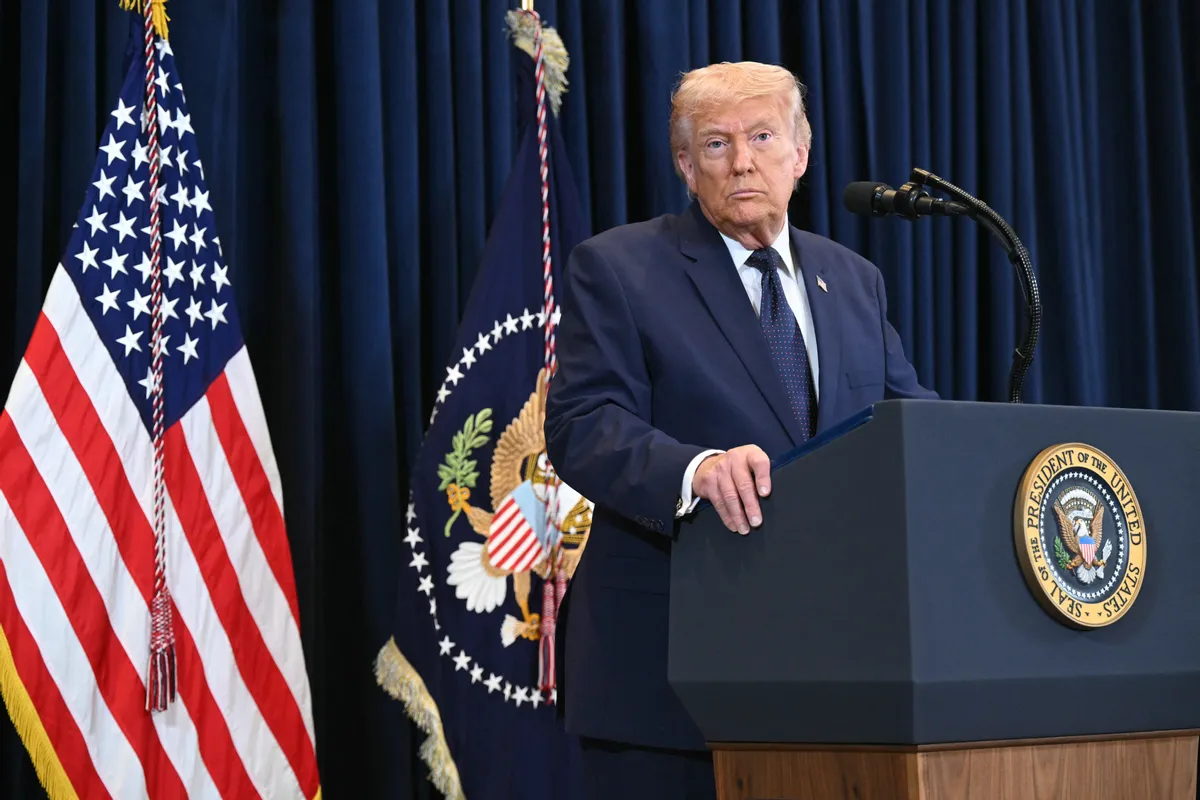
Early this morning, U.S. President Donald Trump addressed the nation from the White House to confirm the mission’s success.

“Dictator Nicolás Maduro has been captured and is in United States custody. He and his wife have been transported out of the country. Justice has arrived,” declared Trump, who had returned to power in 2025 with a policy of “maximum pressure” on Venezuela.

The response from Caracas was swift. Vice President Delcy Rodríguez, visibly shaken, confirmed the leader’s extraction via a national broadcast, labeling the event an “imperial kidnapping.” Rodríguez demanded “immediate proof of life” for Maduro and Flores and spoke of military casualties, though she did not provide specific figures.

Reaction from Chavismo: “State of Commotion”

The Venezuelan government has decreed a “State of External Commotion.” Immediate deployment of the Command for the Comprehensive Defense of the Nation has been ordered, and government supporters have been called to take to the streets to “defend the homeland.” The situation in Caracas is one of chaos and uncertainty, with spontaneous mobilizations and a heavy military presence on major avenues.

The International Stage Fractures

The international community has reacted quickly and with division regarding the offensive:

  • Russia: The Kremlin strongly condemned the attack, calling it “armed aggression under unsustainable pretexts” and a flagrant violation of international law.
  • China: The situation is tense, given that Beijing delegates had met with Maduro just hours before the attack to review cooperation agreements. A strong statement is expected in the coming hours.
  • Latin America: The region is polarized. While the government of Javier Milei in Argentina celebrated the operation as a “triumph for freedom,” Mexico rejected any military intervention and asked the UN to take a leading role to stop the escalation. Spain and the European Union have made an urgent call for “de-escalation and moderation.”

Context: A Year of Tensions

This outcome is the culmination of months of escalation since Trump’s return to the presidency in 2025. Drug trafficking accusations, for which the U.S. offered a $15 million reward (raised to $50 million in recent reports), and the prior deployment of naval assets in the Caribbean, paved the way for this direct intervention.

The world watches closely: Venezuela wakes up today without its de facto leader of the last decade, with foreign forces having operated on its soil, and with a power vacuum that threatens to trigger a civil or regional conflict of unforeseeable consequences.

Hero couple steps in to stop gunman before tragedy strikes in Bondi

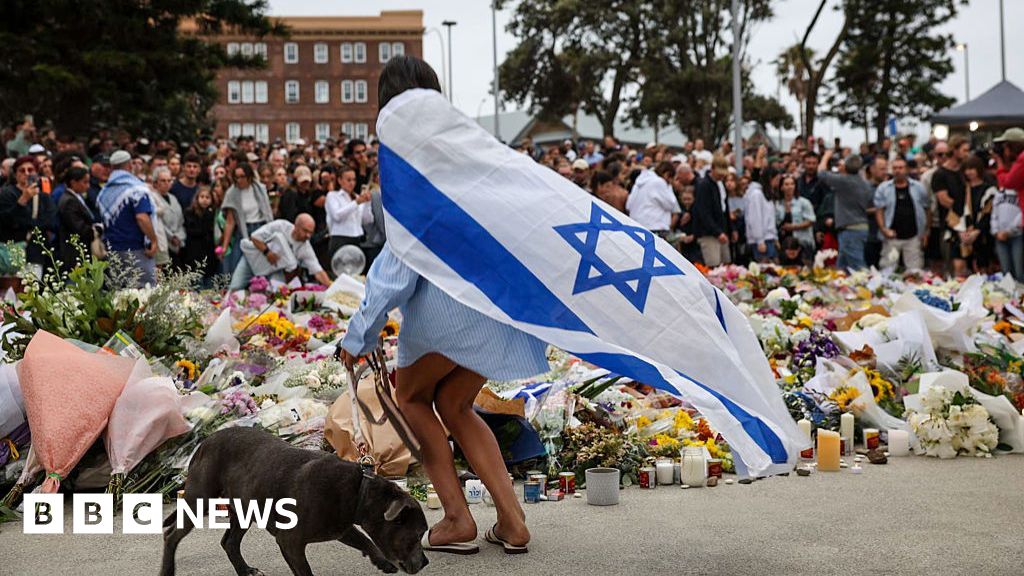
The Shadow of Terror: Australia’s Bondi Beach Attack and Global Safety Concerns

The recent *terrorist assault* at Bondi Beach marks a dark chapter in international security, revealing the dangerous extent of ideological extremism infiltrating even the most idyllic societies. The attack, which left at least 15 dead—including a 10-year-old girl and a Holocaust survivor—was identified by Australian police as a targeted act of terror motivated by Islamic State (IS) ideology. The perpetrators, Sajid Akram, 50, and his son Naveed Akram, 24, reportedly traveled from Australia to the Philippines weeks before the assault, fueling fears of the global reach of radical networks and their potential to orchestrate violence across borders.

Authorities indicated that the suspects possibly received military-style training while in Southeast Asia, much of which remains under investigation. The presence of homemade IS flags and improvised explosive devices in their vehicle underscores how non-state actors continue to experiment with deadly tools, challenging governments worldwide. These disturbing revelations are not isolated but part of a broader geopolitical concern: how extremist ideologies are metastasizing and linking international militant cells. Analysts warn that such alliances threaten the stability of nations and test the resolve of law enforcement agencies in countries far beyond the Middle East.

Local Heroes and the Global Fight Against Terrorism

Amid the terror, stories of heroism are emerging that reinforce the importance of resilience and quick action. Boris Gurman and his wife Sofia, both victims of the attack, exemplified courage in the face of evil; dashcam footage shows Boris wrestling with one gunman and attempting to disarm him before being fatally shot. Witnesses describe Boris as a “hero” who “charged straight toward the danger” to protect others—highlighting the critical impact of individual bravery during terrorist incidents. Their selfless sacrifice resonates globally, reminding nations of the importance of community vigilance and the readiness to confront threat head-on.

In a context where Australia and its allies face persistent threats, this attack underscores the ongoing need for robust international cooperation against terrorist financing, radicalization, and cross-border movement of militants. The Australian homeland security agencies, together with Interpol and allied nations, are now intensifying efforts to dismantle these networks—a clarion call for renewed global resolve. Such acts of heroism, coupled with strategic intelligence, serve as vital countermeasures, but they also reveal the persistent vulnerability that so-called “peaceful” societies face if they underestimate the reach of radical ideologies.

Implications for International Policy and Societal Security

This tragedy plunges the international community into a sobering awareness: how decisions made in regional policies, immigration controls, and counterterrorism initiatives impact societies at a fundamental level. The global response must be multifaceted, tackling not only the immediate threat but also addressing root causes such as extremist propaganda, social marginalization, and ideological indoctrination. Governments are under mounting pressure from analysts like Clare Lopez and organizations such as UN Counter-Terrorism Committee to revamp strategies—emphasizing intelligence sharing, socio-economic inclusion, and combating online radicalization.

Historically, the rise of Islamic State and similar groups exemplifies how decentralized cells can foment violence well beyond their initial territorial confines. This incident in Australia demonstrates the global nature of modern jihadism, where a single act can reverberate across continents, shaping the geopolitical landscape. As nations grapple with this ongoing threat, the importance of steadfast resolve and protective policies becomes crucial—aimed at safeguarding not just national borders but the very fabric of society against the insidious reach of extremism.

The Future Unfolding in the Shadow of Violence

The words of the witnesses and the unfolding of this tragic event paint a haunting picture: a world where ordinary individuals are pushed to extraordinary acts, fighting against the tide of chaos and hatred. Now, as the dust settles and investigations continue, the weight of history presses heavily upon policymakers and communities alike. The question remains: will collective international resolve be enough to contain this menace, or are we witnessing the beginning of a new era of relentless terror?

In the quiet moments after the storm, the enduring truth is clear—each life lost etches a deeper scar into the global consciousness. The choices made by governments today, and by individuals tomorrow, will determine whether this chapter in history concludes with renewed strength or descends into a prolonged saga of fear and division. The future is unwritten, but the shadow of this attack—and so many before it—reminds us that the unfolding narrative of humanity’s struggle for security and peace is far from over.

Europe & US watch Russia’s reply to Ukraine peace plan—hope and tension grow

In a striking move that underscores the shifting tides of international power, top European officials convened this Tuesday in The Hague to establish an unprecedented international reparations body aimed at compensating Ukraine over Russia’s ongoing invasion. This initiative, authorized at a high-level summit, marks a significant escalation in Western strategy by formalizing how reparations claims will be assessed and potentially paid out. The International Claims Commission for Ukraine will serve as the tribunal to evaluate tens of thousands of claims from individuals and organizations, with a goal of quantifying the economic and social damage inflicted by Moscow’s military aggression. Its inception is being coordinated through the Council of Europe, reflecting an intent to mobilize European institutions to enforce accountability on an unprecedented scale.

This development arrives amidst a series of high-stakes diplomatic maneuvers, with Ukrainian President Volodymyr Zelensky actively touring Europe to rally support for the utilization of frozen Russian assets—an effort that has garnered widespread support among European nations. As Zelensky addresses parliaments and meets with government leaders, the European political landscape is shifting toward a stance of collective accountability, signaling a decisive move away from previous cautious diplomacy. These efforts are compounded by summits such as the Eastern Flank Summit in Helsinki, bringing together Nordics, Baltics, Balkan, and Eastern European leaders to strategize a united front. International analysts suggest that this coordinated approach could redefine the geopolitical impact of Europe’s response, further entrenching divisions and alliances that will shape the continent’s future stability.

Meanwhile, Moscow’s reaction remains coldly dismissive. Deputy foreign minister Sergei Ryabkov stated that Russia has yet to comprehend the details of these Western initiatives, emphasizing Moscow’s firm stance against any territorial concessions. His comments reflect an entrenched position that rejects compliance with Western demands; rather, Russia appears poised to hold its line, banking on the possibility of diplomatic stalemate and Western fatigue. The notably positive tone among US and European officials—highlighted by comments about “tremendous support”—places additional pressure on Moscow, which faces the dilemma of either engaging with these demands or risking further diplomatic alienation. The delicate dance of diplomacy now hinges on Moscow’s first official response, which many international observers believe could either soften or harden the ongoing conflict, with the potential to send shockwaves through global geopolitics.

The classic narrative of a conflict in flux reaches a tense crescendo as history continues to be written. How Russia responds to these Western moves will determine whether this ongoing crisis spirals further into a broader confrontation or begins to find an elusive path towards peace—yet, the very fabric of international diplomacy feels strained beneath the heavy weight of unresolved tensions. As the echoes of diplomatic dialogue reverberate across Europe, one thing remains clear: the decisions made in the coming days will carve the future of an entire continent, and perhaps, the course of global history itself, for generations to come.

UK Jobless Rate Hits Four-Year Peak of 5.1% Ahead of Budget—Youth Feel the Impact

Across the United Kingdom, recent labor market statistics reveal a troubling trend: unemployment has surged to a four-year high of 5.1% in the quarter ending October. This escalation signals a significant economic weakening, with the Office for National Statistics (ONS) reporting a decline of 38,000 payroll employees in November alone. Such figures echo a broader instability that threatens to destabilize the country’s fiscal and social stability. The rise in unemployment benefits and the reduction in hiring activity collectively underscore a labor market under duress, indicting ongoing economic vulnerabilities that have profound impacts on societal cohesion and national confidence.

Notably, the most affected demographic appears to be younger workers, a trend highlighted by analysts and supported by studies from organizations like the Resolution Foundation. These experts emphasize that, since 2020, an additional 415,000 individuals under 26 have joined unemployment rolls, posing serious questions about the future of youth employment and social mobility in the UK. The persistent rise in joblessness, despite the official unemployment rising from 3.9% in late 2023 to 5.1% by September 2025, signifies *a systemic crisis*. It reveals how the interconnectedness of global markets and domestic policy failures can magnify economic hardship for emerging generations, with potentially long-lasting geopolitical consequences.

Global analysts suggest that these economic difficulties are unlikely to be isolated incidents. The growing unemployment trend, combined with stagnant wage growth—currently hovering at 4.6%, only marginally above inflation—further compounds the challenge. Inflation has eased somewhat but remains elevated at approximately 3.6%, creating pressure on household budgets. The impending decision by the Bank of England to potentially cut interest rates from 4% to 3.75% indicates an attempt to mitigate economic strain. Yet, such measures could have broader ramifications for international financial markets and influence economic alliances, especially as the UK navigates an era of geopolitical uncertainty powered by shifting alliances and economic competition.

Historically, economic downturns of this magnitude not only weaken a nation’s internal stability but also recalibrate its global standing. As analysts warn of potential divisions within international powerhouse blocs, the UK’s economic trajectory may serve as a signal to other nations facing similar challenges in the wake of global upheaval. European and American allies watch closely—highlighting how economic resilience or fragility in one nation can alter the course of international relations. There is an increasing recognition—both among policymakers and global strategists—that economic stability is now intertwined with geopolitical influence, with the current UK crisis illustrating a broader pattern of *nation-states grappling with the consequences of global dislocation*.

As history continues to unfurl, the fragile fabric of a nation’s economy becomes a mirror of its geopolitical destiny. The decisions made today—whether to stimulate growth, reform labor markets, or fortify social safety nets—will resonate through the corridors of history. The shadow of unemployment and economic uncertainty looms large, a stark reminder that in an interconnected world, the fate of a nation is writ not solely in its borders but across the intricate web of global power dynamics. As leaders grapple with meeting the crisis, the weight of history presses ever harder, hinting that the coming months could redefine the course of the United Kingdom and, perhaps, the balance of global influence itself.

Bondi's Hanukkah Fest Turns Sudden Nightmares—What Went Wrong?
Bondi’s Hanukkah Fest Turns Sudden Nightmares—What Went Wrong?

Global Tensions Escalate Amid Unfolding Geopolitical Shifts and Local Tragedies

In a world where international stability is often measured in the small margins of diplomatic dialogue and military readiness, recent events have shattered the illusion of peace in both local and global contexts. Australia, long celebrated as a symbol of multicultural harmony and laid-back lifestyle, was rocked by a shocking act of violence at Bondi Beach—a place synonymous with carefree summer days. On what was meant to be a celebration of faith during Hanukkah, two gunmen opened fire—killing at least 15 people and injuring dozens more—transforming the iconic edge of Sydney into a scene of chaos and grief. The attack, carried out on a holiday meant to symbolize light and perseverance, underscores the fragility of societal cohesion in the face of rising extremist threats and the complex web of local vulnerabilities.

  • Gunmen identified as Sajid Akram, 50, and his son Naveed, 24, allegedly orchestrated the assault from a bridge overlooking the park, using sporting shotguns in what experts described as a calculated attack.
  • The operation unfolded over several harrowing minutes, with eyewitnesses recounting screams, gunfire, and a community caught unprepared by violence directly targeting innocent civilians during a festive occasion.
  • Police investigations revealed Sajid Akram was registered with six firearms, raising questions on gun control policies and vetting procedures that failed to prevent the attack. Meanwhile, Naveed’s suspicious ties to an Islamic State cell in 2019 pushed authorities to scrutinize the threat level, though Prime Minister Anthony Albanese publicly stated there was no ongoing threat.

The geopolitical impact of regional violence resonates far beyond the shores of Australia. As analysts suggest, acts of domestic terror are often intertwined with broader global pressures, such as the persistence of radical ideology and failed integration policies in diverse societies. International institutions like the United Nations have repeatedly warned about the rising tide of extremism in liberal democracies, emphasizing that the fight against violence must be coupled with efforts to bolster national identity and societal resilience. The attack on Bondi Beach echoes across borders, reminiscent of recent terror episodes in Europe and North America, which highlight the continuous challenge facing western nations in safeguarding their citizens amidst a backdrop of geopolitical turbulence.

Meanwhile, in the corridors of power, the response to these tragedies influences international relations and homeland security strategies. Critics argue that while Australia’s police and intelligence agencies acted swiftly, the underlying issues of radicalization and gun ownership need urgent reevaluation. Some political voices contend that protective measures, such as tighter gun control and community outreach, are essential to prevent similar incidents. Yet, others warn that overreach could infringe on civil liberties, creating a dangerous precedent that may weaken national cohesion further.

As the United States and European Union grapple with internal threats and the shifting sands of global alliances—symbolized recently by shifts in transatlantic relations and NATO’s posture— the chaos at Bondi Beach stands as a stark reminder of how localized violence can ripple into broader geopolitical uncertainties. The rise of extremist groups, including Islamic State and others, demonstrates the ideological battleground that extends from the Middle East to nations like Australia, forcing international organizations and national governments to adapt their strategies amid a landscape of unpredictable threats.

In the shadow of these events, society faces a daunting challenge: how to forge resilience from chaos. As residents recount the unsettling aftermath of the attack, the larger narrative warns of history’s dark tendency to repeat itself—unless nations unite to confront the root causes of extremism and safeguard core freedoms. The story of Bondi Beach, once merely a local tragedy, has now become a chapter in an unfolding global drama where power, identity, and security intertwine. The questions posed by this storm of violence linger, heavy with the knowledge that, in the relentless march of history, the lines between local incident and international crisis are often perilously thin, and the future remains unwritten—yet profoundly consequential.

FBI Stops Los Angeles New Year’s Eve Terror Plot, Authorities Announce

The recent disruption of a potential terror attack in Los Angeles by federal authorities underscores the fragile geopolitical landscape and the persistent threat of extremism within the United States. According to officials, four members of the Turtle Island Liberation Front, a radical offshoot of a pro-Palestinian, anti-government faction, were arrested on suspicion of plotting a coordinated bombing campaign aimed at multiple locations across southern California. The plot, believed to have been scheduled around the New Year’s Eve festivities, involved testing improvised explosive devices in the desert east of the city—a development that raises alarm on multiple levels.

This incident illustrates a broader challenge confronting America’s national security apparatus amidst an increasingly complex geopolitical matrix. The FBI’s swift intervention, which utilized surveillance assets and tactical forces, demonstrates the importance of vigilant law enforcement in countering domestic terror threats. US Attorney General Pam Bondi labeled the foiling of this plot as a preventative measure against “far-left” extremists, emphasizing that the threat comes from varied ideological spectrums. Analysts note that this event signals a shift in how domestic threats are perceived, especially as radical groups exploit social grievances and ideological fissures to mobilize and plan violence.

Significantly, researchers and international organizations have long warned of the rising proliferation of radical ideologies and their potential to destabilize societies. The United Nations and Department of Homeland Security have argued that such plots, if successful, could have devastating impacts — not only on local communities but also on international perceptions of America’s ability to maintain internal security. The suspects, whose ages range from 24 to 41, face serious charges including conspiracy and possession of unregistered destructive devices, highlighting the criminal underpinnings that threaten peace and stability. The incident also spotlights the ongoing challenge of radicalization and the necessity of resilient national security policies rooted in both intelligence and community engagement.

The broader geopolitical impact of this event extends beyond U.S. borders, fueling debates around extremism, migration policies, and the influence of global conflicts on domestic security. As China, Russia, and other geopolitical players continue to extend their influence through strategic maneuvers, the stability of the United States remains critical in maintaining global equilibrium. Analysts warn that permitting radical factions to operate unchecked threatens not only national but international stability, prompting a renewed focus on intelligence-sharing and preventative measures. The foiled plot in Los Angeles is a stark reminder that history continues to unfold on America’s streets—a saga where the lines between domestic and international threats blur beneath the weight of political and ideological turmoil.

As authorities continue to investigate potential ties and broader networks, the question remains: how prepared is the international community to confront these multifaceted threats? The incident has become a cautionary tale, illustrating how decisions made in the corridors of power and the actions of small extremist groups can leave a lasting mark on the modern geopolitical narrative. Today, history watches as an unpredictable future emerges—one where the resilience of societies, the vigilance of nations, and the resolve of global institutions will determine whether this chapter ends with tragedy or resilience. And as the world turns its gaze to the unfolding story, the true significance of this foiled attack may only be understood with hindsight, leaving society to ponder a simple but profound truth: the era of peace is never guaranteed—only defended.

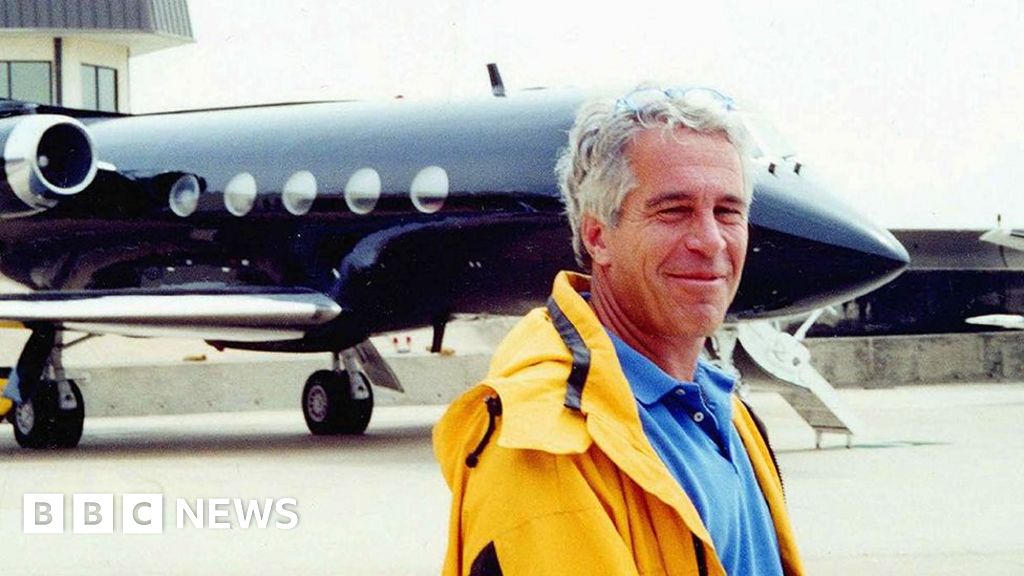
BBC reveals Epstein’s UK flights included alleged British abuse victims—justice must be served.

In a development that underscores the persistent shadows cast by Jeffrey Epstein‘s murky international activities, a BBC investigation has revealed over 87 flights linked to the disgraced sex offender arriving in and departing from UK airports spanning nearly three decades. These revelations expose the shocking extent of Epstein’s entanglement with Britain, exposing how a man convicted of soliciting sex from minors was able to traverse borders with apparent impunity—raising serious questions about the integrity of international oversight and the efficacy of UK immigration policies.

Despite Epstein’s death in 2019, the emerging flight logs and documents suggest a disturbing pattern of ongoing activity well after his 2008 conviction. The fact that at least 15 flights occurred after the conviction, when Epstein was registered as a sex offender in the US, signifies glaring lapses in border security and potentially, a network of enablers within Britain. American lawyers representing his victims have criticized UK authorities for failing to launch a comprehensive investigation, emphasizing that the UK was a “centerpiece” of his operations. Analysts warn that this oversight not only hampers justice for victims but also signals a broader failure to recognize the danger posed by international traffickers—an issue the US and Britain must confront collectively, lest similar tragedies occur in the shadows again.

Furthermore, the involvement of British women in Epstein’s flights, including testimonies from survivors like Kate, exposes the depth of complicity that could have been overlooked or deliberately ignored. According to legal experts like Prof Bridgette Carr, trafficking cases often involve complex networks of professionals—from accountants to legal advisors—working in concert to facilitate these heinous crimes. The inability or unwillingness of UK police to pursue further inquiries, despite internal reviews, underscores a critical failure in safeguarding vulnerable populations. As historians and critics argue, these missed opportunities for justice could be remembered as one of Britain’s darker chapters—an era when the machinery of justice failed its victims, allowing predators to operate across borders with little accountability.

The geopolitical impact of Epstein’s UK connections extends beyond crime. It raises profound concerns about how international decisions influence societal fabric. Epstein’s trips to royal residences, and his frequent movements through London’s Heathrow and other airports, reveal the vulnerabilities in border policies—especially when short-term visa rules allowed US citizens with criminal convictions to slip under the radar. The U.S. authorities’ refusal to declassify Epstein-related files, despite the Jeffrey Epstein Transparency Act deadline, fuels suspicion that powerful interests may have concealed—either purposefully or inadvertently—links between Epstein and influential global figures. These revelations threaten to tarnish foreign relations, undermining Britain’s claim to moral authority on human rights and prosecution of sex crimes.

As the international community watches, the questions remain: who else was complicit? How many victims’ voices have been silenced by bureaucratic apathy or international diplomatic complicity? The unfolding story is not just about a single pervert’s depravity but a warning—an ominous reminder that the fabric of justice and sovereignty is fragile, especially when overshadowed by influence peddling and diplomatic interference. The tapestries of history are still being woven, and the next chapter remains unwritten. Will protocol and vigilance finally catch up with the dark corners of prescriptive diplomacy, or will the shadows of Epstein’s empire continue to cast a pall over global society, leaving generations to wonder what might have been saved, had they acted sooner?

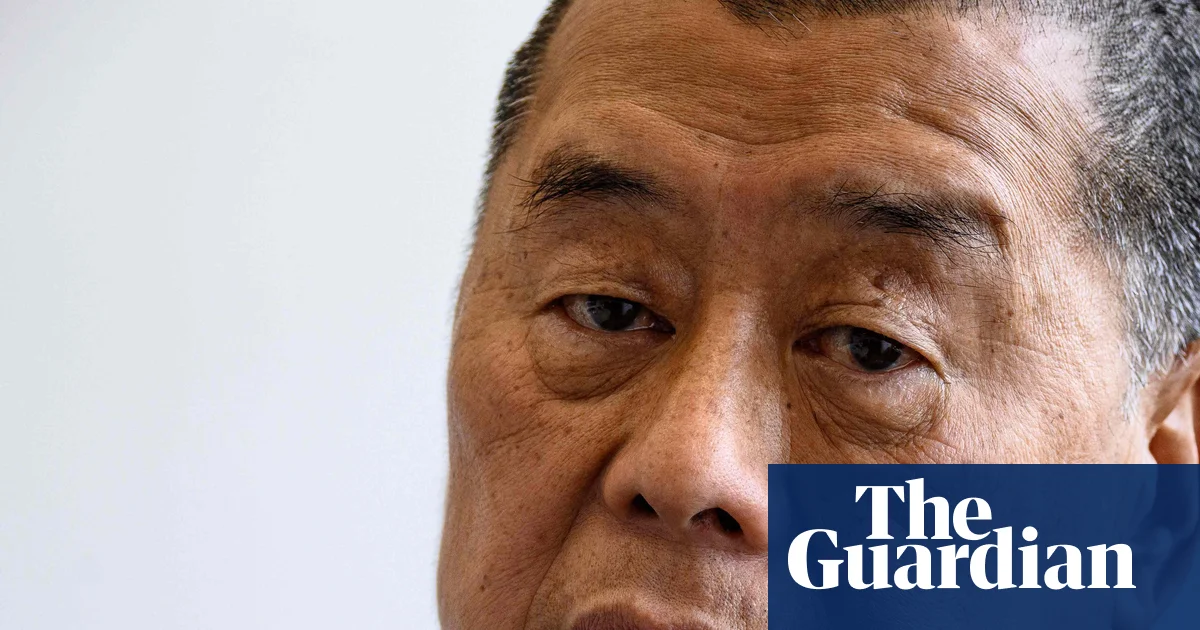
Trump calls on Xi to free pro-democracy media boss Jimmy Lai in Hong Kong

The arrest and conviction of Jimmy Lai, a prominent pro-democracy media mogul in Hong Kong, have once again spotlighted the evolving geopolitical struggle over China’s tightening grip on the former British colony. Lai’s case, marked by charges related to national security, symbolizes the broader suppression of dissent in a city once celebrated for its relative freedoms. As Lai faces potentially life-threatening imprisonment, international leaders and institutions have voiced vehement condemnation, emphasizing the erosion of legally protected rights and freedom of speech—foundations regarded as vital to democratic societies.

Recent statements from Donald Trump exemplify how this issue has transcended regional conflict to influence global geopolitical dynamics. Trump has publicly urged Chinese President Xi Jinping to consider Lai’s release, highlighting personal appeals based on Lai’s health and age. This entreaty illuminates a broader narrative: How nations leverage diplomatic channels amid human rights controversies and what the repercussions entail for the U.S.-China relationship. At the same time, Secretary of State Marco Rubio framed Lai’s conviction as a stark manifestation of China’s commitment to silence dissent, violating points agreed upon at the handover of Hong Kong from Britain in 1997—an agreement promising “one country, two systems” that now appears increasingly hollow.

The international response underscores a clear shift in global norms concerning sovereignty and human rights. Numerous governments and rights groups, including the United States and United Kingdom, have condemned Lai’s trial, citing the deterioration of his health and the *surrounding political climate*. Lai’s daughter, Claire Lai, humanizes this crisis by emphasizing her father’s desire to dedicate himself to faith and family—principles starkly contrasted against the government’s repression. The case has galvanized a coalition of democracy advocates and Christian activists, who view Lai’s incarceration as emblematic of a widening authoritarian trend that threatens not only Hong Kong but urges the global community to reassess its stance on China’s rising influence.

Historically, the case of Jimmy Lai underscores a pivotal juncture—an era where China’s authoritarianism is challenging the very foundations of Western liberal values. Scholars and analysts warn of the consequences of appeasing an emboldened Beijing, which continues to undermine the fragile democracy of Hong Kong through a calculated mix of legal harassment and political intimidation. Human rights experts caution that Lai’s trial could set a disturbing precedent, emboldening other authoritarian regimes to suppress dissent under the guise of national security. This ongoing struggle embodies the larger conflict over sovereignty, civil liberties, and the global liberal order, with the weight of history pressing heavily on the scale as democratic nations seek to defend the principles they hold sacred amidst an increasingly complex geopolitical chessboard.

As the world watches, the fate of Jimmy Lai remains a stark symbol of the clash between freedom and repression. With each political move—be it the plea from Trump or the condemnations from rights organizations—the story continues to unfold, shaping the contours of an era defined by struggling sovereignties and the unyielding pursuit of liberty. History’s pen carries on, and future generations will judge not only the actions taken today but the resilience of human rights in the face of rising authoritarian tides. In this moment, the battle for Hong Kong’s soul is a battleground for the future of global freedom—an enduring testament that, in the shadow of history’s looming questions, the fight for liberty remains the most formidable and consequential challenge of our age.

Alan Milburn pushes UK review into surge of youth inactivity and unemployment

In a stark reflection of persistent socio-economic decline, Britain has launched a comprehensive review into the rising inactivity among its youth, signaling a wake-up call for policymakers and societies alike. Former health secretary Alan Milburn has taken the lead, emphasizing the need to confront “uncomfortable truths” and implement “radical” solutions. This initiative, involving a panel of esteemed experts—including Charlie Mayfield, the former head of John Lewis, Andy Haldane, ex-economist at the Bank of England, and social welfare specialist Dame Louise Casey—aims to understand and address the alarming rise in youth disengagement, which threatens to destabilize Britain’s social fabric and its economic future.

The core of this crisis lies in the soaring number of young people aged 16-24 who are categorized as Neets—those neither in education, employment, nor training. Milburn’s investigation highlights that more than a quarter of this demographic now cite long-term sickness or disability as reasons for their inactivity, a troubling indicator of broader health and societal challenges. Historians and analysts warn that neglecting this issue could have far-reaching consequences, not only domestically but also for Britain’s standing on the international stage. The rise in economic inactivity risks undermining social cohesion, fueling inequality, and dampening future growth, which in turn could destabilize Britain’s fragile influence within global institutions.

This domestic crisis resonates beyond Britain’s borders, offering a troubling glimpse of what unchecked social decline can lead to in other nations. International organizations like the OECD have long warned that high youth unemployment and inactivity are precursors to social unrest and economic stagnation. The decisions made in London—whether to pursue radical reforms or continue the cycle of inaction—have undeniable geopolitical impact. If Britain’s leadership fails to successfully tackle this crisis, it risks ceding influence to rival powers that are more proactively managing their youth demographics. The inactivity hampers Britain’s ability to contribute effectively to global markets and diplomatic initiatives, marking a potential decline in its soft power and international relevance.

Despite varied efforts—such as the recent announcement by Rachel Reeves of £820 million dedicated to paid work placements and apprenticeships—the enduring challenge remains: how to turn around decades of systemic neglect. The ongoing review by Milburn will reportedly produce an interim report in spring, with a full review due in the summer, aiming to produce clear, actionable policies. Yet, critics argue that without structural reform and sustained political will, these initiatives risk being mere band-aids on a mounting wound. History has shown that delayed action on social crises often leads to decade-long consequences, with fractured societies unable to recover quickly from the damage inflicted by stubborn policy inertia.

Ultimately, the rising tide of youth inactivity is not merely a British problem; it foreshadows a future epoch defined by stark inequalities, geopolitical weakness, and societal decline. As the world watches—a world bracing for the next wave of global instability—the question remains: will Britain seize this moment as a turning point, paving the way for meaningful change, or will it become yet another cautionary tale of neglected responsibility? The weight of history presses heavily on the shoulders of those in power, for the decisions made today will echo through generations to come, shaping the destiny of nations and the fate of societies at large.

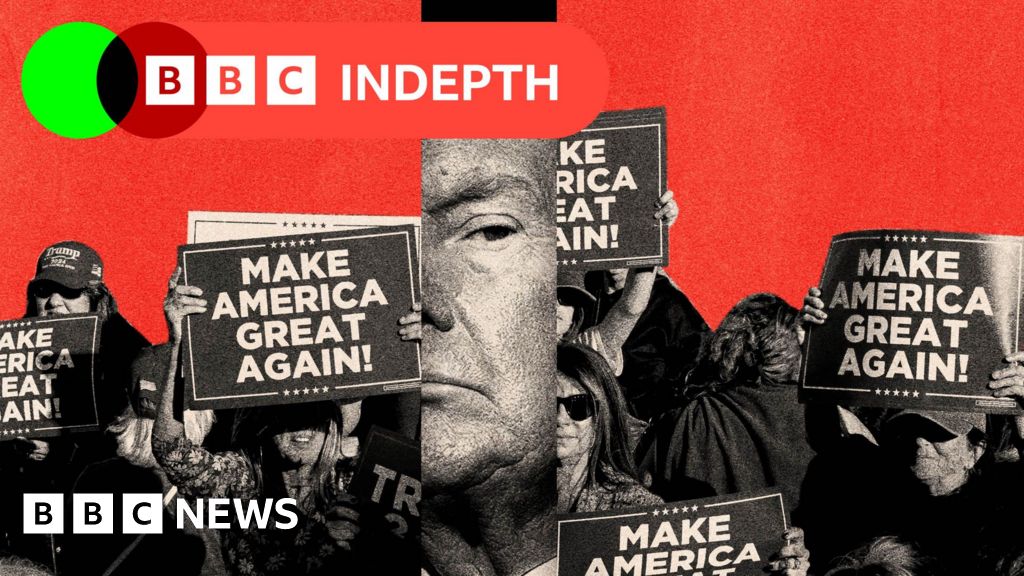
Inside the Maga Base: What the Divides Mean for Trump’s Next Move

America’s Political Crossroads: The Future of Trumpism and the 2024 Race

Nearly a year before the next presidential election, Donald Trump continues to dominate the Republican landscape, but cracks within his movement suggest that the party’s future is far from certain. At a pivotal moment, Trump’s recent statements and internal party dynamics reveal a shifting political terrain that will profoundly influence how nations and societies view America’s trajectory. As Trump hints that he may not run again—in fact, explicitly stating “it’s not going to be me”—the Republican Party faces an impending reckoning over its identity, core base, and the ideological direction it will take post-Trump. Influential voices like political analysts and history scholars warn that these internal divisions could reshape American politics for decades.

In recent months, the Republican Party has experienced a noticeable decline in support among minority and working-class voters, those who propelled Trump’s 2020 campaign into the White House. The latest data indicates a narrowing of the party’s electoral coalition, driven partly by internal disputes and a rising chorus of dissenters—from congressional figures like Marjorie Taylor Greene to business leaders like Elon Musk. This factionalism exposes the fissures in the MAGA movement—fired up in rallies, yet increasingly fractured in policy debates and party loyalty. This factionalism comes at a time when many international observers and domestic analysts argue that the Republican coalition has diverged sharply from its Reagan-era ideals, shifting toward economic nationalism, border security, and an America-first foreign-policy, as outlined by historian Laura K. Field. Such ideological changes not only redraw the American political map but also advance new challenges for allies, competitors, and international institutions grappling with Washington’s waning influence.

From Vance to Rubio: A team of rivals?

The intra-party jockeying is intensifying, with figures like JD Vance, Marco Rubio, and Robert F. Kennedy Jr. positioning themselves as potential heirs to the MAGA mantle. Despite moments of camaraderie, the upcoming contest appears more like a collage of competing visions—ranging from traditional conservatives advocating for a return to Reagan-esque values to populist, nationalist insurgents pushing for a more radical departure. Interestingly, many of Trump’s would-be successors, while echoing his rhetoric, are also suspecting that the political loyalty of the ‘new entrants’—those who joined MAGA more recently—is not guaranteed. Piloting through this turbulent landscape, Senator Rubio has shifted hard from his earlier support for liberal immigration policies, aligning increasingly with Trump’s hardline stance, but cracks in the coalition widen as some support for political violence and conspiracy theories emerge among the more radical factions.

The core question remains: Can the Republican establishment maintain its hold over a fracturing base that is more ideological than ever? The recent Manhattan Institute survey indicates that nearly one-third of current Republican supporters are “new entrants,” less supportive of Trump’s possible heirs. This group’s support drops further when considering issues like political violence, with over half seeing it as sometimes justified—an alarming indicator of how far the party’s social fabric has shifted. As the party struggles to contain these ideological currents, the next few years will see whether the GOP can forge a unified front or splinter into ideological and strategic factions, with the fate of the MAGA movement hanging in the balance.

The future of Trumpism

Despite the setbacks, Trump’s influence appears enduring. Even if he retreats from the political spotlight, the core of his movement has redefined what it means to be a Republican. As pointed out by political analyst Rodney Davis, the post-Trump GOP will be shaped by leaders who must decide whether to maintain the populist, nationalist policies that propelled Trump into power or to attempt a more traditional conservative stance. The party’s recent electoral defeats in states such as Virginia and New Jersey underscore how the coalition’s long-term viability remains uncertain, especially as Democrats make gains in special elections and local races. The underlying question that looms is whether Trump’s revolutionary approach has cemented a new ideological order—one rooted in cultural conflict, economic protectionism, and a disdain for international alliances—or if the GOP can adapt and evolve beyond the MAGA era.

As the timeline races toward the 2026 mid-term elections, the debate over who will succeed Trump has already begun, and the outcome will define the shape of American politics. The forces unleashed by his rise have shaken the old Republican order to its core, turning what was once a party of Reagan conservatism into a broad coalition of populist rebels, ideological purists, and pragmatic elites. Whether this new political architecture will stand the test of time remains an open question, but history is watching. In a nation where power has often shifted on a knife’s edge, the weight of the future presses down heavily on America’s shoulders—its choices, its alliances, its very identity—are still being written, and the next chapter is nowhere near being finished.

Social Media Auto Publish Powered By : XYZScripts.com