Matox News

Truth Over Trends, always!

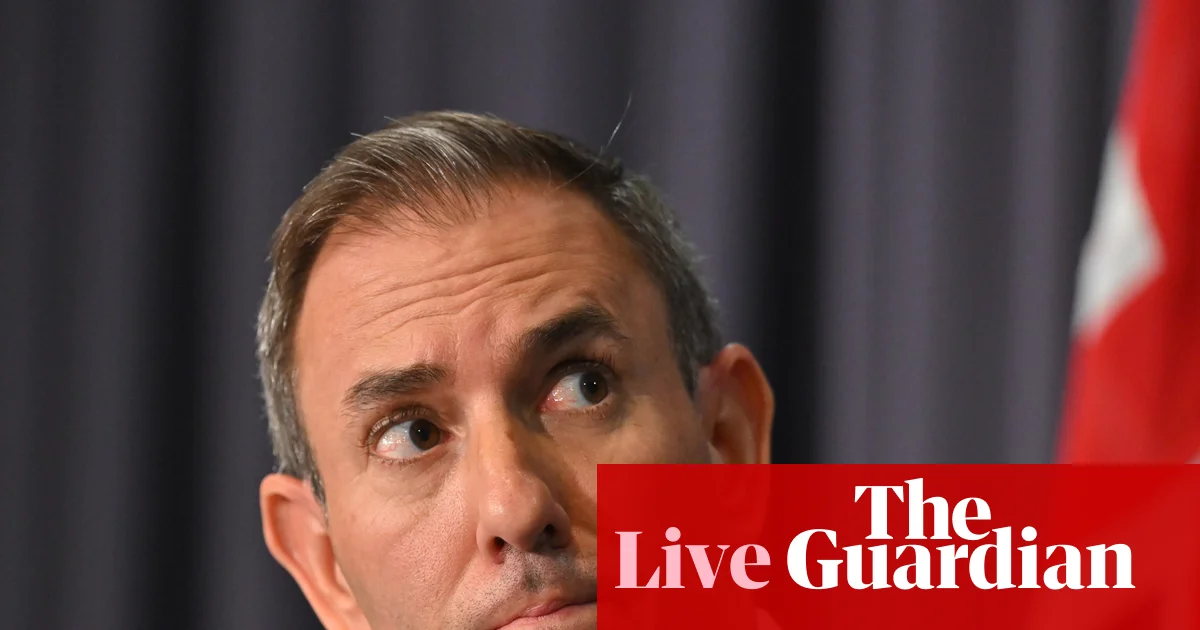
Australia News Live: NSW Anti-Slavery Chief Questions Iran Football Squad’s Exit; Earthquake Rocks North of Canberra

International Ripples: Australia’s Crucial Decisions Shape the Geopolitical Landscape

Fresh developments emanating from Australia highlight a nation at a critical juncture, where internal decisions transcend borders, echoing the broader battles of sovereignty and moral responsibility on the world stage. The controversial departure of the Iranian women’s football team from Australia has sparked intense scrutiny and debate, not only about domestic policies but also about how nations handle complex issues of threat, coercion, and international law. Analysts warn that the handling of this incident could redefine Australia’s stance towards human rights and its diplomatic credibility, especially amid ongoing conflicts involving Iran and other regime-led states.

The incident underscores a fragile geopolitical balance, where the NSW anti-slavery commissioner questioned top-tier institutions—including the federal police, Sydney airport, and Qantas—over their role in facilitating the squad’s departure amidst wide-ranging concerns about coercion. Dr. James Cockayne emphasized that the athletes’ decision to leave might have been unduly influenced by threats and intimidation, echoing fears of exit trafficking—a grave issue that highlights how vulnerable individuals become pawns in larger geopolitical conflicts and authoritarian tactics.

This scenario not only raises questions about domestic oversight but also spotlights how international diplomacy and law enforcement are intertwined with issues of regime repression, especially with Iran’s regime known for its misogynistic policies and suppression of dissent. The international community, including historians and global watchdogs, warn that failure to address coercion effectively may embolden oppressive regimes and undermine the principles of free movement and asylum. The incident prompts a looming question: Does Australia’s handling reflect a broader tendency among Western nations to prioritize diplomatic relations at the expense of human rights and protective oversight?

In parallel, domestic policies such as the Victoria government’s initiative to provide free pest and building reports for homebuyers reveal a nation grappling with internal challenges of transparency and economic security. Jacinta Allan, Victorian Premier, advocates for the reform to curb excessive costs and empower consumers, a move seen as a step to reinforce confidence in Australia’s private sector amidst global economic uncertainties. Yet, these domestic shifts signify more: a concerted effort to reshape societal expectations and assert control over economic vulnerabilities, which, analysts argue, are now heavily influenced by international events, including the conflict in the Middle East.

As geopolitical tensions in the Middle East intensify, Australia stands as an exemplar of how a nation’s internal policies, international dealings, and moral stance are increasingly interconnected. The recent earthquake near Boorowa and severe flooding in Queensland further symbolize a nation resilient yet besieged by uncontrollable forces—nature and geopolitics alike. The way Australia navigates these turbulent waters will indelibly mark its role in the shifting global order, where decisions about refugee protection, international trade, and moral leadership are more intertwined than ever. History’s weight is heavy on Australia’s shoulders, with each move possibly rewriting the contours of its national identity and its influence in shaping the rules of a new geopolitical era.

Canadian PM Mark Carney gains ground amid fourth MP switch to Liberals

In an unexpected development within Canada’s parliamentary landscape, Lori Idlout, previously aligned with the New Democratic Party (NDP), has altered her political allegiance by crossing the floor. This move signifies a notable shift in the internal dynamics of Canadian politics, reflecting broader trends of ideological realignment and strategic recalibration amidst an increasingly complex global environment. Idlout’s transition not only impacts the domestic political scene but also carries substantial geopolitical implications that resonate beyond Canada’s borders.

Likewise, analysts suggest that such occurrences are symptomatic of a larger pattern where lawmakers recalibrate their positions in response to international pressures and internal party dynamics. As noted by Dr. Robert Clark, a renowned political historian from the University of Toronto, “Floor crossings often serve as barometers of shifting political currents, often influenced by external geopolitical considerations and the motives of regional and transnational actors. Idlout’s switch may seem, on the surface, a local affair—but, in truth, it echoes broader geopolitical shifts, especially in the context of Canada’s strategic alignments and economic interests.”

The repercussions of Idlout’s departure from the NDP extend into the realm of international power plays, especially as Canada faces increasing pressure to navigate a complex web of alliances and rivalries. The nation’s engagement with U.S.-China tensions and its role within organizations such as NATO are shaping its internal policies and party strategies. Global institutions and analysts warn that a shift in domestic political allegiances could influence Canada’s stance on key international issues—ranging from trade negotiations to defense commitments.

As Canada grapples with its identity amidst these shifts, the significance of Lori Idlout’s move extends far beyond her personal political trajectory. It symbolizes a nation at a crossroads—caught between traditional alliances and emerging geopolitical realities. Decisions made within parliamentary chambers today serve as the foundation of future international alignments, and this latest change raises questions about the stability of Canada’s domestic consensus on vital issues. As international observers scrutinize these internal shifts, the overarching narrative remains clear: history is in the making, and the pages turn swiftly in this unfolding geopolitical saga. The weight of these decisions, both domestic and global, underscores the profound truth: the future of nations is often determined not only on the battlefield or in treaties, but within the halls of power where the trajectory of history shifts silently but inexorably.

Europe in Chaos: Middle East Conflict Turns EU Against Itself

Recent statements from European Commission President Ursula von der Leyen sharply underlined a fundamental shift in Europe’s approach to global geopolitics. Her assertion that “Europe can no longer be a custodian for the old-world order” reflects a continent grappling with its diminished influence amidst an increasingly unpredictable international environment. In her speech, she emphasized the need for a “more realistic and interest-driven foreign policy,” acknowledging that the traditional rules-based system, long cherished by European nations, can no longer serve as the sole foundation for global stability. As missiles rain down upon Tehran and tensions escalate in the Middle East, her comments reveal a continent contemplating its limited options in a chaotic world where alliances are strained, and old norms are rapidly unraveling.

This crisis has thrown Europe into a state of disarray, exposing profound divisions within its leadership and strategy. While some nations, like France, have dispatched naval forces and increased diplomatic outreach in the Middle East, their efforts appear unable to exert significant influence on the unfolding conflict. Other key players, such as Germany and Spain, display divergent views—ranging from cautious restraint to accusations of overreach—exposing a fractured unity that weakens the EU’s collective voice. Analysts and former officials warn that the EU’s response has been “paralysed,” reduced to mere commentary while the conflicts escalate around its borders. The inability of Europe to forge a cohesive stance not only minimizes its geopolitical relevance but risks ceding influence to harsher, more assertive powers like Russia, which is already positioned to exploit these turbulences for strategic gain, especially in the energy sector and regional dominance.

Amid this chaos, a critical debate has emerged within Europe over whose voice truly represents the continent on the world stage. French Foreign Minister Jean-Noël Barrot criticized Ursula von der Leyen for what he called an inappropriate overreach—highlighting an internal struggle in defining European authority. Meanwhile, Kaja Kallas, Estonia’s leader, advocated for a return to international law, fearing Europe’s drift away from legal norms could lead to recurrent chaos. This division signals a larger crisis of confidence in the rules-based order that has underpinned European security and prosperity since the Cold War. Historians like Niall Ferguson warn that failing to defend these principles invites a future of repeated violations by major powers, effectively signaling the end of an era marked by international law and cooperation. Von der Leyen’s calls for “new ways of cooperating,” in her words, seem to portend a departure from these norms, with her remarks viewed by critics as an attempt to adapt to a “post-legal” world—a shift that could further embolden global actors willing to bypass established rules.

The overarching consequence of these developments is clear: Europe’s strategic influence is waning at a time of immense geopolitical upheaval. The ongoing Middle East conflict not only risks destabilizing a volatile region but also demonstrates Europe’s inability to shape the narrative. Western leaders remain largely reactive, sidestepping confrontational stances out of fear of alienating powerful allies or triggering broader conflicts. As Julien Barnes-Dacey and other analysts warn, this reticence amounts to a strategic miscalculation—Europe’s hesitation may serve Russia and other adversaries better than any military intervention ever could. The continent’s failure to project decisive power leaves a void that will be exploited by those with fewer qualms about international law or norms. In this unfolding chapter of history, most European capitals seem content to tread water, hoping to contain the damage, even as the currents of chaos threaten to sweep them away. With each passing day, as alliances shift and old principles are discarded, the question remains: how much of Europe’s future is left to the rule of law—and how much is surrendered to the realities of power and interest?.

Trump-backed Republican faces Democrat in Georgia runoff for Greene’s seat

Global Politics in Unprecedented Turmoil: A Turning Point in History

In recent days, the international stage has been witnessing a series of seismic shifts, with nations recalibrating their positions in response to emerging conflicts, diplomatic failures, and strategic recalculations. United States foreign policy appears to be increasingly aggressive, as evidenced by recent military strikes against Iranian vessels near the Strait of Hormuz, a vital global chokepoint. Unclassified footage released by US Central Command shows multiple Iranian ships, including minelayers, being targeted following warnings from former President Donald Trump, who condemned Iran’s destabilizing activities and warned against laying mines in these critical waters. This escalation could deepen regional tensions and threaten global energy supplies, impacting societies worldwide.

Meanwhile, in a conflicting move, the US domestically remains embroiled in political upheavals, notably in Georgia, where a rare opportunity for the Democrats to challenge entrenched GOP strongholds has emerged. In a competitive runoff, retired Army General Shawn Harris, backed by a formidable campaign effort and raising over four times as much as his Republican opponent Clay Fuller, seeks to harness a moment of political tension. Fuller’s assertion that the Republican party will unite behind him, framing it as a fight against a dangerous Democrat, reflects ongoing partisan polarization but also highlights the fragile balance in American electoral politics that could influence the broader geopolitical landscape, especially as the U.S. continues to wield immense influence in global affairs.

Shifting Alliances and Critical Policy Flaws

The internal fissures within US politics threaten to undermine its international leadership. The recent withdrawal of Trump’s nominee Jeremy Carl from a key diplomatic role after a backlash over controversial remarks underscores a broader trend: America’s political apparatus is increasingly polarized, with bipartisan opposition crippling strategic appointments. Historians and analysts suggest that these internal divisions distort America’s ability to project strength abroad, thereby inviting rivals like China and Russia to fill the power vacuum. As the US struggles with internal dissonance, nations across the globe watch warily, knowing that a weakened America risks ceding leadership on critical issues such as climate change, security, and economic stability.

Meanwhile, regional conflicts persist, exemplified by the ongoing US-Israeli interventions in Iran, which threaten to spiral into broader conflicts with far-reaching implications. The Biden administration’s inability to stabilize energy markets, with inflation stubbornly remaining at 2.4%, signals not only economic strain but also the potential for global instability if energy prices surge amid geopolitical crises. International organizations, including The UN, warn that such policy missteps could ignite conflicts that spiral beyond control, leaving societies around the world to grapple with the consequences of a fractured order.

The History Unfolds

History has repeatedly shown that in times of chaos, the stakes are enormous. Each decision — be it military strikes, diplomatic appointments, or electoral upsets — writes a new chapter in the annals of geopolitics. Analysts warn that the current trajectory echoes earlier eras when internal splits and external conflicts fueled global upheaval. The war drums in the Middle East, the tense run-offs in American politics, and the fissures within superpowers like the US all signal that we stand on the precipice of a new era—one where the decisions made today will reverberate for generations to come. The weight of history presses down, reminding us that every action is interconnected, shaping the fragile fabric of international stability.

Teenager detained over stabbing incident at Norwich school

In a troubling incident that underscores ongoing challenges faced by societies worldwide, a 16-year-old boy was recently arrested following a violent assault at a school in Norwich. According to reports, a teenage girl was stabbed at the school located in Thorpe St Andrew, prompting a swift response from emergency services at 10:24 a.m. Local authorities confirmed that the girl sustained minor injuries and is now receiving medical care. This event, while seemingly isolated, has reignited debates about youth violence, security measures, and the influence of societal pressures that increasingly target vulnerable youth populations across affluent nations.

Police apprehended the suspect nearby shortly after the attack, and he has been taken to the Wymondham police investigation center for questioning on suspicion of causing grievous bodily harm with intent. Notably, authorities emphasized that this incident is not linked to previous reports of antisemitic chanting at the same school last week. This distinction highlights wider concerns about the roots of violent behavior in young people, which can stem from complex social, psychological, and ideological factors. While local officials emphasize that acts of violence should be addressed within communities, international organizations, such as the United Nations, continue to stress the importance of preventative measures at national levels, warning that a failure to curb youth violence could have broader implications for stability and security.

From a geopolitical perspective, the ripple effects of local violence can illuminate larger issues facing many modern states. As nations grapple with internal unrest, rising extremism, and changing social dynamics, the decision to clamp down on youth violence and address its underlying causes becomes a critical facet of national security. Analysts point to the importance of comprehensive education policies, mental health support, and social integration programs to prevent incidents that threaten societal cohesion. Meanwhile, international bodies caution that neglecting such internal threats can embolden radicalization and undermine the stability necessary for sustained economic growth and diplomatic relations. Historians and security experts warn that unchecked youth violence often serves as a symptom of deeper societal fractures that can, if left unresolved, escalate into broader crises both domestically and abroad.

The incident in Norwich is emblematic of a broader, increasingly urgent narrative: the fragile fabric of modern societies is under pressure. Decisions made in local communities today—whether through policy, education, or community outreach—will resonate far beyond their immediate context. As global powers navigate complex diplomatic landscapes marked by shifting alliances and regional conflicts, the internal stability of nations remains a cornerstone of international order. The choices that leaders face—balancing security, social justice, and individual rights—will determine whether this era is remembered as one of resilience or unraveling. As history unfolds, it becomes clear that the fight for societal cohesion is an ongoing battle, with each incident serving as a stark reminder of the high stakes involved in safeguarding the future.”

Chelsea sale funds under probe for suspected ‘criminal proceeds’—Roman Abramovich’s deal in question

Jersey authorities are now embroiled in a high-stakes investigation that could reshape perceptions of one of the most high-profile cases of international finance and governance: the 2022 sale of Chelsea FC by Roman Abramovich. The billionaire oligarch’s sale, which netted a staggering £2.4 billion, has since become a geopolitical chess piece, caught in the crossfire of global sanctions and local investigations into alleged proceeds of crime. As London’s political establishment debates the fate of this frozen wealth, analysts warn of the wider geopolitical impact: the outcome could set a precedent for how nations manage the assets of sanctioned individuals amidst turbulent international conflicts.

The core of the dispute rests on the origin of Abramovich’s amassed wealth, which is under scrutiny for potential links to corruption and money laundering. The accounts for Fordstam Ltd—through which the oligarch owned Chelsea—reveal that part of the funds, earmarked for future use, may be tainted by illicit activity. Jersey’s attorneys are assessing whether the assets, currently held in a Barclays bank account and accruing interest, are derived from activities that could be classified as criminal in origin. This stands as a crucial turning point in how international jurisdictions handle wealth tied to individuals linked with authoritarian regimes—particularly Vladimir Putin’s Russia—a nation where the chaotic rise of capitalism amidst state influence created a fertile ground for wealth with questionable origins, as noted by numerous historians and financial analysts.

  • According to legal documents, Abramovich’s funding of Chelsea involved loans routed through offshore entities, notably a £1.4 billion interest-free loan from Jersey-based Camberley International Investments Ltd.
  • Jersey prosecutors are examining whether these assets, or the net proceeds from the Chelsea sale, could constitute proceeds of crime.
  • The UK government, already at odds with Abramovich since sanctions were imposed following Russia’s invasion of Ukraine, claims the money should not be diverted for personal or political gain.
  • Meanwhile, Chelsea’s current owners have created a £150 million financial buffer, a safeguard designed to mitigate potential penalties under the ongoing investigations.

Global institutions and strategic analysts are watching the unfolding story with intense interest because of its broader implications: it underscores the danger of illicit financial flows crossing borders in an increasingly interconnected world. Some international bodies warn that allowing questionable assets to be diverted or hidden could undermine anti-corruption efforts and empower authoritarian regimes’ corruption networks. Conversely, defenders of Abramovich insist that ongoing investigations are politically motivated, and that the assets are lawfully acquired. Yet, as the Jersey-based inquiry delves deeper, it raises uncomfortable questions about how the global community must strike a balance—protecting property rights while denying resource streams to regimes that threaten international stability.

As history continues to unfurl, the Chelsea FC saga becomes a microcosm of a larger struggle: the battle between national sovereignty and international accountability, between the rule of law and geopolitical expediency. The unresolved fate of Abramovich’s fortunes may yet serve as a warning—an ominous reminder that in today’s world, wealth can be both a tool for progress and a weapon for chaos. The final chapter remains unwritten, but its lessons will echo across generations, shaping how nations confront the shadowy nexus of power, money, and politics in the age of global disorder.

Mugabe Family in Turmoil: Arrests and Allegations After Fall from Power

The impending court appearance of Bellarmine Mugabe, the former first lady of Zimbabwe, signals yet another chapter in the country’s turbulent political saga. Once a symbol of Zimbabwean nationalism under her husband, Robert Mugabe, her legal troubles have become emblematic of a broader reckoning with the country’s past governance and ongoing attempts to reshape its political landscape. As she prepares to face justice, international observers and local citizens alike are analyzing the ripple effects on Zimbabwe’s stability and its geopolitical posture.

Historically, Zimbabwe‘s political trajectory has been entrenched in struggles over sovereignty, power consolidation, and economic resilience. After Robert Mugabe was ousted in 2017, a new era was supposed to dawn; however, the legacy of the Mugabe era lingers through figures like Bellarmine Mugabe and other members of the former first family. The current legal proceedings highlight the ongoing efforts by Zimbabwe’s government to address alleged corruption and abuse of power, but also raise questions about whether this is a genuine move toward justice or a strategic attempt to cleanse political rivals and solidify new leadership. International organizations, such as the African Union and South African Development Community, are closely monitoring these developments, wary of whether this represents genuine accountability or political theater.

Analysts warn that the geopolitical impact of these internal conflicts extends beyond Zimbabwe’s borders. As the country seeks to recover from decades of economic decline and social unrest, the actions of current leaders—who now aim to hold their predecessors accountable—are being scrutinized for their long-term implications. Some experts caution that internal prosecutions, if perceived as selective or politicized, could undermine fragile institutions and alienate parts of Zimbabwean society that remain loyal to the Mugabe legacy. Meanwhile, international actors such as China and former colonial powers like the United Kingdom are watching keenly, aware that Zimbabwe remains a crucial piece in the regional power puzzle, especially amid regional shifts and global geopolitical tensions.

  • The court proceedings against Bellarmine Mugabe represent a symbolic moment, serving as a test of Zimbabwe’s commitment to justice amid political upheaval.
  • These events coincide with a broader push by Zimbabwean authorities to combat corruption and reform state institutions, though critics argue that much remains to be done to achieve genuine transparency.
  • Regional leaders and international organizations are calling for a balanced approach—recognizing historic grievances while ensuring stability and adherence to the rule of law.

Delving into the implications for Zimbabwe’s society, the specter of upheaval and the unresolved legacy of Robert Mugabe continue to influence public sentiment. For many, these developments are less about justice and more about political survival—both for those in power and for the opposition that remains divided. Historians and political analysts warn that Zimbabwe’s future depends on how effectively its leaders reconcile with its tumultuous past without falling prey to cycle of instability. As the nation stands at a crossroads, the weight of history presses heavily on its shoulders, suggesting that the choices made today will reverberate through generations to come. The unfolding drama of Zimbabwe’s political fate serves as a stark reminder that history is often written in moments of crisis, and the outcome remains uncertain, hanging like a shadow over a nation eager to write a new chapter—but still haunted by its past.

From New Zealand to Orkney: The bold move to preserve a timeless classic

Global Movements and Shifting Power Dynamics: The Significance of Hans Compter’s Worldwide Journey

In recent days, the world has been closely watching a seemingly symbolic journey undertaken by Dutchman Hans Compter, who traveled across numerous countries to deliver the Austin to Cathleen Hourie in the remote region of Orkney. While on the surface this may appear as an individual story of tradition or personal endeavor, international analysts and geopolitical strategists recognize this event as emblematic of the ceaseless currents of change shaping the global landscape. As nations grapple with economic upheavals, shifting alliances, and rising geopolitical tensions, such journeys symbolize more than mere logistics—they embody a broader narrative of resilience and the underlying power plays that define the 21st century.

This journey’s significance extends well beyond the personal; it underscores the resilient spirit of connectivity amidst a world increasingly fractured by trade disputes, territorial conflicts, and ideological rifts. The delivery of the Austin, often representative of technological or diplomatic importance, highlights the persistent importance of international cooperation—even among nations that constantly jockey for regional dominance. Such acts serve as subtle yet powerful reminders that, despite the tumult, the global community remains interconnected, with each voyage echoing the implicit recognition that collective stability depends on collaborative diplomacy.

From a geopolitical impact perspective, the event resonates strongly within the broader framework of international relations. As global powers recalibrate their positions—China asserting more influence, Russia reasserting regional dominance, and the West attempting to solidify alliances—such symbolic acts are viewed critically by observers such as the International Institute for Strategic Studies. The journey through multiple nations indicates underlying currents of cooperation amid discord, but also serves as a reminder of the fragile peace that underpins global stability. Analysts emphasize that these diplomatic gestures—be they cultural exchanges or logistical feats—have far-reaching consequences, often shaping the perceptions and future diplomacy of the involved nations.

Historically, events like this are seen as opportunities for nations to demonstrate resilience or leverage soft power — the ability to influence through culture, diplomacy, and indirect means. Experts note that reaching remote locations like Orkney symbolizes the persistent importance of strategic physical and ideological presence. The narrative of Hans Compter’s journey echoes a recurring theme within international history: despite decades of conflict and ideological divergence, humanity’s shared pursuit of connection often surfaces in symbolic acts. These moments influence societal perceptions, sway international opinion, and reveal underlying shifts in power dynamics that will ultimately shape the emerging order.

Yet the weight of this seemingly simple delivery is grounded in the enduring truth that history remains a continuous, unfolding story. As nations observe, analyze, and react to such actions, the outcome could influence future alliances, economic cooperation, and even the stability of regions long considered volatile. With each diplomatic voyage, the fabric of the international system becomes more intricate, and the stakes for nations and societies grow exponentially. As the world stands at this crossroads, the legacy of Hans Compter’s journey becomes a poignant reminder: in the grand theatre of geopolitics, every move counts, and history waits silently—its eventual chapters yet to be written.

Australian Designer Katie Perry Triumphs in Trademark Fight Against pop star Katy Perry

In a move that underscores the volatile nature of international cultural influence and legal authority, the recent legal developments involving a prominent US singer have reverberated far beyond the entertainment sphere. Initially, the artist faced defeat in a landmark case in 2023, which sent shockwaves through her global fanbase and raised questions about the transferability of legal judgments across different judicial systems. However, her subsequent victory on appeal seemed to affirm her resilience amid a shifting legal landscape. Now, a new ruling against her has rekindled debate over the intersection of law, cultural dominance, and geopolitical power.

The legal saga, which began as a localized dispute within the United States, quickly acquired international significance. Experts and analysts from various corners of the world have pointed to the broader implications for sovereign judicial authority and cultural influence. The recent decision, handed down by the court, not only marks a significant setback for the artist but also signals a warning to global cultural icons who often operate across multiple jurisdictions. As legal scholar Dr. Jane Thornton notes, “This outcome underscores the reality that, despite global celebrity status, legal decisions remain firmly rooted in national jurisdictions with tangible geopolitical consequences.”

Furthermore, the ruling accentuates the ongoing struggle for supremacy between international influences and national sovereignty. International organizations such as INTERPOL and regional legal alliances play increasingly vital roles in mediating these disputes, often revealing how the tides of judicial justice are shaped by geopolitical undercurrents. Many analysts argue that such cases serve as proxies for larger conflicts—whether cultural, economic, or political—between dominant powers and emerging influencers. As historians like Dr. Michael Reed have observed, “Legal battles involving global celebrities are often less about individual rights and more about asserting sovereignty within an interconnected yet fragile world order.”

As the international community watches this case unfold, it is clear that these legal swings reflect deeper, enduring shifts. The decisions hold profound implications for how nations navigate their own sovereignty, cultural identity, and diplomatic relations. Every court ruling, every appeal, and every reversal becomes a piece of an intricate geopolitical puzzle—shaping a future where the boundaries of law and influence are constantly redrawn. With the weight of history pressing down, the story of this singer — and the world stage she now occupies — remains a vivid reminder that in an age of rapid change, the struggle for control over narrative, influence, and justice is an ongoing, tumultuous saga. As this legal narrative continues to develop, the world waits, watching the future for signs of who holds the true power in this global arena.

Two Iran football affiliates opt to stay in Australia, signaling shifting loyalties

In a decisive development that underscores the complex interplay of sports, politics, and international diplomacy, reports indicate that most of Australia’s national team departed the country on Tuesday night amid mounting tensions. However, the situation remains under close scrutiny as a small contingent—including a player and a member of the support staff—have elected to stay behind, joining five other team members who have chosen to remain in Australia. This dissonance within the team exposes deeper geopolitical strains that are now resonating through the sporting world, reaffirming the arena’s increasingly prominent role in global conflicts.

The decision for the remaining members to stay involves not only considerations of personal safety but also strategic positioning amidst ongoing international pressures. Experts like Dr. Caroline Matthews, a senior geopolitical analyst at the International Policy Institute, argue that this split reflects broader tensions between national identity and international diplomacy. The departure of most team members coincides with a period of heightened diplomatic friction, potentially influenced by recent treaties, sanctions, or visa restrictions rooted in regional conflicts or geopolitical realignments. As sports often serve as a mirror of national patriotism and geopolitical interests, this episode highlights the way in which decisions made on the field ripple outward, affecting international perceptions and alliances.

Major organizations such as the International Olympic Committee and World Sports Federation are now watching closely, as these internal conflicts threaten to undermine the delicate balance of global sports diplomacy. Historically, sporting events have been arenas for international influence; the Cold War-era Olympic boycotts exemplify how athletic competition can morph into political battlegrounds. Analysts warn that these recent developments in Australia could herald a new phase where sports are irrevocably intertwined with national security considerations, especially as clashes over sovereignty, human rights, or regional dominance intensify. Statements from officials suggest that this moment may redefine how nations engage with international sporting bodies, emphasizing sovereignty and national interests over international consensus.

Among global institutions, there is a rising concern about how these internal team conflicts could set dangerous precedents. The United Nations Security Council and EU Foreign Policy have both issued calls for diplomacy and restraint, emphasizing that the impact of such actions extends beyond sport—contributing to destabilization, international mistrust, and a fracture in global cohesion. Historians and policy analysts compare this situation to historical flashpoints, where sporting disputes escalated into broader conflicts, highlighting the potential for escalation when external geopolitics influence internal team dynamics. This tense atmosphere underscores a disconcerting reality: in an increasingly interconnected world, the sites of national pride are becoming conduits for political assertion and international friction.

As this chapter of Australia’s sporting saga unfolds, the weight of history remains palpable—each decision echoing through the corridors of power and shaping the next chapter of global diplomacy. The internal split within the team is more than a mere matter of logistics; it is a stark reminder that the weights of sovereignty, national identity, and international rivalry are now woven into the fabric of what was once purely a game. In that fog of uncertainty, the world waits—watching whether this fissure will widen into a fracture or serve as a catalyst for renewed dialogue. The future of international sport hangs in the balance, a mirror to the enduring struggles that define the 21st century, holding the promise and peril of history still in the making.

Social Media Auto Publish Powered By : XYZScripts.com