Matox News

Truth Over Trends, always!

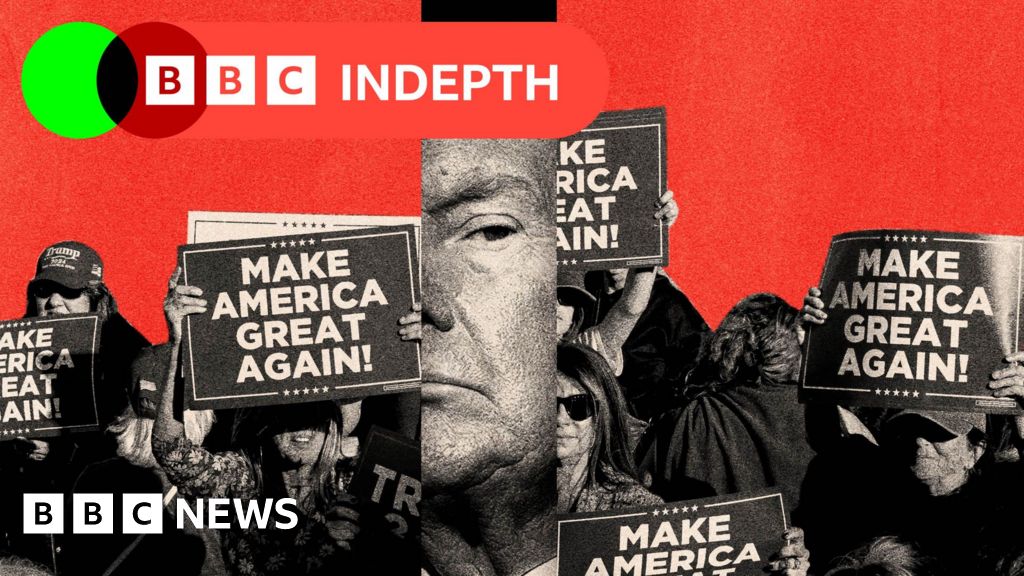
Inside the Maga Base: What the Divides Mean for Trump’s Next Move

America’s Political Crossroads: The Future of Trumpism and the 2024 Race

Nearly a year before the next presidential election, Donald Trump continues to dominate the Republican landscape, but cracks within his movement suggest that the party’s future is far from certain. At a pivotal moment, Trump’s recent statements and internal party dynamics reveal a shifting political terrain that will profoundly influence how nations and societies view America’s trajectory. As Trump hints that he may not run again—in fact, explicitly stating “it’s not going to be me”—the Republican Party faces an impending reckoning over its identity, core base, and the ideological direction it will take post-Trump. Influential voices like political analysts and history scholars warn that these internal divisions could reshape American politics for decades.

In recent months, the Republican Party has experienced a noticeable decline in support among minority and working-class voters, those who propelled Trump’s 2020 campaign into the White House. The latest data indicates a narrowing of the party’s electoral coalition, driven partly by internal disputes and a rising chorus of dissenters—from congressional figures like Marjorie Taylor Greene to business leaders like Elon Musk. This factionalism exposes the fissures in the MAGA movement—fired up in rallies, yet increasingly fractured in policy debates and party loyalty. This factionalism comes at a time when many international observers and domestic analysts argue that the Republican coalition has diverged sharply from its Reagan-era ideals, shifting toward economic nationalism, border security, and an America-first foreign-policy, as outlined by historian Laura K. Field. Such ideological changes not only redraw the American political map but also advance new challenges for allies, competitors, and international institutions grappling with Washington’s waning influence.

From Vance to Rubio: A team of rivals?

The intra-party jockeying is intensifying, with figures like JD Vance, Marco Rubio, and Robert F. Kennedy Jr. positioning themselves as potential heirs to the MAGA mantle. Despite moments of camaraderie, the upcoming contest appears more like a collage of competing visions—ranging from traditional conservatives advocating for a return to Reagan-esque values to populist, nationalist insurgents pushing for a more radical departure. Interestingly, many of Trump’s would-be successors, while echoing his rhetoric, are also suspecting that the political loyalty of the ‘new entrants’—those who joined MAGA more recently—is not guaranteed. Piloting through this turbulent landscape, Senator Rubio has shifted hard from his earlier support for liberal immigration policies, aligning increasingly with Trump’s hardline stance, but cracks in the coalition widen as some support for political violence and conspiracy theories emerge among the more radical factions.

The core question remains: Can the Republican establishment maintain its hold over a fracturing base that is more ideological than ever? The recent Manhattan Institute survey indicates that nearly one-third of current Republican supporters are “new entrants,” less supportive of Trump’s possible heirs. This group’s support drops further when considering issues like political violence, with over half seeing it as sometimes justified—an alarming indicator of how far the party’s social fabric has shifted. As the party struggles to contain these ideological currents, the next few years will see whether the GOP can forge a unified front or splinter into ideological and strategic factions, with the fate of the MAGA movement hanging in the balance.

The future of Trumpism

Despite the setbacks, Trump’s influence appears enduring. Even if he retreats from the political spotlight, the core of his movement has redefined what it means to be a Republican. As pointed out by political analyst Rodney Davis, the post-Trump GOP will be shaped by leaders who must decide whether to maintain the populist, nationalist policies that propelled Trump into power or to attempt a more traditional conservative stance. The party’s recent electoral defeats in states such as Virginia and New Jersey underscore how the coalition’s long-term viability remains uncertain, especially as Democrats make gains in special elections and local races. The underlying question that looms is whether Trump’s revolutionary approach has cemented a new ideological order—one rooted in cultural conflict, economic protectionism, and a disdain for international alliances—or if the GOP can adapt and evolve beyond the MAGA era.

As the timeline races toward the 2026 mid-term elections, the debate over who will succeed Trump has already begun, and the outcome will define the shape of American politics. The forces unleashed by his rise have shaken the old Republican order to its core, turning what was once a party of Reagan conservatism into a broad coalition of populist rebels, ideological purists, and pragmatic elites. Whether this new political architecture will stand the test of time remains an open question, but history is watching. In a nation where power has often shifted on a knife’s edge, the weight of the future presses down heavily on America’s shoulders—its choices, its alliances, its very identity—are still being written, and the next chapter is nowhere near being finished.

Here's a revised version of the headline with a moderate right-wing, youth-oriented tone:
"The Truth About the Bondi Beach Shooting Uncovered"
Here’s a revised version of the headline with a moderate right-wing, youth-oriented tone: “The Truth About the Bondi Beach Shooting Uncovered”

In an unprecedented act of violence that has sent shockwaves through the international community, Australia witnessed a brazen attack at one of its most iconic landmarks, Bondi Beach. What was intended to be a festive commemoration by the Jewish community for Hanukkah rapidly devolved into chaos when two gunmen launched a deadly assault, capturing the world’s attention in just eleven minutes of terror. This incident not only underscores the persistent threats faced by Western societies but also highlights the evolving nature of terrorism in a deeply interconnected world. The chilling footage analyzed by BBC Verify reveals the calculated movements of the attackers, the brave response of a bystander, and the tragic loss of innocent lives — a stark reminder of how violence canstrike even the most idyllic settings.

Global analysts and security experts are drawing parallels between this attack and broader trends that threaten international stability. Historically, terrorist organizations have exploited moments of cultural celebration to maximize impact and spread fear. As the incident unfolded during the Hanukkah festivities, it demonstrated how **extremist ideologies** continue to target diverse communities worldwide, aiming to sow division and undermine social cohesion. Some analysts warn this attack signals a disturbing shift in tactics** — from large-scale strikes in vulnerable regions to high-profile, publicity-driven assaults on Western targets. International organizations, including the United Nations, are sounding alarms about the increasing sophistication and reach of such threats, which threaten to destabilize regional peace and security.

The incident also amplifies geopolitical implications that extend beyond Australia’s shores. Governments across the world are forced to reevaluate their security protocols, especially concerning **public gatherings**. The attack_on Bondi Beach is a potent reminder that **radicalization** does not recognize borders and that international cooperation in intelligence-sharing, counterterrorism strategies, and border security must be bolstered. Historically, nations have often been caught unprepared for these evolving tactics, but the current global climate demands a proactive stance. If not addressed decisively, such acts of violence could embolden extremist factions, fueling a cycle of violence that spills into regional conflicts and threatens global stability.

Australia’s response to this tragedy will be closely scrutinized for its effectiveness and resilience. Many analysts believe this incident marks a pivotal point in the nation’s approach to **public safety** and **counter-terrorism**—a challenge that has become increasingly prominent in the context of *international terrorism*. The leadership’s handling of the aftermath, the capacity to prevent future attacks, and the unity demonstrated in the face of adversity will influence the nation’s trajectory for years to come. Yet, beyond the immediate response, the incident also poses questions about **societal resilience**—how communities recover from trauma and whether nations can preserve their open, multicultural values amid such threats.

As the world watches, the attack at Bondi Beach serves as a stark chapter in the ongoing narrative of global security—a reminder that history, much like the tide that laps against Bondi’s sands, is constantly shifting. Nations are called to confront their vulnerabilities and forge new pathways toward safeguarding freedom and unity. In this moment of darkness, history continues to be written—an unfolding story of resilience in the face of chaos, echoing lessons from past conflicts and the enduring hope for a future where terrorism no longer holds sway over society’s destiny.

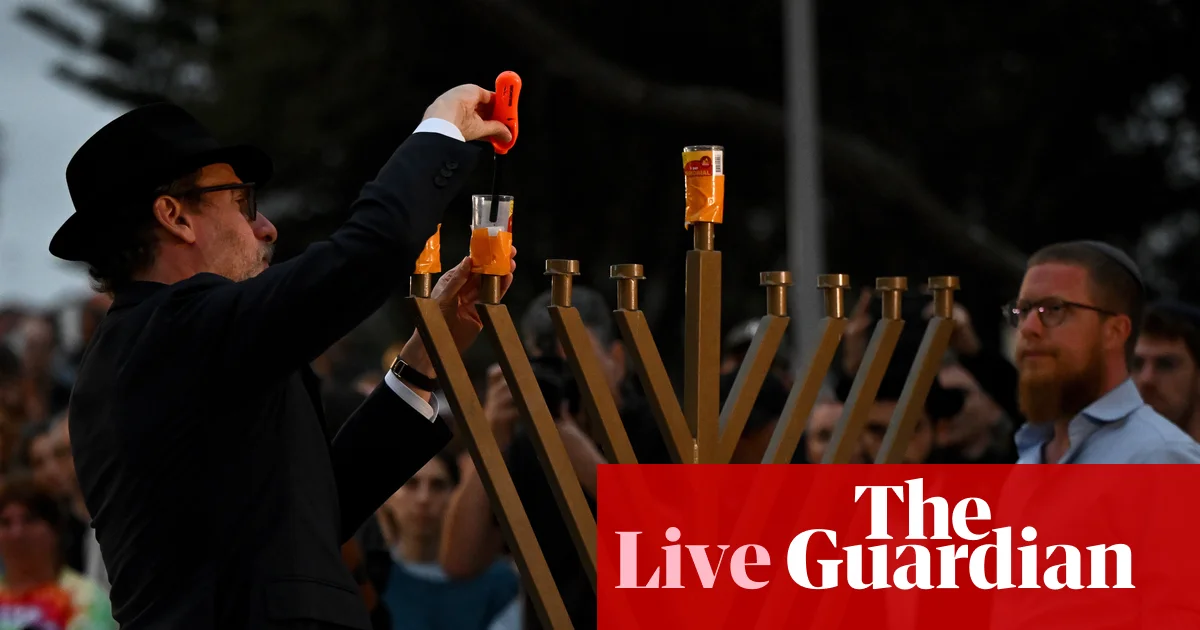
Bondi Attack: Communities Ignite Menorahs, Stand Together in Resilience and Hope

Australia Confronts Heartbreaking Terror Attack: A Reflection on Geopolitical Implications and Societal Resilience

In a striking illustration of the precarious global landscape, Australia has recently endured a harrowing act of terrorism at Bondi Beach, claiming the lives of 15 innocents during a Hanukkah celebration. This tragedy underscores the persistent threats that nations face even amidst democratic resilience—issues that transcend borders and demand unwavering international vigilance. The attack, perpetrated by a father-and-son pair motivated by an “extreme perversion of Islam,” has provoked widespread mourning, but also reignited debates over security, societal cohesion, and the capacity of political institutions to respond decisively.

The immediate aftermath has seen a surge of national unity. The Prime Minister Anthony Albanese dismissed initial claims linking the suspect to an ISIS terror cell, emphasizing that “there is no evidence” for such allegations. This stance underscores the importance of precise intelligence and calibrated responses in an era where misinformation can be as destabilizing as the violence itself. Nevertheless, the government announced a commitment to tighten Australia’s already strict gun laws, with lawmakers pledging to restrict firearm licenses more stringently, acknowledging that radicalization and security vulnerabilities are increasingly complex issues requiring comprehensive solutions. Such legislative measures demonstrate an understanding that decisions on gun control significantly affect national security and civil liberties, shaping the societal fabric in the process.

Amidst the tragedy, stories of heroism and solidarity have emerged. Ahmed al Ahmed, a Muslim father-of-two, became a symbol of resistance when he disarmed one of the gunmen, risking his own life in the process. Donations exceeding A$1.3 million highlight the collective recognition of ordinary citizens acting in extraordinary circumstances. Leaders from Sydney’s diverse communities, including Rabbi Gabi Kaltmann and others, organized vigils and public Hanukkah events to honor the victims, reinforcing the vital importance of multicultural unity. Sources like international analysts and local historians point out that these acts of communal solidarity serve as a bulwark against the divisive forces of hate, demonstrating that societal resilience can outshine darkness—if only united against such evil.

Nevertheless, critics argue that authorities had warning signs and failed to prevent the tragic events, a concern reflecting broader international discourse on how governments manage the rise in hate crimes and extremist ideologies. Critics reference Australia’s earlier enactment of an antisemitism strategy, which some now deem insufficient, while others, including PM Albanese, vow to intensify efforts to stamp out anti-Semitism. This echoes global concerns that national responses must evolve, incorporating intelligence, community engagement, and legislation—elements that together shape the geopolitical response needed to combat the far-reaching tentacles of radicalism. As history continues to write itself, the weight of this moment presses heavily: how nations respond now will influence societal stability and international perceptions for generations to come.

In the shadow of grief and resolve, the question remains: how will the international community forge a path that balances security with liberty, unity with vigilance? As the world watches, the story of Australia’s response to this tragedy will be etched into the annals of history—an enduring testament to the enduring struggle between darkness and light.

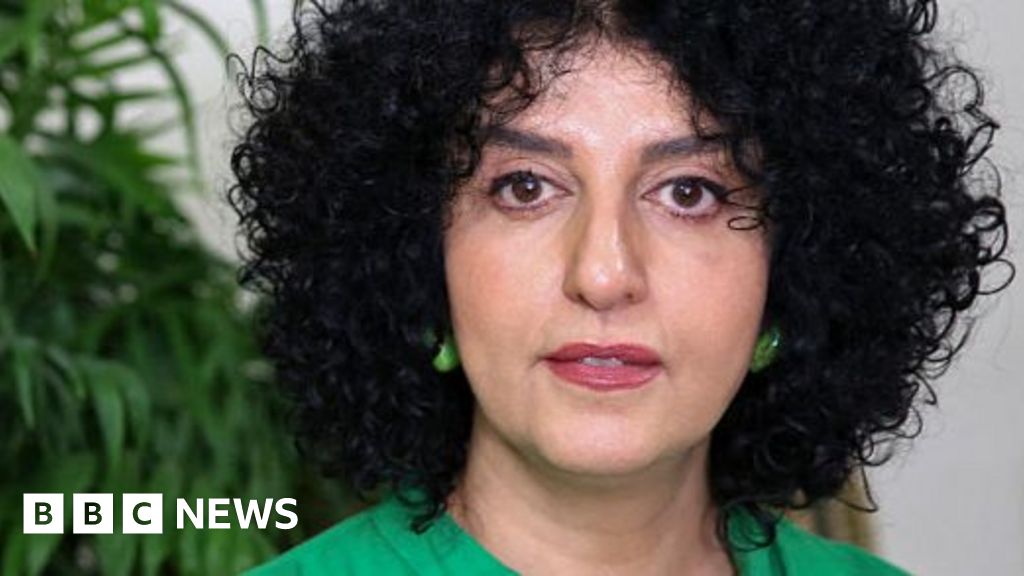
Iran Nobel Laureate Hospitalized After Aggressive Detention

In a disturbing escalation of Iran’s ongoing crackdown on dissent, prominent Nobel Peace Prize laureate Narges Mohammadi was violently detained last week, sparking international outrage. The Nobel Committee and global rights advocates condemned her treatment, which reportedly involved severe beatings by plainclothes agents—an alarming sign of authoritarian repression intensifying under the current regime. The 53-year-old activist, known for her relentless campaign against female oppression and human rights abuses, was hospitalized after being attacked while attending a memorial ceremony for human rights lawyer Khosrow Alikordi. Her family described her injuries as severe, with multiple emergency room visits, emphasizing the brutal nature of her detention. The international community, including respected analysts and organizations, interpret these actions as a deliberate attempt by the Iranian government to quash voices of dissent amid a nationwide push for reform, but at what cost to human dignity and international norms?

Iranian authorities justified her detention by claiming she made “provocative remarks” during a memorial gathering, but critics contend this is merely a pretext for silencing influential figures. Mohammadi, who has spent over a decade in prison for her activism, was serving a 13-year sentence on charges broadly viewed by experts as politically motivated—specifically, “propaganda activity against the state” and “collusion against national security”. Her recent temporary release for medical reasons did little to stem the repression, as reports indicate she was targeted again at the event, with eyewitnesses describing her being pulled by the hair and assaulted with clubs. Disturbingly, she was accused of collaborating with foreign entities, a charge frequently used in theocratic regimes to justify crackdowns on civil society. This pattern of violence and intimidation, analysts warn, underscores how Iran’s leadership seeks to send a chilling message to activists and the international community alike—complete dominance over dissent, no matter the cost.

The geopolitical impact of Iran’s internal repression extends far beyond its borders. Western nations and international organizations have expressed growing concern over the regime’s authoritarian crackdown—a reflection of the broader regional instability and a test for global diplomacy. The European Union and United States have increased sanctions, framing these acts as violations of human rights and a threat to regional security. Historically, Iran’s internal strife is often a precursor to broader upheaval, with analysts warning that these episodes of suppression could embolden more aggressive regional postures, especially in the context of a Middle East fraught with conflicts. The international community faces a dilemma: uphold diplomatic engagement, or confront Iran’s brutal tactics head-on, risking destabilization or confrontation. Organizations such as Human Rights Watch have called for tangible action, urging Tehran to cease the crackdown and respect the rights of its citizens—a stance that continues to challenge the regime’s narrative of sovereignty over human rights.

The unfolding events at the memorial and the regime’s response are a stark reminder that history is being written in the shadows of violence and repression. As young people worldwide observe these developments, the question remains whether international vigilance and pressure can effect change—or if Iran’s government will continue to tighten its grip, sacrificing societal progress for control. The fate of Narges Mohammadi and countless others symbolizes a broader struggle—one that intertwines human rights, regional power dynamics, and the very essence of political legitimacy. As the dust settles, the world must ask: which future will emerge from this crucible of repression? Will justice and freedom prevail, or will history accelerate into further darkness, leaving those who dared to speak out to become casualties of an unyielding regime?

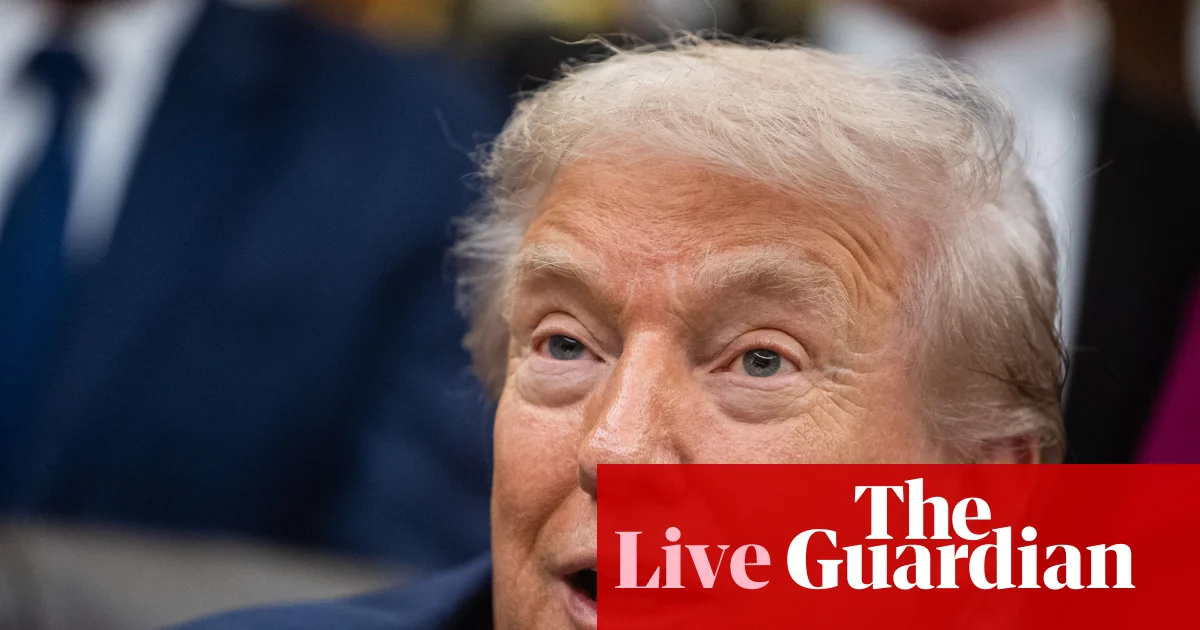
Trump faces backlash over controversial comments on Rob Reiner and wife Michele – latest updates

The international stage continues to unravel in a complex tapestry of diplomacy, conflict, and political posturing. The recent developments surrounding Ukraine and U.S. negotiations underscore the persistent drive for peace amid ongoing territorial disputes. According to Ukraine’s top negotiator, Rustem Umerov, there have been “constructive and productive” talks, with hopes of forging a lasting peace. Yet, behind these diplomatic efforts lie intractable issues, notably the contested control of Donetsk and Luhansk regions, which remain pivotal in the broader conflict. Analysts from various think tanks and international organizations warn that unresolved territorial disputes could prolong the war, with repercussions that ripple far beyond Eastern Europe.

Meanwhile, the U.S. continues to exert influence over Ukraine’s territorial negotiations, demanding that Kyiv cede control of the Donbas regions as a precondition for peace talks. Reports from Reuters and AFP reveal that US negotiators are maintaining this stance, asserting that Russia’s primary objective is to reclaim territory—an assertion that Kyiv vehemently rejects. This insistence by Washington reflects a deeper strategic positioning, revealing how geopolitical interests are entwined with territorial sovereignty. In stark contrast, Russian President Vladimir Putin is said to prioritize territorial expansion, seeking to consolidate control over areas critical to Russia’s national security. The conflicting demands exemplify a broader chess game involving multiple nations, each vying to shape the future of a region that increasingly symbolizes the battleground of post-Cold War influence.

The European leaders, led by Friedrich Merz of Germany, actively participate in these talks, hosting discussions with Ukrainian President Volodymyr Zelenskyy and other key figures. The presence of Trump’s envoy, Steve Witkoff, and Jared Kushner underscores the continued interest from U.S. factions seeking a role in resolving the conflict — although their involvement is contentious amidst concerns over biases and diplomatic effectiveness. This dynamic illustrates the shifting boundaries of influence and the perilous dance of diplomacy in a Europe teetering on the edge of prolonged instability.

Simultaneously, domestic policy debates in America reveal a nation deeply divided on how to approach foreign conflicts and internal crises. Notably, the rhetoric of Donald Trump and Ilhan Omar exemplifies the tumult within U.S. politics—ranging from accusations of “disgusting” statements to allegations of government overreach. Recent reports highlight Trump’s plans to sign executive orders reclassifying marijuana, signaling a possible pivot that could reshape America’s drug policy landscape. Yet, as analysts warn, these decisions carry profound implications for international perceptions of U.S. stability and leadership in safeguarding democratic values.

In this ever-unfolding chapter of history, the fate of nations hangs precariously in the balance. As Ukraine‘s leaders wrestle with territorial sovereignty and U.S. policymakers grapple with internal divisions, the echoes of past conflicts and missed opportunities reverberate across continents. The meticulous power struggles and diplomatic negotiations of today are but threads woven into the larger fabric of history—each decision, each bold move, shaping the future of global stability. As world leaders convene in Berlin and elsewhere, the question remains: how long can the fragile veneer of peace hold before the next chapter of conflict demands its place in the annals of history?

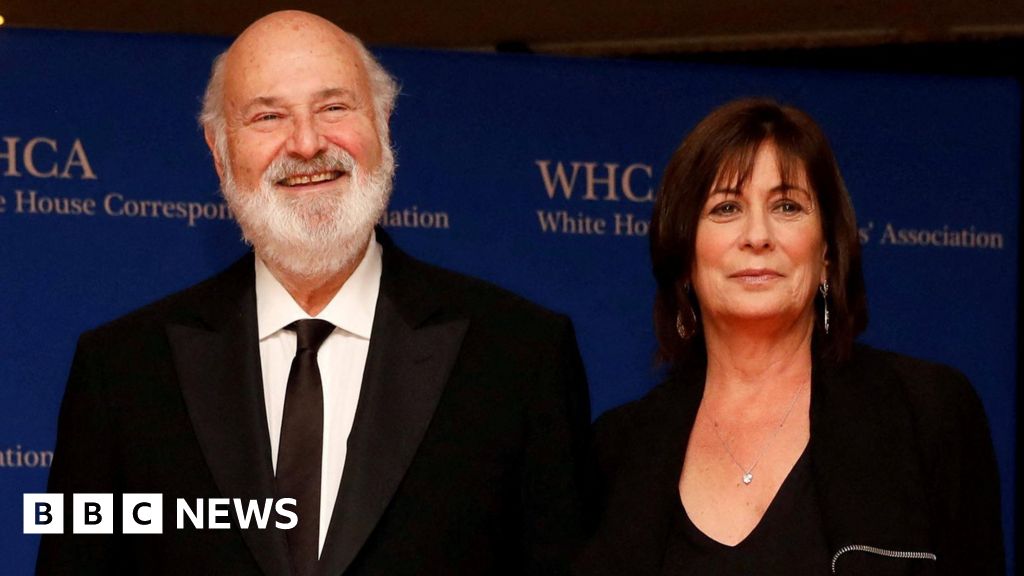
Hollywood director and wife Michele tragically found dead at LA home

Hollywood Legend Rob Reiner and Wife Michele Found Dead in LA: A Tragic Turning Point with Global Resonance

The sudden death of Rob Reiner, a revered filmmaker and actor whose career spanned over five decades, has sent shockwaves through the entertainment industry and the broader cultural landscape. Found lifeless alongside his wife Michele in their upscale Los Angeles Brentwood home, authorities are investigating the incident as an apparent homicide, marking a disturbing turning point in American cultural history. The implications extend far beyond individual grief, igniting conversations about societal safety, political activism, and the enduring influence of Hollywood on global narratives.

Reiner’s legacy is deeply intertwined with eras of social change, both in cinema and in activism. Known for directing enduring classics like The Princess Bride, When Harry Met Sally, and A Few Good Men, he was celebrated not only as a Hollywood icon but also as a passionate advocate for social justice. California Governor Gavin Newsom called him a “big-hearted genius”, emphasizing how his works contributed to shaping American values. As an influential figure, Reiner’s life reflected a powerful connection between cultural influence and societal responsibility, inspiring millions worldwide to pursue justice, civility, and purpose. The discovery of his death in his homeprised the nation but also ignited broader concerns about rising violence and societal instability.

  • The Los Angeles Police Department responded swiftly, opening a homicide investigation into the circumstances surrounding Reiner’s and his wife Michele’s deaths.
  • The authorities revealed that both bodies were found hours after emergency services received a call for aid, but no immediate details about injuries or weapon use were disclosed.
  • The incident underscores a widening cultural fissure, where the glittering veneer of Hollywood often masks darker trends of societal decay.

Global institutions and cultural voices have highlighted the incident as symptomatic of a troubled era. United Nations-aligned analysts have warned that such tragedies underscore the importance of strengthening community safety and resilience. Meanwhile, international leaders point to the incident as a haunting reminder of the delicate balance between public figures’ private lives and the societal obligation to safeguard all citizens. Prominent voices like Barack Obama underscored Reiner’s contributions, noting his dedication to humanitarian causes and his capacity to inspire generations with stories that reflect the enduring human spirit. This tragedy is not merely a personal loss but a stark symbol of how societal upheavals influence even the most iconic figures.

Historians and critics are already framing this event within a wider context of cultural reckoning. Some suggest it serves as a poignant call to action—a reminder of the persistent need to address violence, mental health, and social inequality that threaten to fracture societies worldwide. The impact of Reiner’s films transcends entertainment; they serve as mirrors reflecting societal hopes, fears, and lessons. As countries grapple with similar issues—ranging from rising crime to political extremism—the death of Reiner and his wife could catalyze renewed calls for social reform and civic activism. The world now watches with bated breath, as the figures behind the camera—whose voices once sought to challenge injustice—become silent witnesses to the ongoing struggle. In this moment of profound loss, the question remains: how will history remember the stories they leave behind, and what legacy will endure from this tragic chapter?

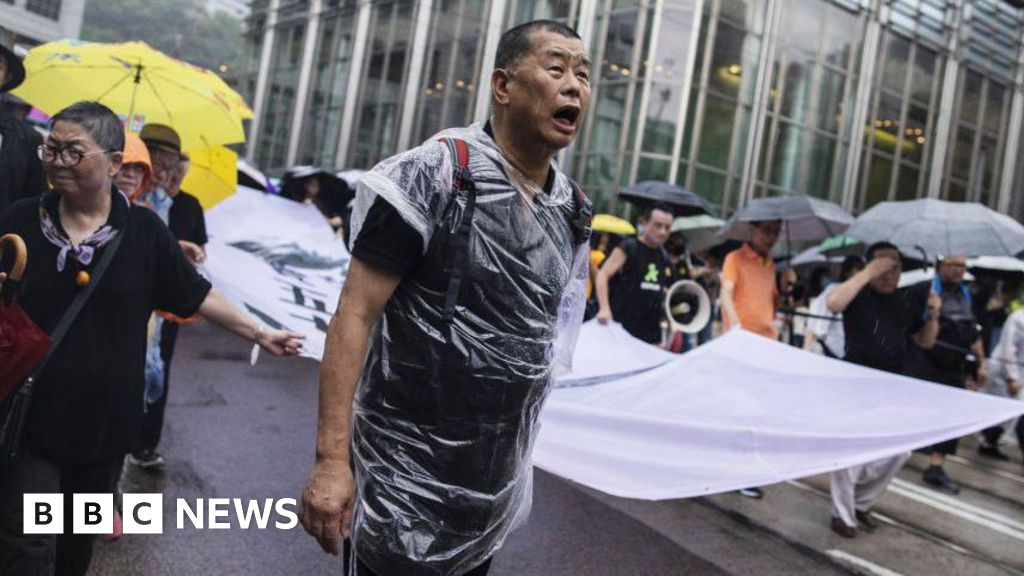
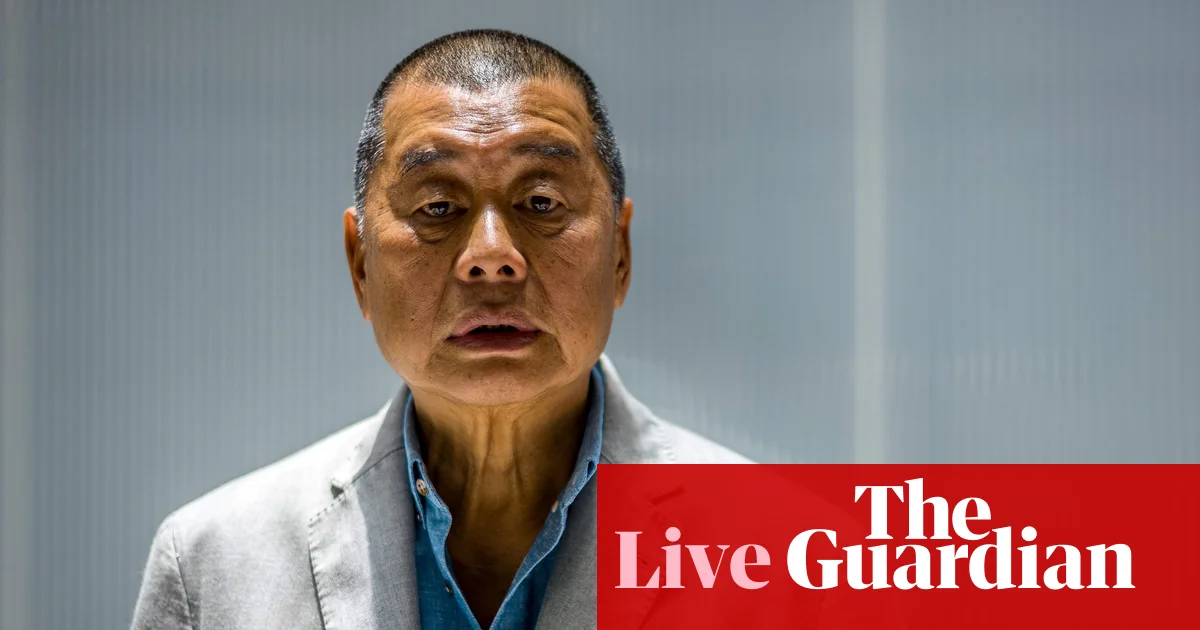
Hong Kong tycoon convicted in major national security crackdown, signaling tough stance on dissent

Hong Kong’s Jimmy Lai Conviction Marks a Turning Point in Global Geopolitics

The recent verdict against Jimmy Lai, the famed Hong Kong pro-democracy activist and media tycoon, signals a profound escalation in the ongoing struggle over the city’s future and the broader battle for influence between China and the West. Found guilty of colluding with foreign forces under the city’s controversial national security law (NSL), Lai’s conviction reverberates far beyond Hong Kong’s borders, serving as a stark warning to dissenters and a testament to Beijing’s unwavering commitment to tightening its grip on the former British colony.

This legal action, which many scholars and analysts are calling a turning point in judicial independence, exemplifies how Beijing is actively rewriting the rules of engagement within the region. The U.S. and UK, long advocates for civil liberties in Hong Kong, condemned Lai’s trial as an example of “politically motivated persecution,” emphasizing that his conviction was motivated not by justice but by China’s desire to silence anyone daring to challenge Communist Party authority. International watchdogs, including Human Rights Watch, have asserted that the NSL and related legal practices are used to crush dissent and dismantle Hong Kong’s once vibrant pro-democracy movement. The judgment underscores how decisions made in Hong Kong are now deeply intertwined with geopolitical impact, shaping a conflict that pits Western values of free expression against an authoritarian Chinese state eager to consolidate power.

The case of Lai, who used his now-defunct Apple Daily newspaper as a platform to promote democratic ideals and lobby foreign governments for sanctions, is a stark symbol of the broader clash for ideological control. His advocacy, coupled with open meetings with U.S. officials like then-Vice President Mike Pence and Secretary of State Mike Pompeo, demonstrated how the pro-democracy movement in Hong Kong was viewed as a direct challenge to Beijing’s sovereignty. The Chinese government, through state media like Global Times, has responded with unwavering resolve, asserting the case sends a “clear message” — that any attempt to undermine the integrity of the nation will be met with “severe punishment.” Such rhetoric highlights how Beijing’s strategy employs legal measures as a tool for political consolidation, signaling to the world that dissent in Hong Kong—and beyond—is increasingly dangerous and, ultimately, futile.

In analyzing this development, experts warn that the implications extend well beyond Hong Kong. The fallout influences international relations and impacts the ability of democracies to stand up for their principles. Governments including the UK and US have criticized the Chinese authorities, demanding Lai’s immediate release, claiming his trial exemplifies the danger facing free societies worldwide. This clash over Hong Kong’s legal sovereignty is viewed by many as a broader contest over the future of freedom in a rising tide of authoritarianism. The question remains: how long can the West afford to ignore the tide of Chinese expansion that is now sharply focused on rewriting regional laws and norms to serve the interests of a rising autocratic power? The decisions taken in this courtroom will resonate throughout history, testing the resolve of nations that cherish liberty and debating the limits of State power in the name of security.

As history continues to unfold, Lai’s fate whispers a haunting warning — that the battle for the soul of Hong Kong is not just a local story. It is a story written in the margins of a global power struggle, where freedom’s defenders confront an increasingly assertive state that will go to any lengths to silence those who dare challenge the order. The echoes of Lai’s verdict serve as a stark reminder: in the shadows of justice, the true conflict for history’s verdict still looms, waiting to be written with the blood and defiance of those who dare challenge the silence imposed from Beijing to the world stage itself.

Bondi Beach Shooting: What We Know About the Victims

Bondi Beach Terror Attack: A Tragedy with Far-Reaching Geopolitical Consequences

The recent attack at Bondi Beach has shaken the international community to its core, leaving a trail of tragic loss and raising profound questions about the state of global security and societal resilience. At least 15 civilians, many attending a celebration of the Jewish festival of Hanukkah, fell victim to a barbaric act of terrorism. Among the victims were notable figures such as Rabbi Eli Schlanger, known as the “Bondi Rabbi”, and Matilda, a 10-year-old girl whose bright spirit was extinguished in an instant. The attack was reportedly carried out by a gunman with radical motives that continue to be unraveled, but its ramifications extend far beyond the event itself, dramatically impacting international relations and societal stability across nations.

Authorities have identified the victims who embodied the fabric of their communities—rabbis, Holocaust survivors, young children, and doctors—each with personal stories that underscore the human toll of this violence. This tragedy exposes a chilling truth: that even in perceived safe havens, extremism lurks and threatens to destabilize the very foundations of multicultural societies. The death of Rabbi Eli Schlanger, a respected leader of the local Jewish community and head of the Chabad mission, has sent shockwaves through Australia and the international Jewish diaspora. His familial and community ties illustrate the profound loss as images of mourning flood social media, a stark reminder that deep-rooted cultural and religious identities remain targets in a global landscape marred by terrorism and intolerance.

International Reactions and Geopolitical Ripple Effects

Global leaders and organizations quickly responded to the attack with condemnations and calls for unity. President of France, Jean-Noël Barrot, expressed profound sorrow over the death of Dan Elkayam, a French national who had recently moved to Australia. Elkayam’s death highlights the increasingly interconnected nature of international migrant communities, and how violence in one part of the world reverberates throughout the global fabric. Analysts like Dr. Margaret Chen of the International Security Council warn that such acts of terror are not isolated incidents but signals of escalating geopolitical tensions fueled by radical ideologies that cross national borders.

In the broader context, this attack underscores the fragile state of international commitments to combat anti-Semitism and terrorism. Nations such as Australia, France, and the United Nations are under mounting pressure to intensify cooperation and prevent future tragedies. However, critics argue that political inaction and increasing polarization threaten to undermine collaborative efforts. Key international agreements meant to promote security, like the Global Counter-Terrorism Convention, appear to be faltering as radicals exploit political divisions to advance their cause. Historians warn that history has shown societies often face “turning points” when complacency gives way to tragic casualties, and the question remains: are nations prepared to confront the rising tide of radical extremism?

How Decisions Shape Societies and the Future

The decisions made in the wake of Bondi’s tragedy will define societal resilience for years to come. Governments are urged to reassess policies on immigration, surveillance, and community integration—tools essential to stem the spread of extremist narratives. The attack also highlights how societal attitudes towards multiculturalism can either foster unity or be manipulated to deepen divisions, potentially fueling further violence. International organizations such as the United Nations and regional bodies will face pressure to deliver tangible actions that prevent similar incidents globally. The stories of victims like Larisa Kleytman, who recounted how her husband’s heroism saved her from the gunfire, are a stark reminder of human bravery amid chaos—yet they also point to urgent questions about security and the resilience of societal values.

As the dust begins to settle over Bondi, the haunting realization remains: this is but a chapter in an ongoing story of history—in which freely elected leaders, institutions, and societies must grapple with the enduring threat of radicalism. The legacy of those lost is not only in their stories but in the actions nations undertake to forge a safer future. History watches us now, reminding us that the choices we make today will echo through generations, shaping the course of humanity’s struggle against hatred and violence—a struggle that remains painfully unfinished.

Jimmy Lai’s conviction signals the end for Hong Kong’s press freedom, warns Amnesty — live updates | Jimmy Lai

The recent verdicts against Jimmy Lai, the prominent Hong Kong media mogul and ardent supporter of democracy, mark a watershed moment in the ongoing struggle over press freedom and human rights in one of the world’s most geopolitically sensitive regions. Lai’s conviction on charges relating to national security – specifically conspiracy to collude with foreign powers and conspiracy to publish seditious content – follows a trial that has lasted over two years, culminating in what many see as a symbolic suppression of independent journalism in Hong Kong.

The response from international organizations and regional governments underscores the geopolitical significance of this event. Amnesty International, the Committee to Protect Journalists, and Human Rights Watch have all condemned Lai’s sentencing as emblematic of a broader campaign by Beijing and the Hong Kong authorities to dismantle the city’s once-vibrant democratic institutions. They describe Lai as a prisoner of conscience and warn that his incarceration not only threatens individual liberty but signals a systematic erasure of free expression in Hong Kong—a place once seen as a beacon of autonomy outside Chinese control.

This crackdown’s profound geopolitical impact extends beyond the city itself. Taiwan’s Mainland Affairs Council openly called Lai’s trial a “death knell” for Hong Kong’s democracy, emphasizing how the erosion of rights in Hong Kong sets a dangerous precedent for international law and the global fight for liberty. By weaponizing the judicial process against Lai, Beijing sends a clear message that any challenge to its authority—whether through media, protests, or civil society—will be met with severe punishment, regardless of international outcry. This shift in Hong Kong’s political landscape aligns with China’s broader strategy to expand authoritarian control, challenging the norms established under numerous international agreements and treaties.

Historians and geopolitical analysts highlight that the Lai case symbolizes the waning influence of Western-style democracies in the face of China’s rising power. As Lai’s health deteriorates in solitary confinement, global democratic powers face a stark choice: respond with concrete action or witness the gradual extension of authoritarianism into territories long considered bastions of freedom. Lai’s fate underscores how decisions made in Beijing and Hong Kong’s courts directly influence societal freedoms, press independence, and international relations—altering the geopolitical terrain in Asia and beyond. The outcome of his appeal and the potential sentencing will determine whether this moment signifies a retreat into darkness or a rallying cry for democracy worldwide.

In the shadow of Lai’s conviction, the question remains: will the international community finally recognize the threat posed to the principles of free speech and sovereignty, or will it continue to allow authoritarian regimes to rewrite the rules of justice and human dignity? As history unfolds in the courts of Hong Kong, the world is left to ponder how this chapter will be remembered: as a testament to the resilience of free societies or as a tragic turning point in the global fight for liberty. For now, the echoes of Lai’s trial serve as a reminder that the price of free press in the modern age is paid in endurance and courage, amid the relentless tide of rising authoritarianism.

From Uber driver in the U.S. to fearing jihadist threats in Somalia—how local roots meet global dangers

Geopolitical Shifts in the Wake of Somali Deportations: A Warning from the Frontlines

In recent months, a wave of deportations from the United States to Somalia has exposed the fragility of international migration policies amid rising anti-immigrant rhetoric and changing administrations. These deportations, involving Somali nationals who sought refuge in the US, are not merely individual cases but signals of profound geopolitical repercussions that resonate far beyond the borders of the United States. As President Donald Trump publicly disparages Somali migrants, calling for tougher restrictions and even suggesting they should “go back to where they came from,” the international community, analysts, and historians warn that these policies threaten to undermine years of fragile stability in the Horn of Africa while fueling anti-foreigner sentiments domestically.

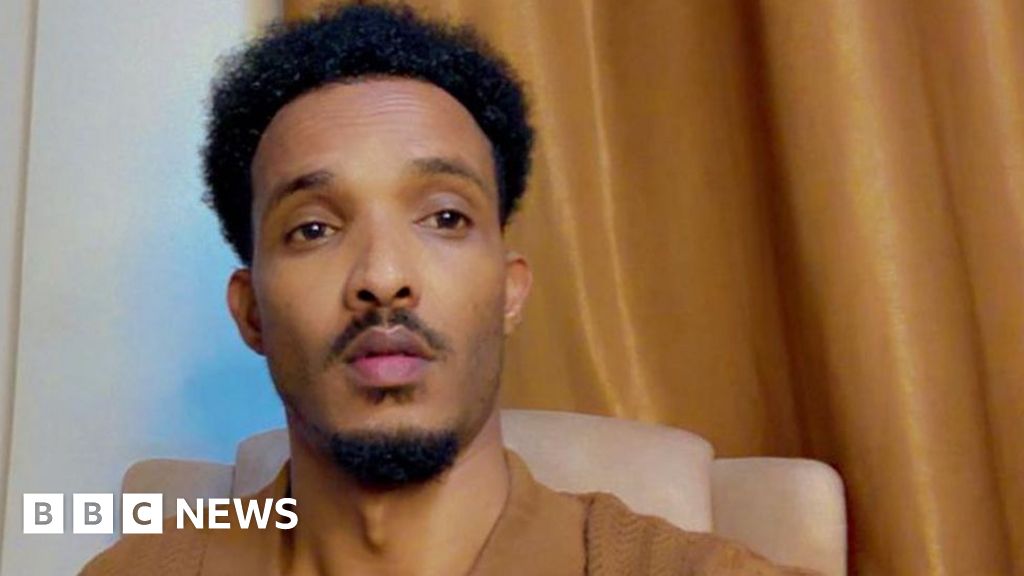
Most noteworthy is the case of Mahad Mohamud, a Somali man deported from Minneapolis after spending over a decade in various countries, including South Africa, Brazil, and the US. Mahad, known on social media as Garyaqaan, built a significant following defending his clan’s interests in Somalia—an act viewed with suspicion by US authorities amid the broader discourse of national security. His case highlights how independent voices, particularly those amplified through social media, are increasingly perceived as threats to political narratives. Mahad’s detention and eventual deportation—despite his claims of innocence and FBI clearance—mirror broader policies that cast aside nuanced assessments of individual safety in favor of harsh border enforcement. The geopolitical impact is vast, as deported individuals often face an unstable Somalia ravaged by years of anarchy, Islamist insurgencies, and economic collapse. Historians warn that these policies, driven by election-year rhetoric, risk reigniting conflicts and depriving Somali society of diaspora-led development efforts.

Moreover, the deportation crisis is casting a long shadow over the Somali-American community—America’s largest Somali diaspora, numbering approximately 80,000 in Minneapolis alone. Following statements from President Trump vowing the end of temporary protected status, the Somali community faces renewed hostility, with social media videos depicting immigration agents conducting door-to-door searches in neighborhoods like Little Mogadishu. Many residents, fearing deportation, have responded by evacuating their homes discreetly, leaving lives in limbo. This tension unravels the broader how decisions made in Washington directly affect the fabric of local societies, fueling fears, protests, and a sense of abandonment. These developments echo the warnings of international observers who argue that a shift towards aggressive immigration crackdowns without comprehensive security frameworks risks destabilizing immigrant communities in the US while emboldening Islamist militant groups like al-Shabab. The repercussions for stability and security, both in the US and the Horn of Africa, are profound and ongoing.

As history’s ongoing narrative unfolds, the deportation phenomenon underscores a brutal reality: policies driven by populist rhetoric often overlook the intricate human stories behind migration. Mahad Mohamud’s heartfelt reunion with his children and his fears of assassination are emblematic of the human toll inflicted by political agendas that treat these individuals as mere pawns. Analysts and seasoned diplomats warn that the current trajectory risks not only exacerbating Somalia’s humanitarian crisis but also deepening the divide between immigrant communities and their host nations, creating fertile ground for radicalization and conflict. With the shadows of past conflicts and current instability lengthening, the international community is left to ponder whether these policies will serve as a turning point or a catalyst for unforeseen chaos. The weight of history presses heavily upon these unfolding events, reminding the world that in the arena of geopolitics, choices today carve the legacy of tomorrow—a legacy still being written, and nowhere more critically than in the lives of those caught between nations.

Social Media Auto Publish Powered By : XYZScripts.com