Matox News

Truth Over Trends, always!

Met Won't Probe Andrew Over Virginia Giuffre Allegations, Says Andrew Mountbatten-Windsor
Met Won’t Probe Andrew Over Virginia Giuffre Allegations, Says Andrew Mountbatten-Windsor

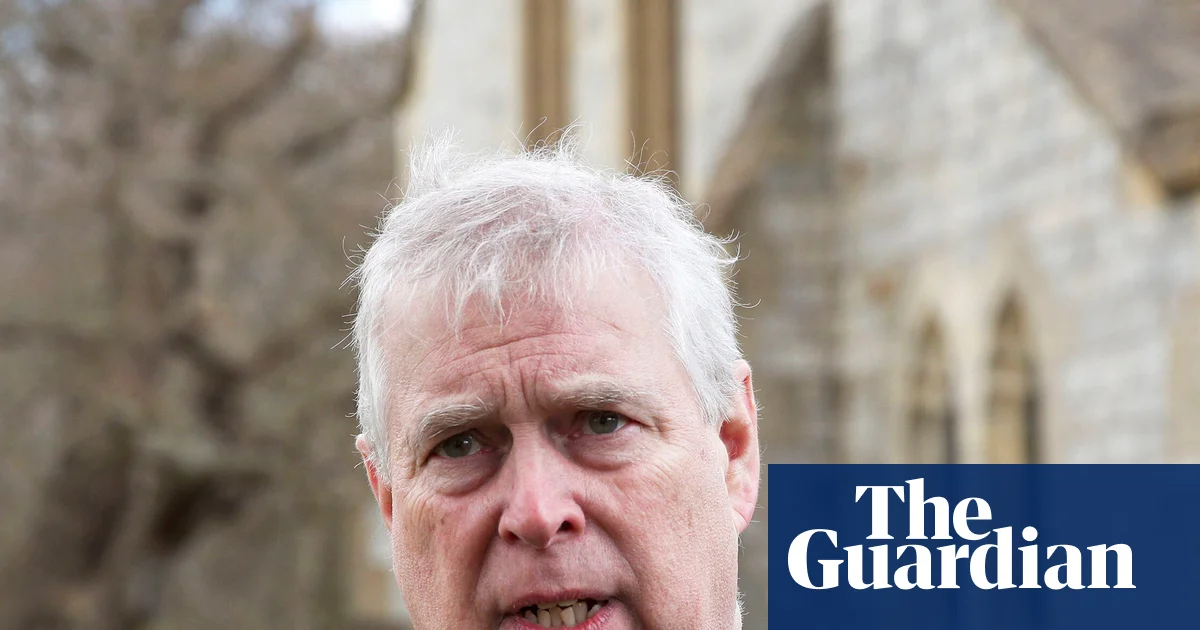
The recent decision by London’s Metropolitan Police to decline a formal criminal investigation into Andrew Mountbatten-Windsor, the brother of King Charles III, marks a significant turning point in a saga that extends beyond British borders into the realm of international geopolitics and influence. Despite widespread public and media attention, the police authority firmly concluded that no sufficient evidence exists to warrant further legal action, emphasizing that investigations into allegations of trafficking and abuse linked to Jeffrey Epstein have already been reviewed multiple times over the past years. This decision not only shields a member of the British royal family but also underscores the complexities of holding powerful individuals accountable, especially those with the backing of longstanding political and institutional ties.

Much of the controversy surrounding Mountbatten-Windsor revolves around allegations presented in the 2021 lawsuit filed in the United States. Virginia Giuffre, who has since passed away, claimed her trafficker, Epstein, forced her into sexual encounters with the former prince in London and beyond when she was just 17 years old. Her sworn testimony—though not admissible in evidence posthumously—highlighted alleged systemic abuses involving prominent figures and a network of sex trafficking that has now become a political quagmire for the British monarchy. Critics within the international legal community argue that, given the gravity of the accusations, a full-fledged criminal investigation should have been pursued, especially considering that the evidence included specific claims of trafficking and coercion, which, if proven, would constitute severe violations of international law.

Nevertheless, international organizations such as the United Nations and various national law enforcement agencies have expressed cautious skepticism about the resolution in the UK. While official statements from London’s police point to the absence of new evidence, some legal analysts—like former CPS Director Nick Vamos—warning that the evidence of non-consensual acts and trafficking could be enough for a criminal investigation. The core issue, they say, lies in whether Andrew knew of her trafficking status and used his influence or connections to abuse that power. This controversy illustrates a broader theme: how global centers of power, especially those tied tightly to royal, political, or economic elites, often impede justice in highly politicized cases. International observers warn that such cases, if left unresolved, undermine _transparency_ and _accountability_—principles vital for the international rule of law.

Meanwhile, the geopolitical impact extends beyond the courtroom. Britain’s royal scandal feeds into a larger narrative about the erosion of trust in institutions—an issue that resonates across continents. As Russia, China, and other adversaries watch, they interpret the assertiveness of Western legal procedures as either a sign of accountability or, conversely, a demonstration of internal corruption shielding elite figures. Historically, such cases have been exploited by authoritarian regimes to question Western moral authority, but they also serve as a reminder of the importance of international cooperation in pursuing justice across borders. This ongoing crisis highlights how decisions made in corridors of power can ripple through international relations, impacting alliances, diplomatic credibility, and global perceptions of justice.

As the story unfolds, the weight of history presses heavily upon the public consciousness. Whether King Charles and his family emerge unscathed from this ordeal remains to be seen, but the underlying message is clear: the age-old battle between power and accountability continues unabated. In a world where influence often obscures truth, and silence can be mistaken for innocence, the pursuit of justice remains the most consequential challenge of our time. The future hinges on whether political will and legal robustness will prevail over entrenched privilege, for history is not only written by the victors but also by those who refuse to turn away from the shadows.*
Belarus Releases 123 Prisoners Following US Sanctions Rollback

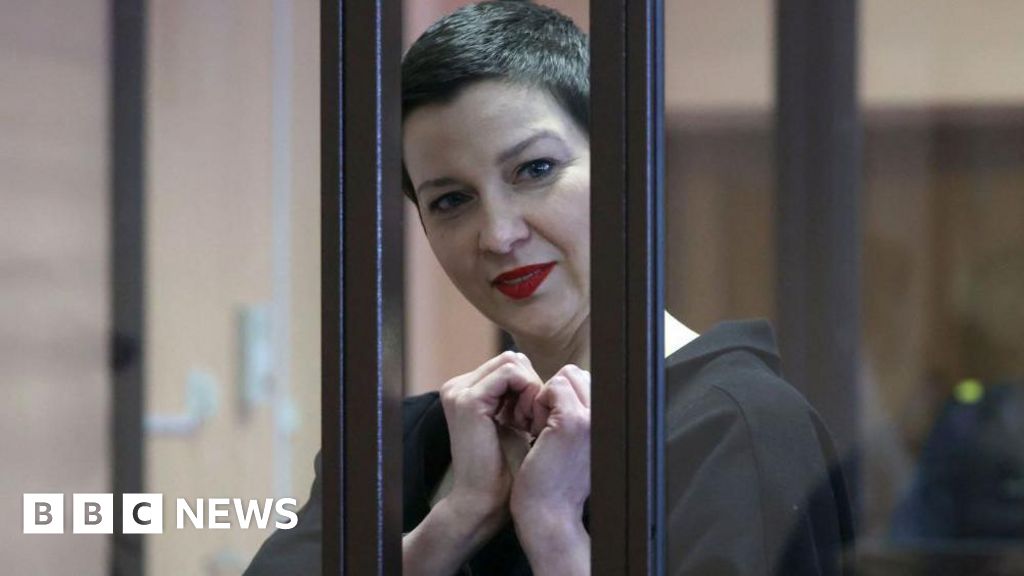
In a significant development that signals a potential shift in geopolitical dynamics, Belarus has released 123 prisoners, including prominent opposition figures such as Maria Kolesnikova and Nobel Peace Prize laureate Ales Bialiatski. This move follows an agreement with the United States to lift key economic sanctions, notably those targeting Belarus’s vital potash exports, which are crucial to the country’s economy and global fertilizer markets. The diplomatic negotiations, held in Minsk with US special envoy John Coale, mark an unusual departure from the longstanding Western policy of isolation and sanctions towards Minsk, and suggest a recalibration of international relations amid evolving regional priorities.

Historically, Belarus, under Alexander Lukashenko, has faced persistent international criticism, especially from the European Union, which does not recognize his presidency following contested elections in 2020 that sparked mass protests. Yet, the recent prisoner releases and the easing of sanctions reveal a strategic pivot by Lukashenko to re-establish economic ties and secure external support, despite internal repression and ongoing political repression. Analysts suggest that these moves serve to bolster the regime’s legitimacy and prepare Belarus for a more negotiated future, while Lukashenko’s government attempts to reframe itself as a pragmatic player in regional security, particularly amidst Russia’s expanding influence.

The geopolitical impact of this shift extends well beyond Minsk, especially in the context of the ongoing conflict in Ukraine. The US and its allies have long sought to isolate Minsk due to its close ties with Russia; however, recent developments involving Minsk’s negotiations with Washington and the potential offering of assistance in Ukrainian peace talks signal a more complex dynamic. The US has indicated that further sanctions relief could follow, a move that is likely to generate tension with European partners committed to maintaining pressure on Minsk for its role in Moscow’s regional ambitions. Notably, the cooperation with Lukashenko also comes at a time when Western powers are recalibrating their strategies, balancing sanctions with diplomatic engagement in pursuit of broader stability and peace.

The historical scrutiny from international bodies and geopolitical strategists underscores the significance of these recent developments. Historian and international analysts have debated whether this signals a genuine change in Belarus’s foreign policy or a tactical maneuver by Lukashenko to withstand pressure from domestic opposition and regional threats. Meanwhile, the United Nations and European Union are watching closely, aware that decisions made now will shape the trajectory of Eastern Europe’s stability for years to come. As the international community grapples with these shifts, one thing remains clear: the future of Belarus, Russia, and Ukraine’s borders is a chapter still being written, with each move adding new layers to a complex geopolitical puzzle. The unfolding story reminds us that history’s pen is never truly still, and that tomorrow’s outcome rests on today’s pivotal decisions—decisions that will echo across continents for generations.

How Did Mail on Sunday’s US Editor Side with Meghan’s Dad?

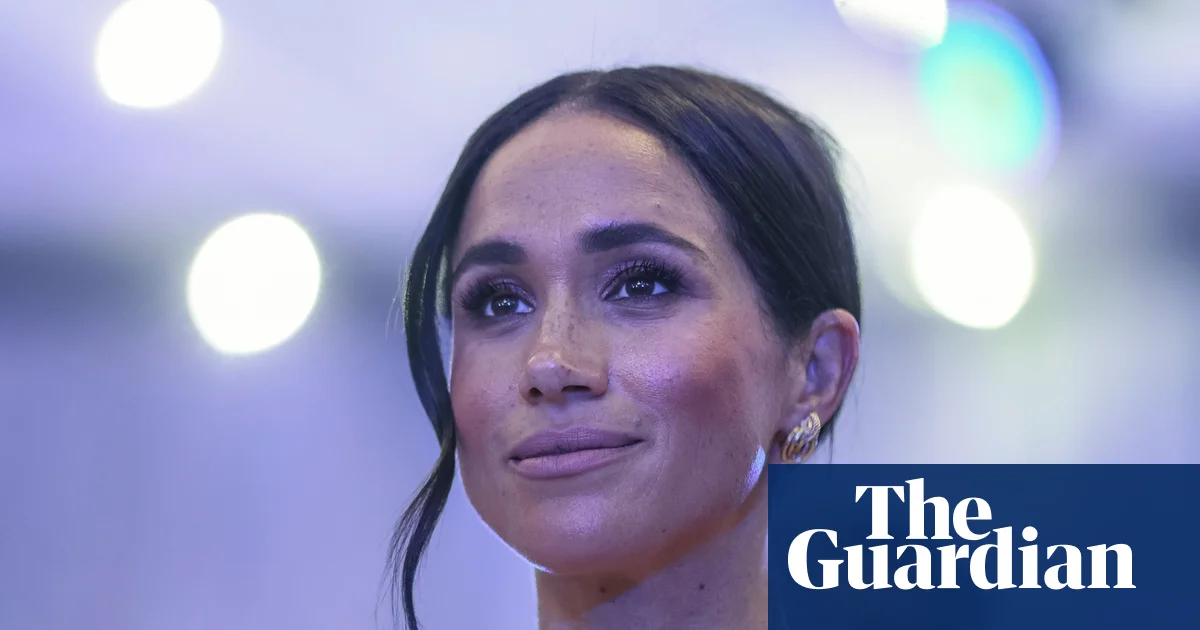
The unfolding drama within the British royal family and the media’s relentless pursuit of private pain reveals more than personal conflicts; it exposes a significant geopolitical impact stemming from unchecked media influence and societal fragmentation. The recent revelations surrounding Thomas Markle, father of Meghan, Duchess of Sussex, underscore how media sensationalism can complicate familial relationships and shape perceptions across nations. His health crisis, compounded by media coverage, illustrates a troubling reality: in today’s interconnected world, personal tragedies are weaponized for political and cultural narratives worldwide. Such instances feed into a broader societal narrative—one where the media’s role in magnifying family discord influences public opinion and international perceptions of the monarchy and its hereditary institutions.

Global institutions and analysts warn that how governments and media outlets handle personal stories can have lasting consequences on political stability and national identity. Historians observe that the British monarchy—once a symbol of tradition—has increasingly become entangled with a 24/7 media cycle that often prioritizes sensationalism over sober analysis. Meanwhile, international watchdogs have raised concerns about the ethical bounds breached by outlets like DMG Media, which is now facing allegations of illegal information gathering. The Royal Family operates within a delicate balance, with its public image intricately linked to national pride, cultural heritage, and soft power. As the media’s power grows, so does the risk of erosion of these pillars, which could ripple across other global institutions that rely on moral authority and tradition as their backbone.

Concurrently, the internal family discord—exacerbated by leaks, legal battles, and personal grievances—serves as a cautionary tale for societies worldwide, emphasizing the importance of boundaries and trust in an era where privacy is increasingly sacrificed at the altar of instant news. How nations manage such crises, especially in the context of a shifting geopolitical landscape, determines whether they will maintain societal cohesion or slide into discord. The British case becomes a microcosm of a world where power is wielded not only through military or economic dominance but through cultural and informational control. As some analysts highlight, the media’s role in shaping this narrative extends well beyond private family issues; it influences international alliances, standing in diplomatic corridors, and perceptions of legitimacy.

As history continues to be written in real-time, this saga reminds the global community that the convergence of personal trauma, media influence, and political optics is a potent force. With powerful figures—and their families—simultaneously struggling for privacy and visibility, the weight of history is yet to be decided. One cannot help but wonder: in this age of information warfare, which stories will define the future, and which will be buried in the chaos of a world still searching for moral clarity? As nation-states watch and learn, the unfolding narrative leaves a stark reality—there are no winners in this modern game of secrets, betrayal, and the relentless pursuit of truth under the glare of a global spotlight.

One Million Ukrainian Homes Left in Darkness After Russian Attacks

Ukraine Under Siege: Russia’s Escalating Assaults and the Shifting Diplomatic Landscape

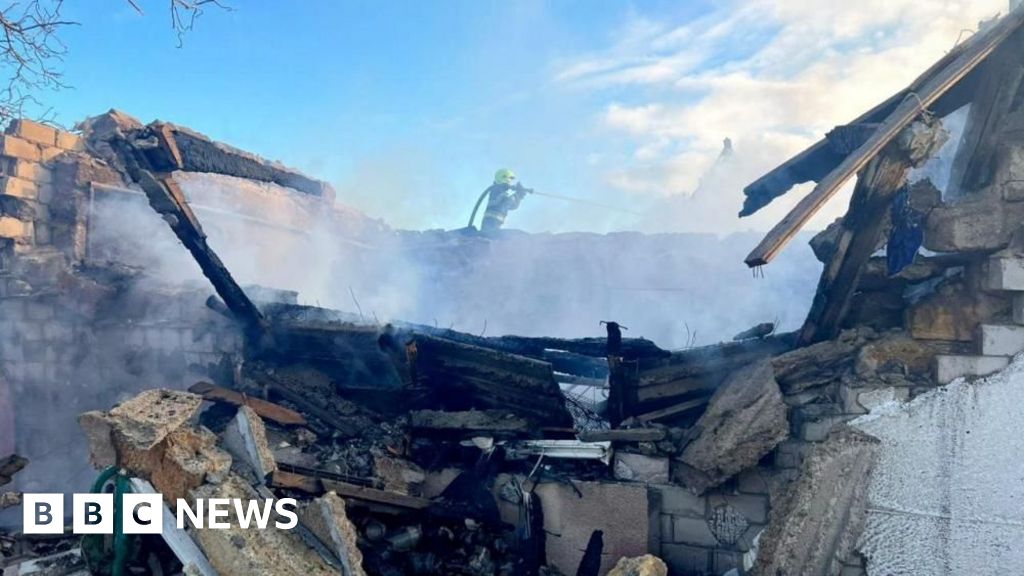
Amidst a relentless barrage of Russian missile and drone strikes, Ukraine faces an increasingly severe crisis that threatens to plunge the nation into further chaos and hardship. The Kyiv government reports that over more than a million households are now plunged into darkness as Moscow’s forces intensify attacks on critical energy and industrial infrastructure. This surge of aggression occurs just as winter sets in—a period historically linked with heightened suffering for civilians caught in the crossfire of this protracted conflict. The strikes, which Kyiv attributes to Russia, involved over 450 drones and 30 missiles in a single night, demonstrating Moscow’s intent to dismantle Ukraine’s ability to sustain itself. The regional damage is widespread, with Dnipropetrovsk, Kirovohrad, Mykolaiv, Odesa, and Chernihiv bearing the brunt of the assault.

While Russia has long targeted Ukraine’s energy grid, recent months have seen an unmistakable escalation as Moscow employs hypersonic Kinzhal missiles capable of changing course mid-flight, complicating Ukrainian defenses. The International Atomic Energy Agency (IAEA) reported that Ukraine’s Zaporizhzhia nuclear power plant, located within Russian-occupied territory, temporarily lost all offsite power—highlighting the war’s destabilizing impact on nuclear safety. The specter of nuclear catastrophe lurks behind these military operations, underscoring the high stakes for global security. Meanwhile, Russia reports casualties of its own, with regional governor Roman Busargin confirming two deaths from a drone strike on a residential building in Saratov, a reminder that the conflict continues to spill into Russian territory itself, igniting fears of an expanded front.

Diplomatic Efforts and the Fragile Road to Peace

Despite ongoing violence, diplomatic activity is intensifying in Europe and the United States. Steve Witkoff, Washington’s envoy leading efforts to mediate peace, plans to meet with Ukrainian President Volodymyr Zelensky and European officials in Berlin. The goal is to forge a new peace accord before Christmas—a deadline that reflects both the urgency and the impatience of Western capitals eager to bring an end to this destructive war. The upcoming Berlin talks are expected to include senior European leaders such as French President Emmanuel Macron and German Chancellor Friedrich Merz, signaling a united front within the Euroworld despite recent stirrings of discord.

However, persistent obstacles loom large. Kyiv remains resolute on refusing to surrender territory in the Donbas, asserting that Moscow’s ambitions to fully occupy eastern Ukraine must be halted. The U.S. proposes a contentious plan—an eventual withdrawal of Ukrainian forces from contested regions, which Kyiv’s leadership cautiously questions, fearing it could open pathways for Russian expansion. President Zelensky has publicly expressed skepticism, warning, “What will restrain [Russia] from advancing? Or from infiltrating disguised as civilians?” Such doubts highlight the deep divide on how to secure enduring peace without sacrificing Ukraine’s sovereignty.

Financial and Geopolitical Repercussions on a Global Stage

Economic warfare continues to ramp up alongside military and political struggles. The European Union has frozen approximately £185 billion in Russian assets, aiming to channel these funds into Ukraine’s reconstruction and military efforts—an act condemned by Moscow as theft, with Russia threatening legal retaliation. As Kyiv faces a financial shortfall of nearly €135.7 billion over the next two years, the EU’s financial support becomes vital. Yet, the question persists whether these measures will be enough to deter Russia’s strategic aims or merely serve as symbolic gestures in a conflict where victory remains elusive.

Meanwhile, the debate over Ukraine’s membership in the EU has gained momentum. The latest peace plan underscores Ukraine’s desire to accelerate accession, possibly as soon as January 2027, a move supported by Brussels but fraught with challenges. Despite Ukraine’s application to join the EU in 2022, the path remains years long, with geopolitical analysts warning that swift integration could heighten tensions with Russia and provoke further escalation. The ongoing diplomatic dance reflects an international landscape in flux—one where history’s pen is poised to write the next chapter, with nations waiting and watching as the fragile hopes for peace hang in the balance. The struggle continues, and the world stands on the brink of a new era—one that history will judge through the lens of resilience, strategy, and unresolved conflicts still echoing across the continent.

Postpartum Bleeding Risks Hit Five-Year High for Women in England, Hospitals Warn

In a development that sends shockwaves through the international community, England is witnessing a disturbing rise in postpartum haemorrhage instances, marking the highest level in five years. Recent NHS figures reveal a 19% increase in women experiencing severe bleeding after childbirth, escalating from 27 per 1,000 births in 2020 to 32 per 1,000 this year. The data underscores an alarming trend amidst a backdrop of declining overall birth numbers, with some experts linking this surge to the complex realities of modern childbirth. How these internal health crises unfold within the UK reflects broader challenges faced by developed nations—balancing healthcare quality with rising socio-economic pressures— and has distinct geopolitical impact because the UK’s health system is a key indicator of Western stability and social cohesion.

  • Despite fewer births, the record number of postpartum bleeding incidents signifies a concerning deterioration in care quality and safety standards.
  • Critics argue that longstanding failures to implement reforms have left hospitals ill-prepared for modern childbirth complexities.
  • As the findings draw widespread public and political concern, calls for urgent intervention grow, stirring a debate about priorities amidst austerity and political upheaval.

International analysts, including prominent health policy experts and historians of the NHS, highlight the deeper implications of this crisis. The Royal College of Obstetricians and Gynaecologists has pointed out that the increase is partly attributable to factors such as obesity and older maternal age—both linked with higher risks of complications. Nonetheless, critics argue that systemic issues—such as staffing shortages, underfunding, and insufficient oversight—are exacerbating an already dire situation. The failure to effectively respond to decades of warnings and recommendations is seen as an insult to families who face the trauma of childbirth without adequate safety nets, potentially fueling the erosion of trust in Britain’s once-vabled universal healthcare model. The future of NHS maternity services hangs in the balance, with policies and reforms that are long overdue.

The political landscape responds vigorously to the crisis. The Liberal Democrats have issued a stark call for a comprehensive “maternity rescue plan” aimed at bringing all hospitals up to the recognized standards of safety and quality. Their demands are reinforced by statements from Valerie Amos—the government-commissioned inquiry chair—describing the neglect of past recommendations as “staggering.” In a situation where the failure to act could have deadly consequences, the government has announced a rapid review of maternity services and the formation of a new national maternity and neonatal taskforce. Such steps symbolize an acknowledgment of the systemic cracks that threaten to widen, framing the ongoing debate about health security not just as a national concern but as a reflection of Western societal resilience as a whole.

As the world watches, the unfolding crisis in England becomes a testament to the fragile nature of modern welfare states. The erosion of maternity safety standards is more than a domestic issue; it signifies a potential turning point for healthcare policies across the West. Historians warn that the delays in reform could leave a legacy of tragedy, etched into the collective memory for generations. The weight of that history bears heavily on policymakers and society alike—reminding us that the true measure of a nation lies not only in its power or prestige but in its capacity to protect its most vulnerable. The coming weeks will reveal whether decisive action can stem this tide of decline or if, indeed, this is only the beginning of a more profound unraveling of societal standards—an enduring chapter in the unfolding narrative of a world at risk of losing its moral compass amid systemic neglect.

Starmer names new US ambassador as UK-US ties face Trump test

Keir Starmer’s Diplomatic Dilemma: Navigating US-UK Relations Amid Global Tensions

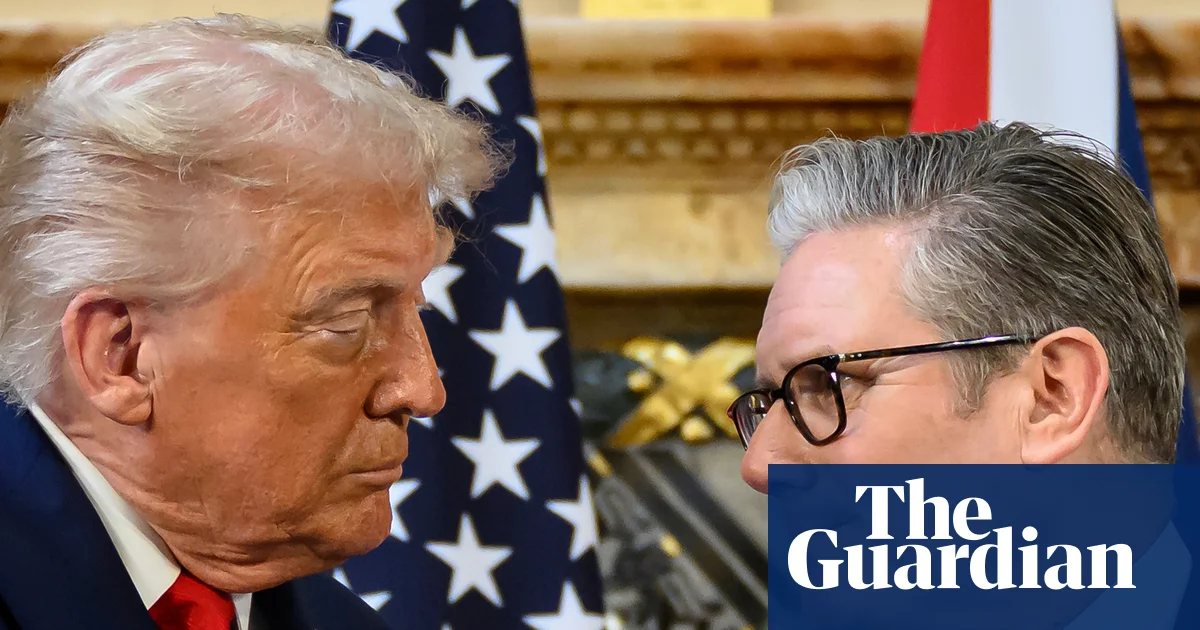
As Britain prepares to appoint a new ambassador to Washington, the decision bears significant implications for international alliances and geopolitical stability. Prime Minister Keir Starmer faces a delicate balancing act, selecting from a shortlist that includes figures with deeply entrenched ties to the Trump administration and diplomatic experience in Russia and the United Nations. This appointment arrives at a critical juncture in global politics, with rising tensions over Ukraine and shifts in America’s foreign policy demanding a skillful diplomatic response from London.

The shortlist features Varun Chandra, a former corporate intelligence executive who has negotiated key trade deals with the US, and Christian Turner and Nigel Casey, career diplomats with extensive experience in high-stakes international settings. While the Foreign Office favors appointing a seasoned career diplomat to mitigate political risk, Starmer’s inclination toward Chandra suggests a strategic move to bolster bilateral ties through economic diplomacy. However, the wider geopolitical impact remains complex: the US’s recent aggressive stance on Ukraine, including President Trump’s persistent demands for a peace deal by Christmas, underscores an administration eager to withdraw from European conflicts and redefine its global role.

US-Europe Relations Under Strain: The Shadow of Donald Trump’s Narrative

Relations between Europe and the US are strained, with Trump’s recent inflammatory rhetoric exacerbating divisions. During interviews this week, Trump lambasted European nations, warning that many may “not be viable countries any longer” unless they overhaul their border policies. This rhetoric, reinforced by senior British MPs criticizing the US national security strategy, which claims Europe faces “civilisational erasure,” signals a rupture in the transatlantic alliance. Such language risks empowering nationalist and patriotic parties across Europe, seeking to redefine national identities in the face of perceived external threats.

This predicament highlights a broader question: how can Britain and its allies navigate a shifting geopolitical landscape where American unilateralism erodes longstanding alliances? Analysts like Dr. Fiona Hopkins, a hawk on European security, argue that Trump’s increasingly disruptive approach, emphasizing “patriotic” European parties and border crackdowns, threatens the very fabric of continent-wide stability. Meanwhile, the US ambassador role, vacant since Peter Mandelson’s fall for undisclosed ties to Jeffrey Epstein, underscores the turbulence in maintaining diplomatic credibility amidst domestic scandals. The choice of ambassador, therefore, is as much about trustworthiness as it is about strategic alignment.

Uncertain Future: The Weight of History in a Tumultuous World

At this crossroads, Starmer’s decision will determine whether Britain can serve as a beacon of steady diplomacy or be swept into the chaos of conflicting global interests. The delicate act of managing US internal politics, European security concerns, and the ongoing crisis in Ukraine echoes the era-defining choices of history’s greatest diplomats. As the world watches with skepticism and trepidation, the choices made today will reverberate for generations—potentially redrawing the map of alliances, power, and influence in an unpredictable future. The pages of history are flipping, and with every turn, humanity balances on the edge of a new and uncertain chapter.”

Rival car-sharing firms eye London expansion after Zipcar’s UK withdrawal

London, historically known as a hub for innovation and progressive urban planning, now finds itself at a pivotal crossroads in the realm of sustainable mobility. Following the imminent closure of Zipcar’s UK operations—a move that signifies significant shifts in the shared economy landscape—the city’s transportation scene is witnessing a potential rebirth. Several emerging car-sharing companies are keenly eyeing the vacant market, signaling an intensified race to adapt and redefine urban mobility in one of Europe’s most bustling metropolises. This development underscores how international technological and corporate decisions ripple into local societies and economic structures.

Major players like Free2Move, owned by global automotive giant Stellantis, and Enterprise Car Club are actively assessing expansion opportunities, despite the complexities entailed. Free2Move has highlighted London’s advanced infrastructure for autonomous mobility as a key factor that could make the city especially attractive—an indication of how emerging technologies are becoming pivotal in urban transport strategies. However, analysts point out that regulatory fragmentation among London’s 33 local authorities poses a serious obstacle. As one expert from a prominent international transportation think tank explained, “The patchwork of licensing and parking regulations has historically hampered scalable car-sharing models, especially floating vehicles without fixed stations.” Such barriers not only hinder market growth but also reflect broader governance challenges that influence economic opportunities and societal access to greener, more flexible transport solutions.

The departure of Zipcar, which many viewed as a bellwether for the health of the market, has ignited a scramble among peer-to-peer platforms like Hiyacar and Turo. These companies, leveraging existing vehicle owners rather than heavy capital outlays, present a more adaptable model for urban environments. Don Iro of Hiyacar noted that their surge in interest was almost inevitable regardless of Zipcar’s exit, but the recent vacuum provides a clear impetus for swift expansion. “There’s going to be a substantial gap, and it’s going to take years for the market to stabilize,” he said, emphasizing the long-term strategic importance of establishing a foothold now. This scenario illustrates a broader shift: as traditional car-sharing giants retreat, decentralized and peer-to-peer platforms are increasingly seen as the future, especially amid rising environmental concerns and urban congestion.

The implications extend beyond business models, however. London’s transition towards a more flexible, shared transport network has significant social and geopolitical ramifications. By relying less on personal vehicle ownership, the city aims to reduce pollution and traffic congestion, aligning with international efforts to combat climate change. Yet, critics argue that without cohesive governance and clear regulatory pathways, these innovations could exacerbate inequalities—primarily benefiting affluent areas and tech-savvy consumers. Meanwhile, European and global institutions, such as the European Commission and the International Transport Forum, continue to monitor these technological shifts, aware that how cities like London manage their mobility ecosystems could serve as a blueprint—or cautionary tale—for the world. As governments and corporations negotiate the future of transportation, the very fabric of urban society hangs in the balance, teetering between innovation and chaos.

As the story continues to unfold, it becomes clear that London’s decisions today will resonate through the corridors of power and across the streets of cities everywhere. The departure of Zipcar, while a setback for some, opens a chapter defined by fierce competition, technological innovation, and the relentless force of economic and geopolitical change. The world watches as a city famous for its resilience and ingenuity seeks to carve a new path forward—one that may yet shape the future of urban life in the age of autonomous mobility and shared economies. This is not merely a story of market dynamics; it is a narrative of how societies choose to evolve amidst the relentless tide of progress—where every decision is a stroke on the canvas of history yet to be written.

Warner Bros Showdown: Trump’s Fight for the Future — Deal or No Deal?

U.S. Media Moguls and the Geopolitical Landscape

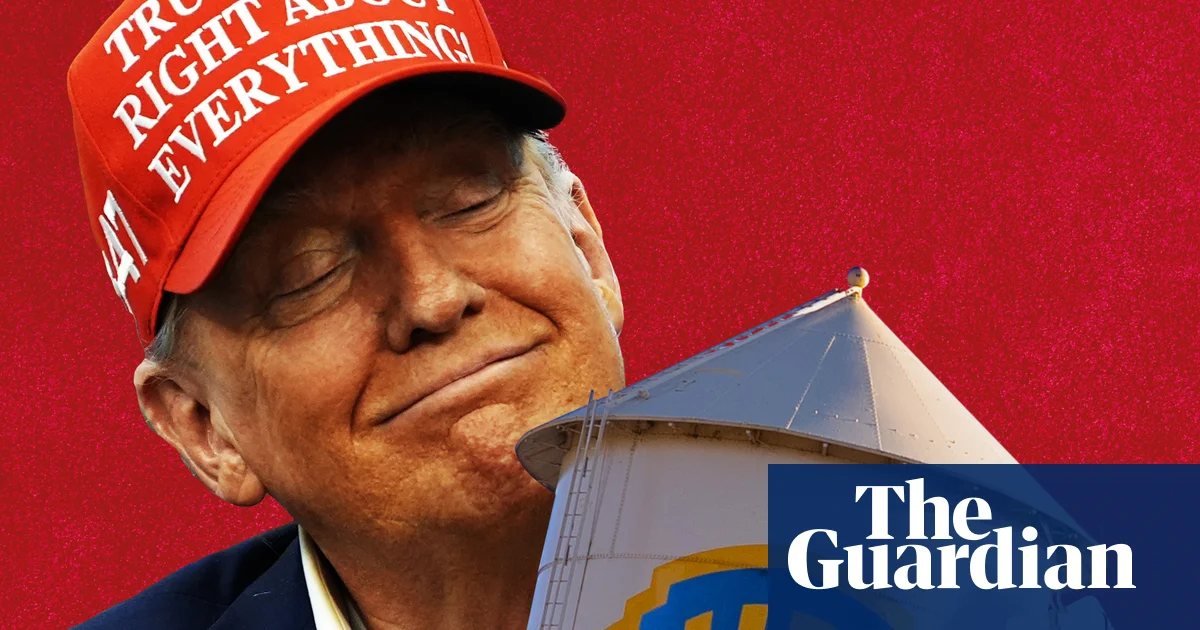
The recent upheaval in the international media industry reveals a profound shift that could redefine the global power balance. At the heart of this shift is President Donald Trump’s controversial influence over an impending mega-merger involving Netflix, Warner Bros Discovery (WBD), and other media giants. The $82.7 billion acquisition deal by Netflix for WBD’s extensive portfolio, which includes iconic assets like Batman, Casablanca, and CNN, is now complicated by political interference that extends beyond mere market competition to the very fabric of free enterprise and democratic process. As the world watches, the potential for a shaping of global media narratives by a single nation’s government looms large, threatening to tilt the scales of international diplomacy and news dissemination.

Political Puppeteering and a Dangerous Precedent

Trump’s involvement, or at least his declared interest, highlights a disturbing trend — one where the White House’s hand is being seen as an arbiter in big corporate deals. Historically, horizontal mergers—especially ones of this magnitude—are subject to vigorous antitrust scrutiny from independent agencies that seek to prevent monopolistic consolidation. However, the current administration’s apparent willingness to entertain direct presidential influence risks undermining decades of established legal standards. Renowned legal scholar Tim Wu from Columbia University pointed out that such interference in merger reviews is “not how the system was designed,” expressing concern that the White House’s new approach could erode the independence of antitrust regulators. Analysts warn that if the deal proceeds amid political meddling, it may set a precedent where government officials deploy influence as a weapon to favor certain corporate interests, fundamentally threatening market competition and consumer choice on a global scale.

Who Holds the Power: Society or State?

Paramount Skydance’s aggressive $108 billion bid, backed by Trump supporters, underscores a critical geopolitical chess game. The bid’s significance extends beyond simple corporate rivalry; it symbolizes a tug-of-war over media sovereignty and control of narrative powers that shape societal perceptions worldwide. Critics, including Senator Elizabeth Warren and other democrats, emphasize that such consolidation raises profound concerns about the erosion of diversity in media voices and the potential suppression of dissenting views. With Hollywood historically a potent tool for ideological influence, the possible monopolization of entertainment and news outlets in the hands of a few — especially with political operatives blurring the lines — threatens to limit the very fabric of open discourse.

Disturbingly, this potential merger involves not only American firms but also international actors. As analysts warn, the culmination of these moves could deepen the crisis of global media neutrality, with powerful alliances aligning to endorse or oppose mergers based on geopolitical agendas. The danger is clear: when political influence seeps into the mechanism of market regulation, the result can be a shadow empire of propaganda— a space where dissent is quashed, and national interests dominate the narrative worldwide. The international community, including independent think tanks and watchdog groups, must remain vigilant against such threats to democracy and free enterprise.

The Weight of History and the Unfolding Future

As Trump’s recent statements and actions continue to raise alarms, the global stakes become ever clearer. This contentious collision of corporate interests, political ambitions, and international values of free speech underscores a pivotal moment in history—one where the consequences extend beyond the borders of the United States. The unfolding drama echoes echoes from past eras of conflict, where media control often predates or catalyzes larger geopolitical upheavals. Will the independent mechanisms designed to shield markets from monopolistic powers endure, or will they be subsumed by the ambitions of a single nation’s leadership? As the world teeters on the edge of this new frontier, the real question remains: who will shape the stories of tomorrow—the free societies or the shadowy interests pulling strings behind closed doors? The answer, like history itself, is still being written.

Kim Jong-un's North Korean troops step up as landmine clearance for Russia signals shifting alliances
Kim Jong-un’s North Korean troops step up as landmine clearance for Russia signals shifting alliances

In a striking display of North Korea’s increasingly provocative international stance, leader Kim Jong-un recently admitted that North Korean troops were deployed to support Russia’s ongoing invasion of Ukraine. This rare public acknowledgment signals a notable shift in Pyongyang’s foreign policy, unfolding amid a complex web of geopolitical maneuvers and diplomatic isolations. According to sources in South Korea and western intelligence agencies, thousands of North Korean soldiers have been sent to assist Russian forces, implicating Pyongyang directly in the Eurasian conflict that has drawn global concern and condemnation.

Under the guise of supporting Russia, North Korea is evidently leveraging the conflict to sidestep its international isolation. Analysts emphasize that Russia is providing North Korea with crucial financial aid, military technology, and energy supplies, thus allowing the isolated regime to continue its nuclear and missile programs in defiance of severe international sanctions. This clandestine exchange not only bolsters North Korea’s military capacity but also emboldens it to challenge the status quo, making it an active player in a shifting balance of power across Eurasia. The symbolism is powerful: a totalitarian regime stepping beyond its borders, acting as a proxy for global tension, and rewriting the rules of engagement in a world on the brink of a new Cold War.

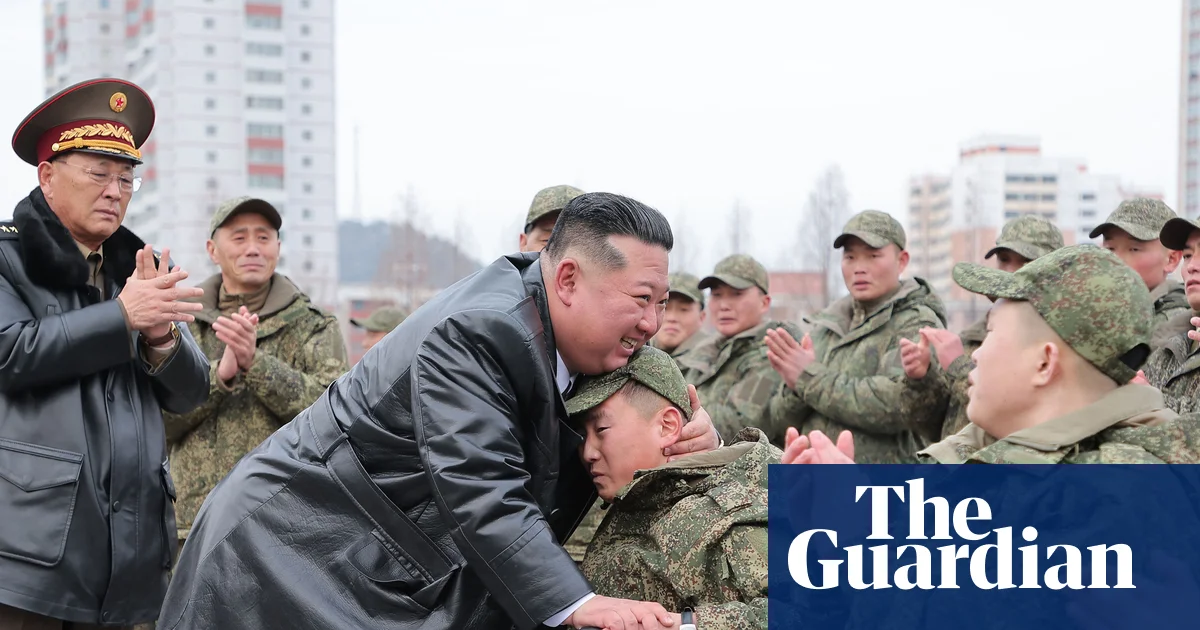
Kim Jong-un’s recent public speeches and ceremonies further illustrate the regime’s military escalation and nationalist resolve. Celebrating the return of soldiers involved in mine-clearing operations in Ukraine, Kim awarded state honors to nine fallen troops, praising their heroism in turning dangerous zones into “safe and secure” areas within just three months. Such narratives serve to galvanize North Korean society around the narrative of sacrifice, reinforcing the leader’s image of strength and resilience. Meanwhile, images depict Kim embracing wounded and emotional soldiers, alongside grieving families—an effort to showcase the internal facade of sacrifice that, analysts argue, masks a regime desperate to bolster its strategic leverage amid international hostilities.

The geopolitical implications of these developments are profound. Experts argue that Pyongyang’s engagement in the Ukraine conflict is a clear signal of the diminishing influence of traditional Western powers over Eurasia, ushering in an era where authoritarian regimes like North Korea and Russia forge alliances based on shared interests in resistance against global sanctions and interventions. At the same time, the United States and its allies face a recalibration, as traditional lines of diplomacy and intervention are redefined. With Kim publicly commemorating soldiers killed in Ukraine and flexing military prowess at home, the risk of further escalation and regional destabilization looms large, making the future unpredictable and fraught with peril.

In the broader canvas of world history, this confluence of actions and alliances echoes the ominous warnings of historians who trace violent upheavals to the breakdown of diplomacy and the rise of aggressive regimes seeking to expand their influence. The current trajectory indicates that the decision of Kim Jong-un and Vladimir Putin to deepen their ties over Ukraine could be the catalyst for renewed conflict, reshaping the international order. As the world watches silently, the weight of history continues to press down, reminding us that, *once again*, the line between regional conflict and global upheaval grows thinner, and the lessons of the past remain perilously unheeded. The pages of history are turning, and humanity stands at a pivotal juncture where the choices made today will echo through generations—destined to be remembered as either moments of courage or capitulation amidst the storm of unchecked power.

Thailand and Cambodia clash persists despite Trump’s ceasefire claim

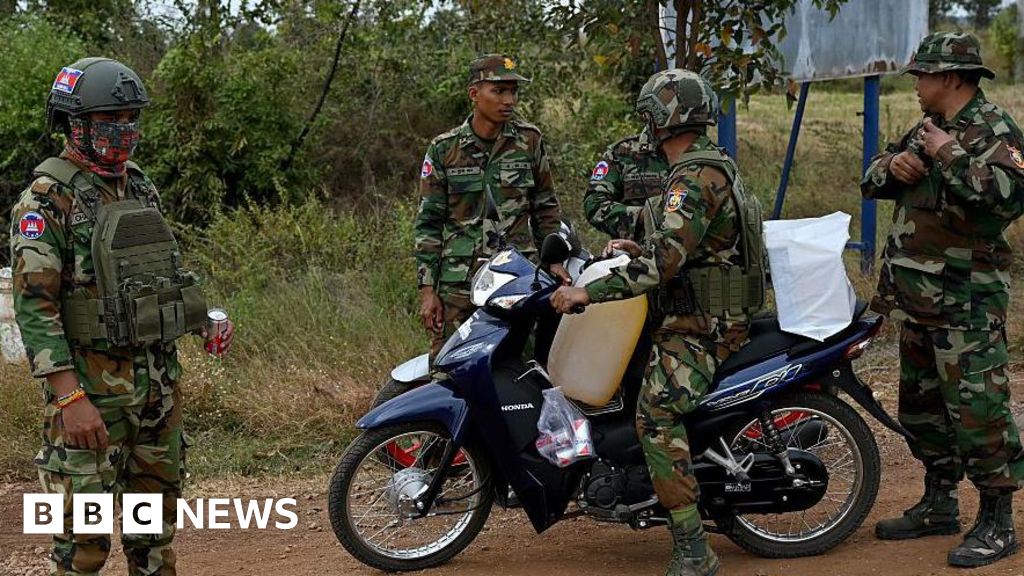
In a dramatic turn of events, Thailand and Cambodia are once again embroiled in fierce border clashes that threaten regional stability and challenge international diplomacy. Despite claims from U.S. President Donald Trump of a ceasefire agreement, reports indicate that hostilities persisted overnight, with Thai forces continuing to press along the border and Cambodian forces launching renewed rocket attacks. The long-standing border dispute, rooted in colonial-era demarcations, has surged back into violent confrontation, illuminating how unresolved historical grievances can resurface with devastating consequences.

It was on Friday night that President Trump announced, through social media, that a mutual ceasefire had been negotiated, citing the双方 agreement to return to previous accords signed in October. However, the reality on the ground diverged sharply from diplomatic pronouncements. Thai Prime Minister Anutin Charnvirakul clarified that Thailand’s military actions would persist until Cambodia fully withdrew its forces and demined the border—a demand that Cambodia, in turn, rejected, stating that landmines left from the 1980s civil war could not be removed overnight. As fighting escalated with shelling, air strikes, and casualties mounting—at least 21 deaths and 700,000 displaced—analysts and international observers warned of an emerging crisis that could destabilize Southeast Asia even further.

The geopolitical impact of these renewed hostilities extends beyond bilateral tensions. The region, historically a pincushion for imperial interests, is again demonstrating that local disputes can quickly spiral into flashpoints with broader consequences. The United Nations and regional organizations like the ASEAN have voiced concern but largely remain powerless to de-escalate the conflict. The fact that the clashes involve air strikes and landmine threats indicates a shift towards more aggressive tactics, fueling fears that the conflict could spiral into a larger regional war if not contained. Global analysts warn that unchecked violence will deepen mistrust and undermine efforts for concrete border resolutions, threatening decades of fragile peace.

Moreover, the diplomatic efforts—lauded initially as a breakthrough—are now under scrutiny for their actual efficacy. Thailand’s warning to the US to avoid linking the conflict to trade policy underscores the delicate balance of geopolitics in Southeast Asia. The region’s major powers, including China and India, watch intently, aware of how this conflict could be used to influence broader strategic interests. Historians note that this border dispute, essentially inherited from colonial maneuvering, exemplifies how historical lines drawn by foreign powers continue to incite violence, threatening to undo the region’s progress towards stability.

As Cambodian reports of fresh Thai air strikes surface amid continued firefights and accusations of ceasefire violations, the phrase “the peace process is fragile” echoes among diplomatic corridors. The conflict’s unresolved history combined with recent military escalations paints a disturbing picture of a region at the brink. The global community, led by a fragile international order, must grapple with the dangerous dynamics at play. The weight of history, compounded by contemporary geopolitical ambitions, leaves South-East Asia in a state of uncertainty—poised on the precipice where peace and chaos collide, and the lessons of the past threaten to be lost amid the roar of ongoing conflict. With each day, the story of this border dispute writes itself deeper into the fabric of history—reminding us that some conflicts, once ignited, may burn longer than anyone expects, shaping the face of the future in ominous ways.

Social Media Auto Publish Powered By : XYZScripts.com