Matox News

Truth Over Trends, always!

Breaking: Bowen confirms Aussie fuel reserves rise despite canceled imports; missing Japanese tourist, 81, found alive in Tasmania—Australia news

In a strategic sea of turmoil, Australia finds itself navigating complex international waters that extend well beyond its shores. Recent reports reveal that since the outbreak of hostilities involving Iran, six out of the 81 ships ferrying fuel to the island nation have been canceled, reflecting an unsettling shift in global supply chains. Australia’s energy Minister, Chris Bowen, acknowledged the delicate nature of this situation, emphasizing that while shipments have continued, some have been diverted or canceled amid the ongoing conflict. Such international disruptions exemplify how conflicts in the Middle East ripple across the globe, directly impacting nations like Australia—a country heavily dependent on imported energy sources. Analysts warn that this could further destabilize already strained fuel markets, forcing Australia to reconsider its long-held energy security strategies.

  • Since the start of maritime disruptions, Australia has seen a marked increase in its fuel reserve, now securing a 38-day supply of petrol and 30 days of diesel and jet fuel, bolstering national resilience in uncertain times.
  • However, these efforts are under pressure, as Bowen concedes that some foreign oil exporters, primarily from Asia, are prioritizing their own needs, potentially limiting exports to Australia amidst rising global tensions.
  • The International Energy Agency has labelled this crisis as “the largest supply disruption in the history of the global oil market,” underscoring the severity and international scale of the problem.

The impact of these decisions extends far beyond fuel supplies, touching on the core of geopolitical stability and how nations respond to international conflicts. Fortified reserves and contingency planning are crucial, yet analysts caution that Australia’s reliance on foreign energy sources exposes it to vulnerability. While China and other regional powers may attempt to capitalize on the chaos, Australia seeks to strengthen local energy infrastructure, exemplified by the recent opening of Goulburn’s pioneering community-owned solar farm and battery—an emblem of resilience against global uncertainties.

International organizations and seasoned geopolitical analysts warn that the role of global supply chains in regional stability cannot be overstated. As the world faces this new era of resource scarcity, Australia’s strategic choices—such as increasing fuel reserves and promoting local renewable initiatives—become critical. Yet, the specter of international collusion, supply cuts, and escalating conflicts in the Middle East remains a stark warning that the geopolitical landscape continues to shift rapidly. In this unfolding story, the decisions made today will resonate through history, shaping the fabric of the region and the world itself in ways that could last for generations.
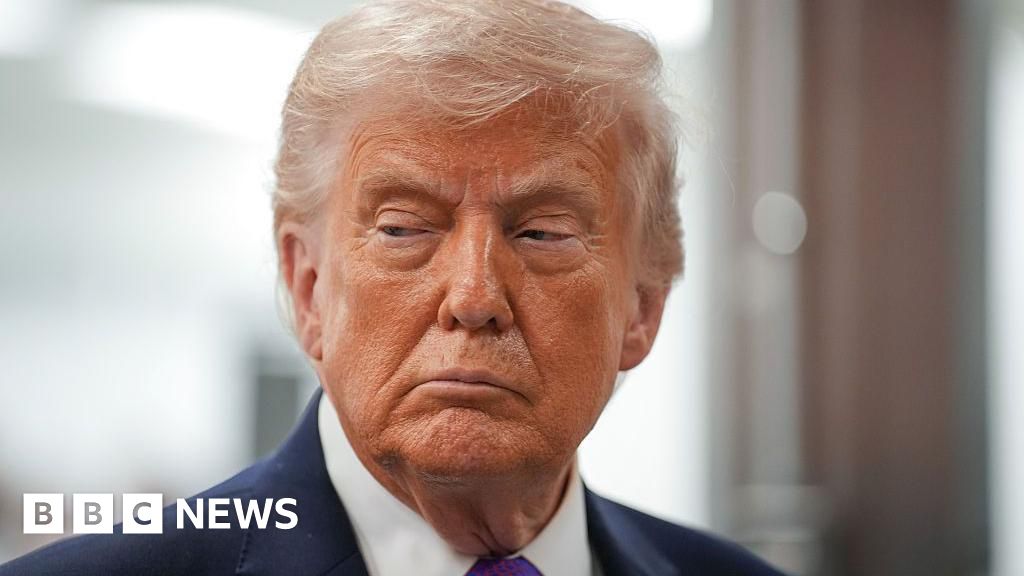
Trump Admin Faces Critical Juncture in US-Israel Battle to Counter Iran

In a move reflective of rising tensions and shifting alliances, the United States has significantly increased its military presence in the Middle East over the past week. Reports indicate that a Marine expeditionary unit, consisting of approximately 2,500 combat soldiers supported by ships and aircraft, has been dispatched from Japan to the region. This deployment is expected to arrive shortly and signals a deliberate escalation of U.S. military posture amid ongoing regional uncertainties. Another Marine force of similar size, recently departing from a base in California, is also headed toward the Middle East, with an expected arrival in mid-April. These movements underscore a clear intent to project power and reassure allies, but they also signal a more volatile U.S. stance in a questionably fragile geopolitical landscape.

The intensified military buildup comes at a time when the U.S.-led coalition is navigating a complex web of conflicts and diplomatic challenges across the Middle East. Analysts suggest that these unprecedented troop movements are intended as a show of force amid suspected threats from regional actors, possibly including Iran or extremist groups, whose influence continues to threaten regional stability. Historians and international relations experts warn that such displays of military strength often have a dual-edge—serving as deterrence but also risking escalation if miscalculated. The decision to bolster deployed forces is being closely watched by global institutions such as the United Nations, which advocates for diplomatic solutions but remains wary of the potential for new conflicts sparked by increased military activity.

Beyond immediate regional consequences, these troop movements bear significant geopolitical impact. Already fragile alliances are being tested; for instance, Saudi Arabia and several Gulf Cooperation Council nations are likely to interpret the U.S. escalation as a signal of unwavering support, yet they also face internal debates about reliance on American military power. Meanwhile, China and Russia are observing with keen interest, arguably seeking to leverage these developments to expand their influence in the region. The growing military footprint raises critical questions about how international decisions here will shape the future of diplomacy and conflict, redefining the balance of power in a strategically vital area.

According to many international analysts, this escalation foreshadows a period of increased volatility, with potential consequences extending far beyond the Middle East. National leaders and global institutions are now tasked with navigating an ever-expanding battlefield where military might is often mistaken for stability. As history’s narrative continues to unfold, one thing remains clear: the decisions made now—shaped by strategic interests, domestic pressures, and international diplomacy—will leave an indelible mark on the geopolitical landscape for generations to come. The weight of these developments serves as a stark reminder that, in the shadow of this new military posture, the delicate balance of peace hangs precariously in the balance.

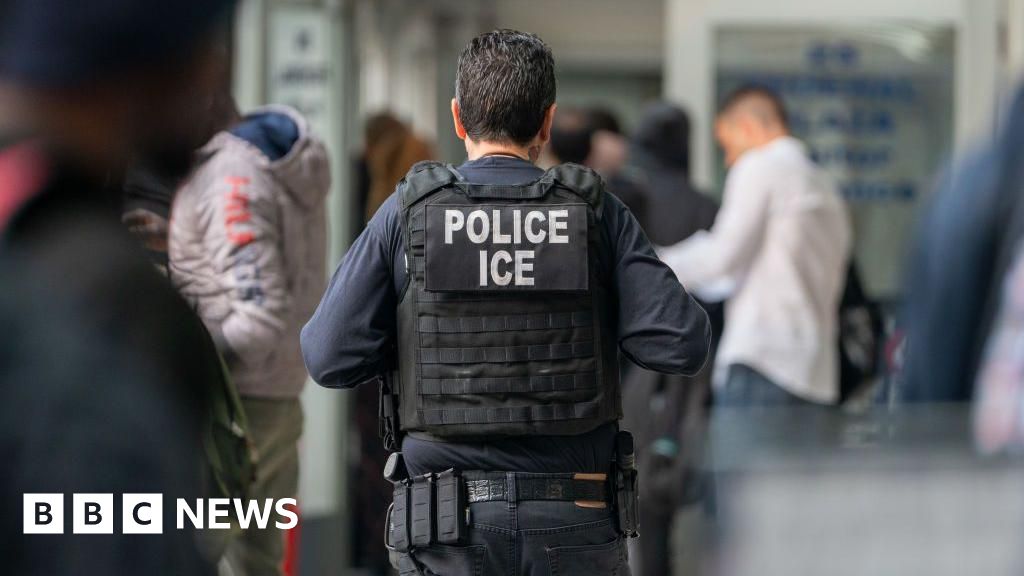
Trump warns: ICE deployment at airports if funding talks stall

Global Stability in the Crosshairs as US Government Shutdown Threatens International Order

Amidst rising geopolitical tensions, the recent partial United States government shutdown has ignited concerns far beyond American borders. The shutdown, triggered by congressional deadlock over budget negotiations, has resulted in essential services, including immigration enforcement and airport security, operating under strained circumstances. The U.S. president’s statement that ICE (Immigration and Customs Enforcement) will “do security” underscores the government’s prioritization of internal security amidst internal chaos, but also raises questions about the long-term stability of U.S. commitments worldwide.

International experts and analysts have emphasized that the shutdown’s impact extends beyond domestic borders, affecting U.S. diplomatic leverage and global security cooperation. The failure to fund critical agencies not only hampers the country’s ability to enforce immigration laws but also signals internal instability to allies and adversaries alike. Many observers point out that the shutdown erodes the confidence that nations around the world often rely on when engaging with the United States on security and economic issues. As noted historian Dr. Robert Langley warns, “such interruptions threaten the foundational trust inherent in the American-led security architecture.”

Furthermore, the decision to keep airport security operational despite the lapse in funding demonstrates the government’s prioritization of critical infrastructure, yet it also highlights the fragility of an institution that once stood as a symbol of stability. The consequences ripple outwards, especially in an era of rising geopolitical rivalries with China and Russia, where America’s global influence hinges on consistent, reliable engagement. The International Monetary Fund and various international watchdogs have voiced concern that prolonged governmental dysfunction could undermine the economic stability of emerging markets, which are increasingly intertwined with U.S. leadership.

Writers and analysts warn of the “turning point” this crisis represents; some suggest this could mark a more profound shift in global power dynamics.

  • The undermining of U.S. credibility
  • The erosion of domestic confidence in government institutions
  • Potential emboldening of regional adversaries

As international societies watch intently, the American government remains caught in a maelstrom of political contention and fiscal paralysis. The decision-making gridlock underlines the urgent need for reform, yet the stakes continue to rise as the world’s most powerful nation struggles to maintain its internal cohesion. The future remains uncertain; with each passing day, the threads of stability tighten, woven into the fabric of history — a chapter yet unfinished, written in the moments when the global balance teeters on the edge of transformation. The weight of history now bears heavily on the shoulders of those who hold power in Washington, as the world watches with bated breath, awaiting the next move in this unfolding narrative of global consequence.

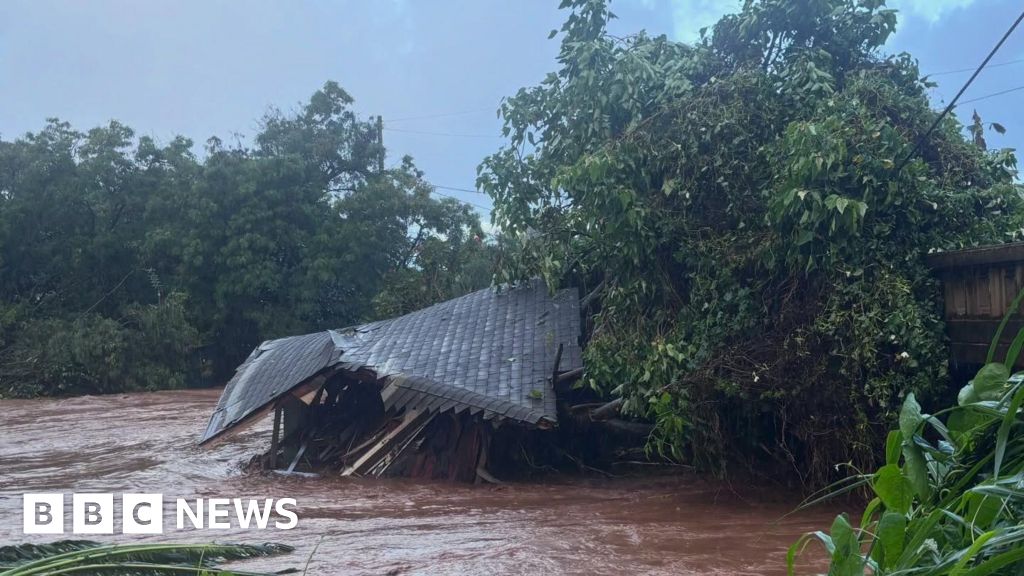
Hawaii Under Threat: Thousands Evacuated in Worst Flooding in Two Decades

In a remarkable display of coordinated effort and humanitarian concern, authorities across multiple nations have successfully rescued more than 230 individuals this week, marking a significant moment in ongoing efforts to manage global crises. This operation, widely covered by international media, underscores the escalating importance of cross-border cooperation in addressing complex challenges that transcend national borders, particularly in regions plagued by conflict, environmental disasters, or human trafficking. While the numbers reflect a momentary success, the broader geopolitical implications continue to ripple through diplomatic corridors and global security conversations.

The rescue acts came amidst mounting pressure from international organizations such as the United Nations, which has repeatedly called for strengthened cooperation and shared responsibility. Critics and analysts emphasize that these operations are often just the tip of the iceberg: they highlight the systemic failures that have left vulnerable populations exposed to danger. Countries in the affected regions, whether facing internal turmoil or border crises, are under increased scrutiny for their roles in either facilitating or hindering such rescue efforts. Experts argue that the magnitude and coordination of these recent rescues serve as a litmus test for global solidarity, revealing both promising signs of humanitarian commitment and ongoing geopolitical tensions.

Historian and geopolitical analyst Dr. James Reynolds notes that recent rescue operations are not isolated incidents but part of a larger pattern rooted in shifting alliances and international power struggles. According to his assessments, nations’ responses to such crises are heavily influenced by their strategic interests, often intertwining humanitarian concerns with broader geopolitical ambitions. For instance, the involvement of certain states often signals their desire to project soft power or to secure influence within global institutions. Meanwhile, organizations like the European Union and North Atlantic Treaty Organization are reassessing their roles, determined to avoid being sidelined by emerging centers of influence.

The significance of these rescue missions extends beyond immediate humanitarian relief. They serve as a stark reminder of the vulnerabilities embedded within global systems and the urgent need for comprehensive solutions. As international bodies debate new policies and alliances, the world remains in a delicate balance, with each decision reverberating through the fabric of societies and governments worldwide. The unfolding narrative of rescue, response, and resilience points to a future where geopolitics and human destiny are inexorably intertwined. Though the immediate toll has been mitigated for now, the weight of history presses forward—an enduring reminder that in the grand chessboard of nations, every move shapes the course of generations to come.

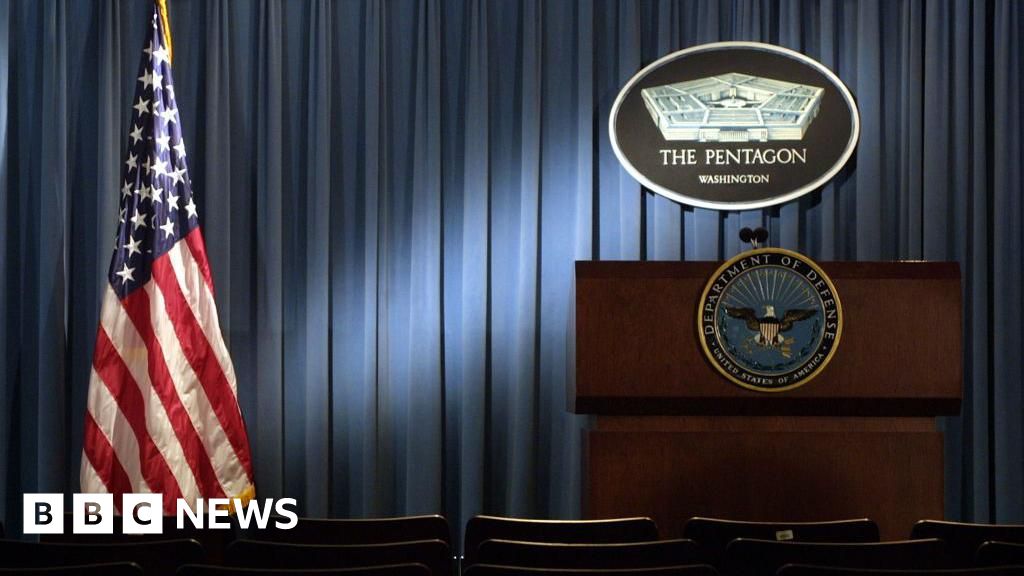
Judge rules Pentagon's press restrictions violate First Amendment rights
Judge rules Pentagon’s press restrictions violate First Amendment rights

U.S. Pentagon Tightens Media Access: A Shift in Military Transparency

In a move that signals a significant alteration in the relationship between the United States military and the global press, the Department of Defense (DoD) has imposed new restrictions on journalists seeking to report from the Pentagon. Historically, the U.S. military maintained a careful balance—limiting access while allowing enough transparency for media outlets to cover ongoing operations, policy debates, and national security issues. However, recent developments indicate a shift towards a more controlled environment, with reporters now required to agree to specific rules governing what information they can gather, share, or publish to retain access to the military’s most sensitive institutions.

The new policy, which has sparked concern among press freedom advocates and international observers, emphasizes strict adherence to guidelines that curtail interviews, restrict photography, and limit coverage of certain military activities. This approach, critics argue, threatens to impoverish public understanding of military operations and undermine accountability—a cornerstone of democratic oversight. Analysts from the International Institute for Strategic Studies and other think tanks have expressed alarm, suggesting that such restrictions could set a precedent for other nations seeking to tighten their control over military-media relations, especially those under increasing geopolitical pressure.

Geopolitical Repercussions and International Impacts

The geopolitical impact of this policy shift extends beyond the borders of the United States. In an era of intensifying global conflict—where information warfare and cyber operations are often as decisive as kinetic engagements—control over military narratives can influence international perceptions and diplomatic leverage. Countries like Russia and China, which have long engaged in information suppression to consolidate power internally and project strength externally, will certainly observe this move with keen interest.

According to prominent military historian Dr. Elizabeth Harrington, this policy could diminish U.S. credibility in international alliances that rely heavily on transparent communication, such as NATO. Moreover, the decision risks fueling anti-American sentiment among allies and adversaries alike, who may interpret this move as an attempt at greater seclusion and secrecy. Such perceptions are critical; they shape the diplomatic chessboard where perception often determines strategic advantage. International organizations like the United Nations and Global Journalism Network have voiced concerns, warning that increased restrictions might embolden other nations to pursue similar policies, further complicating the global information landscape.

Decisions at the Crossroads of Power and Transparency

The decision to require journalists to agree to specific rules before gaining access to the Pentagon underscores a fundamental dilemma faced by modern democracies—balancing national security with transparency. While the U.S. government asserts that these measures are necessary to safeguard sensitive information and operational security, critics contend that they threaten the vital checks and balances essential to democracy. History shows that overly restrictive control over information often backfires, creating suspicion and eroding public trust.

Internationally, these developments align with a broader trend of increased state control over information—an approach driven by fears of internal dissent and external manipulation. As China and Russia consolidate their narratives and suppress dissent, the United States risk losing its position as a global beacon of free press. The decisions made today set precedents for the future, shaping the delicate balance of power and accountability for generations to come. The world watches as history unfurls—an unfolding narrative that could redefine the very essence of transparency in an age dominated by shadows and secrets.

As the dust settles and new narratives are formed, one thing remains clear: the choices the United States makes now will resonate, shaping international stability, societal trust, and the very fabric of a free society. In this critical juncture, the weight of history hangs heavy—a story still being written, with every new line revealing the true cost of power and the price of transparency in an increasingly divided world.

Buffy Star Nicholas Brendon, 54, Passes Away—End of an Era

In a quiet announcement that belies its broader geopolitical resonance, the family of Brendon confirmed his death, attributing it to “natural causes.” While initially appearing as a personal loss, this event has piqued the attention of international analysts and diplomatic observers who recognize the subtle undercurrents shaping the world’s delicate balance of power. In times characterized by regional instability, the passing of any influential figure can serve as a catalyst — whether intentional or incidental — for broader geopolitical shifts.

Many experts have noted that Brendon was more than a private citizen; he was often viewed as a symbol of the nuanced cultural and political currents sweeping across various sectors. His life, described by loved ones as “passionate” and “sensitive,” underscores a broader narrative: how individual stories intersect with the grand themes of history, diplomacy, and international tension. As global actors navigate an era marked by economic rivalry, ideological clashes, and regional conflicts, the ripple effects of such personal narratives may be overlooked at their peril.

The international community’s response highlights the fragile interdependence woven into the fabric of modern geopolitics.

  • In Europe, policymakers and security officials have begun to reassess their strategies, wary of unpredictable shifts that could destabilize their carefully negotiated treaties.
  • In Asia, rising powers observe the event as another data point in the complex calculus of regional dominance and influence, with many analysts warning that even personal events can accelerate or hinder diplomatic negotiations.
  • Within the United States, institutions such as the Council on Foreign Relations and the Pentagon’s strategic think tanks are scrutinizing the broader implications of social and political shifts, emphasizing that history demonstrates the significance of leadership narratives in shaping international policy.

Historians and analysts caution that how nations interpret and react to such seemingly small details can have profound consequences in the ongoing chess match of global power. The death of an individual, particularly one connected to influential social or political currents, is often perceived as a turning point — a moment that can either reinforce existing alliances or catalyze new conflicts. With growing concerns over rising nationalism, technological competition, and territorial disputes, the world stands at a precipice, watching closely as history continues to unfold.

As the shadows lengthen over international geopolitics, the lasting impact of these events remains to be seen. Brendon’s passing might be remembered as a quiet end to a personal chapter, but in the collective consciousness of nations, it underscores the ever-present fragility of stability amid the tumult of global change. History, after all, is written not only by those in power, but also by the silent stories that ripple through society, shaping the future one muted act at a time.

Exclusive: BTS Rocks Live Comeback Before Massive Crowd

In a historic evening that has captured global attention, the members of BTS—RM, Jin, Suga, J-Hope, Jimin, V, and Jung Kook—delivered a rare performance together for the first time since October 2022. This reunion marks a significant event not only for fans worldwide but also within the broader context of international cultural diplomacy. As a symbol of transcultural influence, BTS’s collective performance underscores the sustained impact of South Korean pop culture on the global stage, reaffirming the country’s soft power amidst evolving geopolitical dynamics.

While the performance itself is celebrated as a milestone for fans and the entertainment industry, its broader implications are being analyzed by geopolitical analysts and cultural experts alike. The resurgence of BTS signals a strategic reinforcement of South Korea’s cultural diplomacy, aligning with the nation’s efforts to bolster its international standing and influence, especially amidst rising power tensions in the Indo-Pacific region. The group’s ability to unite despite their individual pursuits suggests a resilient cultural force that transcends geopolitical shifts, inspiring millions across borders and fostering a shared sense of identity among youth worldwide.

In addition to its cultural significance, the performance occurs at a critical juncture when international organizations and nations are recalibrating their alliances and policies. The United States strategically leverages pop culture as a form of diplomacy, strengthening ties with allies in Asia and beyond, while China and Japan observe the influence of South Korea’s cultural exports and their impact on regional unity. Meanwhile, North Korea remains silent, its silence speaking volumes to the ongoing tensions on the peninsula. According to analysts from the International Crisis Group, cultural figures like BTS serve as a “soft power” weapon that subtly shapes perceptions and allegiances, making their performances an unintentional yet powerful political act.

Historically, cultural diplomacy has played a pivotal role in shaping international relations. Experts like historian Dr. Anne Miller note that moments like this “serve as proof of how cultural exchanges can act as force multipliers for a nation’s influence, especially when traditional means—military or economic—reach their limits.” As the world witnesses this reunion, the implications extend beyond entertainment. It is a demonstration that the battle for global influence is increasingly fought through culture and ideology, not guns or tariffs alone. With every note and dance move, BTS exemplifies how youth can be the carriers of soft power in a sharply divided world—yet history’s current chapter remains unwritten, and the outcome uncertain. As nations watch nervously from afar, the true weight of this moment lies in how cultural symbols can stir old alliances, forge new ones, or threaten the fragile peace that sustains the modern world order.

Jenni Murray’s Steady Spirit Brightens Every Morning in the Kitchen

Legendary Broadcaster Jenni Murray Passes Away, Leaving Legacy of Unwavering Integrity in Journalism

Jenni Murray, a towering figure in British media and a symbol of fearless journalism, has passed away at the age of 75. Her death marks the end of an era for BBC audiences worldwide who grew up tuning into her insightful and candid interviews. Murray’s career reflected not only her exceptional talent but also her commitment to challenging gender stereotypes and amplifying women’s voices in a predominantly male-dominated industry. Her impact extended beyond entertainment, shaping societal discourse and influencing perceptions of gender equality—an enduring legacy with global repercussions.

In her most iconic role as presenter of Woman’s Hour, Murray revolutionized the program, infusing it with her characteristic openness and unflinching honesty. Her ability to discuss complex social issues—from domestic abuse to politics—without pretense helped redefine public conversations in the UK, earning admiration from analysts and international organizations alike. She called out politicians and societal norms with an unwavering moral clarity; her probing interviews with leaders such as Margaret Thatcher and Hillary Clinton demonstrated her knack for extracting authentic responses that humanized her subjects and exposed uncomfortable truths. These moments underscore how individual media figures can influence cultural and political narratives, encouraging societies to confront difficult issues and question authority—a clear example of the power of independent journalism amid global conflicts.

  • The questioning of Thatcher on sexism and disrespectful comments marked a turning point in public discourse about gender expectations and harassment.
  • Her interview with Clinton in 2014, where she addressed Bill Clinton’s infidelity openly, challenged conventional political decorum and opened conversations about marriage, friendship, and vulnerability in public life.
  • Her advocacy for women’s rights and support for emerging feminists inspired a new generation of activists, demonstrating the critical role media plays in societal change.

International observers and historians have lauded Murray as a quintessential example of journalistic integrity. Her fearless inquiries and personal openness fostered a global understanding that genuine change begins with honest dialogue. The United Nations and other international bodies have repeatedly emphasized the importance of media figures who serve as societal mirrors, addressing issues from gender inequality to social justice. Murray’s career illuminates a broader truth: when influential voices refuse to accept the status quo, they ignite movements that ripple across nations, societies—and history itself. Her departure prompts reflection on the fragile yet powerful role of the media in shaping history’s unfolding narrative.

As history continues to unfold in a world grappling with geopolitical upheaval, new generations must ask themselves: who will stand tall with the same courage and integrity? Murray’s passing leaves a void in the landscape of international journalism. As societies worldwide face the erosion of truth and the rise of authoritarian narratives, the legacy of her fearless probing serves as a beacon—a reminder that voices of principle can alter the course of history. The question is no longer whether journalism can be a tool for societal transformation but how new voices will carry her torch forward in this ongoing story of resistance and resilience.

K-pop fans rally in Seoul for highly anticipated comeback show

In a display of cultural resilience and soft power, South Korea witnessed a historic moment as over 260,000 fans gathered in Seoul’s Gwanghwamun Square to see the iconic K-pop group BTS perform live for the first time since October 2022. This concert did not merely symbolize a musical reunion; it signaled a notable renewal of cultural confidence that extends beyond entertainment and into the realm of national identity and international diplomacy. As the seven members—RM, Jin, Suga, J-Hope, Jimin, V, and Jung Kook—delivered a spirited one-hour set that included tracks from their highly anticipated new album, Arirang, the event underscored South Korea’s ongoing effort to project a modern, resilient image amid geopolitical tensions.

Global analysts, as well as historians specializing in cultural diplomacy, have pointed out that BTS’s return carries far more significance than it appears on the surface. The group’s global popularity—spanning continents from Asia to North America—exemplifies South Korea’s burgeoning influence on the international stage. The international community, namely the United States, China, and Japan, recognize this cultural dominance as a strategic asset, aiding South Korea in its broader quest for diplomatic leverage. According to the World Cultural Organization, such “pop culture diplomacy” bolsters national image while cultivating soft power, an increasingly valuable currency in modern geopolitics. Essentially, BTS’s resurgence affirms South Korea’s position as a cultural leader—a narrative critical as global geopolitical shifts threaten to redefine alliances and power balances.

However, the resonance of BTS’s performance extends beyond social media and international audiences. It symbolizes a turning point in South Korea’s socio-political landscape, reinforcing the country’s narrative of resilience amid persistent regional tensions with North Korea and rivalries with its neighbors. Many analysts argue that enhanced national pride through cultural successes like BTS helps fortify internal stability, which is crucial as Seoul navigates complex diplomatic maneuvers involving major powers. Some international organizations, such as the United Nations, have lauded South Korea’s strategic use of cultural diplomacy, emphasizing that how a nation leverages its cultural assets can significantly influence global perceptions and policy decisions.

As history continues to unfold, the return of BTS epitomizes a broader shift where cultural achievements serve as a new form of geopolitical currency. In an era marked by intense competition for influence, this concert becomes a metaphor for a nation using its cultural capital to shape international narratives and forge resilient alliances. The future remains uncertain, yet the story of BTS—like that of a nation’s soft power rising amidst adversity—reminds the world that culture and identity remain powerful tools in maintaining sovereignty and shaping history. The echoes of this concert will linger far beyond the applause, shaping the contours of a new geopolitics—one where the lines between culture and power are increasingly blurred, and the weight of history is still being written.

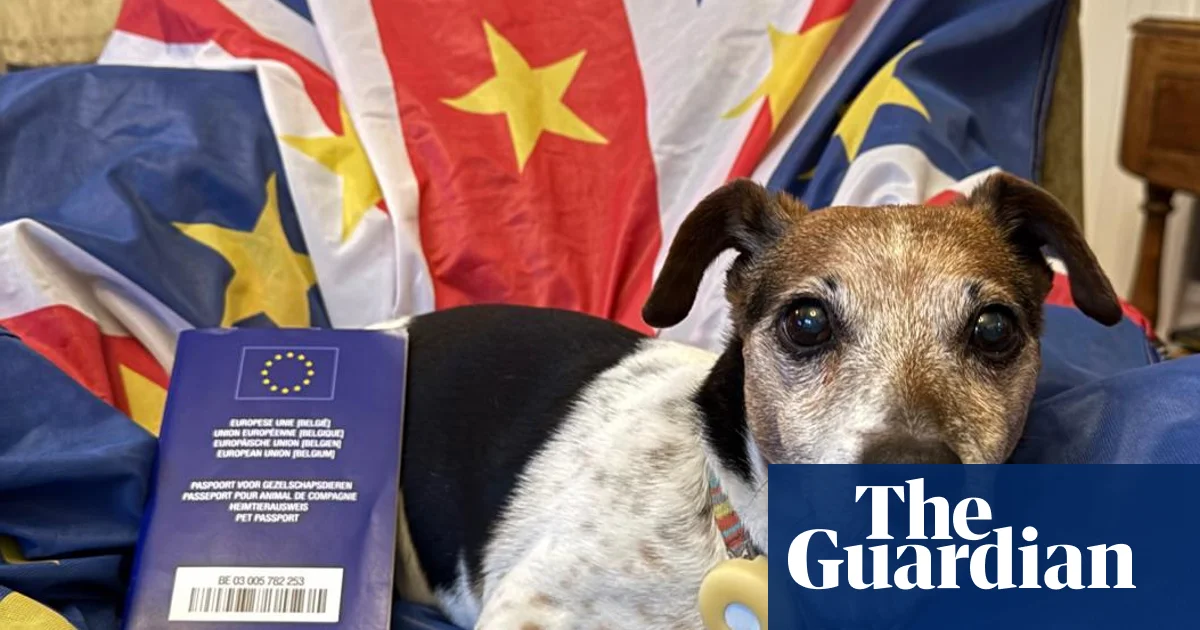
Britain’s pet owners warned: EU passport ‘loophole’ could land you in hot water

Post-Brexit Pet Travel: New Regulations Rewrite the Rules for British Owners

Following the United Kingdom’s departure from the European Union, the landscape of international pet travel has undergone significant shifts, revealing the tangible consequences of geopolitical recalibrations. Britain’s decision to exit the EU has not only reshaped trade and diplomacy but has also starkly impacted everyday life, including the simple act of taking a beloved furry companion abroad. Recent warnings issued to British pet owners underscore the complex and costly new requirements—primarily the transition from traditional pet passports to the animal health certificate (AHC)—a move designed to tighten borders and ensure biosecurity, but which also raises questions about practicality and enforcement.

The geopolitical impact of this change extends beyond alphabetic bureaucracy. Since 2021, pet owners seeking easy access to Europe must navigate a convoluted process involving an AHC issued within 10 days of travel—a document valid for four months within the EU. This new procedure adds a layer of expense and complexity, with vet fees sometimes exceeding £250, making pet travel less accessible for many. Consequently, some owners, especially those engaged in mobile lifestyles like van living, have begun bypassing regulations by obtaining EU pet passports through veterinarians within the bloc—an act emblematic of how individual decisions can subtly challenge national policies. Analysts warn that such workaround might backfire, as EU guidance clarifies that pet passports are exclusively for residents within the EU, and British residents attempting to use such documents risk legal and logistical penalties.

This shift underscores how international treaties, or the lack thereof, directly influence the social fabric of nations. The European Commission has made it clear that EU pet passports issued to non-residents, including those in Great Britain, are invalid for travel into the EU. As Dr. Elizabeth Mullineaux of the British Veterinary Association notes, this “risks confusion and possible refusals at borders,” emphasizing that adherence to new protocols is crucial for compliance. Meanwhile, the soaring costs associated with the AHC—ranging from under £70 to over £250—highlight how geopolitical decisions ripple into economic hardship for individuals. Veterinary professionals and regulatory bodies are now caught in a balancing act: enforcing compliance and safeguarding borders while dealing with the economic and emotional toll on pet owners.

International organizations and security analysts observe that these procedures are part of a broader strategic recalibration—aimed at reinforcing sovereignty and tightening border controls amid ongoing geopolitical tensions. Further complicating the picture is the prospect of the UK rejoining the pet passport scheme, a move that could restore some ease and reduce burdens on travelers. However, the social and political implications remain stark: as nations reevaluate their borders and sovereignty, small daily interactions—like a family pet traveling abroad—serve as modern battlegrounds for larger geopolitical debates. As history continues to unfold, the question remains whether these measures will ultimately serve the greater good or create new layers of friction and division.

In this unfolding chapter of international relations, the simple act of a pet crossing a border embodies the complex, often bitter realities of a world where control, security, and sovereignty are fiercely redefined. The story of Britain’s pet travel regulations is but a mirror to the larger narrative—how borders are redrawn, laws rewritten, and societies reshaped amid a turbulent geopolitical landscape. The future remains uncertain; the weight of history presses heavily on the present, leaving global citizens to ponder how tomorrow’s borders will define not only nations but the very essence of everyday life.

Social Media Auto Publish Powered By : XYZScripts.com