

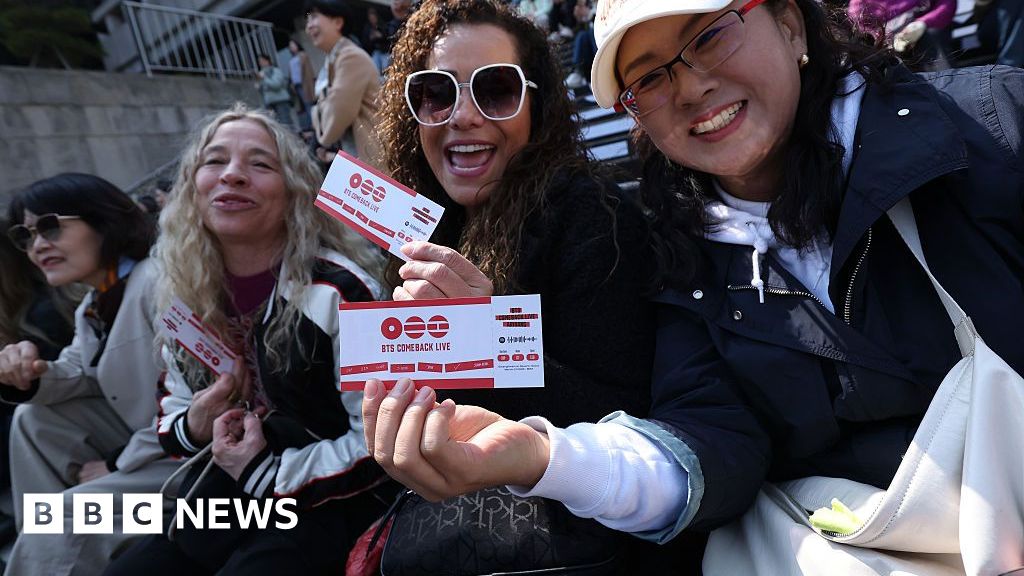
In a display of cultural resilience and soft power, South Korea witnessed a historic moment as over 260,000 fans gathered in Seoul’s Gwanghwamun Square to see the iconic K-pop group BTS perform live for the first time since October 2022. This concert did not merely symbolize a musical reunion; it signaled a notable renewal of cultural confidence that extends beyond entertainment and into the realm of national identity and international diplomacy. As the seven members—RM, Jin, Suga, J-Hope, Jimin, V, and Jung Kook—delivered a spirited one-hour set that included tracks from their highly anticipated new album, Arirang, the event underscored South Korea’s ongoing effort to project a modern, resilient image amid geopolitical tensions.
Global analysts, as well as historians specializing in cultural diplomacy, have pointed out that BTS’s return carries far more significance than it appears on the surface. The group’s global popularity—spanning continents from Asia to North America—exemplifies South Korea’s burgeoning influence on the international stage. The international community, namely the United States, China, and Japan, recognize this cultural dominance as a strategic asset, aiding South Korea in its broader quest for diplomatic leverage. According to the World Cultural Organization, such “pop culture diplomacy” bolsters national image while cultivating soft power, an increasingly valuable currency in modern geopolitics. Essentially, BTS’s resurgence affirms South Korea’s position as a cultural leader—a narrative critical as global geopolitical shifts threaten to redefine alliances and power balances.
However, the resonance of BTS’s performance extends beyond social media and international audiences. It symbolizes a turning point in South Korea’s socio-political landscape, reinforcing the country’s narrative of resilience amid persistent regional tensions with North Korea and rivalries with its neighbors. Many analysts argue that enhanced national pride through cultural successes like BTS helps fortify internal stability, which is crucial as Seoul navigates complex diplomatic maneuvers involving major powers. Some international organizations, such as the United Nations, have lauded South Korea’s strategic use of cultural diplomacy, emphasizing that how a nation leverages its cultural assets can significantly influence global perceptions and policy decisions.
As history continues to unfold, the return of BTS epitomizes a broader shift where cultural achievements serve as a new form of geopolitical currency. In an era marked by intense competition for influence, this concert becomes a metaphor for a nation using its cultural capital to shape international narratives and forge resilient alliances. The future remains uncertain, yet the story of BTS—like that of a nation’s soft power rising amidst adversity—reminds the world that culture and identity remain powerful tools in maintaining sovereignty and shaping history. The echoes of this concert will linger far beyond the applause, shaping the contours of a new geopolitics—one where the lines between culture and power are increasingly blurred, and the weight of history is still being written.
















