Matox News

Truth Over Trends, always!

Authorities crackdown as two hostages reportedly freed in suspected plotter hunt

West Africa stands at a critical crossroads as a wave of military coups threatens the fragile stability across the region. The attempted coup in Benin, once considered one of Africa’s bastions of relative democracy, underscores a disturbing trend of political unrest that has ignited alarm among international observers and regional powers alike. The swift intervention by Nigeria, leveraging its formidable military might, highlights not only regional solidarity but also the deeper geopolitical undercurrents shaping the continent’s future. Analyzing these developments reveals how decisions made in the heat of conflict can reshape alliances, threaten democratic progress, and draw in global actors with divergent ambitions.

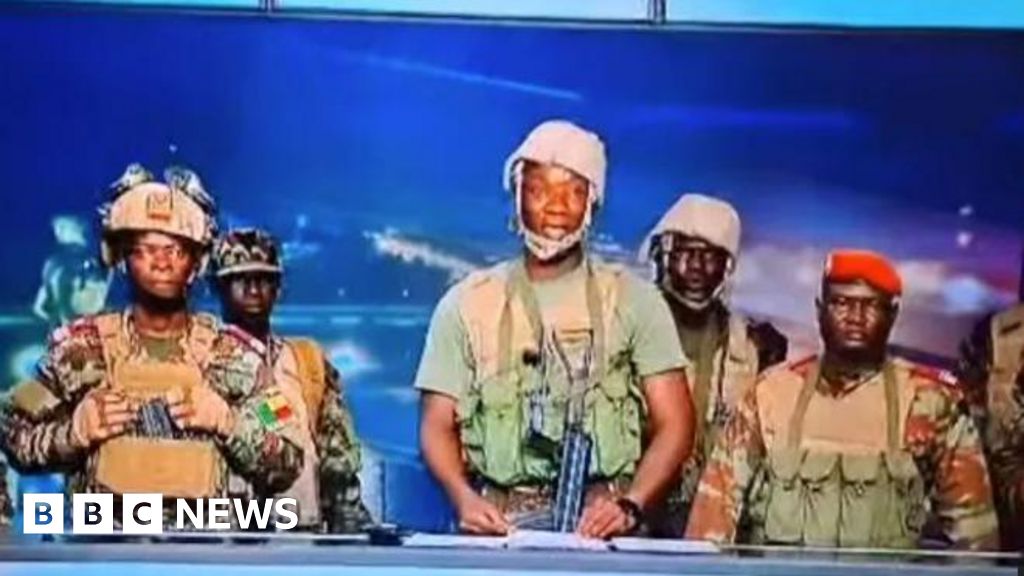
In the early hours of Sunday, soldiers appeared on national television—an unprecedented breach in Benin’s political stability—to declare they had seized control of the government. This audacious act followed mounting frustrations within the military—stemmed from threats to national security and economic decline—highlighted by critics and military insiders. The rebels, led by Lt Col Pascal Tigri, voiced grievances over President Patrice Talon‘s perceived mismanagement, especially regarding the security crises on the northern borders and socio-economic policies.

  • The security situation has deteriorated in recent years, with jihadist factions linked to IS and al-Qaeda gaining grounds in neighboring Niger and Burkina Faso, which has unnerved Benin’s military establishment.
  • The rebels condemned cuts in healthcare, including the suspension of vital kidney dialysis services, and increased taxation, which they argue fuel social discontent and political instability.

Meanwhile, regional responses underscored the geopolitical tensions beneath these overt conflicts.

Regional actor Nigeria, acting swiftly under the auspices of mutual security, dispatched fighter jets to dislodge the mutineers, effectively thwarting the coup’s consolidation. Nigeria’s decisive action signals the importance of maintaining stability in this critical corridor, both for economic reasons and for regional security. As Ecowas and the African Union publicly condemned the attempted takeover, the incident amplified fears that West Africa’s resurgence of military coups—following recent upheavals in Mali, Burkina Faso, Guinea, and Niger—could spiral into a broader regional crisis. Historians and analysts warn that such instability risks unraveling progress in democracy and economic development, drawing in external powers eager to influence the continent’s future trajectories.

Of particular concern is the geopolitical impact of Russia’s increased involvement. Several pro-Russian social media accounts lauded the Benin coup attempt, reflecting a broader contest for influence in an increasingly divided Africa. While Western nations, led by the United States and European Union, advocate for democratic consolidation, Russia and its allies have sought to exploit the chaos, fostering alliances with countries opting to leave regional bodies like Ecowas and form their own blocs—most notably, the Alliance of Sahel States. This geopolitical chess game threatens to transform Africa into a battleground for global influence, with consequences that extend far beyond its borders. International organizations continue to warn that regional destabilization could accelerate migration, foster terrorism, and foster economic decline in an already impoverished continent.

As tumult continues to ripple through West Africa, the deeper narrative emerges: a battle between democratic resilience and authoritarian resurgence, influenced by external powers with vested interests. With critical elections due in Benin next year and the region’s political landscape more volatile than ever, the weight of history presses down, shaping the future of an entire continent. The unfolding story of Benin’s attempted coup and the regional response is a stark reminder that in this era of shifting alliances, the choices made in moments of crisis will resonate for generations—carving a legacy that may either solidify stability or plunge West Africa into chaos.
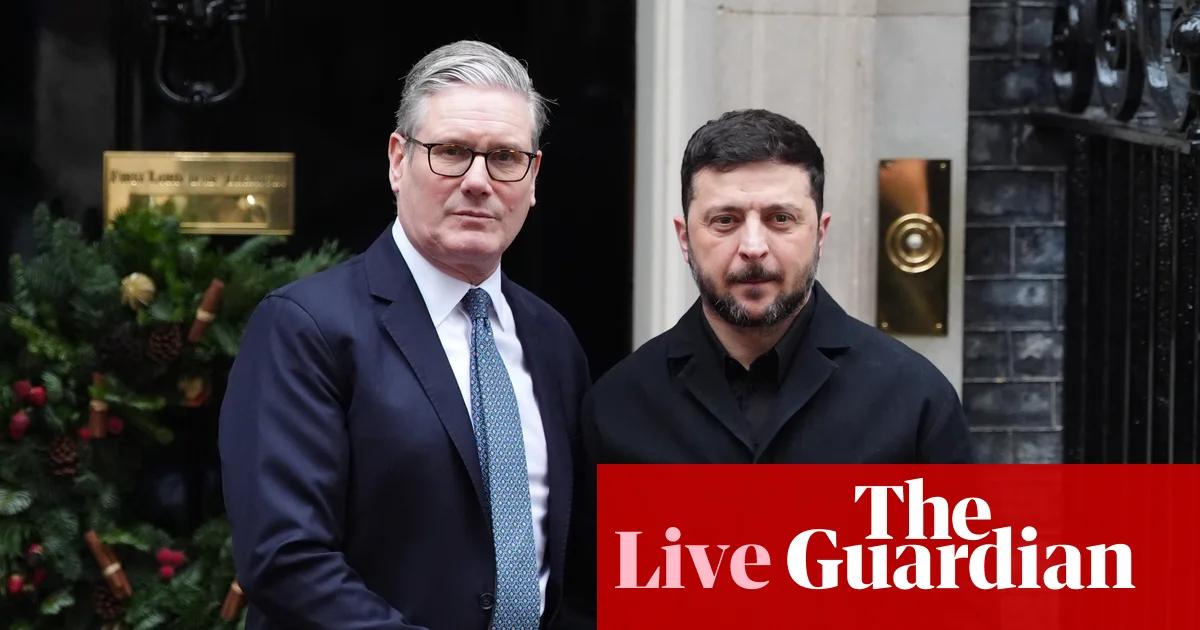
Ukraine War Update: Zelenskyy Meets Leaders in London to Push for Peace Talks

The geopolitical landscape of Europe and the broader international sphere is witnessing a dramatic shift, with recent events highlighting the fragile and complex dance of power among Western nations, Russia, and U.S.. As Ukrainian President Volodymyr Zelenskyy prepares for high-stakes negotiations with European leaders in London and Brussels, the undercurrents of influence and support cast a long shadow over potential outcomes. Animating this tense atmosphere are statements from Donald Trump Jr and key U.S. political figures, who have cast doubt on America’s continued commitment to Ukraine, hinting at a possible withdrawal of support in the face of shifting priorities.

From Europe, the repercussions are both immediate and far-reaching. The European Union faces mounting internal debates over its resources and strategic position, especially in light of recent confrontations with digital giants like Elon Musk, who have publicly called for ending the EU’s digital regulations. EU officials, including Ursula von der Leyen and Antonio Costa, fiercely oppose external interference and emphasize that laws are laws—yet, they are also grappling with the diplomatic fallout of a controversial EU fine placed on Twitter’s parent company. Analysts warn that these internal conflicts could weaken Europe’s unified stance, especially if external actors like Russia and the U.S. exploit discord to advance their agendas.

The peace negotiations surrounding Ukraine exemplify the intense struggle over territory and sovereignty. While Zelenskyy urges clarity on whether Russia intends to renew hostilities, European leaders are divided—many endorse the EU’s proposal for a reparations loan funded through frozen Russian assets as a ’politically feasible’ strategy. This initiative, supported by nations including Netherlands, Poland, and Finland, aims to bolster Ukraine’s military and economic resilience against the ongoing conflict. However, critics highlight the potential risks: the plan could be perceived as provocative by Moscow and may hinder diplomatic efforts towards a just peace.

Meanwhile, the diplomatic theater continues with Zelenskyy’s upcoming visits to Brussels and Rome, and the expected high-level discussions featuring Macron, Merkel, and Starmer. The overarching question remains: how will international support adapt if the U.S. signals a shift in commitment? — a critical concern, as analysts warn that the decision could alter the balance of power. Historians caution that these moments may be remembered as a turning point—a time when alliances were tested, and the fate of sovereignty was weighed against the tides of geopolitics.

As King Charles echoes Europe’s condemnation of Russian aggression and the German Chancellor Friedrich Merz arrives punctually amidst storytelling jokes about Germany’s notorious delay, the weight of history looms large. The international community stands at a crossroads: one path leads toward renewed diplomacy and peace, the other towards a lingering shadow of conflict, with unpredictable consequences. In the shadows of London and Brussels, world leaders sit silently, acutely aware that their every decision is etched into the annals of history, where every move could spark the next chapter of turmoil or triumph. And so, the story continues, with the whole world watching as the pages are turned—an unfolding saga of power, resistance, and the relentless pursuit of sovereignty.”

Syrian Voices: Reflections a Year After Assad's Fall
Syrian Voices: Reflections a Year After Assad’s Fall

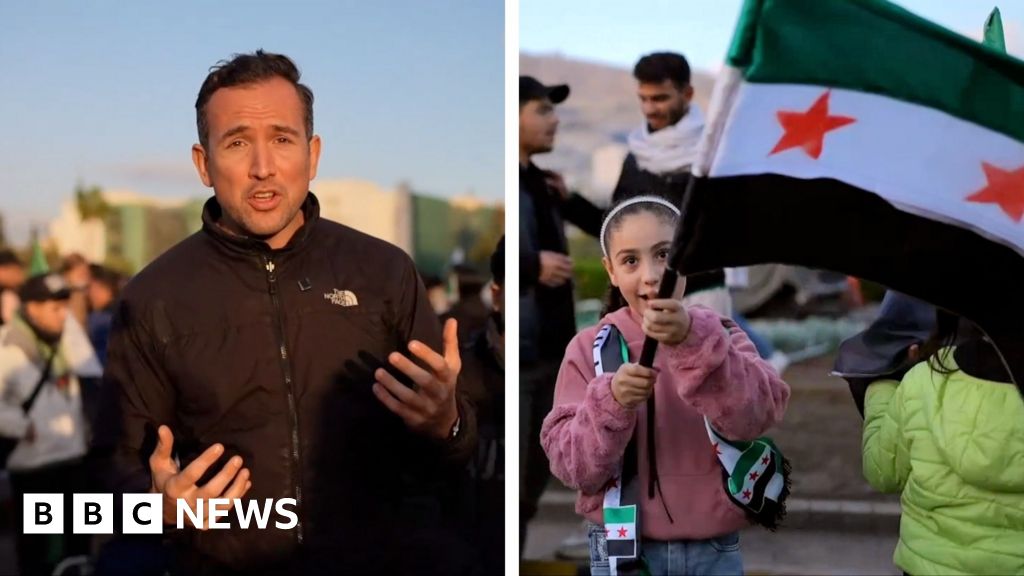
Exactly one year after Bashar al-Assad relinquished power in Syria on 8 December 2024, the Middle East faces an epoch-defining turning point. The departure of Syria’s long-standing dictator, after three decades in control, was heralded as a potential dawn of hope amid a brutal civil war that raged for over 13 years. Yet, the aftermath remains a complex mosaic of social upheaval, sectarian tensions, and geopolitical realignments. The fall of Assad marks a dramatic rupture with the past, but the country’s future remains shrouded in uncertainty, with lessons echoing through international corridors.

The geopolitical impact of Assad’s resignation reverberates far beyond Syria’s borders. Critics argue that the power vacuum risked destabilizing the fragile balance of regional influence, especially as Russia swiftly offered asylum to Assad, reaffirming its posture as the protector of its longstanding ally. Meanwhile, Western powers and the United Nations have been vocal about needs for rebuilding and reconciliation, but concerns mount over the fragile social fabric torn apart by years of sectarian violence. The strategic interests of global players—ranging from Iran and Turkey to Israel—continue to shape the landscape, creating a powder keg that could ignite anew if political stability falters.

Amid the shifting political landscape, the social consequences remain stark. The interim government has vowed to uphold rights for all Syrians, regardless of sectarian identity. Yet, the reality on the ground tells a different story. Reports from Damascus reveal that sectarian violence persists, with hundreds of Alawite and Druze civilians becoming victims of targeted attacks—some carried out by factions related to government forces. The deep wounds of decades-long conflict run deep, challenging the regime’s claims of national unity. Renowned analysts warn that unless comprehensive reconciliation is achieved, Syria risks fragmenting further, becoming a battleground for competing regional and international interests.

Historians and security experts emphasize that the truly significant challenge lies in healing the social fabric and reconstructing governance institutions. The UN, along with international NGOs, are advocating for inclusive peace processes, yet the road to sustainable stability appears arduous. The lessons of the past—how external meddling and internal divisions hindered Syria’s progress—serve as a grim reminder of the need for cautious diplomacy. As Syria’s society endures emotional scars and political fractures, the question remains: will this crisis serve as a catalyst for genuine change, or will history continue to repeat itself, with chaos reigning once more? The unfolding narrative of Syria’s future weighs heavily on the shoulders of global leaders, whose decisions in the coming months could either pave the way toward reconciliation or plunge the nation into further darkness.

In this pivotal moment, the echoes of history grow louder. The Syrian saga, once portrayed as a local conflict, has morphed into a defining chapter of international power plays. The questions that linger are profound: how much longer can a fractured society endure? Will external powers finally commit to a lasting peace, or will their relentless pursuit of influence perpetuate a cycle of destruction? The world watches intently, its collective gaze fixed on Damascus, where history now writes itself into a new, uncertain chapter—one in which the stakes could scarcely be higher, and the outcome remains as elusive as ever.

Labour Taps Members for Next Leader Amid Party Power Play – UK Politics

Uneasy Winds of Change Blow Across the Global Horizon and UK Political Landscape

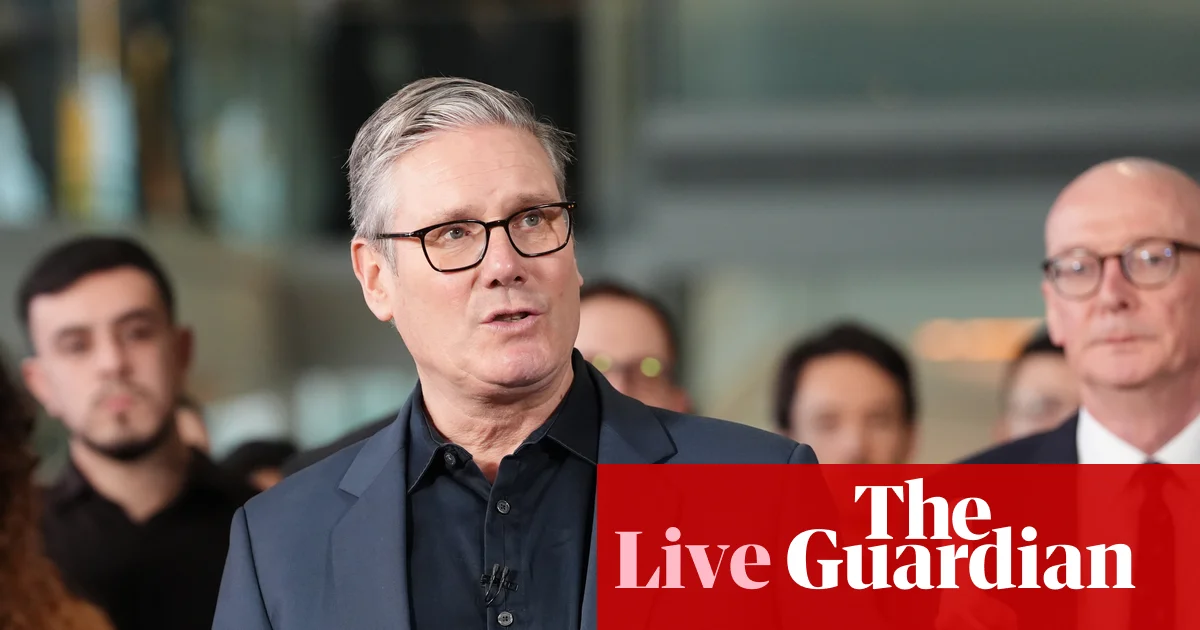
As Britain charts its turbulent course amidst mounting European diplomatic tensions and internal political upheaval, the global framework under which nations operate faces undeniable flux. In a significant diplomatic gesture, Prime Minister Keir Starmer is hosting a high-stakes summit in Downing Street, bringing together European leaders and the controversial Ukrainian President, Volodymyr Zelenskyy, signaling yet another chapter in the ongoing saga of East-West tensions. This assembly is not just about regional security but reverberates far beyond, highlighting the delicate balance of power within NATO and EU corridors amid the ominous shadow of an unsettled European strategic landscape. According to international analysts, such gatherings are pivotal, potentially reshaping alliances and NATO’s strategic posture in the face of renewed hostilities and diplomatic unpredictability, especially considering the specter of Russia’s ambitions.

Meanwhile, London’s political arena pulses with new energy, as Keir Starmer unveils a bold £725m initiative aimed at integrating 50,000 young Britons into the workforce through expanded apprenticeships. This move is widely viewed as a calculated economic and social maneuver, designed not only to address youth unemployment in the long-term but to bolster Britain’s economic resilience against the backdrop of global instability. Such policy decisions underscore how internal domestic strategies are increasingly intertwined with the broader geopolitical narrative. With the government also fostering localised control over funding and expanding regional cooperation, the move signals an intent to fortify the nation’s labor market, aiming to emerge from economic uncertainties stronger and more autonomous. Notably, these reforms seem to also serve as a political counterbalance amid concerns over internal leadership stability and upcoming party leadership contests within Labour, hinted at by recent insider polls and strategic surveys among party members.

Within the UK’s splintered political spectrum, the potential for a leadership reshuffle remains palpable. Reports indicate that Labour Party insiders are secretly canvassing elite opinion, contemplating whether to pursue an internal leadership challenge potentially within the next year. Such maneuvering is not merely about personality debates but about signaling a shift in policy directions—a move perceived by many as a safeguard against the perceivedLeft-leaning drift represented historically by figures like Jeremy Corbyn. Crucially, behind closed doors, figures such as Angela Rayner and Lucy Powell are seen as front-runners for a renewed leadership bid, aimed at presenting the party as a formidable challenger capable of seizing electoral victory in a volatile political climate. Meanwhile, policy questions about principles versus pragmatism are dividing party ranks, echoing broader concerns about ideological purity versus electoral pragmatism in the context of Britain’s upcoming general election. The unresolved dynamics of this leadership shuffle cast a long shadow over Britain’s internal stability—a mirror to the wider geopolitical uncertainties that threaten global order.

The Weight of History Yet Unfolding

Throughout this turbulent day, history’s relentless march continues, with the world hanging on the precipice of transformation—fragile yet unyielding. As Britain navigates its internal strife, with power plays hinting at a potential upheaval, its global posture remains intertwined with the stormy geopolitical currents rippling across Europe and beyond. In the shadows of these shifting alliances and domestic power struggles, one truth is emerging: the decisions made today will echo through the corridors of history, shaping nations and societies well into the twilight of the 21st century. How long this fragile equilibrium will last is uncertain, yet as history writes its own unwritten chapters, the weight of tomorrow rests with those courageous enough to steer the course. This unfolding story is far from over—a testament to an age where the tides of power and principle collide in the crucible of a new epoch.

Nigeria scores big: Freed 100 children, securing hope for the future

Nigeria’s Kidnapping Crisis: A Geopolitical Nightmare Unfolding

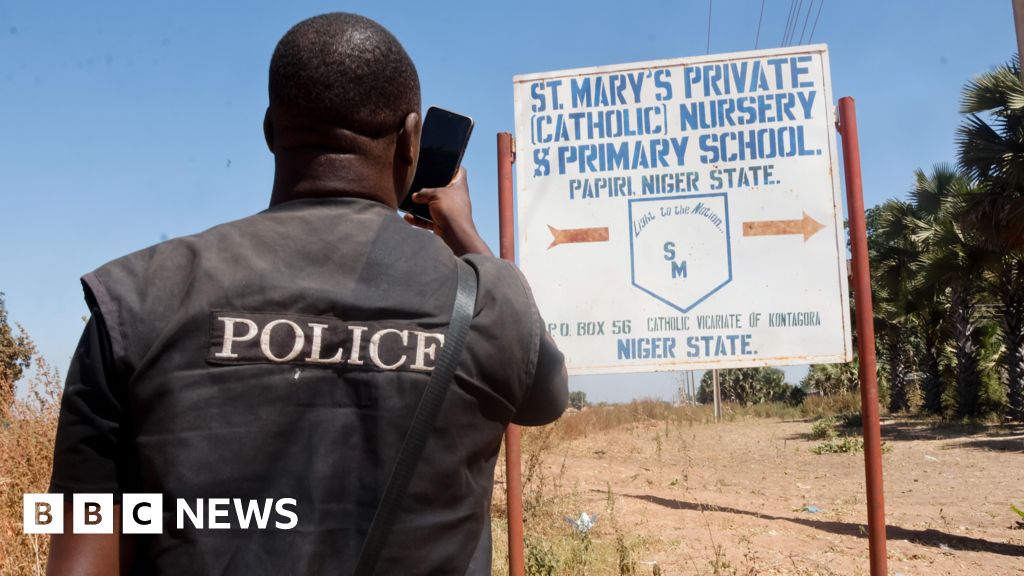
The recent release of approximately 100 children abducted from St. Mary’s Catholic School in Nigeria signals a temporary relief in a broader wave of terror that has gripped the nation. According to officials, the government, with invaluable assistance from the Office of the National Security Adviser, managed to secure the children’s return amid a perilous climate of escalating violence. This incident underscores a distressing truth: Nigeria’s security dilemma has transformed into an international crisis, threatening stability at a regional and global level.

Despite the partial breakthrough, details remain murky about whether cryptic negotiations or force secured the children’s freedom, and if any ransom was paid. The federal government remains tight-lipped about their strategy, with some analysts suggesting the behind-the-scenes efforts were complex and politically sensitive. Last week’s high-level visit by National Security Adviser Nuhu Ribadu to Papiri signals the gravity of the situation, emphasizing that the Nigerian state perceives this wave of kidnappings not merely as criminal acts but as a multifaceted threat. Such moves demonstrate the government’s awareness that internal security lapses, if unchecked, could spill into wider regional destabilization, especially as Nigeria’s neighbors grapple with their own insecurity issues.

Escalating Violence and International Ramifications

The surge in violence across Nigeria, with schools and religious sites becoming frequent targets, reflects a disturbing shift in the security landscape. Attacks in places like Kwara and Kebbi involved not only mass abductions but also lethal violence, drawing international scrutiny. These attacks, which have since been followed by the abduction of pastors, worshippers, and civilians in different regions, point to a well-organized network either driven by criminal gangs or violent jihadist groups, as suggested by Nigerian officials. While some analysts argue these groups are motivated by ransom money, others warn that these acts are intricately tied to extremist agendas destabilizing the nation’s fragile socio-political fabric. Such security breakdowns threaten to push Nigeria, Africa’s largest population and economy, into chaos, with ripple effects felt in neighboring countries.

Adding to the geopolitical complexity, United States President Donald Trump recently issued a stark warning, threatening to deploy troops if the Nigerian government fails to curtail violence, especially attacks on Christian communities. This interventionist rhetoric underscores that Nigeria’s internal strife could serve as a catalyst for greater international confrontation if unchecked. Nigeria, a key player in Africa’s geopolitical landscape, has traditionally been seen as a regional hub, but its security decline has raised alarm bells among Western and regional powers alike. Experts argue that the ongoing violence, if left unresolved, could inadvertently fuel radicalization, undermine Nigeria’s sovereignty, and destabilize the West African sub-region.

How International Decisions Shape Futures

The repeated emphasis on ransom bans and military interventions reveals the difficult balancing act Nigeria faces. The government’s stance against ransom payments aims to starve kidnapper networks of their funding but faces accusations of being ineffective amid ongoing abductions. The international community, particularly organizations such as the United Nations and regional security alliances, has called for a concerted effort to address root causes—poverty, political corruption, and extremist ideology—yet tangible results remain elusive. These policy choices, weighed down with political risks, directly shape the lives of millions of Nigerians and influence the region’s stability.

In conclusion, Nigeria’s crisis confronts the world with an urgent moral and strategic choice, as a nation torn between internal chaos and international destabilization teeters on the edge of upheaval. The courage and cunning of its leaders, the resilience of its society, and the relentless weight of history now hinge on compelling decisions made in the coming days. As the story continues to unfold, the global community must grapple with a stark truth: the fate of Nigeria is intricately linked to the future of Africa, and their story remains unfinished, etched into the very fabric of history yet to be written.

Trump claims Zelenskyy isn’t prepared to back US peace deal before UK meeting with European leaders

International Power Plays and the Fragility of Peace

The recent flurry of diplomatic efforts surrounding the ongoing conflict in Ukraine underscores the escalating geopolitical stakes and reveals the deep divisions within global alliances. At the center of this impasse is President Volodymyr Zelenskyy, who appears hesitant to endorse a US-backed peace framework crafted through days of negotiations in Florida. Former U.S. President Donald Trump publicly questioned Zelenskyy’s readiness, suggesting that the Ukrainian leader is holding back progress despite his advisors and international allies advocating for the deal. This internal turbulence within Kyiv, combined with the already strained relations among major powers, paints a picture of a conflict teetering on the edge of a wider geopolitical crisis.

The Diverging Paths of Major Powers

  • While the United States claims to be close to finalizing a peace agenda favoring diplomatic resolution, Russia under Vladimir Putin remains publicly skeptical, with Kremlin officials dismissing aspects of Trump’s proposal as unworkable.
  • And despite US officials asserting that their negotiations are nearing a breakthrough, Russia has welcomed the recent US national security strategy, which Moscow interprets as aligning with its own interests of restoring Moscow’s influence and countering Western efforts. The strategy criticizes European nations and alludes to “civilizational erasure,” reflecting how geopolitical narratives are shifting on both sides.

An analysis by international relations scholars highlights that the negotiations over territorial security and the status of Russian-occupied regions remain unresolved, signaling an uncertain future for Ukraine. US envoy Keith Kellogg emphasized that progress was in its final stages, yet key issues such as control over Zaporizhzhia and territorial guarantees continue to hinder an agreement. The conflicting signals suggest that the underlying power struggle is less about diplomacy and more about control and influence—a common theme reverberating through recent history’s most tense conflicts.

Implications for International Stability and Sovereignty

The delicate dance between diplomacy and confrontation highlights how decisions in these negotiations ripple across the global stage. The tensions reveal that decision-makers are primarily driven by national interests—Ukraine’s desire for sovereignty, Russia’s quest for regional dominance, and America’s balancing act amid its strategic recalibrations. European leaders like Keir Starmer and counterparts from France and Germany are watching nervously, emphasizing the importance of European security guarantees. Their stance underscores that the future of the continent’s security architecture hinges on these high-stakes negotiations.

Major international organizations, including NATO and the United Nations, are observing with concern, aware that any misstep could ignite a larger confrontation. The tension echoes debates by historians and analysts about last century’s conflicts, where unresolved disputes in Europe precipitated global wars. As world leaders weigh seemingly fragile peace plans, the weight of history presses down, whispering warnings of history repeating itself—if not carefully managed, the current fragile peace could unravel.

The Unfolding Canvas of History

In this complex geopolitical chess match, each move shapes the future—not only of Ukraine and Russia, but of the entire international order. As the world watches a narrow window of opportunity closing, the stakes have never been higher. The decisions made today will determine whether this epoch will be remembered as one of reconciliation or catastrophe. The theater of diplomacy remains fraught with danger, and the long shadow of conflict looms large. The story of this war, still unfolding, is a stark reminder that history is never static, and the price of inaction could be the next great epoch of turmoil.”

UN Report: Chernobyl Radiation Shield’s Safety Compromised After Drone Strike

Chernobyl’s Shield Fails Under Threat

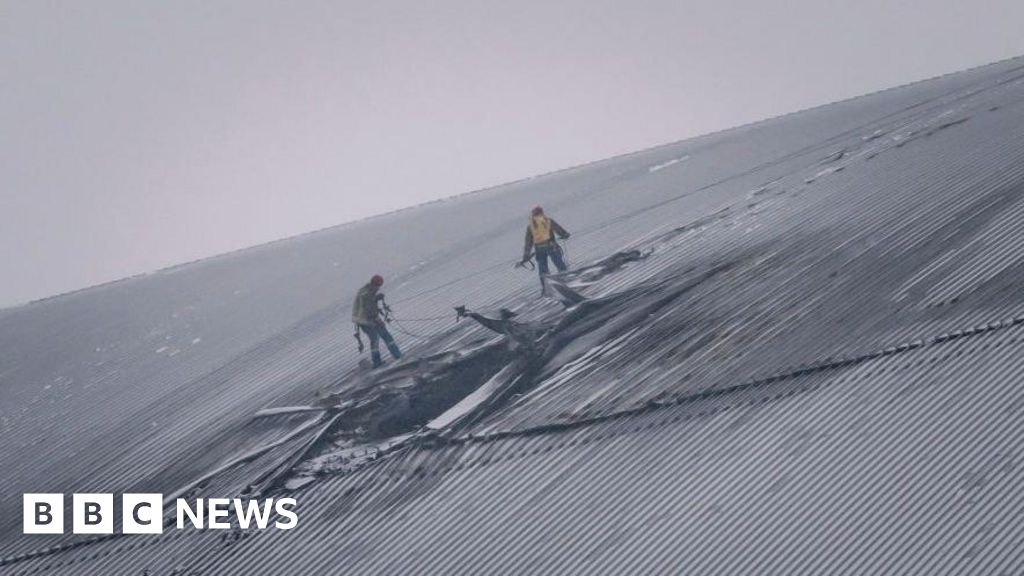
The International Atomic Energy Agency (IAEA) has issued a stark warning about the deteriorating safety conditions surrounding the Chernobyl nuclear power plant, a site forever etched into the history of human error and environmental catastrophe. Following a drone strike earlier this year—an incident that Kyiv accuses Russia of orchestrating—the iconic containment structure, built as a safeguard over the nuclear reactor in 1986, can no longer fulfill its primary safety function. According to recent IAEA assessments, the massive steel and concrete shelter has sustained damage, losing its confinement capability and raising alarming concerns over potential radioactive release—a scenario with catastrophic geopolitical impact.

Ukraine has long been caught in the crossfire of a wider geopolitical conflict between Russia and Western powers, with Moscow denying involvement in the drone attack. The damage to Chernobyl’s shield underscores the broader dangers posed by ongoing hostilities. While environmental experts like Jim Smith from the University of Portsmouth argue that immediate health risks are low—thanks to the still-intact containment sarcophagus—the significance lies in what this incident suggests about security and stability. The IAEA’s recent safety assessment revealed that, despite some repairs, the outer shell suffered severe damage that could, without immediate intervention, lead to further deterioration of the site’s safety infrastructure.

How Decisions Shape Societies and the Global Balance

The destruction of the Chernobyl shield comes at a critical juncture for Ukraine, as it grapples with ongoing Russian strikes targeting key energy infrastructure, including electrical substations vital for reactor cooling and power distribution. The IAEA’s ongoing inspections highlight the fragile state of nuclear safety amid escalating conflict. For Russia, the assault on Ukraine’s infrastructure signals a strategy designed to weaken Kyiv’s resilience, yet it also inadvertently elevates the risk of a nuclear incident with far-reaching consequences. The international community watches anxiously, as the fate of Chernobyl and Ukraine’s energy security are intertwined with broader geopolitical shifts.

Historian and international relations analysts warn that the decision to strike such a historically sensitive site isn’t merely tactical—it could soften inhibitions around using nuclear power or weapons in future conflicts. As Rafael Grossi, the IAEA director general, emphasizes, timely restoration and reinforcement are essential to thwart further degradation, but the window for effective intervention is narrowing. The damage underscores the dangerous precedent set when wartime hostilities extend into zones once deemed as symbols of disaster and caution. “An attack on a nuclear site is an attack on humanity itself,” warns numerous scientific voices.

Out of the Shadows of History and Into the Present Danger

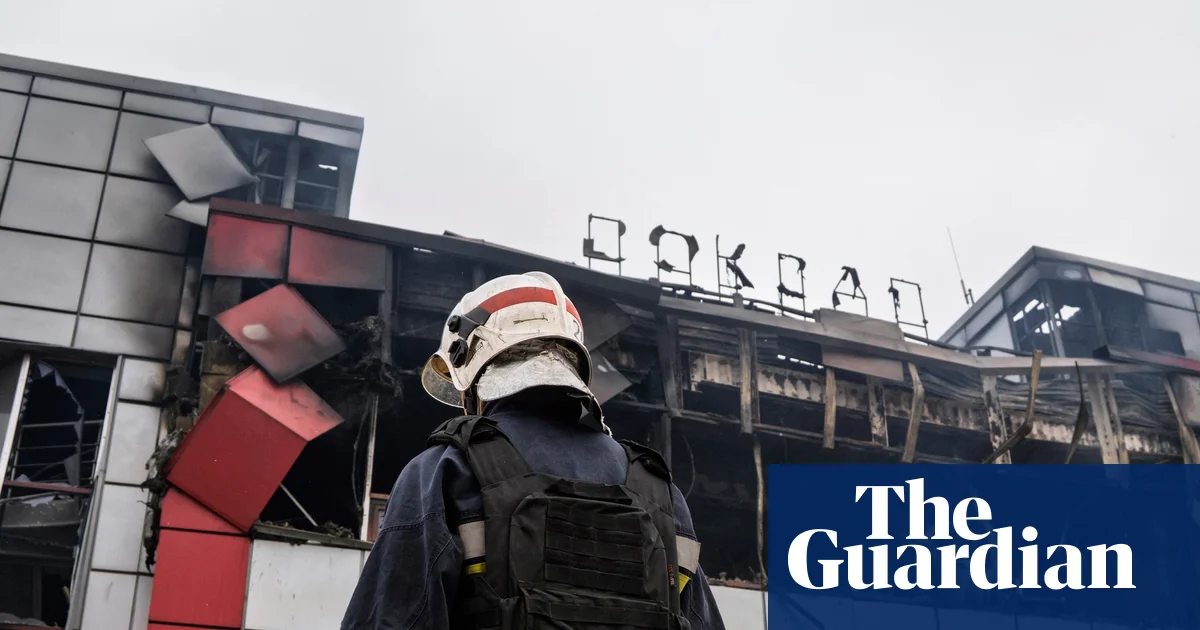
As the world teeters between stability and chaos, the recent assessment at Chernobyl leaves a haunting message: choices made during moments of crisis ripple through history, affecting generations to come. The steel shell that once contained the radioactive debris, now battered by war, is a stark reminder of the precarious balance between technological safeguards and human folly under the weight of international conflict. The escalating violence in Ukraine, exemplified by Russia’s strike on Kremenchuk and damage to vital infrastructure, signals a disturbing trend where the battlefield extends into the domain of nuclear safety.

Until the balance shifts or a new diplomatic path emerges, the shadows of Chernobyl loom large. The world stands at the precipice, witnessing how decisions in distant corridors of power can ignite a chain of events capable of challenging the very fabric of modern civilization. In this unfolding story of risk and resilience, the true test of international resolve remains—will humanity learn from its past, or will it be dragged into a new era of preventable catastrophe?

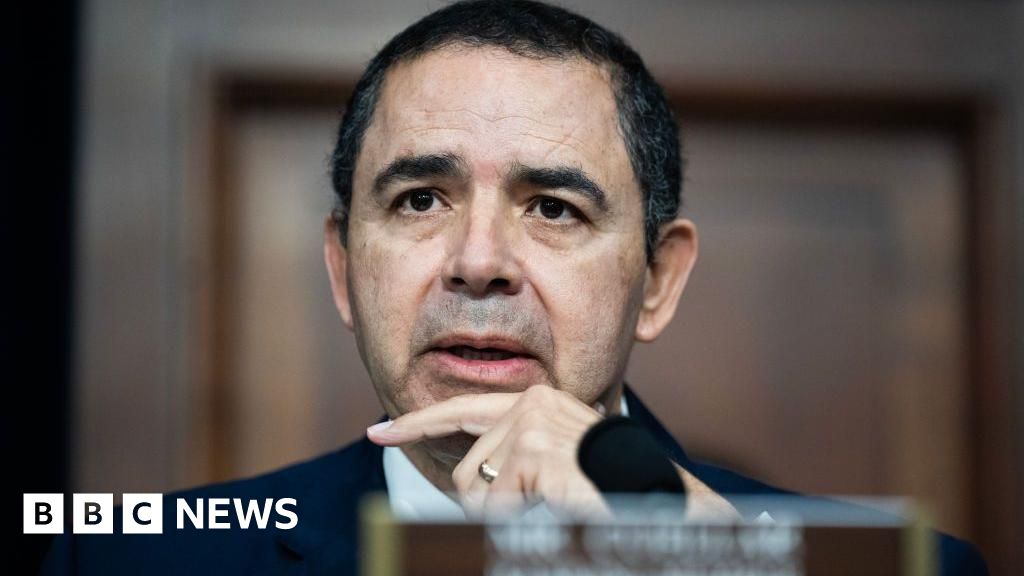
Trump slams Cuellar for dodging party switch after pardon

Global Tensions Escalate as U.S. Political Loyalty Becomes a Hotbed of Conflict

The recent controversy surrounding Donald Trump and Henry Cuellar has exemplified the deep fissures within American political discourse. The former president’s decision to pardon the Texas Democrat, who faces serious charges—including bribery, money laundering, and conspiracy—has ignited a firestorm that extends far beyond the borders of the United States. In a move many analysts deem as a strategic display of loyalty politics, Trump publicly criticized Cuellar for “lack of loyalty,” asserting that the lawmaker’s decision to seek re-election under the Democratic banner, despite being pardoned, reveals a broader pattern of disloyalty to his supporters and allies. This spat has profound geopolitical consequences, highlighting the ongoing struggle for influence and control within America’s domestic corridors, and raising questions about the international impact of U.S. political stability.

At the heart of this controversy is the accusation that Cuellar, along with his wife, accepted over $600,000 from Azerbaijan’s state oil company and an unnamed Mexican bank in exchange for advancing foreign interests in Congress. Charges filed by the Biden administration suggest a disturbing case of foreign influence, a topic of concern for international security experts who warn that political corruption at such levels can embolden foreign adversaries. While Cuellar maintains his innocence, the

  • allegations of conspiracy
  • bribery
  • money laundering
  • wire fraud

indicate the stakes are far higher than mere partisan theater. Global institutions such as the International Monetary Fund (IMF) and Transparency International have long emphasized how domestic corruption can undermine international economic stability, a warning that resonates amid rising geopolitical tensions. The accusations splinter the U.S. political landscape, reflecting a broader temptation among rivals to exploit America’s internal divisions for geopolitical gain.

Meanwhile, Trump’s vigorous public defense, framing the charges as an “evil quest” by the “radical left”, underscores the asymmetrical nature of contemporary geopolitical conflicts—where ideological loyalty often supersedes rule of law. His claim that Cuellar’s loyalty to border security aligns with American national interests echoes a broader narrative favored by right-wing factions worldwide, warning of “cultural and political infiltration” by foreign or domestic “radicals.” As historians debate whether this marks a new era of loyalty-driven politics or an ominous decline into factionalism, the international community watches with growing concern, wary that U.S. internal chaos could ripple outward, destabilizing already fragile regions.

In this stage of American politics, the relentless emphasis on loyalty has broader geopolitical implications. Trump’s endorsement of loyalty as a paramount value echoes a trend seen in other national governments where trust in institutions is declining. The rise of populist nationalists across Europe, Asia, and the Americas signals a shift toward prioritizing national loyalty over transnational cooperation. As the U.S. grapples with internal divisions and questions of allegiance, the potential for these fissures to spill into international relations looms large. The unfolding story of Cuellar, Trump, and their struggle for influence offers a stark reminder that the tides of history are still in motion, and the coming chapters will determine whether the world moves toward unity or chaos—a future shaped by the choices made in these pivotal political battles.

Japan’s Aging Crisis: Will Tech Be the Solution to Dementia?

Japan’s Aging Crisis Spurs Technological Innovation with Geopolitical Consequences

Amidst a rapidly aging society, Japan finds itself at a critical juncture, where demographic shifts threaten to undermine social stability and economic vitality. With over 30% of its population aged 65 and older—second only to Monaco globally—the island nation confronts a mounting crisis in elder care. Last year alone, more than 18,000 elderly individuals with dementia wandered off their homes in search of safety, with nearly 500 succumbing to the risks. Such tragic statistics are emblematic of a society under mounting pressure, worsened by a shrinking workforce and strict limits on foreign workers, which constricts the nation’s capacity to meet the burgeoning demand for elder care services. International experts, including those from the World Bank, have warned that without innovative strategies, the social fabric of Japan could face profound destabilization.

In response, Tokyo’s government is rapidly pivoting towards technological solutions, placing a heavy emphasis on artificial intelligence and robotics to fill the void traditionally occupied by human caregivers. Recent developments include GPS-based tracking systems for wandering seniors, AI tools like Fujitsu’s aiGait that analyze gait and posture to detect early signs of dementia, and humanoid robots such as Waseda University’s AIREC, designed to assist with everyday tasks like dressing, cooking, and even changing diapers. These innovations are intended not merely as conveniences but as essential pillars supporting the nation’s social order. Such strategic shifts reflect a broader recognition within the geopolitical sphere that technological prowess becomes a critical national asset; the ability to develop and deploy affected elder care can serve as a form of soft power, signaling to the world that Japan remains a leader in innovative resilience amidst demographic decline. But these decisions also carry geopolitical weight, with neighboring powers looking on, aware that the technological race in elder care could shape regional influence for decades.

How decisions made now will ripple through future geopolitics is not lost on international analysts. Some experts argue that China and South Korea, watching Japan’s innovations, are likely to accelerate their own technological investments to secure regional dominance. Meanwhile, Western nations face their own aging crises, turning to Japanese expertise and investments as examples of where technology meets social necessity. Reports from institutions like OECD highlight that the integration of AI and robotics into elder care may reshape labor markets across the globe, reducing dependency on human caregivers and redefining societal notions of human interaction and compassion. Whether these advancements will supplement or supplant the human touch remains a contested debate—one that will influence international perceptions of morality, humanity, and technological supremacy.

As Japan’s government invests heavily in robot caregivers and AI early detection systems, the unfolding story encapsulates a broader theme—a society desperately seeking solutions while confronting the harsh realities of a dwindling nation. The world watches as technological milestones are achieved, yet the true test lies in balancing innovation with empathy—an enduring question in the age of automation. In this crucible of societal change, history is forging new chapters, and the weight of what comes next will resonate far beyond borders—shaping the destiny of humanity amidst the relentless tide of time.

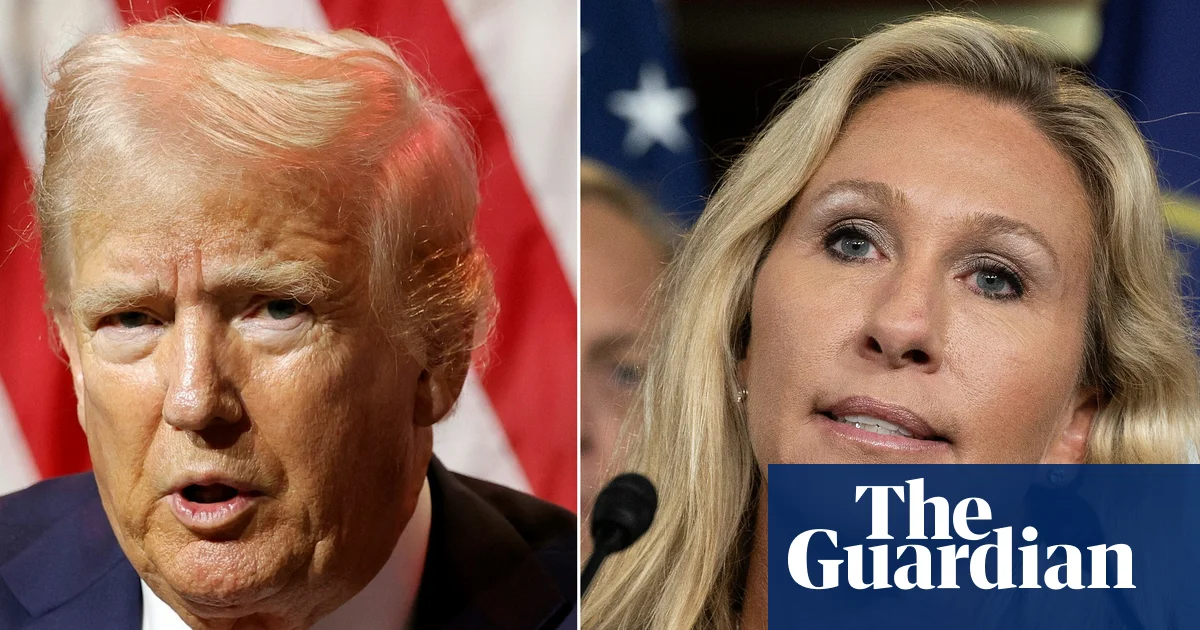
Greens: GOP Lawmakers Mock Trump Behind His Back

US Political Divisions Deepen: Republicans’ Shift Toward Trump and the Implications for Global Stability

The current state of American politics reveals a startling transformation: what was once mockery and disdain within Congress has now become unwavering support for former President Donald Trump. As evidenced by recent remarks from outgoing GOP House member Marjorie Taylor Greene, many Republican colleagues who previously mocked Trump’s rhetoric and policies have, upon securing their party’s 2024 presidential nomination, pivoted to overtly endorse him. This shift underscores a deeper apprehension among American elites to challenge Trump’s sway—fearing backlash from his dedicated base and social media dominance. Such an internal party realignment portends significant geopolitical impact, as the United States prepares for a presidential race that may consolidate its most contentious, populist elements.

Greene’s disclosures about threats and intimidation reveal the volatile and violent nature of current U.S. political discourse. She reports hundreds of threats directed both from the political left and right, including personal attacks amid controversies over her stance on Jeffrey Epstein’s victims. These allegations have become tangled in the broader narrative of Elites versus populists, fueling polarization that extends beyond American borders. Historians like F. H. Buckley warn that such internal fracturing risks undermining America’s international credibility—especially as allies and adversaries watch to see if the U.S. remains a stable beacon of democracy or succumbs to internal chaos.

Global Context: The Rise of Populist Nationalism and Its Ripple Effects

The ongoing political turmoil in Washington holds profound implications for the international order. As Europe and Asia analyze the events surrounding Trump’s resurgence, concerns grow over the potential reemergence of America’s unilateralism and disregard for traditional alliances. The United Nations and other transnational organizations have issued cautious statements, emphasizing the importance of strong democratic institutions. Meanwhile, analysts suggest that if America’s internal conflict escalates, it might embolden authoritative regimes globally—precisely what many globalists seek to avoid amid rising geopolitical conflicts in Eastern Europe, the Indo-Pacific, and the Middle East.

The geopolitical impact of this American political schism cannot be overstated. If the U.S. swings further into populism and internal instability, it risks losing its moral authority and strategic edge—potentially destabilizing alliances and emboldening adversaries like China and Russia. According to recent reports from the International Crisis Group, sustained American chaos could provide a fertile ground for geopolitical shifts that threaten the stability of entire regions. The outcome rests on whether American leaders can contain internal divisions or if those divisions evolve into a broader crisis that redraws the global power hierarchy.

History in the Making: The Future of Democracy and International Stability

As this chapter of American politics unfolds, historians and international observers understand that the course of the United States will shape the fates of nations worldwide. The confrontations, threats, and shifting allegiances in Washington reflect a broader struggle—one that echoes through the corridors of power in capitals across the globe. The narrative remains unwritten, yet its potential to alter the fabric of international stability teeters on the brink. Will the U.S. emerge united and resilient, or will it succumb to the chaos of a fractured democracy—turning the pages of history into a warning for generations to come?

Only time will tell, but the weight of current events is undeniable. The story of America’s internal struggles no longer remains isolated; it is now a precursor to a new chapter in global history—one where alliances are tested, ideologies clash, and the fate of democracy itself hangs in the balance.

Social Media Auto Publish Powered By : XYZScripts.com