Matox News

Truth Over Trends, always!

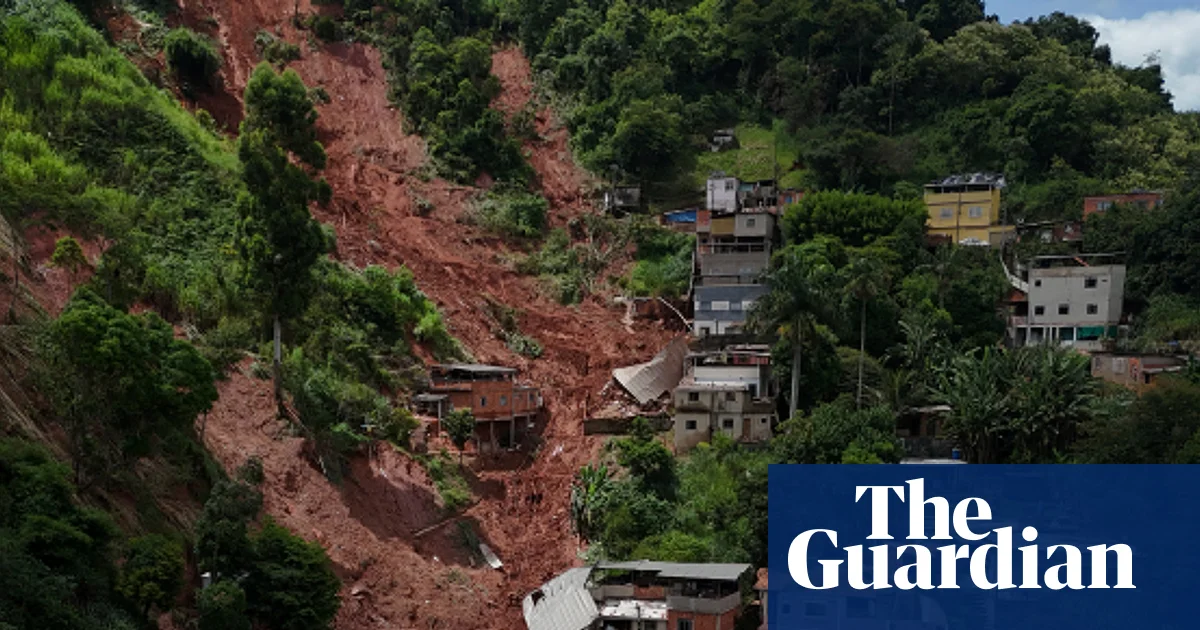
Scientists warn: Abandon fossil fuels to stop deadly floods in Brazil’s coffee region

The devastating floods ravaging Brazil and its critical coffee-producing regions underscore a broader warning about the dangerous trajectory of climate change—a crisis that transcends borders and directly threatens international economic stability. In the heartland of Brazil’s coffee industry, cities like Juiz de Fora are experiencing their worst weather records, with over 750mm of rainfall in February alone—sending a stark message that weather patterns are spiraling beyond historical norms. According to the World Weather Attribution group, this event is classified as a once-in-several-hundred-year phenomenon, but scientific analysis suggests such severe downpours could become commonplace as planetary temperatures continue to rise.

Global experts warn that the primary factors behind such disasters are rooted not just in climate dynamics but also in endemic inequality and urban mismanagement. The findings emphasize that vulnerable, low-income communities living on unstable, deforested hill slopes bear the brunt of these calamities due to flawed urban planning—highlighting how societal neglect exacerbates environmental hazards. Analysts uphold that addressing these issues requires urgent, comprehensive reforms that incorporate shelters, early-warning systems, and resilient infrastructure, especially in socio-economically disadvantaged regions. As Regina R Rodrigues, a professor at the Federal University of Santa Catarina, states, “The scale of this tragedy is immense and it highlights just how vulnerable hillside communities can be as the planet continues to heat.”

  • Extreme weather, driven in part by rising global temperatures, has substantially impacted Brazil’s coffee sector, leading to a 15-20% decrease in harvests over recent years due to droughts and disease outbreaks.
  • Latin America, anchored by Brazil’s export-driven economy, faces rising costs linked to climate disruption, which ripple across global markets—elevating coffee prices and further straining consumer budgets worldwide.
  • International organizations like the United Nations warn that unmitigated climate risks threaten not only regional stability but also *geopolitical* balance, prompting national leaders to reassess their climate commitments amid mounting crises.

Beyond environmental concerns, the geopolitical impact of these developments is profound. As the repercussions of climate change deepen, nations find themselves at a crossroads—compelled to balance economic growth with a pressing need for sustainable development. Historical analysts like Dr. John Adams warn that failure to act decisively could lead to intensified conflicts over dwindling resources, especially in vulnerable nations like Brazil, where climate-related destruction undermines social cohesion and economic resilience. Meanwhile, international agencies emphasize that climate mitigation is no longer a matter of choice but a necessity to preserve the stability of societies and markets around the world. The rising tide of environmental crises, exacerbated by policy neglect, leaves global civilization teetering on the edge of a new, unpredictable epoch.

As history continues to unfold, the question remains: will global leaders heed the warnings and take genuine action, or will the relentless advance of climate calamity carve a path toward chaos and despair? With each devastating flood, scorched harvest, and rising price, the world bears witness to a monumental turning point—where the choices made today will determine the survival of societies tomorrow. The weight of history presses heavily, reminding us that the unfolding story of climate and geopolitics is far from over, and the pages yet to be written will define the future of nations for generations to come.
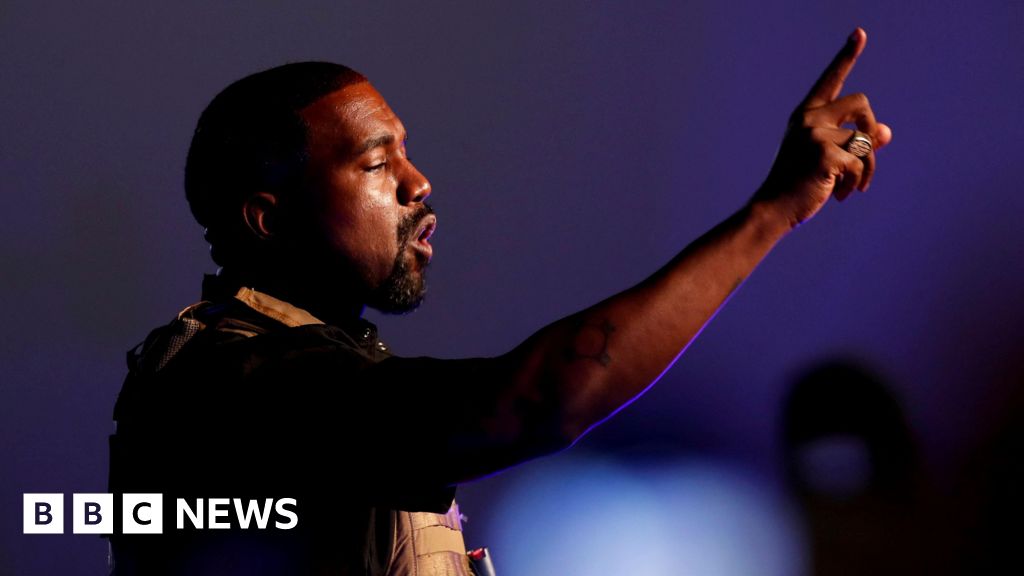
Kanye West hit with $140K fine over Malibu mansion renovation dispute

In an era marked by increasing global interconnectedness, personal disputes—such as the recent case involving a handyman demanding $1.7 million from a renowned rapper—may seem localized but carry profound implications for societal norms, economic perceptions, and cultural power dynamics. This particular case underscores a broader trend: the way individual conflicts intersect with global media narratives and influence perceptions of economic justice across borders. As the dispute unfolds, it exemplifies how the ambit of influence held by celebrities and high-profile figures extends far beyond entertainment, shaping societal expectations and, in some instances, inspiring movements that challenge established economic hierarchies.

From an international perspective, the controversy invites reflection on the role of legal systems and societal standards in mediating disputes involving wealthy public figures. Experts such as Harvard law scholars suggest that the case is emblematic of a shifting landscape, where individual claims—whether about unpaid wages, medical expenses, or wrongful termination—are amplified by social media and global news coverage. The dispute not only highlights the veteran issues of worker rights and fair compensation but also illustrates how the rich and famous are scrutinized for their roles in fostering or neglecting societal responsibilities. This case could set a precedent, especially if it garners international attention, potentially influencing how labor disputes are publicly perceived across multiple jurisdictions.

Such disputes are relevant beyond individual cases, impacting the geopolitical and economic fabric of nations. Analysts from the Oslo-based International Labour Organization warn that the spectacle of personal legal battles involving prominent figures can overshadow genuine policy discussions about labor rights worldwide. Historically, some of the most significant shifts—like the establishment of labor protections in the European Union or the US—have come from public pressure around individual grievances, often escalating into larger societal reforms. Moreover, international organizations monitor these incidents to gauge public sentiment about economic justice, which in turn influences diplomatic relations, especially in countries where income inequality remains painfully high. When a person of influence is embroiled in controversy, it can trigger a ripple effect, urging policymakers to address underlying issues like fair pay, labor protections, and corporate accountability on the global stage.

Ultimately, this case exemplifies how personal disputes are rarely isolated. Instead, they weave into the global narrative, shaping perceptions of justice, fairness, and societal values. Historians have long argued that the perils and promises of modern society are etched into these moments—moments when individual conflicts become a reflection of larger tensions. As the world watches this developing story, it leaves us pondering: how will this dispute influence future legal and cultural standards? Will it catalyze meaningful reforms, or will it succumb to superficial celebrity culture? The unfolding conflict, with its roots in everyday grievances, remains a powerful reminder that the threads of history are often woven behind closed doors, waiting to be unraveled by those daring enough to challenge the status quo.

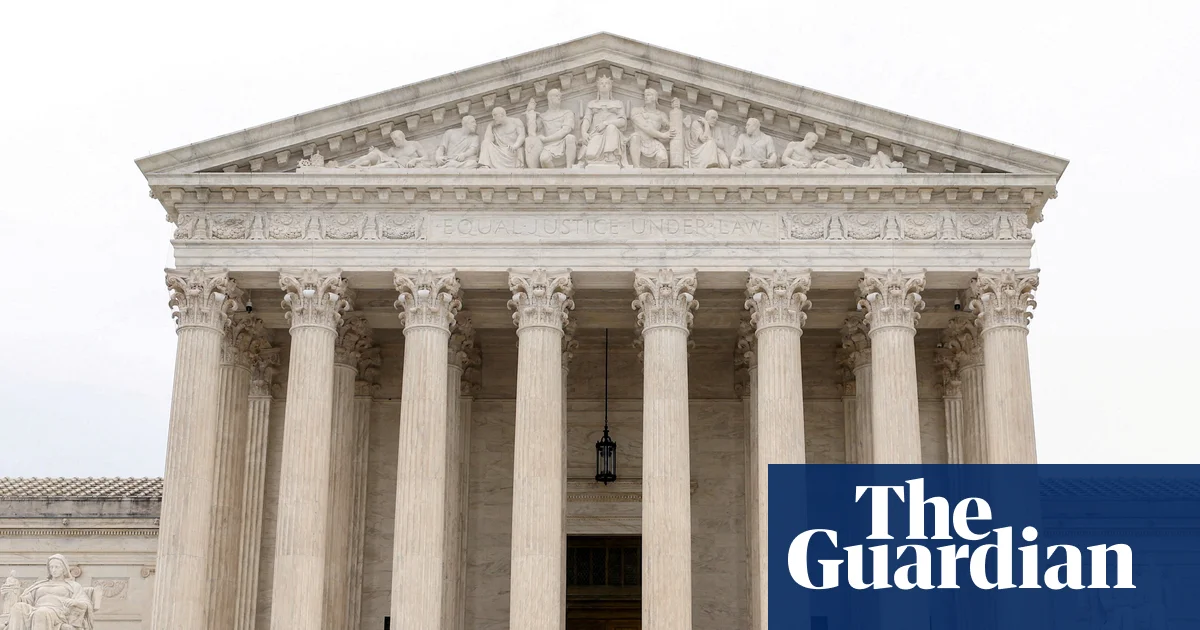
Trump officials launch effort to restore tariffs after Supreme Court ruling

In a decisive move that signals a staunch commitment to safeguarding American economic interests, the United States under the Trump administration has launched a new trade investigation targeting manufacturing practices abroad. This initiative, initiated under Section 301 of the Trade Act of 1974, aims to reassess foreign imports and could pave the way for the reintroduction of tariffs — a tool previously deemed unconstitutional by the Supreme Court earlier this year. The administration’s clear message underscores a broader strategy to counterbalance what it perceives as unfair foreign trade advantages, especially from China and a host of other major global players, including the European Union, Japan, and India.

The renewed push for tariffs comes amidst a landscape of heightened geopolitical tensions and economic uncertainties. With the global economy still reeling from the past year’s volatility, the move could threaten to destabilize existing trade frameworks. As analysts warn, the revival of tariffs might spark a new wave of international retaliation and economic discontent. The administration’s focus on foreign subsidies, labor suppression, and persistent trade surpluses signifies a strategic emphasis on eradicating domestic unfair competition. Historically, similar policies have ignited trade conflicts that ripple through economies, affecting supply chains, consumer prices, and diplomatic relations. Experts from organizations such as the World Trade Organization observe that such aggressive tactics may ultimately undermine international cooperation — and, by extension, global stability.

Furthermore, this initiative is set against the broader geopolitical matrix shaped by ongoing conflicts and alliances. The Iran crisis, with its potential to escalate, overlays the economic maneuvering, as the U.S. seeks to leverage trade policies to assert dominance in the Middle East and beyond. Meanwhile, the impending midterm elections serve as a political catalyst, with Democrats framing tariffs as a betrayal to American consumers and workers, promising refunds and economic relief. How this tug-of-war plays out could define the trajectory of U.S. foreign policy and influence the global balance of power for years to come.

  • The investigation will consider foreign countries’ excess industrial capacity and government backing that distort market fairness.
  • It targets nations like China, South Korea, and Vietnam, scrutinizing trade surpluses, subsidies, and wage suppression.
  • The policy also introduces a section 301 investigation aimed at banning imports produced under forced labor conditions.

Such measures reflect a calculated effort by the Trump administration to reshape the landscape of international commerce, seeking to reclaim lost revenues and enforce a tough stance on globalization. Historians and trade analysts caution that in the pursuit of protecting American jobs, unintended consequences could include a trade war that might threaten to unravel the very economic stability they aim to preserve. The timeline remains tight, with tariffs set to rise again, and the political stakes high, as both domestic and international audiences watch closely. The weight of history — and the future — hangs in the balance, as the world braces for a new chapter defined by fiercely contested economic sovereignty and the relentless pursuit of national advantage, leaving the global order still teetering on the edge of transformation.

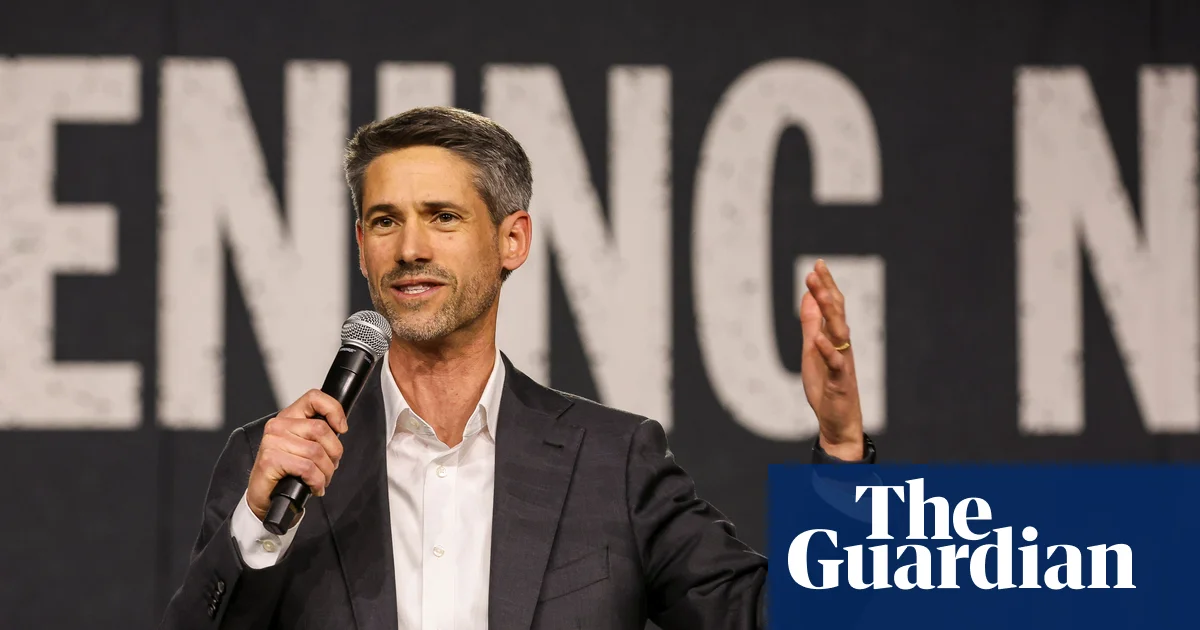
Google Founder Endorses Both Sides in California Race as Ex-CEO Battles Billionaire Tax

The influence of Silicon Valley in global geopolitics is no longer confined within the boundaries of the United States. Instead, its tentacles stretch across state borders and into the corridors of power, shaping policies with unprecedented financial muscle. Recent revelations demonstrate that tech billionaires, from giants like Google, Facebook, and Reddit, are pouring millions into California’s political battles—particularly the ongoing fight over a proposed wealth tax. This intense involvement signals a broader trend: the digital aristocracy is not merely content with accumulating wealth; they aim to influence and perhaps even dictate the regulatory landscape.

Key figures such as Eric Schmidt and Sergey Brin, both emblematic of Silicon Valley’s rise, are active players in these political campaigns. Schmidt’s substantial $1.04 million donation to the California Business Roundtable highlights a clear opposition to the Billionaire Tax Act. This legislation, aimed at funding vital social programs like education and healthcare, is stymied largely by the tacit agreement of California’s ultra-rich, who view this proposal as a threat to their economic dominance. Analysts warn that this kind of financial interference undermines fair democratic processes and reveals an emerging pattern of ‘digital oligarchs’ leveraging wealth to combat even modest redistribution efforts.

Meanwhile, Sergey Brin, embodying a more duplicitous approach, has contributed to both sides of California’s political spectrum. His donations to a Republican candidate, Steve Hilton, and Democratic supporter Matt Mahan, exemplify how Silicon Valley elites manipulate political discourse—playing both sides in pursuit of broader influence. Brin’s extensive funding to oppose the wealth tax, supported by recent investments from his Nevada estate, underscores how financial power consolidates to thwart reforms that would put a dent in their fortunes. Additionally, Brin’s attendance at a White House dinner with Donald Trump signals an intent to engage directly with the highest levels of state and federal authority, aiming to influence policies that affect the fabric of society.

This strategy is not isolated but part of a larger geopolitical impact—where international tech giants project power domestically to shape the socio-economic environment to their advantage. Experts cite a growing concern over how these financial maneuvers threaten the democratic process, with some voices from international organizations warning of a “tech-driven oligarchy” that may influence elections, policies, and global perceptions of sovereignty. As Silicon Valley’s influence balloons, questions arise about how these wealthy actors’ interests align or conflict with national and societal priorities. The battle over the Billionaire Tax exemplifies the broader clash: a fight between the political will of the common citizenry and the vested interests of an emerging ruling class of digital elites.

As the fight intensifies and these financial power plays continue to unfold, the essence of this debate echoes a warning from historians and political analysts: the rise of economic aristocracy within technology-rich states portends a realignment of power. With each campaign donation and political endorsement, the lines between corporate interests and public policy blur further, casting ominous shadows across democratic institutions. Humanity now watches as history’s uncharted chapter is written amid the allure of wealth and influence—an unfolding saga whose outcome could redefine societal standards for generations to come. The true question remains: will the voices of the many rise above the whispers of a few powerful tech barons, or will this new digital aristocracy shape the future amidst the remnants of democracy? The answer lies in the continuing pages of history, soon to be inscribed with the choices of today’s political and technological elites.

Australia News Live: NSW Anti-Slavery Chief Questions Iran Football Squad’s Exit; Earthquake Rocks North of Canberra

International Ripples: Australia’s Crucial Decisions Shape the Geopolitical Landscape

Fresh developments emanating from Australia highlight a nation at a critical juncture, where internal decisions transcend borders, echoing the broader battles of sovereignty and moral responsibility on the world stage. The controversial departure of the Iranian women’s football team from Australia has sparked intense scrutiny and debate, not only about domestic policies but also about how nations handle complex issues of threat, coercion, and international law. Analysts warn that the handling of this incident could redefine Australia’s stance towards human rights and its diplomatic credibility, especially amid ongoing conflicts involving Iran and other regime-led states.

The incident underscores a fragile geopolitical balance, where the NSW anti-slavery commissioner questioned top-tier institutions—including the federal police, Sydney airport, and Qantas—over their role in facilitating the squad’s departure amidst wide-ranging concerns about coercion. Dr. James Cockayne emphasized that the athletes’ decision to leave might have been unduly influenced by threats and intimidation, echoing fears of exit trafficking—a grave issue that highlights how vulnerable individuals become pawns in larger geopolitical conflicts and authoritarian tactics.

This scenario not only raises questions about domestic oversight but also spotlights how international diplomacy and law enforcement are intertwined with issues of regime repression, especially with Iran’s regime known for its misogynistic policies and suppression of dissent. The international community, including historians and global watchdogs, warn that failure to address coercion effectively may embolden oppressive regimes and undermine the principles of free movement and asylum. The incident prompts a looming question: Does Australia’s handling reflect a broader tendency among Western nations to prioritize diplomatic relations at the expense of human rights and protective oversight?

In parallel, domestic policies such as the Victoria government’s initiative to provide free pest and building reports for homebuyers reveal a nation grappling with internal challenges of transparency and economic security. Jacinta Allan, Victorian Premier, advocates for the reform to curb excessive costs and empower consumers, a move seen as a step to reinforce confidence in Australia’s private sector amidst global economic uncertainties. Yet, these domestic shifts signify more: a concerted effort to reshape societal expectations and assert control over economic vulnerabilities, which, analysts argue, are now heavily influenced by international events, including the conflict in the Middle East.

As geopolitical tensions in the Middle East intensify, Australia stands as an exemplar of how a nation’s internal policies, international dealings, and moral stance are increasingly interconnected. The recent earthquake near Boorowa and severe flooding in Queensland further symbolize a nation resilient yet besieged by uncontrollable forces—nature and geopolitics alike. The way Australia navigates these turbulent waters will indelibly mark its role in the shifting global order, where decisions about refugee protection, international trade, and moral leadership are more intertwined than ever. History’s weight is heavy on Australia’s shoulders, with each move possibly rewriting the contours of its national identity and its influence in shaping the rules of a new geopolitical era.

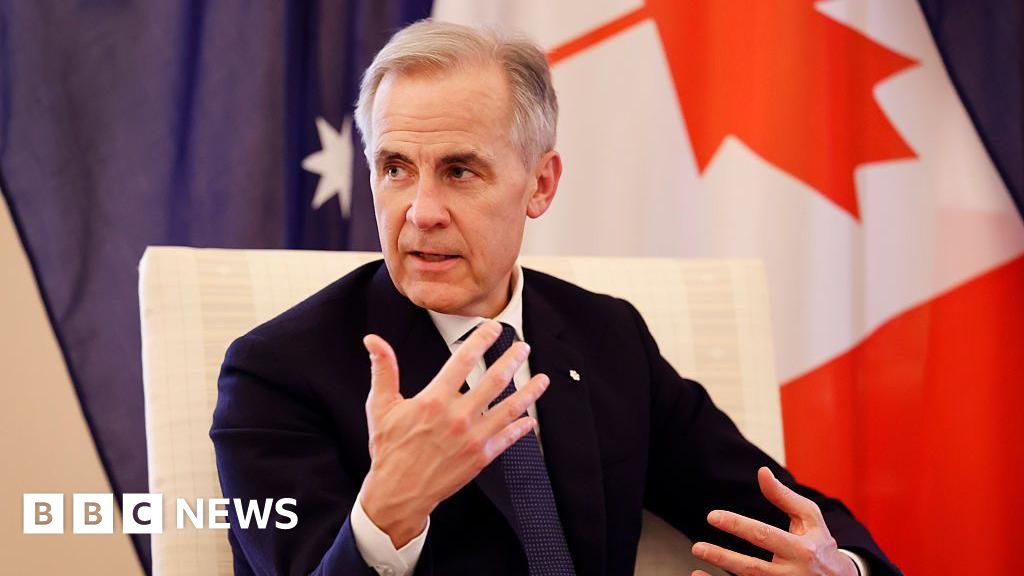
Canadian PM Mark Carney gains ground amid fourth MP switch to Liberals

In an unexpected development within Canada’s parliamentary landscape, Lori Idlout, previously aligned with the New Democratic Party (NDP), has altered her political allegiance by crossing the floor. This move signifies a notable shift in the internal dynamics of Canadian politics, reflecting broader trends of ideological realignment and strategic recalibration amidst an increasingly complex global environment. Idlout’s transition not only impacts the domestic political scene but also carries substantial geopolitical implications that resonate beyond Canada’s borders.

Likewise, analysts suggest that such occurrences are symptomatic of a larger pattern where lawmakers recalibrate their positions in response to international pressures and internal party dynamics. As noted by Dr. Robert Clark, a renowned political historian from the University of Toronto, “Floor crossings often serve as barometers of shifting political currents, often influenced by external geopolitical considerations and the motives of regional and transnational actors. Idlout’s switch may seem, on the surface, a local affair—but, in truth, it echoes broader geopolitical shifts, especially in the context of Canada’s strategic alignments and economic interests.”

The repercussions of Idlout’s departure from the NDP extend into the realm of international power plays, especially as Canada faces increasing pressure to navigate a complex web of alliances and rivalries. The nation’s engagement with U.S.-China tensions and its role within organizations such as NATO are shaping its internal policies and party strategies. Global institutions and analysts warn that a shift in domestic political allegiances could influence Canada’s stance on key international issues—ranging from trade negotiations to defense commitments.

As Canada grapples with its identity amidst these shifts, the significance of Lori Idlout’s move extends far beyond her personal political trajectory. It symbolizes a nation at a crossroads—caught between traditional alliances and emerging geopolitical realities. Decisions made within parliamentary chambers today serve as the foundation of future international alignments, and this latest change raises questions about the stability of Canada’s domestic consensus on vital issues. As international observers scrutinize these internal shifts, the overarching narrative remains clear: history is in the making, and the pages turn swiftly in this unfolding geopolitical saga. The weight of these decisions, both domestic and global, underscores the profound truth: the future of nations is often determined not only on the battlefield or in treaties, but within the halls of power where the trajectory of history shifts silently but inexorably.

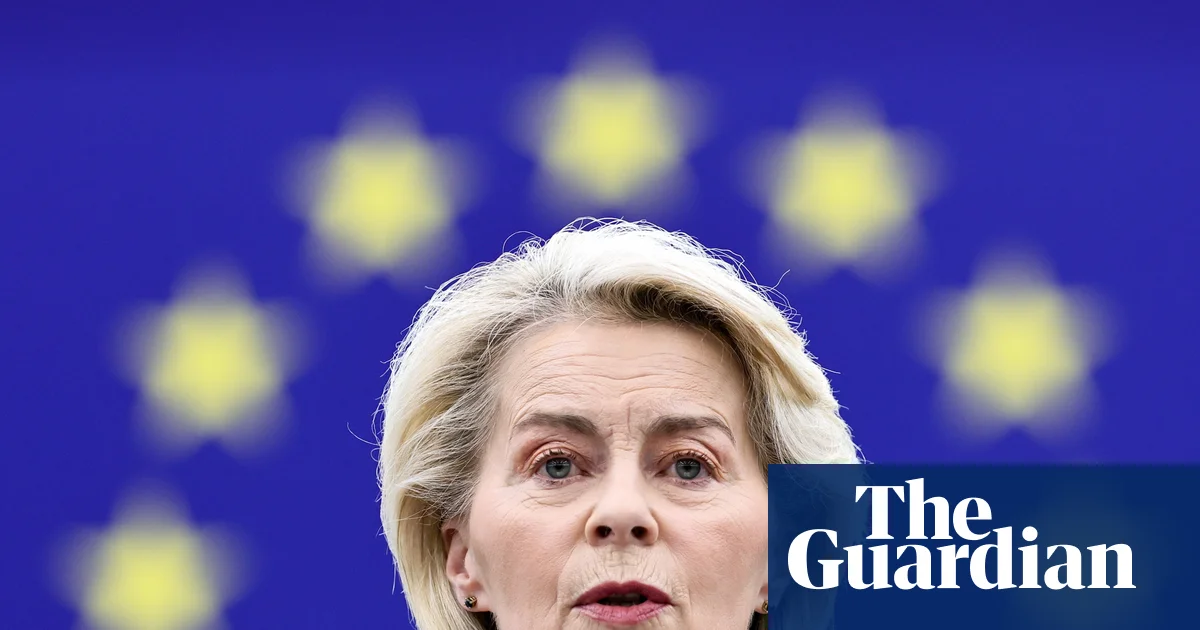
Europe in Chaos: Middle East Conflict Turns EU Against Itself

Recent statements from European Commission President Ursula von der Leyen sharply underlined a fundamental shift in Europe’s approach to global geopolitics. Her assertion that “Europe can no longer be a custodian for the old-world order” reflects a continent grappling with its diminished influence amidst an increasingly unpredictable international environment. In her speech, she emphasized the need for a “more realistic and interest-driven foreign policy,” acknowledging that the traditional rules-based system, long cherished by European nations, can no longer serve as the sole foundation for global stability. As missiles rain down upon Tehran and tensions escalate in the Middle East, her comments reveal a continent contemplating its limited options in a chaotic world where alliances are strained, and old norms are rapidly unraveling.

This crisis has thrown Europe into a state of disarray, exposing profound divisions within its leadership and strategy. While some nations, like France, have dispatched naval forces and increased diplomatic outreach in the Middle East, their efforts appear unable to exert significant influence on the unfolding conflict. Other key players, such as Germany and Spain, display divergent views—ranging from cautious restraint to accusations of overreach—exposing a fractured unity that weakens the EU’s collective voice. Analysts and former officials warn that the EU’s response has been “paralysed,” reduced to mere commentary while the conflicts escalate around its borders. The inability of Europe to forge a cohesive stance not only minimizes its geopolitical relevance but risks ceding influence to harsher, more assertive powers like Russia, which is already positioned to exploit these turbulences for strategic gain, especially in the energy sector and regional dominance.

Amid this chaos, a critical debate has emerged within Europe over whose voice truly represents the continent on the world stage. French Foreign Minister Jean-Noël Barrot criticized Ursula von der Leyen for what he called an inappropriate overreach—highlighting an internal struggle in defining European authority. Meanwhile, Kaja Kallas, Estonia’s leader, advocated for a return to international law, fearing Europe’s drift away from legal norms could lead to recurrent chaos. This division signals a larger crisis of confidence in the rules-based order that has underpinned European security and prosperity since the Cold War. Historians like Niall Ferguson warn that failing to defend these principles invites a future of repeated violations by major powers, effectively signaling the end of an era marked by international law and cooperation. Von der Leyen’s calls for “new ways of cooperating,” in her words, seem to portend a departure from these norms, with her remarks viewed by critics as an attempt to adapt to a “post-legal” world—a shift that could further embolden global actors willing to bypass established rules.

The overarching consequence of these developments is clear: Europe’s strategic influence is waning at a time of immense geopolitical upheaval. The ongoing Middle East conflict not only risks destabilizing a volatile region but also demonstrates Europe’s inability to shape the narrative. Western leaders remain largely reactive, sidestepping confrontational stances out of fear of alienating powerful allies or triggering broader conflicts. As Julien Barnes-Dacey and other analysts warn, this reticence amounts to a strategic miscalculation—Europe’s hesitation may serve Russia and other adversaries better than any military intervention ever could. The continent’s failure to project decisive power leaves a void that will be exploited by those with fewer qualms about international law or norms. In this unfolding chapter of history, most European capitals seem content to tread water, hoping to contain the damage, even as the currents of chaos threaten to sweep them away. With each passing day, as alliances shift and old principles are discarded, the question remains: how much of Europe’s future is left to the rule of law—and how much is surrendered to the realities of power and interest?.

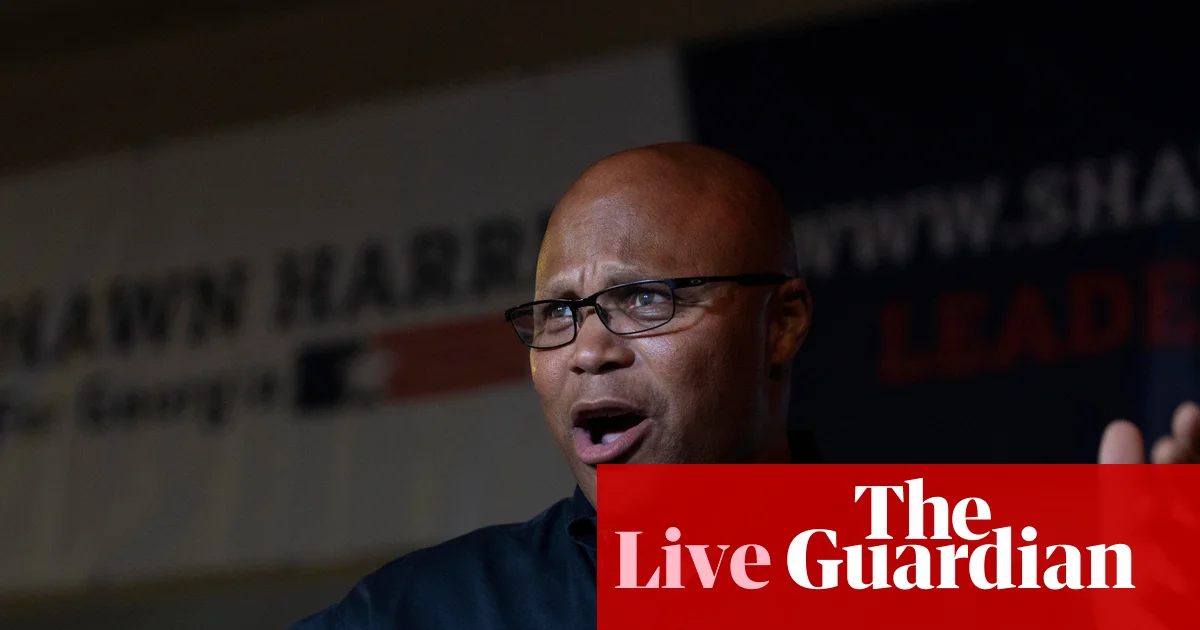
Trump-backed Republican faces Democrat in Georgia runoff for Greene’s seat

Global Politics in Unprecedented Turmoil: A Turning Point in History

In recent days, the international stage has been witnessing a series of seismic shifts, with nations recalibrating their positions in response to emerging conflicts, diplomatic failures, and strategic recalculations. United States foreign policy appears to be increasingly aggressive, as evidenced by recent military strikes against Iranian vessels near the Strait of Hormuz, a vital global chokepoint. Unclassified footage released by US Central Command shows multiple Iranian ships, including minelayers, being targeted following warnings from former President Donald Trump, who condemned Iran’s destabilizing activities and warned against laying mines in these critical waters. This escalation could deepen regional tensions and threaten global energy supplies, impacting societies worldwide.

Meanwhile, in a conflicting move, the US domestically remains embroiled in political upheavals, notably in Georgia, where a rare opportunity for the Democrats to challenge entrenched GOP strongholds has emerged. In a competitive runoff, retired Army General Shawn Harris, backed by a formidable campaign effort and raising over four times as much as his Republican opponent Clay Fuller, seeks to harness a moment of political tension. Fuller’s assertion that the Republican party will unite behind him, framing it as a fight against a dangerous Democrat, reflects ongoing partisan polarization but also highlights the fragile balance in American electoral politics that could influence the broader geopolitical landscape, especially as the U.S. continues to wield immense influence in global affairs.

Shifting Alliances and Critical Policy Flaws

The internal fissures within US politics threaten to undermine its international leadership. The recent withdrawal of Trump’s nominee Jeremy Carl from a key diplomatic role after a backlash over controversial remarks underscores a broader trend: America’s political apparatus is increasingly polarized, with bipartisan opposition crippling strategic appointments. Historians and analysts suggest that these internal divisions distort America’s ability to project strength abroad, thereby inviting rivals like China and Russia to fill the power vacuum. As the US struggles with internal dissonance, nations across the globe watch warily, knowing that a weakened America risks ceding leadership on critical issues such as climate change, security, and economic stability.

Meanwhile, regional conflicts persist, exemplified by the ongoing US-Israeli interventions in Iran, which threaten to spiral into broader conflicts with far-reaching implications. The Biden administration’s inability to stabilize energy markets, with inflation stubbornly remaining at 2.4%, signals not only economic strain but also the potential for global instability if energy prices surge amid geopolitical crises. International organizations, including The UN, warn that such policy missteps could ignite conflicts that spiral beyond control, leaving societies around the world to grapple with the consequences of a fractured order.

The History Unfolds

History has repeatedly shown that in times of chaos, the stakes are enormous. Each decision — be it military strikes, diplomatic appointments, or electoral upsets — writes a new chapter in the annals of geopolitics. Analysts warn that the current trajectory echoes earlier eras when internal splits and external conflicts fueled global upheaval. The war drums in the Middle East, the tense run-offs in American politics, and the fissures within superpowers like the US all signal that we stand on the precipice of a new era—one where the decisions made today will reverberate for generations to come. The weight of history presses down, reminding us that every action is interconnected, shaping the fragile fabric of international stability.

Teenager detained over stabbing incident at Norwich school

In a troubling incident that underscores ongoing challenges faced by societies worldwide, a 16-year-old boy was recently arrested following a violent assault at a school in Norwich. According to reports, a teenage girl was stabbed at the school located in Thorpe St Andrew, prompting a swift response from emergency services at 10:24 a.m. Local authorities confirmed that the girl sustained minor injuries and is now receiving medical care. This event, while seemingly isolated, has reignited debates about youth violence, security measures, and the influence of societal pressures that increasingly target vulnerable youth populations across affluent nations.

Police apprehended the suspect nearby shortly after the attack, and he has been taken to the Wymondham police investigation center for questioning on suspicion of causing grievous bodily harm with intent. Notably, authorities emphasized that this incident is not linked to previous reports of antisemitic chanting at the same school last week. This distinction highlights wider concerns about the roots of violent behavior in young people, which can stem from complex social, psychological, and ideological factors. While local officials emphasize that acts of violence should be addressed within communities, international organizations, such as the United Nations, continue to stress the importance of preventative measures at national levels, warning that a failure to curb youth violence could have broader implications for stability and security.

From a geopolitical perspective, the ripple effects of local violence can illuminate larger issues facing many modern states. As nations grapple with internal unrest, rising extremism, and changing social dynamics, the decision to clamp down on youth violence and address its underlying causes becomes a critical facet of national security. Analysts point to the importance of comprehensive education policies, mental health support, and social integration programs to prevent incidents that threaten societal cohesion. Meanwhile, international bodies caution that neglecting such internal threats can embolden radicalization and undermine the stability necessary for sustained economic growth and diplomatic relations. Historians and security experts warn that unchecked youth violence often serves as a symptom of deeper societal fractures that can, if left unresolved, escalate into broader crises both domestically and abroad.

The incident in Norwich is emblematic of a broader, increasingly urgent narrative: the fragile fabric of modern societies is under pressure. Decisions made in local communities today—whether through policy, education, or community outreach—will resonate far beyond their immediate context. As global powers navigate complex diplomatic landscapes marked by shifting alliances and regional conflicts, the internal stability of nations remains a cornerstone of international order. The choices that leaders face—balancing security, social justice, and individual rights—will determine whether this era is remembered as one of resilience or unraveling. As history unfolds, it becomes clear that the fight for societal cohesion is an ongoing battle, with each incident serving as a stark reminder of the high stakes involved in safeguarding the future.”

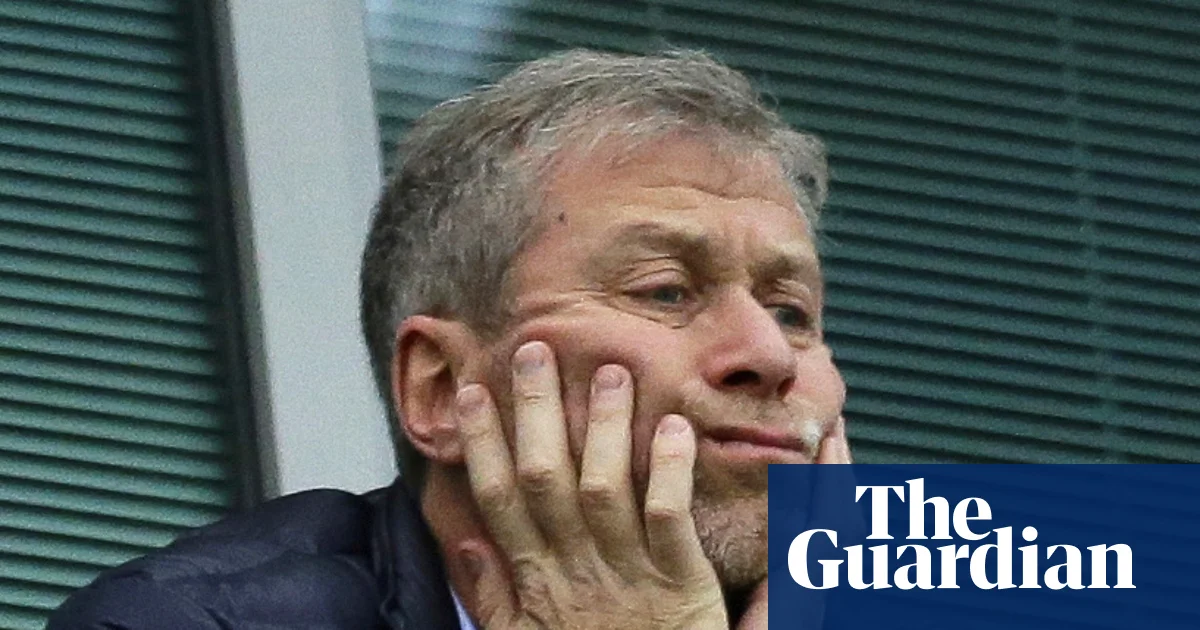
Chelsea sale funds under probe for suspected ‘criminal proceeds’—Roman Abramovich’s deal in question

Jersey authorities are now embroiled in a high-stakes investigation that could reshape perceptions of one of the most high-profile cases of international finance and governance: the 2022 sale of Chelsea FC by Roman Abramovich. The billionaire oligarch’s sale, which netted a staggering £2.4 billion, has since become a geopolitical chess piece, caught in the crossfire of global sanctions and local investigations into alleged proceeds of crime. As London’s political establishment debates the fate of this frozen wealth, analysts warn of the wider geopolitical impact: the outcome could set a precedent for how nations manage the assets of sanctioned individuals amidst turbulent international conflicts.

The core of the dispute rests on the origin of Abramovich’s amassed wealth, which is under scrutiny for potential links to corruption and money laundering. The accounts for Fordstam Ltd—through which the oligarch owned Chelsea—reveal that part of the funds, earmarked for future use, may be tainted by illicit activity. Jersey’s attorneys are assessing whether the assets, currently held in a Barclays bank account and accruing interest, are derived from activities that could be classified as criminal in origin. This stands as a crucial turning point in how international jurisdictions handle wealth tied to individuals linked with authoritarian regimes—particularly Vladimir Putin’s Russia—a nation where the chaotic rise of capitalism amidst state influence created a fertile ground for wealth with questionable origins, as noted by numerous historians and financial analysts.

  • According to legal documents, Abramovich’s funding of Chelsea involved loans routed through offshore entities, notably a £1.4 billion interest-free loan from Jersey-based Camberley International Investments Ltd.
  • Jersey prosecutors are examining whether these assets, or the net proceeds from the Chelsea sale, could constitute proceeds of crime.
  • The UK government, already at odds with Abramovich since sanctions were imposed following Russia’s invasion of Ukraine, claims the money should not be diverted for personal or political gain.
  • Meanwhile, Chelsea’s current owners have created a £150 million financial buffer, a safeguard designed to mitigate potential penalties under the ongoing investigations.

Global institutions and strategic analysts are watching the unfolding story with intense interest because of its broader implications: it underscores the danger of illicit financial flows crossing borders in an increasingly interconnected world. Some international bodies warn that allowing questionable assets to be diverted or hidden could undermine anti-corruption efforts and empower authoritarian regimes’ corruption networks. Conversely, defenders of Abramovich insist that ongoing investigations are politically motivated, and that the assets are lawfully acquired. Yet, as the Jersey-based inquiry delves deeper, it raises uncomfortable questions about how the global community must strike a balance—protecting property rights while denying resource streams to regimes that threaten international stability.

As history continues to unfurl, the Chelsea FC saga becomes a microcosm of a larger struggle: the battle between national sovereignty and international accountability, between the rule of law and geopolitical expediency. The unresolved fate of Abramovich’s fortunes may yet serve as a warning—an ominous reminder that in today’s world, wealth can be both a tool for progress and a weapon for chaos. The final chapter remains unwritten, but its lessons will echo across generations, shaping how nations confront the shadowy nexus of power, money, and politics in the age of global disorder.

Social Media Auto Publish Powered By : XYZScripts.com