Matox News

Truth Over Trends, always!

Mugabe Family in Turmoil: Arrests and Allegations After Fall from Power

The impending court appearance of Bellarmine Mugabe, the former first lady of Zimbabwe, signals yet another chapter in the country’s turbulent political saga. Once a symbol of Zimbabwean nationalism under her husband, Robert Mugabe, her legal troubles have become emblematic of a broader reckoning with the country’s past governance and ongoing attempts to reshape its political landscape. As she prepares to face justice, international observers and local citizens alike are analyzing the ripple effects on Zimbabwe’s stability and its geopolitical posture.

Historically, Zimbabwe‘s political trajectory has been entrenched in struggles over sovereignty, power consolidation, and economic resilience. After Robert Mugabe was ousted in 2017, a new era was supposed to dawn; however, the legacy of the Mugabe era lingers through figures like Bellarmine Mugabe and other members of the former first family. The current legal proceedings highlight the ongoing efforts by Zimbabwe’s government to address alleged corruption and abuse of power, but also raise questions about whether this is a genuine move toward justice or a strategic attempt to cleanse political rivals and solidify new leadership. International organizations, such as the African Union and South African Development Community, are closely monitoring these developments, wary of whether this represents genuine accountability or political theater.

Analysts warn that the geopolitical impact of these internal conflicts extends beyond Zimbabwe’s borders. As the country seeks to recover from decades of economic decline and social unrest, the actions of current leaders—who now aim to hold their predecessors accountable—are being scrutinized for their long-term implications. Some experts caution that internal prosecutions, if perceived as selective or politicized, could undermine fragile institutions and alienate parts of Zimbabwean society that remain loyal to the Mugabe legacy. Meanwhile, international actors such as China and former colonial powers like the United Kingdom are watching keenly, aware that Zimbabwe remains a crucial piece in the regional power puzzle, especially amid regional shifts and global geopolitical tensions.

  • The court proceedings against Bellarmine Mugabe represent a symbolic moment, serving as a test of Zimbabwe’s commitment to justice amid political upheaval.
  • These events coincide with a broader push by Zimbabwean authorities to combat corruption and reform state institutions, though critics argue that much remains to be done to achieve genuine transparency.
  • Regional leaders and international organizations are calling for a balanced approach—recognizing historic grievances while ensuring stability and adherence to the rule of law.

Delving into the implications for Zimbabwe’s society, the specter of upheaval and the unresolved legacy of Robert Mugabe continue to influence public sentiment. For many, these developments are less about justice and more about political survival—both for those in power and for the opposition that remains divided. Historians and political analysts warn that Zimbabwe’s future depends on how effectively its leaders reconcile with its tumultuous past without falling prey to cycle of instability. As the nation stands at a crossroads, the weight of history presses heavily on its shoulders, suggesting that the choices made today will reverberate through generations to come. The unfolding drama of Zimbabwe’s political fate serves as a stark reminder that history is often written in moments of crisis, and the outcome remains uncertain, hanging like a shadow over a nation eager to write a new chapter—but still haunted by its past.


From New Zealand to Orkney: The bold move to preserve a timeless classic

Global Movements and Shifting Power Dynamics: The Significance of Hans Compter’s Worldwide Journey

In recent days, the world has been closely watching a seemingly symbolic journey undertaken by Dutchman Hans Compter, who traveled across numerous countries to deliver the Austin to Cathleen Hourie in the remote region of Orkney. While on the surface this may appear as an individual story of tradition or personal endeavor, international analysts and geopolitical strategists recognize this event as emblematic of the ceaseless currents of change shaping the global landscape. As nations grapple with economic upheavals, shifting alliances, and rising geopolitical tensions, such journeys symbolize more than mere logistics—they embody a broader narrative of resilience and the underlying power plays that define the 21st century.

This journey’s significance extends well beyond the personal; it underscores the resilient spirit of connectivity amidst a world increasingly fractured by trade disputes, territorial conflicts, and ideological rifts. The delivery of the Austin, often representative of technological or diplomatic importance, highlights the persistent importance of international cooperation—even among nations that constantly jockey for regional dominance. Such acts serve as subtle yet powerful reminders that, despite the tumult, the global community remains interconnected, with each voyage echoing the implicit recognition that collective stability depends on collaborative diplomacy.

From a geopolitical impact perspective, the event resonates strongly within the broader framework of international relations. As global powers recalibrate their positions—China asserting more influence, Russia reasserting regional dominance, and the West attempting to solidify alliances—such symbolic acts are viewed critically by observers such as the International Institute for Strategic Studies. The journey through multiple nations indicates underlying currents of cooperation amid discord, but also serves as a reminder of the fragile peace that underpins global stability. Analysts emphasize that these diplomatic gestures—be they cultural exchanges or logistical feats—have far-reaching consequences, often shaping the perceptions and future diplomacy of the involved nations.

Historically, events like this are seen as opportunities for nations to demonstrate resilience or leverage soft power — the ability to influence through culture, diplomacy, and indirect means. Experts note that reaching remote locations like Orkney symbolizes the persistent importance of strategic physical and ideological presence. The narrative of Hans Compter’s journey echoes a recurring theme within international history: despite decades of conflict and ideological divergence, humanity’s shared pursuit of connection often surfaces in symbolic acts. These moments influence societal perceptions, sway international opinion, and reveal underlying shifts in power dynamics that will ultimately shape the emerging order.

Yet the weight of this seemingly simple delivery is grounded in the enduring truth that history remains a continuous, unfolding story. As nations observe, analyze, and react to such actions, the outcome could influence future alliances, economic cooperation, and even the stability of regions long considered volatile. With each diplomatic voyage, the fabric of the international system becomes more intricate, and the stakes for nations and societies grow exponentially. As the world stands at this crossroads, the legacy of Hans Compter’s journey becomes a poignant reminder: in the grand theatre of geopolitics, every move counts, and history waits silently—its eventual chapters yet to be written.

Australian Designer Katie Perry Triumphs in Trademark Fight Against pop star Katy Perry

In a move that underscores the volatile nature of international cultural influence and legal authority, the recent legal developments involving a prominent US singer have reverberated far beyond the entertainment sphere. Initially, the artist faced defeat in a landmark case in 2023, which sent shockwaves through her global fanbase and raised questions about the transferability of legal judgments across different judicial systems. However, her subsequent victory on appeal seemed to affirm her resilience amid a shifting legal landscape. Now, a new ruling against her has rekindled debate over the intersection of law, cultural dominance, and geopolitical power.

The legal saga, which began as a localized dispute within the United States, quickly acquired international significance. Experts and analysts from various corners of the world have pointed to the broader implications for sovereign judicial authority and cultural influence. The recent decision, handed down by the court, not only marks a significant setback for the artist but also signals a warning to global cultural icons who often operate across multiple jurisdictions. As legal scholar Dr. Jane Thornton notes, “This outcome underscores the reality that, despite global celebrity status, legal decisions remain firmly rooted in national jurisdictions with tangible geopolitical consequences.”

Furthermore, the ruling accentuates the ongoing struggle for supremacy between international influences and national sovereignty. International organizations such as INTERPOL and regional legal alliances play increasingly vital roles in mediating these disputes, often revealing how the tides of judicial justice are shaped by geopolitical undercurrents. Many analysts argue that such cases serve as proxies for larger conflicts—whether cultural, economic, or political—between dominant powers and emerging influencers. As historians like Dr. Michael Reed have observed, “Legal battles involving global celebrities are often less about individual rights and more about asserting sovereignty within an interconnected yet fragile world order.”

As the international community watches this case unfold, it is clear that these legal swings reflect deeper, enduring shifts. The decisions hold profound implications for how nations navigate their own sovereignty, cultural identity, and diplomatic relations. Every court ruling, every appeal, and every reversal becomes a piece of an intricate geopolitical puzzle—shaping a future where the boundaries of law and influence are constantly redrawn. With the weight of history pressing down, the story of this singer — and the world stage she now occupies — remains a vivid reminder that in an age of rapid change, the struggle for control over narrative, influence, and justice is an ongoing, tumultuous saga. As this legal narrative continues to develop, the world waits, watching the future for signs of who holds the true power in this global arena.

Two Iran football affiliates opt to stay in Australia, signaling shifting loyalties

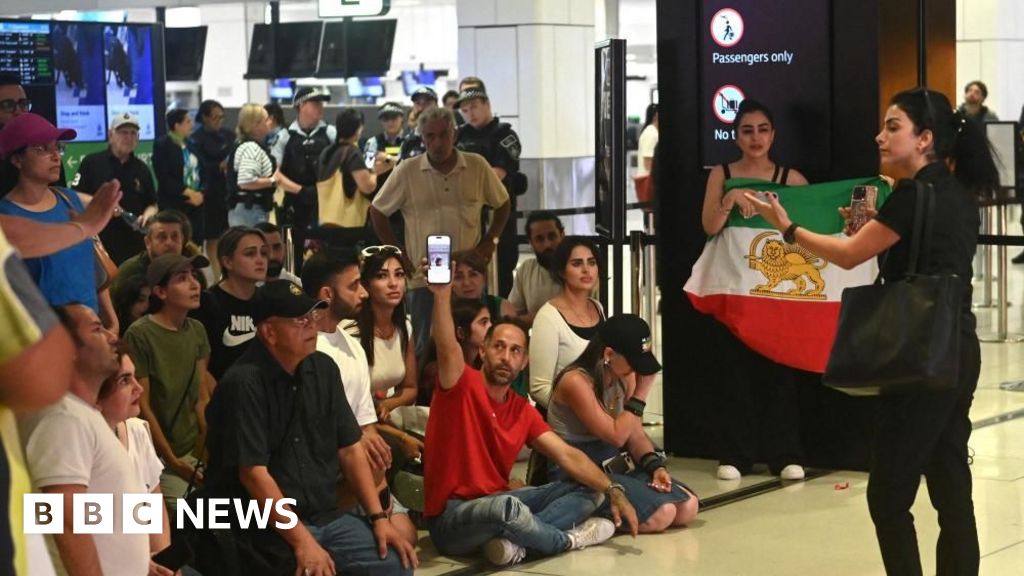
In a decisive development that underscores the complex interplay of sports, politics, and international diplomacy, reports indicate that most of Australia’s national team departed the country on Tuesday night amid mounting tensions. However, the situation remains under close scrutiny as a small contingent—including a player and a member of the support staff—have elected to stay behind, joining five other team members who have chosen to remain in Australia. This dissonance within the team exposes deeper geopolitical strains that are now resonating through the sporting world, reaffirming the arena’s increasingly prominent role in global conflicts.

The decision for the remaining members to stay involves not only considerations of personal safety but also strategic positioning amidst ongoing international pressures. Experts like Dr. Caroline Matthews, a senior geopolitical analyst at the International Policy Institute, argue that this split reflects broader tensions between national identity and international diplomacy. The departure of most team members coincides with a period of heightened diplomatic friction, potentially influenced by recent treaties, sanctions, or visa restrictions rooted in regional conflicts or geopolitical realignments. As sports often serve as a mirror of national patriotism and geopolitical interests, this episode highlights the way in which decisions made on the field ripple outward, affecting international perceptions and alliances.

Major organizations such as the International Olympic Committee and World Sports Federation are now watching closely, as these internal conflicts threaten to undermine the delicate balance of global sports diplomacy. Historically, sporting events have been arenas for international influence; the Cold War-era Olympic boycotts exemplify how athletic competition can morph into political battlegrounds. Analysts warn that these recent developments in Australia could herald a new phase where sports are irrevocably intertwined with national security considerations, especially as clashes over sovereignty, human rights, or regional dominance intensify. Statements from officials suggest that this moment may redefine how nations engage with international sporting bodies, emphasizing sovereignty and national interests over international consensus.

Among global institutions, there is a rising concern about how these internal team conflicts could set dangerous precedents. The United Nations Security Council and EU Foreign Policy have both issued calls for diplomacy and restraint, emphasizing that the impact of such actions extends beyond sport—contributing to destabilization, international mistrust, and a fracture in global cohesion. Historians and policy analysts compare this situation to historical flashpoints, where sporting disputes escalated into broader conflicts, highlighting the potential for escalation when external geopolitics influence internal team dynamics. This tense atmosphere underscores a disconcerting reality: in an increasingly interconnected world, the sites of national pride are becoming conduits for political assertion and international friction.

As this chapter of Australia’s sporting saga unfolds, the weight of history remains palpable—each decision echoing through the corridors of power and shaping the next chapter of global diplomacy. The internal split within the team is more than a mere matter of logistics; it is a stark reminder that the weights of sovereignty, national identity, and international rivalry are now woven into the fabric of what was once purely a game. In that fog of uncertainty, the world waits—watching whether this fissure will widen into a fracture or serve as a catalyst for renewed dialogue. The future of international sport hangs in the balance, a mirror to the enduring struggles that define the 21st century, holding the promise and peril of history still in the making.

Six dead in tragic Swiss bus fire—early signs point to foul play

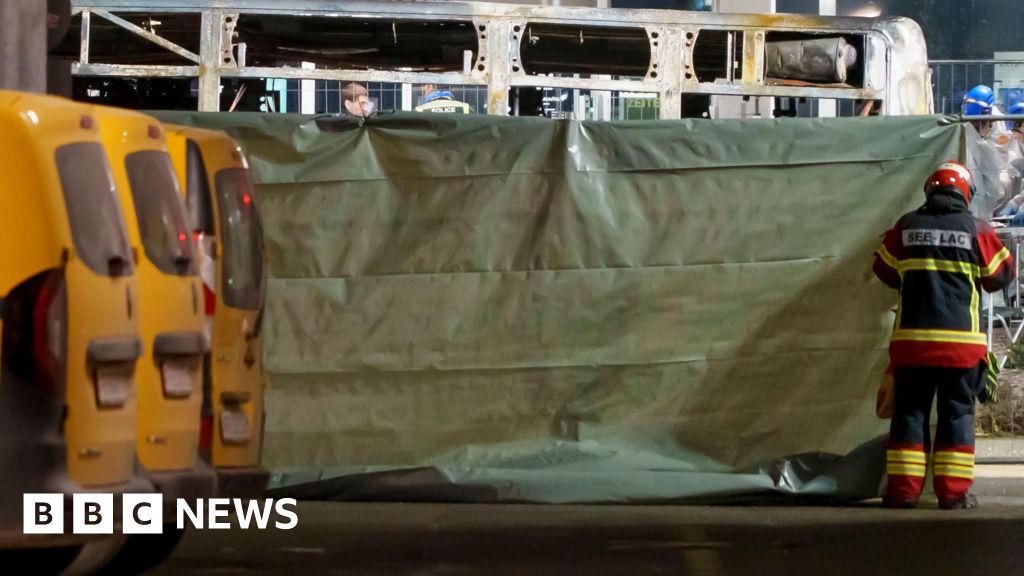
Recent events in the Western Fribourg canton, Switzerland, have cast a shadow over regional stability as a devastating fire has swept through the area, resulting in injuries and widespread concern. Local authorities remain cautious in their assessment, as they have yet to determine the cause of the incident. This event has rapidly transitioned from a local emergency into a matter of international geopolitical significance, prompting experts and officials worldwide to scrutinize the broader implications for both Switzerland and neighboring nations.

The fire not only caused physical devastation but also raised alarm bells among analysts specializing in international security and crisis response. Historically, such catastrophic events—especially in regions with strategic or political significance—can serve as indicators of deeper instabilities or potential external interference. While initial reports suggest an accidental origin, the uncertainty surrounding the cause has fueled speculations about possible sabotage or covert operations. Leading geopolitical strategists warn that, in an era where technological vulnerabilities are exploited, seemingly isolated incidents can escalate into larger crises, especially when they occur in politically sensitive areas like Switzerland. As a neutral nation with a longstanding policy of stability, any disruption threatens to ripple outward, influencing regional balances.

International organizations and foreign governments are closely monitoring the situation. The incident arrives amid a complex geopolitical landscape characterized by regional tensions and power struggles, particularly in Europe. Some analysts suggest that this event could serve as a catalyst for broader discussions on security cooperation or geopolitical destabilization in Western Europe. The involvement of Switzerland in global diplomacy, especially its role as a mediator and a hub for international negotiations, underscores how such crises can impact broader policy agendas. Countries invested in maintaining regional stability are now weighing whether this fire is an isolated tragedy or a symptom of larger geopolitical shifts.

Historical perspectives remind us that crises like these often serve as reflections of the underlying tensions simmering beneath the surface. As noted by scholars and international observers, an incident in a region renowned for neutrality and sophistication might seem isolated but can carry profound consequences for the global order. The ongoing investigation’s outcome will likely influence future security protocols, diplomatic strategies, and societal resilience. The international community’s response, therefore, must be cautious and strategic, recognizing that today’s emergency could be tomorrow’s turning point. The weight of history presses heavily on the shoulders of leaders across nations, emphasizing that even the most localized tragedies can reshape the geopolitical landscape, leaving nations to grapple with the uncertain aftermath of a fire whose cause remains shrouded in mystery.

Alabama Gov. halts nitrogen gas execution, spares death row inmate

In a significant move that underscores the complex intersection of justice, morality, and public opinion, Governor Kay Ivey of Alabama has commuted the death sentence of 75-year-old inmate Charles “Sonny” Burton, who was scheduled for execution this week. This decision, rooted in a controversial reevaluation of justice, does not merely reflect local policy but resonates globally as an example of how states grapple with the morality of capital punishment. Despite Alabama’s long history of carrying out executions—83 since the US supreme court reinstituted the death penalty in 1976—Governor Ivey’s intervention marks a notable shift in the state’s approach to justice, emphasizing fairness and proportionality.

Burton’s case, which sparked widespread debate, revolves around significant procedural and moral questions. Sentenced to death for the 1991 shooting death of a customer, Doug Battle, during a store robbery, Burton was not the individual who fired the fatal shot. Instead, another man, Derrick DeBruce, was responsible for the actual killing. While DeBruce’s death sentence was reduced on appeal to life imprisonment without parole, Burton’s punishment was set to proceed despite this new information. Ivey justified her decision by stating, “I cannot fairly administer the death penalty to Burton when the man who actually killed Battle is allowed to live.”—a statement highlighting the ongoing global debate over the application of capital punishment in cases where guilt and responsibility are complex and nuanced.

From an international perspective, Alabama’s unique stance and the recent halt of Burton’s execution illuminate a broader ethical discourse that transcends national borders. Human rights advocates, legal analysts, and international organizations like Amnesty International have long criticized the use of the death penalty as inhumane and prone to errors. Critics argue that even in cases where justice seems straightforward, flawed procedures or misidentification can lead to irreversible mistakes—errors that history’s dark chapters have repeatedly demonstrated. According to renowned historian Amanda Vickery, the debate over capital punishment is ultimately a reflection of a society’s willingness to uphold the sanctity of life, even amid the desire for retribution.

The decision by Governor Ivey to halt Burton’s execution after protests, including appeals from the victim’s daughter, Tori Battle, underscores how societal values influence judicial outcomes. Battle’s open letter, asserting that her father’s memory should not be dishonored by another death, echoes a growing movement emphasizing mercy and justice over vengeance. This moral stance challenges the traditional arguments for capital punishment, especially in the face of potential wrongful convictions and the ethical costs associated with state-sanctioned killing. Analysts warn that such decisions could either bolster moral authority or further deepen divisions within the American legal system, depending on their long-term consequences.

The consequences of Alabama’s actions reflect a broader geopolitical impact. As the United States grapples with its identity as both a defender of human rights and a nation still employing the death penalty, other countries observe with keen interest. Many democratic nations have abolished capital punishment, viewing it as incompatible with modern human rights standards; Alabama’s stance illustrates the persistent ideological divergence within the superpower. As scholars and international bodies monitor these developments, they serve as a reminder that decisions made in one state ripple into global perceptions, framing America’s moral and diplomatic standing. The story of Burton’s case is more than a legal controversy; it is a symbol of the ongoing struggle between justice, morality, and international reputation, a narrative still unfolding amid the relentless march of history.

Iranians in UK warn Starmer: War boosts Tehran regime amid US-Israel attack on Iran

The ongoing turmoil in Iran continues to redefine the landscape of international politics, with recent developments highlighting the escalating tensions surrounding the nation’s future. A coalition of prominent Iranian expatriates and former political prisoners, including the notable Nazanin Zaghari-Ratcliffe, has issued a compelling appeal to British Prime Minister Keir Starmer. Their letter underscores a nuanced plea: avoid being drawn into the current conflict, which they argue only serves to bolster the regime in Tehran. This sentiment echoes across a fractured global stance, illustrating a critical divergence in how Western nations approach Iran’s volatile situation.

The letter sharply counters narratives supporting regime change through military means, especially those fueled by diaspora figures such as Reza Pahlavi, the exiled son of Iran’s pro-Western former monarch. While Pahlavi and others advocate for a democratic transition, critics within the international community highlight the peril of armed intervention. Former U.S. President Donald Trump has also weighed in, suggesting a preference for internal leadership rather than external force, reflecting a broader debate about interventionism versus diplomacy. The signatories, including distinguished figures like Aras Amiri and Nasrin Parvaz, advocate for pragmatic and peaceable measures, such as providing Starlink technology to restore communication inside Iran—a move seen as essential for empowering domestic opposition and safeguarding human rights.

The recent escalation against Iran took a devastating toll, notably with the assassination of Iran’s 86-year-old Supreme Leader Ali Khamenei and his family by Israeli airstrikes on the war’s first day. Khamenei’s death has profoundly altered the country’s power dynamic, with his successor being one of his sons, Mojtaba Khamenei. Analysts warn that such targeted strikes risk further entrenching authoritarian rule and solidifying Tehran’s narrative of Western aggression. International organizations, including the United Nations, have expressed disquiet over the rising casualties and the potential for prolonged conflict in the Middle East, which could ripple far beyond regional borders. The destruction of Iran’s leadership not only destabilizes the nation but signals a ripple effect prompting shifts in alliances and strategic calculations across continents.

Underlying these events is a broader debate about how international decisions ripple through societies and influence future stability. The coalition of Iranian expatriates urges Western powers to avoid military escalation, emphasizing peaceful pathways that respect Iran’s internal sovereignty. They warn that misguided actions, such as assassinations or covert interventions, only serve to bolster the hardliners and deepen the cycle of repression and conflict. Meanwhile, geopolitical analysts like Samuel P. Huntington and institutions such as Foreign Policy Magazine caution that the current trajectory risks igniting a regional war, one with unpredictable outcomes that could reshape alliances in the Middle East for decades to come. The specter of a protracted conflict looms, reminding the world that the decisions made today may very well determine the course of history in Iran—and beyond.

As the dust begins to settle on a conflict that shadows the horizon, the weight of history remains inscribed in every action and reaction. The unfolding story of Iran’s internal struggle, shaped by international interference and regional power plays, continues to serve as a stark reminder that in the theatre of global geopolitics, every decision echoes with the potential to redefine the future. As young nations watch and wait, the question lingers: who will ultimately determine the next chapter? Humanity holds its breath, aware that this chapter is far from over—and that the pages yet to be written may be the most crucial of all.

Jess Phillips supports jury bill amid her fight against court delays impacting women and girls

United Kingdom is currently embroiled in a heated debate over proposed reforms to its legal system, exposing broader geopolitical implications regarding justice, governance, and social trust. The contentious courts and tribunals bill, championed by Justice Secretary David Lammy, aims to streamline judicial proceedings by limiting jury trials in favor of judge-only hearings for certain cases. While proponents argue that these measures are essential to reduce an overwhelmed crown court backlog, critics warn they threaten fairness and undermine public confidence—a critical issue at a time when Britain’s international reputation rests on its perceived rule of law.

At the heart of the debate lies a pressing concern: the backlog of cases, which now exceeds 80,000, threatening to delay justice for years—some potentially until 2030. Labour MP Jess Phillips, a vocal critic of the bill, pointed out the serious consequences for victims of gender-based violence. She recounted her personal experience with a case delaying a restraining order breach involving a violent ex-husband, emphasizing how such delays effectively allow criminals and abusers to evade accountability. Phillips and many others, including a coalition of female Labour MPs, warn that the current system’s “attrition” risks leaving victims isolated and offenders free to abuse again, thereby jeopardizing the very fabric of justice and societal safety.

This push for reform is not without controversy. Legal professionals and advocacy groups have branded the initiative as “unpopular, untested, and poorly evidenced,” voicing fears that limiting jury trials could erode trust in the judicial process. The reforms include controversial measures, such as implementing judge-only trials for complex fraud and removing the automatic right to appeal in magistrates’ courts—a move criticized for potentially marginalizing victims and survivors seeking justice. The disagreement echoes broader fault lines across Britain’s political landscape, where backbench revolts threaten to derail the government’s plans, illustrating a profound tension between efficiency and public accountability.

Moreover, critics like British historian Michael Wood and international observers warn that such reforms could have ripple effects beyond national borders. As Britain serves as a hub for legal precedent and global diplomacy, significant changes to its justice system send signals about its commitment to fairness and rule of law. Analogous to contentious judicial reforms in France and Canada, the UK’s reconsideration of jury rights and court procedures could stimulate a reevaluation of judicial independence among allies and adversaries alike, with possible consequences for international relations.

Decisions made now may well shape the future of Britain’s societal cohesion and its standing on the world stage. As the debate continues to unfold within Parliament—a battleground of ideology and interest—the weight of history remains heavy. The outcome will determine not only how justice is served but also how future generations will perceive the balance between security, fairness, and the rule of law. In this moment of upheaval and uncertainty, it becomes clear that the responses to Britain’s legal crisis will echo far beyond Westminster, resonating across borders and shaping the geopolitical landscape for years to come.

Labor MPs Concerned as Albanese Govt Ignores US-Israel Iran Strikes

In a development that underscores the escalating geopolitical tensions across the Middle East and beyond, Australiafinds itself embroiled in a complex web of international allegiances and strategic decisions. Just days after U.S. and Israel initiated their bombing campaign against Iran—a move that many international legal experts, including United Nations officials, label as a breach of the UN Charter—the Albanese government swiftly voiced unreserved support. This move has ignited criticism both domestically and abroad, highlighting a broader debate over Australia’s shifting role in global conflicts and the consequences of aligning too closely with Western military interventions.

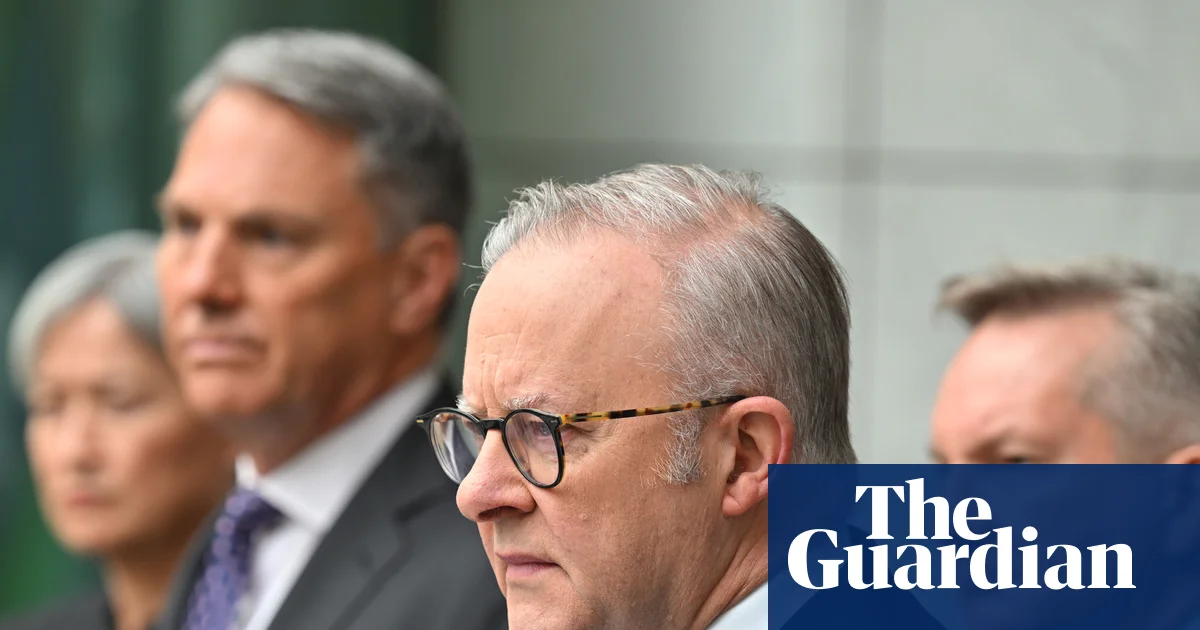
The support materialized in an official statement issued by Prime Minister Anthony Albanese, Foreign Minister Penny Wong, and Defense Minister Richard Marles just hours after the strikes—a stark contrast to previous incidents, such as last year’s Iranian nuclear site bombings, where Australia’s endorsement was delayed by nearly a day. This rapid alignment with U.S. and Israeli narratives, emphasizing Iran’s alleged nuclear ambitions and regional destabilization, raises significant questions over Australia’s commitment to international law and its reputation as a nation that values sovereignty and diplomacy. The decision has also exposed internal divisions: while top-tier ministers publicly support the strikes, factions within Labor, especially its left, have expressed concerns about the reckless escalation and Australia’s potential unwitting involvement in a broader regional conflict.

As the conflict spreads, Australia announced it would send a specialist surveillance aircraft and stocks of air-to-air missiles to assist the United Arab Emirates in defending against retaliatory Iranian attacks. Meanwhile, there is clear evidence that sections within Australia’s political landscape are growing restless. Grassroots groups, such as Labor Against War, have criticized the government’s stance as a grave divergence from the party’s traditional principles of anti-war policy. They argue that supporting illegal acts of aggression contradicts the party’s historic opposition to the 2003 invasion of Iraq—a stance rooted in safeguarding autonomy from U.S. military adventurism and defending international law. The debate underscores an emerging rift between factions, as Labor navigates the dangerous waters of international intervention and national sovereignty.

At the international level, analysts warn that these decisions could have long-term geopolitical repercussions. Many experts, including those from global think tanks and international law organizations, caution that support for aggressive military strikes risks further destabilizing a volatile region. The United Nations continues to grapple with the legal legitimacy of the attack, with voices like UN special rapporteur Ben Saul arguing that such strikes flout the core principles of peace and security enshrined in the UN Charter. Yet, the alliance between Washington, Jerusalem, and their allies—who portray the strikes as pre-emptive measures—may set a dangerous precedent, encouraging global powers to bypass diplomatic channels and resort to military solutions. As nations watch, the fallout from these decisions could shape the contours of international politics for generations, leaving a legacy of interventionism that future generations might regret as profoundly as those history now commemorates.

With the world at a crossroads, history appears poised to record whether it is witnessing a turning point driven by principles or manipulated by power. The unfolding chapter of this crisis, written amid political disputes and international condemnations, will undoubtedly influence the geopolitical landscape. As the shadows lengthen across the Middle East and the ripple effects reach every continent, one truth remains clear: the choices made today are etching the contours of tomorrow’s history. Whether justice or folly prevails, the weight of global responsibility presses harder with each passing moment—leaving the world to wonder if the dawn of a new, perilous era has truly arrived, or if this is merely another chapter in humanity’s ongoing struggle to find peace amid chaos.

Canada Police Probe Shots Fired at US Consulate in Toronto, Raising Safety Concerns

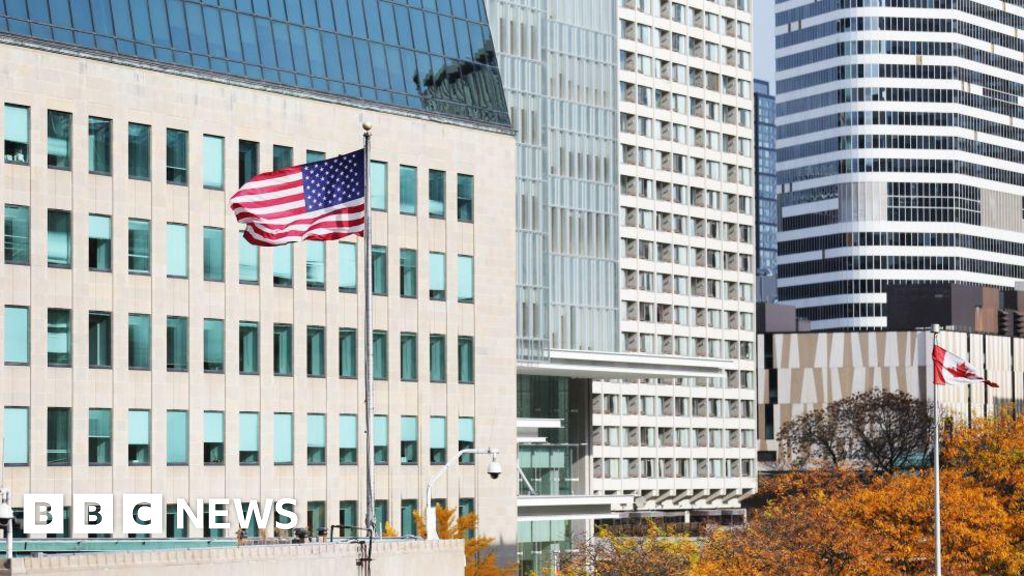
The world watched with growing alarm as Norwegian authorities launched a comprehensive investigation into a violent explosion outside the US embassy in Oslo on Sunday. While preliminary reports suggest that the incident was targeted, the geopolitical implications extend far beyond Norway’s borders, resonating across Western alliances and challenging the fragile stability of the European security landscape.

Norwegian police and security agencies responded swiftly, cordoning off the area and deploying bomb squads to analyze the device responsible for the blast. The incident has ignited a wave of speculation among international analysts about potential motives—ranging from espionage to terrorism. As authorities continue their probe, officials from the United States have called for calm, emphasizing their commitment to safety and security, while also urging caution in interpreting the attack’s significance. However, the incident underscores a disturbing shift—an escalation in threats targeting diplomatic missions in Europe, a region increasingly vulnerable amid global tensions.

Historians and geopolitical analysts point to this event as a turning point revealing the underlying fragility within the European security architecture. From the perspective of global institutions such as NATO, the incident signals a persistence of threats that threaten to undermine years of diplomatic progress and regional stability. Furthermore, specialists warn that such attacks can serve as catalysts for reliable allies to reconsider their security postures and diplomatic strategies. These developments place countries like NORWAY and the US at a crossroads—balancing the imperative of protecting sovereignty with the need for international cooperation in a rapidly shifting geopolitical environment.

The geopolitical impact of this event extends into the broader debate over security commitments and the observance of global peace treaties. With Russia and China monitoring Western responses, international organizations such as the United Nations have issued cautious statements emphasizing the need for vigilance and dialogue. Yet, critics argue that these diplomatic responses may be insufficient to deter further escalation. As countries bolster their defenses and rethink alliances, the incident serves as a stark reminder of the enduring contest for dominance in international affairs—a contest that could very well define the future trajectory of global order.

As the investigation continues and political leaders weigh their next moves, the world holds its breath. What emerges from this incident will undoubtedly shape the trajectory of international diplomacy, security, and alliances for years to come. In a period marked by unprecedented change and global uncertainty, history remains a relentless force, unfolding with each decision and confrontation—casting long shadows over the fragile fabric of peace, and leaving nations to confront the enduring question: Are we truly prepared for the storms on the horizon?

Social Media Auto Publish Powered By : XYZScripts.com