Matox News

Truth Over Trends, always!

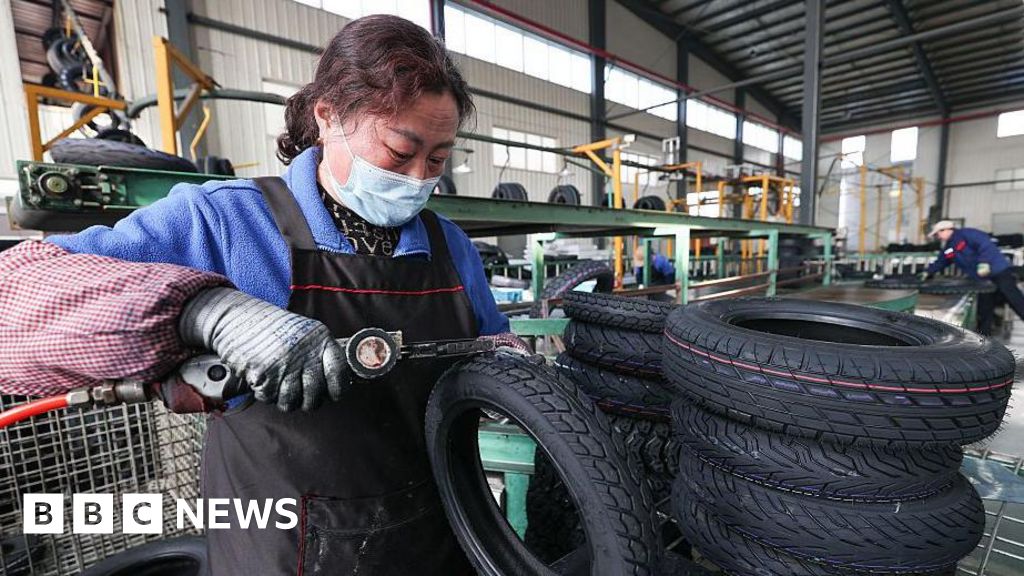
China’s exports soar despite Trump tariffs, signaling resilience

Recent official data confirms a remarkable 20% increase in global shipments this year, signaling a significant shift in international trade dynamics. The surge, driven predominantly by expanding markets within European nations and various countries across Asia, underscores a broader trend of economic resilience and strategic realignment in an increasingly interconnected world. Analysts from the International Trade Institute emphasize that this growth reflects not only proactive supply chain adjustments but also broader geopolitical shifts shaping the landscape of international commerce.

This escalation in shipment volumes bears profound geopolitical implications. Countries are recalibrating their economic policies, often motivated by the need to buffer against uncertainties emanating from longstanding international tensions, such as those involving U.S.-China relations and Russia’s role in global energy markets. Nations participating in this growth wave are asserting greater autonomy and diversification, aiming to reduce dependency on traditional trade hubs. Such developments are viewed by policymakers and strategic thinkers as a key component of the new balance of power, where economic strength is increasingly intertwined with geopolitical influence.

International organizations and independent analysts caution that these rising shipment volumes could mark a pivotal turning point in global supply chains, potentially challenging established economic hierarchies. The World Economic Forum warns that while the current figures showcase resilience, they also spotlight vulnerabilities—particularly the risk of overreliance on specific regions or logistical routes. Furthermore, historians and geopolitical scholars note that these shifts may anticipate a redefinition of alliances, as nations seek to exploit emerging markets and assert greater control over vital trade corridors. Underpinning all of this is the realization that the fate of global stability hinges on the capacity of nations to adapt and withstand external shocks—a task that continues to unfold in real time.

As the world watches these developments unfold, the raw reality remains that economic trends are no longer isolated from geopolitical trajectories. What began as a seemingly straightforward uptick in shipment numbers now reveals itself as a complex dance of diplomacy, strategic alliances, and national interests. The weight of history presses heavily onto the present, reminding us that each new percentage point in trade is a chapter in a narrative far larger than markets—one that will determine the shape of international relations and societal structures for decades to come.
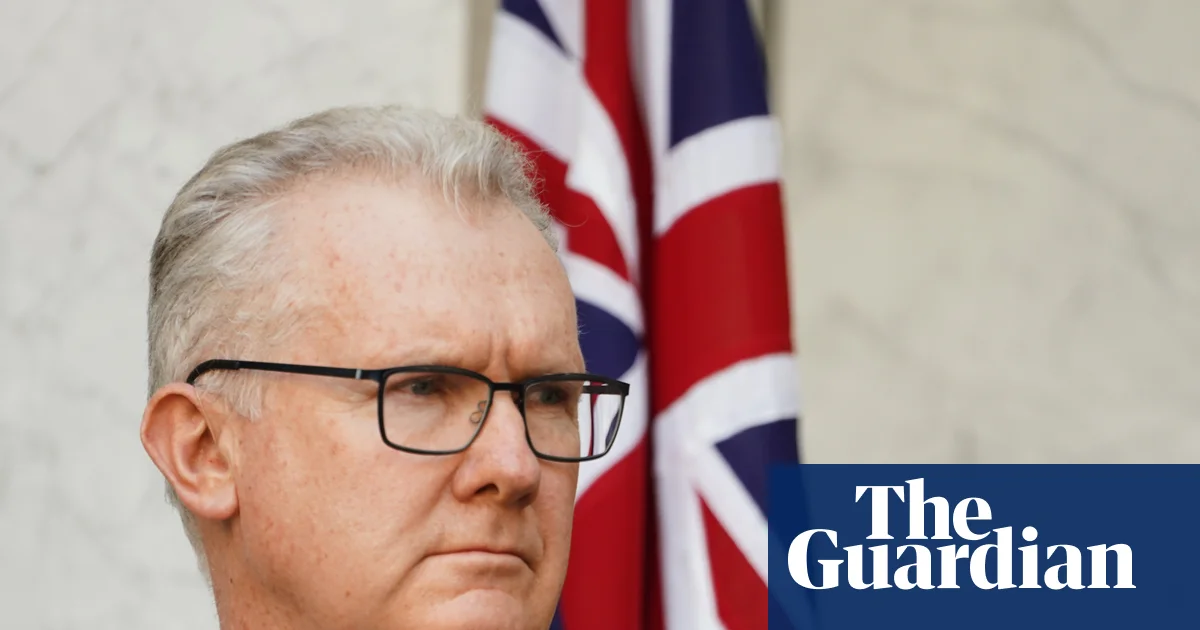
Labor Plans to Restrict Temporary Visa Holders from Entering Australia Amid Middle East Conflict, Says Tony Burke

Australia’s Immigration Shift Amid Middle East Crisis: Strategic Moves or Racial Targeting?

In the face of escalating violence and political turmoil in the Middle East, Australia is amping up its immigration policies, heralding a new era of tightening restrictions aimed at curbing the influx of temporary foreign nationals from conflict zones. The recent legislative maneuver, spearheaded by Assistant Citizenship Minister Julian Hill and facilitated by Home Affairs Minister Tony Burke, signals a decisive pivot toward controlling potential threats posed by nationals from regions embroiled in war. Yet, critics and international watchdogs argue that these measures are not solely about national security—they are also fostering a climate of racial discrimination and undermining Australia’s long-standing values of fairness and refuge.

Geopolitical Impact of Australia’s New Immigration Legislation

Specifically, the legislation introduces an “arrival control determination” mechanism that grants government ministers the power to restrict temporary visa holders from specified regions based on swiftly shifting geopolitical circumstances. If enacted, this bill could, for example, block Iranian tourists who received their visas prior to potentially escalating conflicts involving U.S. and Israeli actions against Iran. Such measures demonstrate how Australia’s domestic policy is increasingly linked to broader international conflicts, exemplifying a strategy that is less about immigration management and more about aligning national security in accordance with global geopolitical shifts.

According to international security analysts and historians, these policies reinforce the narrative that Australia is responding not only to immediate threats but also to the larger, complex web of alliances and conflicts that define contemporary geopolitics. The move has the potential to shape the future of international relations, compelling nations to weigh their diplomatic stances carefully. With approximately 7,200 Iranians and over 40,000 individuals from the region holding temporary visas in Australia, any disruption or restrictions could significantly impact societal cohesion and international solidarity.

How Decisions Affect Nations and Societies

While the government argues these restrictions are necessary to protect Australia’s sovereignty and public safety, opposition voices, including the Greens and independent members, accuse the legislation of targeting specific communities and eroding the integrity of the country’s visa system. Critics contend that the law could be exploited by future administrations to target any group under the guise of security, thus raising questions about racial bias and human rights violations. The Refugee Council and Asylum Seeker Resource Centre have condemned the move as a step backwards, emphasizing that such policies threaten Australia’s reputation as a nation that upholds humanitarian values and international law.

Throughout history, legislation driven by fear and prejudice has often led to societal divisions and enduring injustices. Analysts warn that in an increasingly interconnected world, policies that marginalize and exclude can foment long-term social fragmentation, complicating diplomatic and community relations both domestically and abroad. As the legislative process unfolds, the debate continues—will Australia’s leaders prioritize security over human rights, or will global opinion and internal conscience steer a different course?

Concluding Reflections: The Weight of an Unfolding History

As Australia navigates the turbulent waters of international conflict and internal policy transformation, the path it chooses today will resonate through generations. The decision to tighten borders in response to a regional war signals the complex interplay between national security, international diplomacy, and moral responsibility. History has often judged such moments as pivotal—where nations either uphold their foundational principles or succumb to fear-driven policies. In the shadow of ongoing conflicts and the specter of future unrest, the question remains: will Australia forge a legacy rooted in compassion and justice, or will it become another chapter in the story of nations torn between safeguarding borders and honoring universal human rights? The answers lie in the choices made in these critical moments—a saga still unfolding, with the weight of history hanging heavy on every decision.

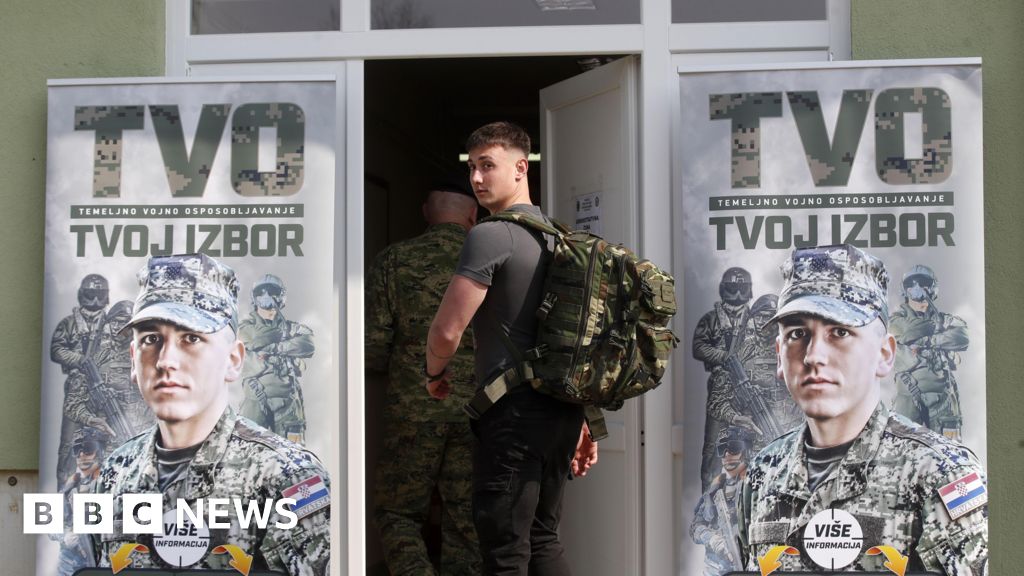
Hundreds of Croatian Teens Respond to Duty as Conscription Returns

In a rapidly changing geopolitical landscape, nations worldwide are intensifying their military preparedness by expanding training programs to encompass emerging technological domains. Recent developments indicate a concerted effort by global powers to integrate both traditional combat skills and cutting-edge cyber and drone warfare capabilities into their defense strategies. This comprehensive approach highlights a recognition that future conflicts will be fought not only on conventional battlefields but also through the unseen realms of cyber and electronic warfare. As military analysts and historians interpret these shifts, the message is clear: the nature of warfare is transforming, and nations are racing to adapt or fall behind.

The training initiatives now include elements such as drone control, cyberwarfare techniques, and countermeasures, signaling a strategic pivot toward technological superiority. Countries like the United States, Russia, and China have ramped up investments in these areas, employing specialists who can operate and defend against sophisticated digital threats. For example, recent reports suggest that several allied nations are establishing integrated cyber command units tasked with both offensive and defensive operations in digital domains. Security experts argue that these capabilities are vital since cyberattacks hold the potential to cripple critical infrastructure, influence elections, and disrupt financial systems. The emphasis on drone technology, meanwhile, signifies a move to enhance precision strike capabilities, reduce troop casualties, and maintain strategic advantages in contested regions.

Geopolitical Impact

The expansion of such training reflects more than just technological innovation; it signifies a profound shift in international power dynamics. As nations develop and deploy advanced warfare tools, traditional power balances are being redefined. Analysts warn that these developments could lead to an arms race, where competing states seek dominance in digital and unmanned systems. The North Atlantic Treaty Organization (NATO), for instance, has issued warnings about vulnerabilities in its digital infrastructure, prompting member states to bolster defenses. Similarly, Russia and China openly pursue offensive cyber capabilities, challenging the assumptions of Western technological superiority. The destabilization of global peace becomes an increasingly real concern, as the lines between conventional and unconventional warfare blur.

How Decisions Affect Nations and Societies

At the heart of these developments lie broader questions about sovereignty, security, and societal resilience. While technological advancements promise enhanced protection and power projection, they also pose risks—such as the escalation of conflicts into new domains or the unintended consequences of cyber warfare. Governments face the challenge of ensuring that their military transformations align with diplomatic and ethical standards, warning against reckless escalation. International organizations like the United Nations continue to call for arms control measures, but skeptics argue that innovation often outpaces regulation, leading to a dangerous arms race in invisible domains. As the world witnesses the integration of cyber and drone warfare into core military doctrines, societies must grapple with the implications of increased automation, surveillance, and the potential loss of control over autonomous systems.

Conclusion: The Unfolding Chapter of History

The global scramble for military dominance in technology signals a pivotal chapter in history—where the battlefield extends beyond physical territories and into the intangible realm of information and machine intelligence. The decisions made today regarding military training and technological development will not only determine who holds the advantage in future conflicts but also shape the very fabric of international stability. As nations forge ahead into this uncharted territory, the weight of history presses down, reminding us all that the true cost of progress may be measured in the echoes of conflicts yet to come—and the silent battles in the shadows of an increasingly interconnected world.

Is Timothée Chalamet losing his glow?

Global Cultural Tensions and the Backlash Against Timothée Chalamet: A Reflection of Geopolitical Shifts

Recent controversies surrounding Hollywood actor Timothée Chalamet have ignited broader discussions that extend beyond the realm of entertainment. While some critics target his personal views on ballet and opera, international analysts suggest that his public controversies serve as a mirror to ongoing cultural clashes and political polarization across nations. These disputes are emblematic of deeper geopolitical currents, revealing how societies worldwide are navigating modernization, tradition, and the influence of Western cultural norms. As the world watches, the backlash underscores the complex dynamics at play in redefining national identities and values.

Historians and scholars of international relations warn that cultural figures such as Chalamet have become unintended flashpoints within the broader struggle for ideological influence. The United States’ entertainment industry, often seen as a soft power tool, continues to shape global perceptions, yet it also faces pushback from conservative factions and governments wary of cultural imperialism. Meanwhile, European nations, caught between preserving their historical legacies and embracing progressive values, are witnessing similar tensions reflected in debates about arts and societal norms. These conflicts are no longer confined to domestic borders but now have significant geopolitical ramifications.

International organizations and strategic think tanks observe that these internal divisions influence diplomatic and economic relations. China, for instance, has intensified its crackdown on foreign cultural exports, asserting control over ideological narratives and redefining national sovereignty in the process. Meanwhile, Russia continues to promote traditionalist visions through state-controlled narratives that oppose what it terms as “Western decadence.” Such actions highlight the push against cultural infiltration by liberal Western standards, framing it as a matter of national security. These developments signal a new phase of cultural diplomacy that intertwines with economic and military strategies, forging a complex web of influence that spans across continents.

Analysts from major think tanks warn that the evolving landscape demands vigilant observation. The shifting allegiances and values reflect not only a contest of ideas but also the redefinition of global power structures. As nations grapple with these image wars, their decisions bear tangible consequences for societal cohesion, economic development, and diplomatic relations. The challenge lies in balancing respect for diverse cultural traditions with the imperatives of a globalized universe increasingly defined by ideological conformity and resistance. While the future remains uncertain, the ongoing cultural conflicts, epitomized by figures like Chalamet, serve as poignant reminders that history’s great transformations often germinate from the most unexpected sources.

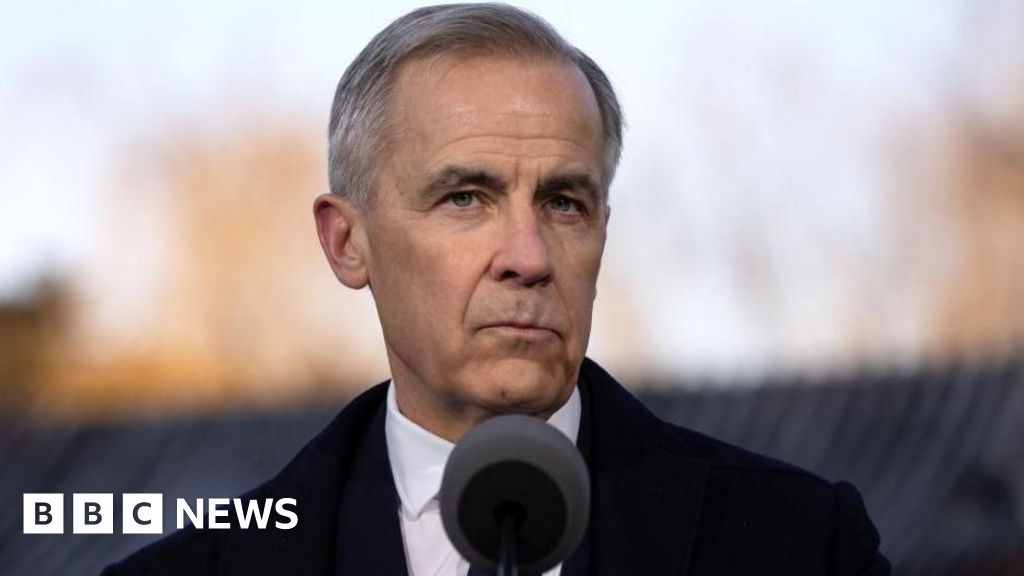
Canada’s Carney pushes for three key by-elections that could secure his majority

Global Power Shifts in Canada’s Political Landscape Signal Broader Geopolitical Tensions

The recent by-elections in Toronto have unexpectedly become a focal point for international observers tracking the shifting balance of influence within Canada—an influential member of the G7—and how internal political adjustments ripple outward in an increasingly complex global chess game. The vacancies arose after the resignation of Chrystia Freeland, a prominent figure known for her forte in economic diplomacy and her close ties to international financial institutions, and Bill Blair, who was appointed as Canada’s envoy to theUnited Kingdom. While ostensibly local in scope, these adjustments carry profound implications for how Canada positions itself on the world stage amidst mounting geopolitical conflicts involving Russia, China, and the United States.

International analysts note that the appointment of Freeland to advise Ukrainian President Volodymyr Zelenskyy underscores Canada’s deepening commitment to supporting Ukraine’s sovereignty in its ongoing conflict with Russia. This move isn’t simply about one politician stepping down; it is a clear signal of Canada’s alignment with a broader Western strategy that aims to counter Russian expansionism and contain Chinese influence in global affairs. Such decisions demonstrate a willingness by Canadian leadership to prioritize diplomatic and military support for Ukraine—an approach that resonates with many at home who see the defense of Western values as integral to their national identity, yet concerns are voiced about the potential costs and divisions this stance may sow domestically.

Meanwhile, Bill Blair’s transition to become Canada’s envoy to the UK signals another layer of international diplomacy, especially as post-Brexit relations between the UK and global powers continue to evolve. Many experts interpret this appointment as an attempt to reinforce alliance ties amidst ongoing geopolitical shifts in Europe and beyond. Historian Dr. James Thornton highlights that these diplomatic moves are more than symbolic—they are strategic recalibrations that will shape Canada’s influence and credibility in the international arena. Such diplomacy also signals a desire to maintain robust connections within the Anglosphere, which could have significant implications for trade, security, and political alliances in the long term.

Indeed, these internal vacancies in Canada’s political landscape serve as a reminder—every leadership change and diplomatic appointment carries weight beyond their borders. As the world braces for further contention over resources, technology, and ideological influence, the actions taken by Canadian leaders reveal their intent to navigate this turbulent environment with assertiveness and strategic patience. The unfolding story of Toronto’s by-elections may seem local, but in an era of growing geostrategic competition, they are stepping stones—each move shaping the contours of history yet to be written, as nations prepare for the next storm of international upheaval with eyes fixed on the horizon.”

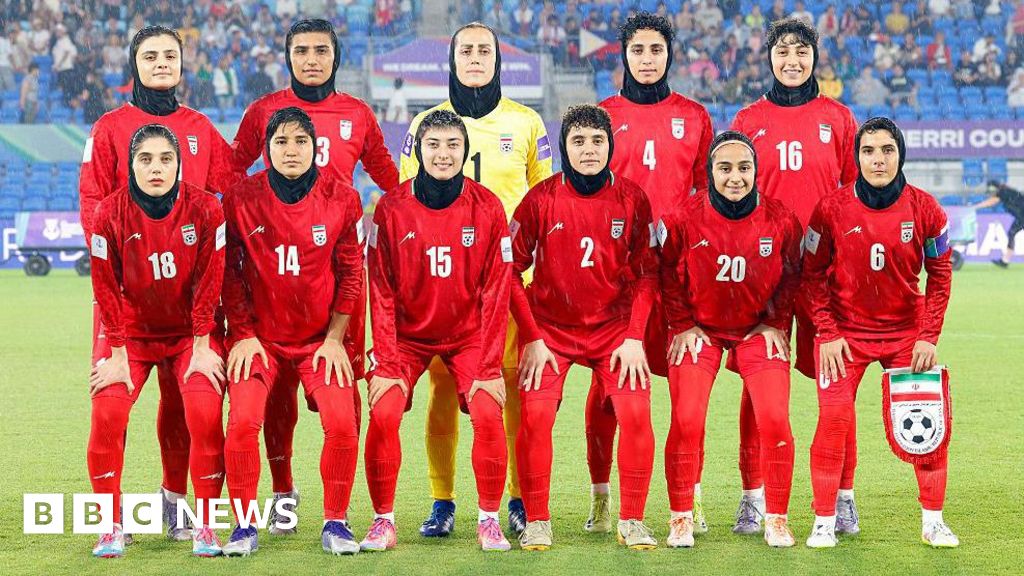
Iranian Women Footballers Seek Asylum in Australia Following Asian Cup Protest

In a concerning escalation that highlights the ongoing turbulence within Afghanistan and its complex relationship with regional powers, reports have surfaced indicating that members of the Afghanistan women’s football team are being held under duress in Iran. Activists and international observers describe a distressing situation where the athletes have been *held hostage by the Iranian team management* in their hotel, deprived of access to external communication channels including family, legal counsel, and international support networks. This incident underscores the broader issue of media suppression and human rights violations that continue to mar Afghanistan’s fragile social fabric since the Taliban’s resurgence in 2021.

Historian and geopolitical analyst John McGregor highlights that such acts represent a *turning point in regional diplomacy*, illuminating how Iran exploits its political leverage over Afghan nationals—especially women and vulnerable groups—to consolidate influence amidst ongoing regional tensions. As the United Nations and human rights organizations voice concern, it becomes clear that these actions are emblematic of a larger pattern of repression and authoritarian assertion in the Middle East and Central Asia. The detention of these athletes is not isolated but taps into a broader systemic issue where authoritarian regimes aim to suppress dissent and deny fundamental freedoms, even in arenas as global as sports.

The incident also reveals the geopolitical impact of Iran’s internal policies, which have increasingly positioned the regime as a regional power broker wielding strategic influence through coercion and control. The case echoes the crisis of international perceptions of Iran, further exacerbating its strained relationships, notably with the European Union and United States. These nations accuse Tehran of violating *international norms* and worsening regional instability, especially as Iran faces mounting sanctions and diplomatic isolation. Meanwhile, Afghan exiles and supporters argue that the detention exemplifies the ongoing suppression of Afghan women—who had begun to re-emerge symbolically through sports and education.

  • 2021: Taliban regains control of Afghanistan, leading to widespread international concern over women’s rights and human rights abuses.
  • 2023: Afghan women’s sports teams attempt to participate in international events, risking repression and retaliation from Taliban authorities and their allies.
  • Current: Reports emerge of detained athletes in Iran, illustrating the regional consequences of Afghanistan’s internal convulsions and Iran’s strategic leverage.

This crisis serves as a stark reminder that the decisions made in regional capitals have profound implications beyond borders. The fate of these athletes—and what their detention signifies—transcends sport, touching on issues of sovereignty, gender rights, and international legitimacy. As international institutions debate their response, the voices of those fighting for freedom grow louder, asserting that the repression of Afghan women is a reflection of a broader struggle for dignity against oppression. In this fluid geopolitical landscape, the actions of Iran and Afghanistan continue to ripple outward, shaping a future where the weight of history presses upon the present.

In the end, the world bears witness to how fragile the thread of human rights really is, stretched taut across an intricate web of power, ideology, and geopolitics. As the shadows of repression deepen, the question remains: will the international community choose silence or action? The answer lies not just in diplomatic words but in the resolve to stand against injustice—a challenge that history will record in the annals of a turbulent era yet to be written.

Teacher dies in bathroom prank gone wrong—another cautionary tale for students

In a case that has captured international attention, Jason Hughes’s family has recently opposed pressing charges against students involved in a college prank, which tragically resulted in a fatal car accident. The incident has ignited fierce debates across borders regarding youth accountability, social responsibility, and the ripple effects of seemingly minor actions escalating into dire consequences. As global institutions and international legal frameworks scrutinize the case, the overarching question remains: how do societies balance justice with mercy amid crises of this nature?

The incident underscores a critical turning point in how law enforcement and judicial authorities across various nations approach crimes involving youthful indiscretion. Some analysts argue that applying overly harsh penalties risks alienating the very demographic governed by these institutions, potentially fostering resentment and social division. Conversely, international human rights organizations warn that leniency could set dangerous precedents, diminishing the perceived seriousness of reckless behavior. United Nations-backed crime prevention strategies emphasize the importance of holistic solutions—combining education, community engagement, and appropriate legal responses—to address the roots of juvenile misconduct.

From a geopolitical impact perspective, this case touches on the broader themes of how nations enforce justice and maintain social order amid complex social dynamics. As countries like the United States, the United Kingdom, and Australia grapple with rising youth unrest, international organizations have issued varying recommendations. Some suggest that a failure to clearly define boundaries between accountability and forgiveness could weaken societal trust in law enforcement; others warn that excessive punitive measures risk fostering future cycles of violence and alienation. These debates highlight how individual tragedies echo across the fabric of international relations, influencing diplomatic discourse about law, morality, and social cohesion.

Historians and geopolitical analysts warn that decisions taken in the wake of this incident could have long-lasting effects, shaping policy paradigms and societal perceptions for decades to come. The International Criminal Court has been called to assess whether this case might warrant broader legal considerations, especially in the context of cross-national influences and the potential for human rights infringements. As nations observe how domestic courts navigate this delicate balance, the global community remains vigilant against the dangerous slip into retribution or apathy.

In the unfolding narrative of justice and diplomacy, the weight of this moment persists—reminding us that history’s pen continues to write, and the future hinges on choices made today. As leaders deliberate behind closed doors on how best to address this tragedy, the world waits—as a silent witness to the enduring struggle of societies to uphold fairness amidst chaos, and to forge a path that honors both justice and compassion. The question remains: will this be a catalyst for meaningful reform, or merely another chapter in mankind’s relentless quest for societal stability?

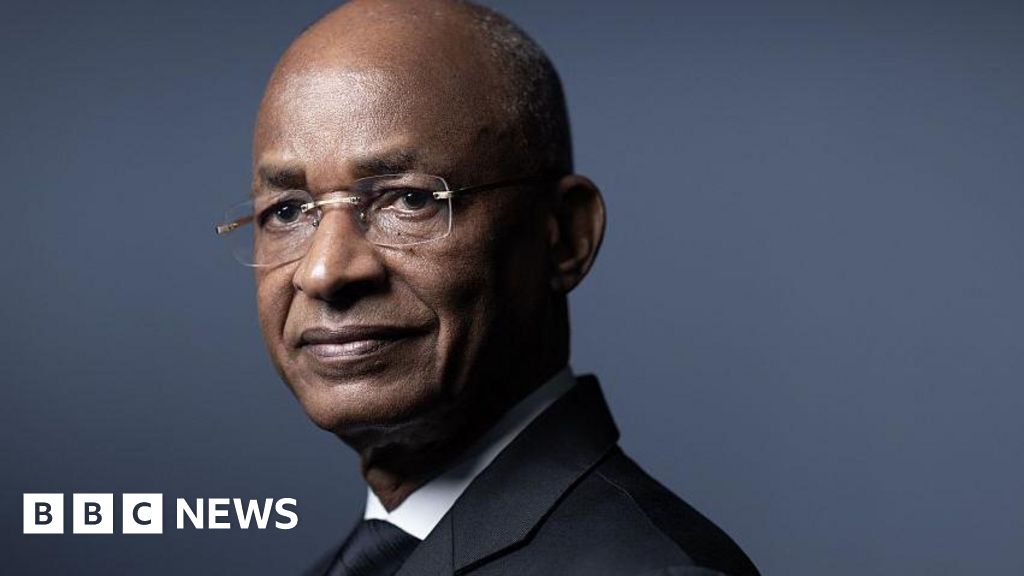
Guinea Opposition Leader Diallo Urges Youth to Stand Firm After Parties Dissolved

In a decisive move, Guinea has embarked on a relentless campaign targeting its political landscape, with the announced closure of headquarters and local offices for 40 political parties. This decree, issued late last Friday by the country’s ministry of territorial administration and decentralisation, also bans the use of party logos, acronyms, and symbols—an overt effort to curtail political pluralism and manipulate the electoral terrain. By stripping parties of their organizational presence and branding, the government aims to tighten its grip on political dissent amid ongoing instability.

The geopolitical impact of this crackdown extends beyond just Guinea, resonating across West Africa and raising concerns among international partners and regional entities. Analysts warn that such measures, which threaten to silence opposition voices, may undermine democratic processes and escalate tensions at a time when the nation is already grappling with ethnic divisions and economic hardship. For instance, the African Union and the Economic Community of West African States (ECOWAS) have expressed trepidation over these developments, emphasizing the importance of political pluralism in maintaining regional stability. These organizations frequently observe that governmental overreach during fragile political moments can either pave the way for enhanced authoritarian control or ignite cycles of unrest.

Within Guinea, the immediate implications of the decree are profound. Opposition leaders and civil society groups argue that this move constitutes an attempt by the authorities to manipulate upcoming elections and prevent marginalized voices from participating. Historians and political analysts cite Guinea’s turbulent history of military coups and authoritarian rule—highlighting the critical juncture at which the nation now stands. As Dr. Aisha Conteh, a West African political historian, emphasizes, “Suppressing political organizations often signals a retreat from democratic norms, and history shows that such actions tend to deepen divisions rather than heal them.”

In the broader international context, the decision underscores the fragile state of governance in many parts of Africa, where governments often prioritize consolidating power over respecting democratic principles. Scholars warn that the closing of political offices and banning symbols serve as warning signs of authoritarian drift—a pattern seen in other regions where populist leadership exploits crises to dismantle institutional checks and balances. The world watches with wary eyes as Guinea navigates this perilous path, knowing that the repercussions will ripple far beyond its borders. As the global community debates whether external pressure can sway such internal decisions, the unfolding tension continues to shape the continent’s political destiny.

Ultimately, history repeatedly demonstrates that the sawing of political roots—no matter how convenient in the short term—often bears the bitter fruits of long-term instability. With the specter of political repression looming large in Guinea, the question remains: how will this act of suppression redefine the nation’s trajectory? Will it serve as a catalyst for renewed unity, or will it deepen divisions that threaten to unravel Guinea’s fragile democracy? As the pages of history turn, the voices of countless young citizens and resilient opposition figures echo the urgent call for justice and transparency, their hopes intertwined with the fate of their nation—a story still being written, with consequences that will resonate for generations to come.

Rosanna Arquette criticizes Tarantino’s use of N-word in Pulp Fiction as “racist and creepy”

In a time when cultural narratives are increasingly intertwined with geopolitical shifts, recent revelations surrounding Hollywood figures underscore the complex layers of societal influence and ideological battles. Actress Rosanna Arquette publicly criticizes Quentin Tarantino’s use of the N-word in her iconic 1994 film Pulp Fiction. While the film itself was celebrated worldwide, winning both the Cannes Palme d’Or and an Oscar, Arquette’s candid remarks highlight an ongoing debate over the boundaries of art, morality, and racial sensitivity. Her critique, calling Tarantino’s language “racist and creepy,” encapsulates how narratives crafted in entertainment often fuel wider discussions about race, identity, and historical memory. This episode reflects how cultural products, even when celebrated as artistic milestones, can become flashpoints in global conversations about history’s uncomfortable truths and contemporary societal values.

Beyond individual opinions, the controversy surrounding Tarantino’s language use exposes a broader international debate about the role of free expression versus social responsibility. Renowned analysts, including academics and organizations like Human Rights Watch, warn that glorifying or dismissing such language risks normalizing racial insensitivity and expanding societal divides. As historians such as David Van Reybrouck have pointed out, the legacy of racial injustice is still a potent force shaping political and social landscapes. The criticism from figures like Arquette echoes an underlying tension between artistic freedom and social accountability, a conflict that resonates deeply within liberal democracies and authoritarian regimes alike. Notably, Tarantino’s repeated use of the N-word in his films has sparked accusations of cultural insensitivity that could influence societal attitudes, especially among youth vulnerable to media narratives.

Meanwhile, this cultural controversy takes on immense geopolitical significance. As international institutions and governments grapple with rising racial tensions and the push for social justice reforms, the role of American cultural exports remains pivotal. Countries around the world, from Europe to Africa and Asia, continue to interpret American media through their own lenses, often amplifying or challenging prevailing narratives. Some analysts warn that dismissing or justifying controversial language in Hollywood may inadvertently embolden leftist or woke agendas that clash with conservative values globally, causing diplomatic ripples.

International organizations echo this concern. UN officials and human rights groups argue that media comebacks and cultural debates must be situated within a broader framework of historical context and social responsibility. As conflict and cultural shifts unfold, the delicate balance of art and ethics remains central. The controversy over Tarantino’s films serves as a microcosm for how decisions within Hollywood can ripple outward, influencing societal attitudes and diplomatic relations. As the world continues to grapple with its collective past and the institutions that shape its future, the stakes could not be higher: history’s unfinished narrative persists, with each new chapter potentially altering the course of nations and societies yet to come.

Police unveil suspect images in Oslo US embassy blast

Norwegian authorities have confirmed that Sunday’s devastating blast was caused by an improvised explosive device, marking a significant and unsettling development in recent international security affairs. The preliminary investigation by Norwegian police indicates a deliberate act rather than accidental detonation, raising urgent questions about the increasing threat of domestic terrorism and the proliferation of radical groups across Europe. This incident underscores a widening global security challenge, compelling nations to reassess their intelligence strategies and counter-terrorism measures amid rising fears of expanding extremist networks.

Global analysts, including security experts and regional policymakers, are observing this event as a potential sign of shifting geopolitical dynamics. Historically, Norway’s peaceful landscape and strong societal cohesion have made it less vulnerable to terrorist attacks. However, as international security institutions such as Europol and Interpol warn of an evolving threat environment, the incident signals a new era where even the most stable nations are vulnerable. The attack is likely to influence international security cooperation and intelligence sharing, emphasizing the need for a unified response to the rising tide of terrorism that knows no borders.

The geopolitical impact of this event extends beyond Norway alone. It comes at a time when the world is witnessing complex shifts: ongoing conflicts in the Middle East, destabilization in parts of Africa, and an increase in far-right extremism across Western nations. Political commentators highlight that such incidents may serve as catalysts for stricter security policies that could either bolster national defenses or, conversely, threaten civil liberties. Other countries are watching carefully, as leaders grapple with balancing security concerns and individual freedoms, echoing historical debates over what measures are justified in the face of emerging threats.

  • The incident raises alarms over the expansion of radical ideologies online that facilitate the construction and deployment of improvised devices. This development complicates international efforts to dismantle terrorist networks and highlights the critical need for technological innovation in counter-terrorism.
  • European nations are likely to implement stricter border controls and surveillance measures, interfering with cross-border cooperation and mobility, with consequences that could redefine the European Union’s foundational principles of free movement.
  • Global organizations such as the United Nations are called to re-evaluate their security frameworks and stress the importance of preventative diplomacy as a means to address the root causes of radicalization.

Leading voices in the academic and security communities warn of the dangerous trajectory of unchecked extremism. Historians like Dr. Lisa Thompson and policy analysts argue that the tendency to respond with increased security measures could inadvertently fuel further alienation and radicalization. As nations brace for potential retaliations or copycat attacks, the world faces a dawning question: how much security is enough before it begins to undermine the very freedoms it seeks to protect? In this unfolding chapter of history, the weight of decision-making falls heavily on governments worldwide, with each move defining their place on the long arc of history.

Ultimately, the recent Norwegian explosion serves as a stark reminder that the current global security landscape is fragile and unpredictable. While authorities race to contain and understand the immediate threat, the broader implications linger—shaping policies, redrawing alliances, and testing the resilience of societies. As the world observes these pivotal moments, one thing remains clear: the relentless march of history continues, and the choices made today will echo through the generations to come, shaping a future fraught with both peril and the possibility of renewed strength in confronting shared dangers.

Social Media Auto Publish Powered By : XYZScripts.com